History Worksheets for Ages 3-7 - Page 2
38 filtered results
-
From - To
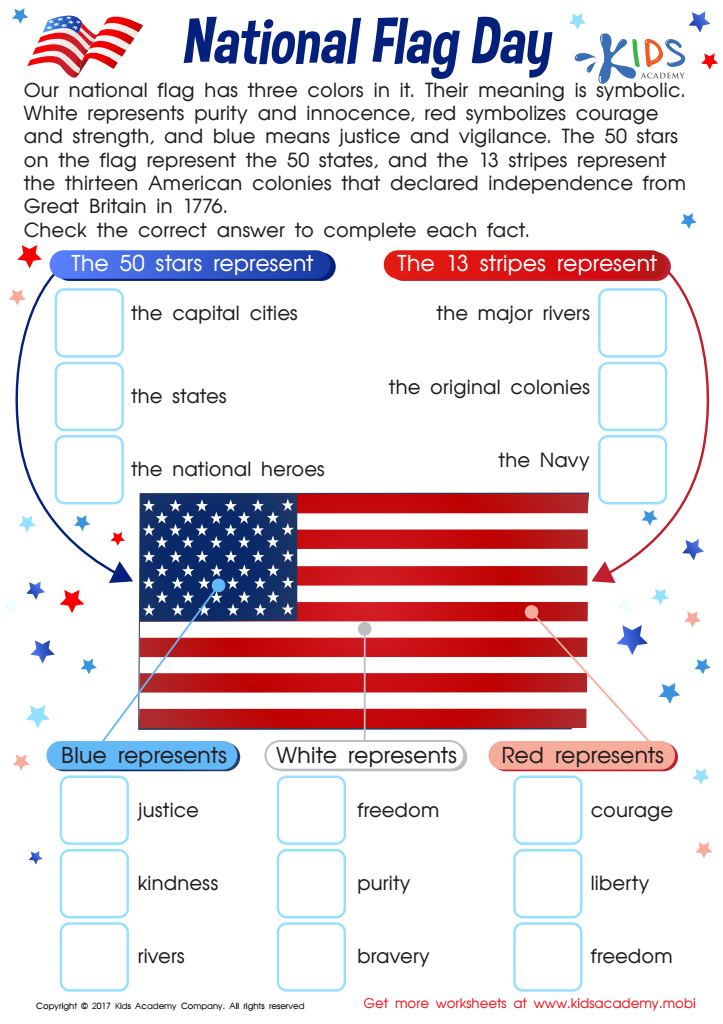
US National Flag Day Worksheet
 Assign to My Students
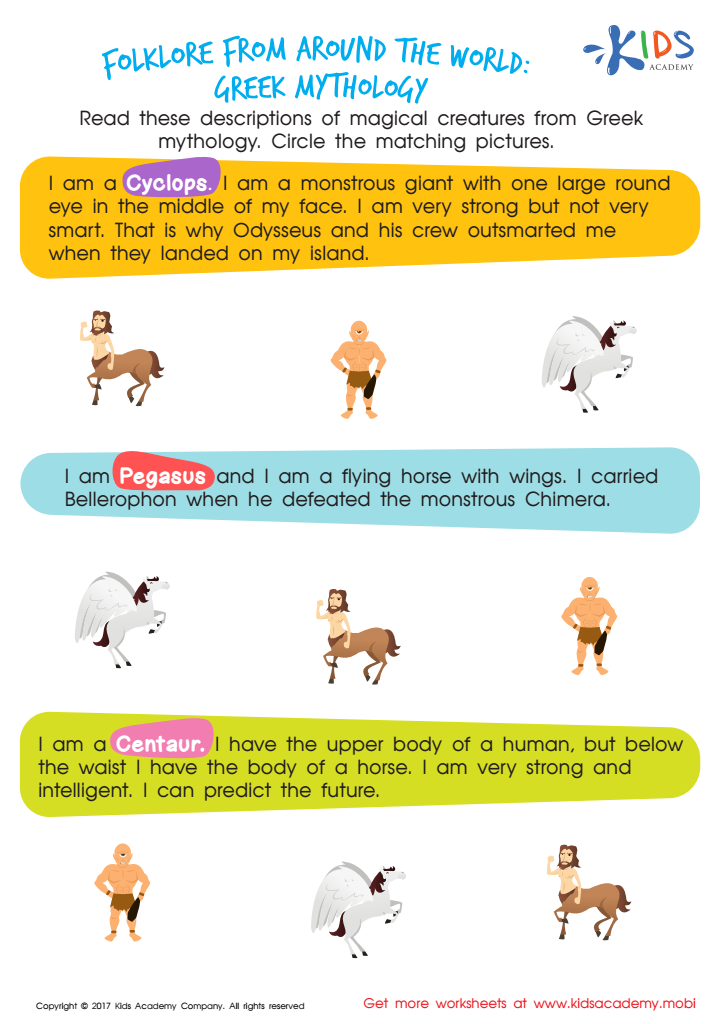
Greek Mythology Worksheet

Happy Diwali Printable
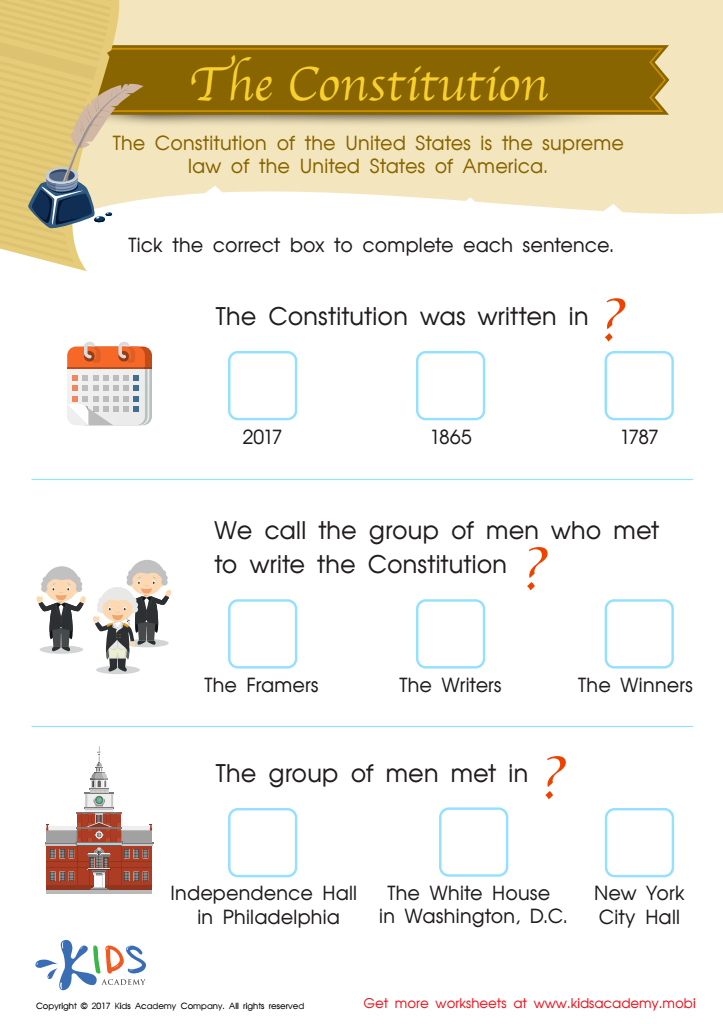
The Constitution Worksheet
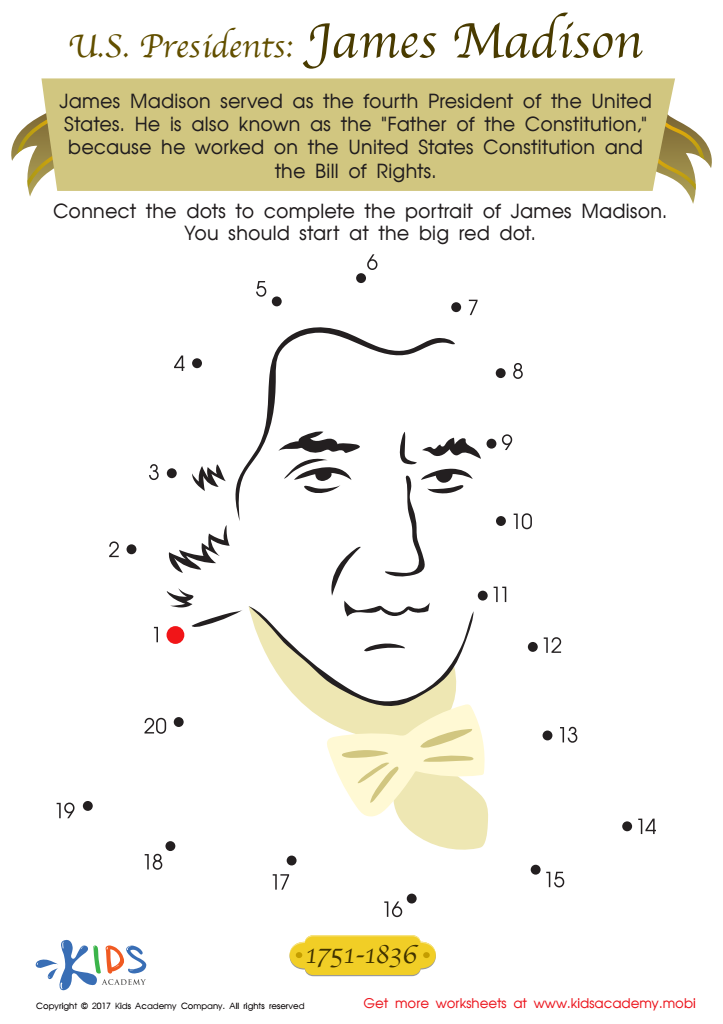
President Madison Printable
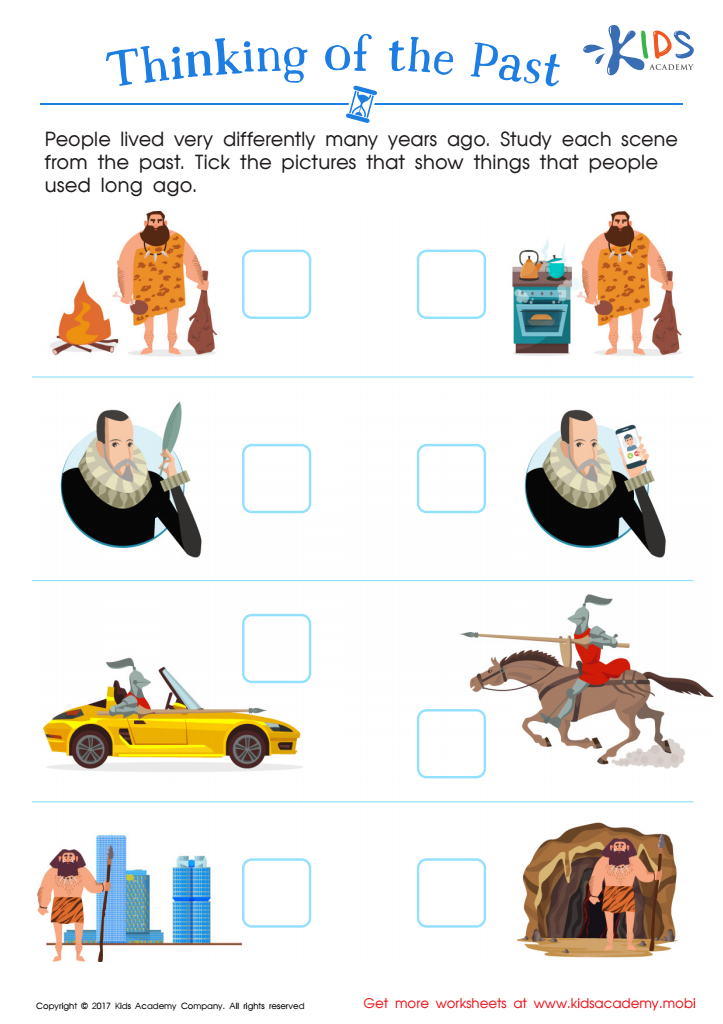
Thinking Past Printable
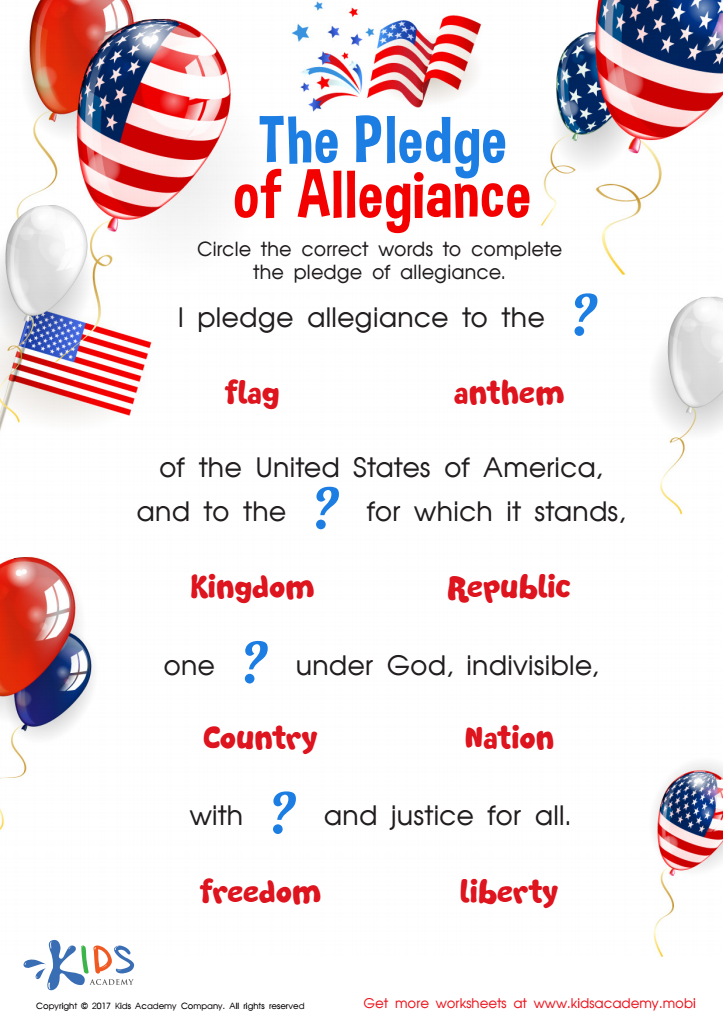
The Pledge of Allegiance Worksheet
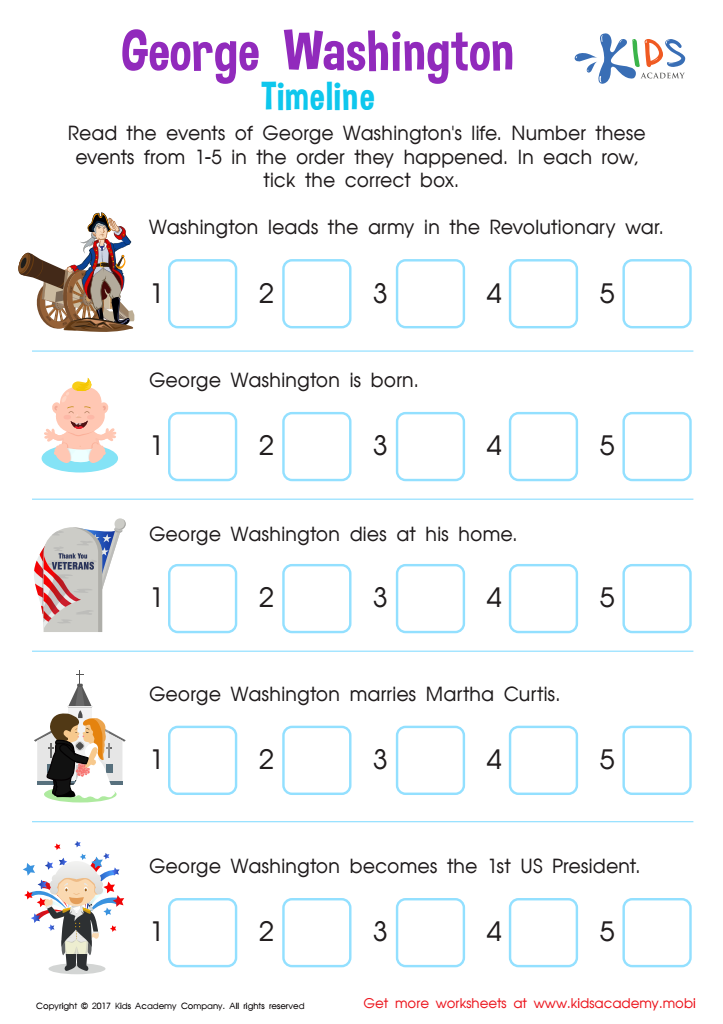
George Washington Timeline Worksheet
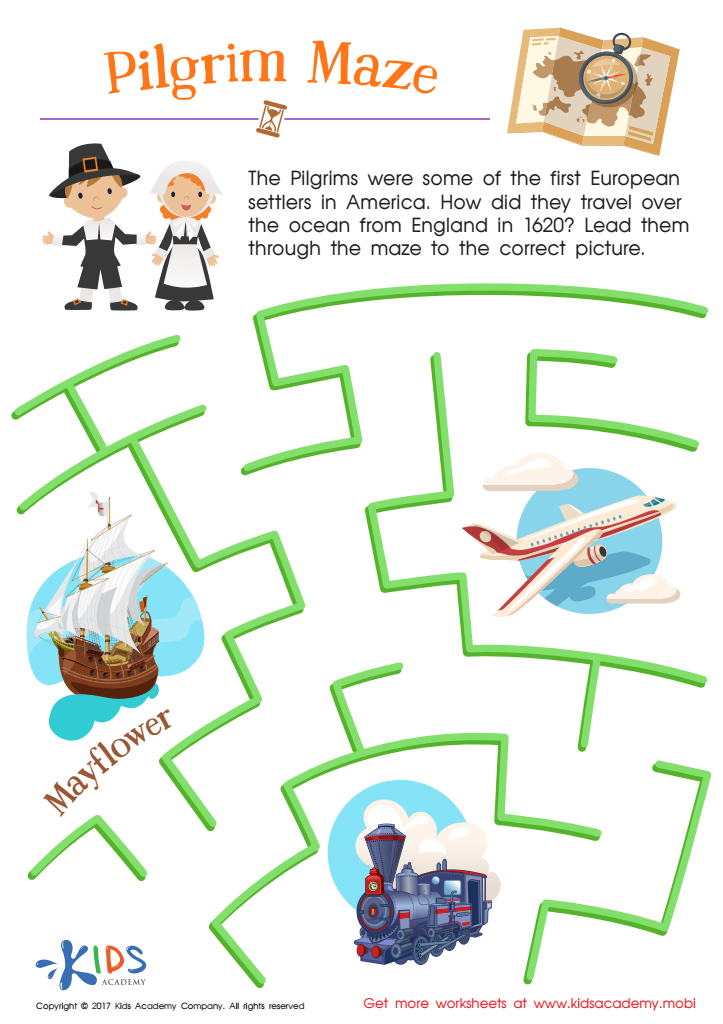
Pilgrim Maze Worksheet
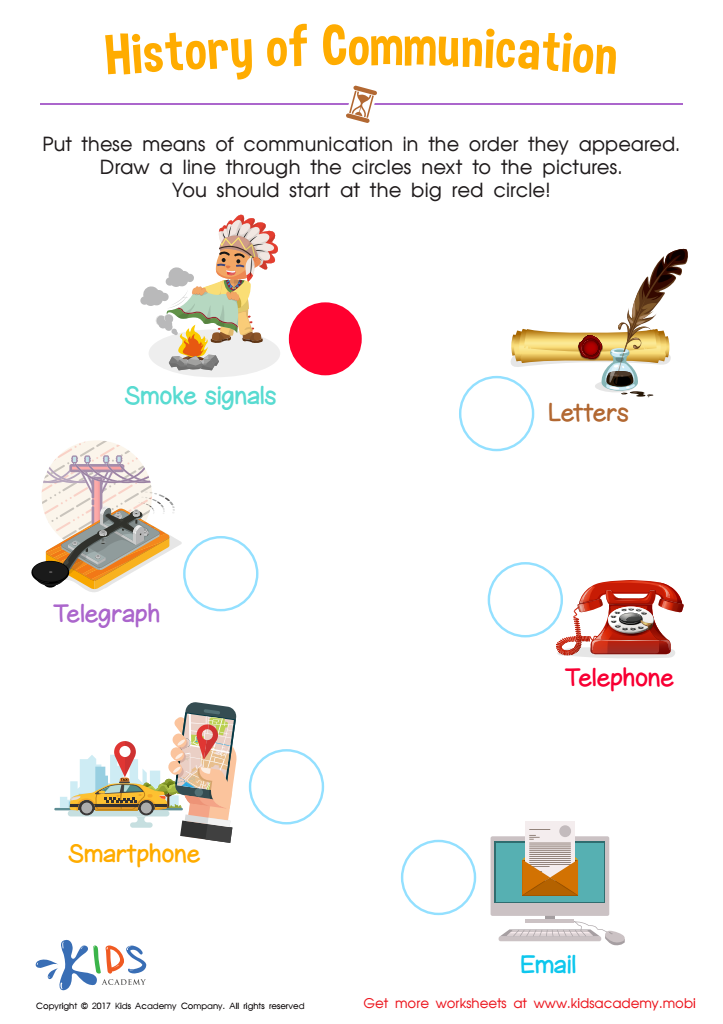
History of Communication Worksheet
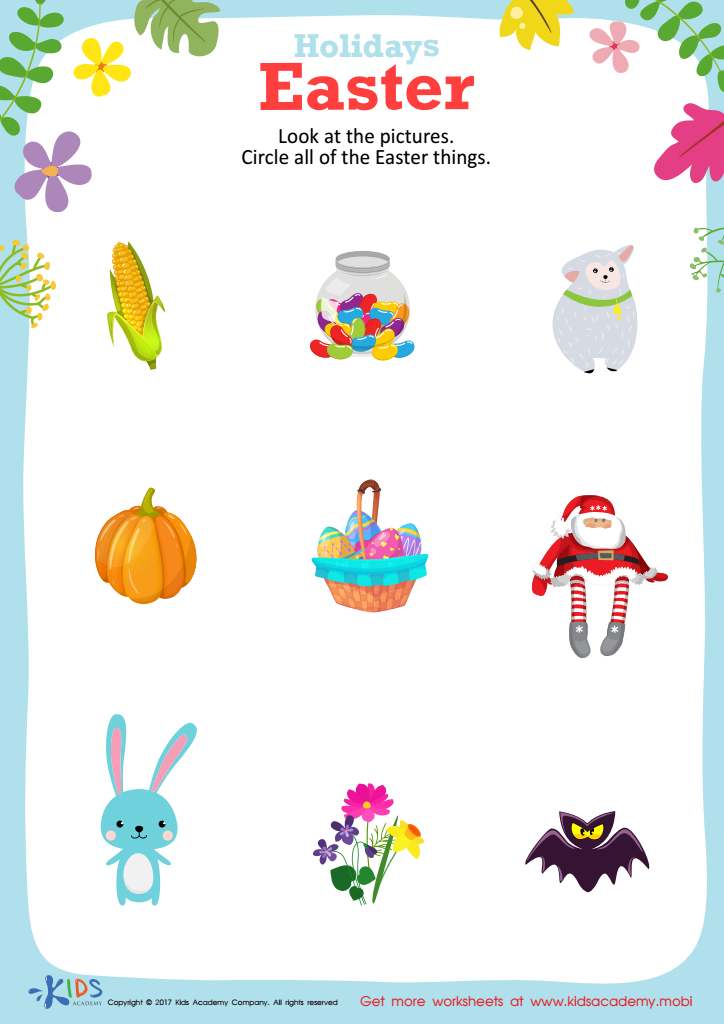
Easter Holiday Printable
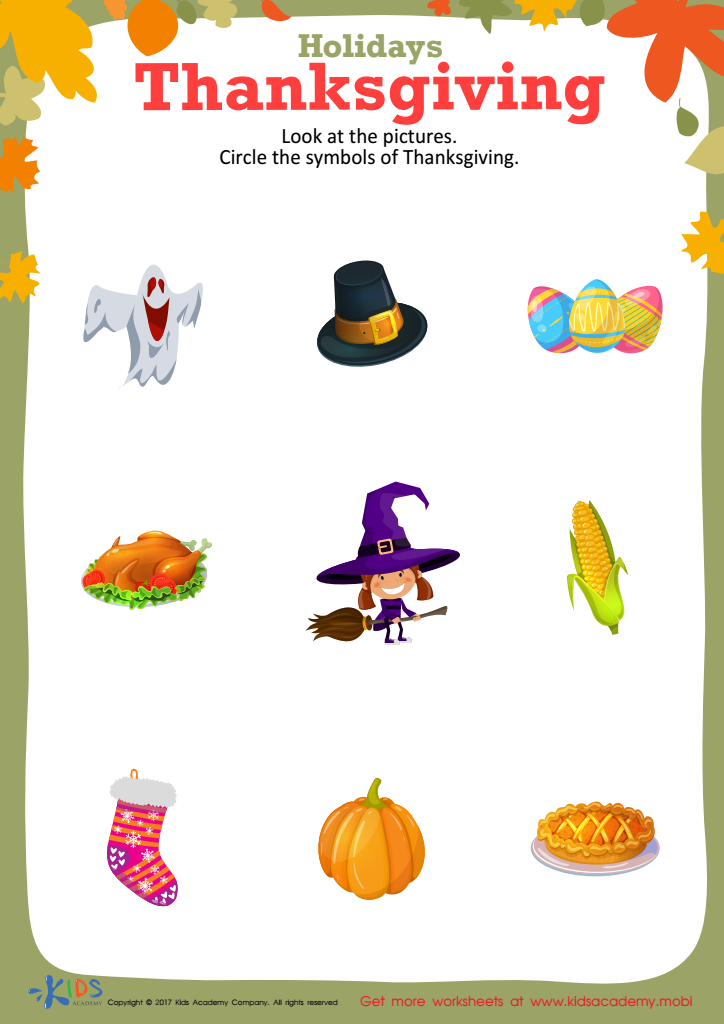
Thanksgiving Holiday Printable
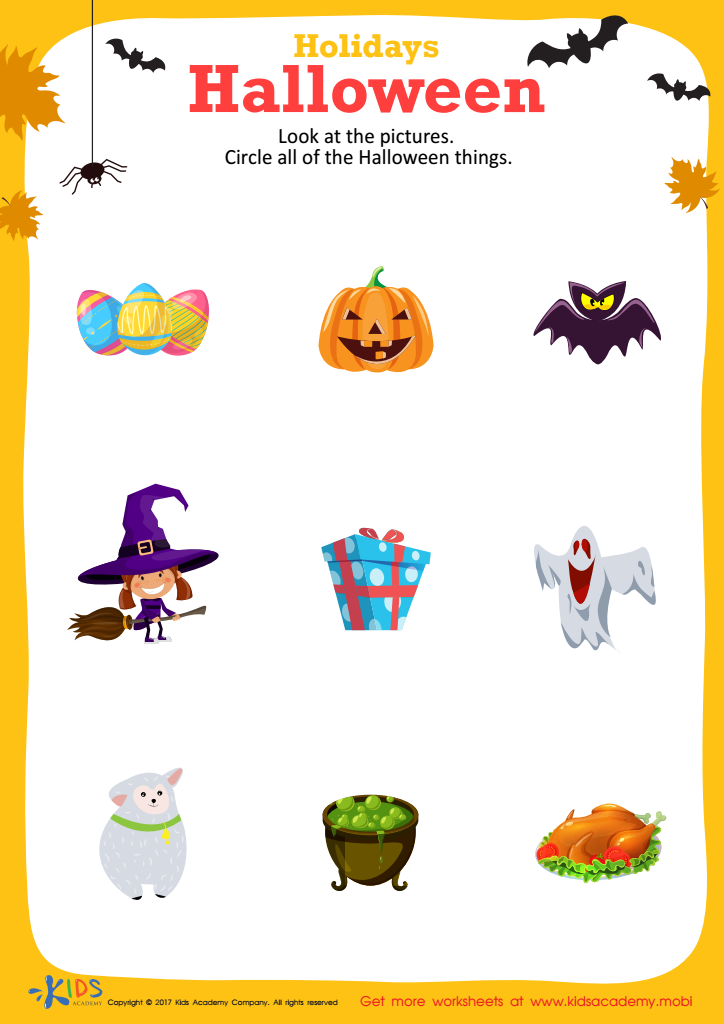
Halloween Holiday Worksheet
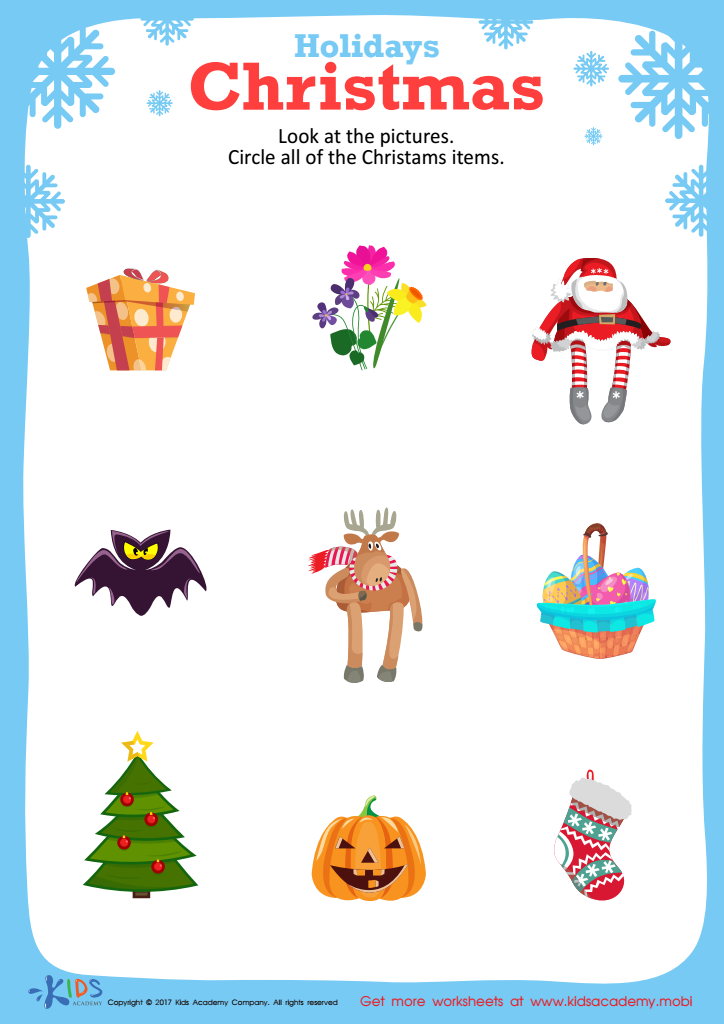
Christmas Holiday Worksheet








Teaching history to children aged 3-7 is vital for several reasons. First and foremost, it helps to develop a child's identity and sense of belonging. Understanding the past, even in simple terms, allows children to connect with their heritage, culture, and community. This foundational knowledge fosters pride and teaches them about the diversity and richness of human experience.
Moreover, exploring history early helps cultivate critical thinking skills. Children learn to ask questions, recognize patterns, and understand cause-and-effect relationships. As they hear stories about the past, they practice skills of comprehension, sequencing, and prediction, which are crucial for their overall cognitive development.
History also introduces moral lessons. By learning about various figures, events, and choices made throughout time, children gain insights into values like respect, empathy, and justice. Stories of heroes and leaders can inspire young learners and instill virtues that guide their behavior in everyday life.
Finally, historical knowledge builds a foundation for lifelong learning. It encourages curiosity about the world and motivates children to continue seeking information as they grow. Engaging with history, even at a young age, helps shape thoughtful, informed, and compassionate individuals prepared to navigate the future.