Sorting Worksheets for Ages 3-8 - Page 2
27 filtered results
-
From - To
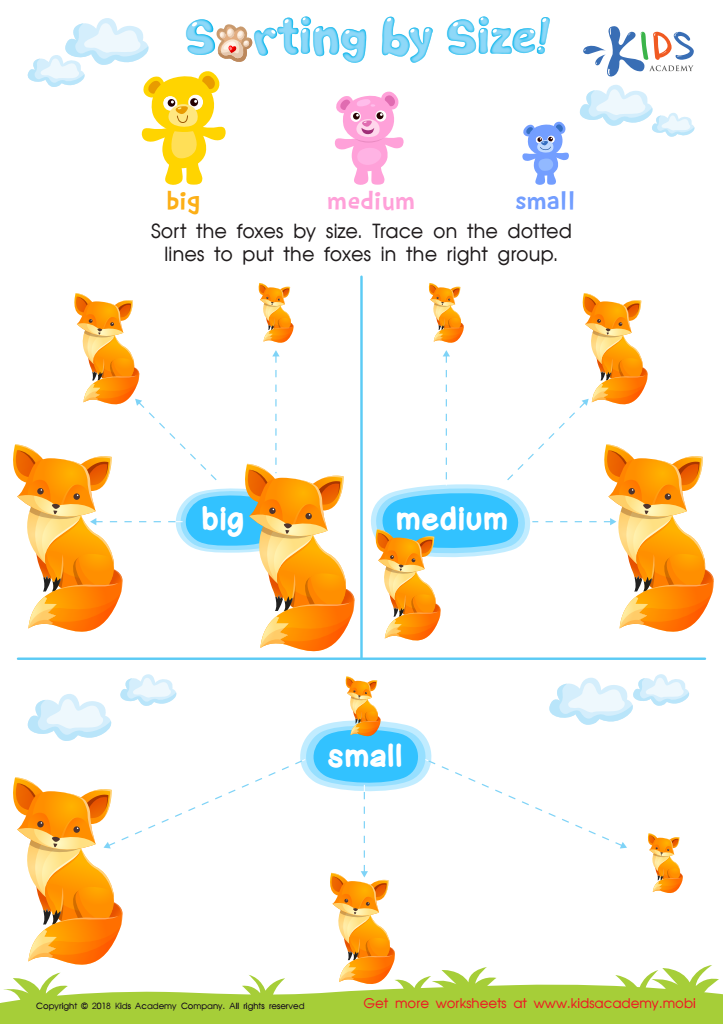
Sorting by Size Worksheet
 Assign to My Students
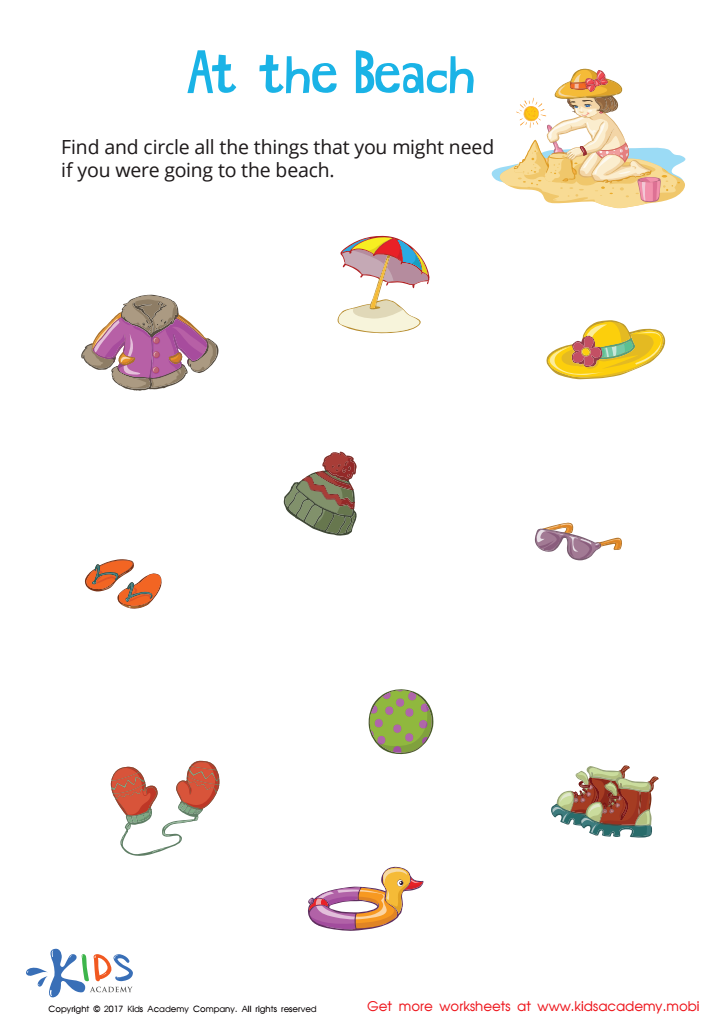
At the Beach Sorting Worksheet
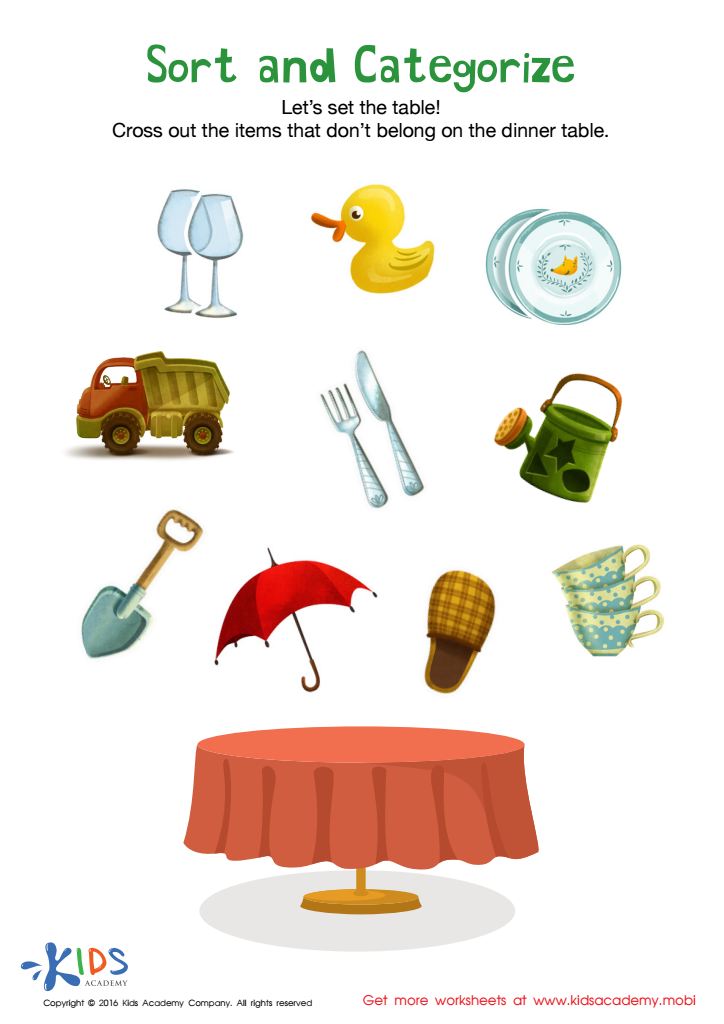








Sorting activities are fundamental for children aged 3 to 8, as they lay the groundwork for essential cognitive and social skills. At this age, children are naturally curious and eager to understand their world. Sorting helps them make sense of complex environments by categorizing objects based on characteristics such as shape, color, size, or type. This process enhances their critical thinking and problem-solving abilities, encouraging them to make connections and develop logical reasoning.
Moreover, sorting activities promote fine motor skills and hand-eye coordination as children manipulate various items. This practice supports their overall physical development as they transition to more complex tasks like writing and drawing. Sorting can also foster collaborative skills when children work together in groups, learning important concepts such as sharing, cooperation, and communication.
From an educational perspective, sorting forms the basis for more advanced mathematical concepts, such as classification and sequencing, that will be essential for later learning. Teachers and parents should care about sorting, as engaging in these activities provides children with a joyful, hands-on learning experience that nurtures key life skills while promoting early development in a playful manner. In essence, sorting is not just an activity; it’s a stepping stone to holistic growth.








