Letter I Worksheets for Ages 3-9
5 filtered results
-
From - To
Explore our engaging "Letter I Worksheets" designed specifically for children ages 3-9! These resources promote early literacy by helping young learners recognize and write the letter 'I' through fun activities such as tracing, coloring, and identifying words. Each worksheet is carefully crafted to develop crucial fine motor skills and enhance phonemic awareness while keeping kids entertained. Whether in the classroom or at home, our printable worksheets offer a variety of challenges suitable for all skill levels, making learning about the letter 'I' a delightful and interactive experience. Start your child’s literacy journey today with our vibrant and educational resources!
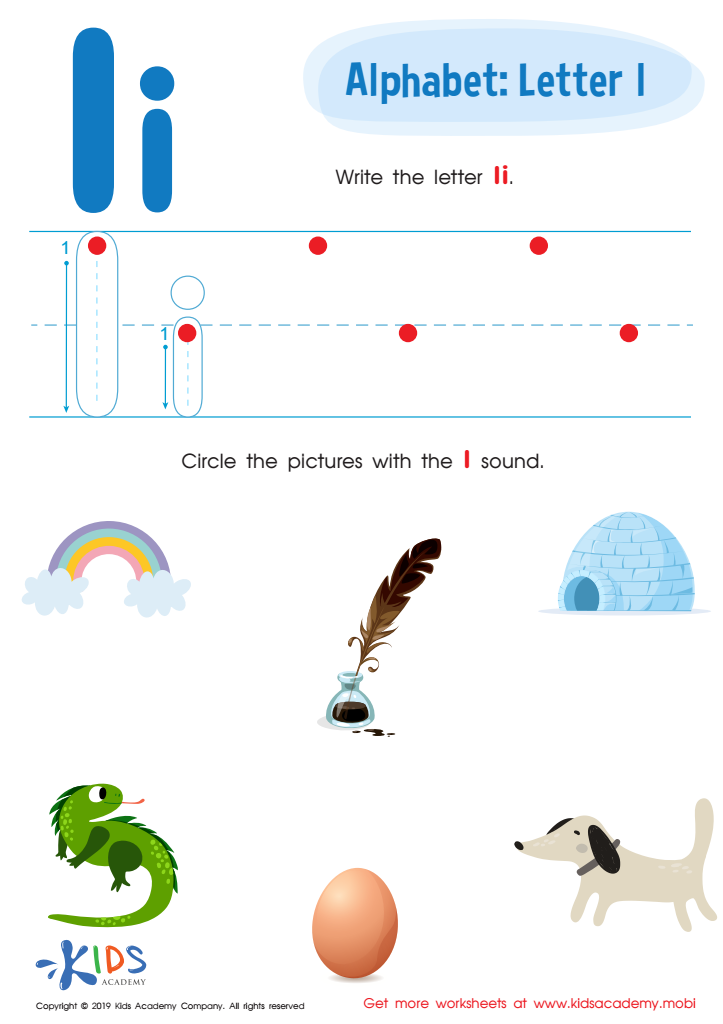
Letter I Tracing Worksheet
 Assign to My Students
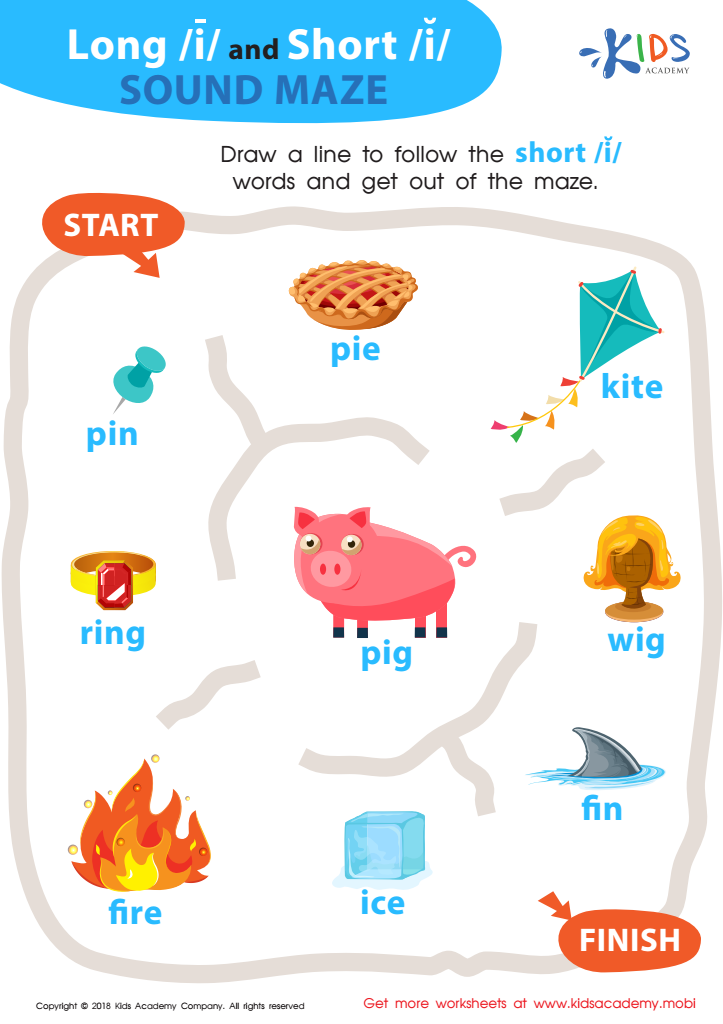
Reading: Long I and Short I Sound Maze Worksheet
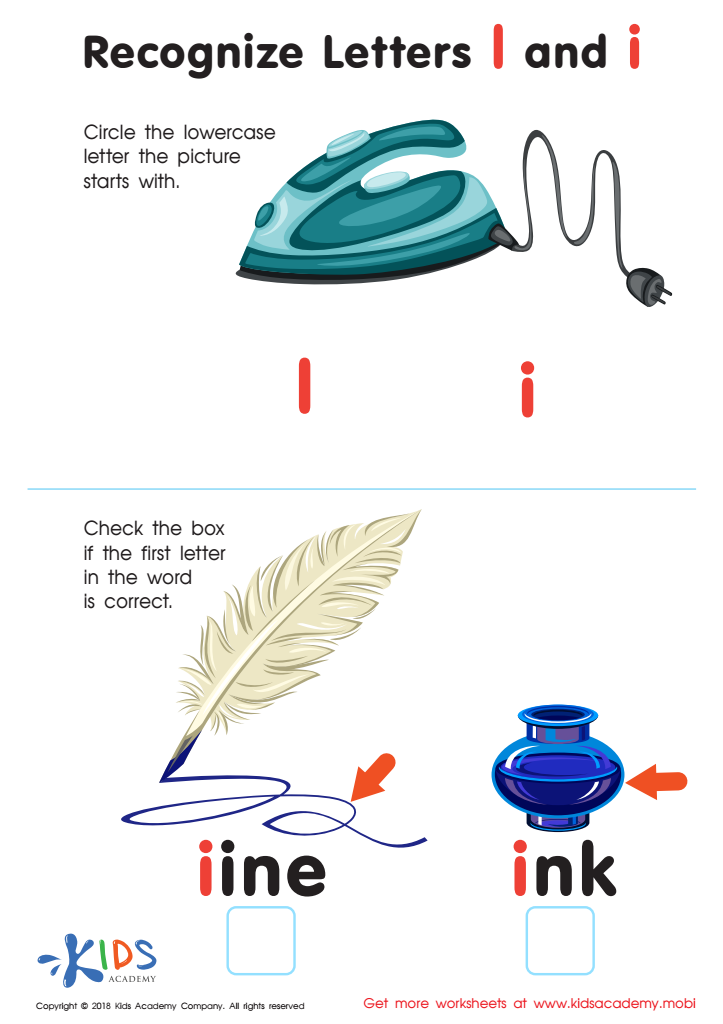
Recognize Letters l and i Worksheet
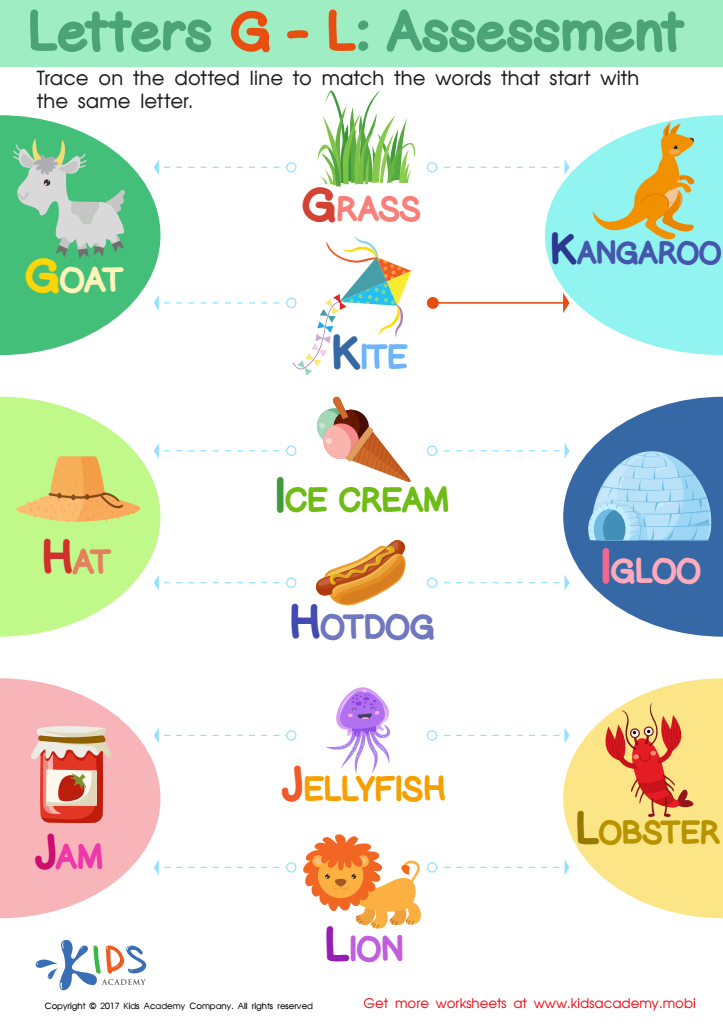
Letters G-L Worksheet
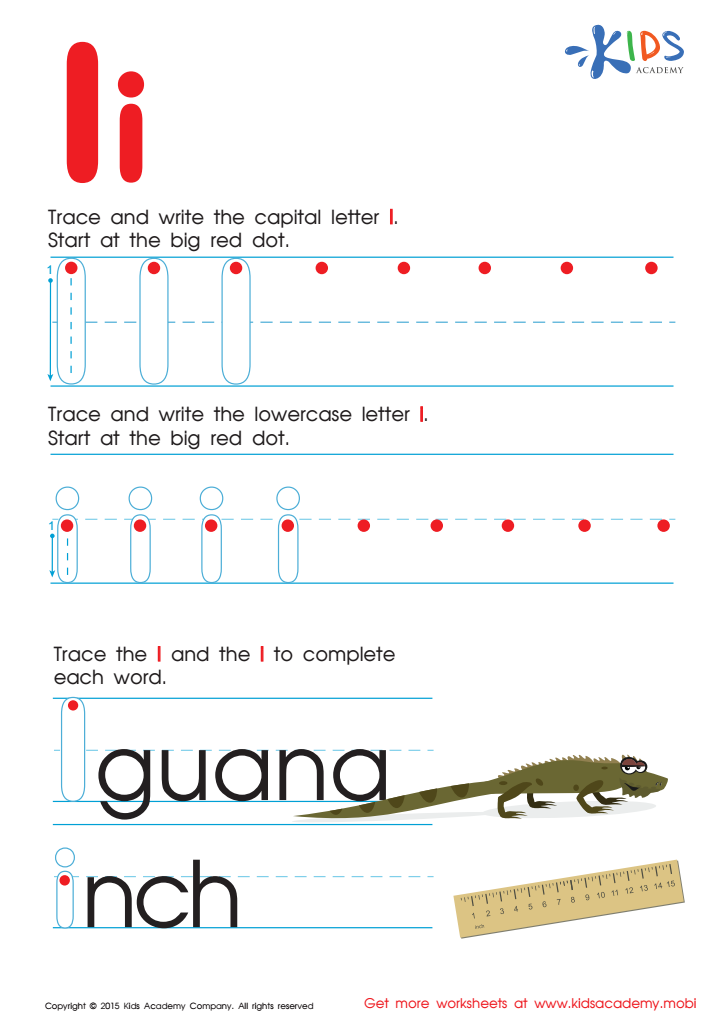
Letter I Tracing Page






The letter "I" is an essential component of early literacy skills for children aged 3-9. Understanding and recognizing the letter I not only enhances a child's vocabulary but also plays a crucial role in phonemic awareness, which is the foundation for reading success. The letter "I" represents a vowel sound that can significantly influence word formation, aiding in reading pronunciation and fluency.
Additionally, when children become familiar with the letter "I," they learn to identify it in numerous words such as "igloo," "ice cream," and "insect," reinforcing their language development. Using playful activities like singing songs, storytelling, or arts and crafts centered around "&": Integrating communication around the letter I in fun ways fosters engagement and makes learning enjoyable.
Moreover, as they learn to write the letter "I," children practice fine motor skills that are critical in this developmental stage. Incorporating the letter "I" into everyday conversations and learning moments encourages literacy skills that extend beyond the classroom.
Overall, the emphasis on the letter "I" supports children's cognitive and social development, laying the groundwork for lifelong learning and literacy skills. Parents and teachers play a vital role in making this learning impactful and memorable.