Filters

105 filtered results

Clear all filters
Favorites
With answer key
Interactive

105 filtered results

Difficulty Level

Grade


Check out this FREE Trial Lesson on Plants and Animals for age 4-7!

Animal Habitats

Favorites
With answer key
Interactive
  • 4-7
  • Interactive
  • Plants and Animals
What Do Plants Need to Grow Worksheet

What Do Plants Need to Grow Worksheet

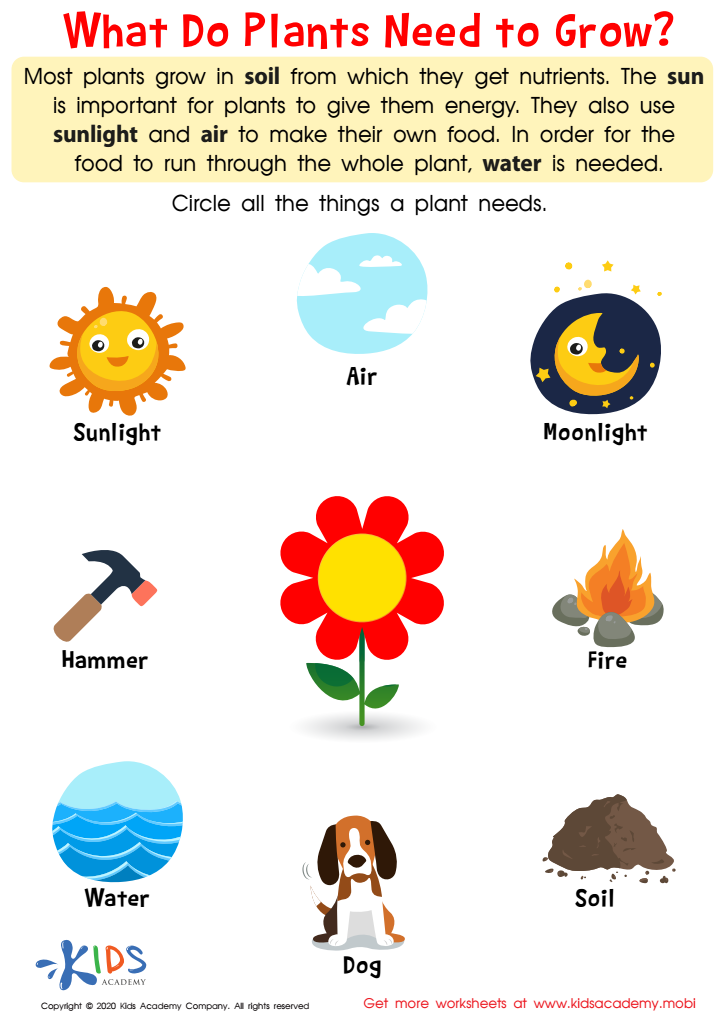
Help your child explore and discover the world of plants with this fun how do plants grow worksheet! They'll gain knowledge, sharpen problem solving skills, and build science foundations as they identify what plants need to grow. Afterward, plant a seed together and watch it sprout right before their eyes!
What Do Plants Need to Grow Worksheet
Worksheet
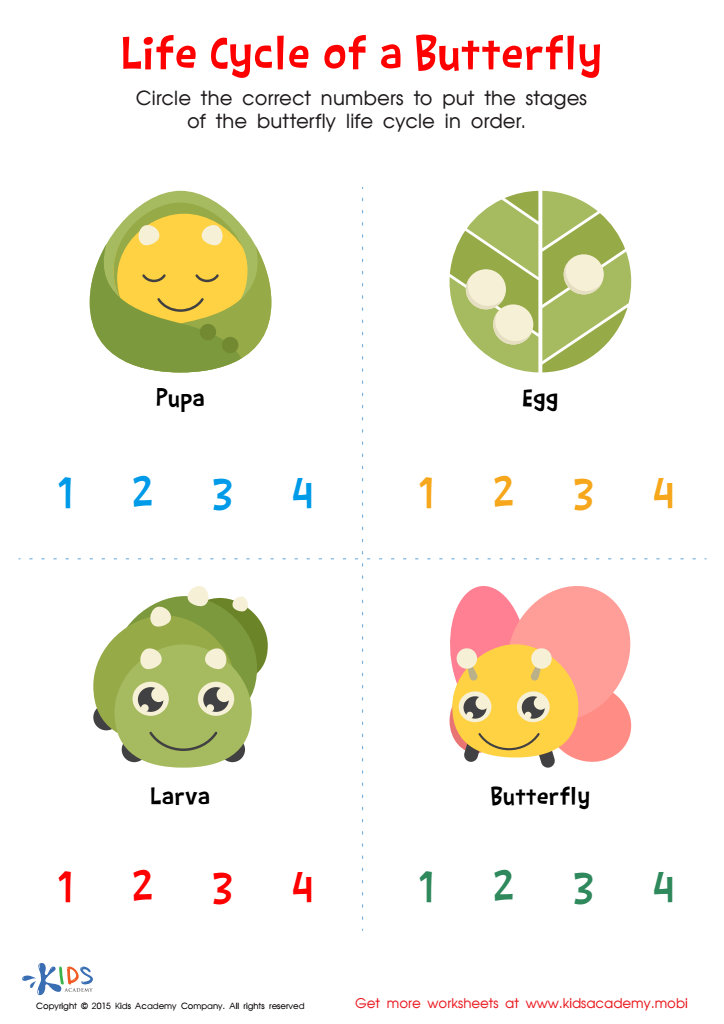
Butterfly Life Cycle Printable Worksheet

Life Cycle of Butterfly Printable
Kids and grownups alike marvel at the beauty of butterflies. With this printable worksheet, kids can review the life cycle of these favorite insects and strengthen cognitive and problem solving skills. From egg to butterfly, kids will order the stages and use the best strategy to solve it. Guide them as they work and they'll learn multiple skills.
Life Cycle of Butterfly Printable
Worksheet
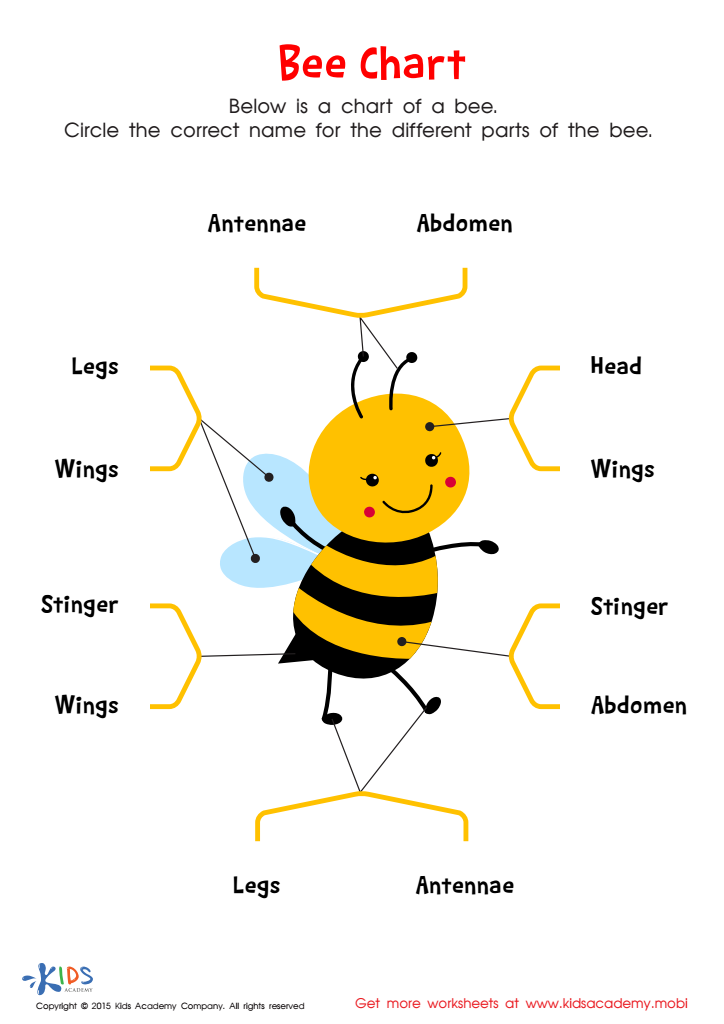
Delightful Bee Anatomy Worksheet

Bee Chart Worksheet

Bee Chart Worksheet
Worksheet
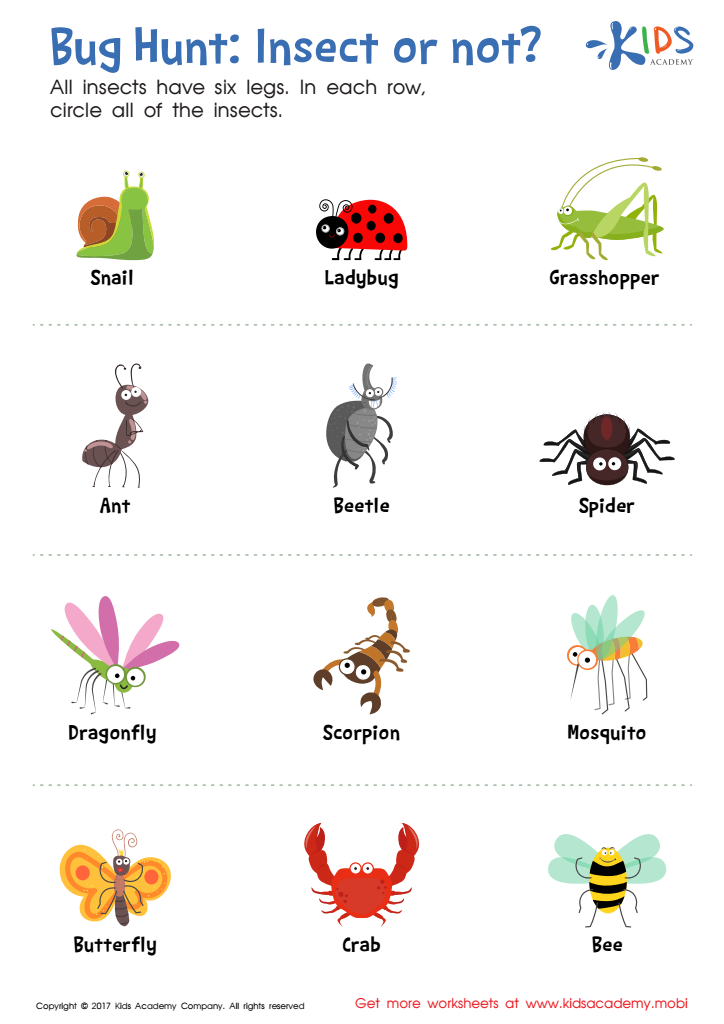
Bug Hunt: Insect or Not

Insect or Not? Worksheet

Try the “Bug Hunt: Insect or Not?” worksheet today!
Insect or Not? Worksheet
Worksheet
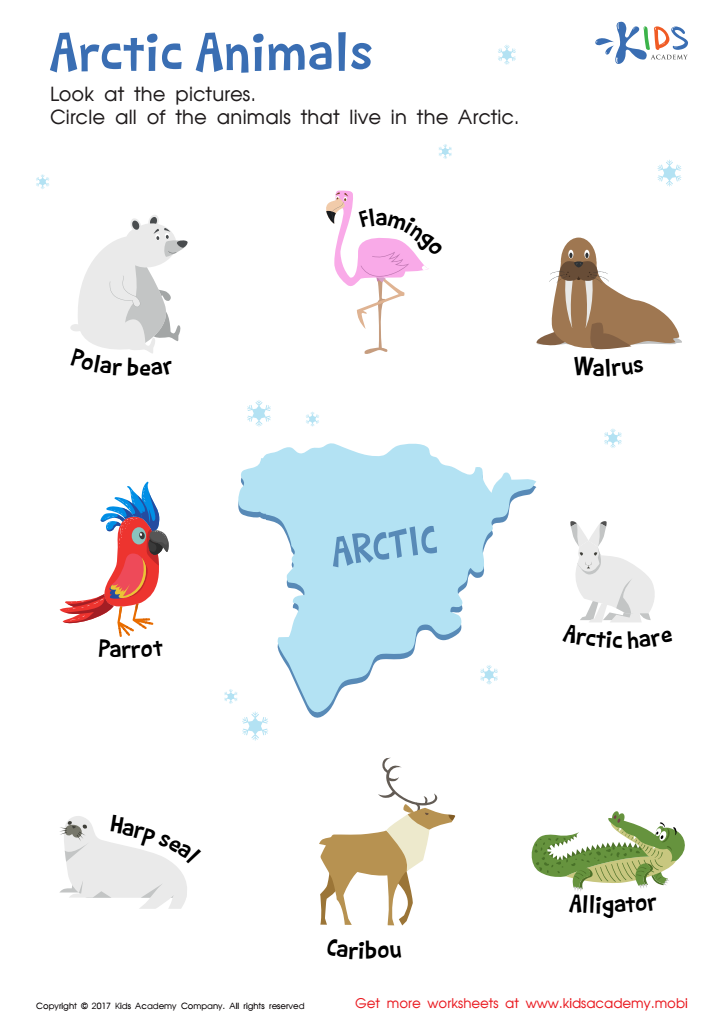
Arctic Animals Worksheet

Arctic Animals Worksheet

Kids love animals and this worksheet is a great way to teach them where they live. It reinforces classification skills and introduces new animals, like the Arctic hare. Use it to discuss the Arctic climate and how these animals live, then ask your child where other animals live to keep the conversation going.
Arctic Animals Worksheet
Worksheet
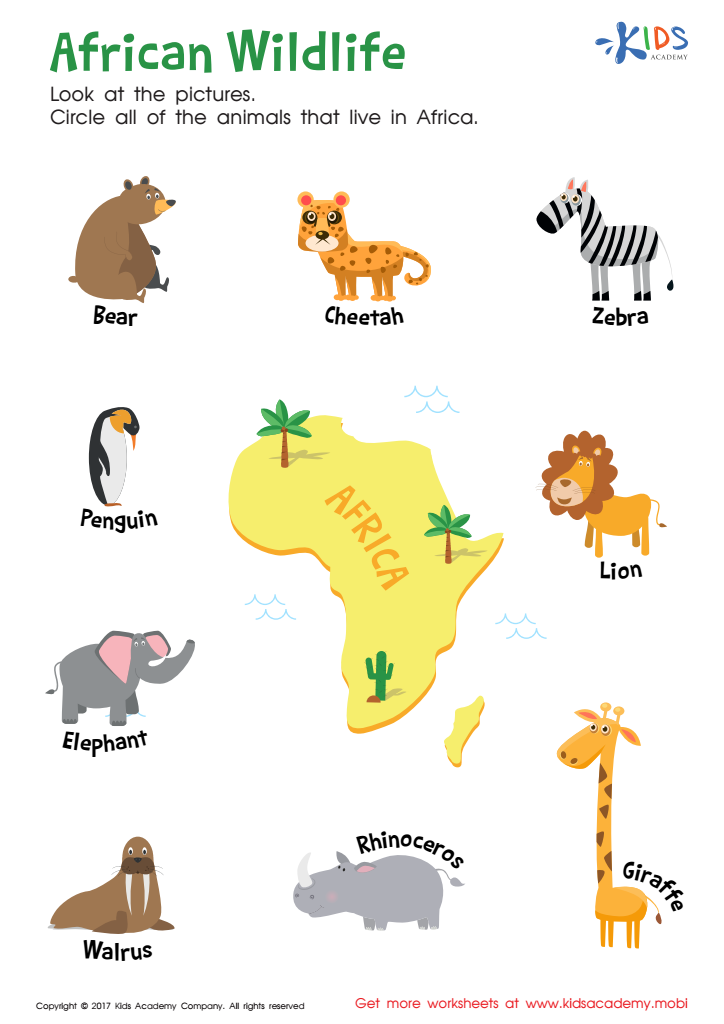
African Wildlife Printable Worksheet

African Wildlife Worksheet

African Wildlife Worksheet
Worksheet
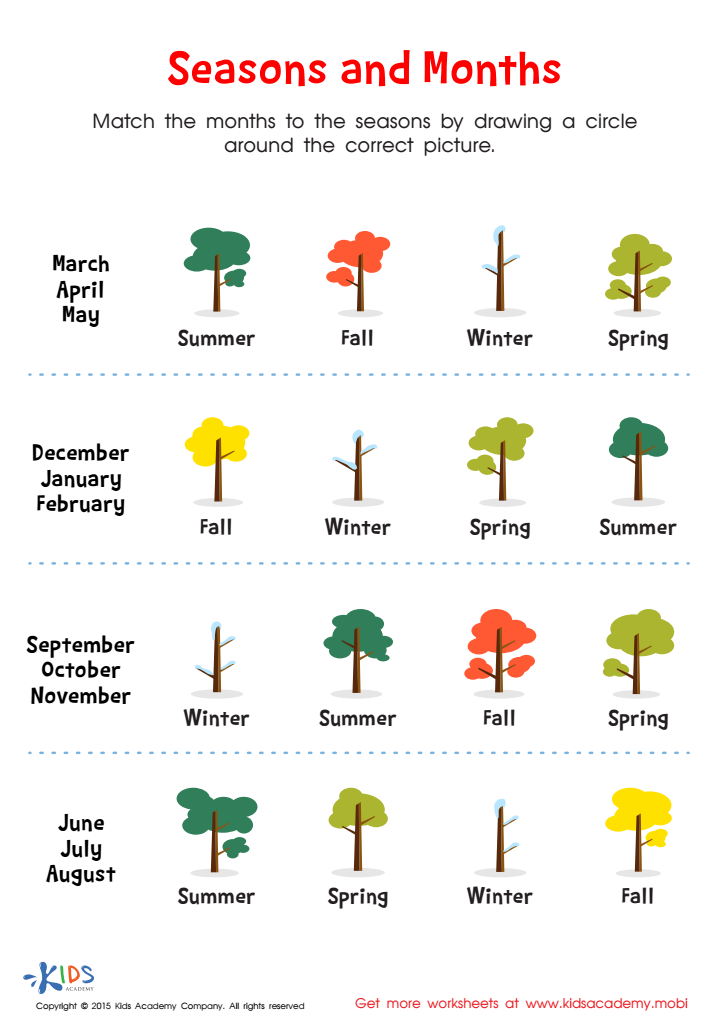
Seasons and Months Printable

Seasons and Months Worksheet

Help your child explore the world around them with this fun seasons and months printable worksheet. It'll help them understand the months of the year and the seasons connected to them, teaching valuable science knowledge and skills. Plus, engaging in conversations about the current month and season will extend their learning!
Seasons and Months Worksheet
Worksheet
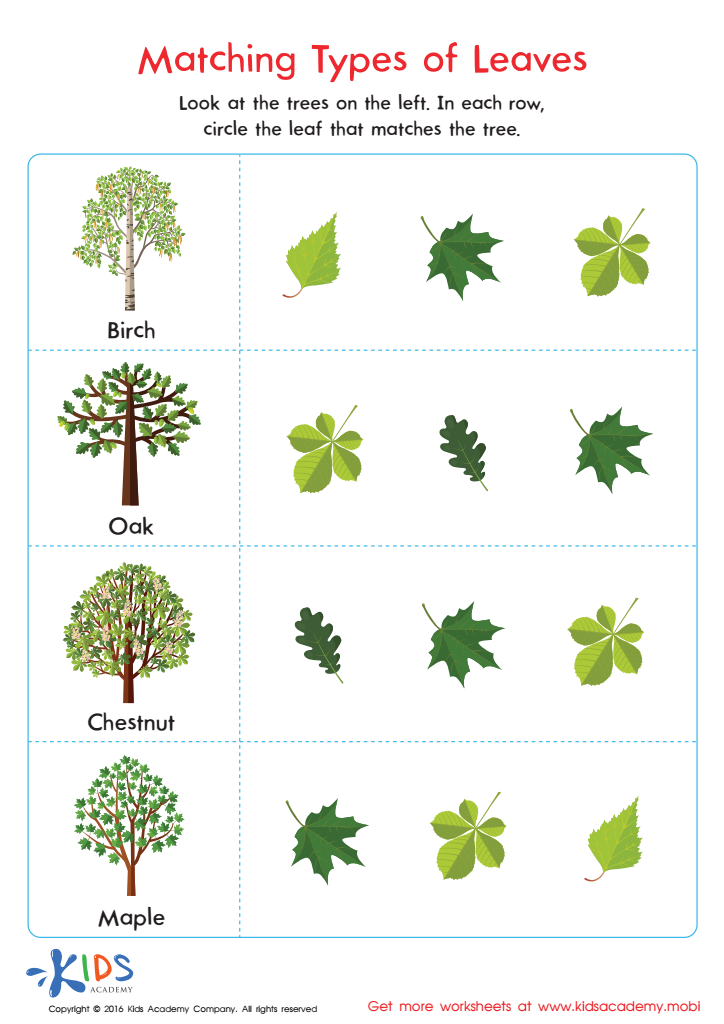
Different Types of Leaves Worksheet

Matching Types of Leaves Printable
Trees are beautiful and essential to life. Show your child the joy of learning about them with this leaf worksheet. It teaches tree identification and encourages observing nature. Expand the learning with additional activities about trees!
Matching Types of Leaves Printable
Worksheet
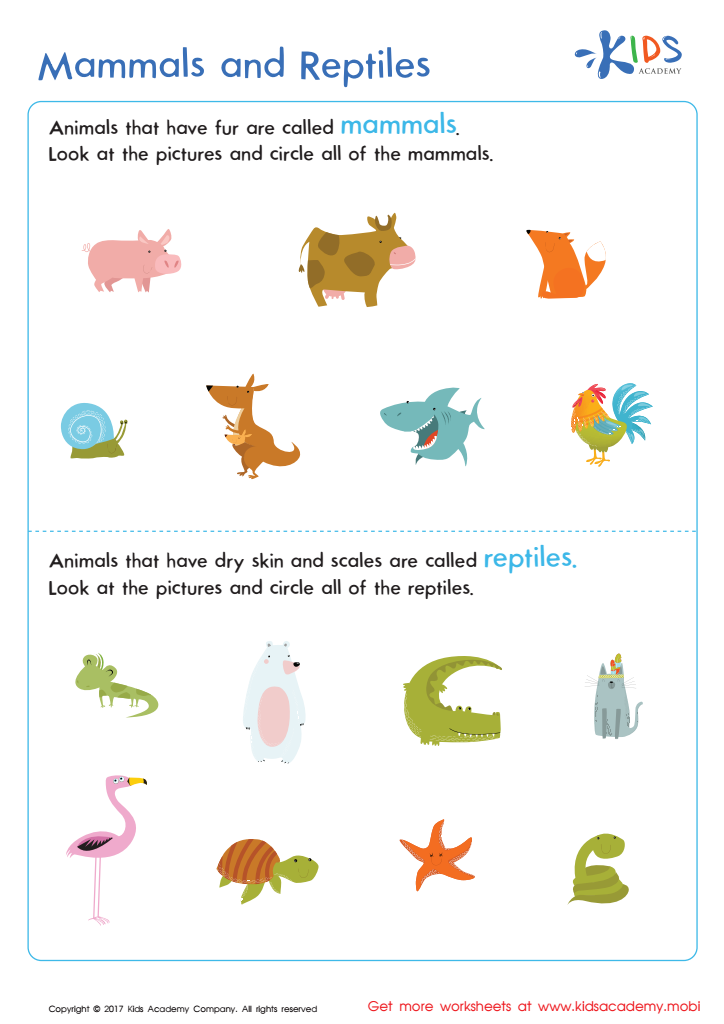
Mammals and Reptiles Worksheet

Mammals and Reptiles Worksheet

Challenge your child to identify mammals and reptiles with this worksheet. It's a great way to help them recognize the differences between these two types of animals.
Mammals and Reptiles Worksheet
Worksheet


... 4 5

Caring for plants and animals is vital for children aged 4-7 as it nurtures their sense of wonder and responsibility. During this impressionable age, exposure to nature fosters curiosity, encouraging them to explore the world around them. Engaging with plants and animals enhances observational skills, as children learn to notice details in the environment—the colors of leaves, the sounds of birds, or the growth of a seed. These activities can serve as a foundation for scientific inquiry and ignite a passion for learning.

Furthermore, interacting with the natural world promotes empathy and compassion. When children learn to care for animals, such as feeding a pet or watering a plant, they develop a sense of connection and understanding of living things. This emotional bond cultivates important social and emotional skills, such as teamwork and nurturing.

Additionally, caring for plants and animals can help children grasp vital ecological concepts, like the importance of biodiversity and conservation. This knowledge instills a sense of responsibility towards the environment, encouraging them to become conscientious global citizens. By fostering a love for nature, parents and teachers can contribute significantly to the holistic development of children, equipping them for a future where they respect and protect the world around them.