Tracing Letters Worksheets for Ages 4-8 - Page 3
58 filtered results
-
From - To
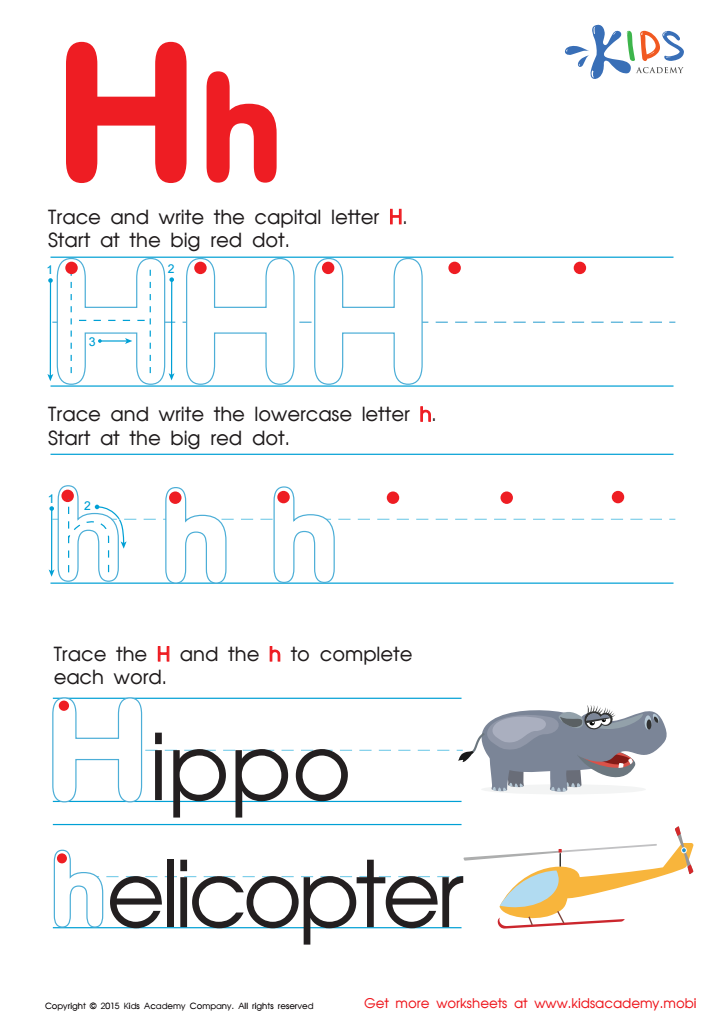
Letter H Tracing Page
 Assign to My Students
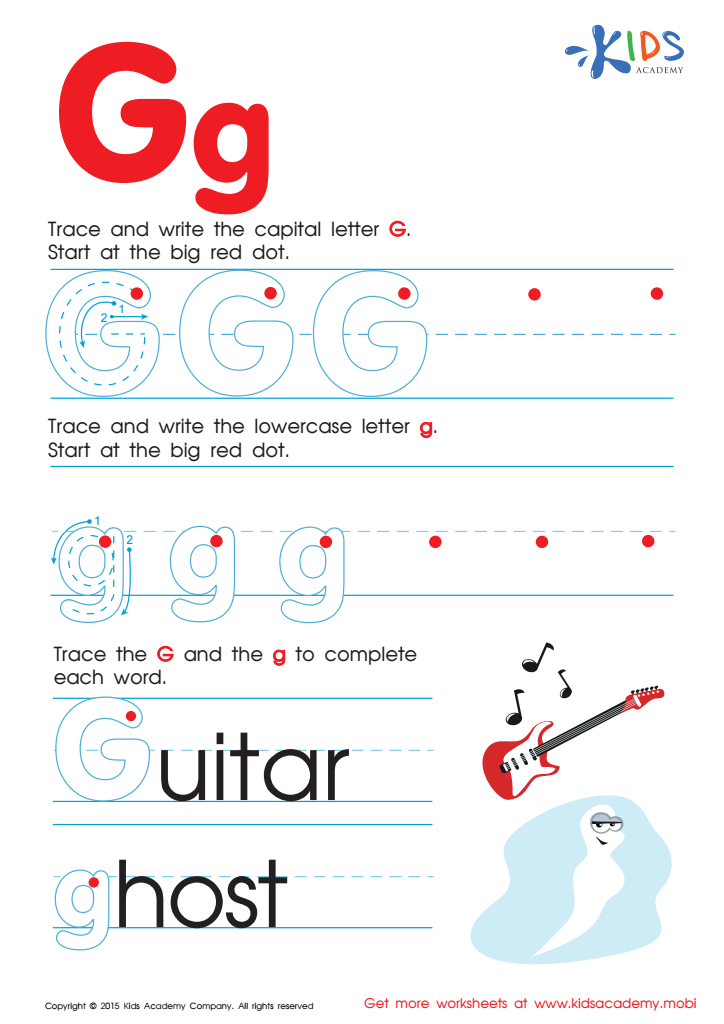
Letter G Tracing Page
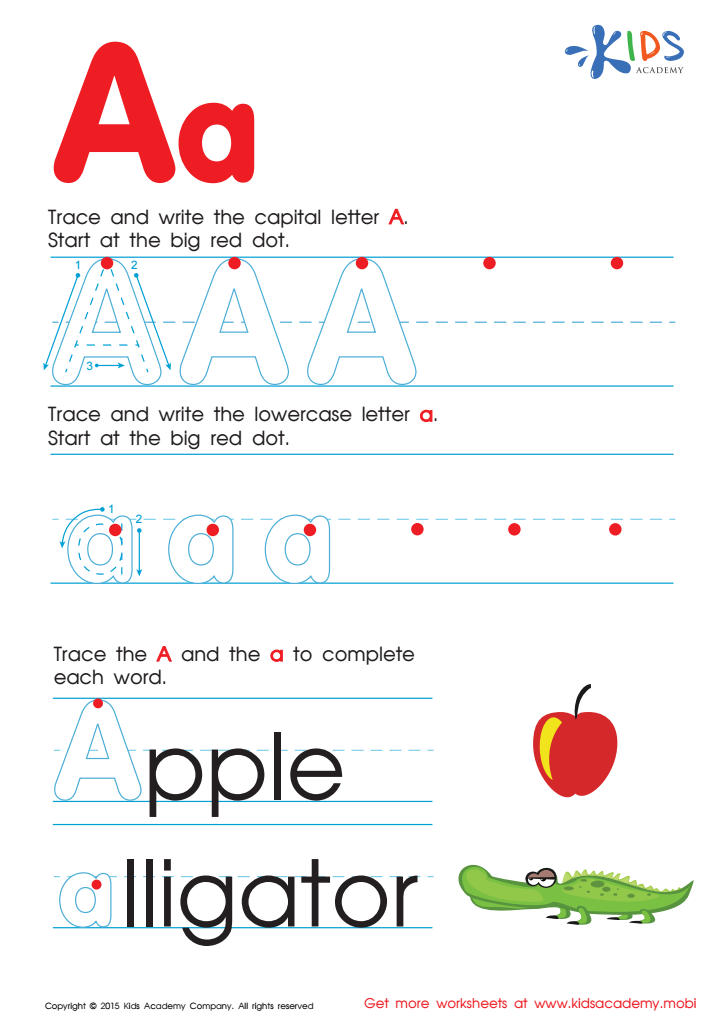
Letter A Tracing Page
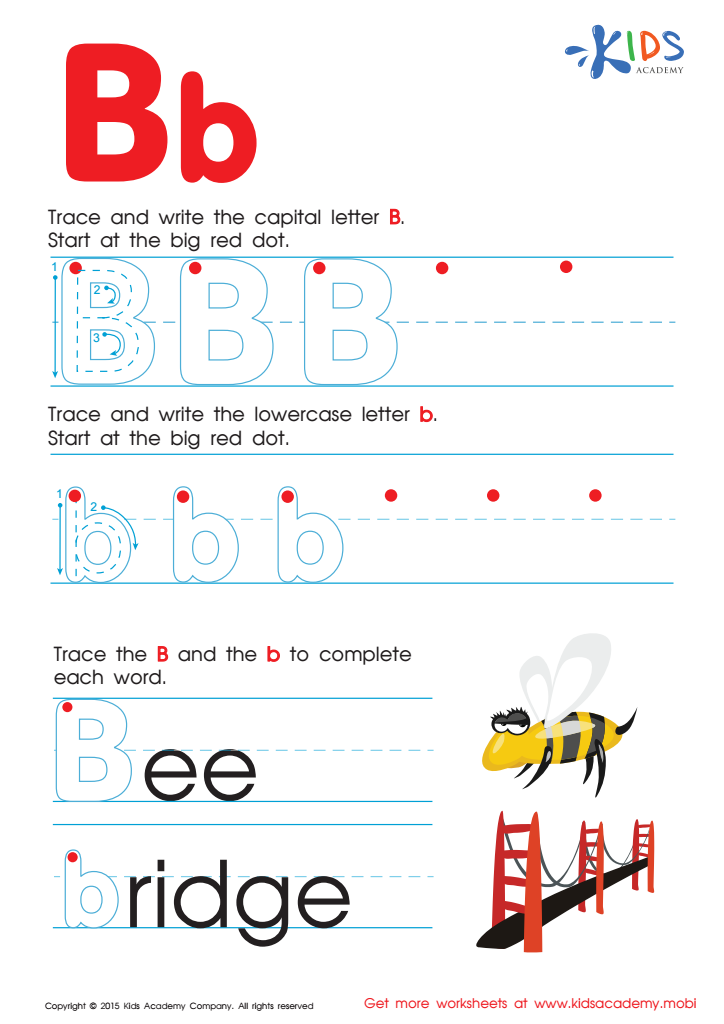
Letter B Tracing Page
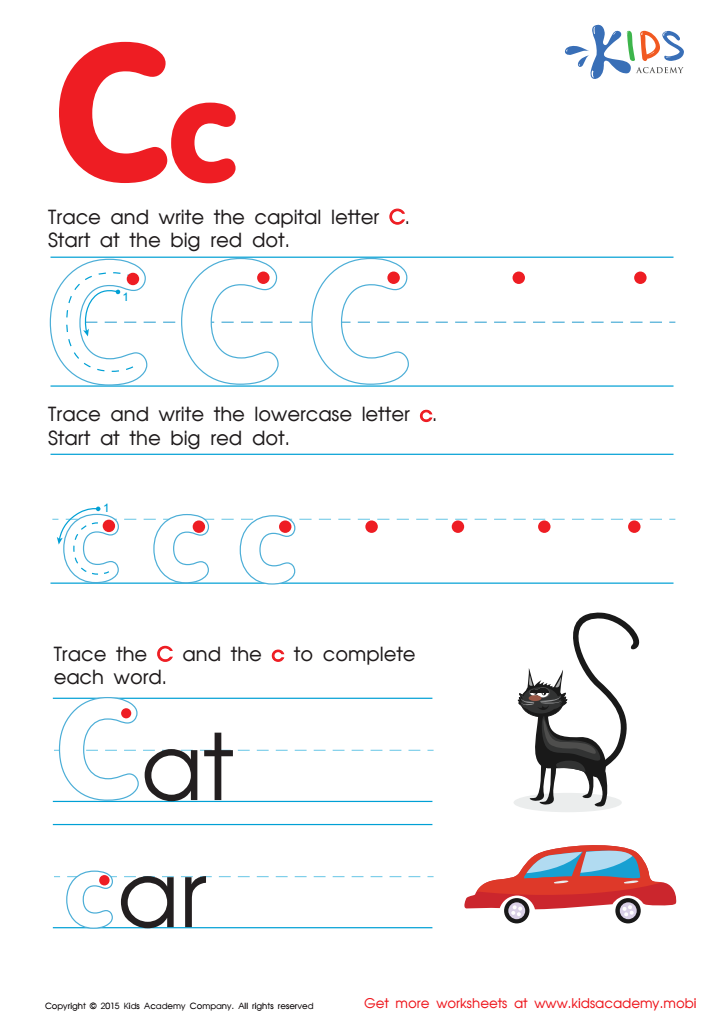
Letter C Tracing Page

Letter D Tracing Page

Letter F Tracing Page
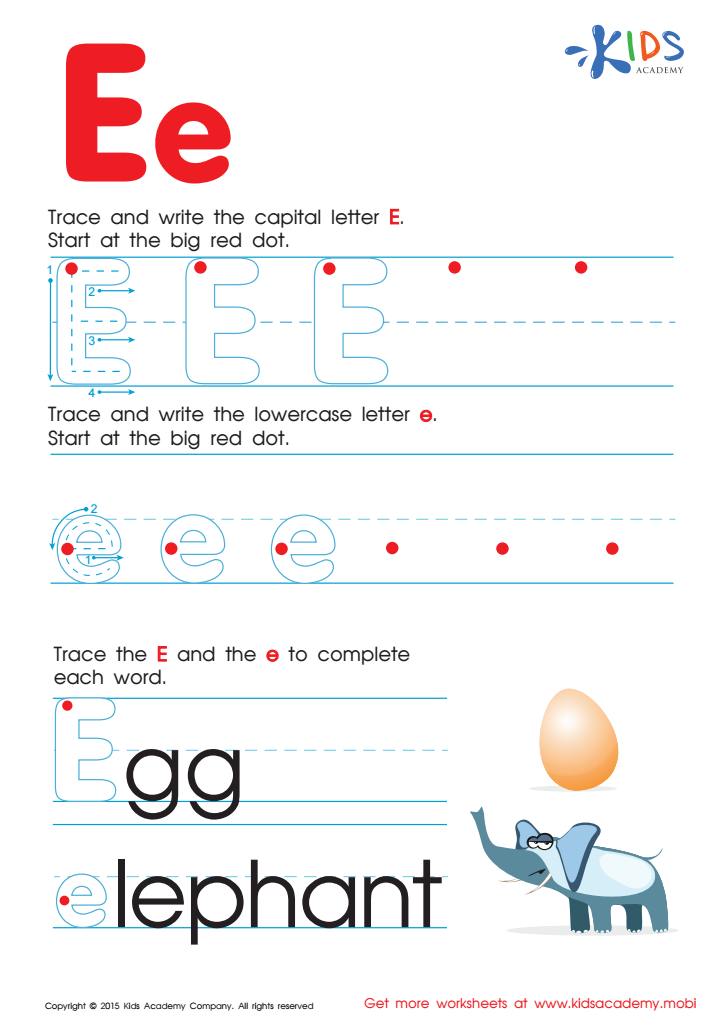
Letter E Tracing Page
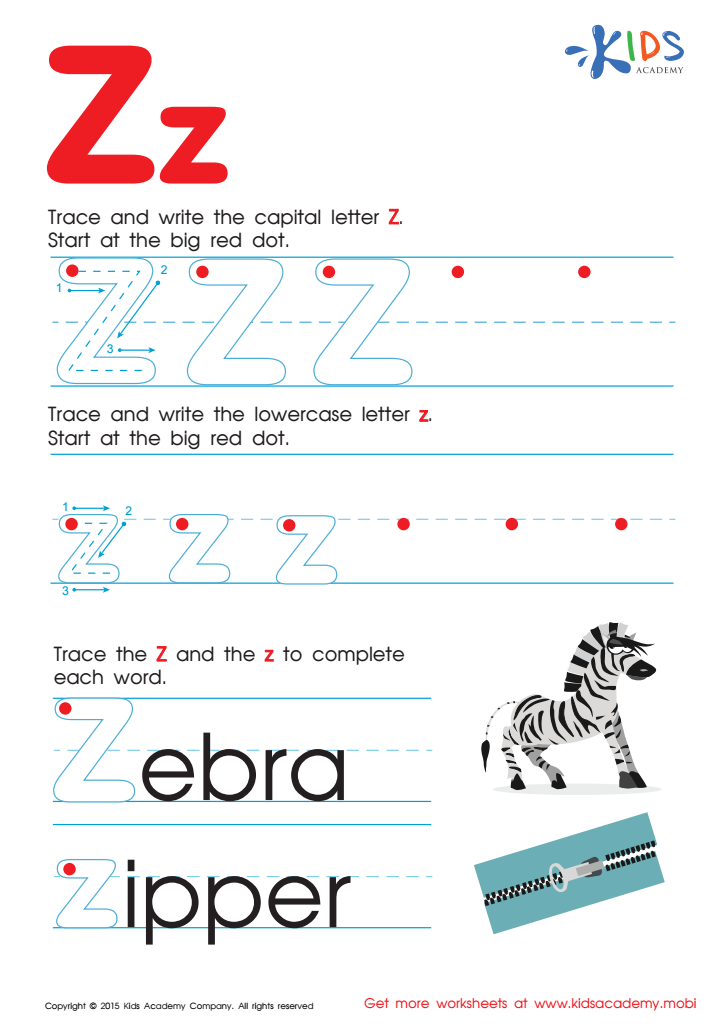
Letter Z Tracing Page
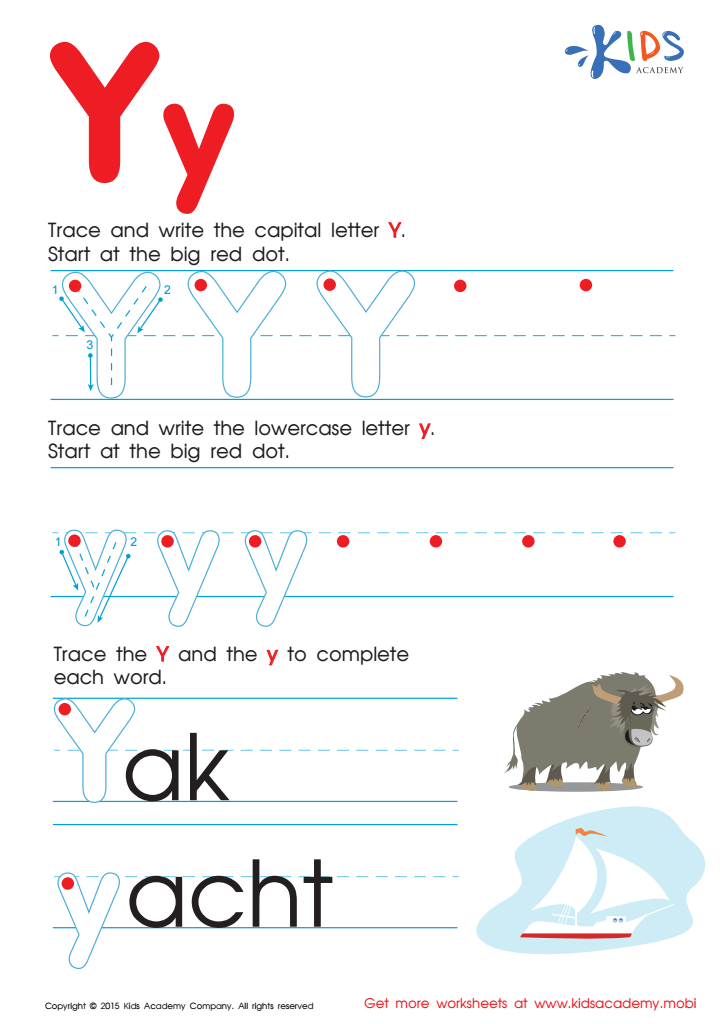
Letter Y Tracing Page







Tracing letters is a fundamental activity for children aged 4-8 that supports their literacy development in several key ways. First, it enhances fine motor skills, which are crucial for writing and everyday tasks. As children trace, they strengthen their hand-eye coordination and dexterity, laying the groundwork for more advanced writing skills.
Second, tracing letters helps reinforce letter recognition and phonemic awareness. Children learn to identify shapes and sounds, creating a strong foundation for reading. This is particularly important in early education, where recognizing letters is a precursor to reading fluency and comprehension. By tracing, kids engage actively with the alphabet, making the learning process more interactive and enjoyable.
Moreover, tracing letters frequently allows children to develop confidence in their writing abilities. As they progress from tracing to independently forming letters, their self-esteem grows, encouraging them to take on new challenges with enthusiasm.
Lastly, tracing can be integrated into various teaching methods, allowing for creativity and personalization in learning. By engaging in letter tracing, children not only acquire essential skills but also develop a love for learning, which can have lasting impacts on their academic journeys. For these reasons, parents and teachers should prioritize and embrace tracing letters as a valuable educational tool.








