Addition & Subtraction Worksheets for Ages 4-9 - Page 3
419 filtered results
-
From - To
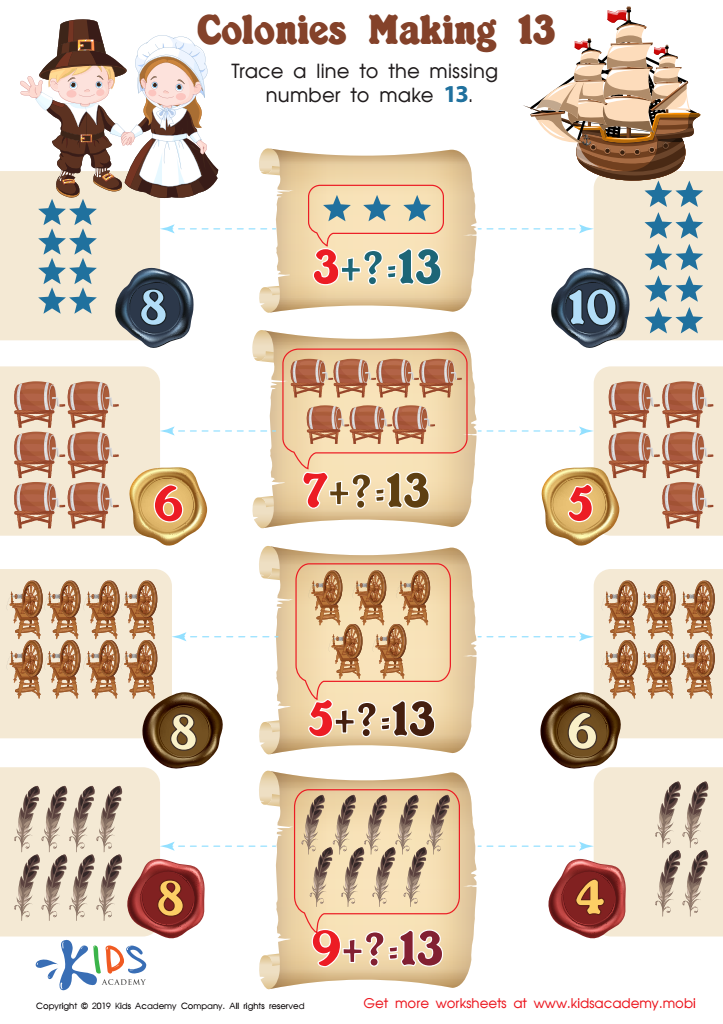
Colonies Making 13 Worksheet
 Assign to My Students
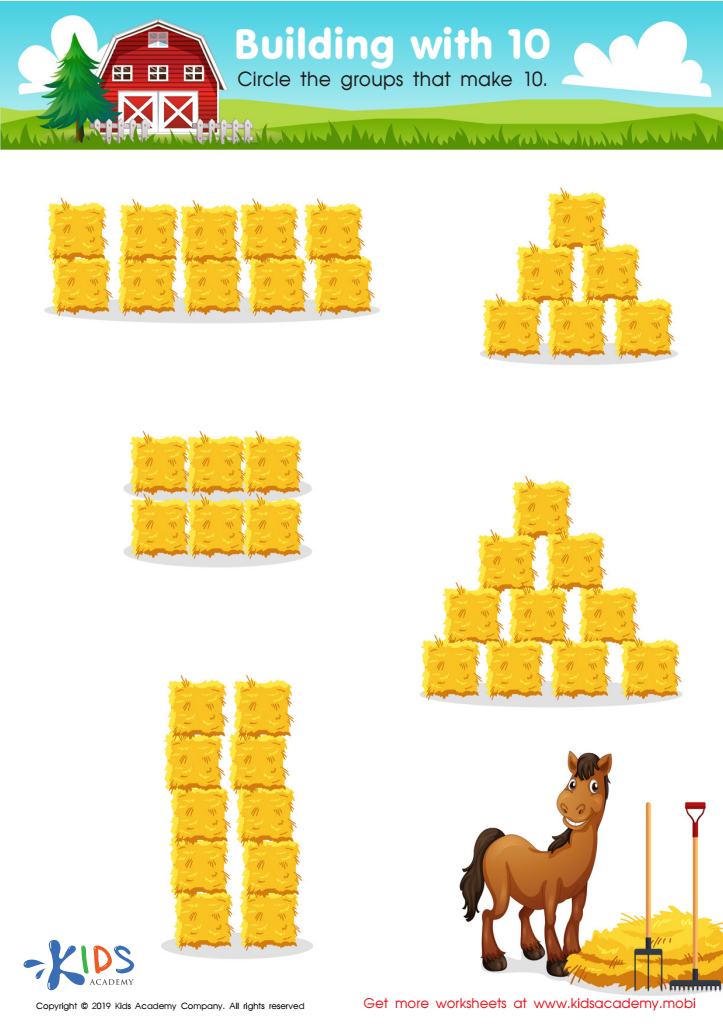
Building with 10 Worksheet
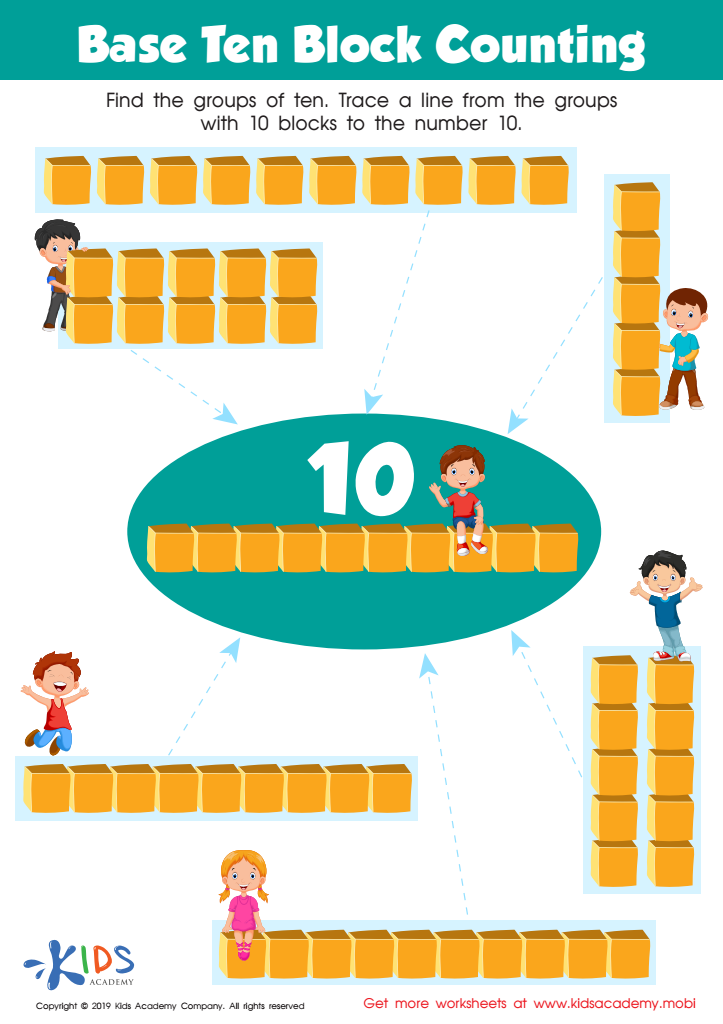
Base Ten Block Counting Worksheet
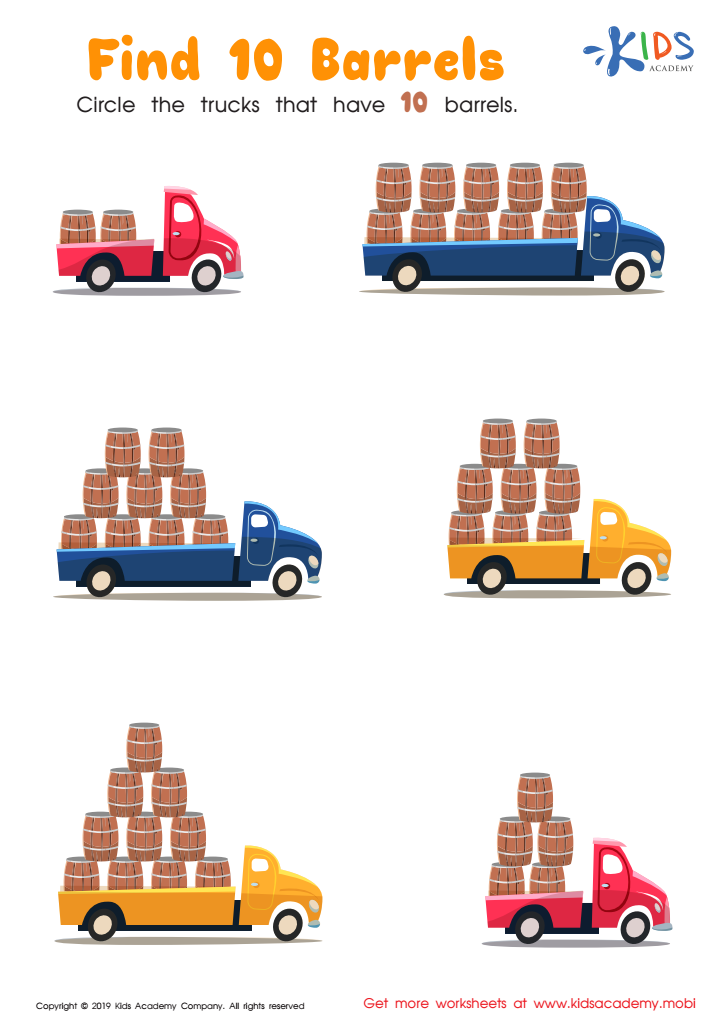
Find 10 Barrels Worksheet

Line up the Tigers Worksheet
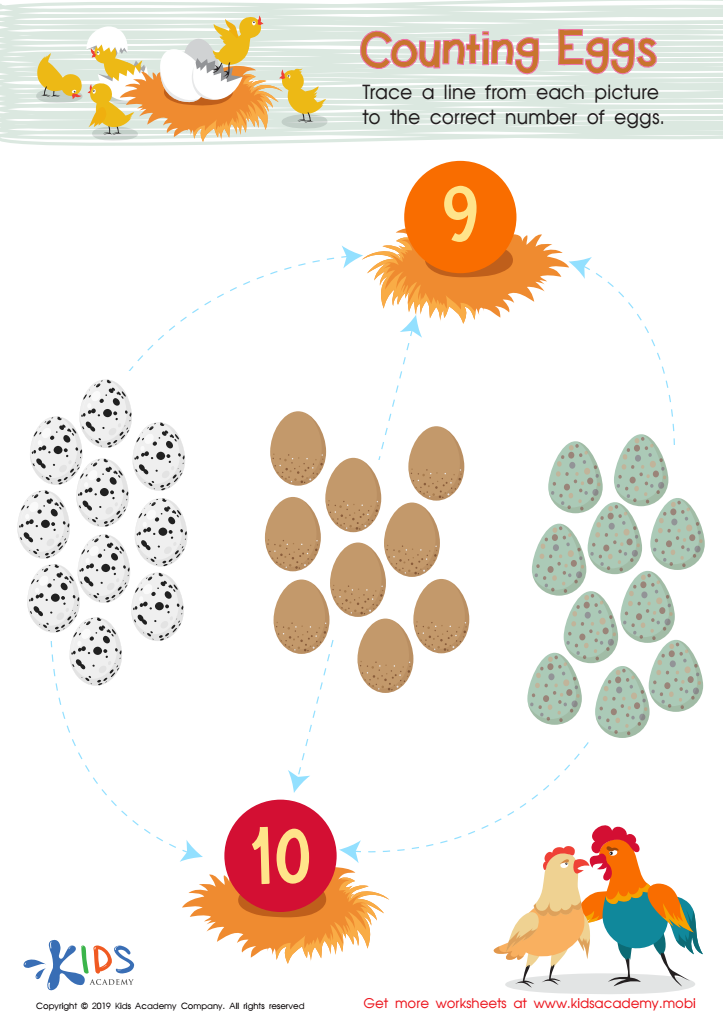
Counting Eggs Worksheet
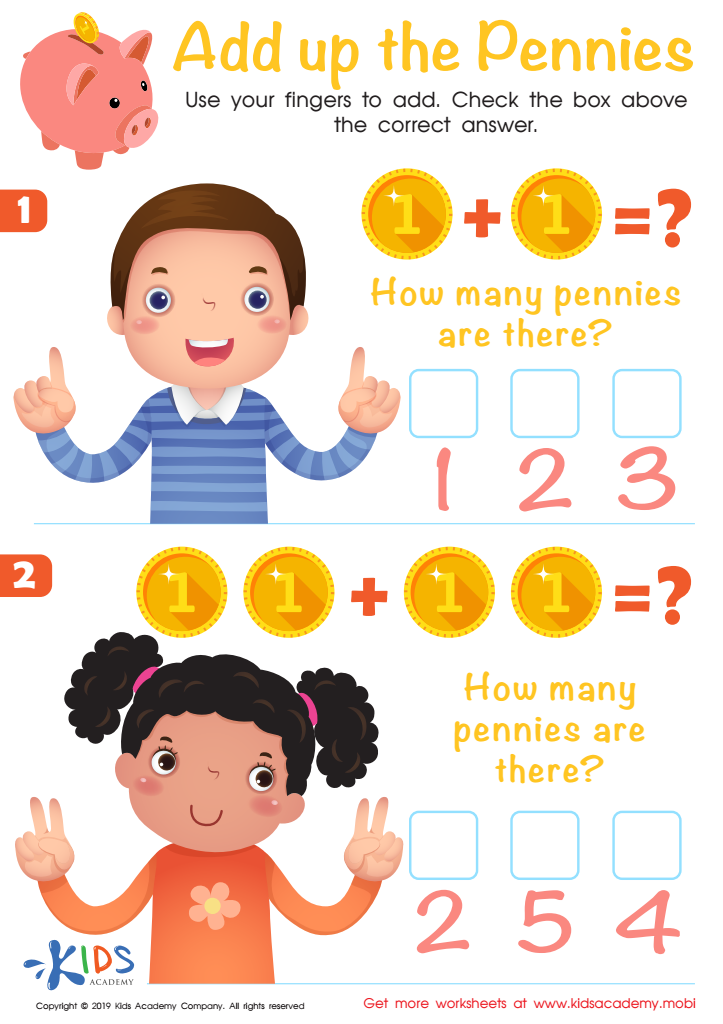
Add up the Pennies Worksheet
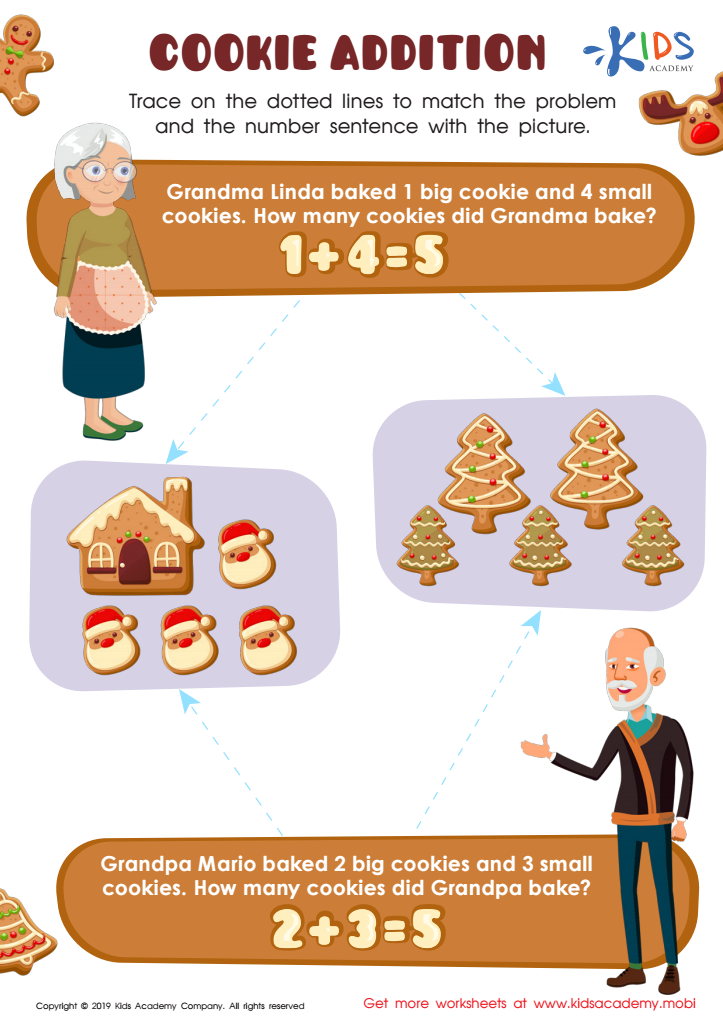
Cookie Addition Worksheet
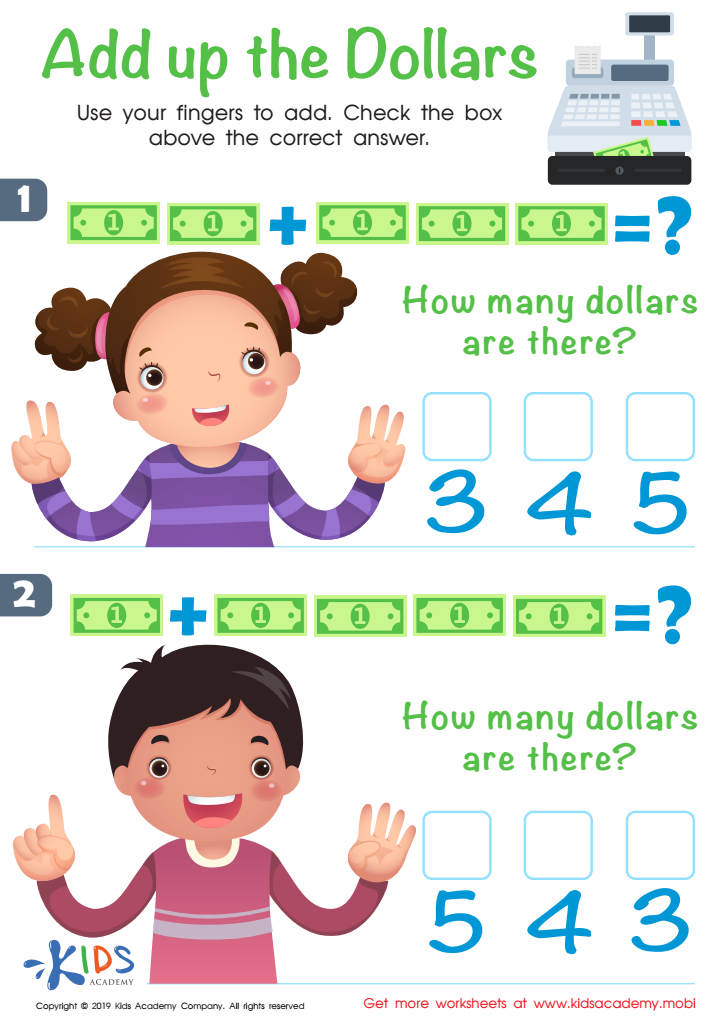
Add up the Dollars Worksheet
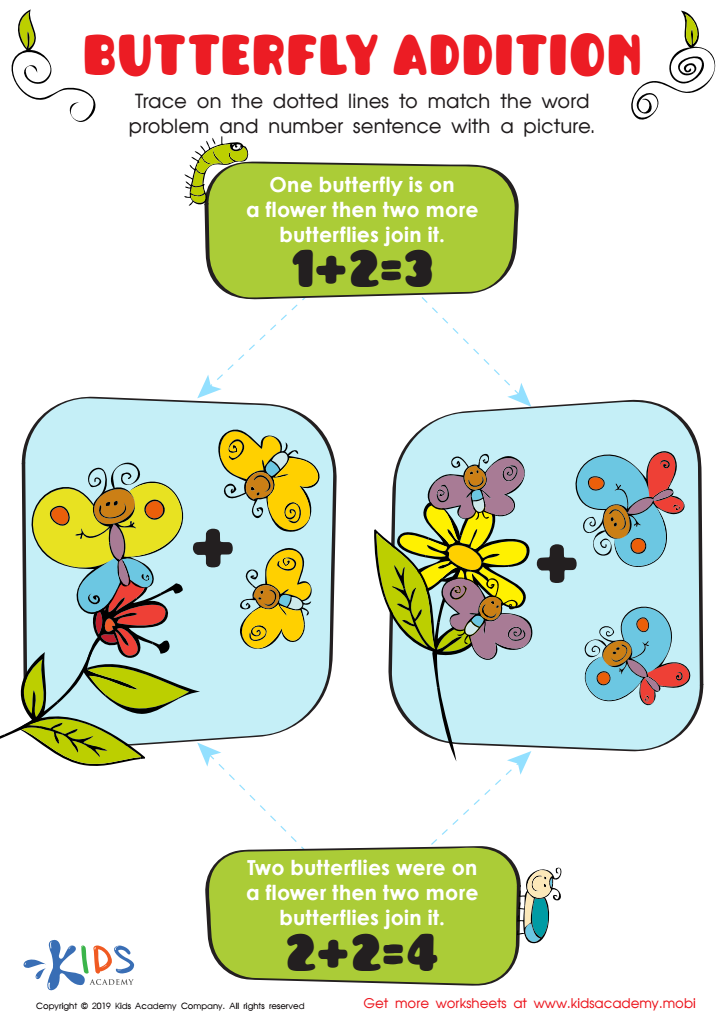
Butterfly Addition Worksheet
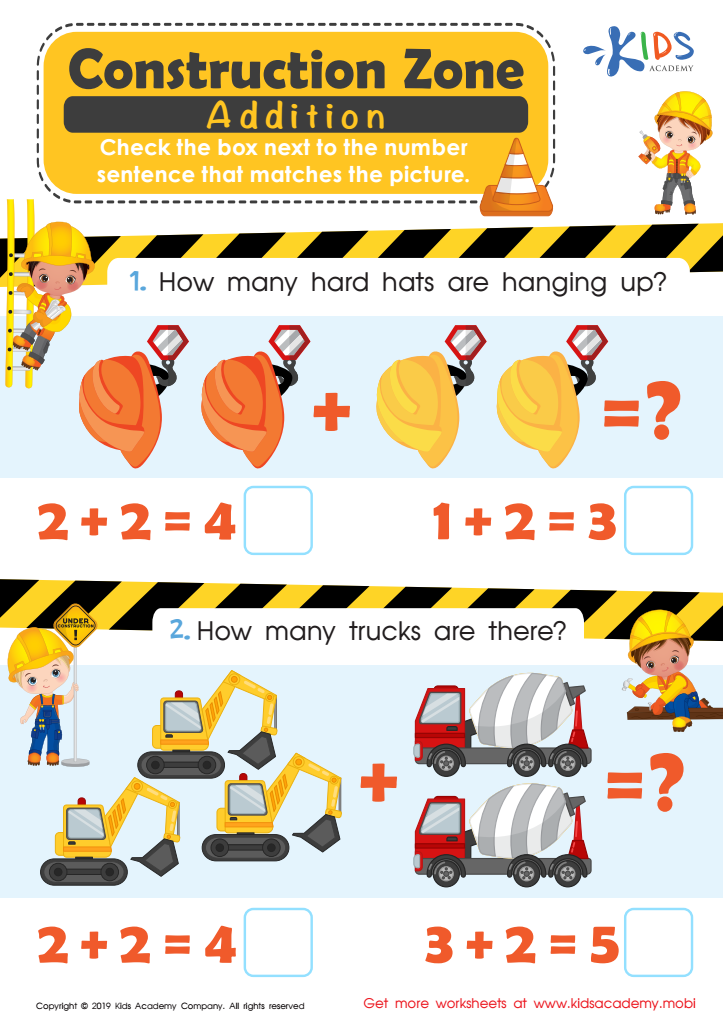
Construction Zone Addition Worksheet
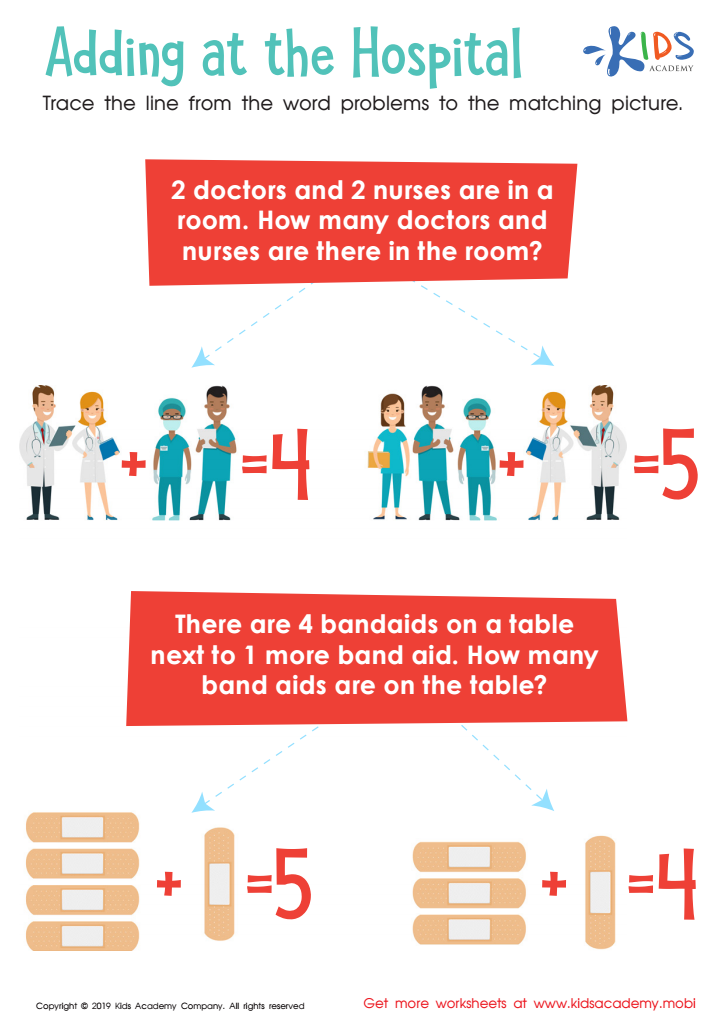
Adding at the Hospital Worksheet
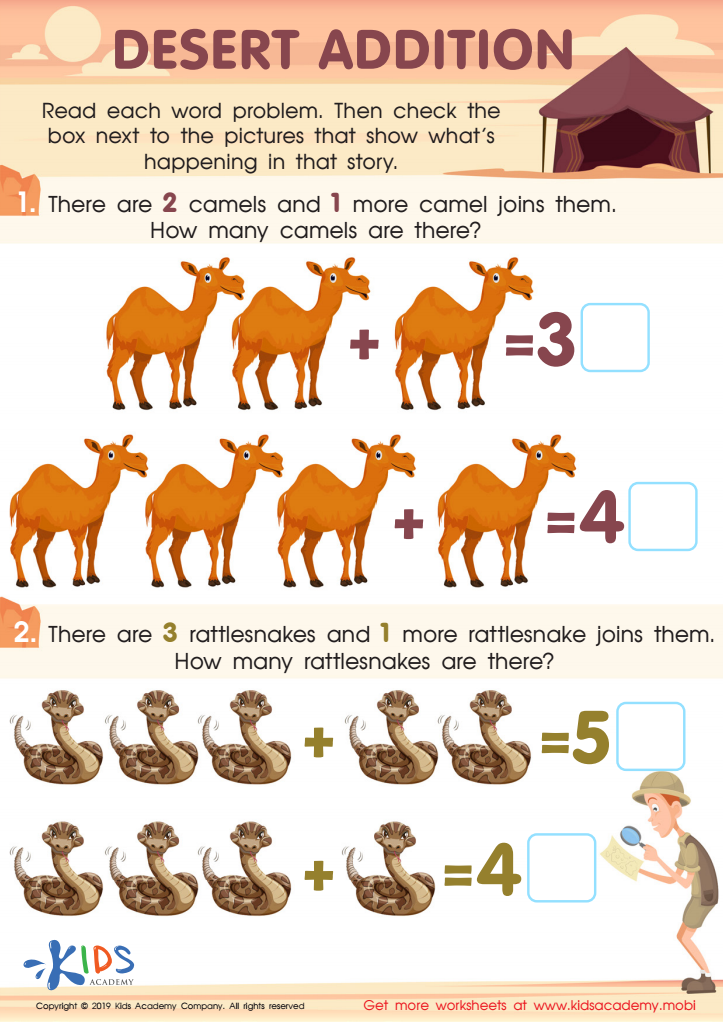
Desert Addition Worksheet
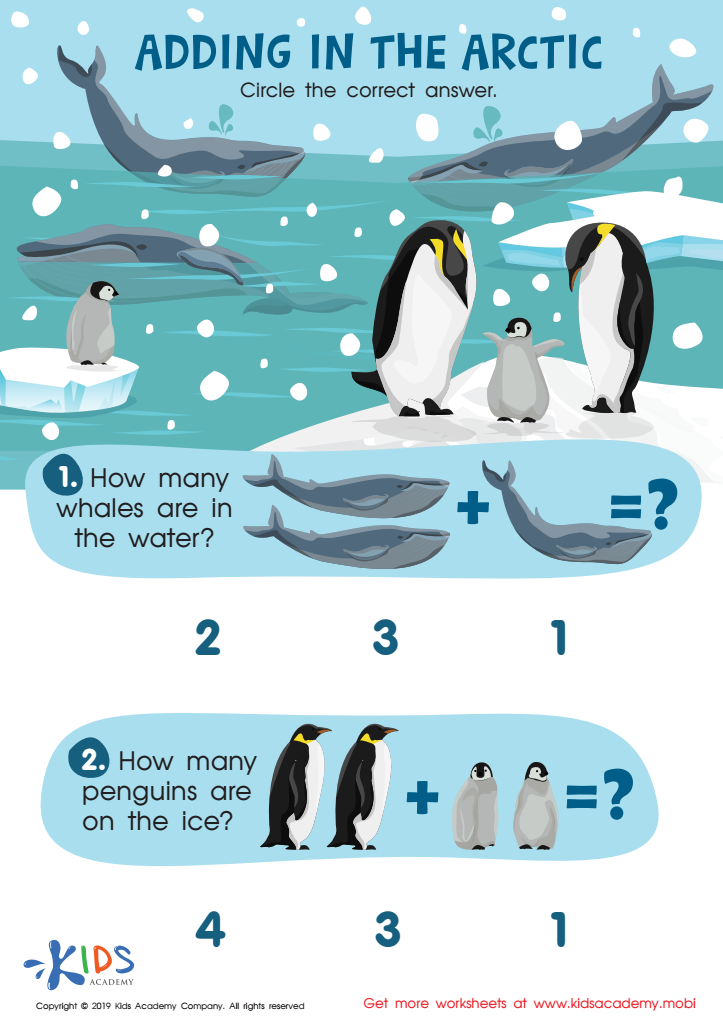
Adding in the Arctic Worksheet
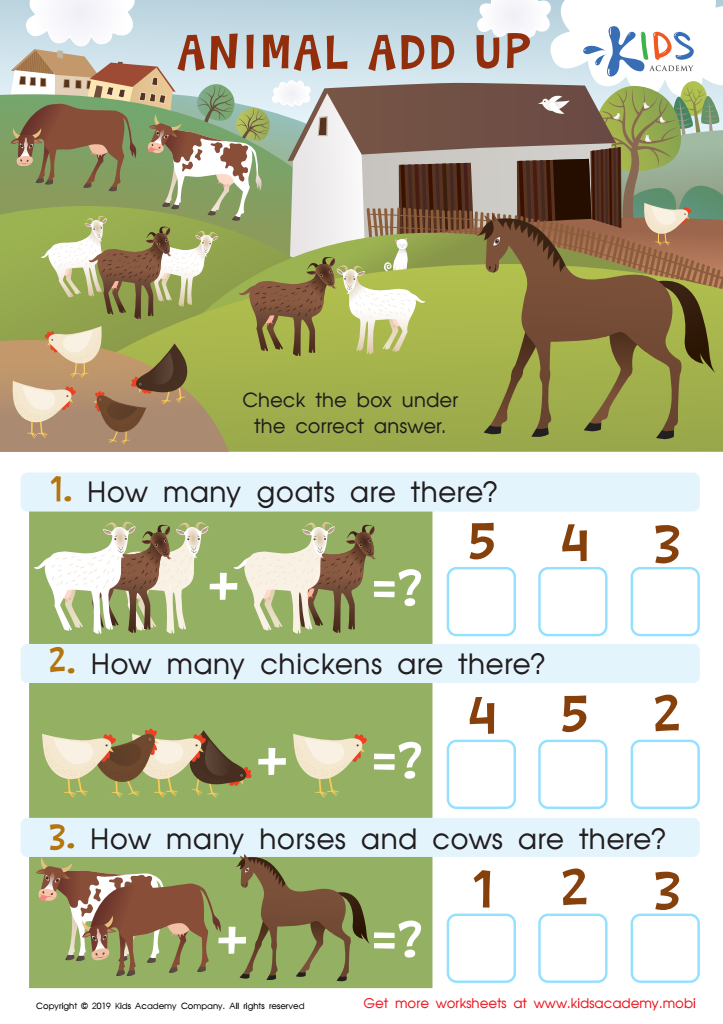
Animal Add Up Worksheet
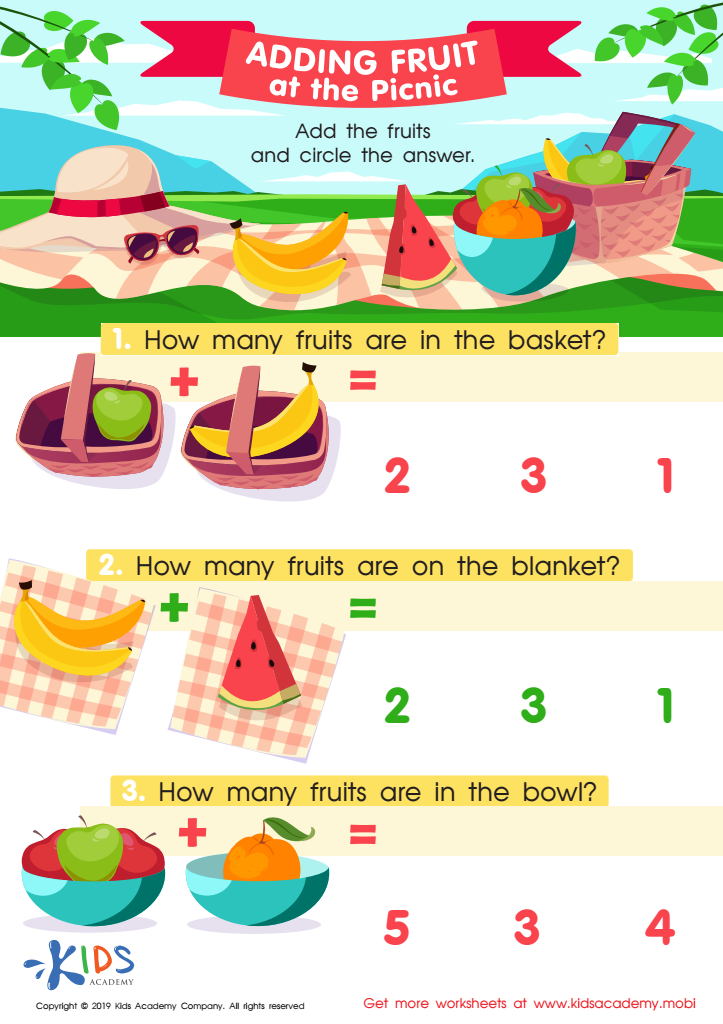
Adding Fruit at the Picnic Worksheet
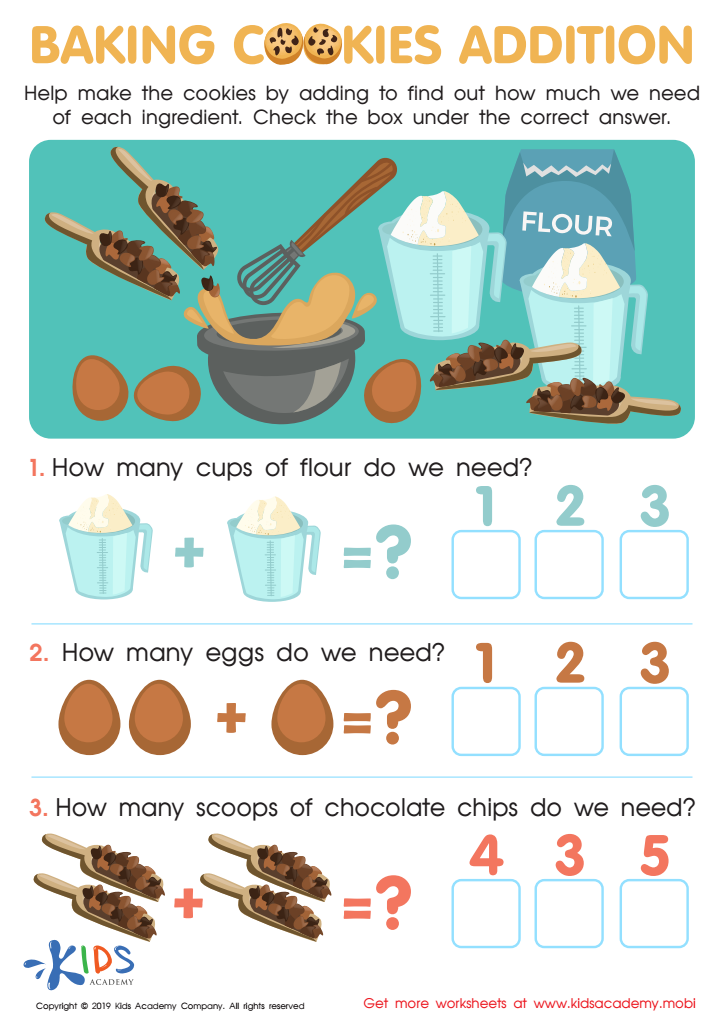
Baking Cookies Addition Worksheet
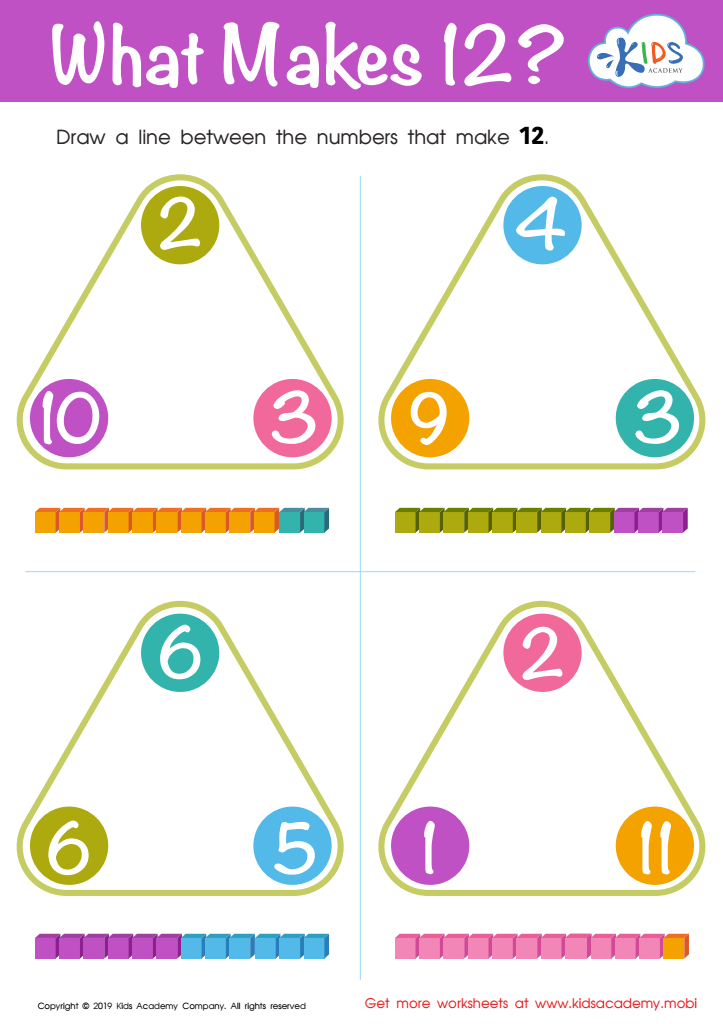
What Makes 12? Worksheet
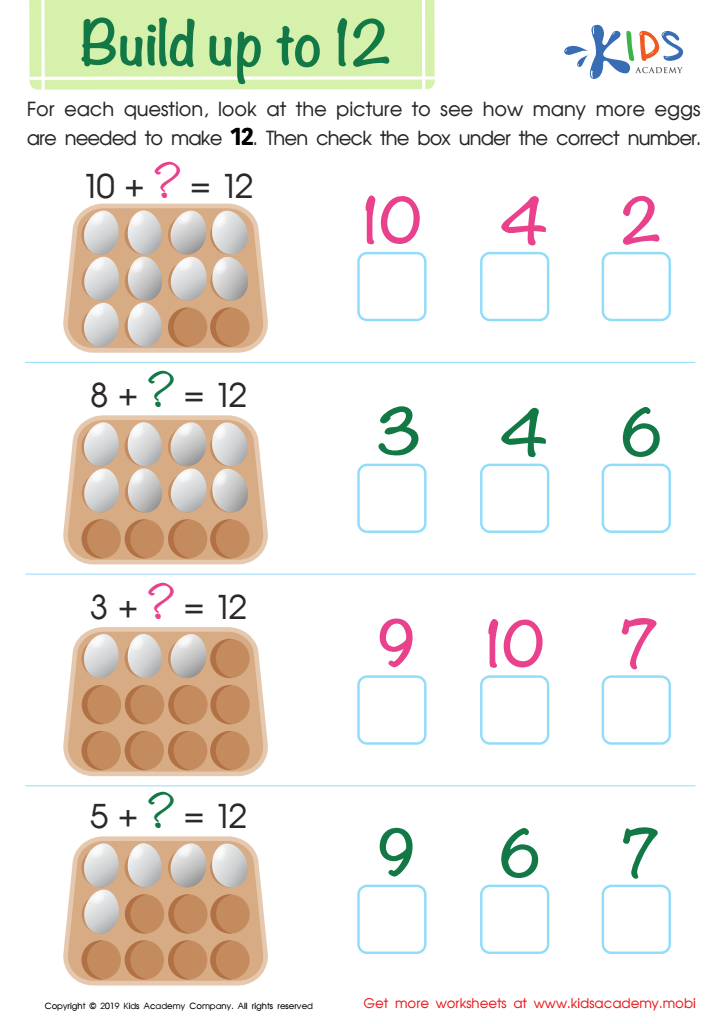
Build up to 12 Worksheet
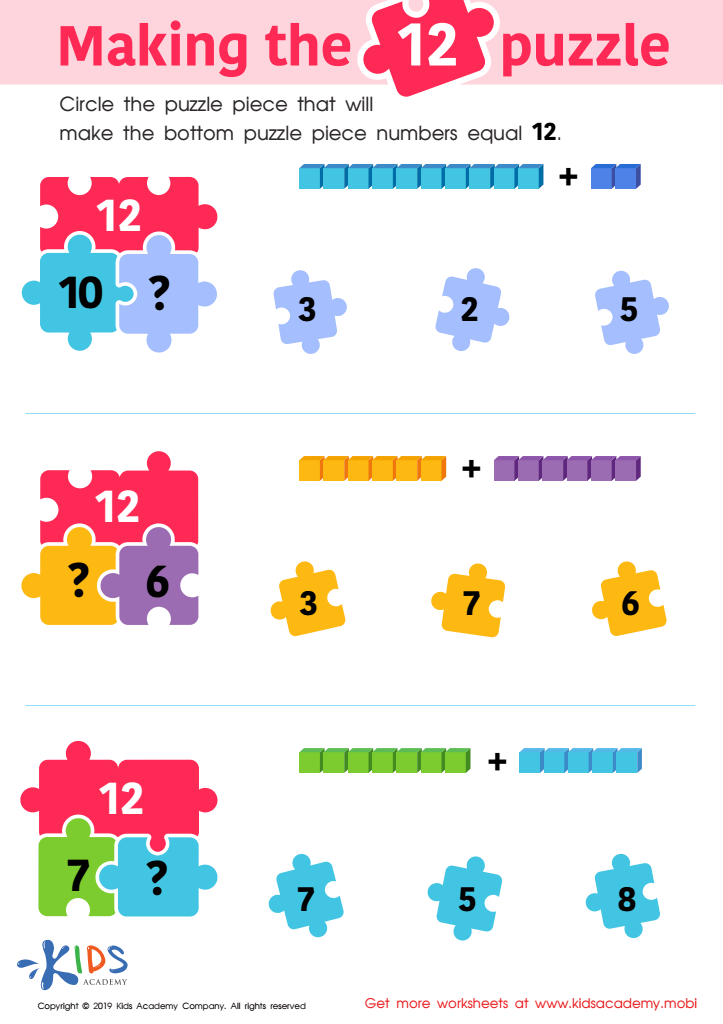
Making the 12 Puzzle Worksheet
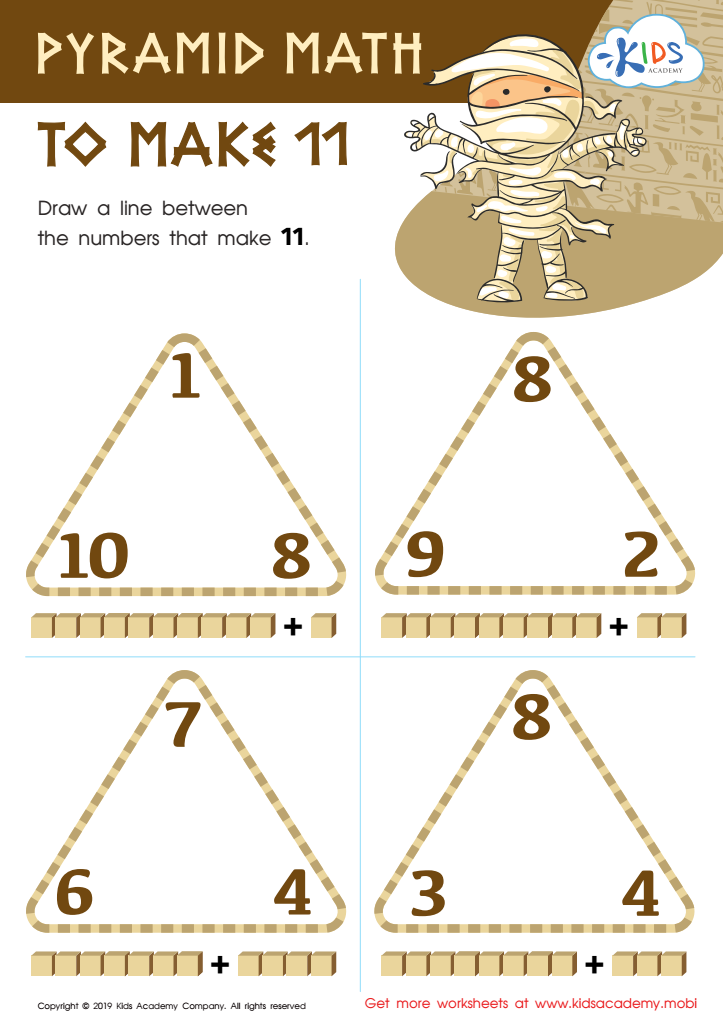
Pyramid Math to Make 11 Worksheet
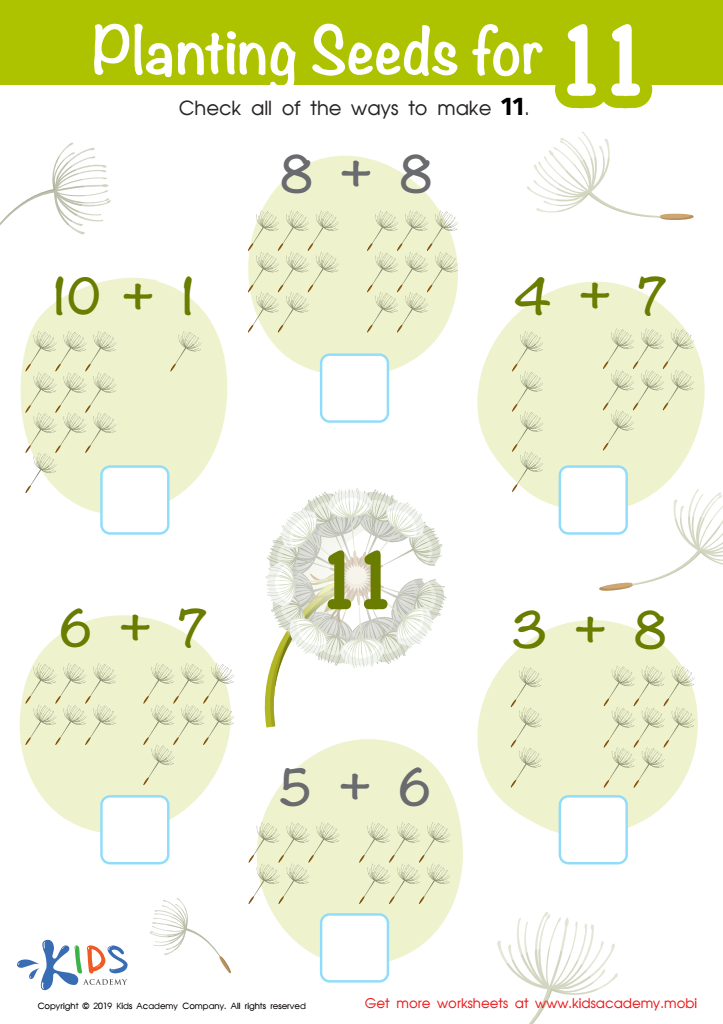
Planting Seeds for 11 Worksheet
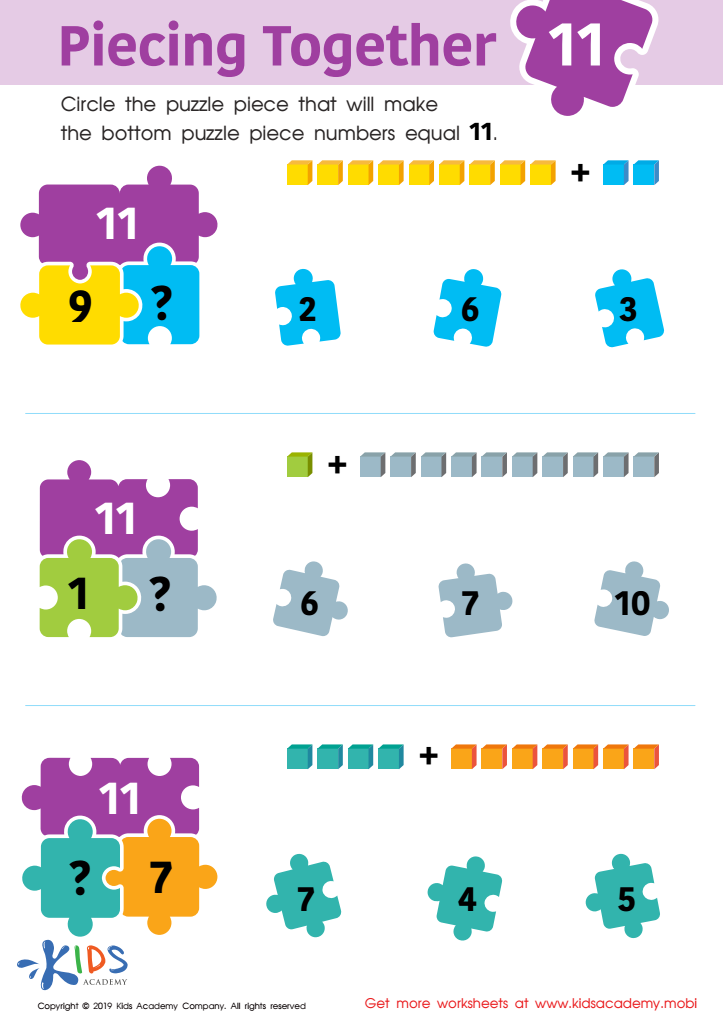
Piecing Together 11 Worksheet
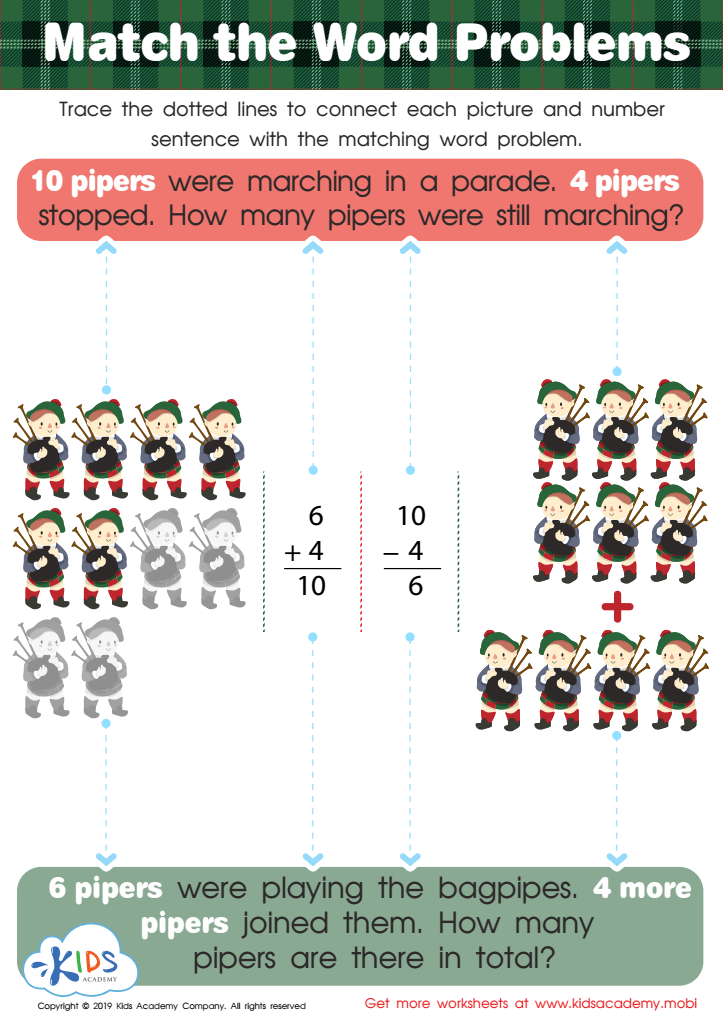
Match the Word Problems Worksheet








Parents and teachers should prioritize addition and subtraction for children aged 4-9 because these foundational skills are essential for overall mathematical competency and everyday problem-solving. During these formative years, children develop critical cognitive abilities, and a solid grasp of basic arithmetic lays the groundwork for more advanced concepts such as multiplication, division, fractions, and beyond.
Learning addition and subtraction enhances children's logical thinking and reasoning skills. It fosters a sense of confidence and independence, as they learn to tackle problems and quantify their environment. Mastery of these operations also contributes to their success in school and promotes engagement with learning.
Moreover, early numeracy skills are linked to future academic achievement. Research indicates that children's understanding of basic math concepts correlates with their performance in later years. By nurturing these skills at a young age, parents and teachers can help build a positive attitude towards mathematics and diminish math anxiety in the future.
Additionally, everyday activities—like shopping or cooking—offer practical opportunities to practice these skills in real-world settings, demonstrating the relevance of math in daily life. Fostering these abilities early on sets children up for future success, both academically and in life.








