Space Worksheets for Ages 4-9 - Page 2
42 filtered results
-
From - To
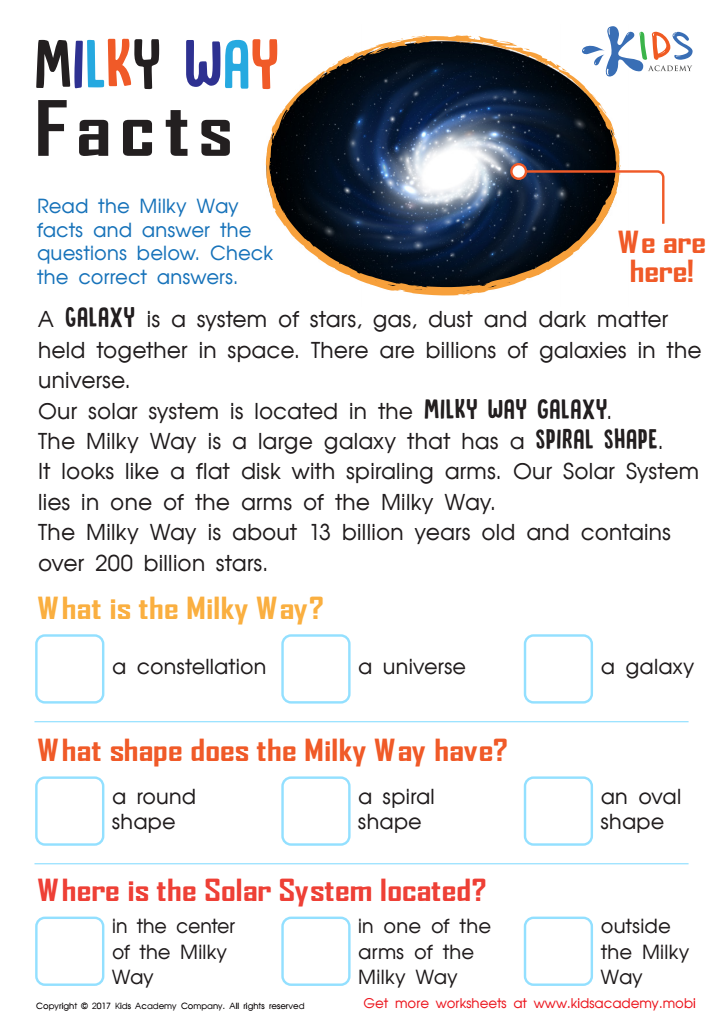
Milky Way Facts Worksheet
 Assign to My Students
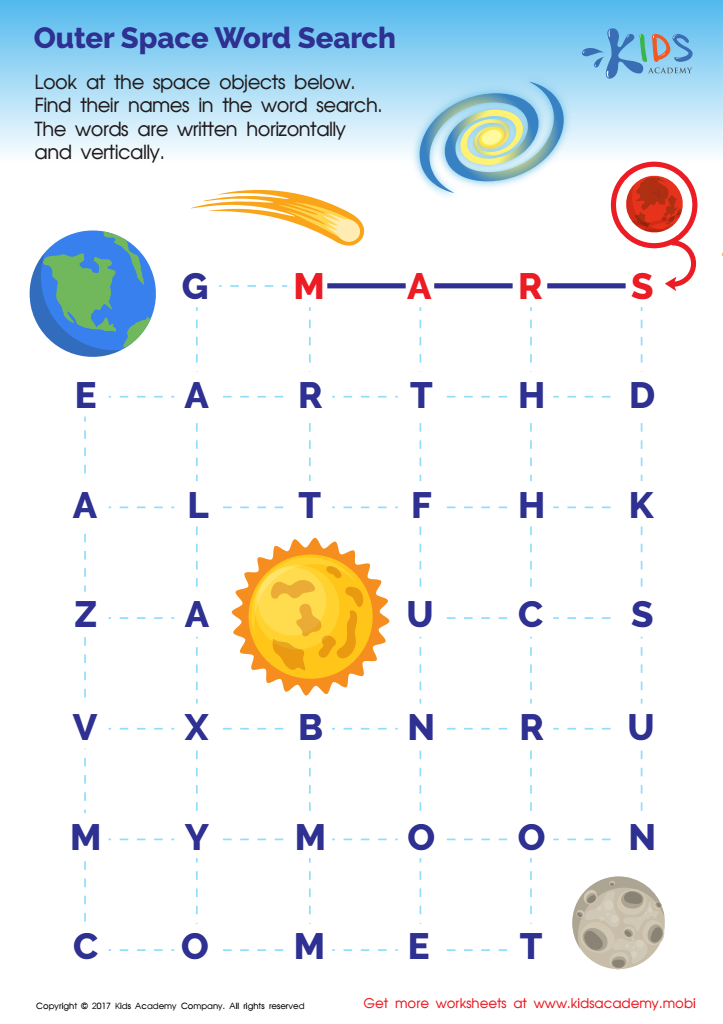
Outer Space Word Search Printable
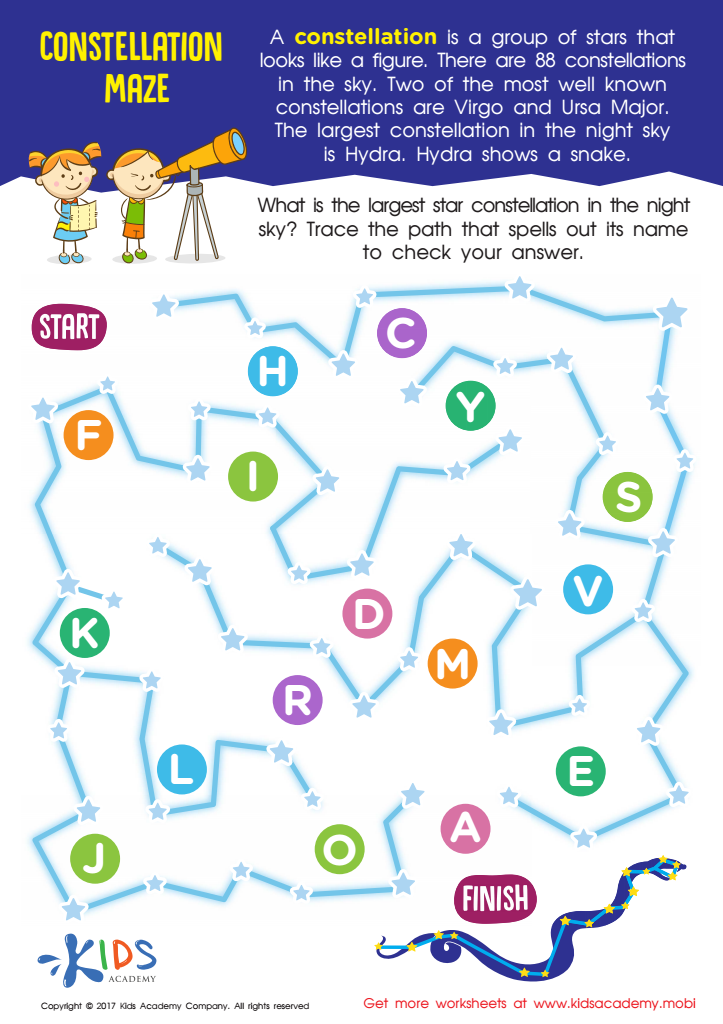
Constellations Worksheet
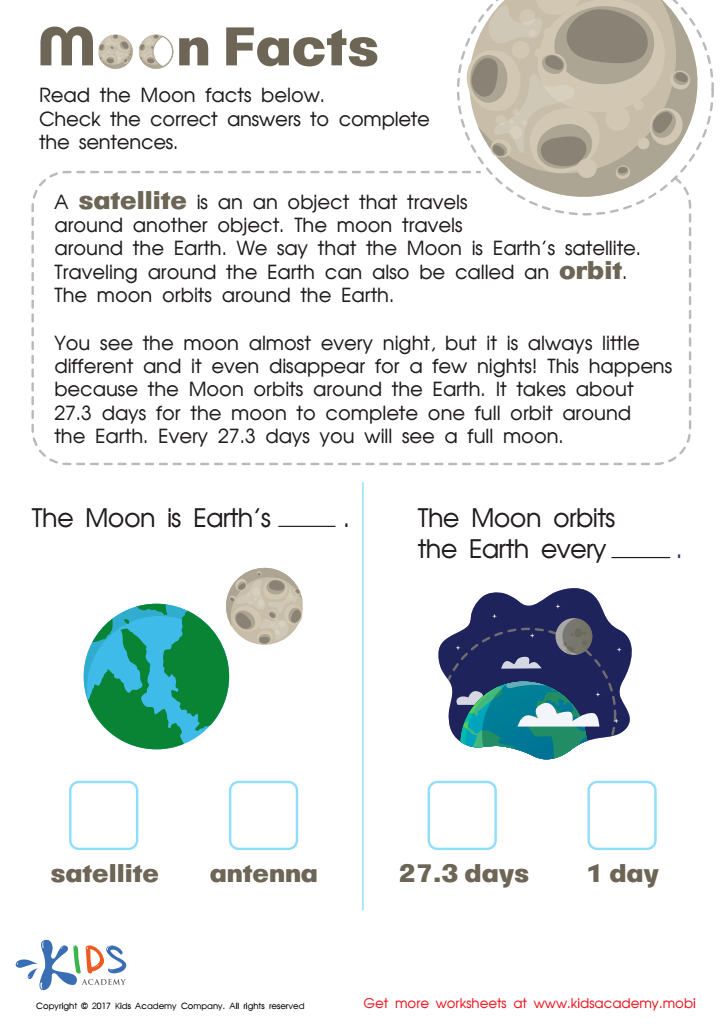
Moon Facts Worksheet
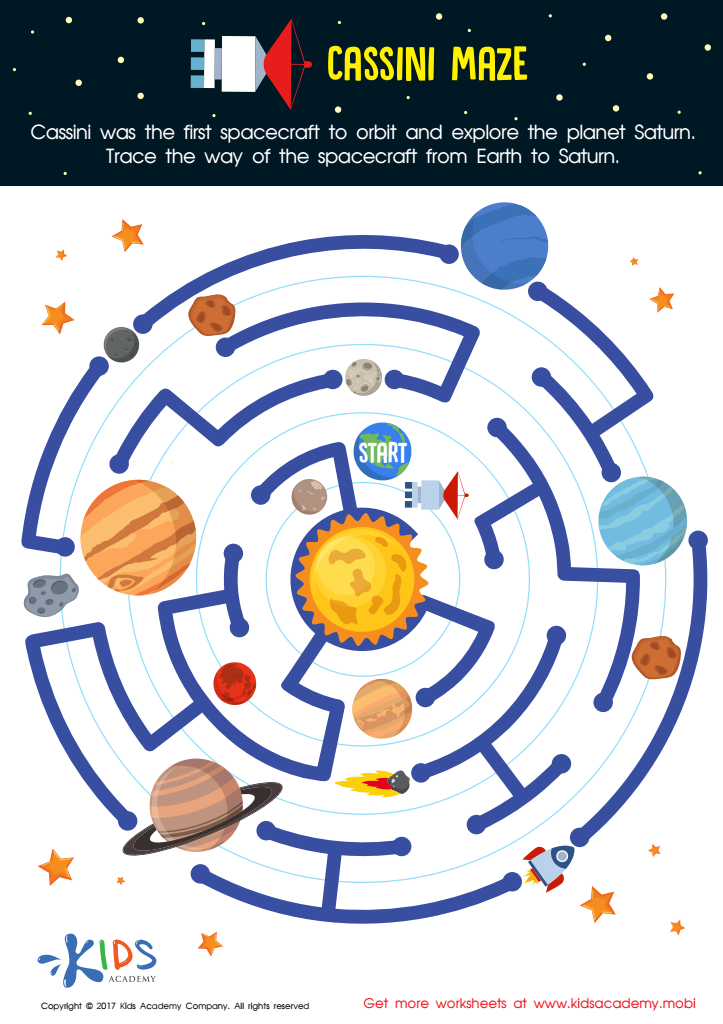
Cassini Printable Worksheet
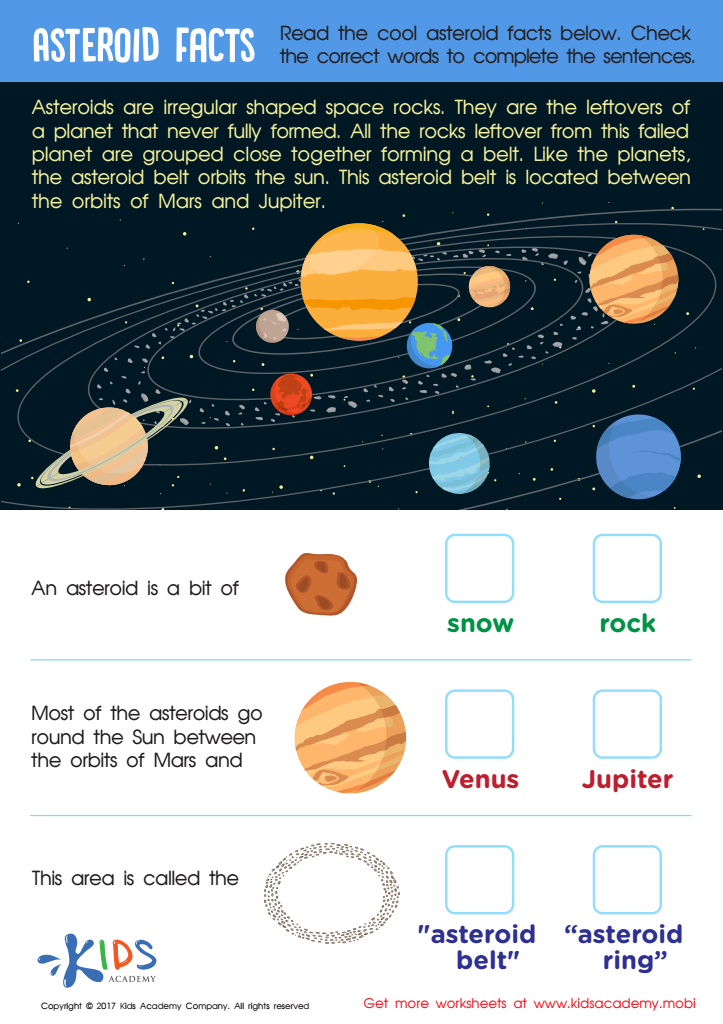
Asteroid Facts Worksheet
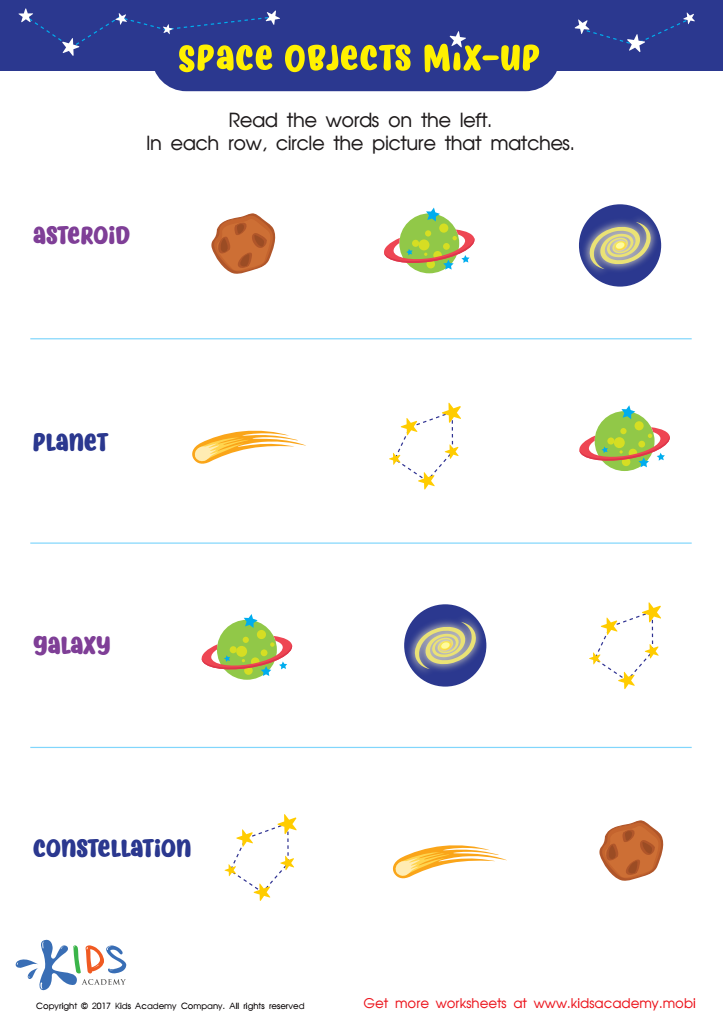
Science: Space Objects Worksheet
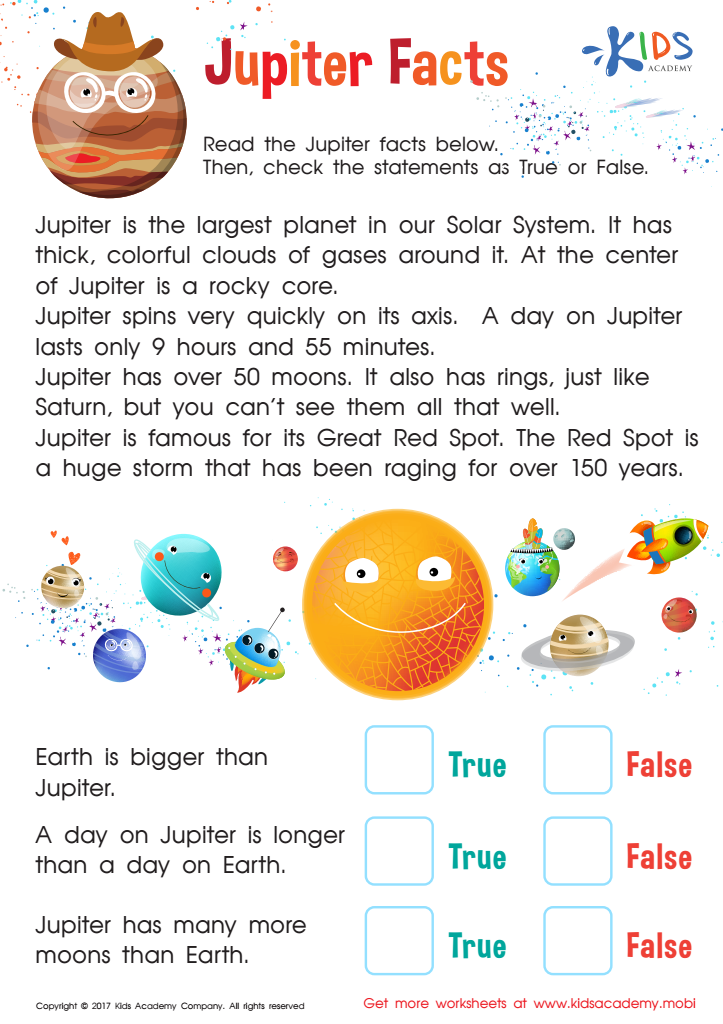
Jupiter Facts Worksheet
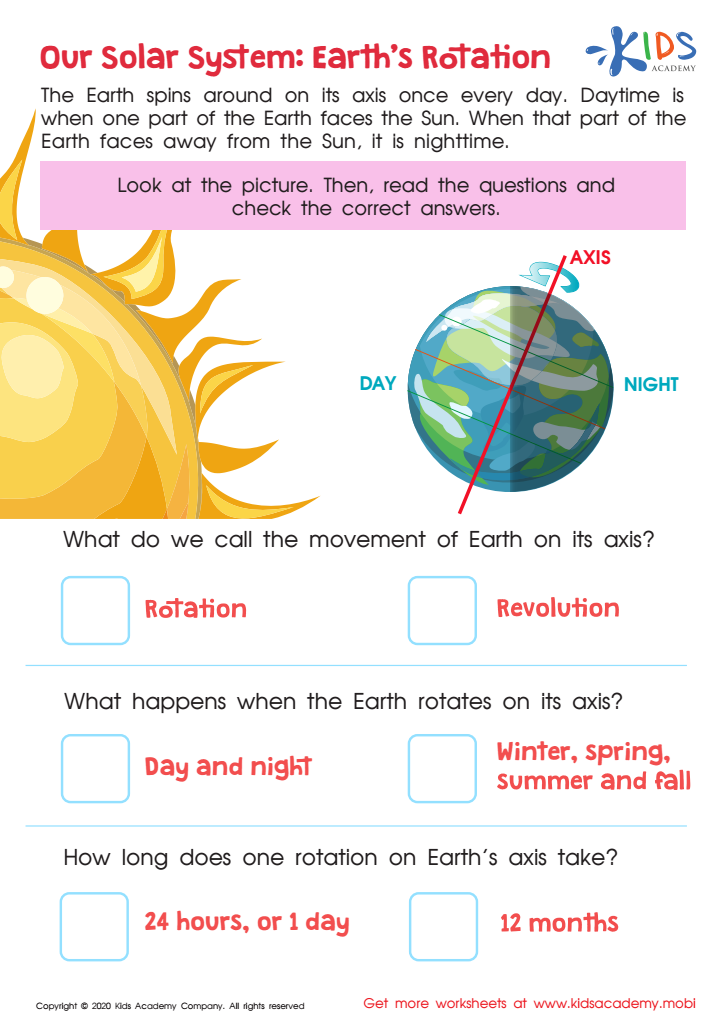
Our Solar System: Earth's Rotation Printable
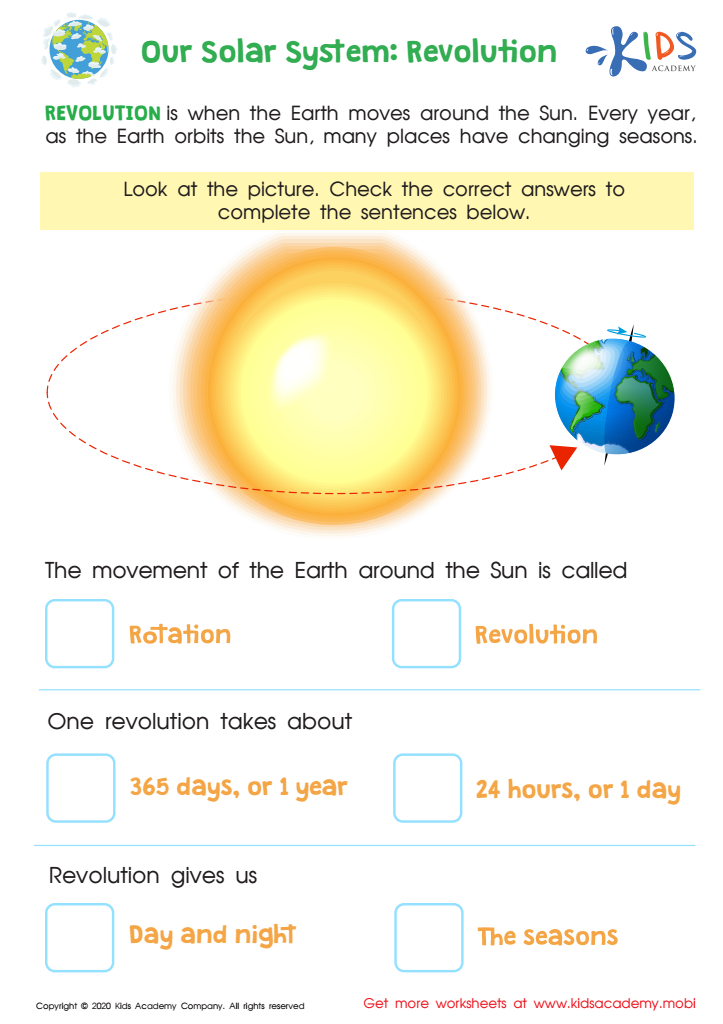
Our Solar System: Revolution Printable
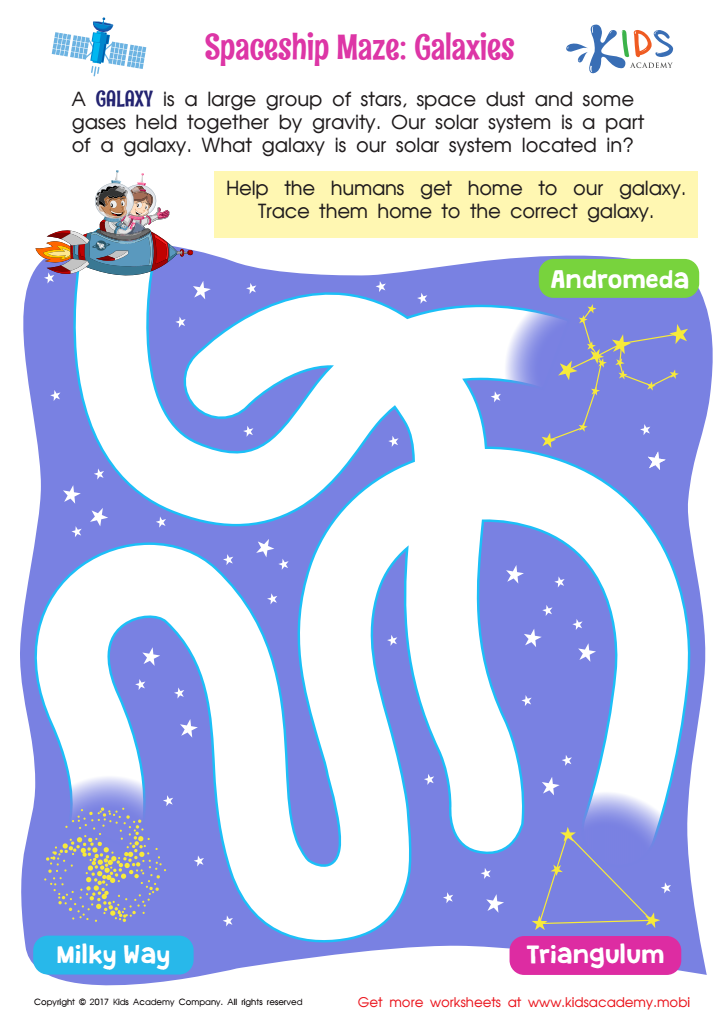
Spaceship Maze: Galaxies Worksheet
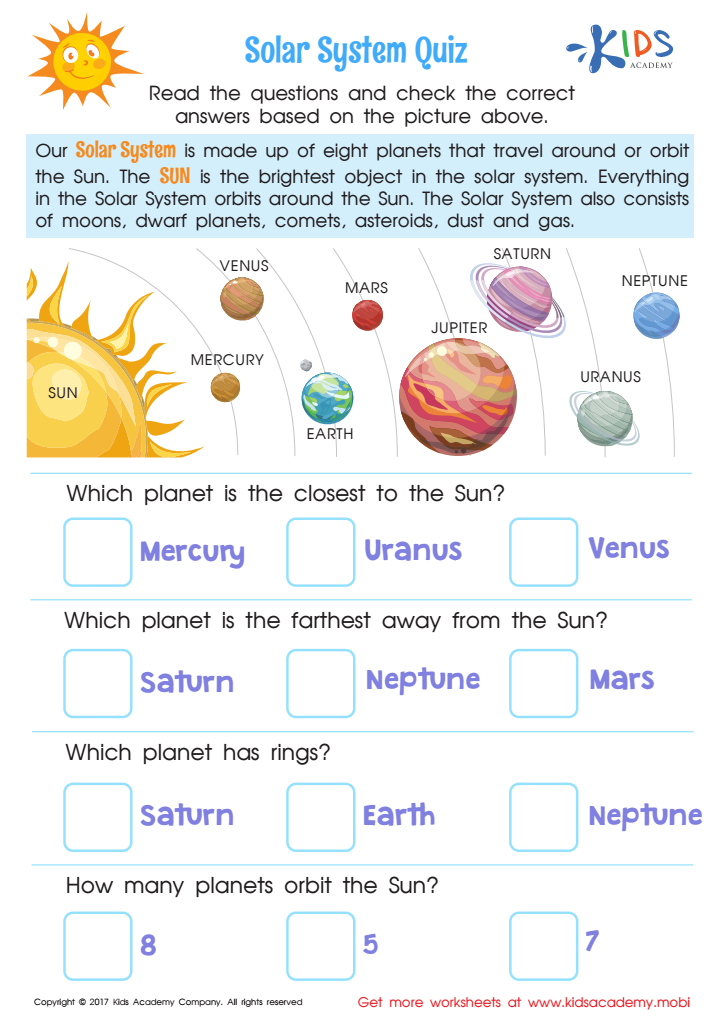
Solar System Quiz Printable
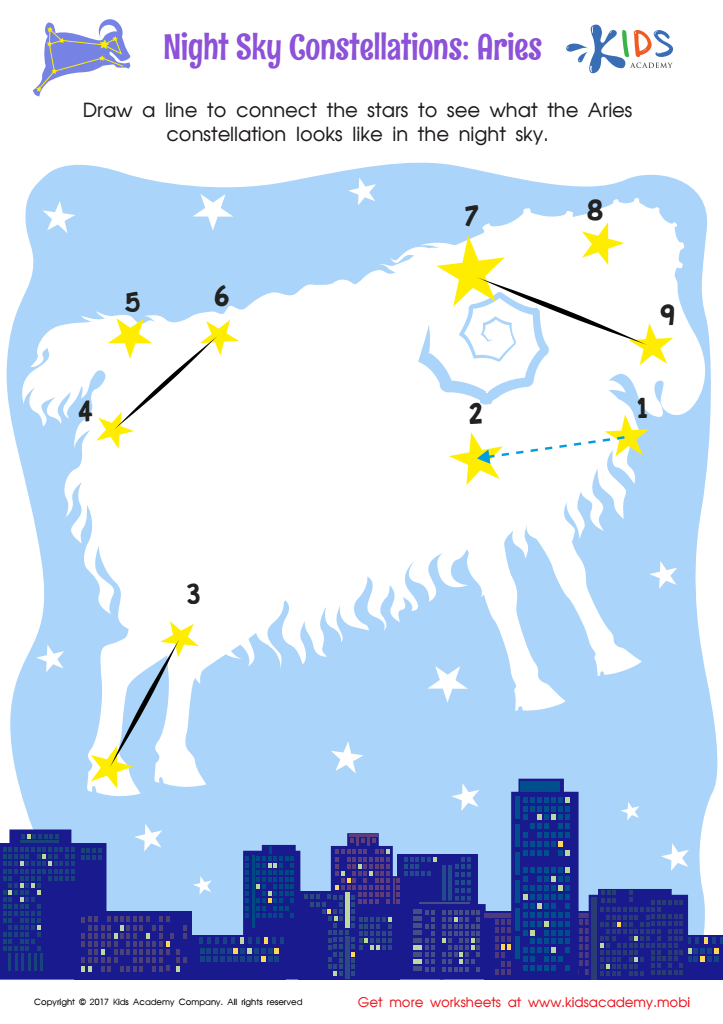
Night Sky Constellations: Aries Worksheet
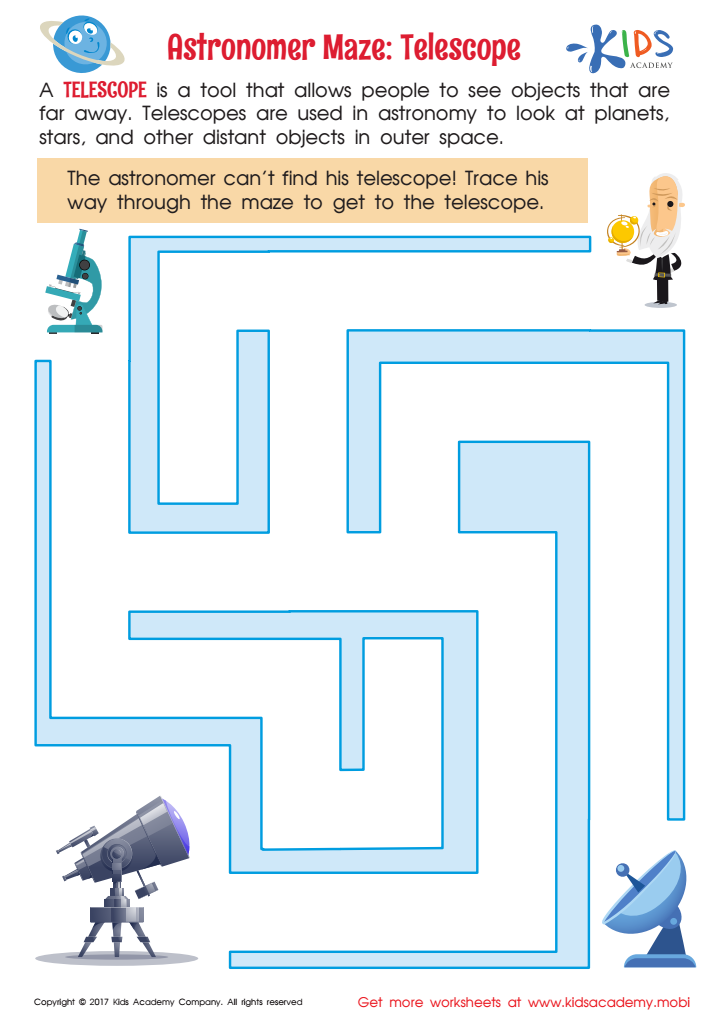
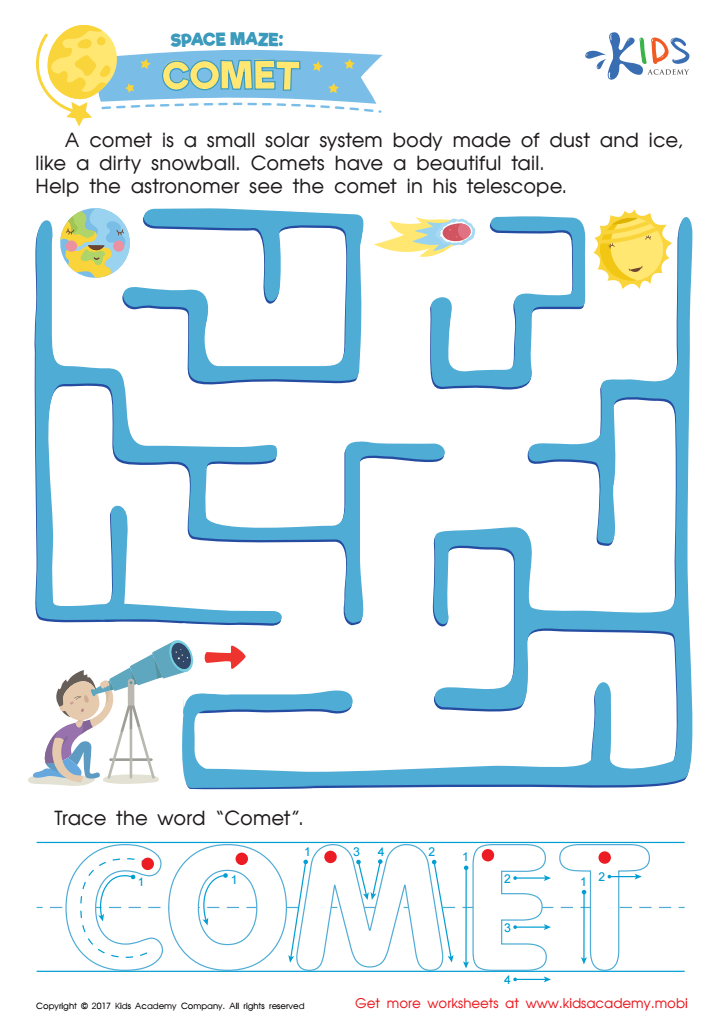
Astronomer Maze: Telescope Worksheet
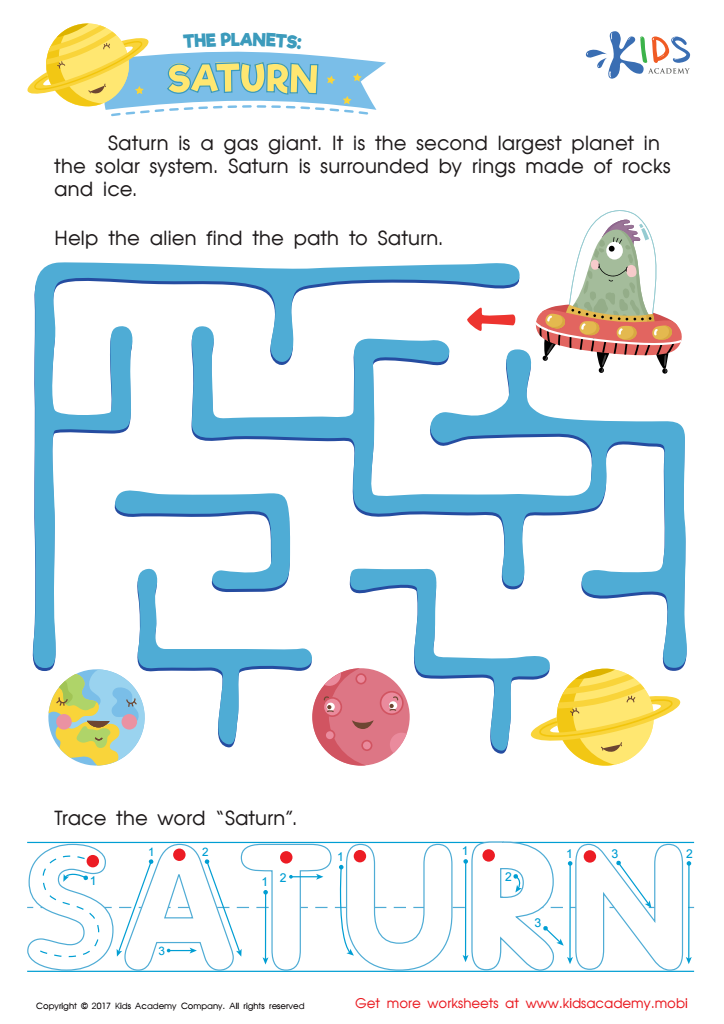
The Planets: Saturn Printable




%20(1).jpg)

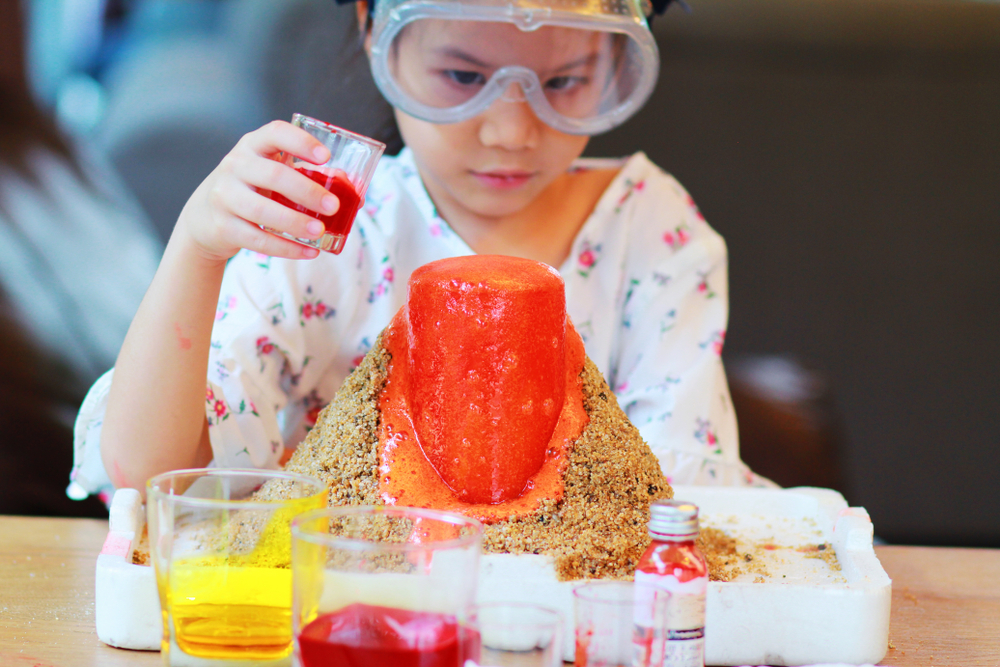
Parents and teachers should care about space for children ages 4-9 for several reasons. First, introducing young children to the wonders of space sparks their natural curiosity and imagination. At this age, children are like sponges, ready to absorb new concepts, and space offers endless opportunities for exploration and discovery.
Understanding space also fosters a sense of wonder about the universe, encouraging personal and scientific questions. It allows children to dream big, inspire a love for science, and plants the seeds for future STEM-related interests. As they learn about planets, stars, and galaxies, children enhance critical thinking skills, ask questions, and begin making connections between their world and the vast cosmos.
Additionally, space education can support literacy, numeracy, and creative thinking. Activities related to space can include storytelling, arts and crafts, and even simple math and measurement activities—helping integrate various subjects into play.
Moreover, by promoting discussions about space exploration and science, parents and educators can instill the importance of curiosity and perseverance. As they ponder their place in the universe, children learn vital social and emotional skills, nurturing their desire to seek knowledge throughout their lives. Thus, caring about space contributes to holistic development in early childhood.







