History Worksheets for Ages 4-9 - Page 2
88 filtered results
-
From - To
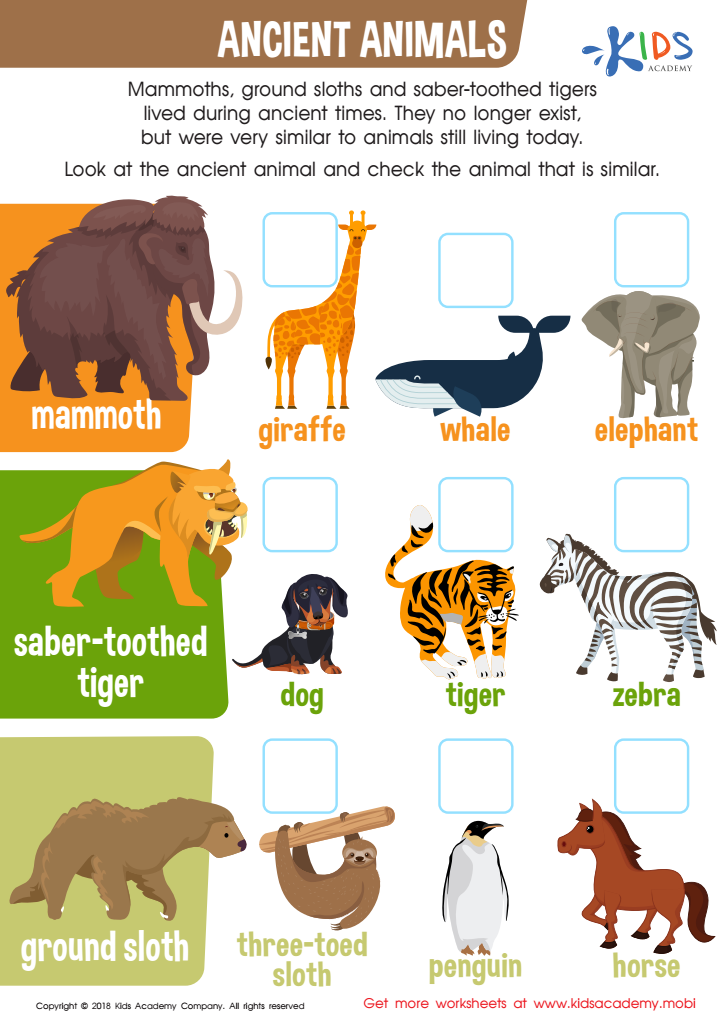
Ancient Animals Worksheet
 Assign to My Students
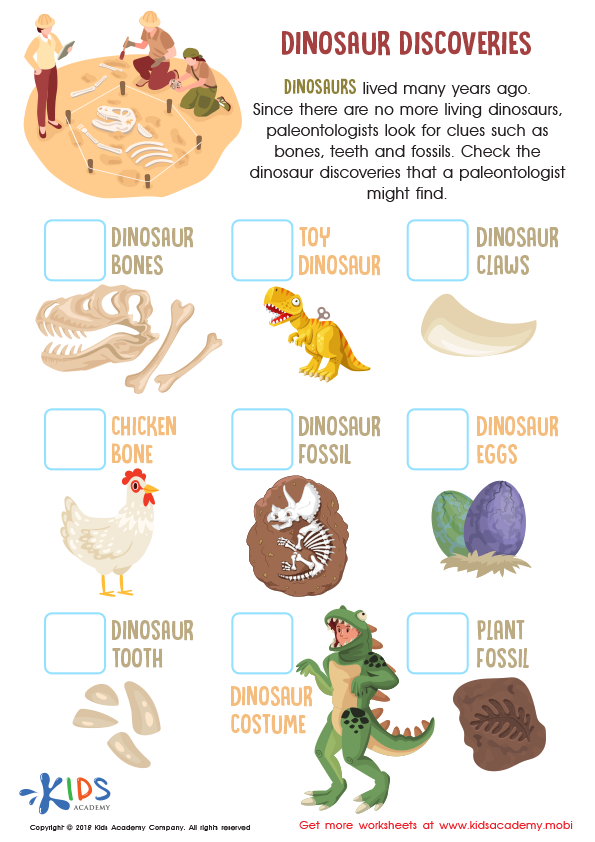
Dinosaur Discoveries Worksheet
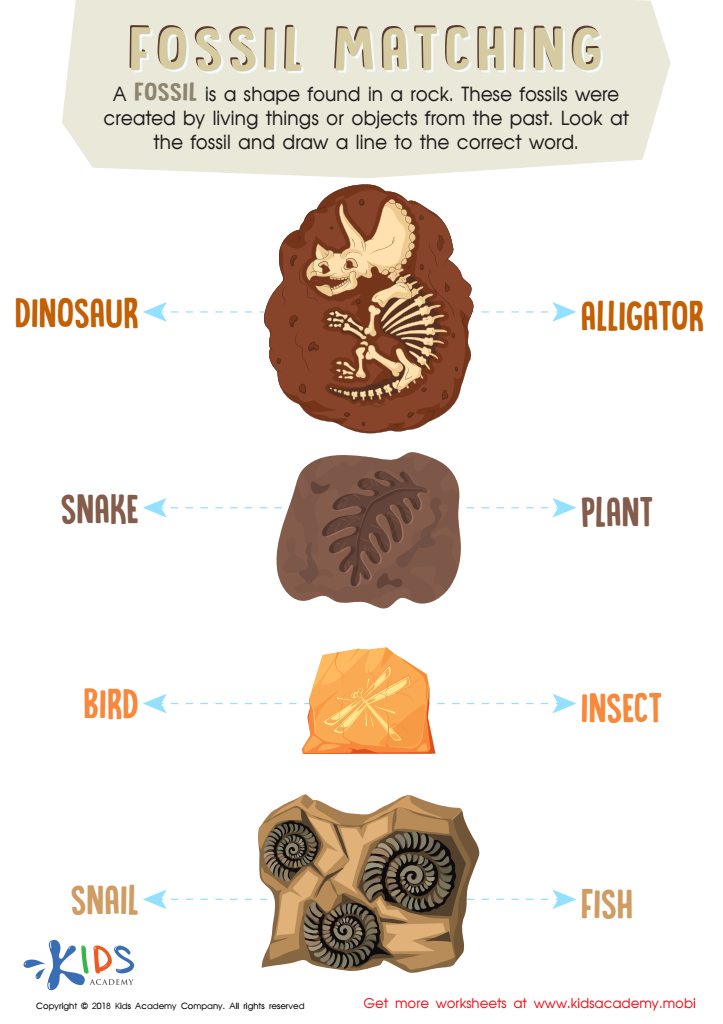
Fossil Matching Worksheet
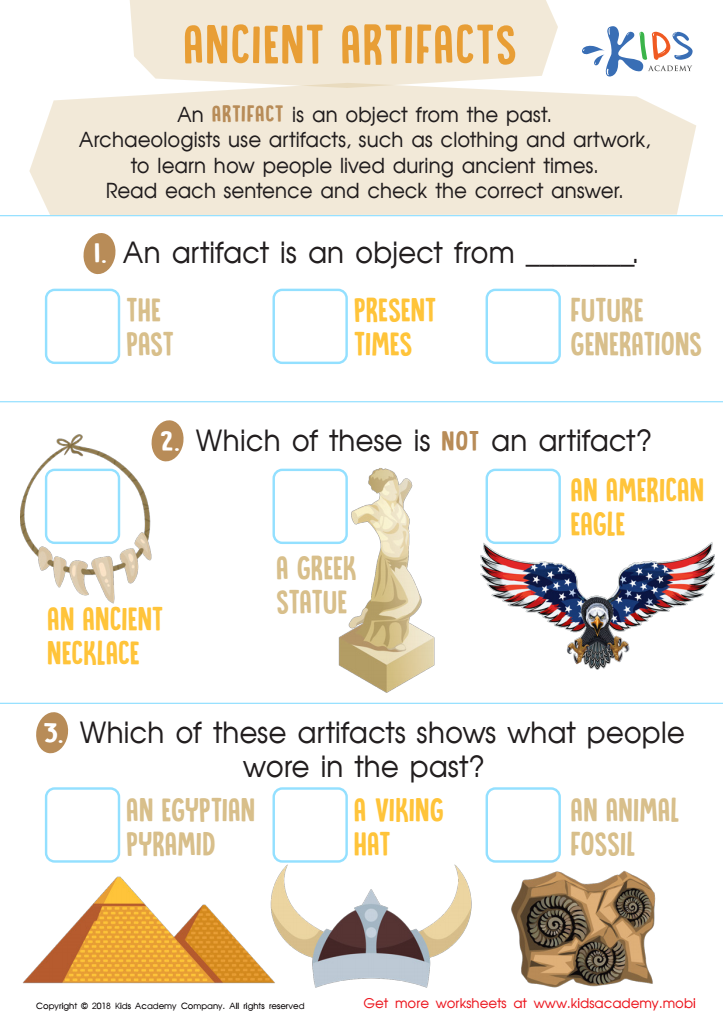
Ancient Artifacts Worksheet
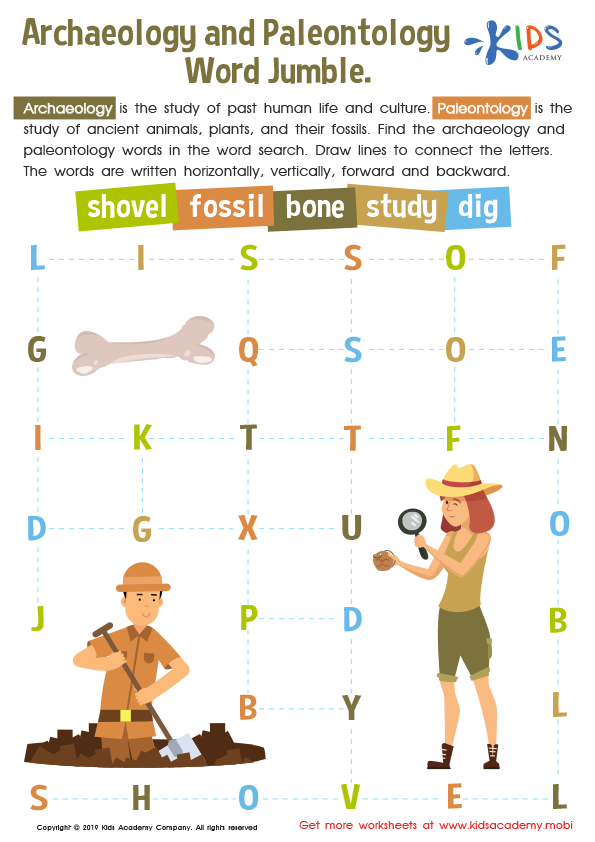
Archaeology and Paleontology Word Jumble Worksheet
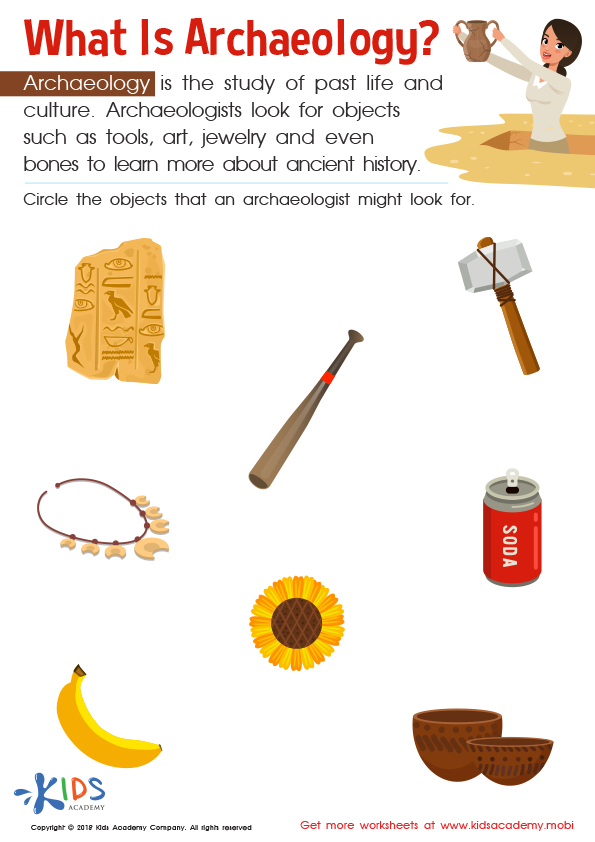
What Is Archaeology? Worksheet
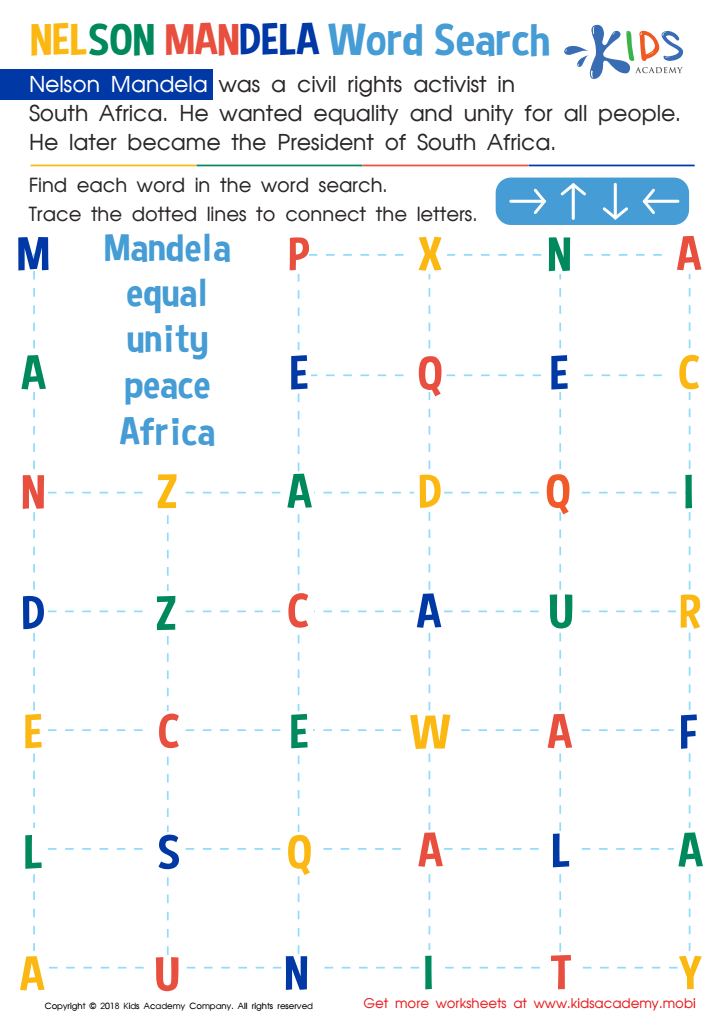
Nelson Mandela Word Search Worksheet
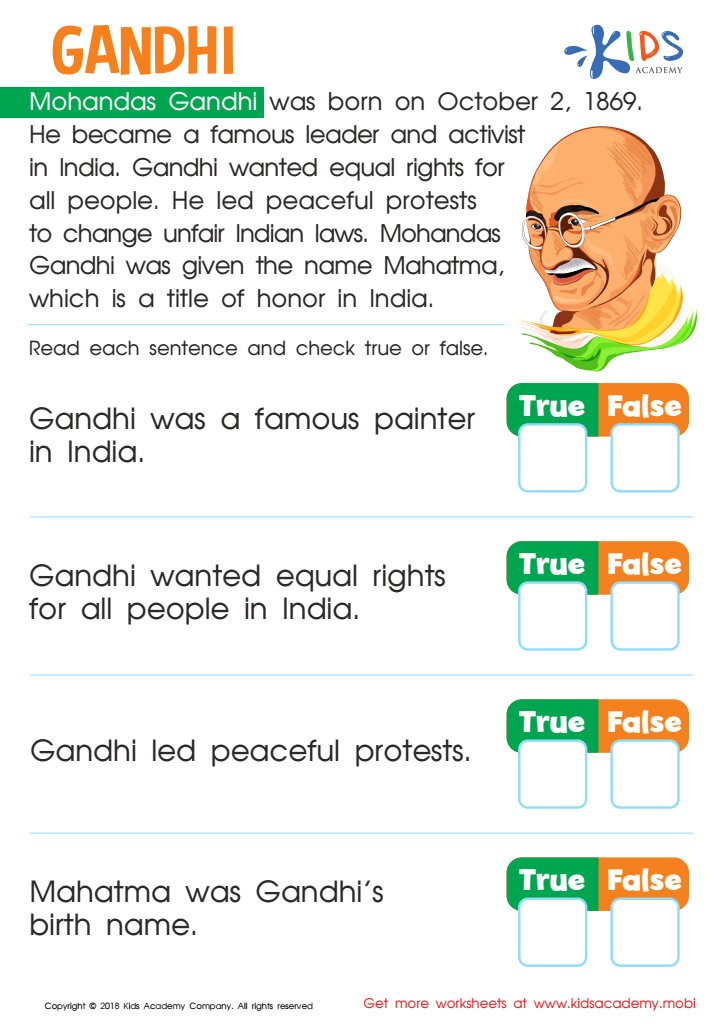
Gandhi Worksheet
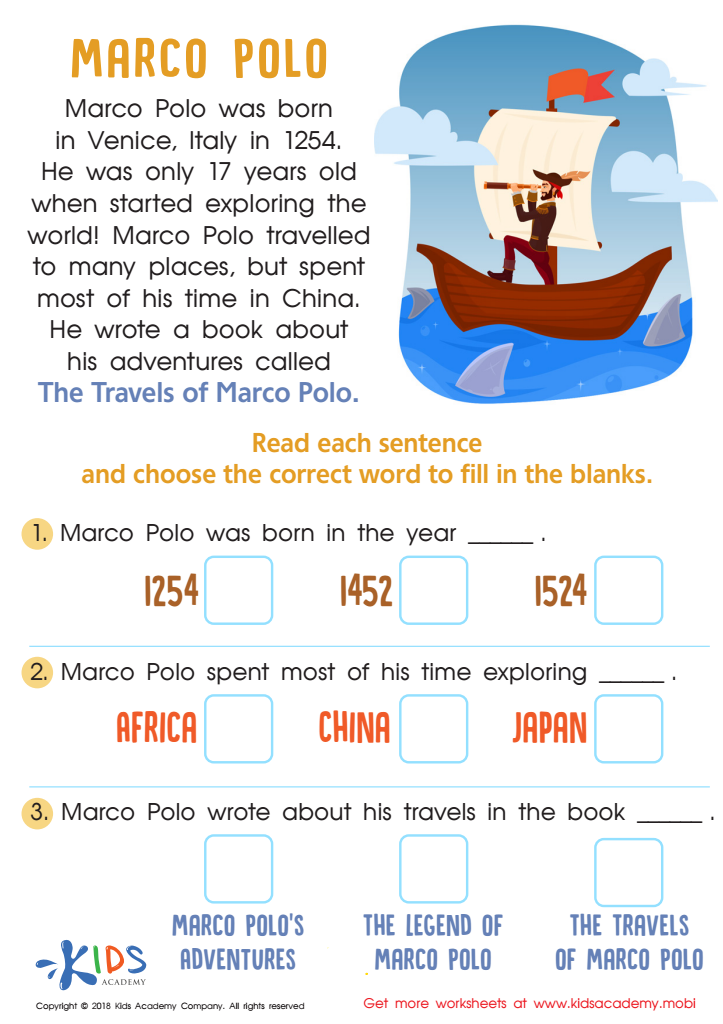
Marco Polo Worksheet
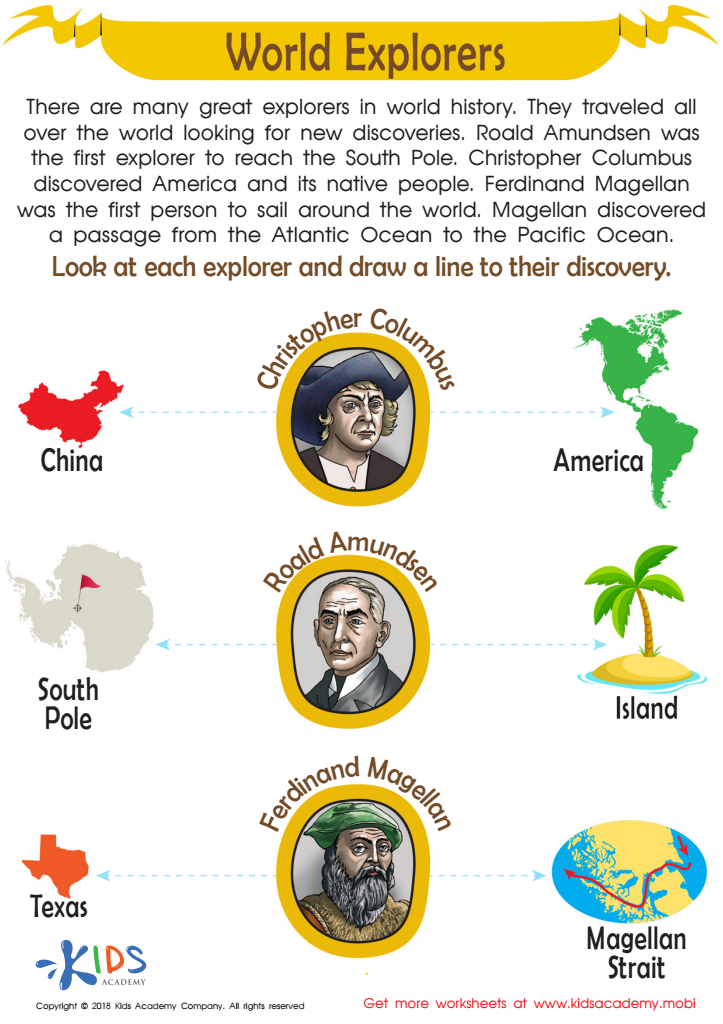
World Explorers Worksheet
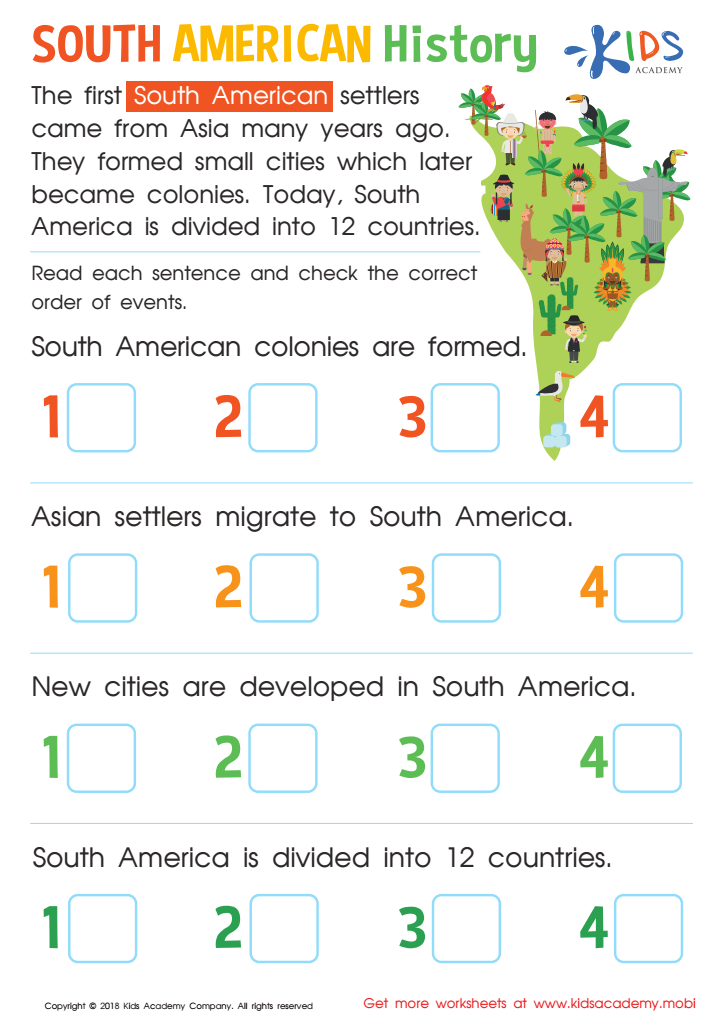
South American History Worksheet
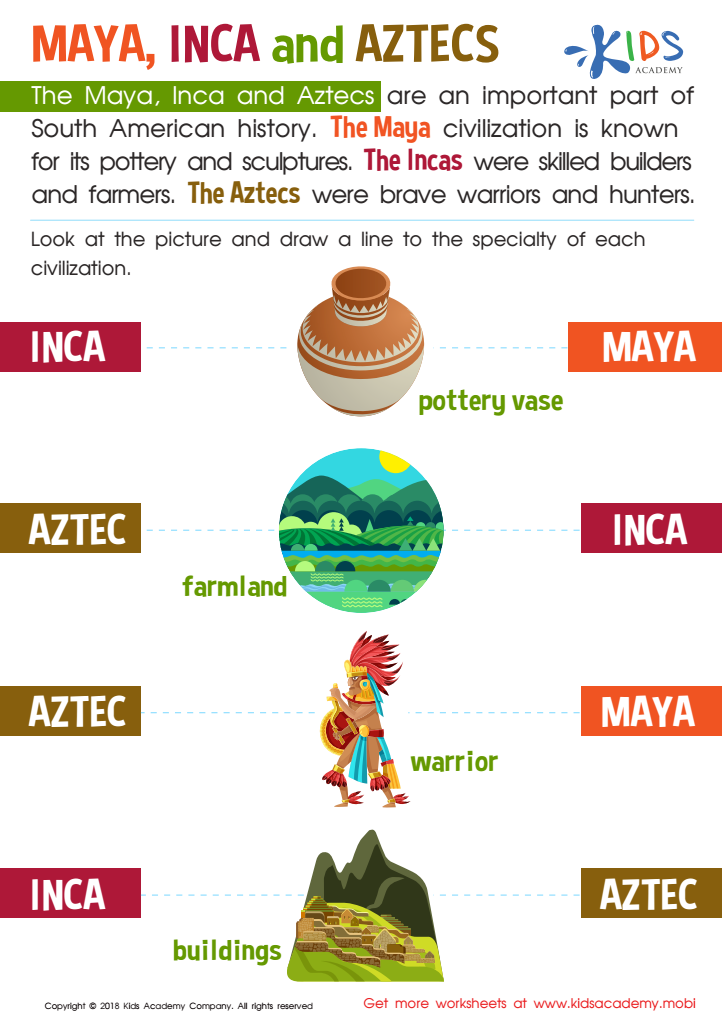
Maya, Inca and Aztecs Worksheet
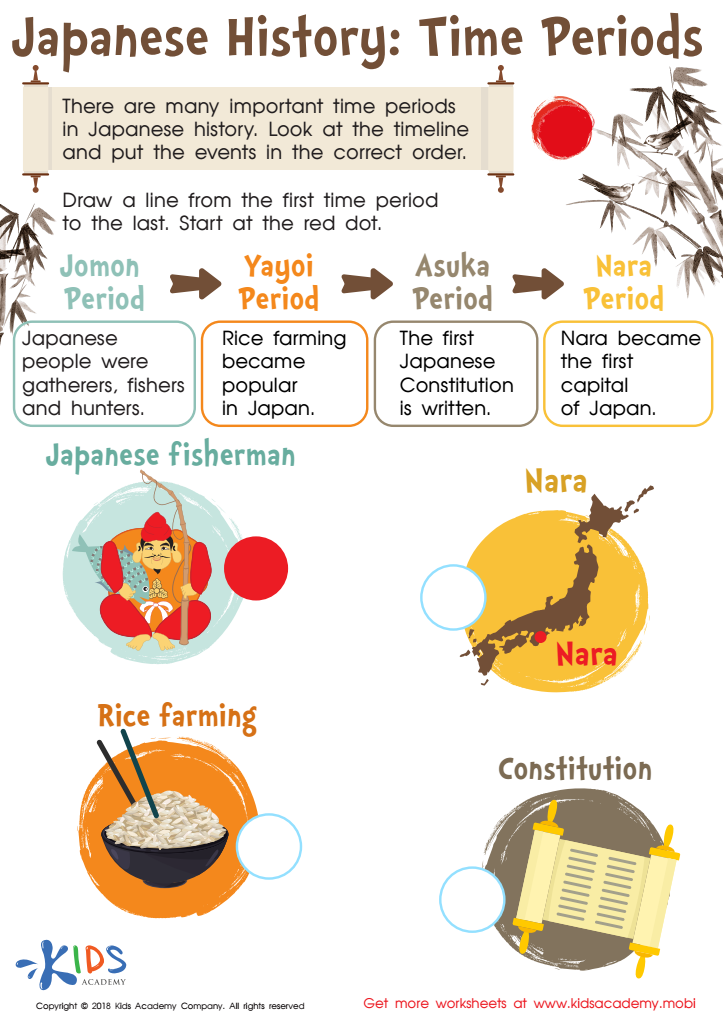
Japanese History: Time Periods Worksheet
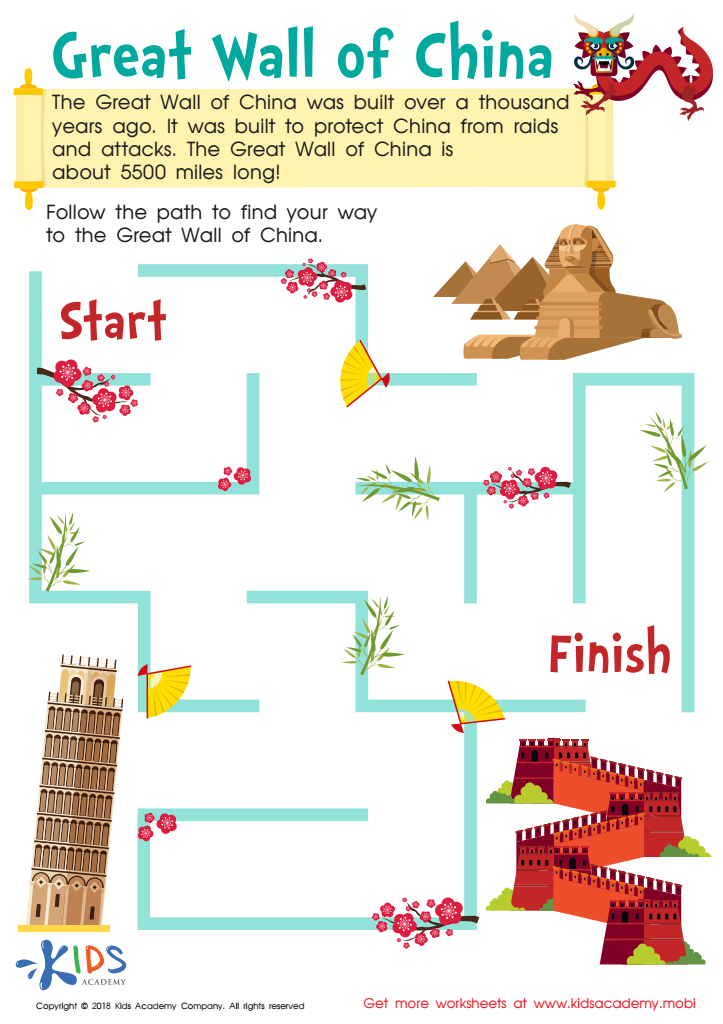
Great Wall of China Worksheet
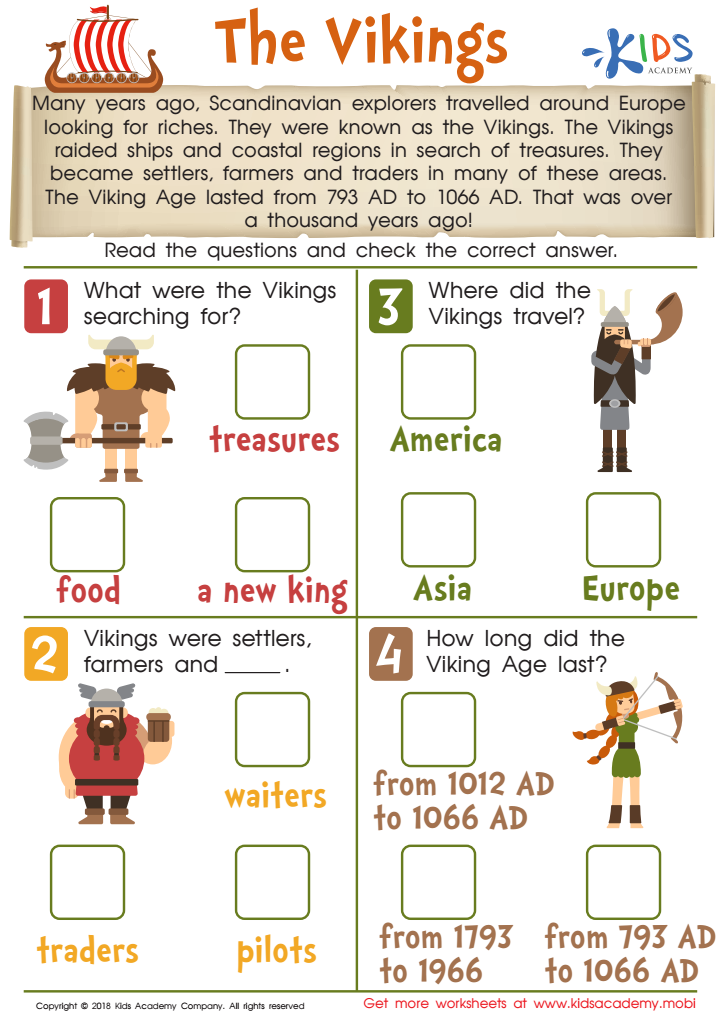
The Vikings Worksheet
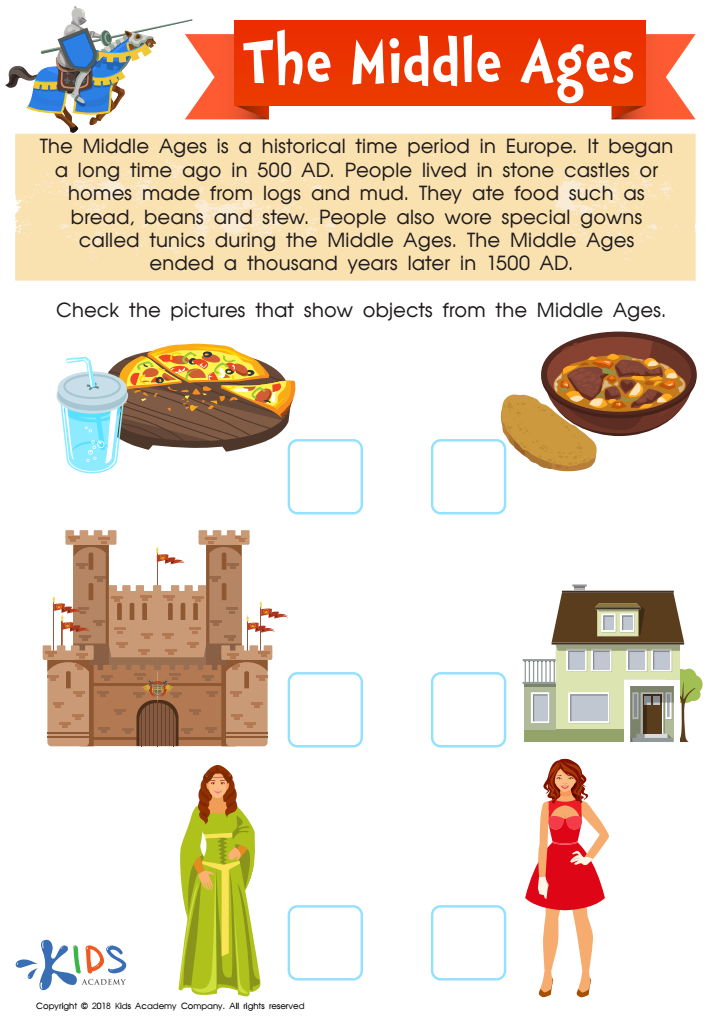
The Middle Ages Worksheet
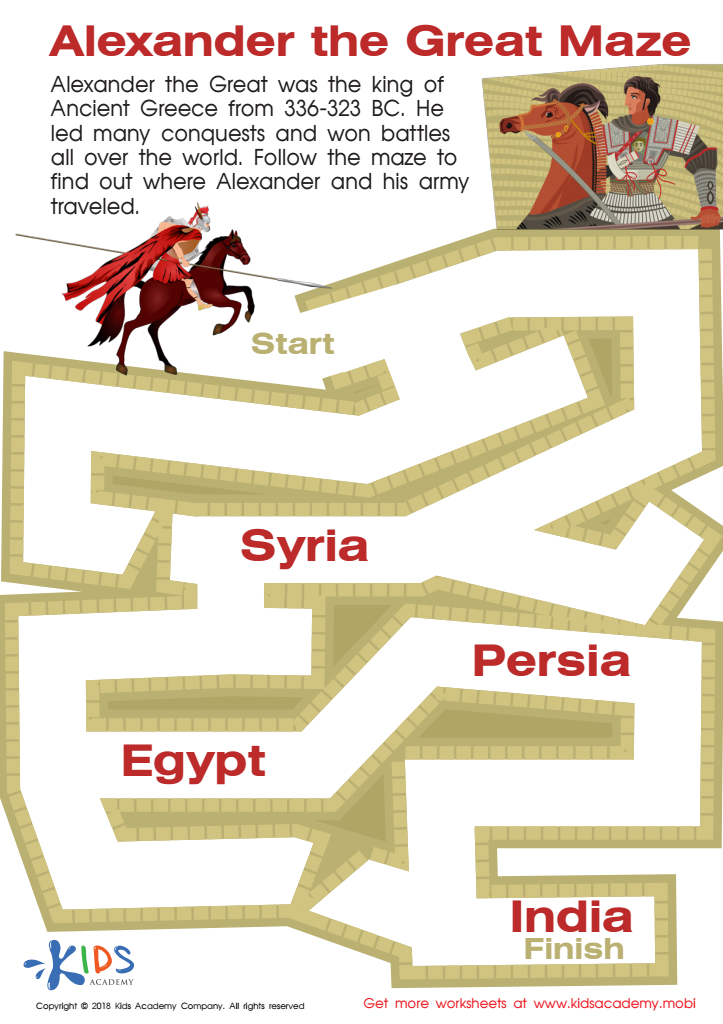
Alexander the Great Maze Worksheet
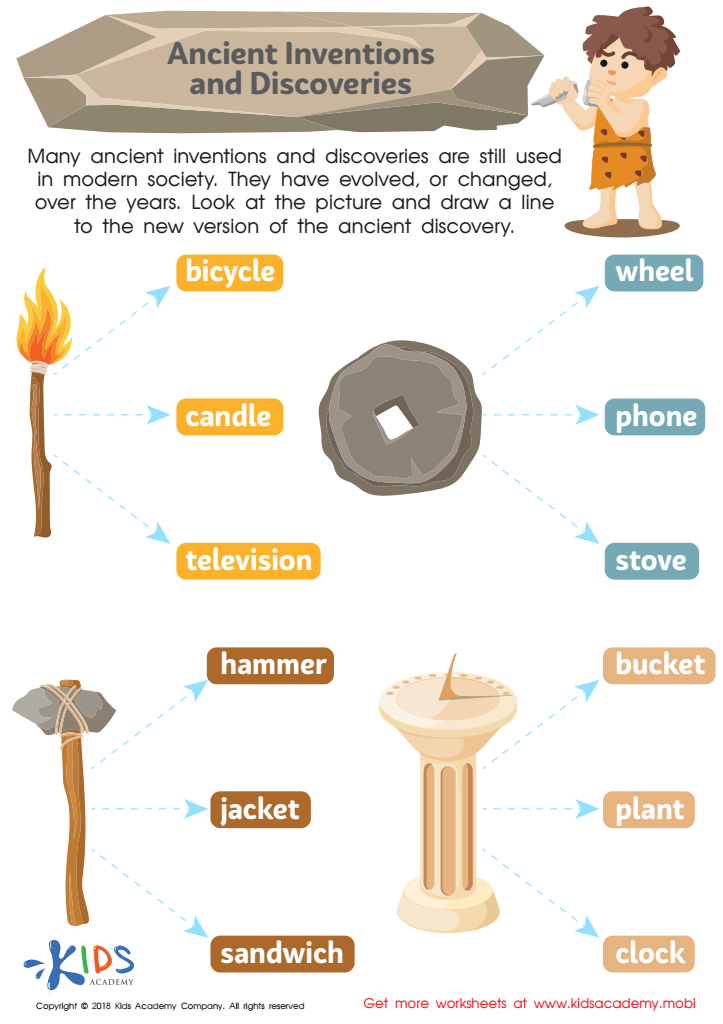
Ancient Inventions and Discoveries Worksheet
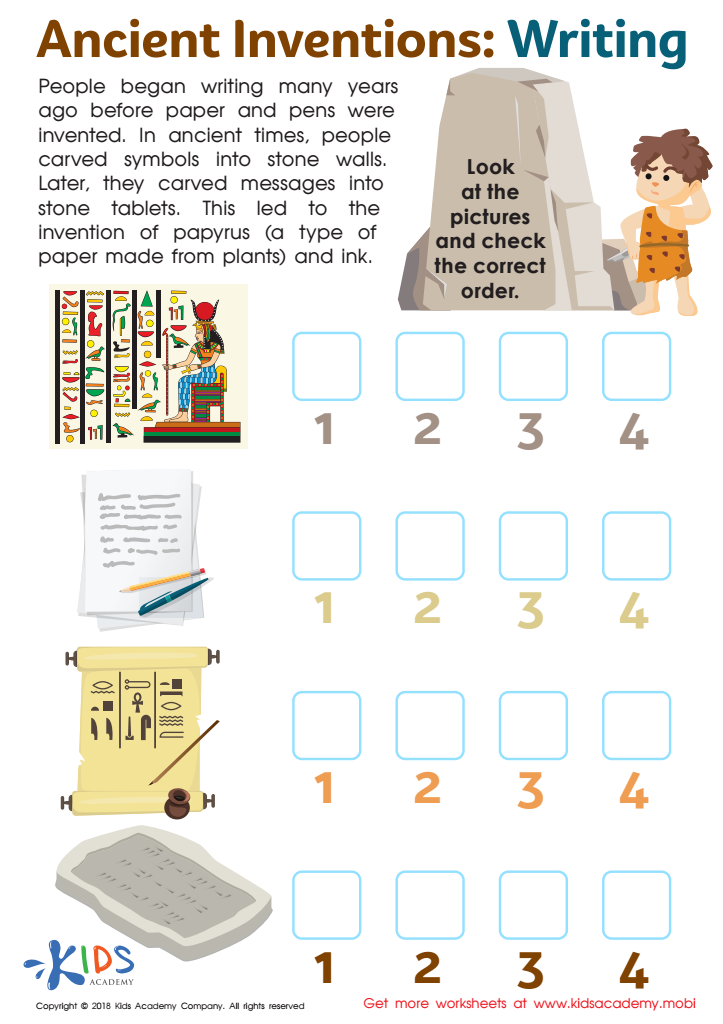
Ancient Inventions: Writing Worksheet
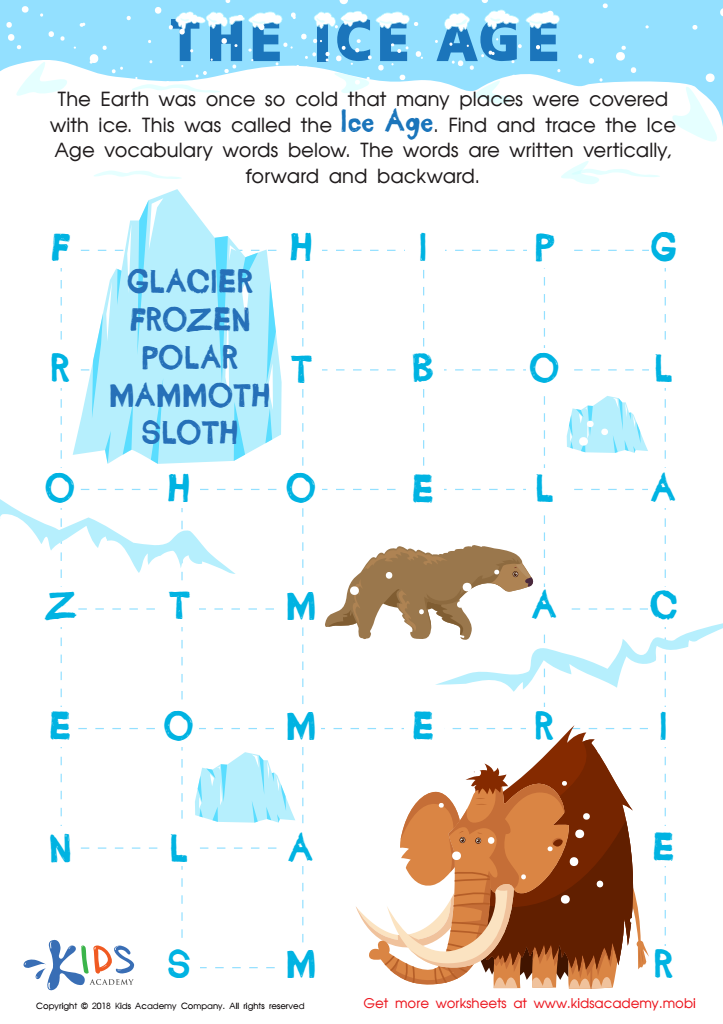
The Ice Age Worksheet
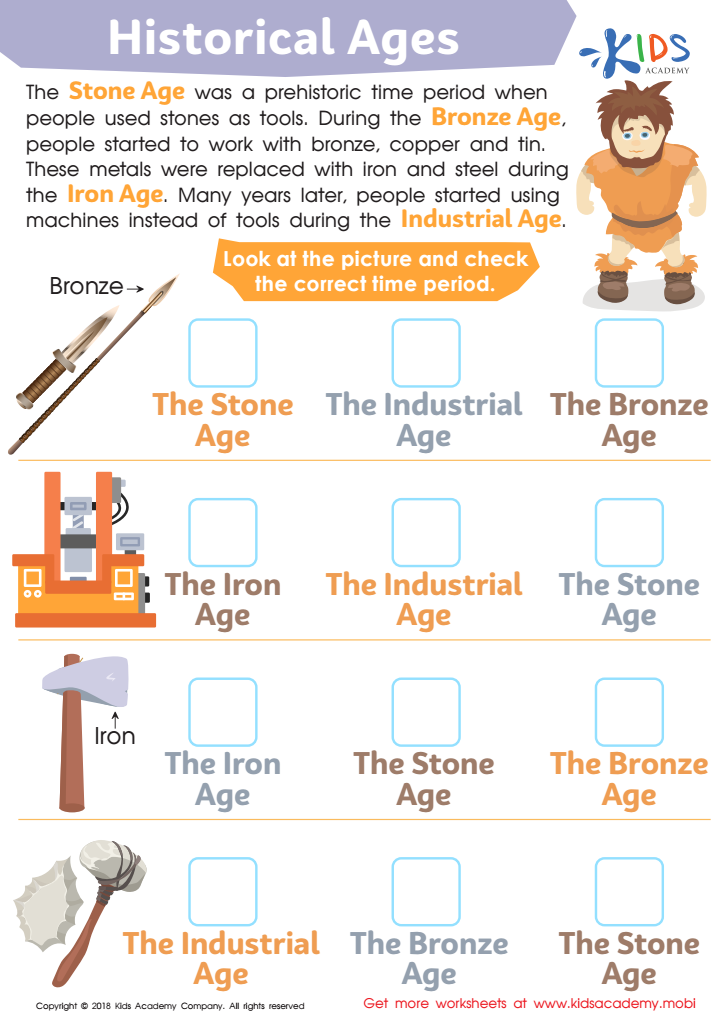
Historical Ages Worksheet
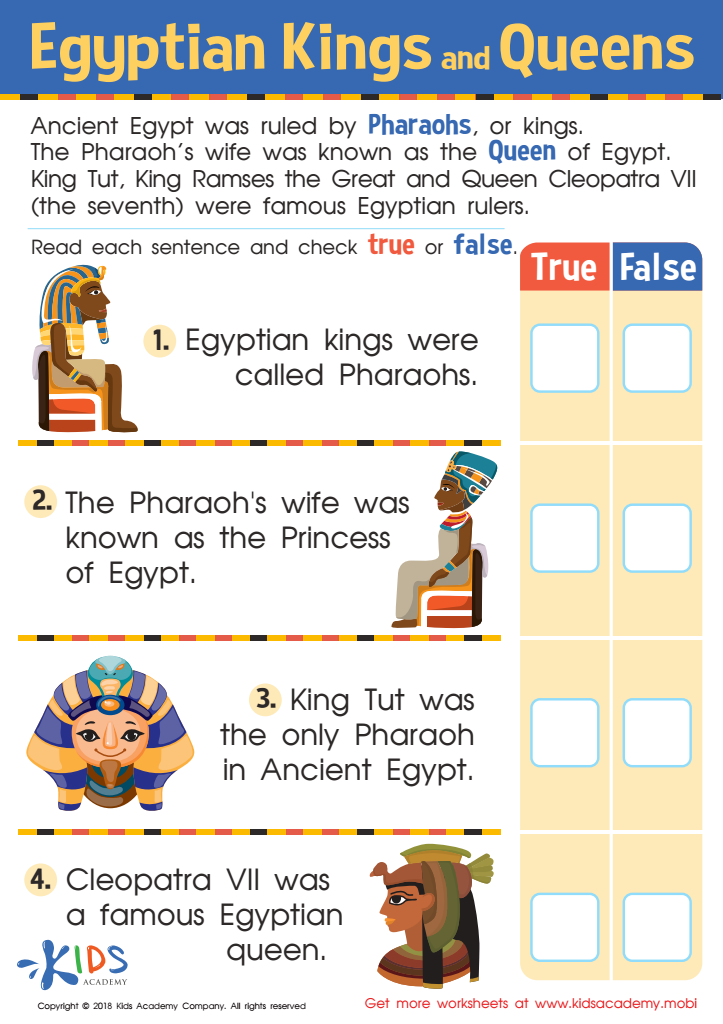
Egyptian Kings and Queens Worksheet
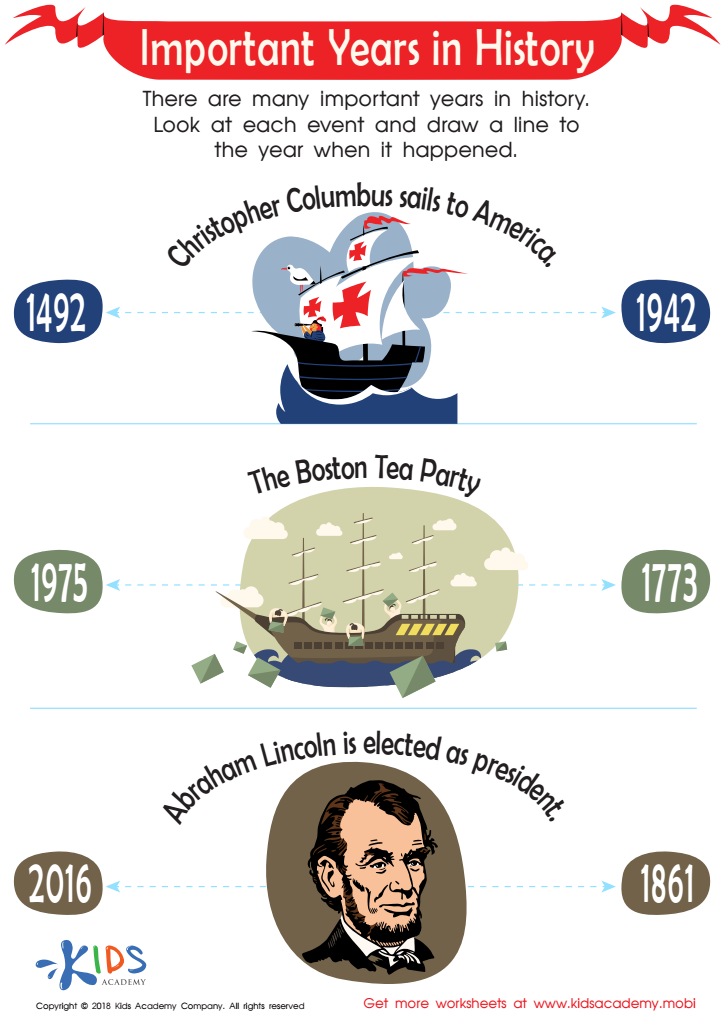
Important Years in History Worksheet
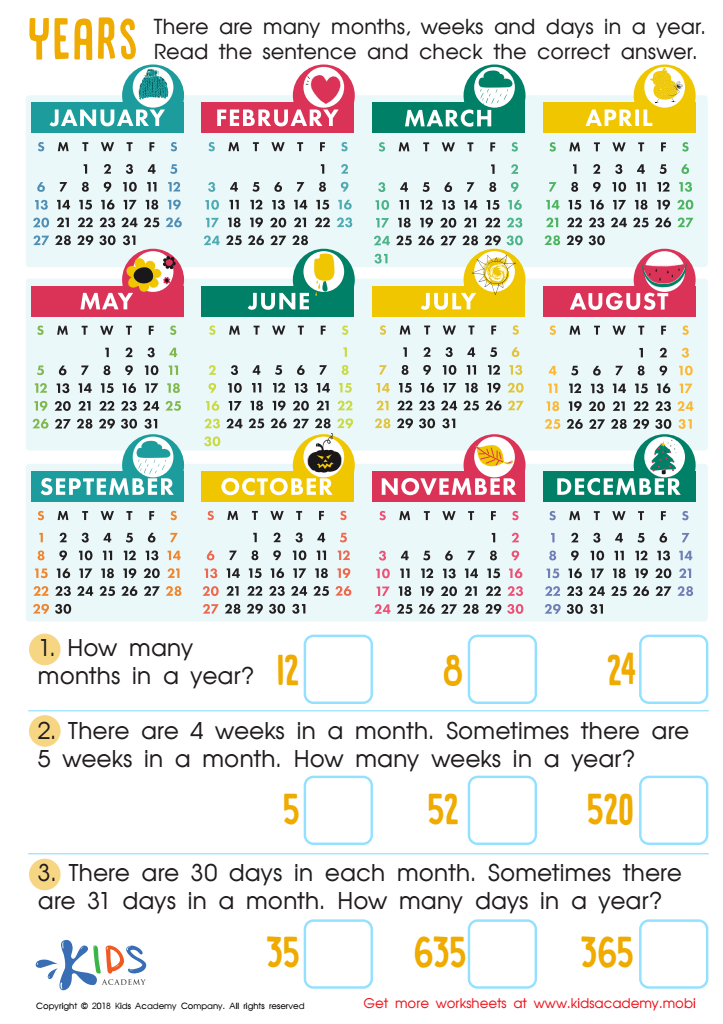
Years Worksheet








History for young children aged 4-9 is more valuable than one might initially think. Firstly, history helps kids understand the world around them by providing context for the present. Learning about past societies, events, and individuals can teach children about the origins of their own culture and traditions, as well as those of other communities.
Moreover, early exposure to history fosters critical thinking skills. Children learn to ask questions, consider different points of view, and understand cause-and-effect relationships. These skills are not only vital for history but also apply across various subjects such as reading comprehension and science.
Stories of real people and events in history can also be very engaging. They help stimulate a child's imagination, improve memory, and enhance narrative skills. When children hear about courageous acts, groundbreaking discoveries, or important social changes, they can also be inspired to develop values like empathy, justice, and curiosity.
Finally, understanding history from an early age cultivates a long-term interest in learning and broadens their educational horizons. It lays a foundation for more specialized historical studies as they grow older, and can integrate seamlessly into subjects like geography, literature, and even art.
In short, teaching history to children aged 4-9 helps them grow into well-rounded, thoughtful, and informed individuals.