English for Beginners Worksheets for Ages 5-7 - Page 4
97 filtered results
-
From - To
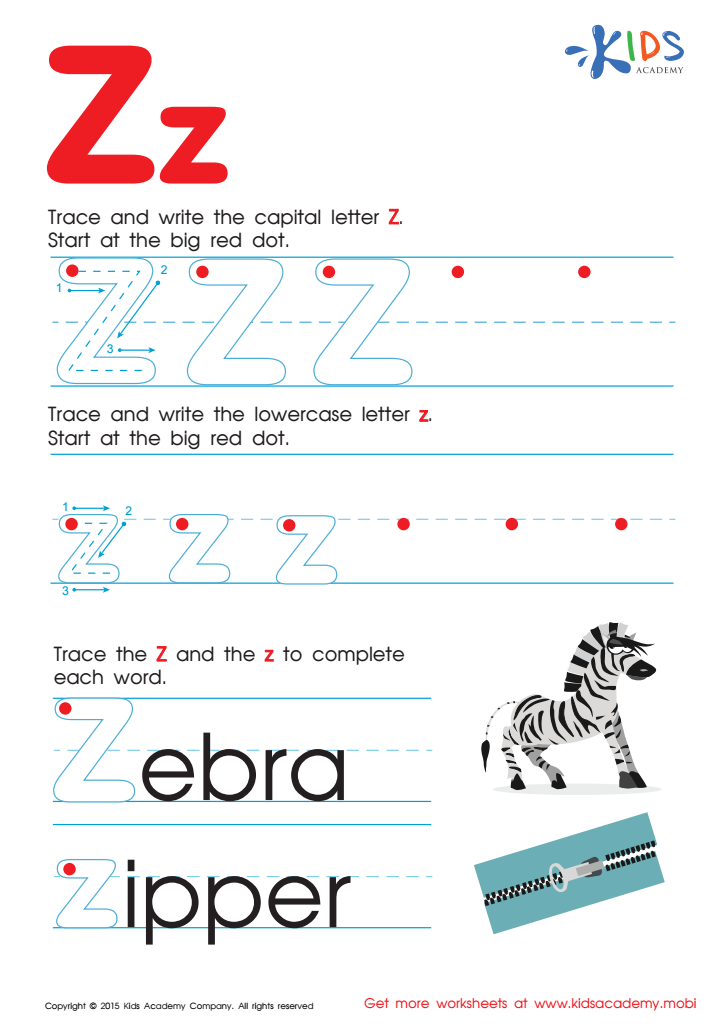
Letter Z Tracing Page
 Assign to My Students
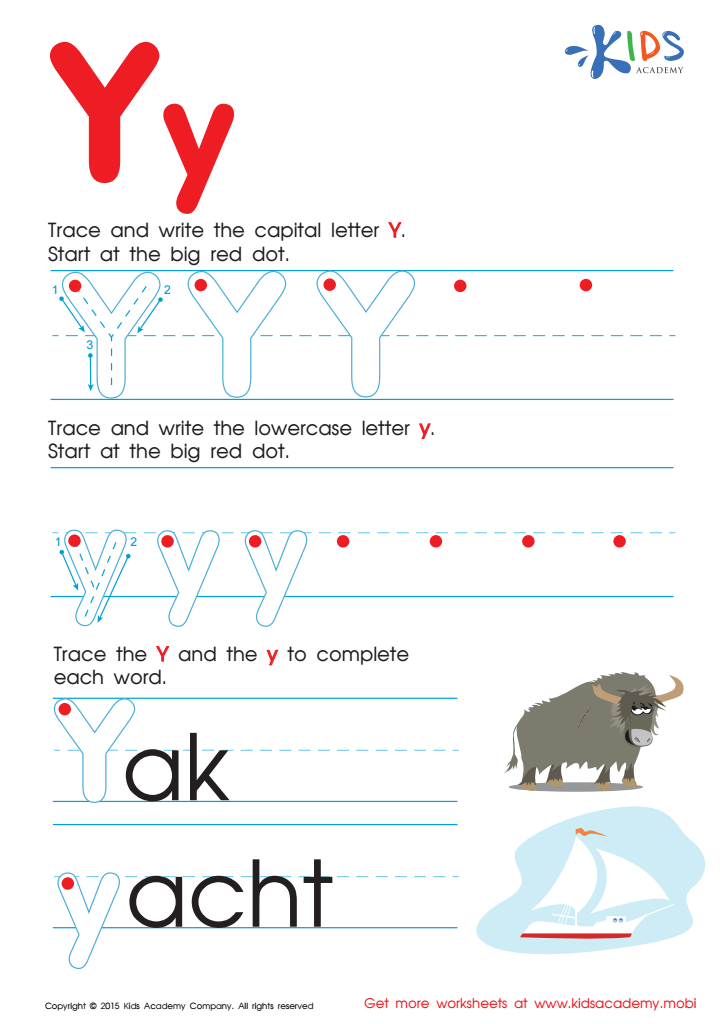
Letter Y Tracing Page
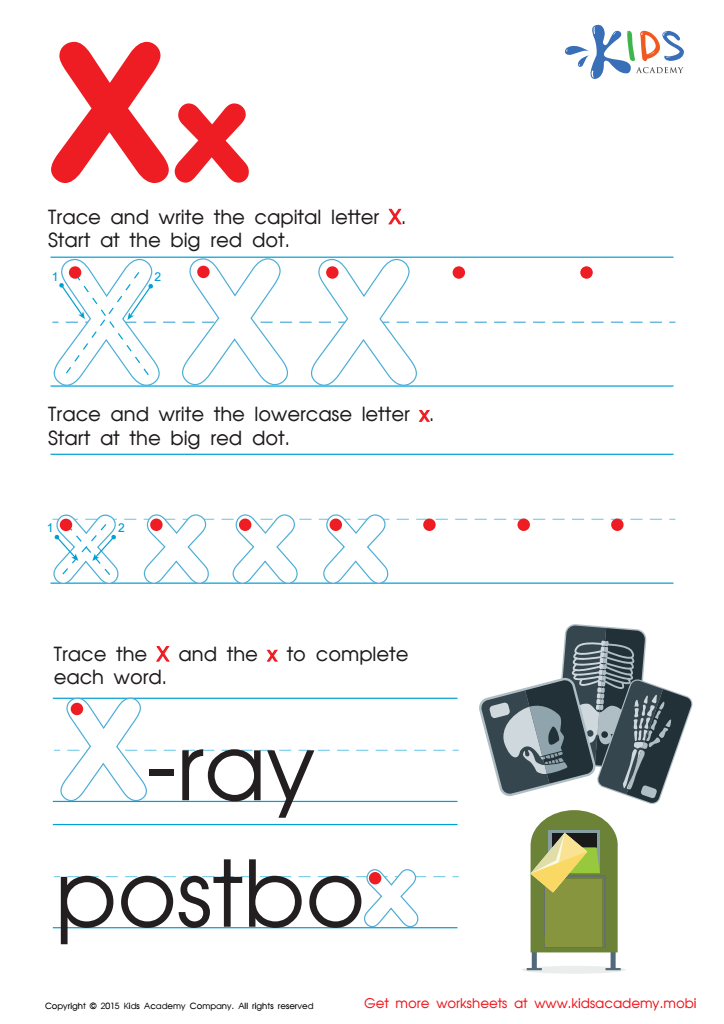
Letter X Tracing Page
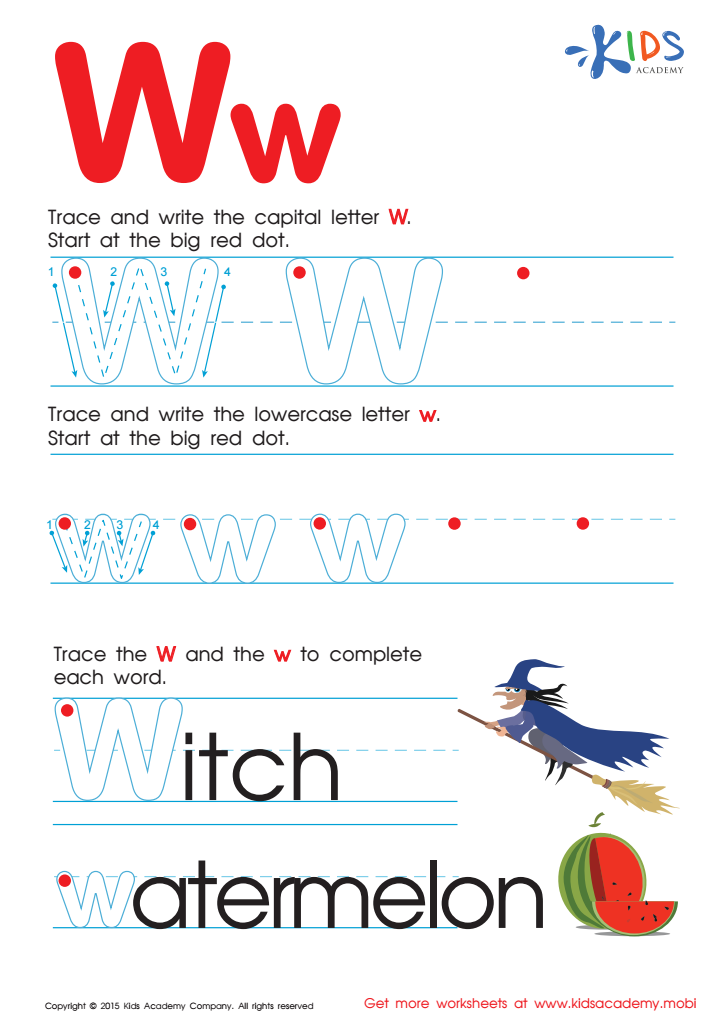
Letter W Tracing Page

Letter V Tracing Page
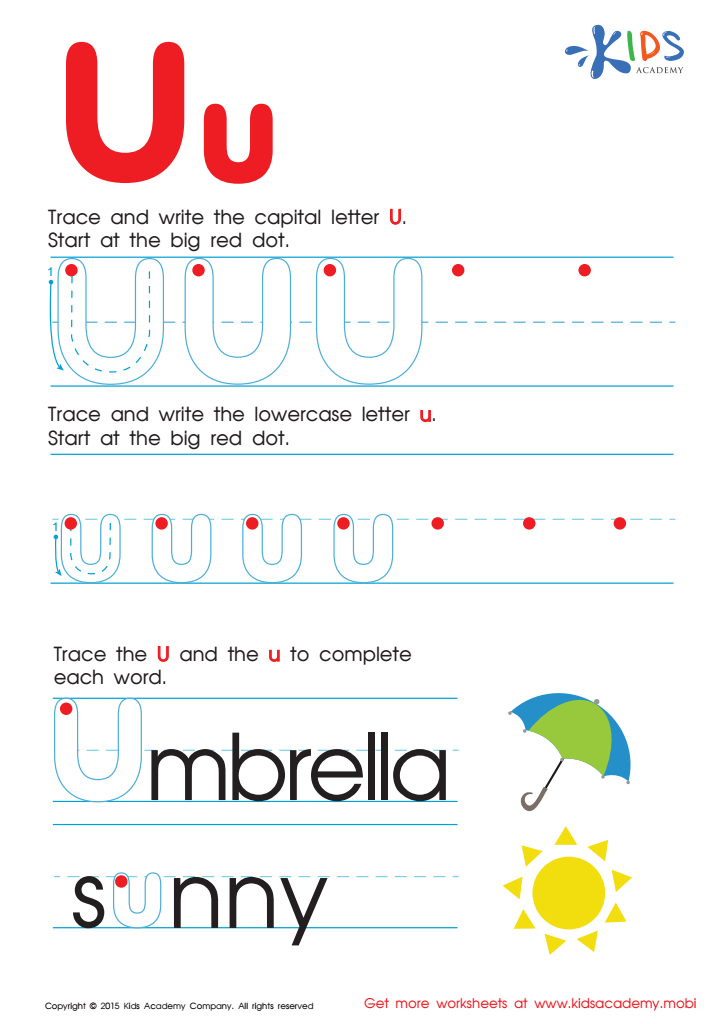
Letter U Tracing Page
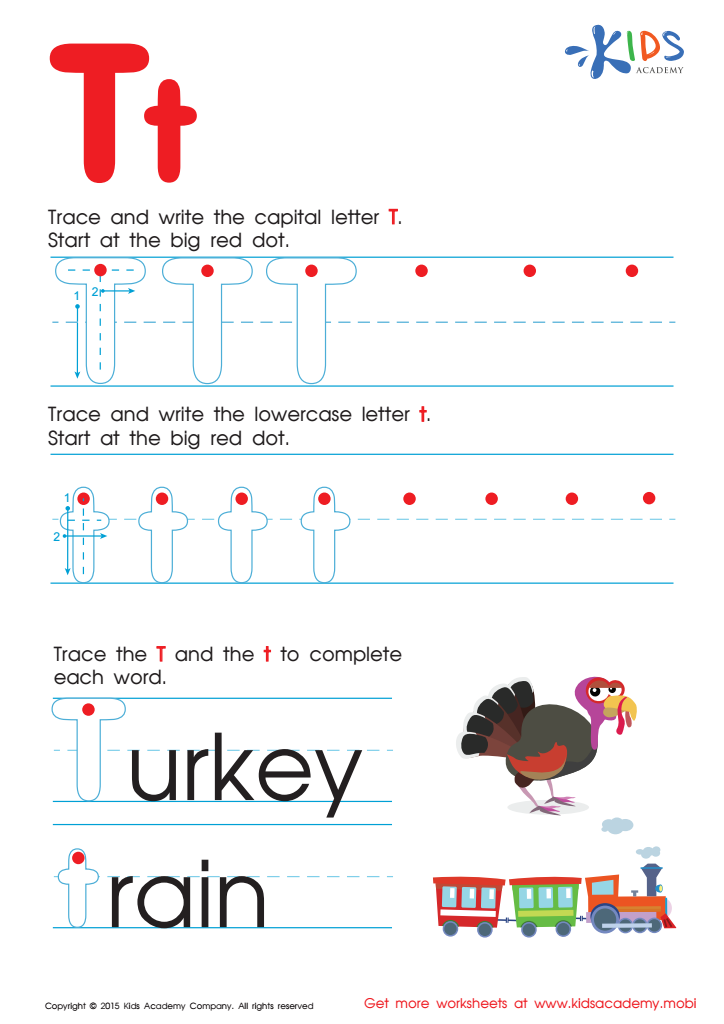
Letter T Tracing Page
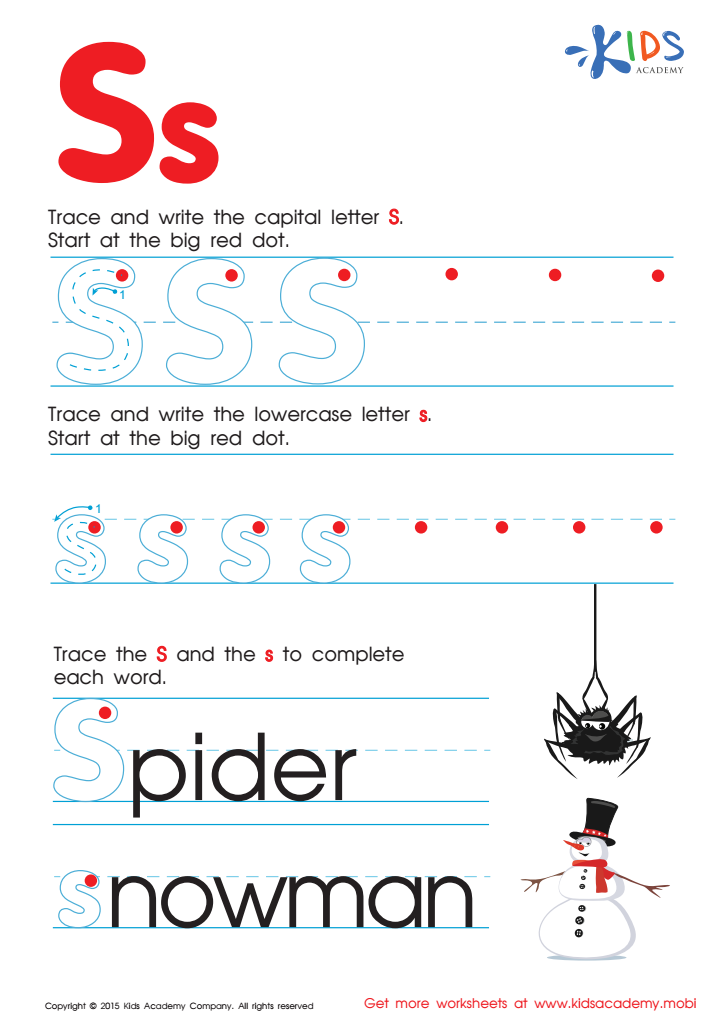
Letter S Tracing Page
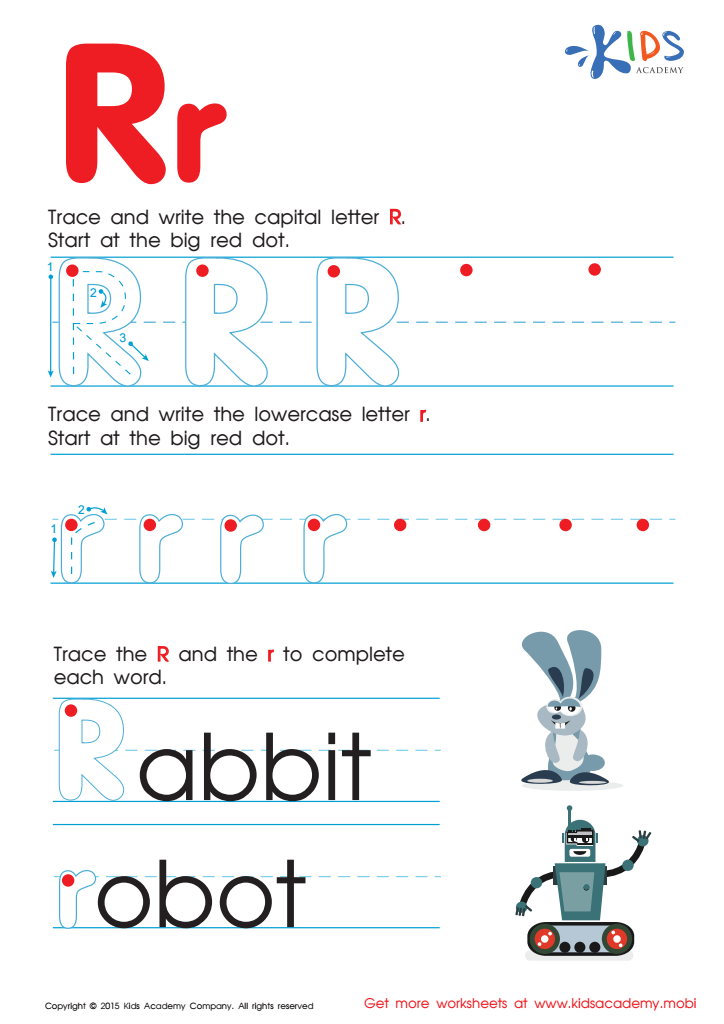
Letter R Tracing Page
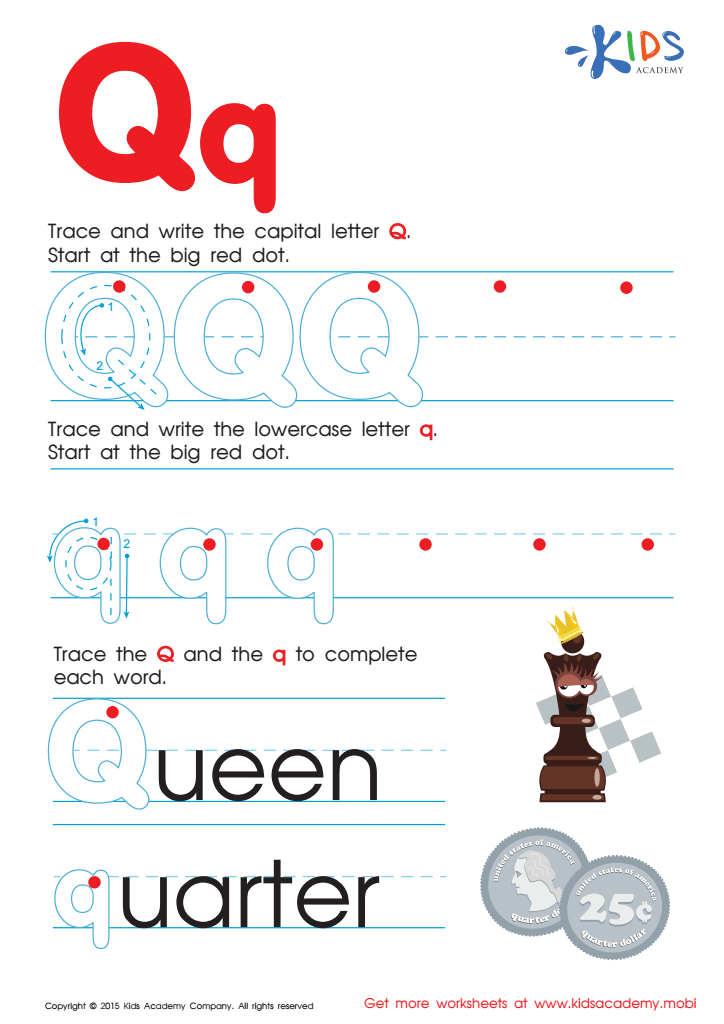
Letter Q Tracing Page
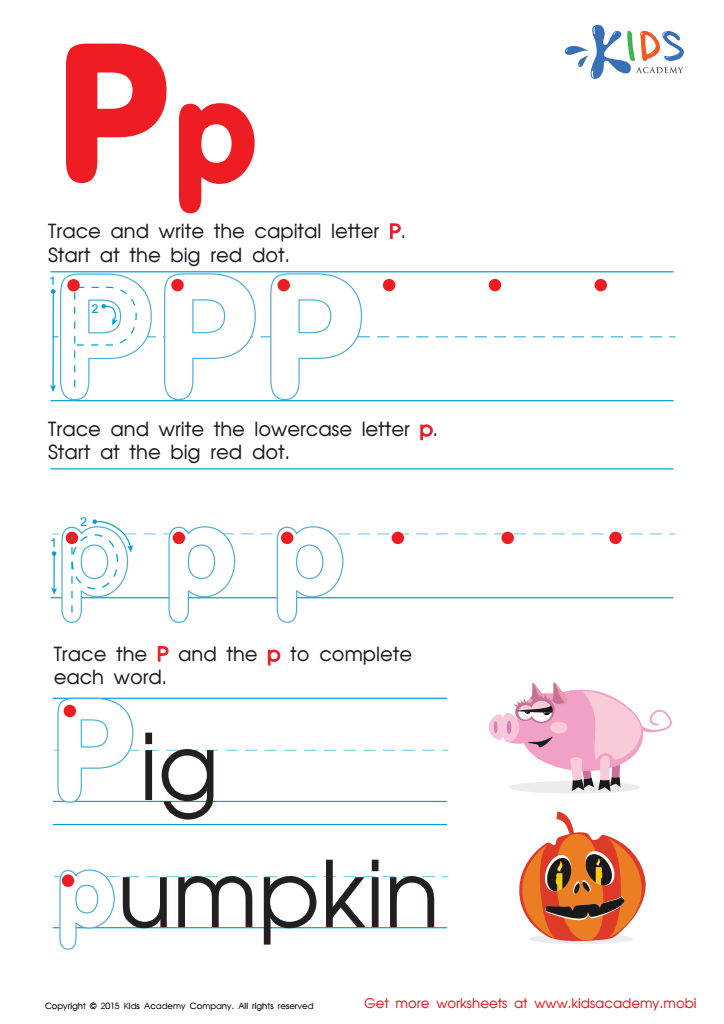
Letter P Tracing Page
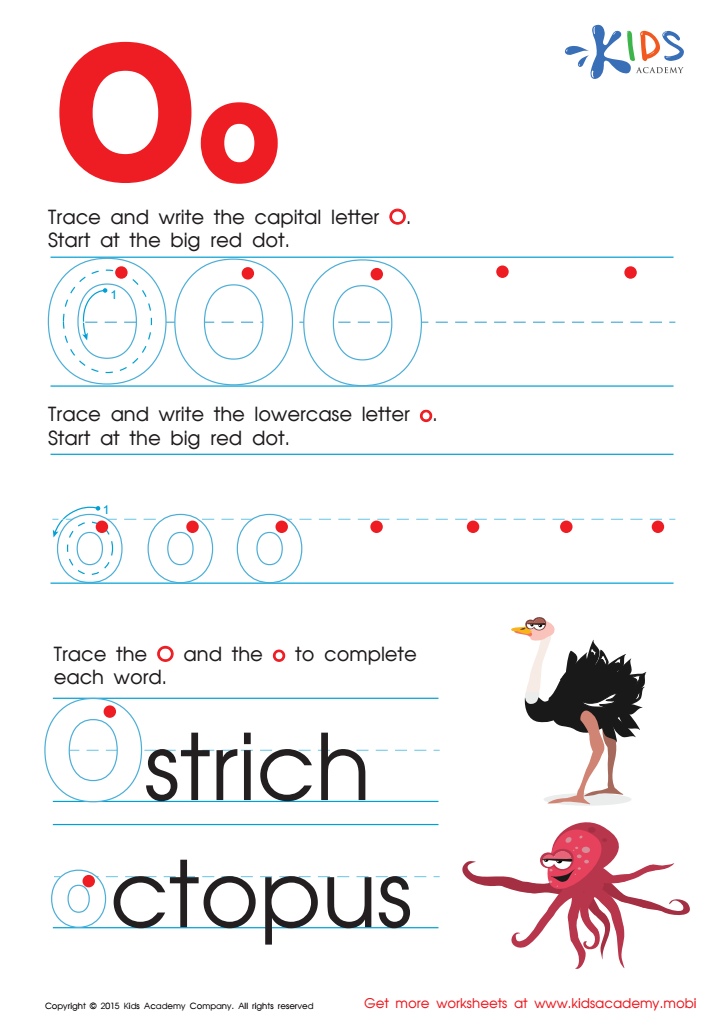
Letter O Tracing Page
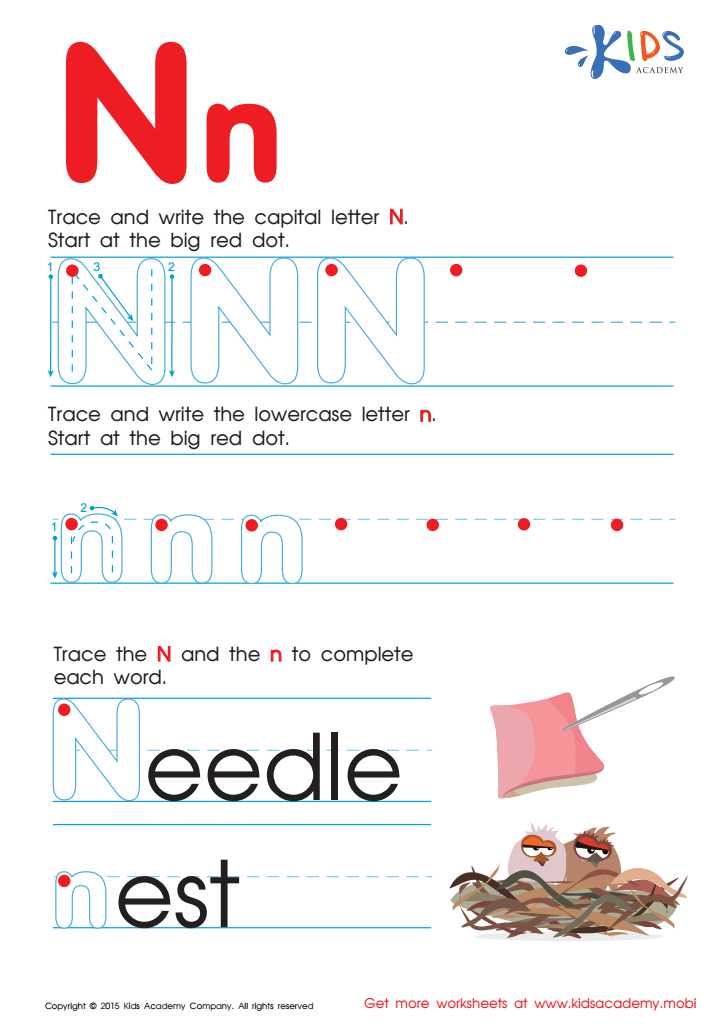
Letter N Tracing Page
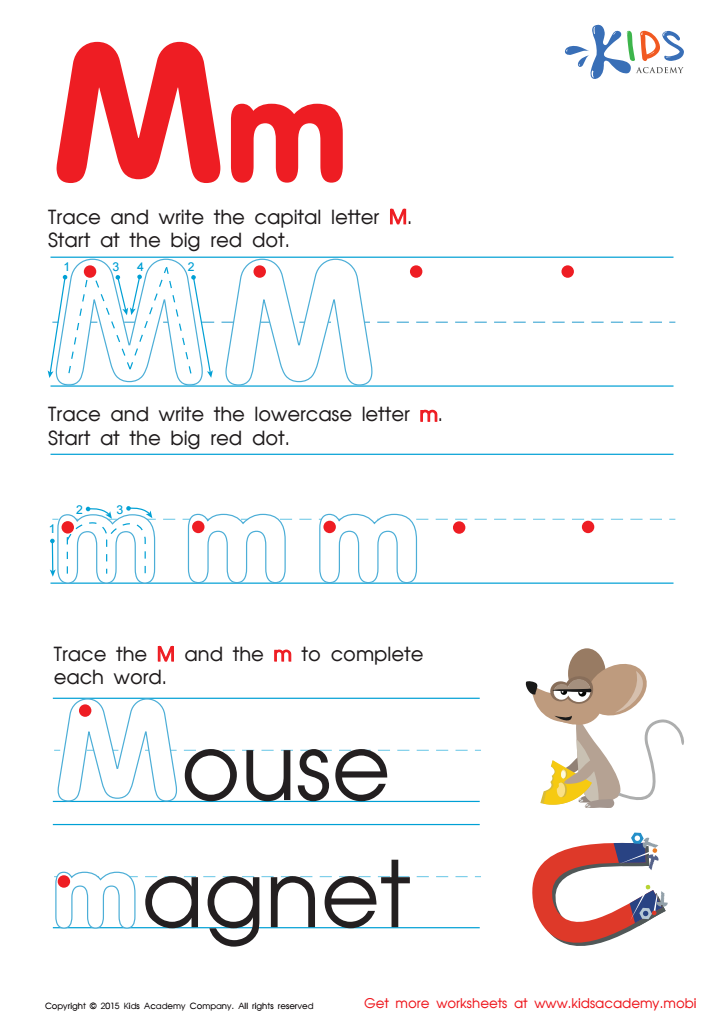
Letter M Tracing Page
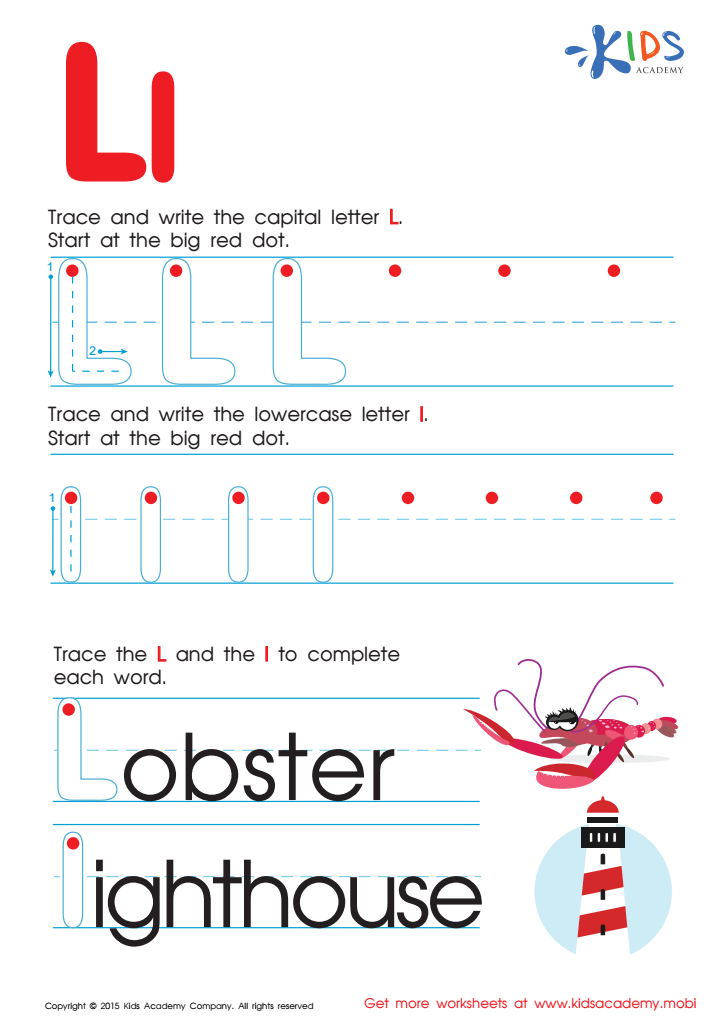
Letter L Tracing Page
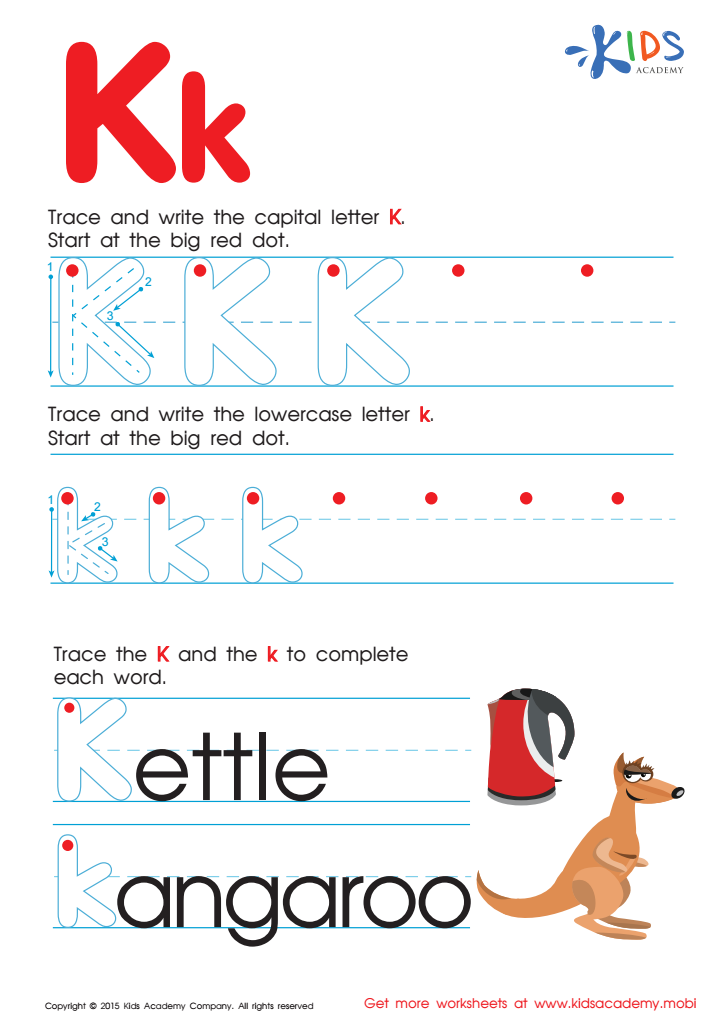
Letter K Tracing Page
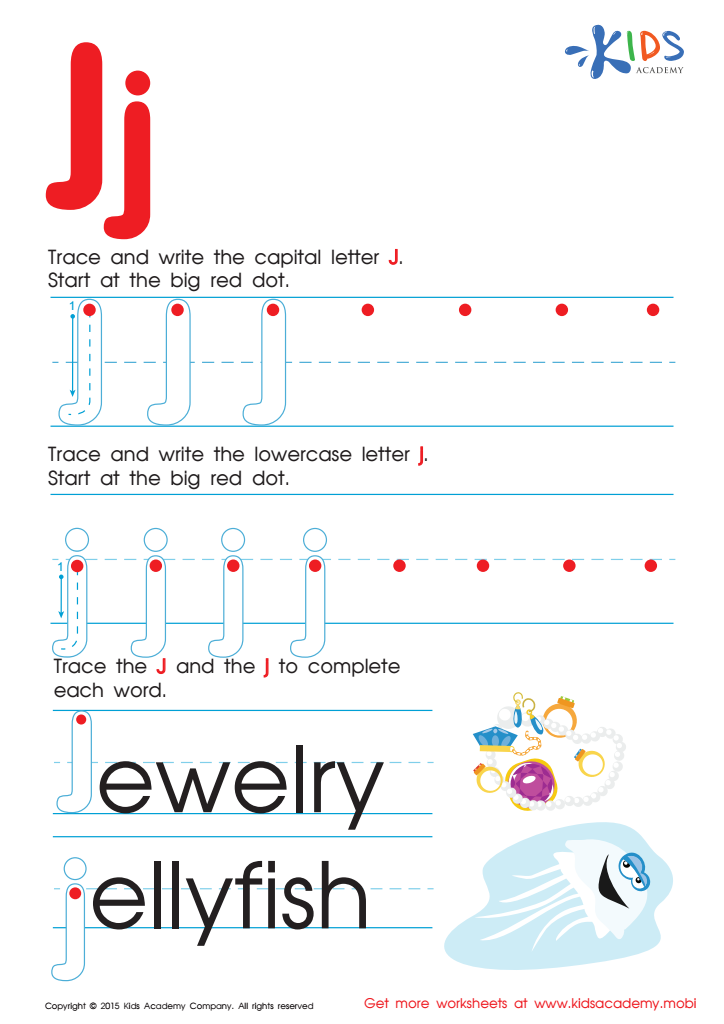
Letter J Tracing Page
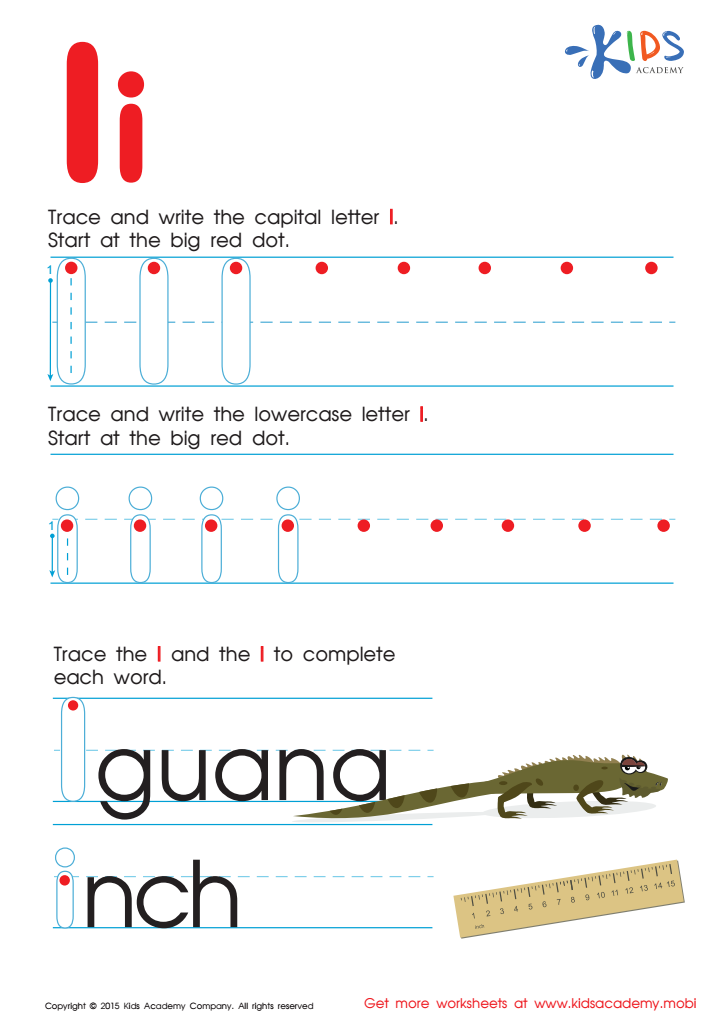
Letter I Tracing Page
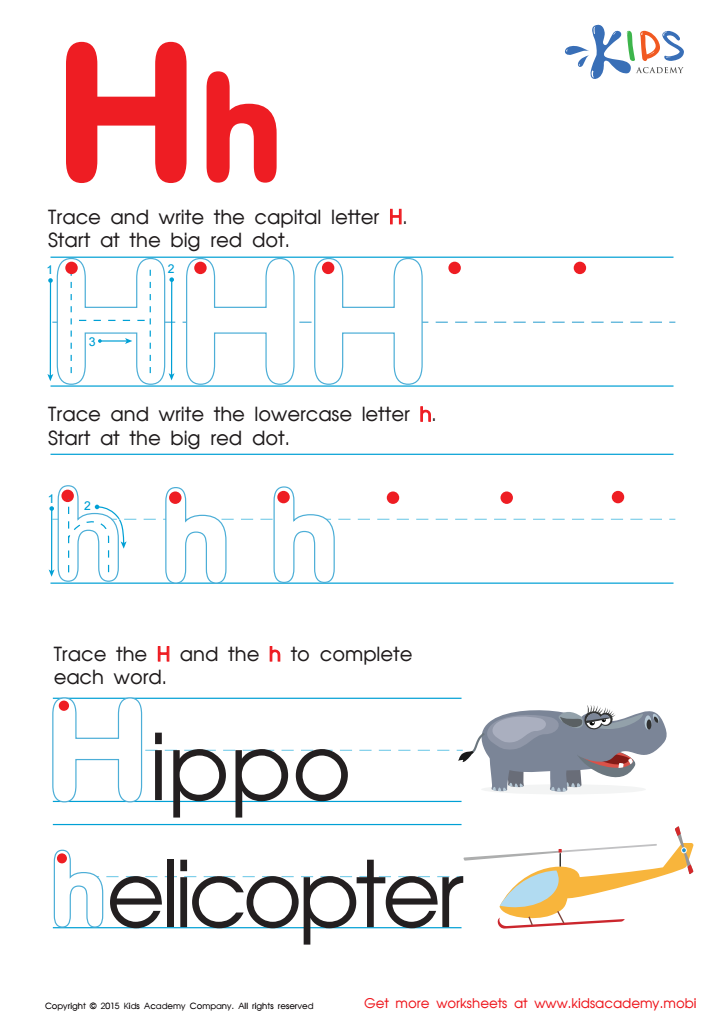
Letter H Tracing Page

Letter G Tracing Page
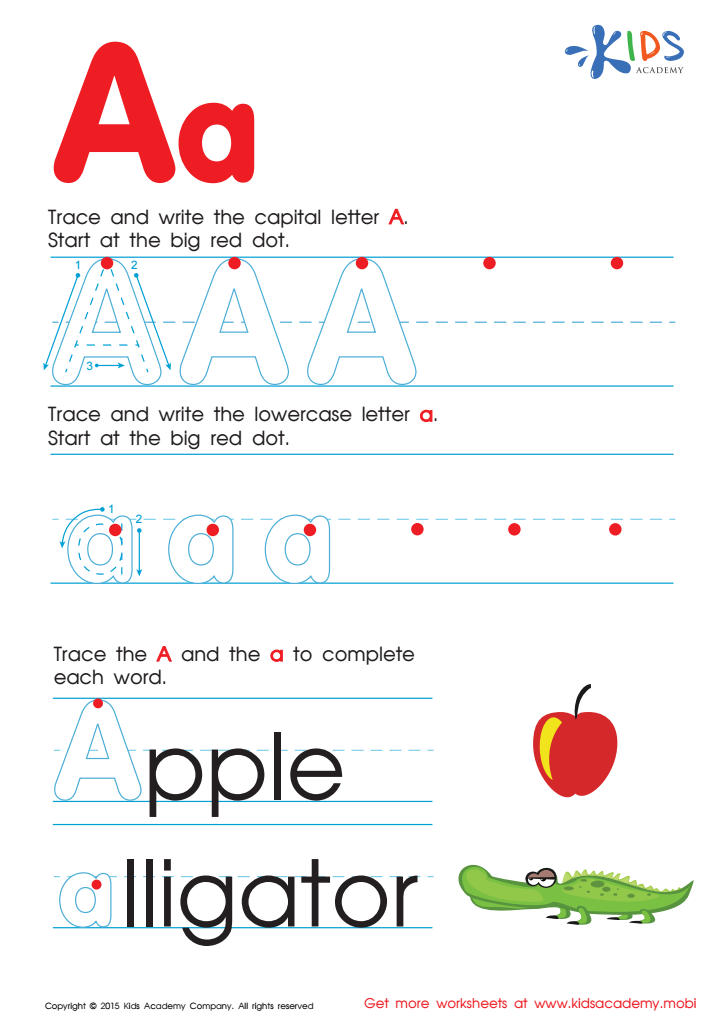
Letter A Tracing Page
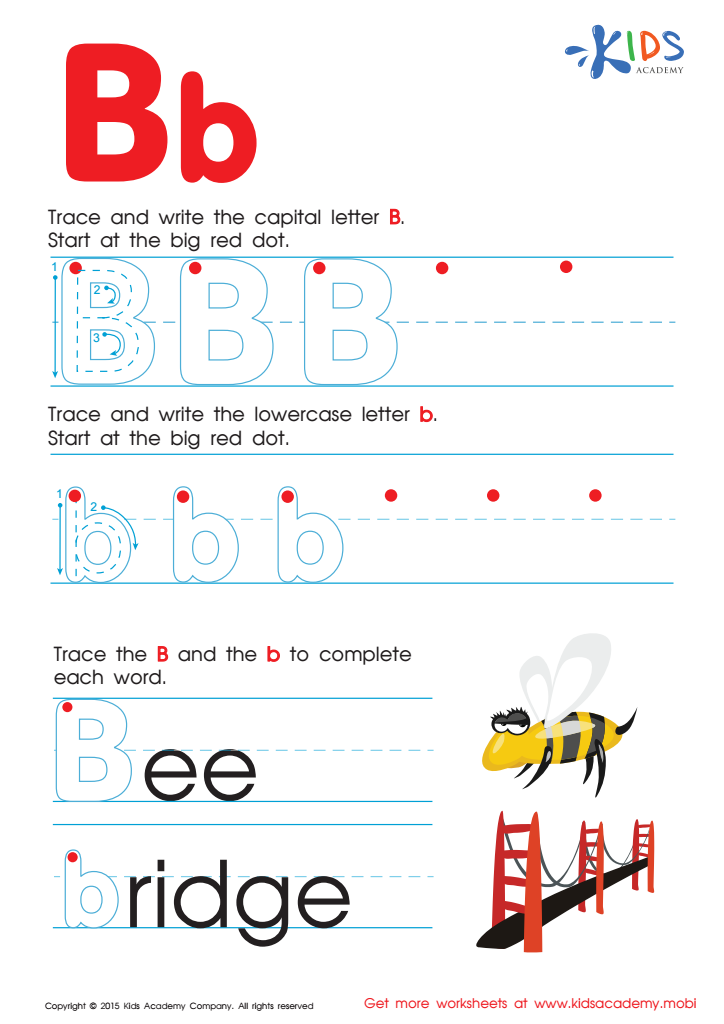
Letter B Tracing Page
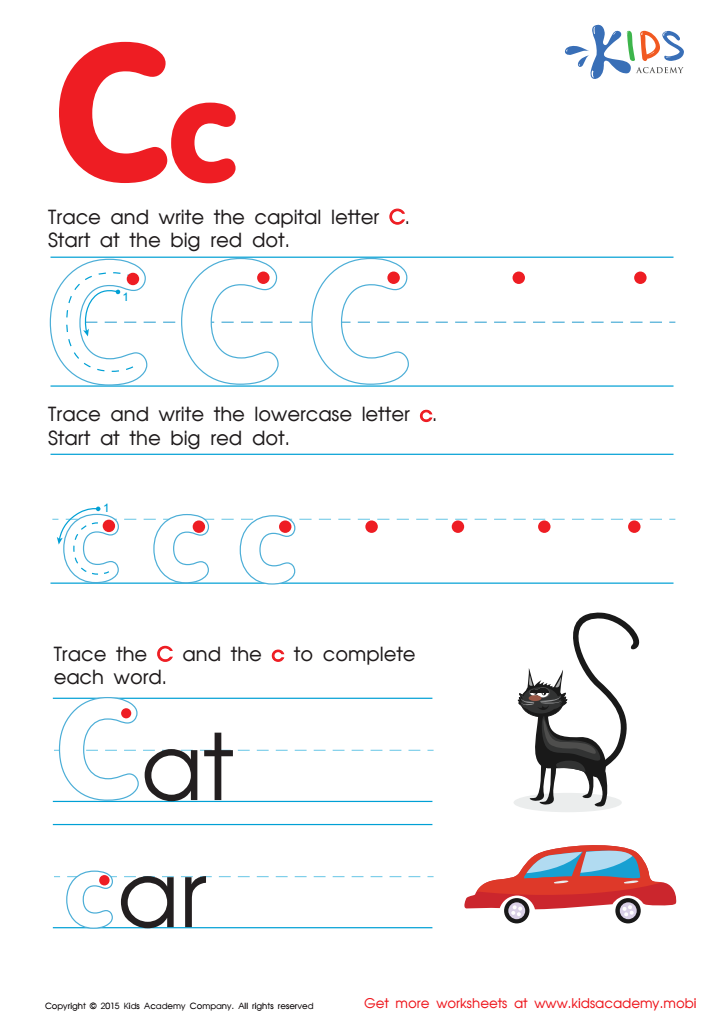
Letter C Tracing Page

Letter D Tracing Page





Parents and teachers should care deeply about English instruction for children ages 5-7 because this foundational period in a child's life plays a pivotal role in their overall language development and future academic success. At this young age, children are often at their peak capacity for absorbing new information, including vocabulary, pronunciation, and grammar. By introducing English early, parents and teachers can harness this natural ability, making it easier for children to achieve fluency as they grow.
Building strong English skills early on also greatly benefits children's confidence and communication abilities. As English is a global language, proficiency opens the door to rich educational content and diverse cultural experiences. It enables children to engage more fully with the world around them, both in and out of school.
Moreover, existing research underscores that early language development, including exposure to multiple languages, enhances cognitive abilities such as problem-solving, critical thinking, and creativity. It lays a foundation for reading and writing skills, which are essential for academic achievement in virtually all subjects. Therefore, investing time and effort into ensuring young learners have a strong start in English can position them for lifelong educational and personal success, benefiting both individual students and society at large.