History Worksheets for Ages 5-7 - Page 2
38 filtered results
-
From - To
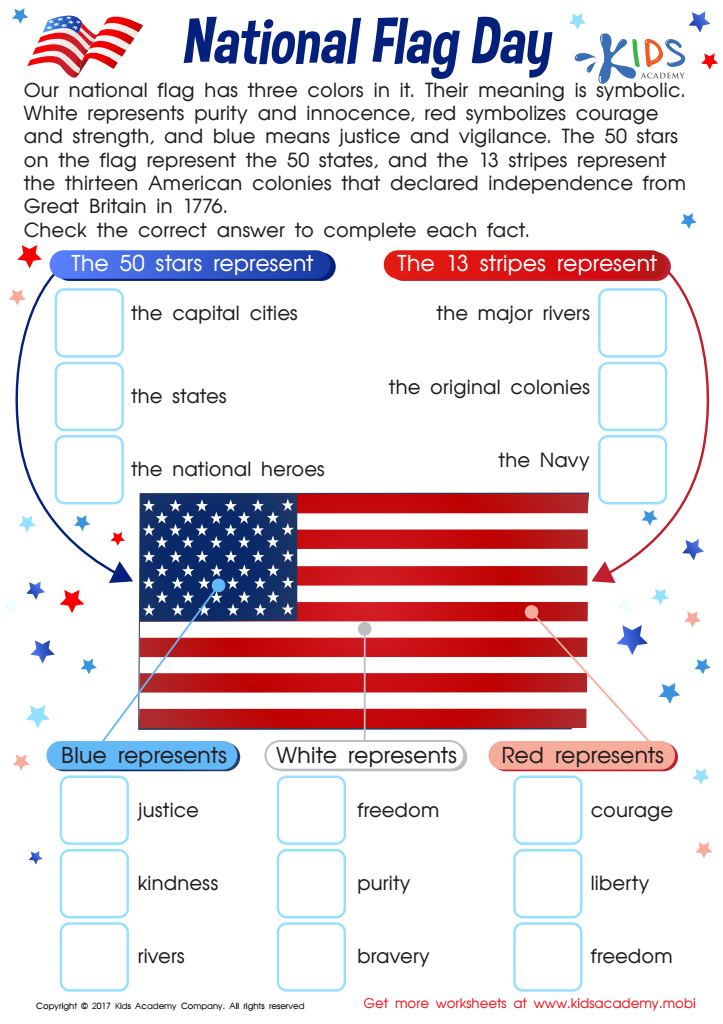
US National Flag Day Worksheet
 Assign to My Students
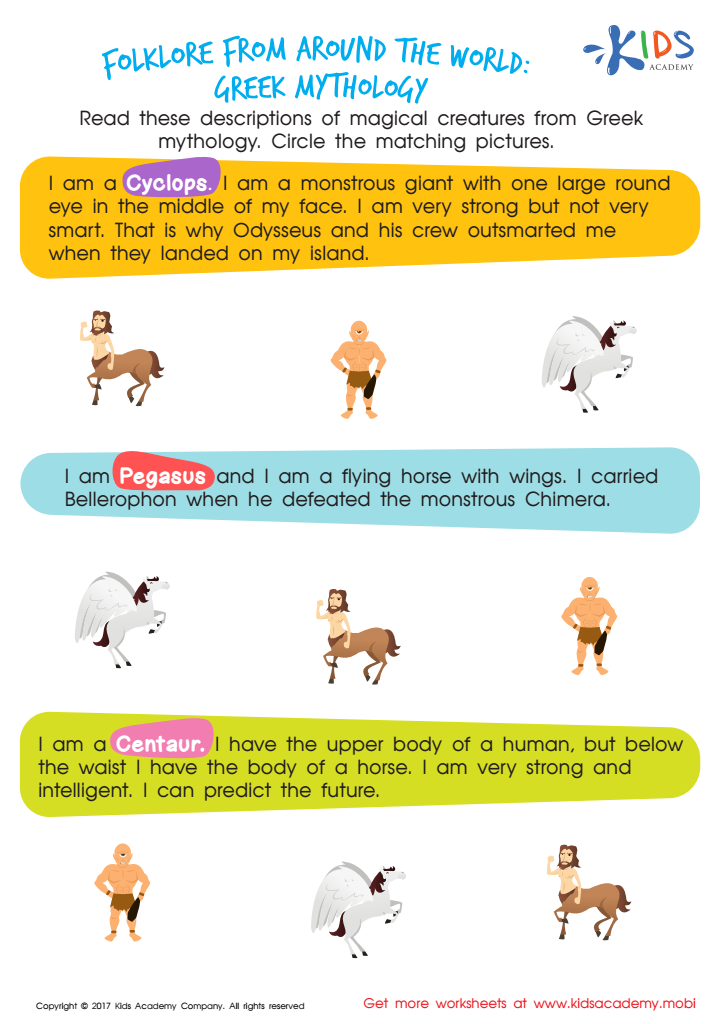
Greek Mythology Worksheet

Happy Diwali Printable
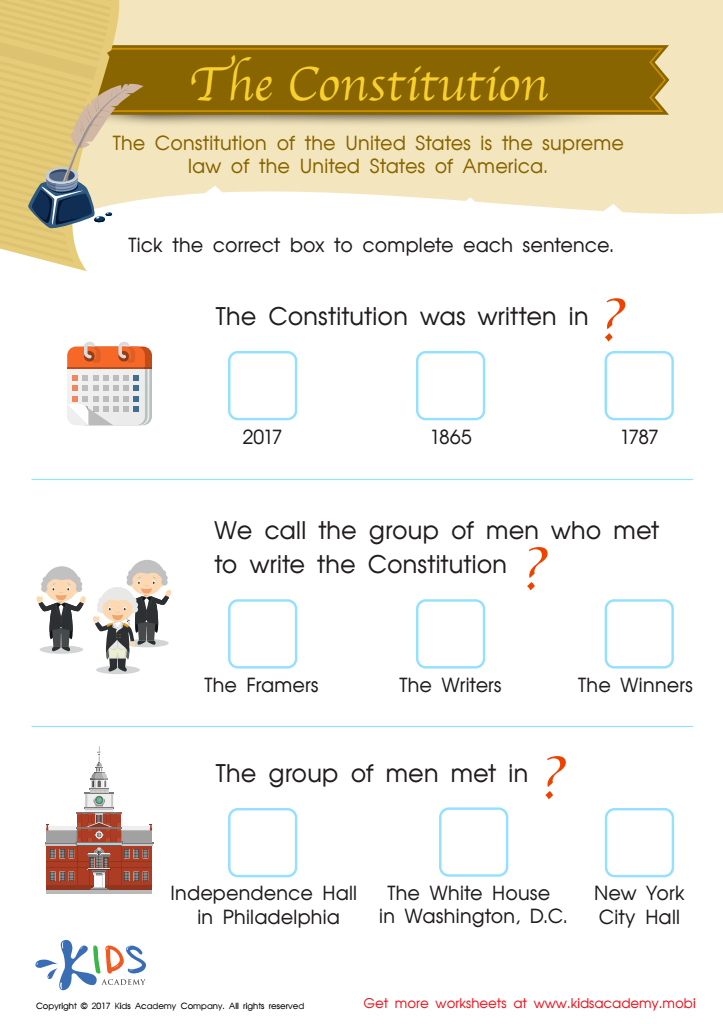
The Constitution Worksheet
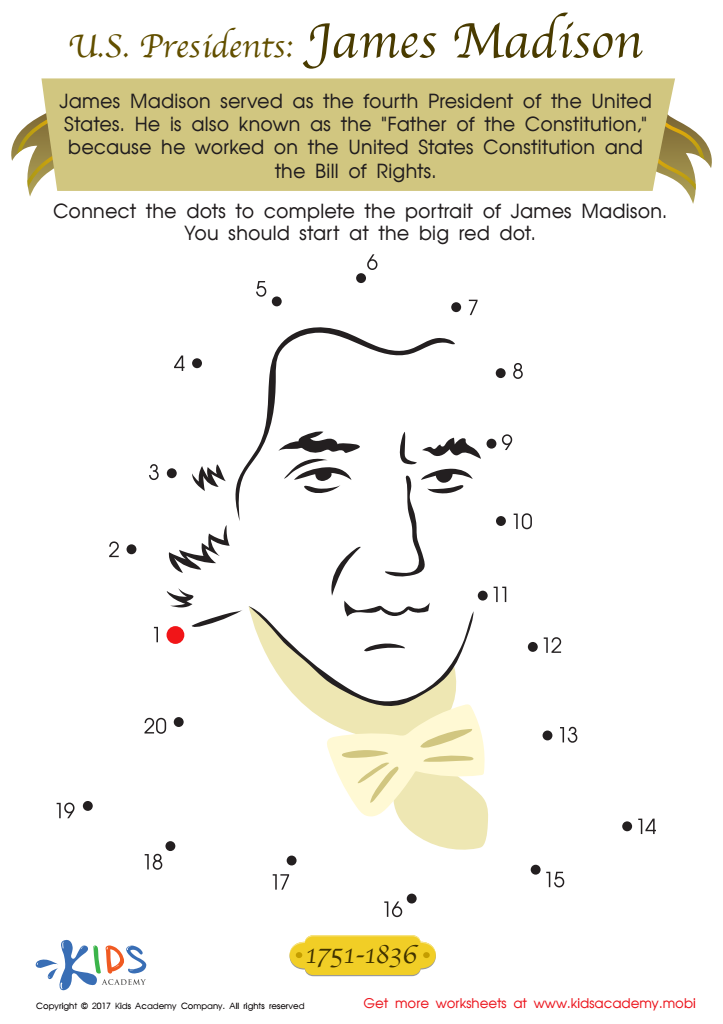
President Madison Printable
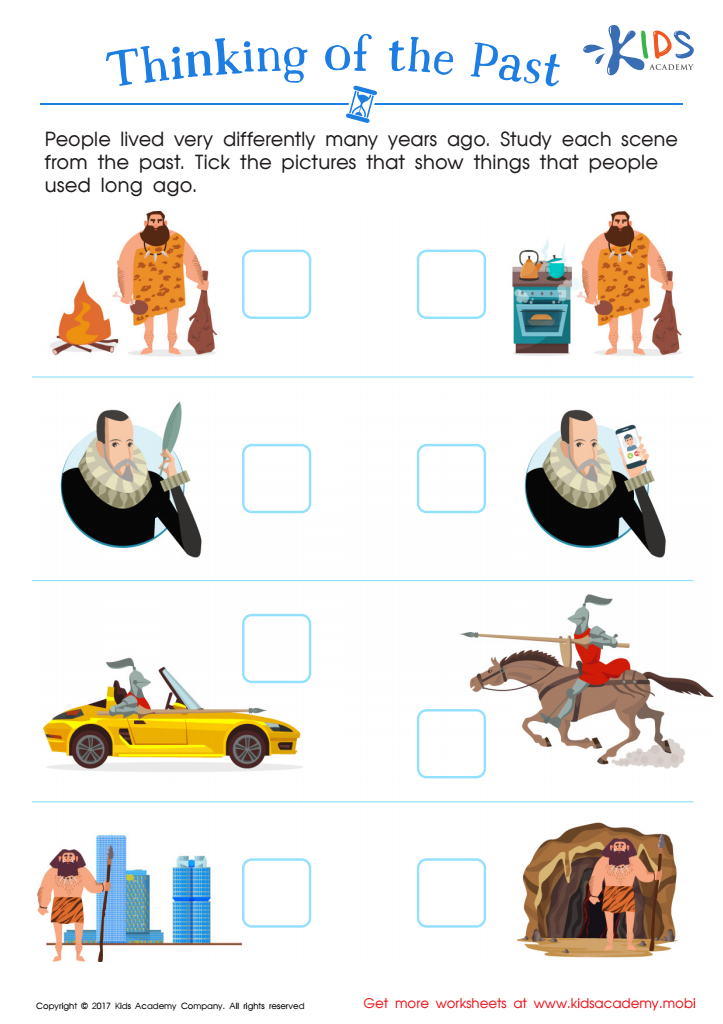
Thinking Past Printable
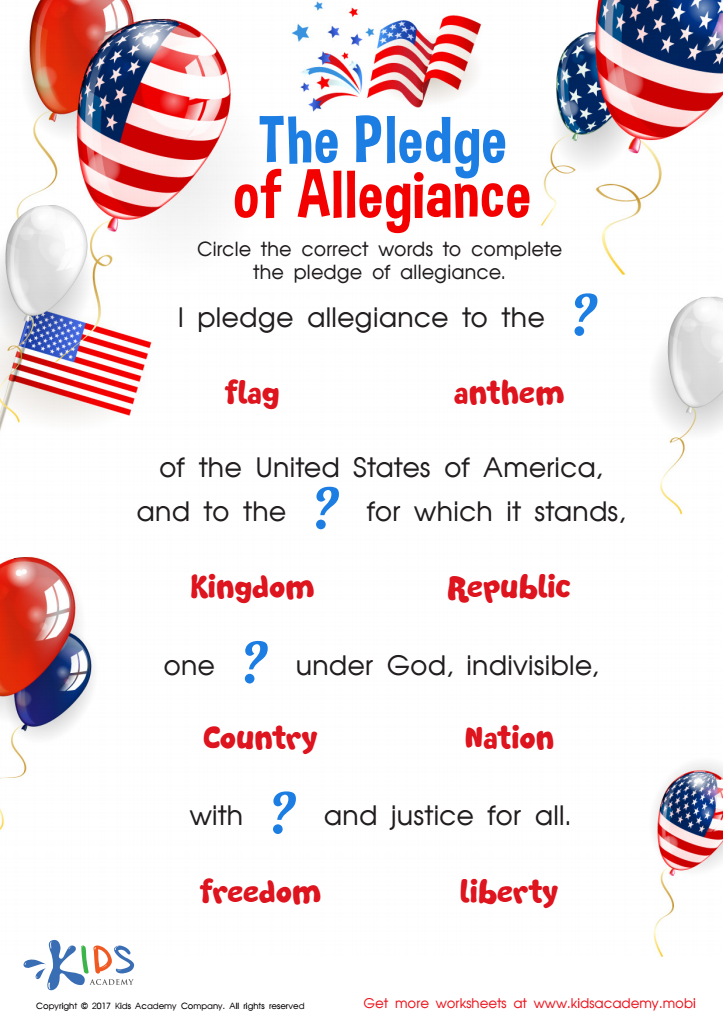
The Pledge of Allegiance Worksheet
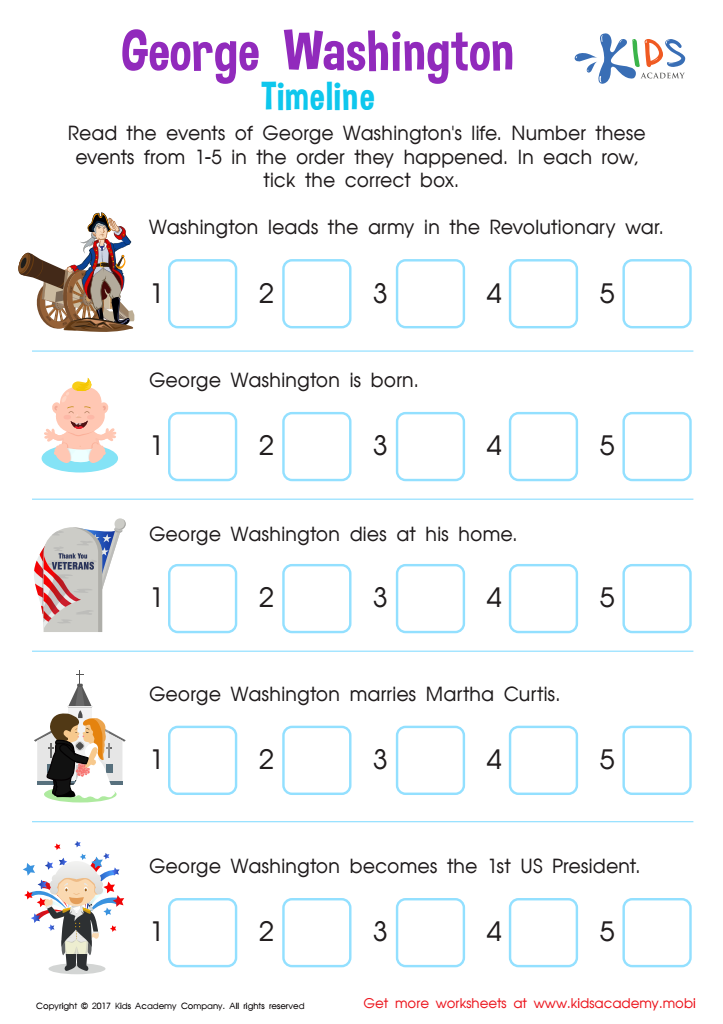
George Washington Timeline Worksheet
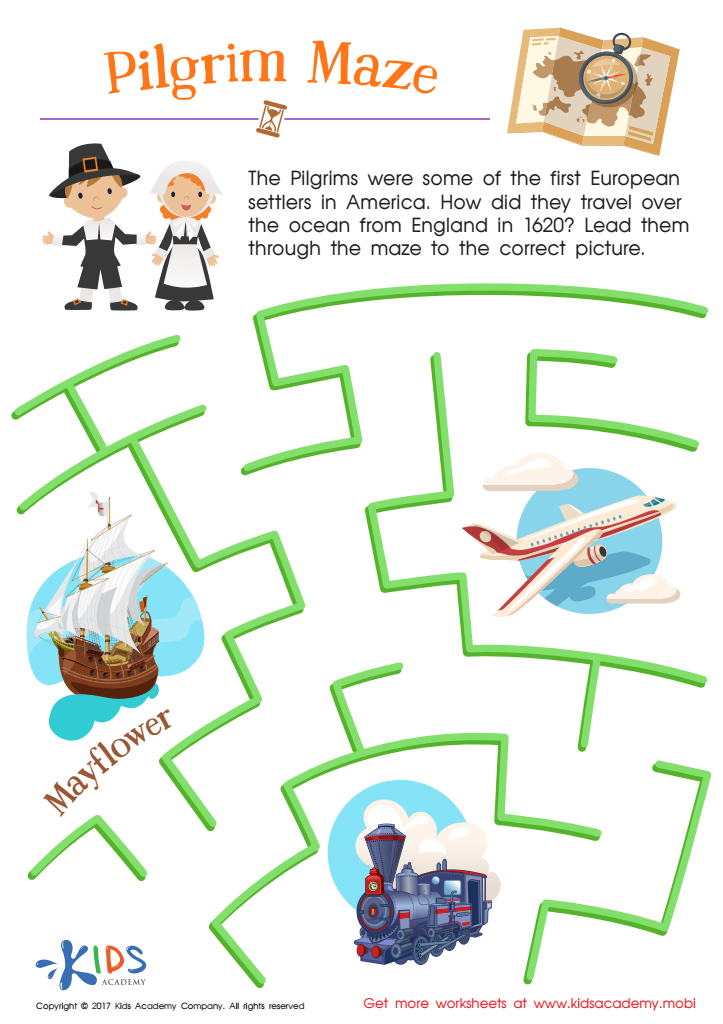
Pilgrim Maze Worksheet
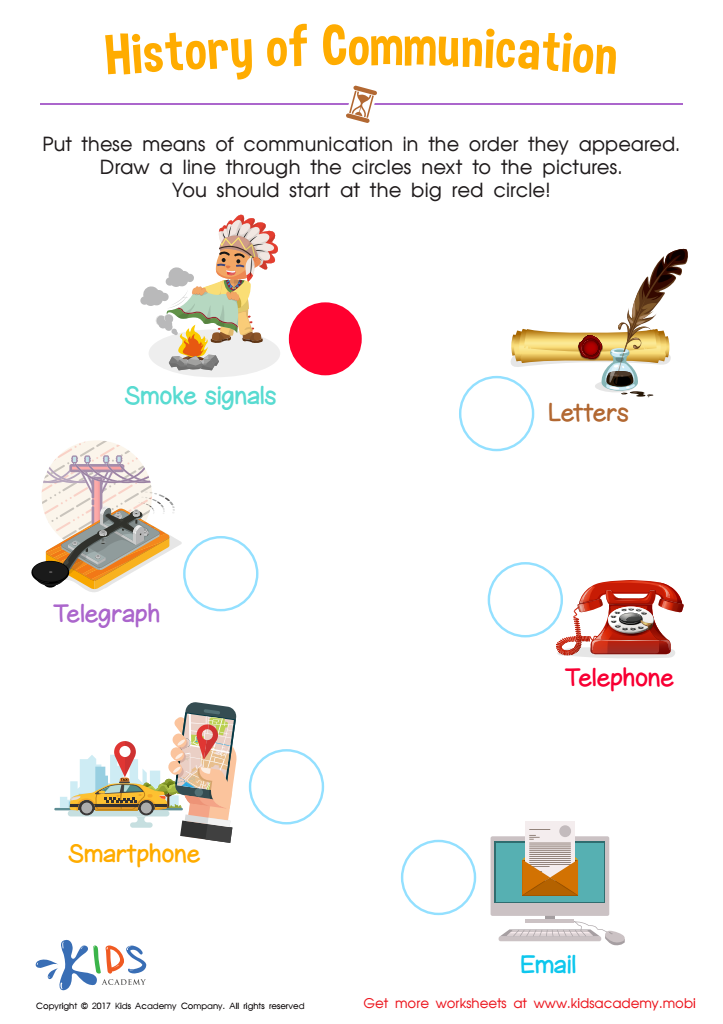
History of Communication Worksheet
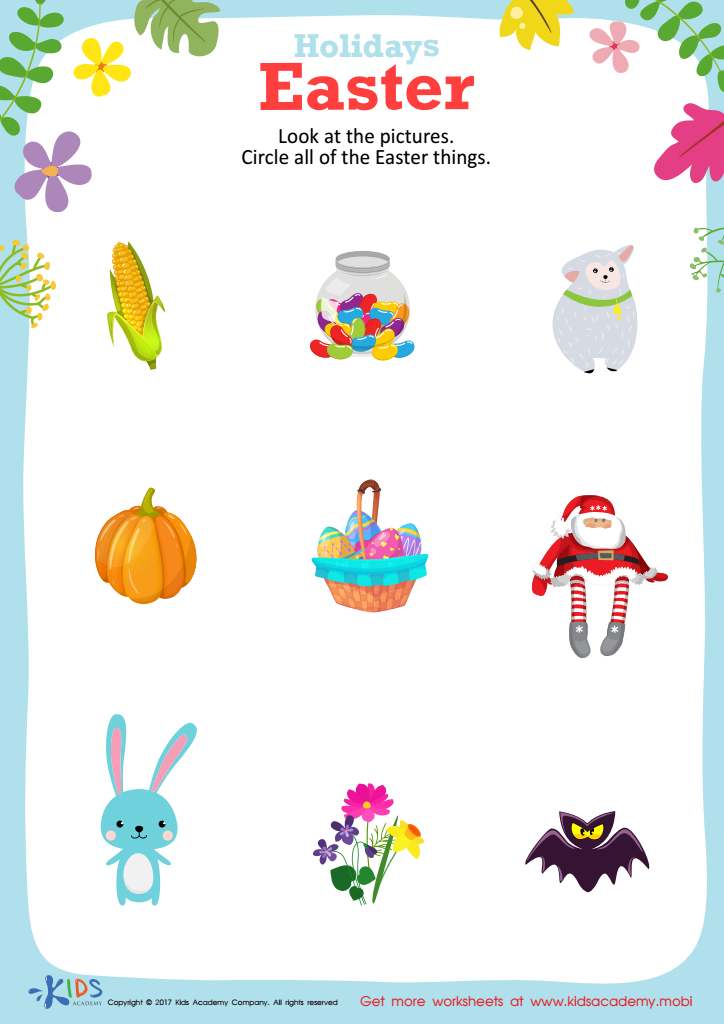
Easter Holiday Printable
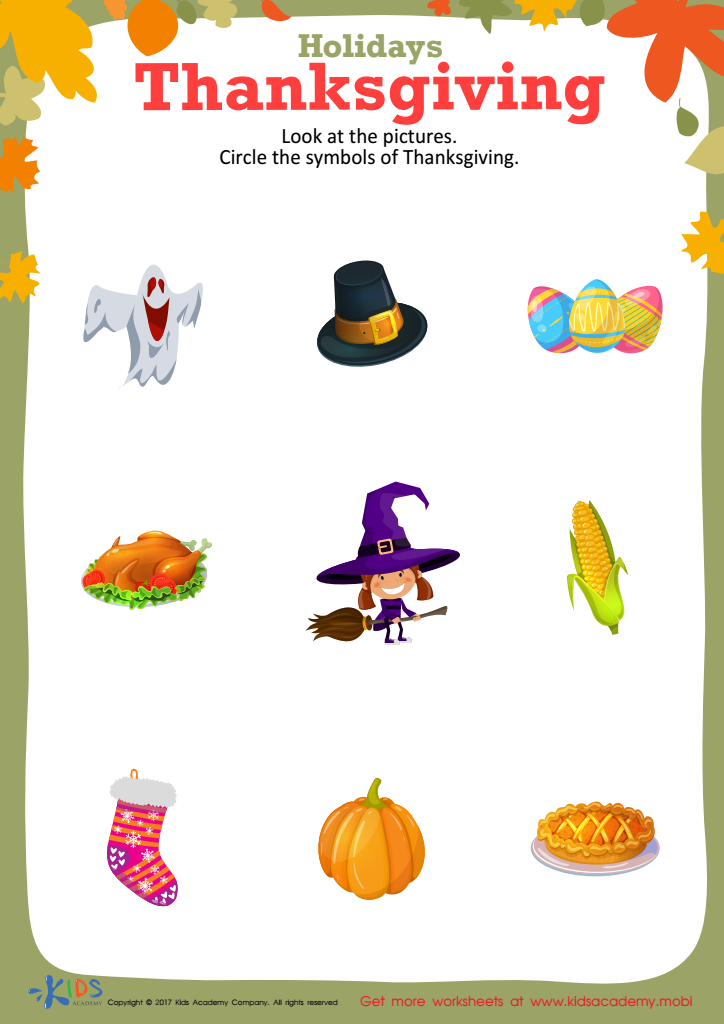
Thanksgiving Holiday Printable
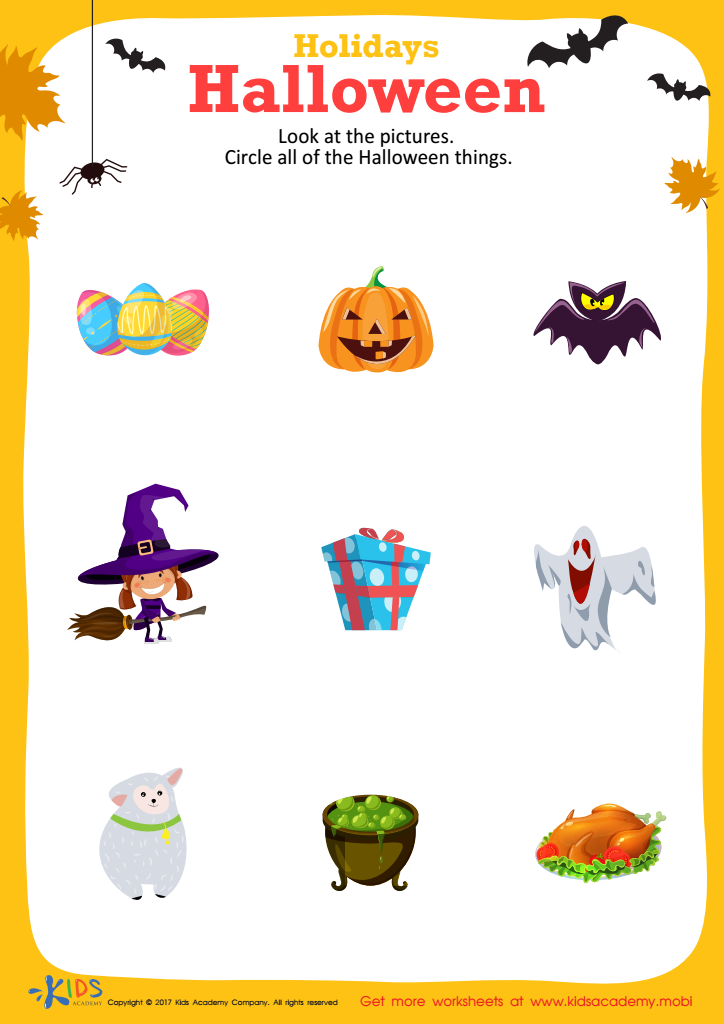
Halloween Holiday Worksheet
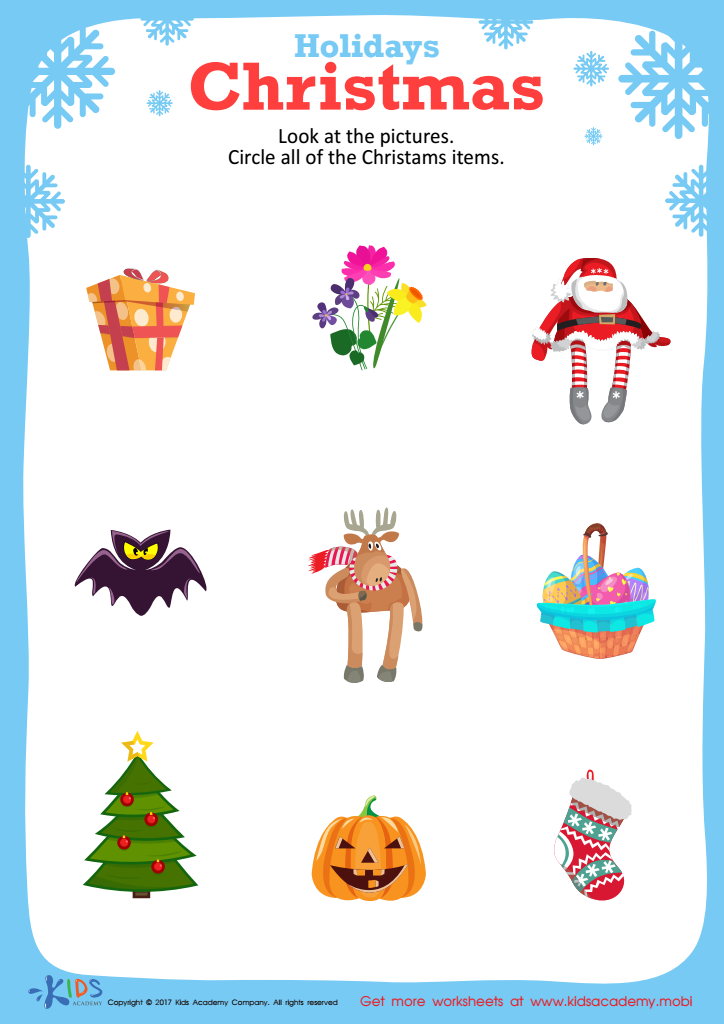
Christmas Holiday Worksheet








Parents and teachers should care about history for children aged 5-7 because it lays the foundation for understanding the world. Early exposure to history helps children develop a sense of identity and belonging, as they learn about their own culture and the diverse cultures of others. This knowledge fosters curiosity, critical thinking, and empathy, essential skills for young learners.
At this age, children are naturally curious and eager to explore stories of the past. By presenting history in engaging, age-appropriate ways—like using colorful books, storytelling, or interactive activities—educators can ignite a love for learning that will benefit them throughout their lives. Learning about historical figures, events, and traditions also encourages discussions about values such as respect, fairness, and cooperation.
Moreover, by understanding history, children can better appreciate the present and be informed citizens in the future. They learn that their actions can influence the world around them. As parents and teachers cultivate an appreciation for history, they help build a foundation for lifelong learning, creativity, and responsible citizenship. Introducing history early on will nurture informed, empathetic individuals who can contribute positively to society.