Tracing Letters Worksheets for Ages 5-8 - Page 3
58 filtered results
-
From - To

Letter H Tracing Page
 Assign to My Students

Letter G Tracing Page
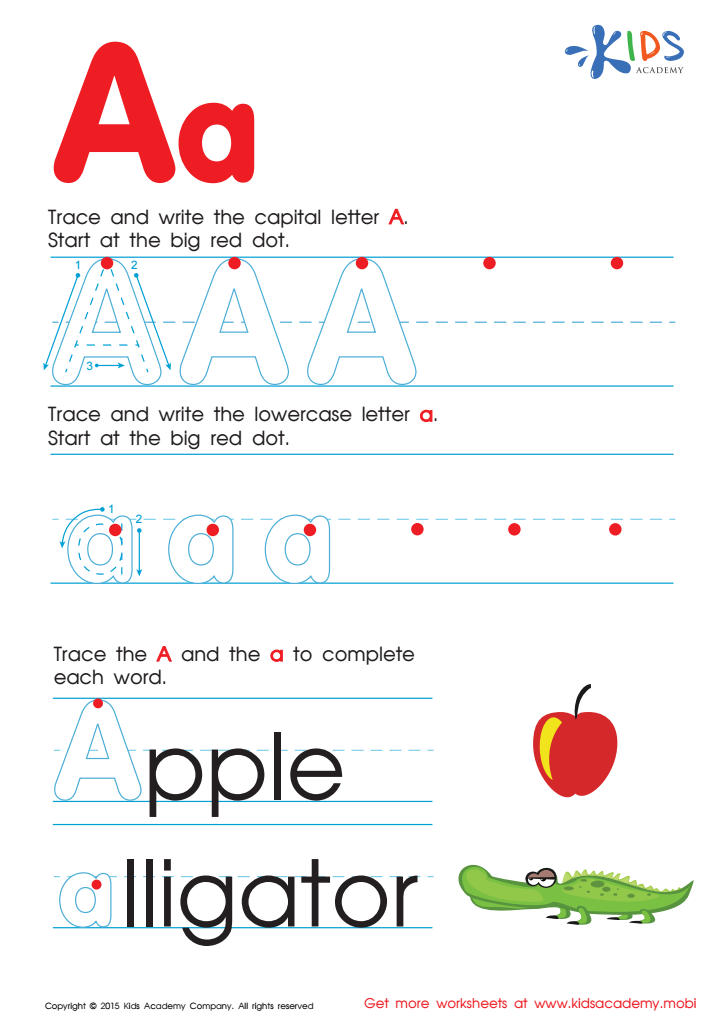
Letter A Tracing Page
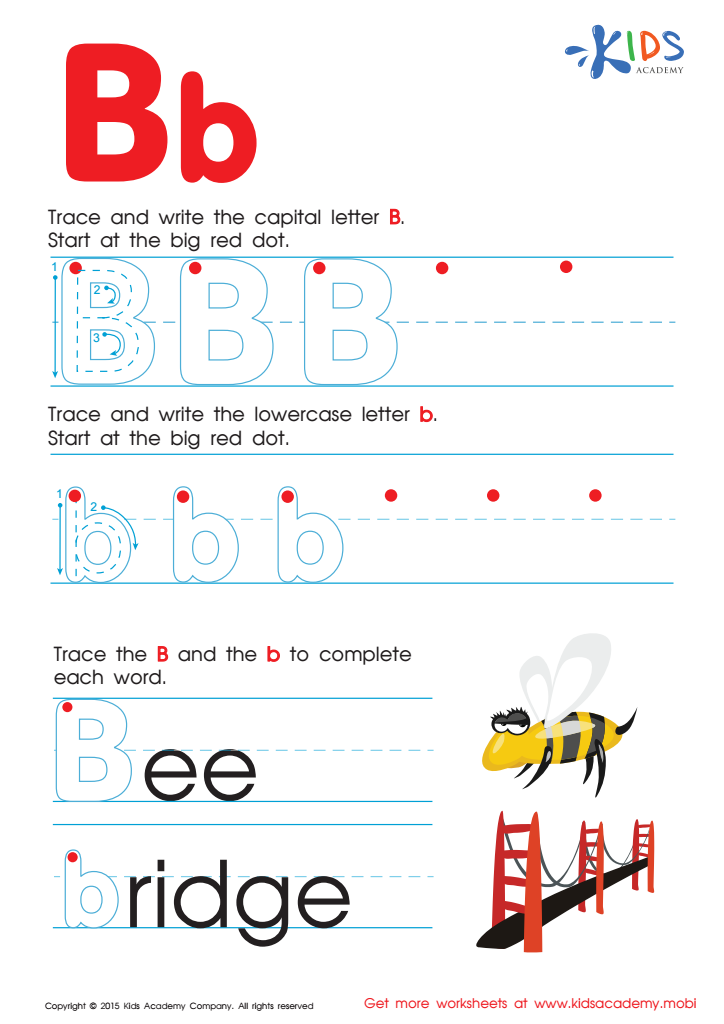
Letter B Tracing Page
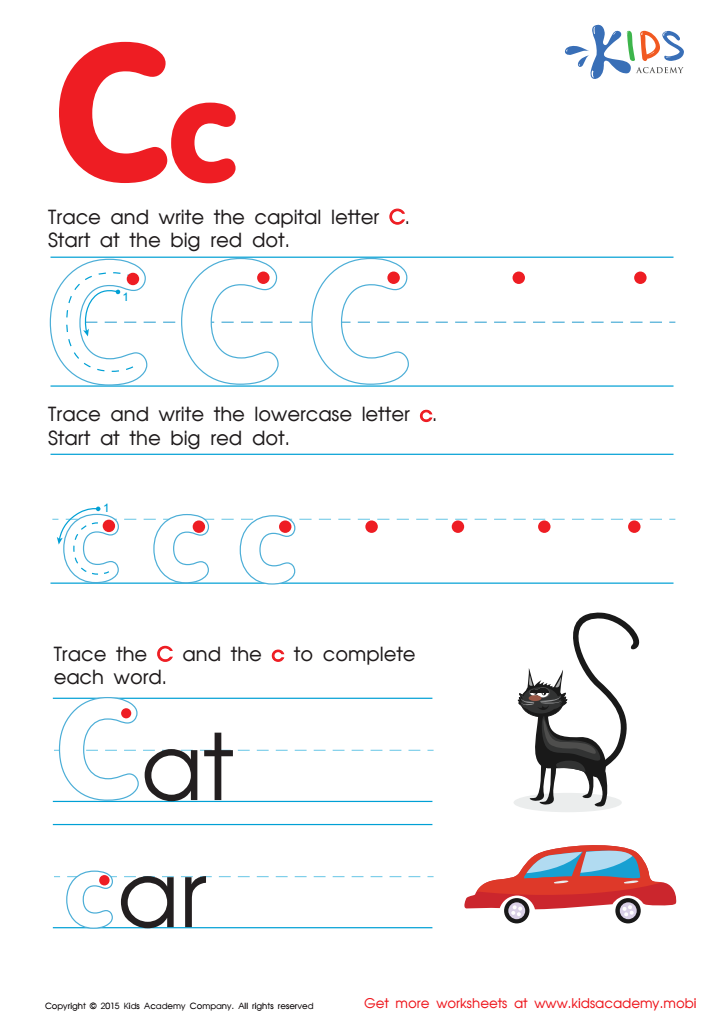
Letter C Tracing Page
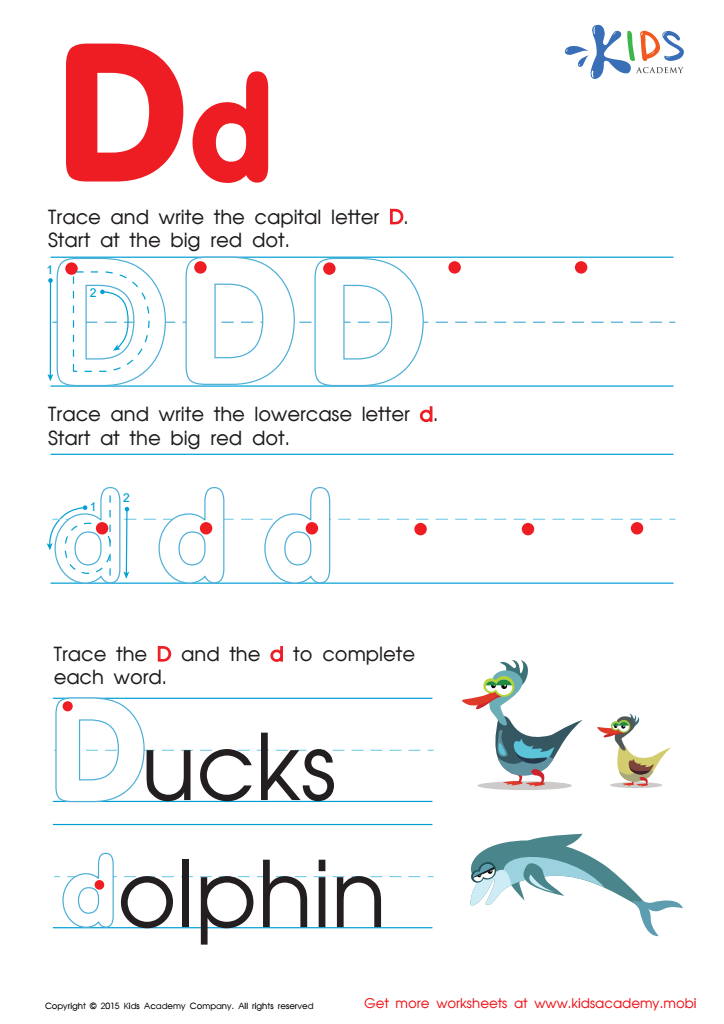
Letter D Tracing Page
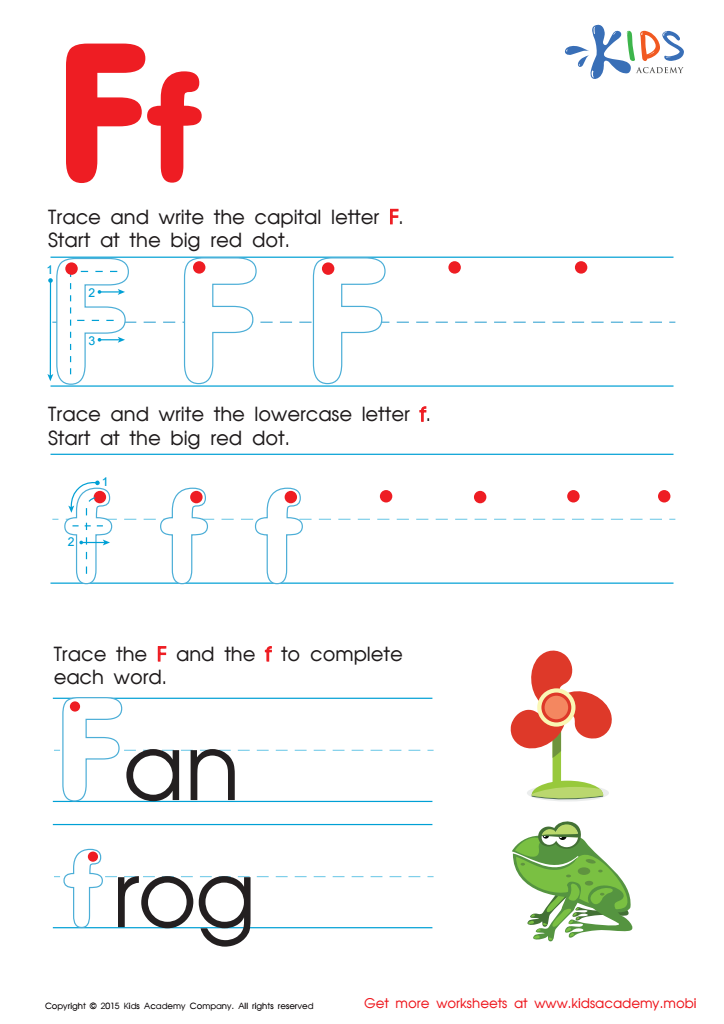
Letter F Tracing Page
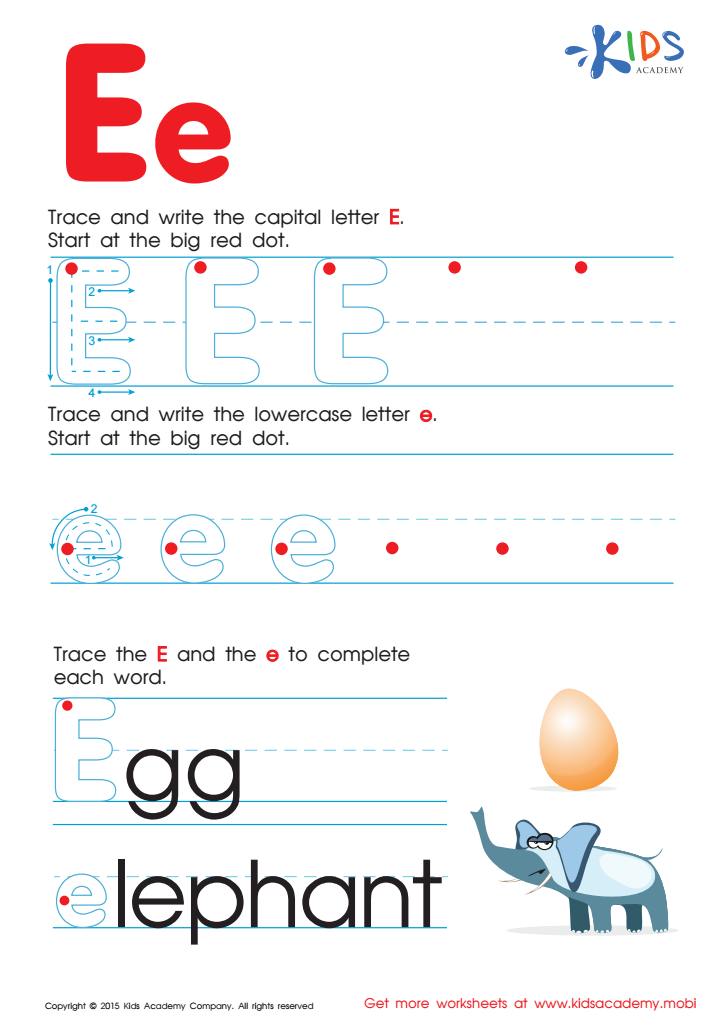
Letter E Tracing Page
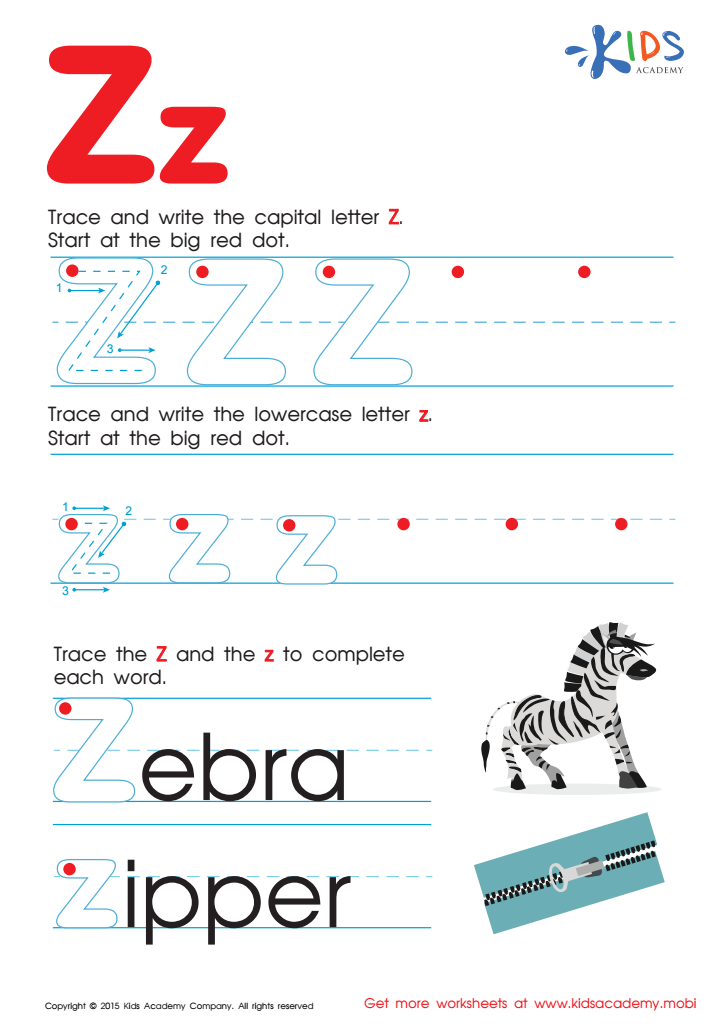
Letter Z Tracing Page
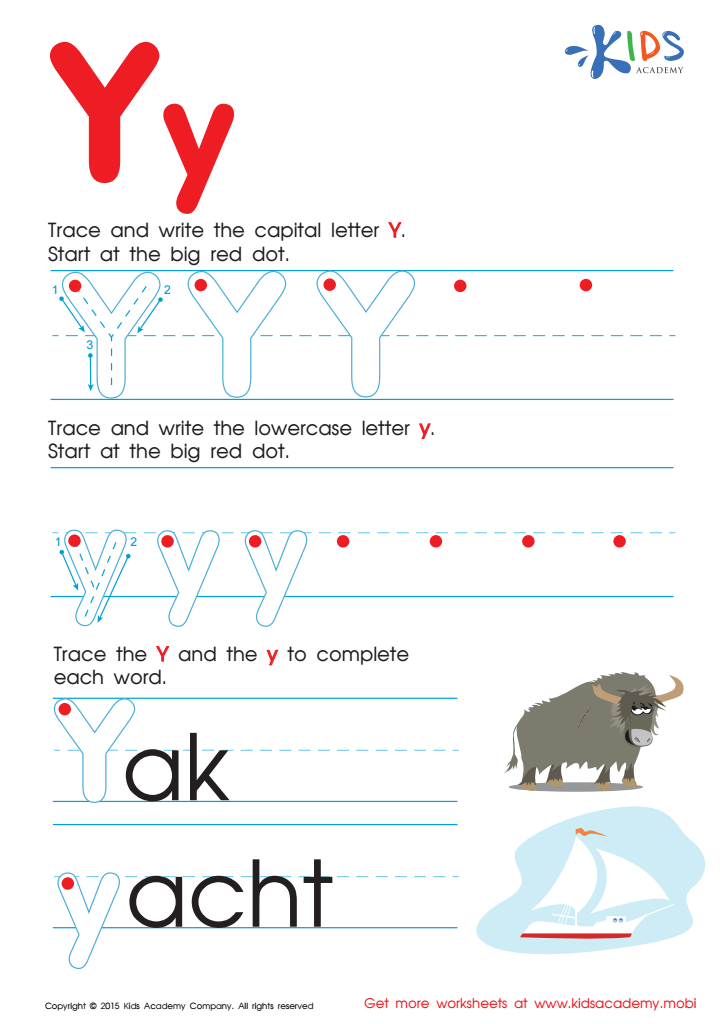
Letter Y Tracing Page








Tracing letters is a foundational activity crucial for children aged 5-8, as it significantly supports their literacy and motor skill development. First and foremost, tracing helps children learn letter shapes and structures, which is essential for early reading and writing. This repetitive practice enables them to recognize letters more easily and understand the correlation between phonetics and print.
Moreover, tracing enhances fine motor skills and hand-eye coordination, which are vital for writing fluency. As children trace, they gain control over their hand movements, setting a strong precedent for future writing and artistic endeavors.
Additionally, tracing letters can foster cognitive development by promoting focus and attention. It offers a structured way for children to practice creativity within learning, as they can personalize the experience with colors or designs after tracing.
Engagement in tracing activities can also create a sense of accomplishment, boosting a child's confidence in their writing abilities. Furthermore, involving parents and teachers in this process encourages a supportive learning environment, reinforcing the importance of literacy at an early age. Consequently, tracing letters is not just about teaching literacy skills; it’s integral to child development as they prepare for more advanced educational challenges ahead.








