Upper & Lowercase Letters Worksheets for Ages 5-8 - Page 2
50 filtered results
-
From - To
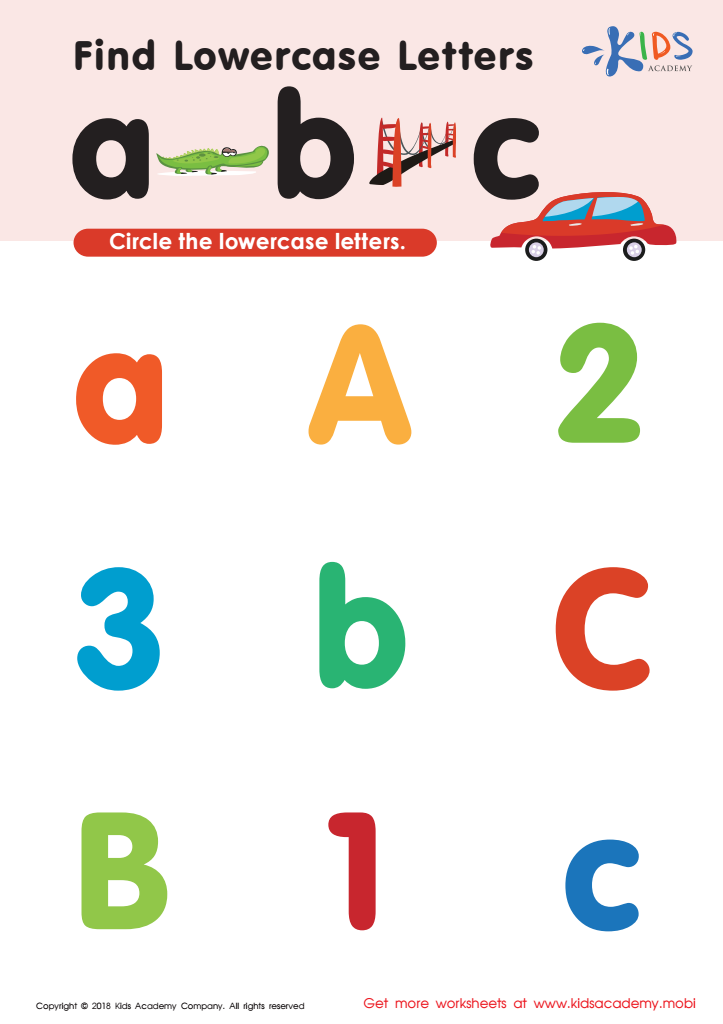
Find lowercase letters a b c Worksheet
 Assign to My Students

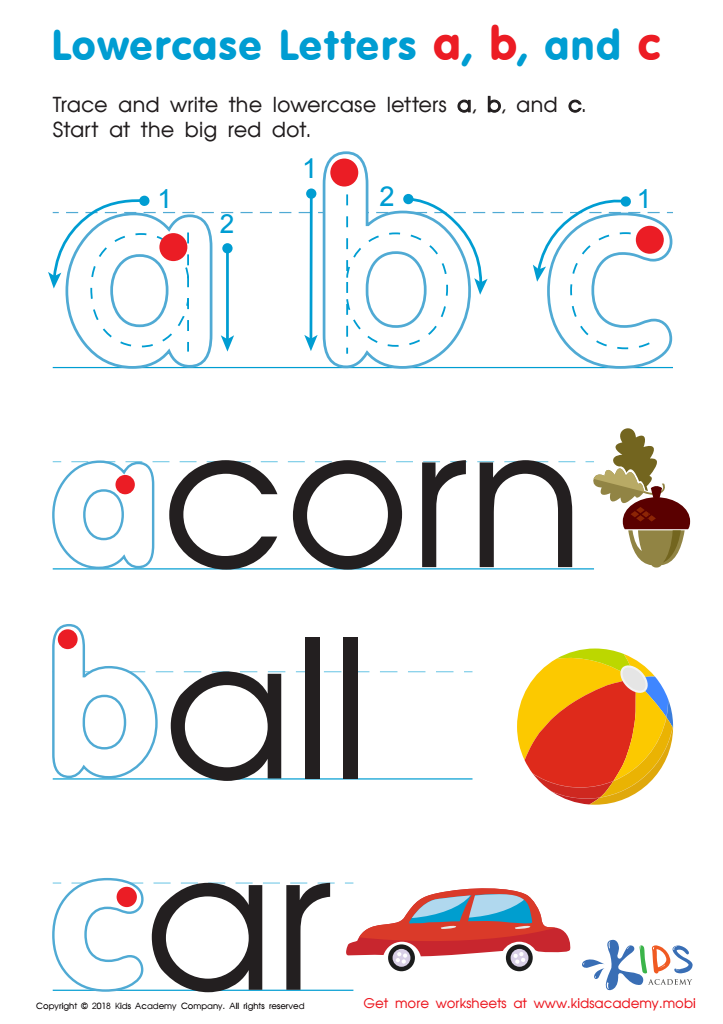
Lowercase Letters a b c Worksheet
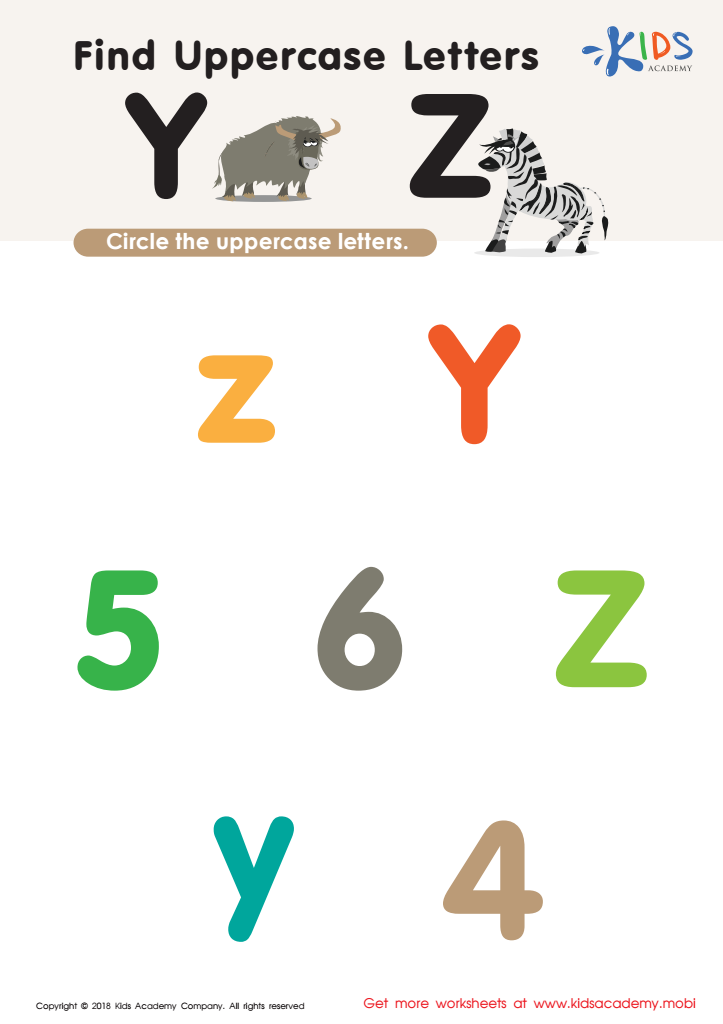
Find Uppercase Letters Y Z Worksheet
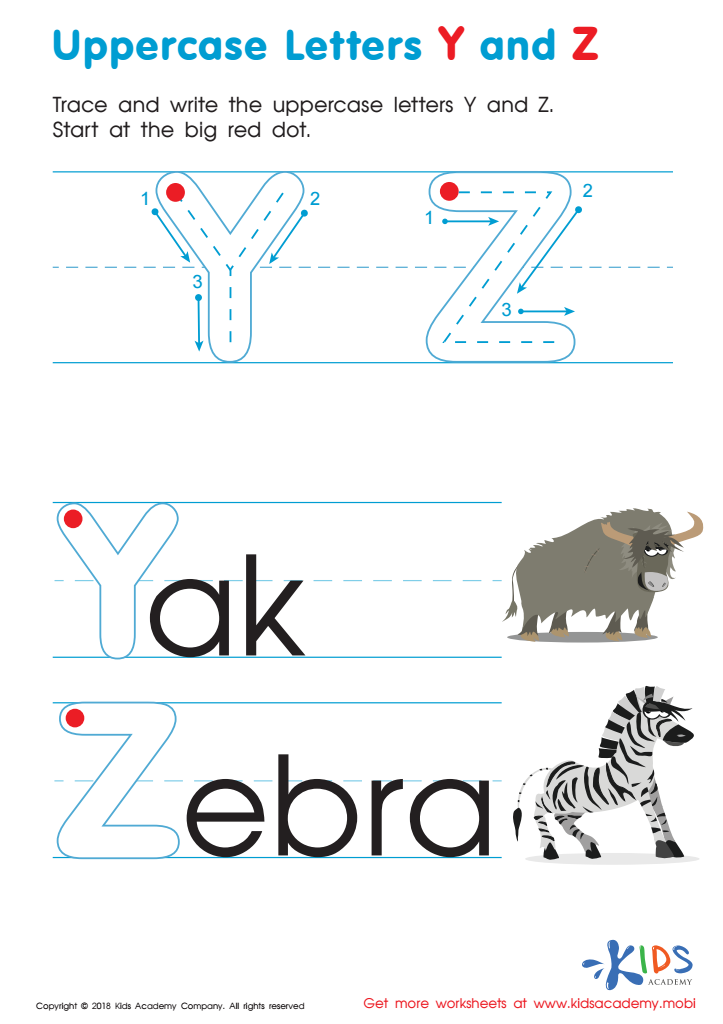
Uppercase Letters Y Z Worksheet
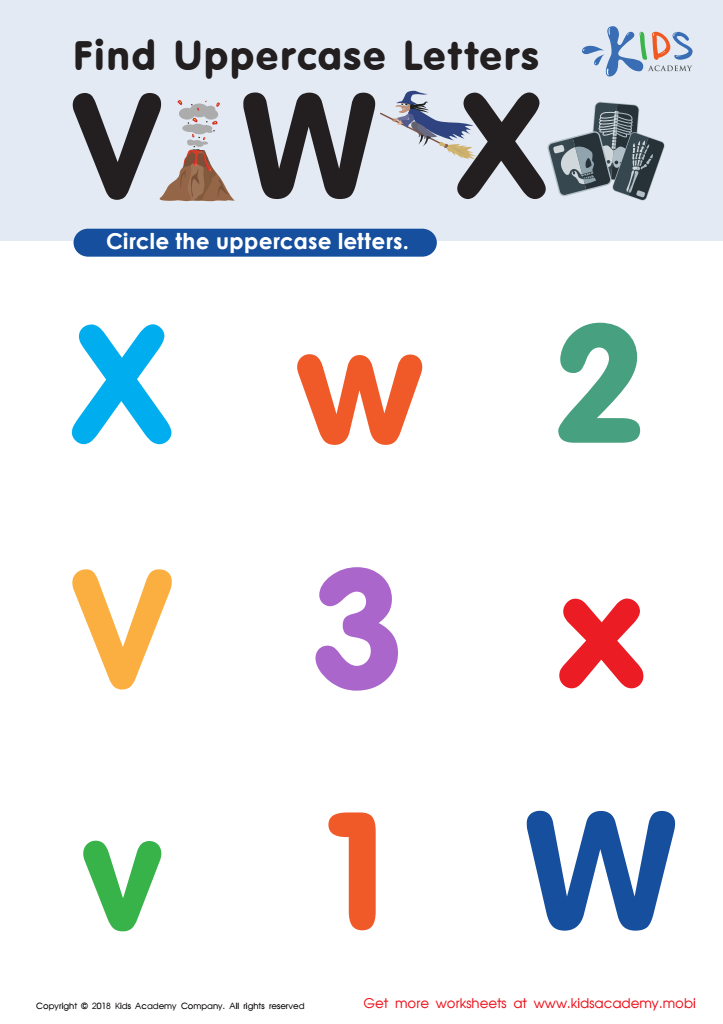
Find Uppercase Letters V, W, X Worksheet
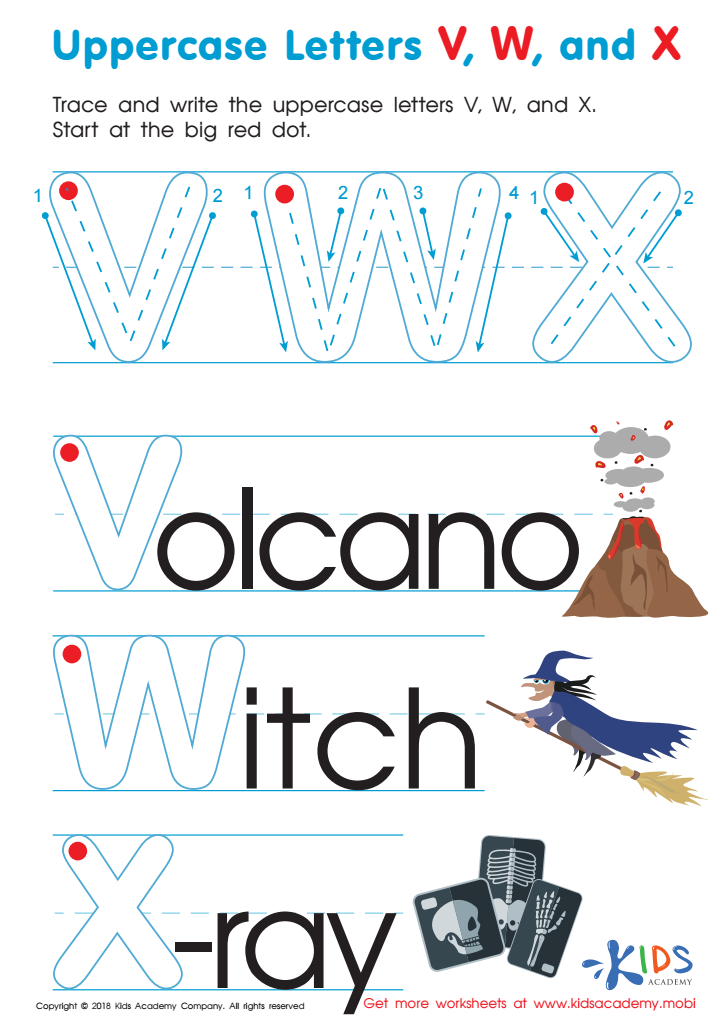
Uppercase Letters V, W, and X Worksheet
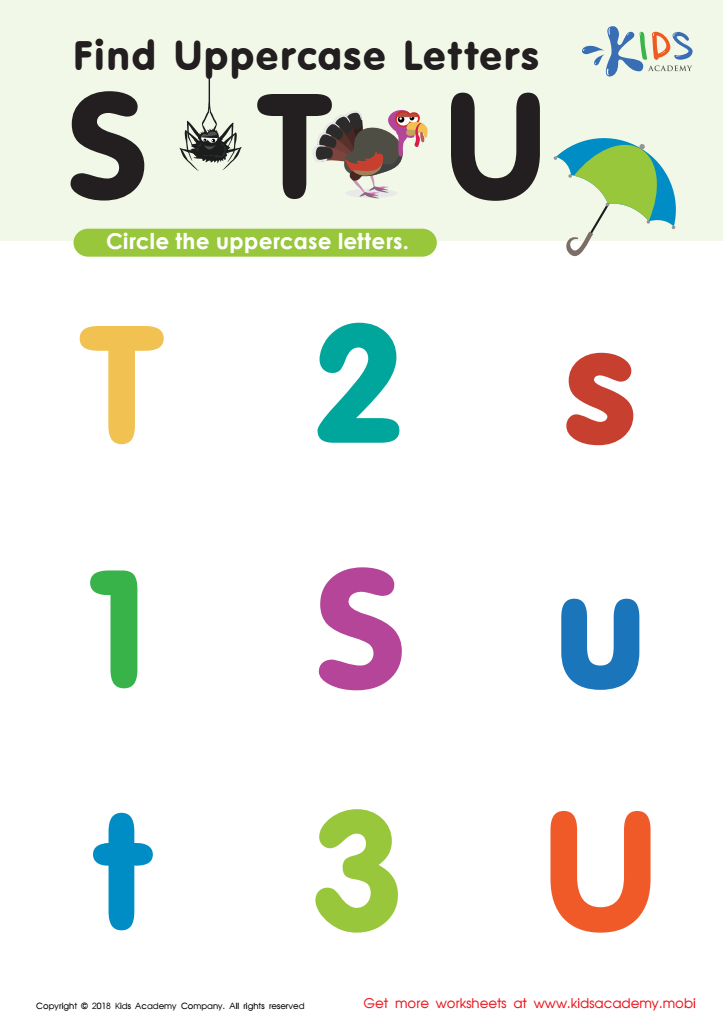
Find Uppercase Letters Worksheet
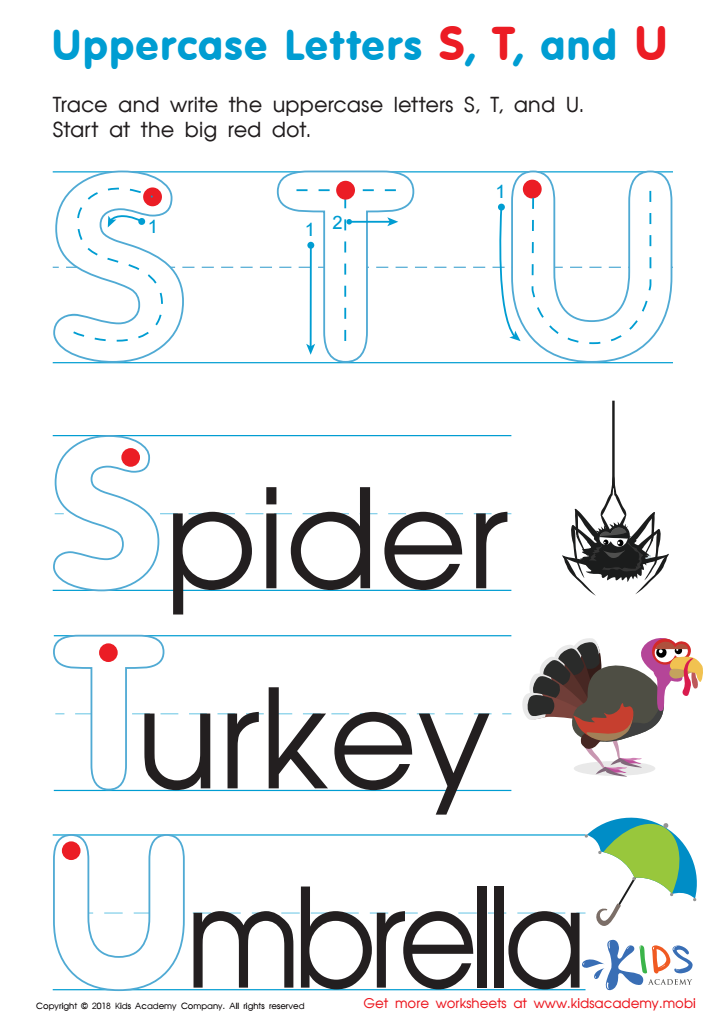
Uppercase Letters S, T, and U Worksheet
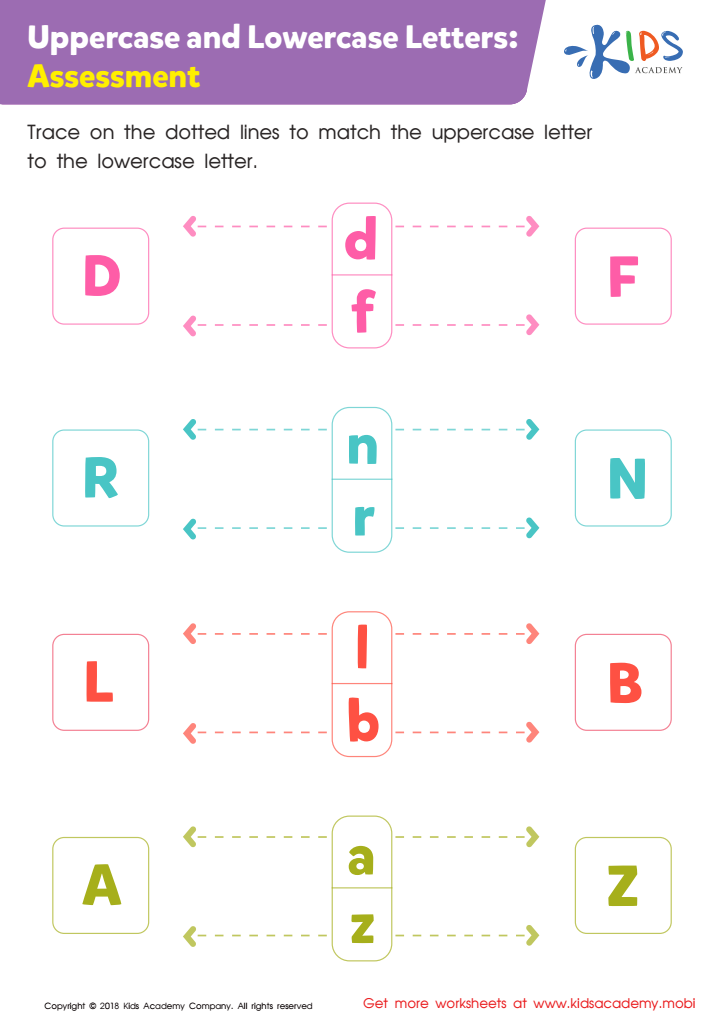
Uppercase and Lowercase Letters: Assessment Worksheet
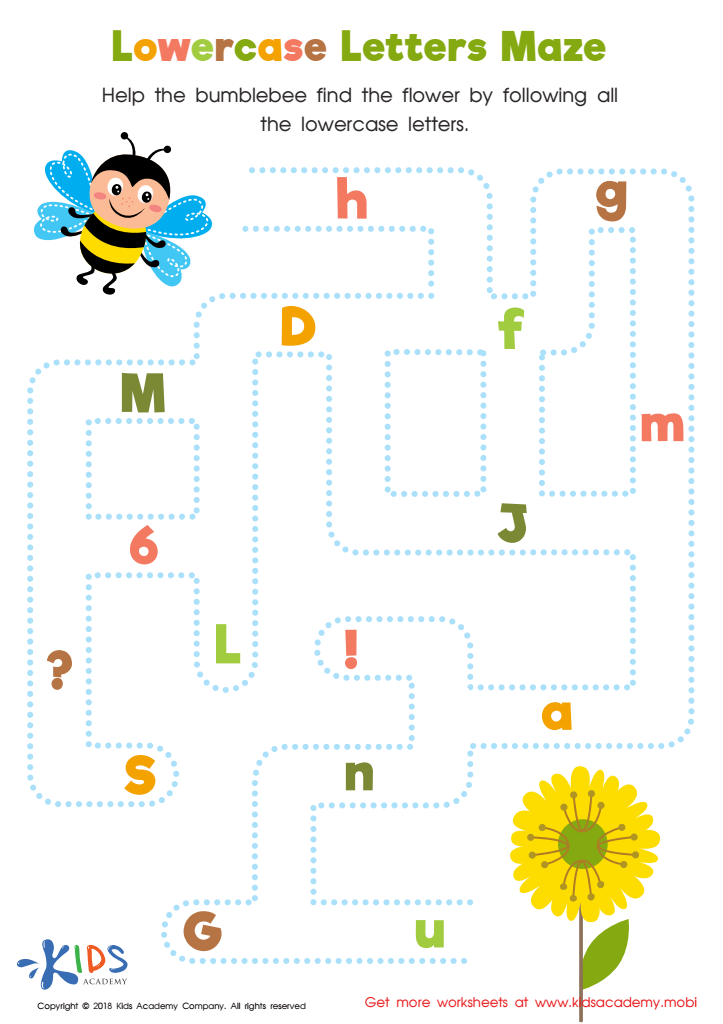
Lowercase Letters Maze Worksheet
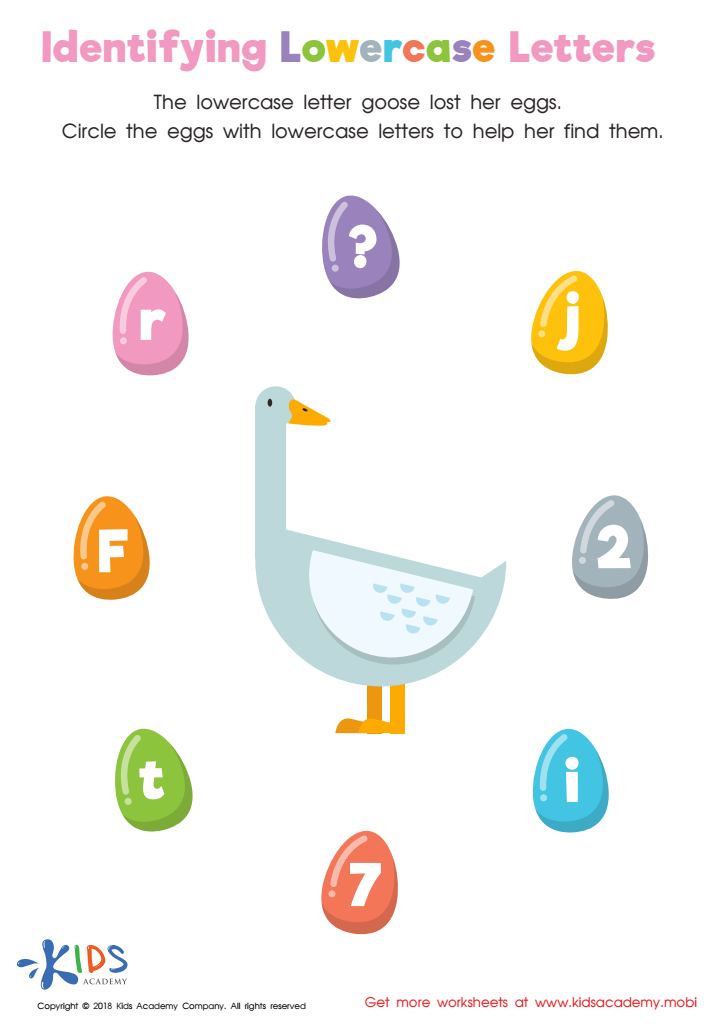
Identifying Lowercase Letters Worksheet
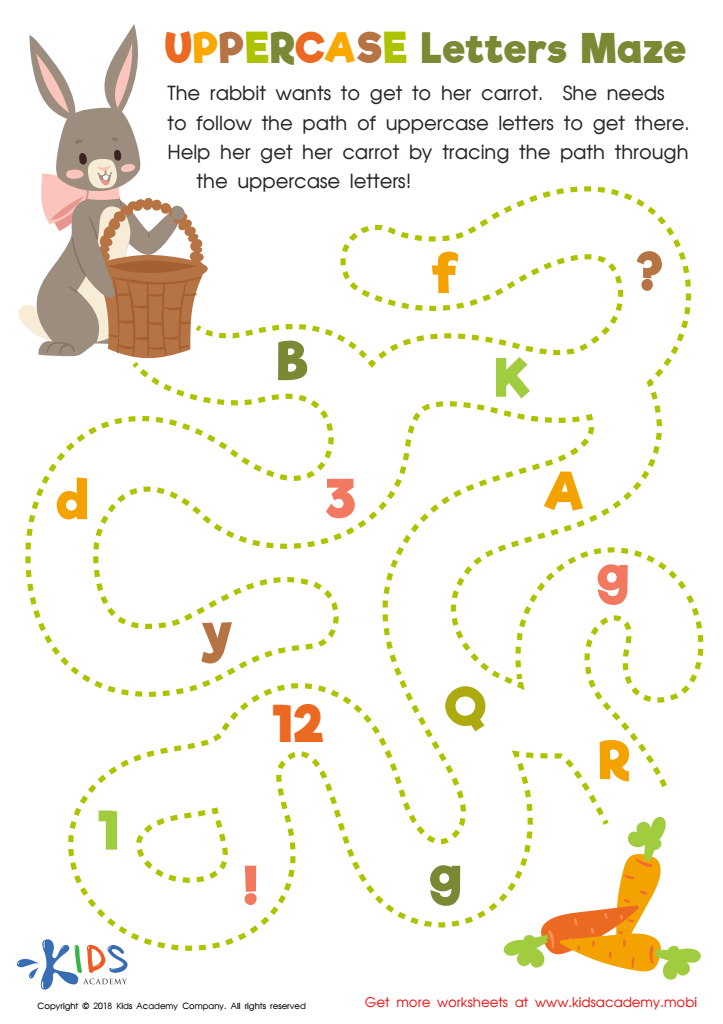
Uppercase Letters Maze Worksheet
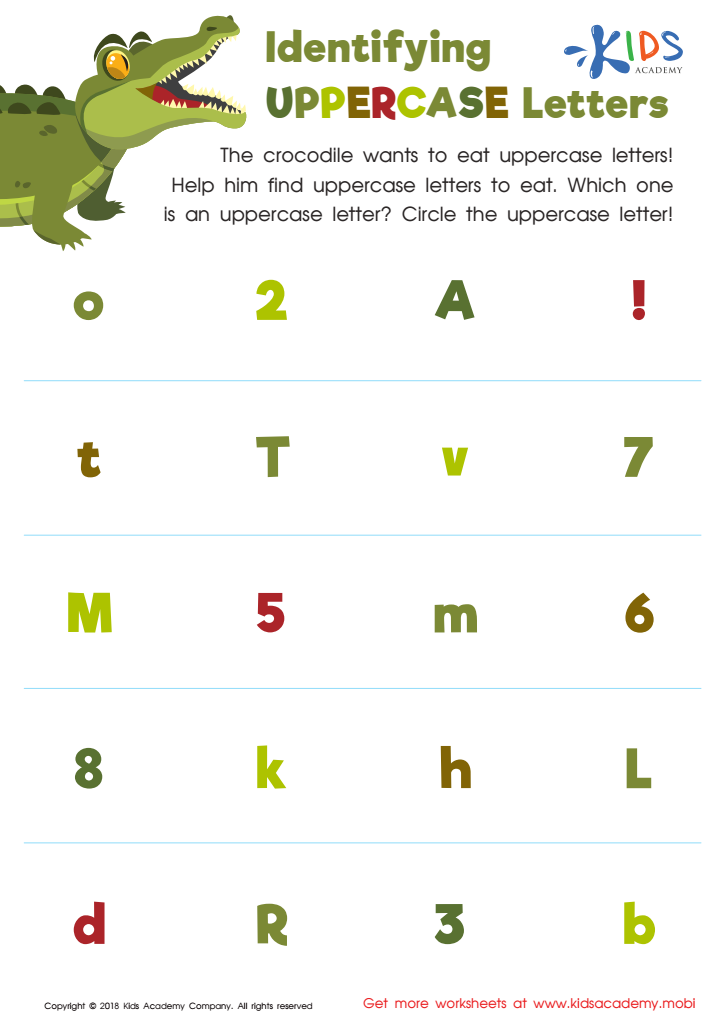
Identifying Uppercase Letters Worksheet
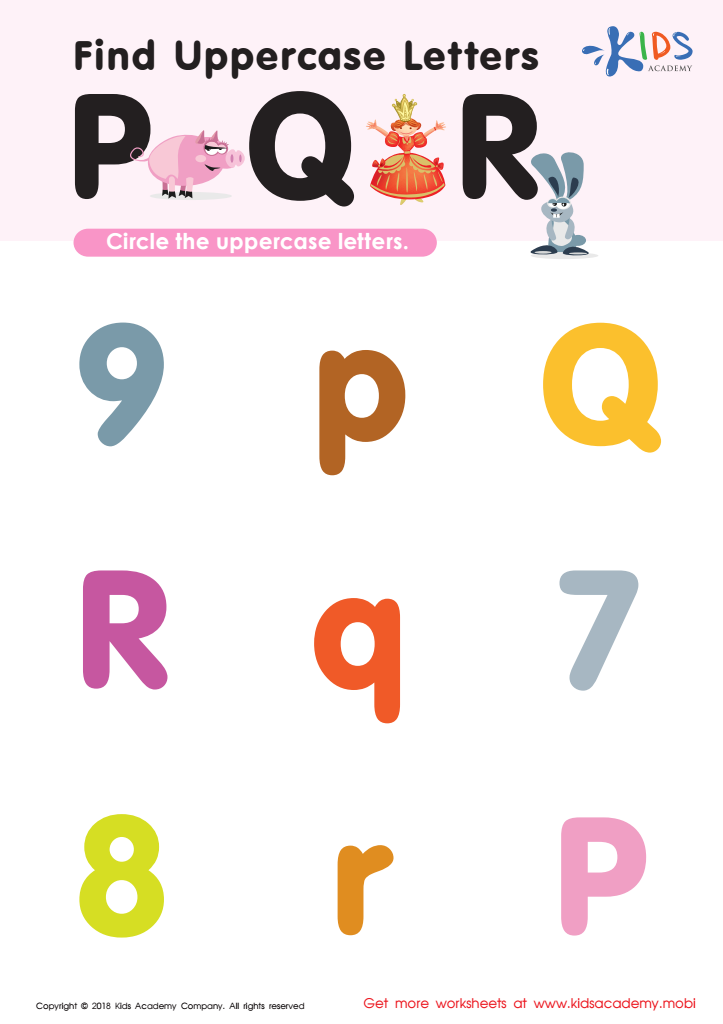
Find Uppercase Letters P, Q, and R Worksheet
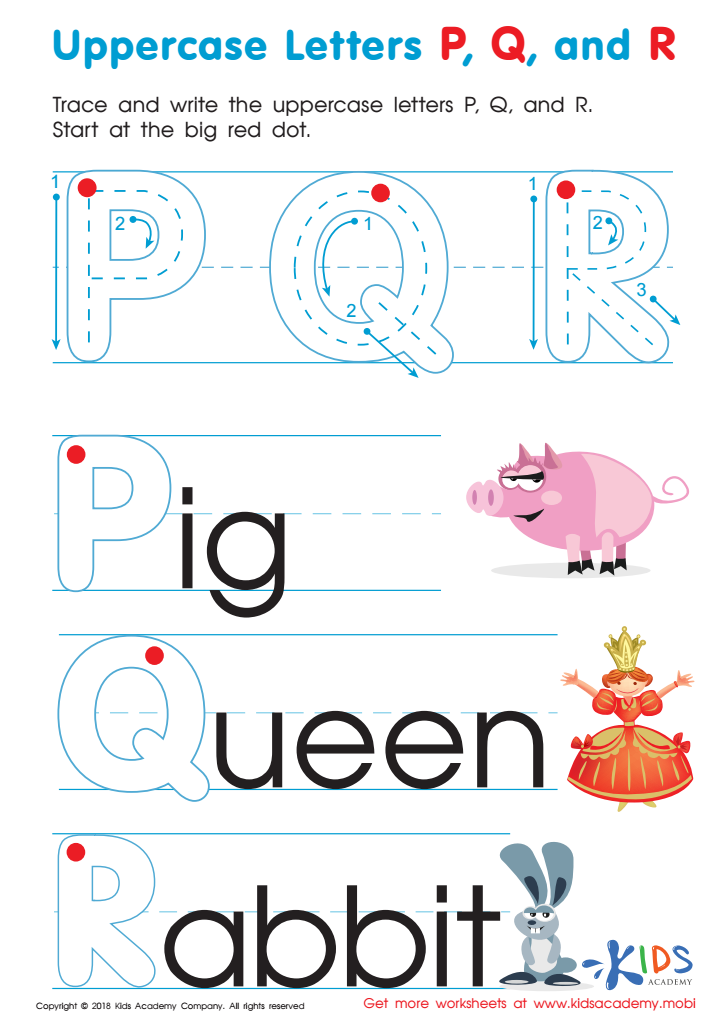
Uppercase Letters P, Q, and R Worksheet

Find Uppercase Letters M, N, and O Worksheet
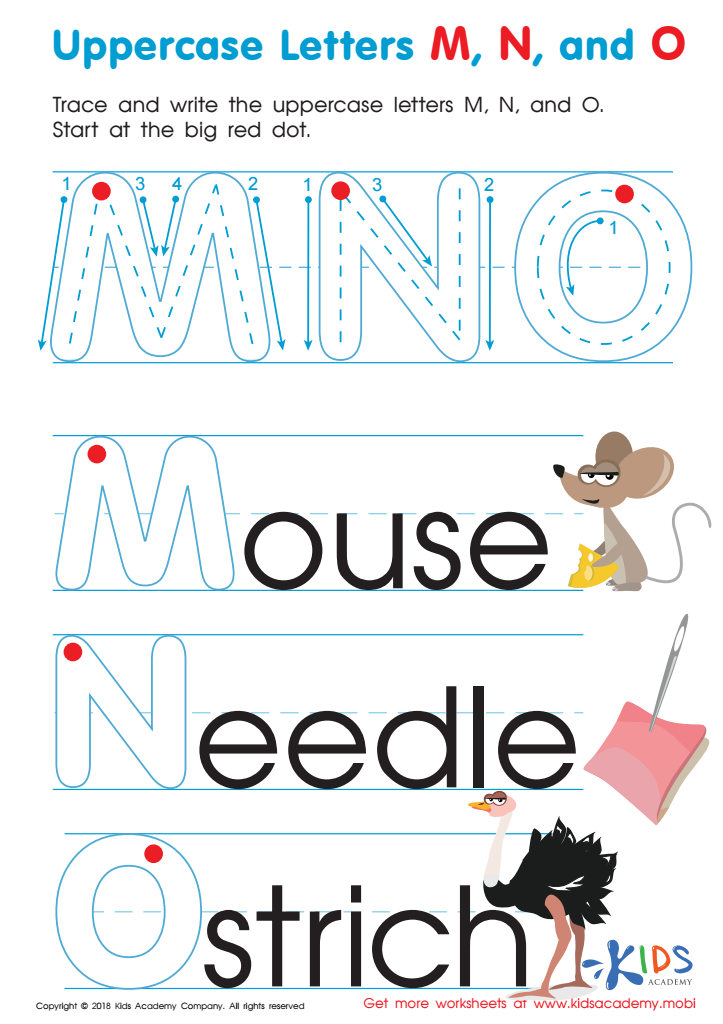
Uppercase Letters M, N, and O Worksheet
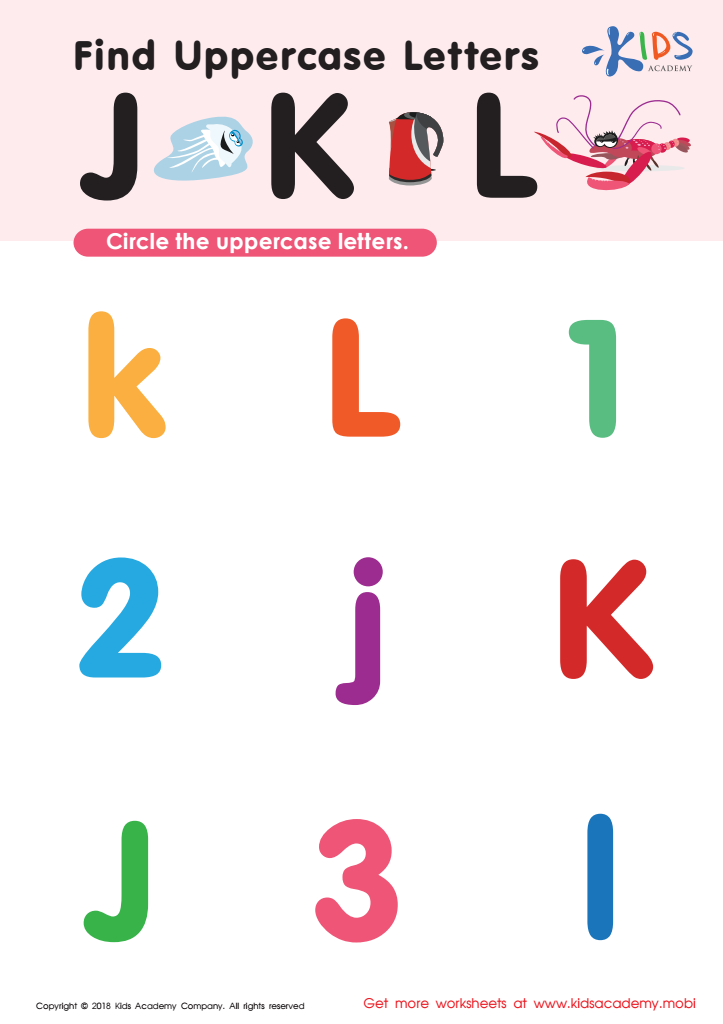
Find Uppercase Letters J, K, and L Worksheet
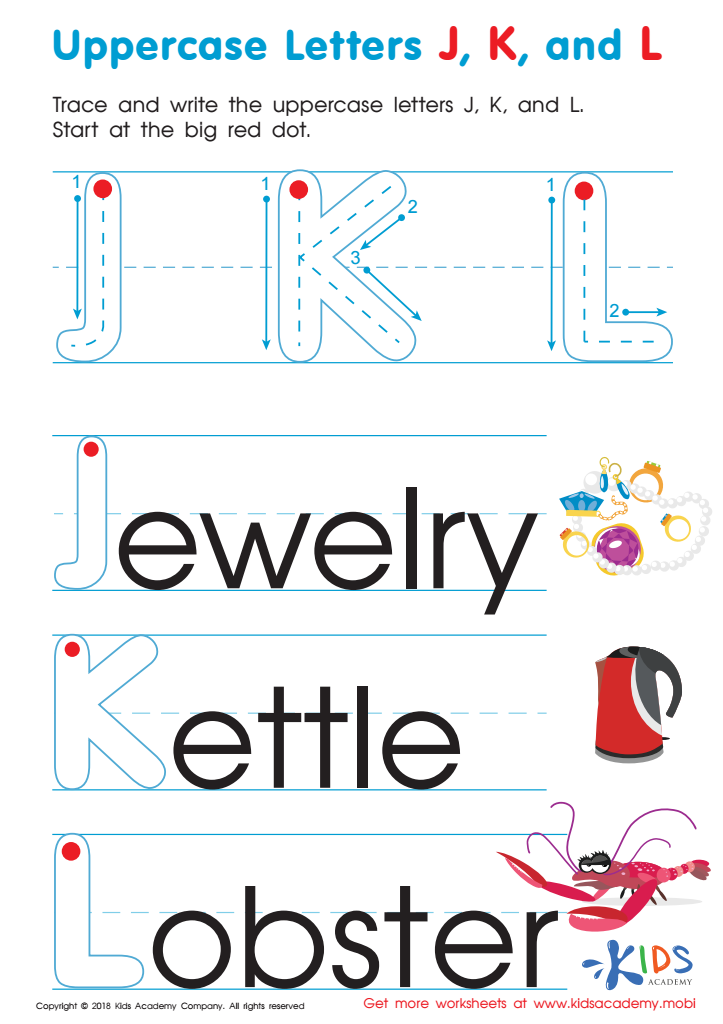
Uppercase Letters J, K, and L Worksheet
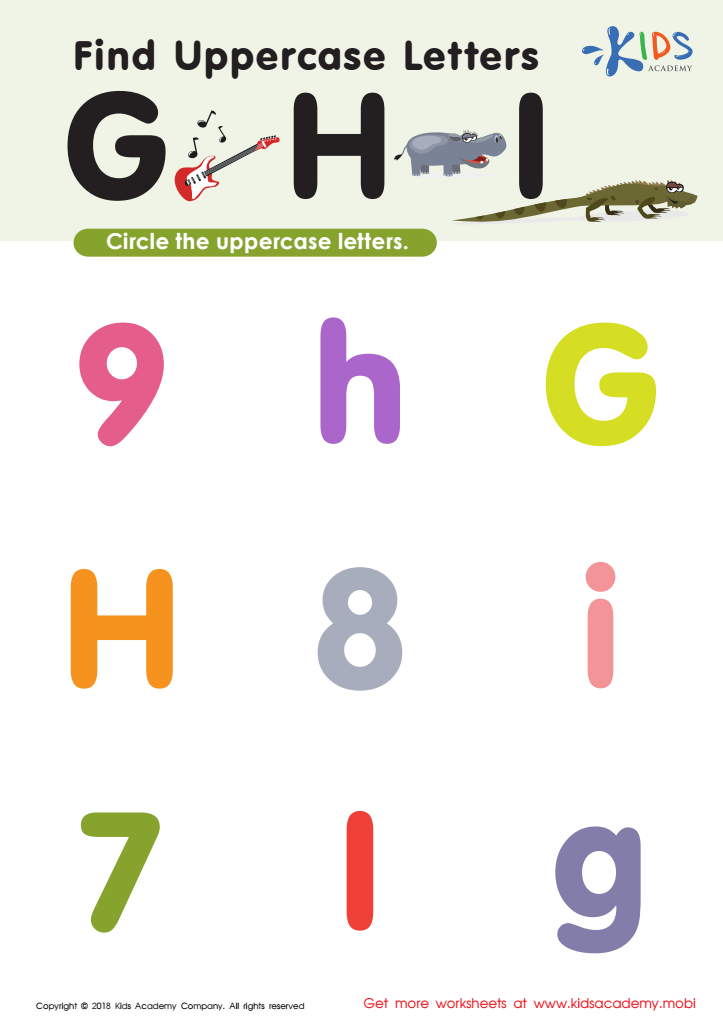
Find Uppercase Letters G, H, and I Worksheet
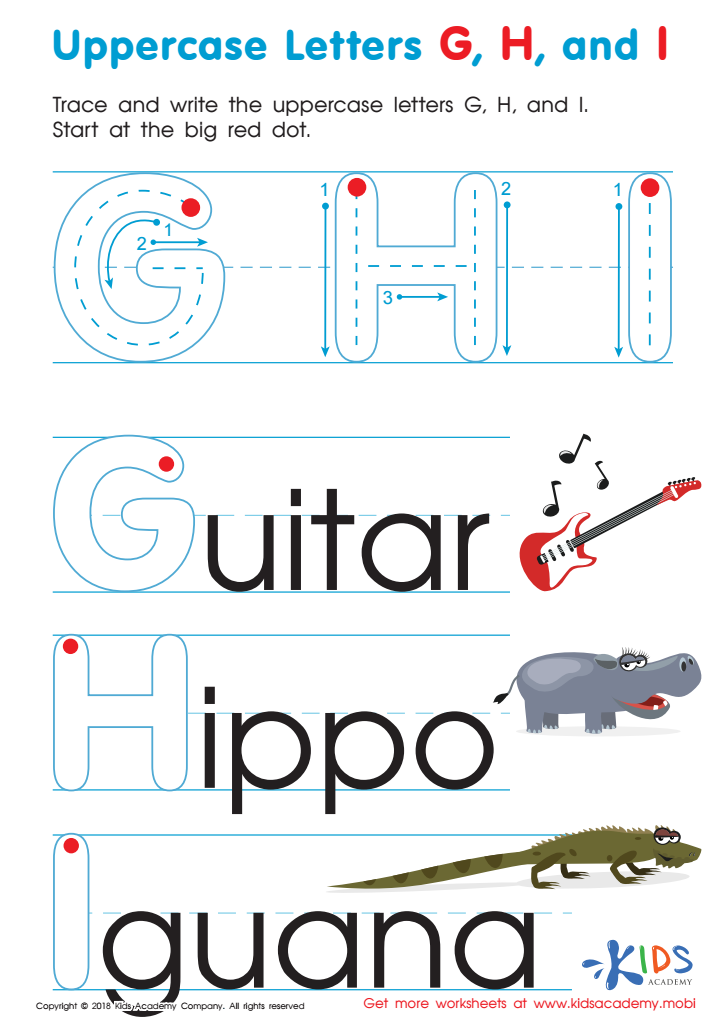
Uppercase Letters G, H, and I Worksheet
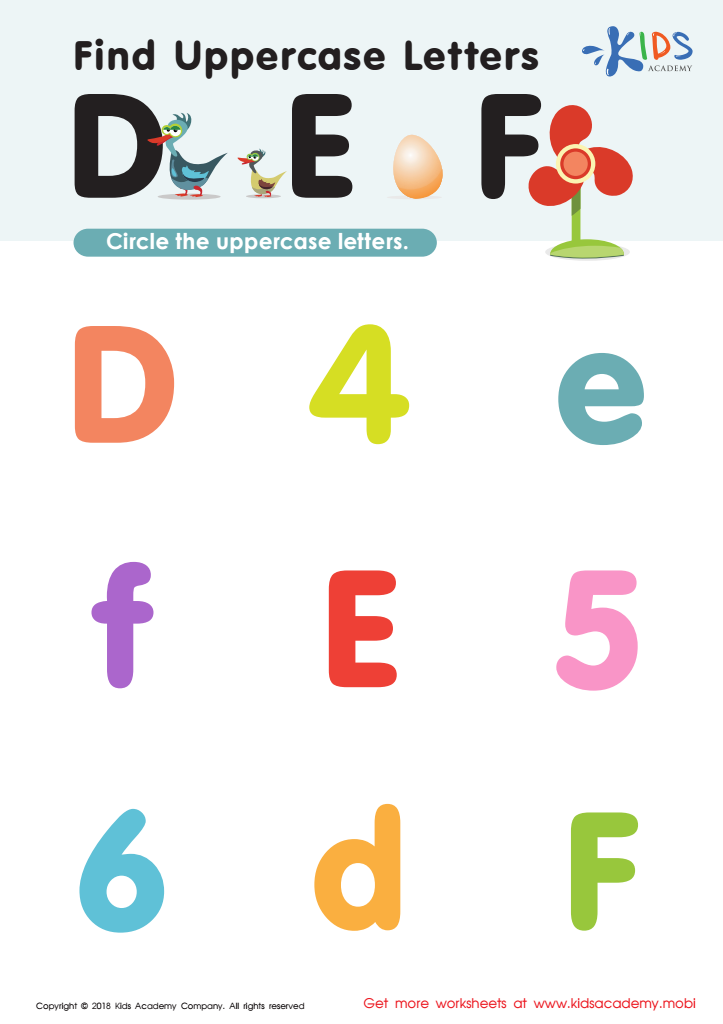
Find Uppercase Letters D, E, and F Worksheet
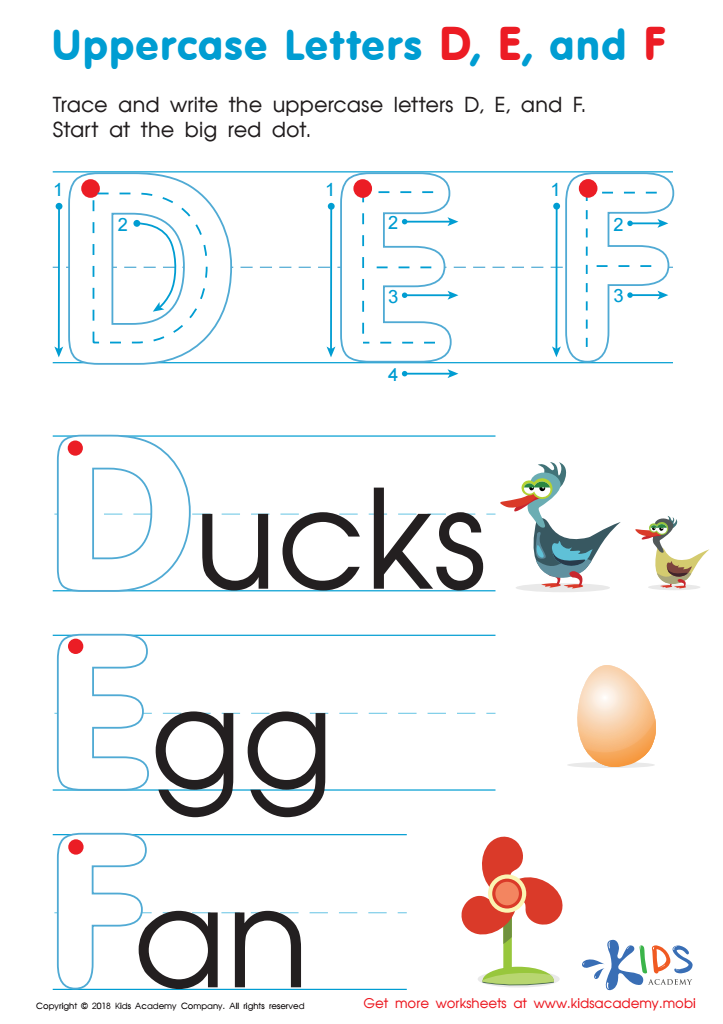
Uppercase Letters D, E, and F Worksheet
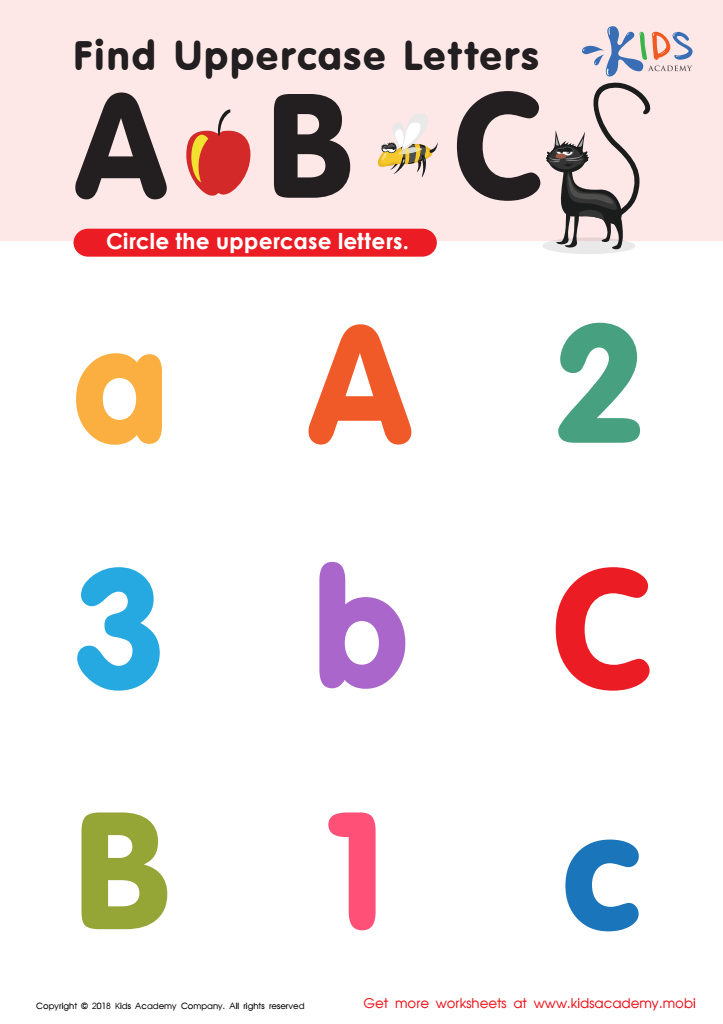
Find Uppercase Letters A, B, and C Worksheet






Understanding uppercase and lowercase letters is crucial for children ages 5-8 because it forms the foundation for literacy. At this age, kids begin to learn how to read and write, skills essential for their educational development. Differentiating between uppercase and lowercase letters helps children recognize and make sense of text around them, from books to classroom instructions.
When children know both uppercase and lowercase letters, they can more easily understand written communication. This recognition boosts their ability to read properly, comprehend sentences, and follow written instructions. Early mastery of both forms also smooths the transition from recognizing individual letters to reading whole words and sentences.
Teachers and parents play vital roles in making this learning process effective and enjoyable. Educators can incorporate fun activities, like alphabet games and letter-related crafts, while parents can reinforce these skills at home through reading together, pointing out letters on signs, and practicing writing.
Neglecting to teach both uppercase and lowercase letters may lead to literacy delays, affecting a child's confidence and academic progress. Therefore, prioritizing this aspect of learning is an investment in a child's educational success and future opportunities.







