History Worksheets for Ages 5-8 - Page 2
88 filtered results
-
From - To
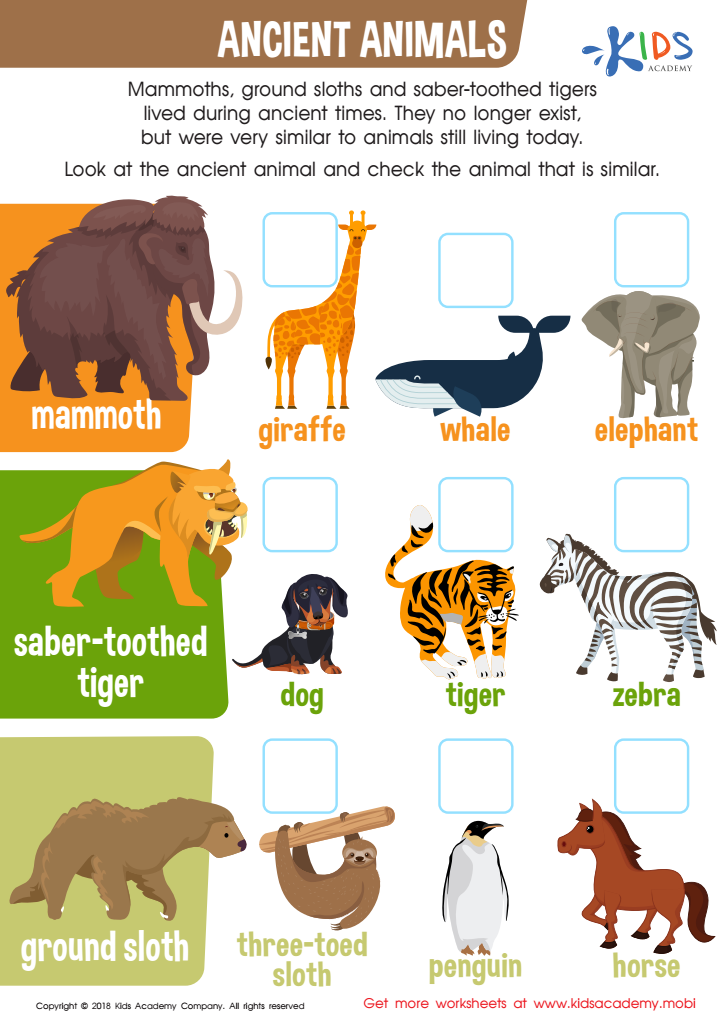
Ancient Animals Worksheet
 Assign to My Students
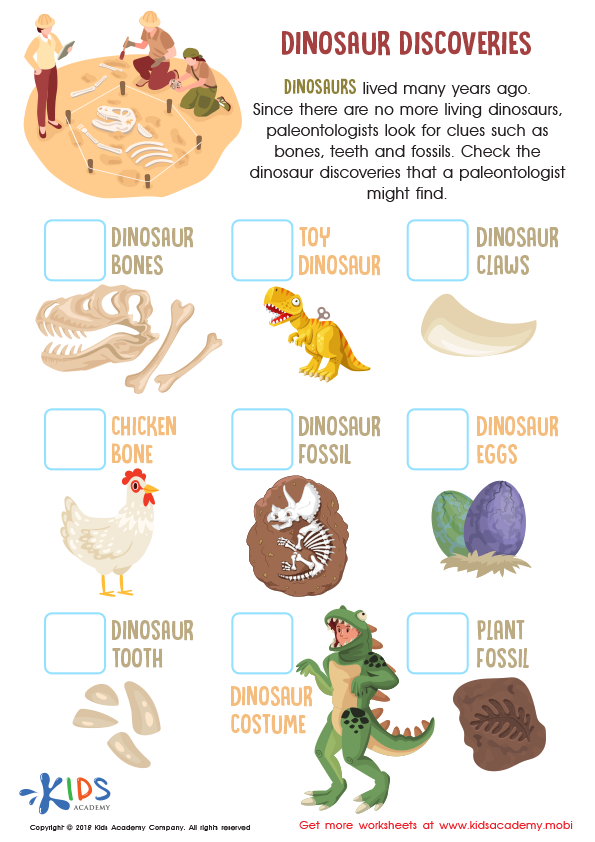
Dinosaur Discoveries Worksheet
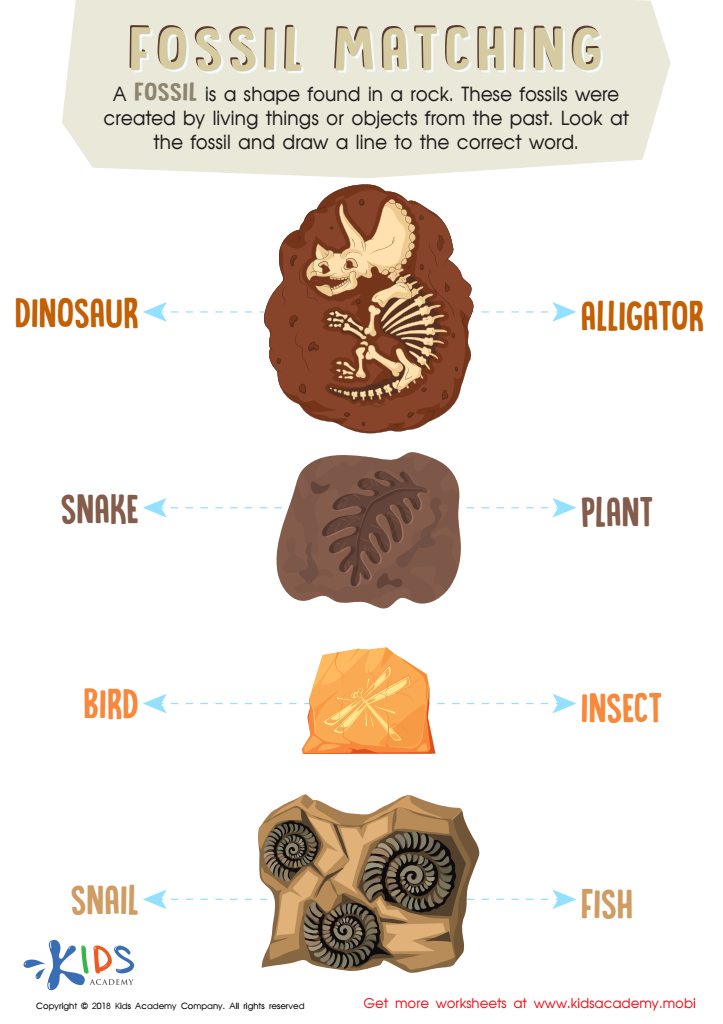
Fossil Matching Worksheet
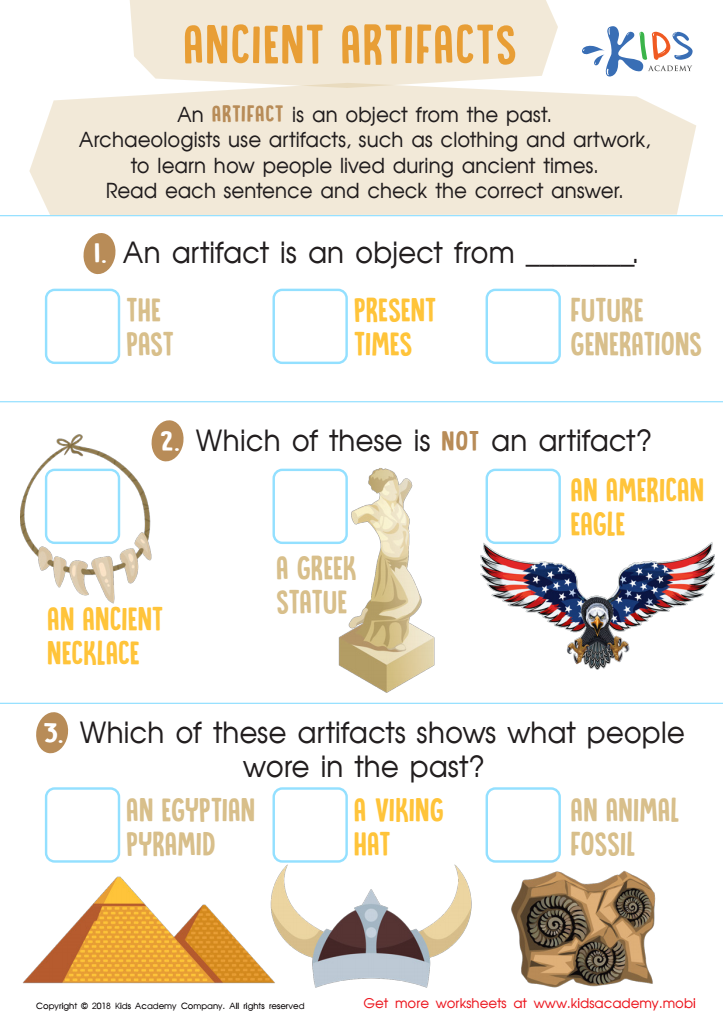
Ancient Artifacts Worksheet
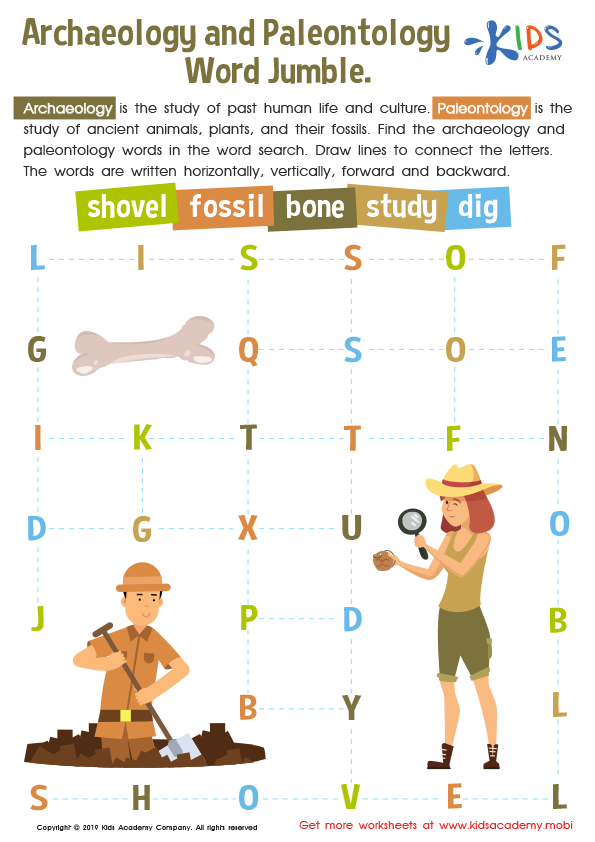
Archaeology and Paleontology Word Jumble Worksheet
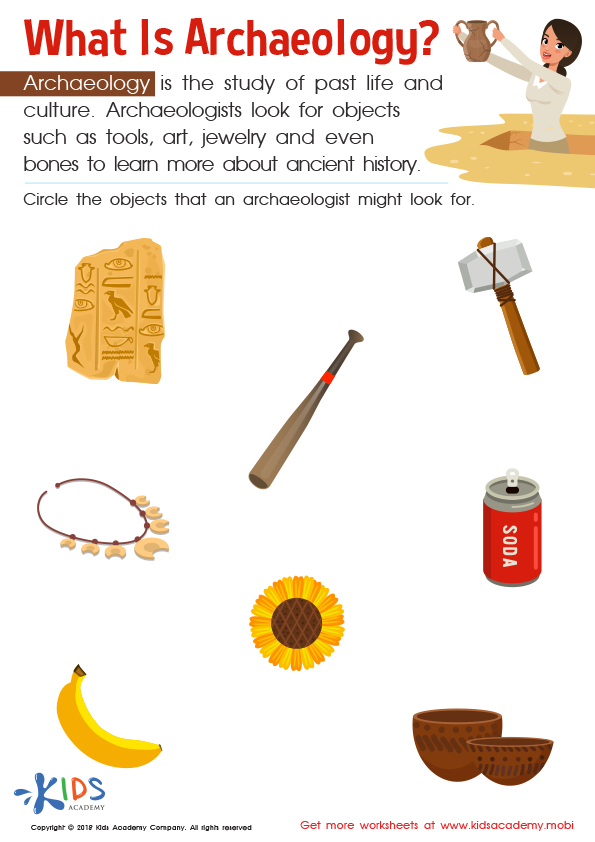
What Is Archaeology? Worksheet
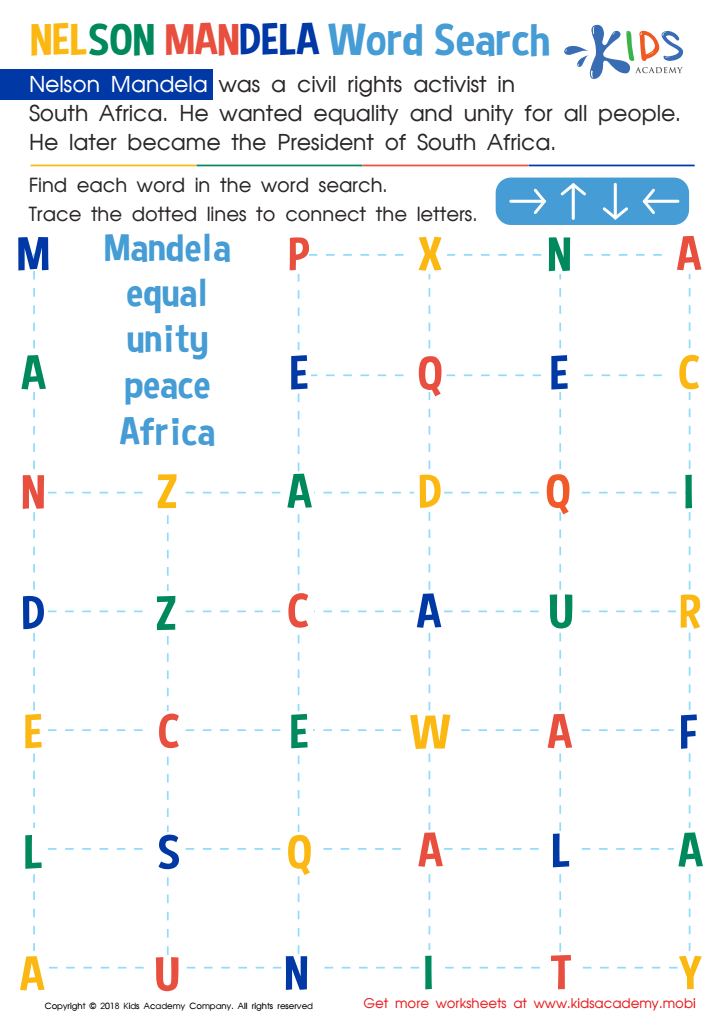
Nelson Mandela Word Search Worksheet
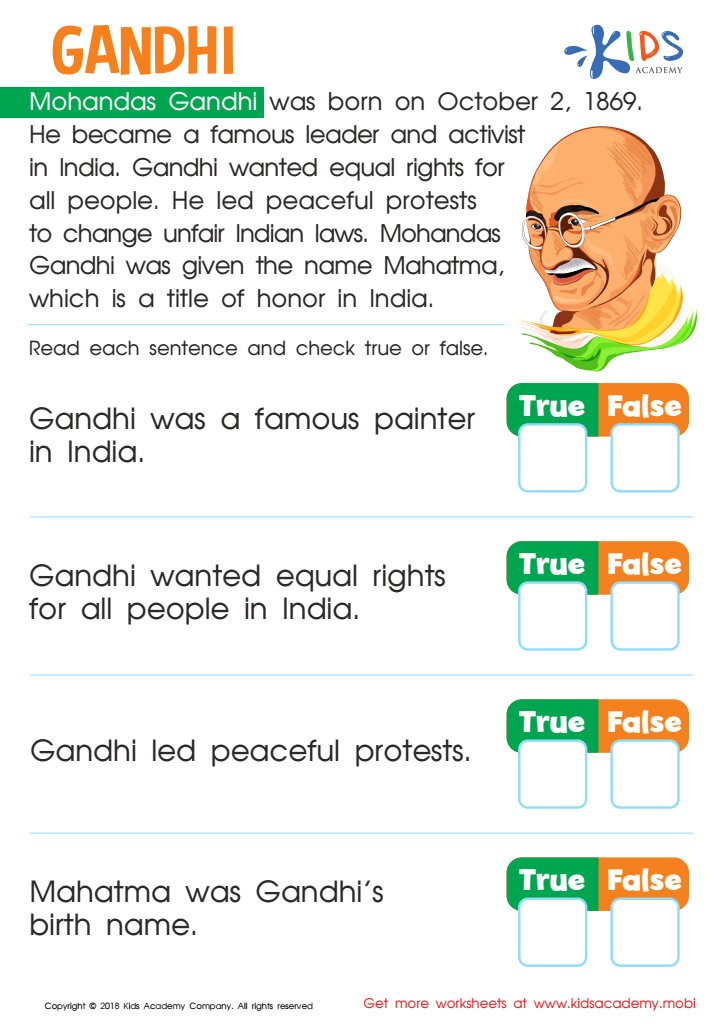
Gandhi Worksheet
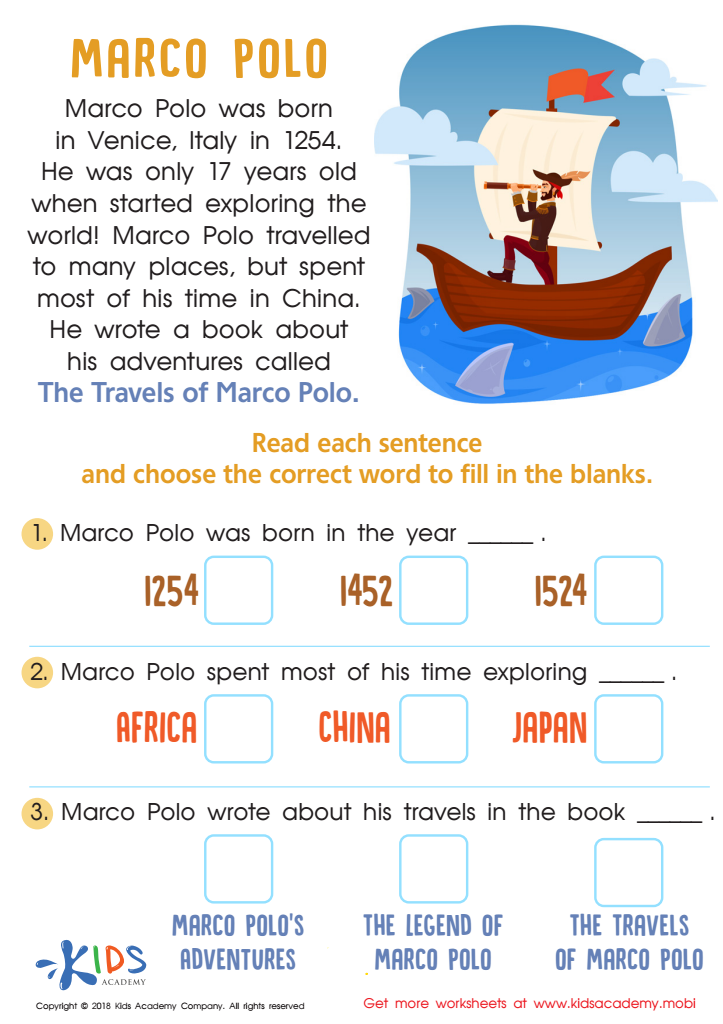
Marco Polo Worksheet
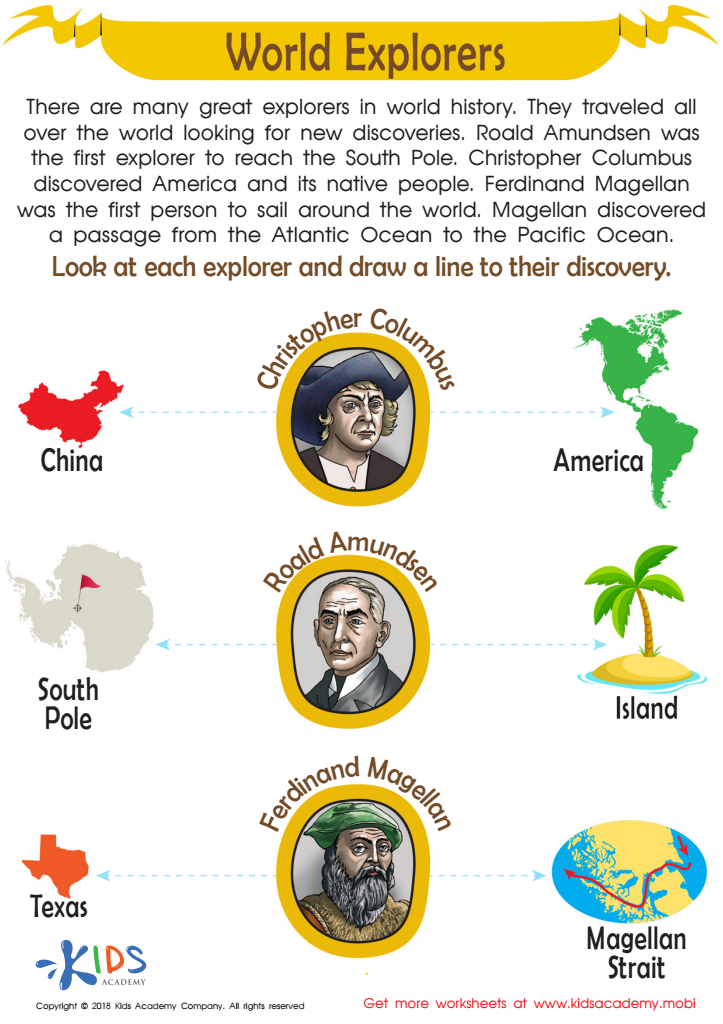
World Explorers Worksheet
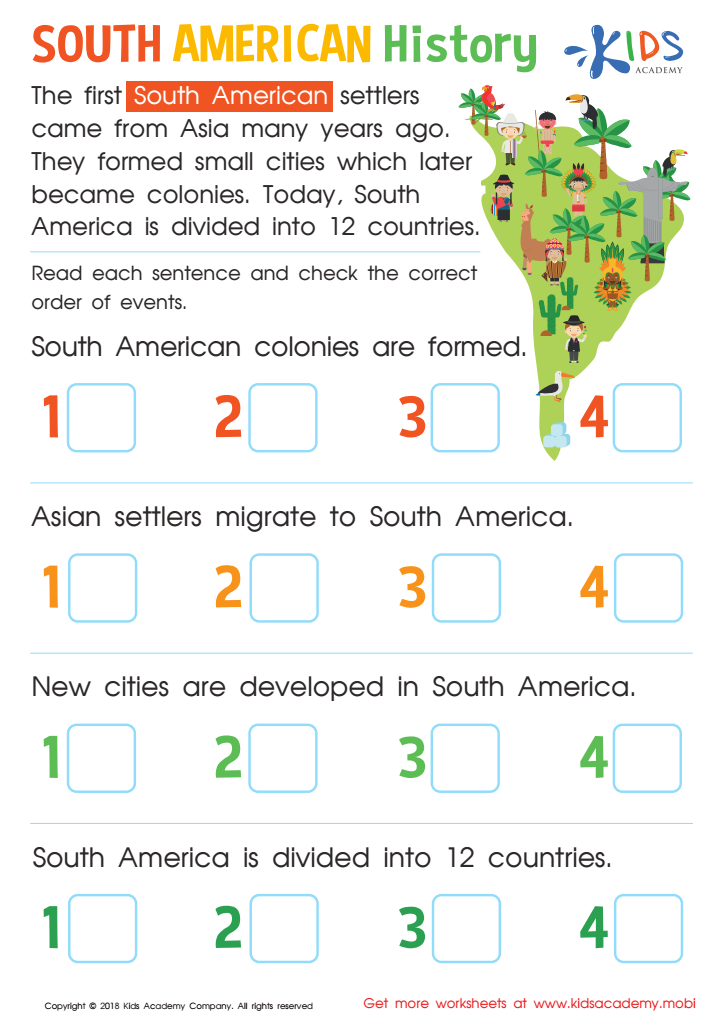
South American History Worksheet
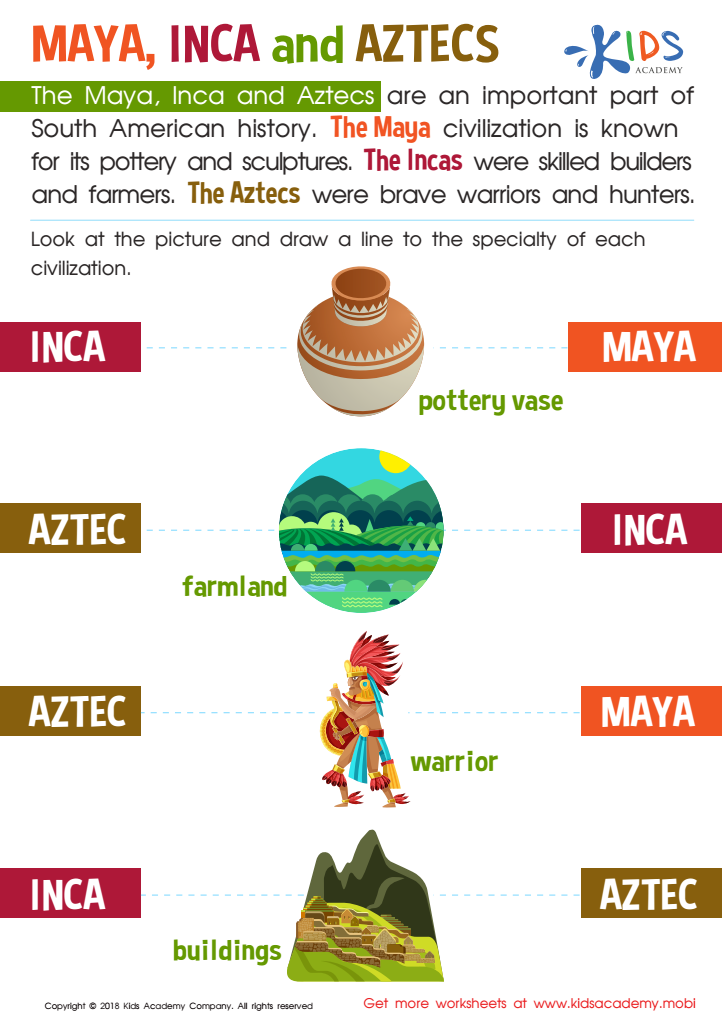
Maya, Inca and Aztecs Worksheet
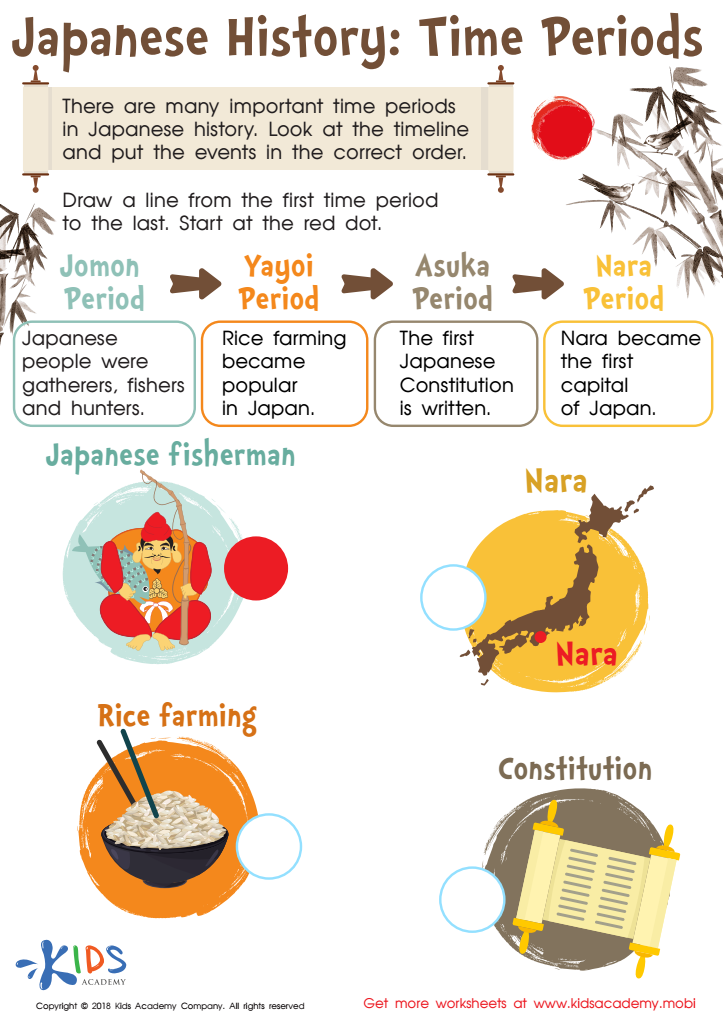
Japanese History: Time Periods Worksheet
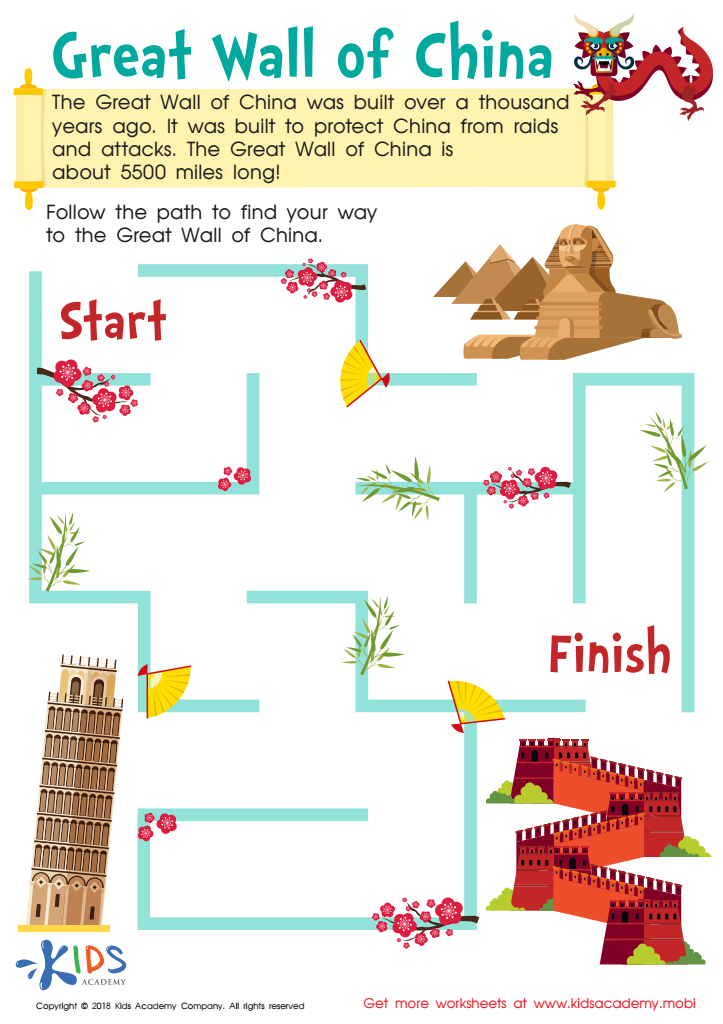
Great Wall of China Worksheet
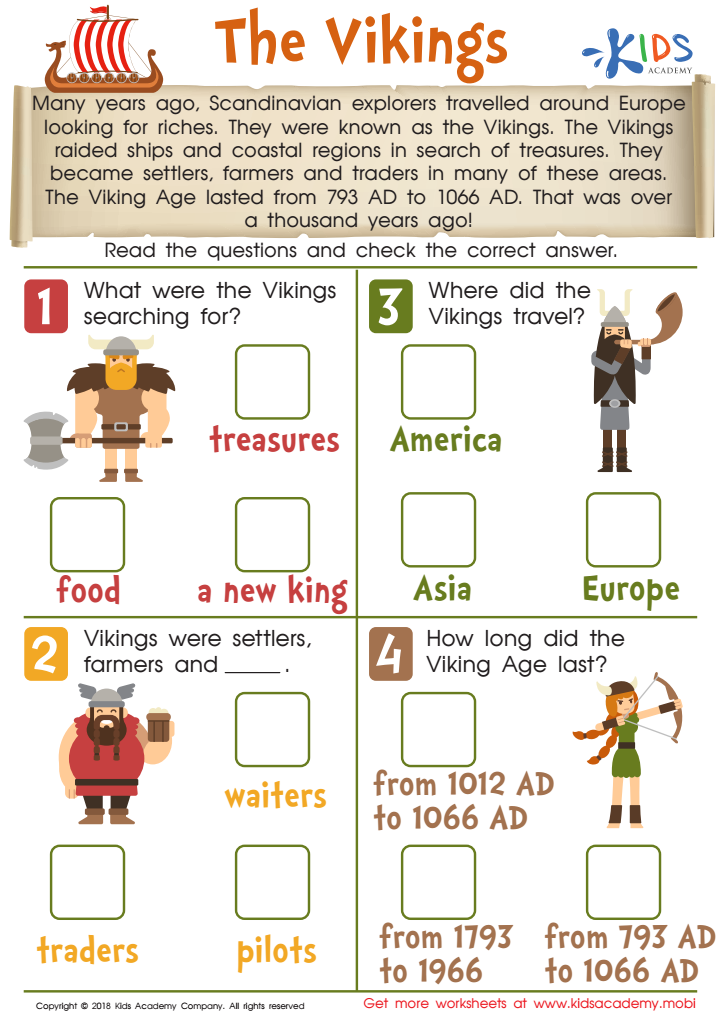
The Vikings Worksheet
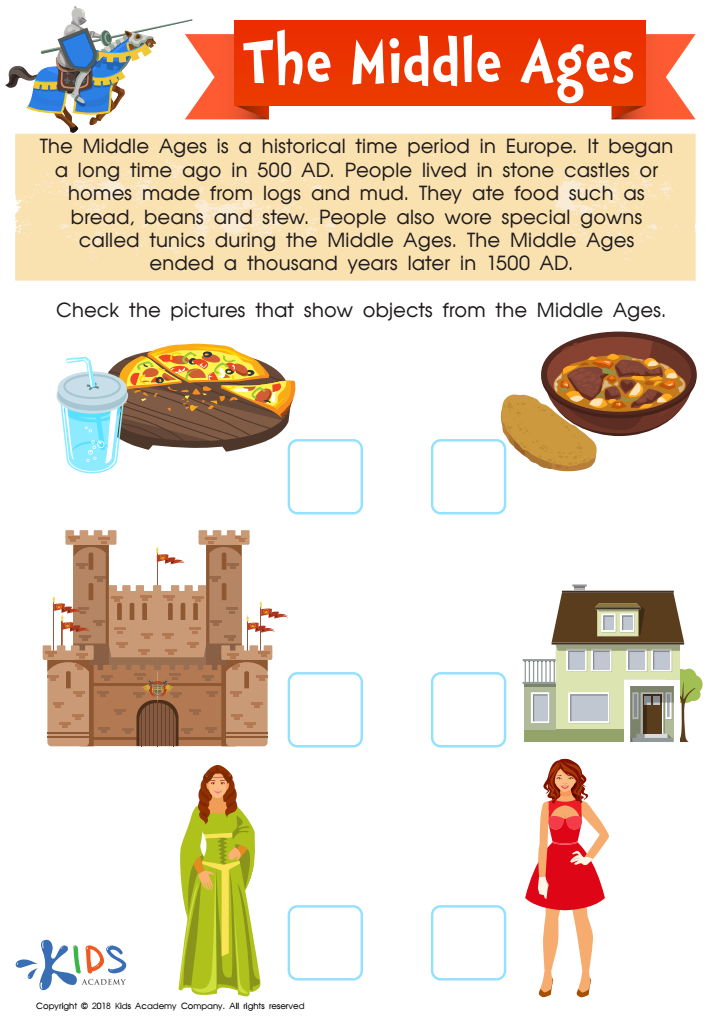
The Middle Ages Worksheet
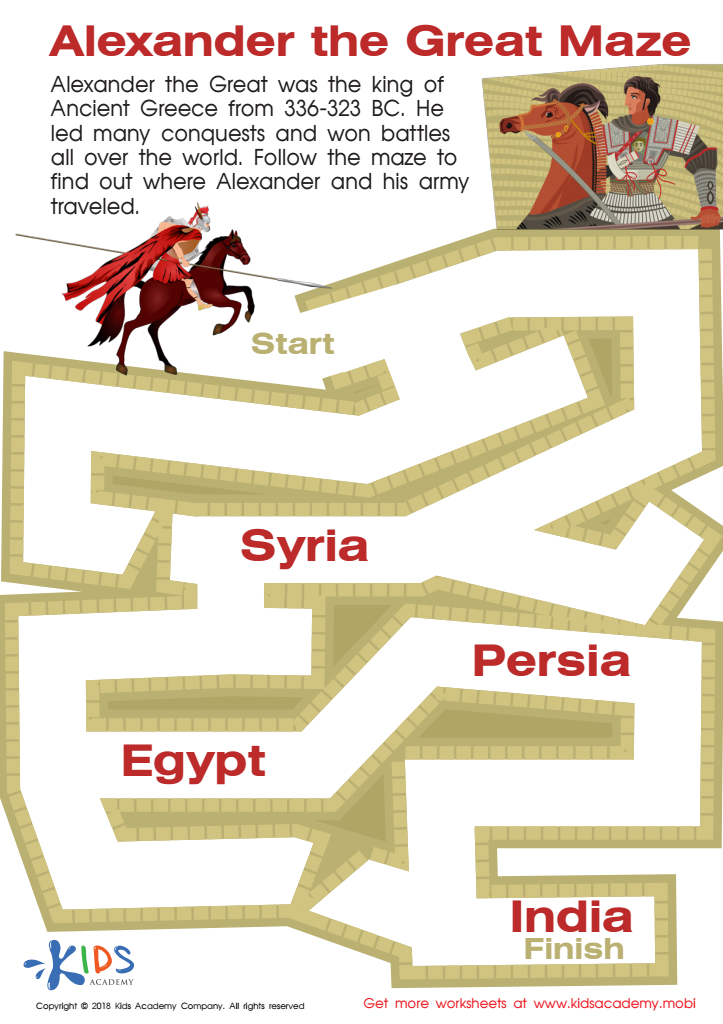
Alexander the Great Maze Worksheet
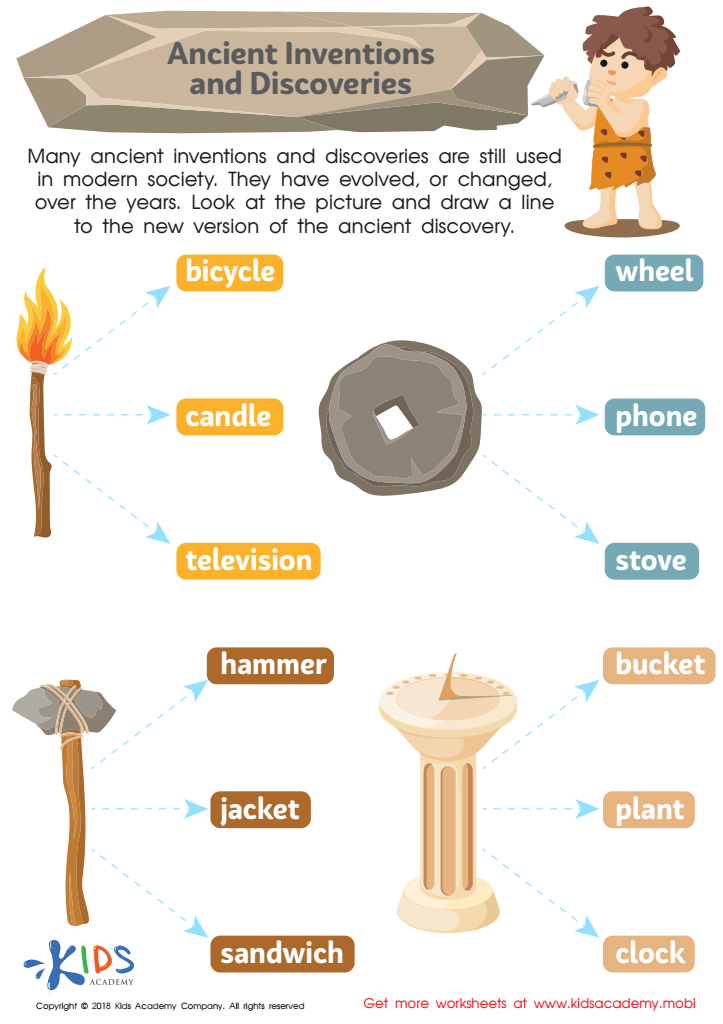
Ancient Inventions and Discoveries Worksheet
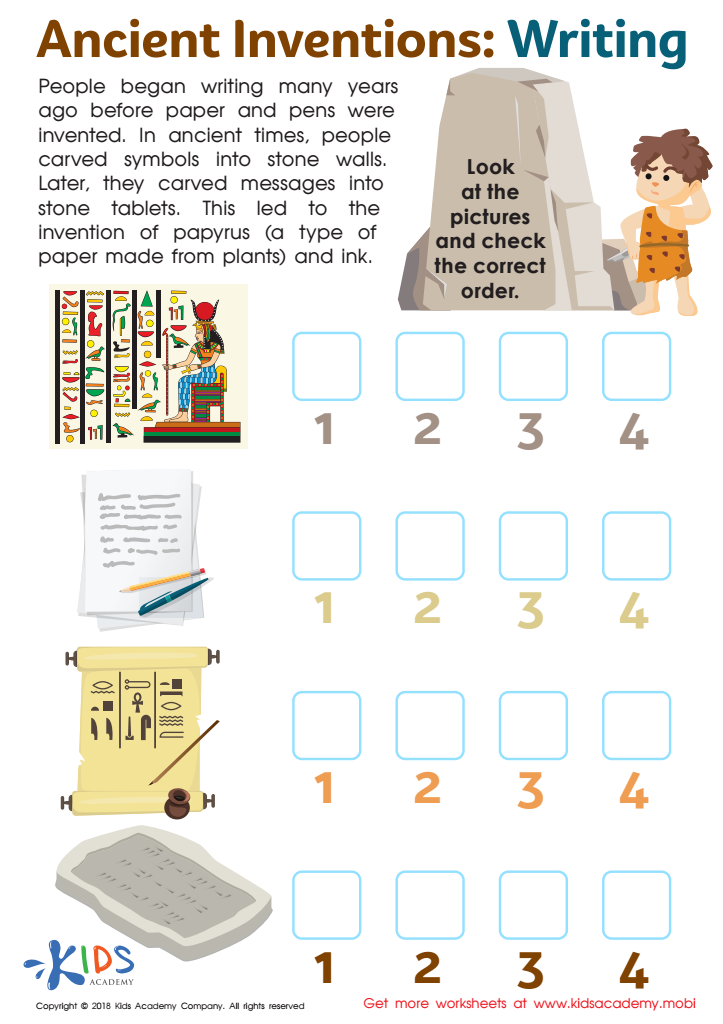
Ancient Inventions: Writing Worksheet
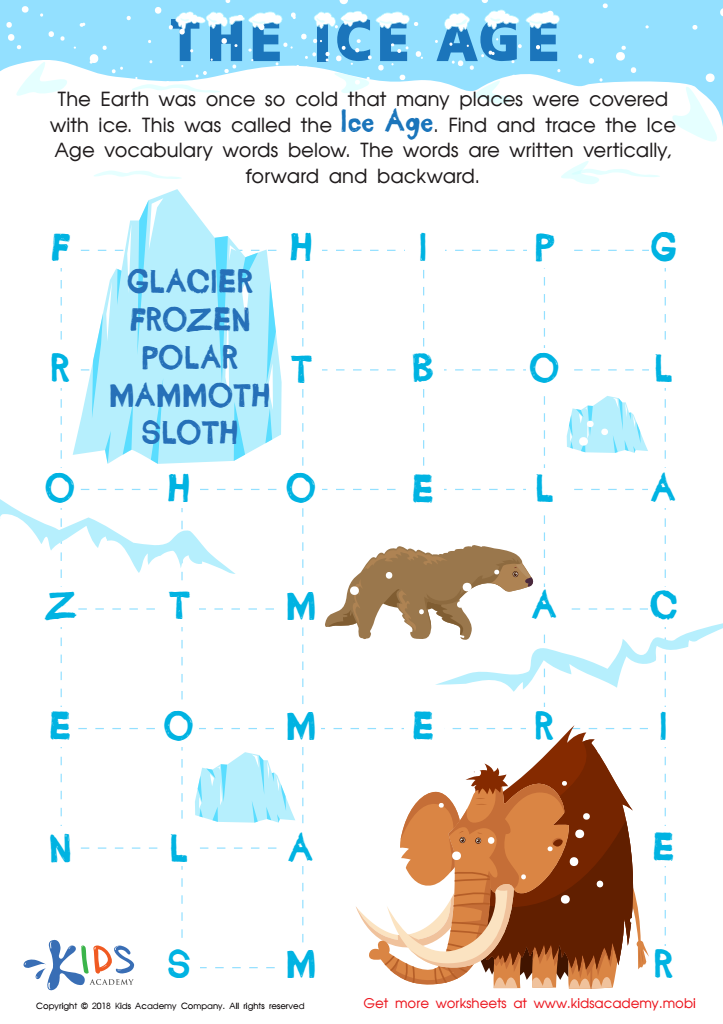
The Ice Age Worksheet
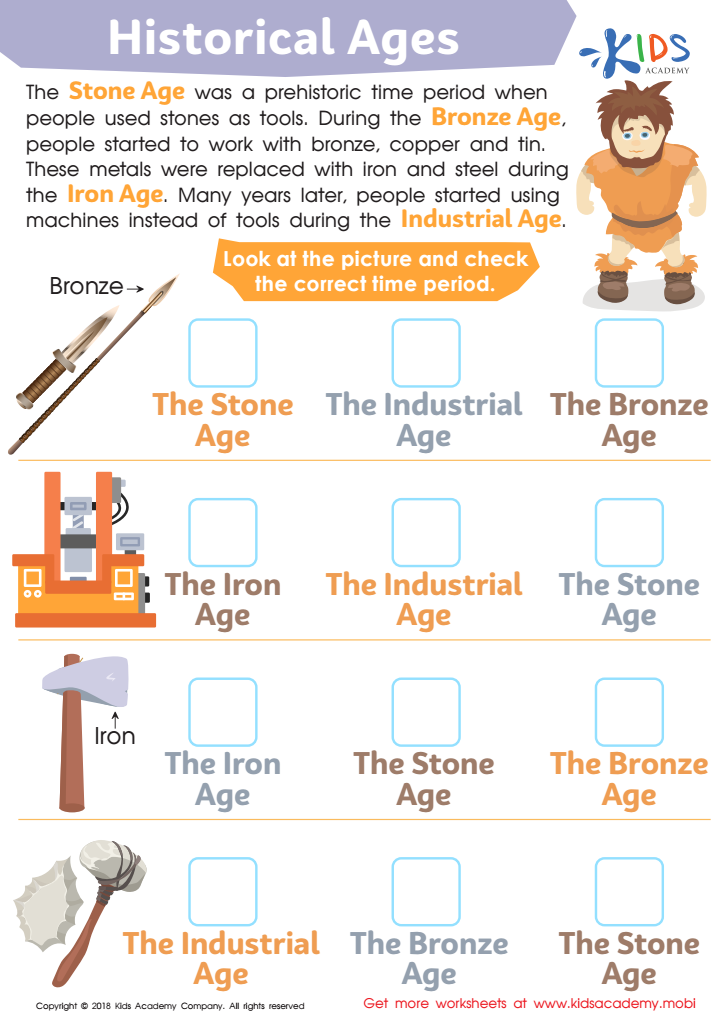
Historical Ages Worksheet
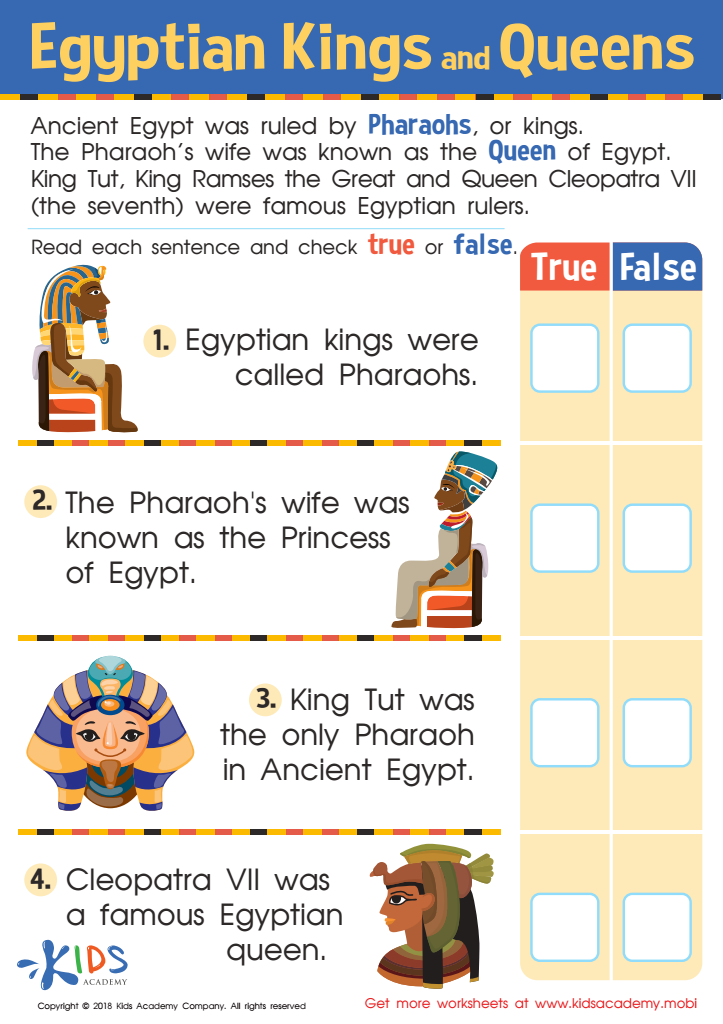
Egyptian Kings and Queens Worksheet
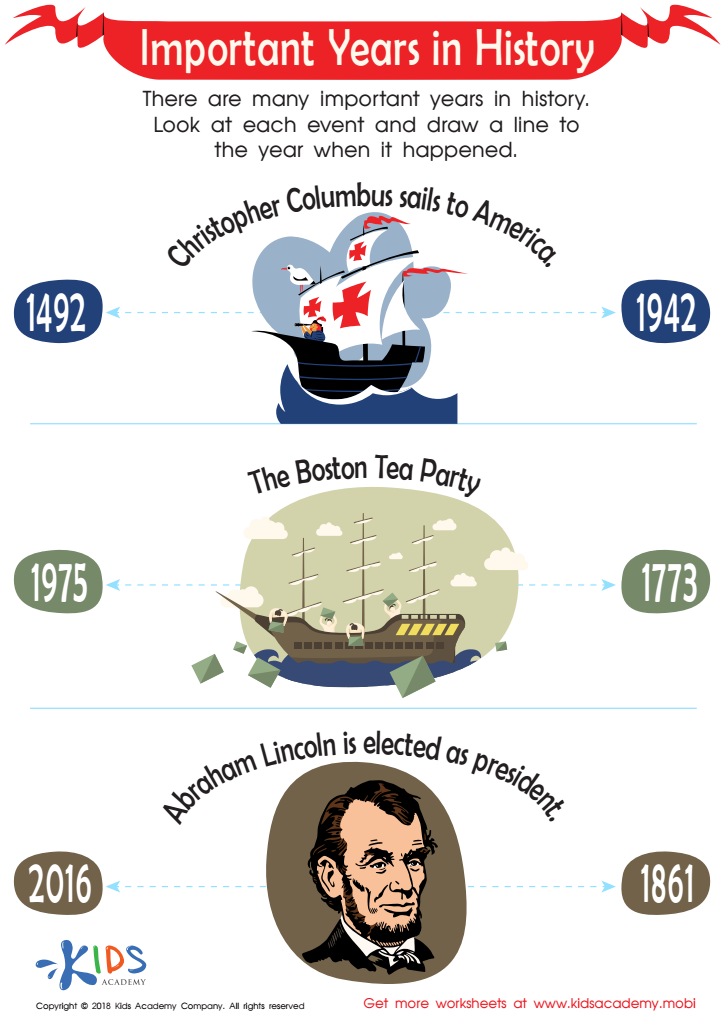
Important Years in History Worksheet
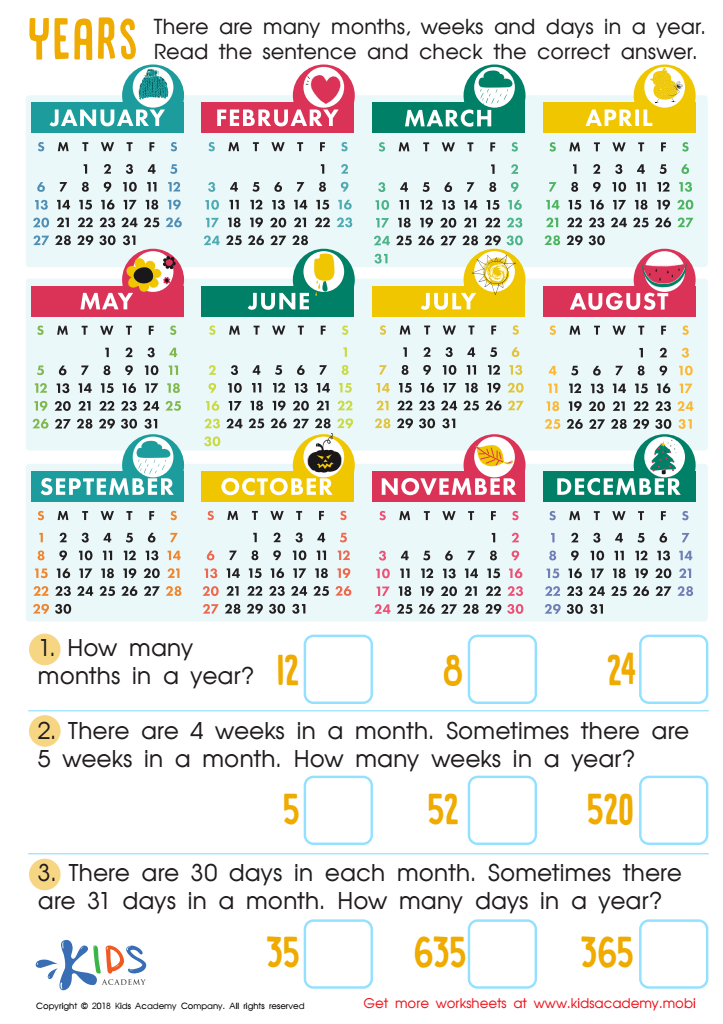
Years Worksheet


.jpg)





Teaching history to children aged 5-8 is crucial as it lays the foundation for their understanding of the world, cultures, and values. Early exposure to history helps children develop critical thinking and narrative skills. When they learn about the past, they can better understand how societies evolve, and this fosters empathy and respect for diverse cultures.
Moreover, history encourages curiosity and questioning, which are essential for cognitive development. Young children are naturally inquisitive; introducing them to historical stories and figures can ignite their imagination and inspire them to explore further. Learning about the past provides context for their present lives, helping them understand their own families and communities.
Additionally, teaching history can enhance literacy skills as children engage with various texts and storytelling. Discussions around historical events, figures, and experiences also promote dialogue and social skills.
Ultimately, when parents or teachers emphasize the importance of history, they are not only instilling knowledge but also nurturing informed, empathetic citizens who appreciate the complexities of the world. This understanding will serve them throughout their lives, fostering a sense of responsibility towards making a positive impact in the future.








