Addition Worksheets for Ages 5-9 - Page 3
143 filtered results
-
From - To
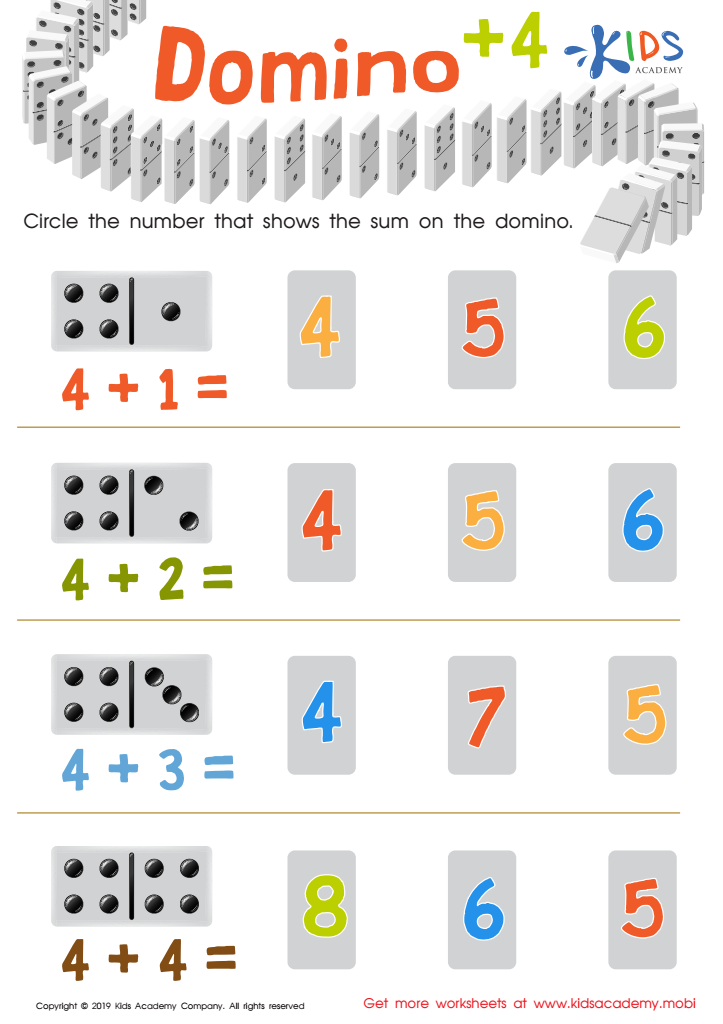
Domino +4 Worksheet
 Assign to My Students
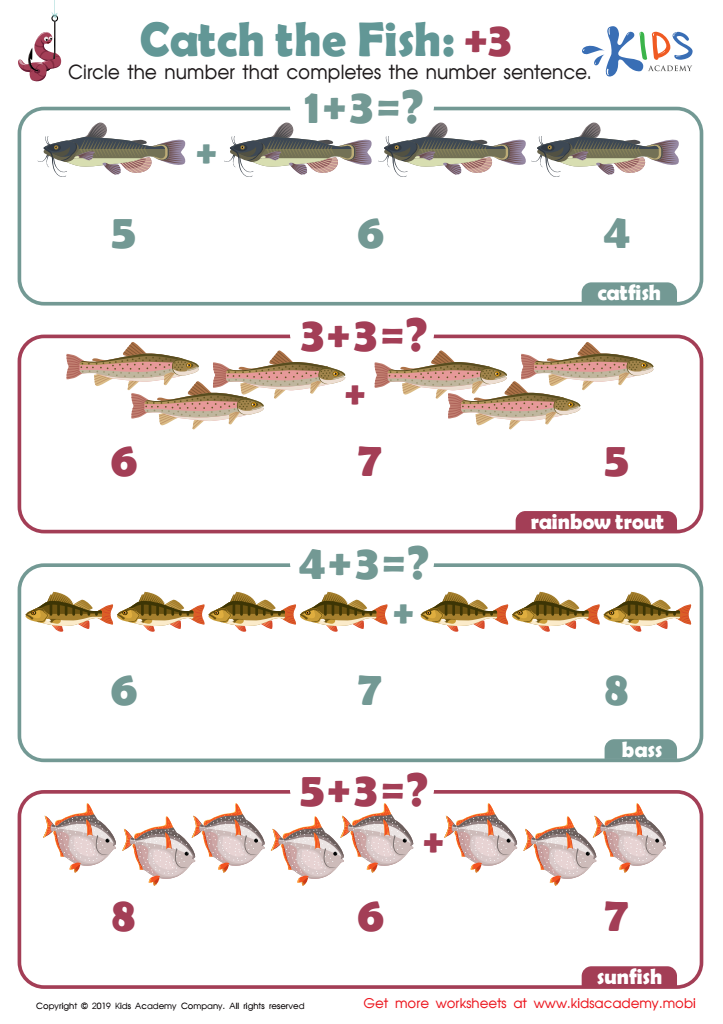
Catch the Fish: +3 Worksheet
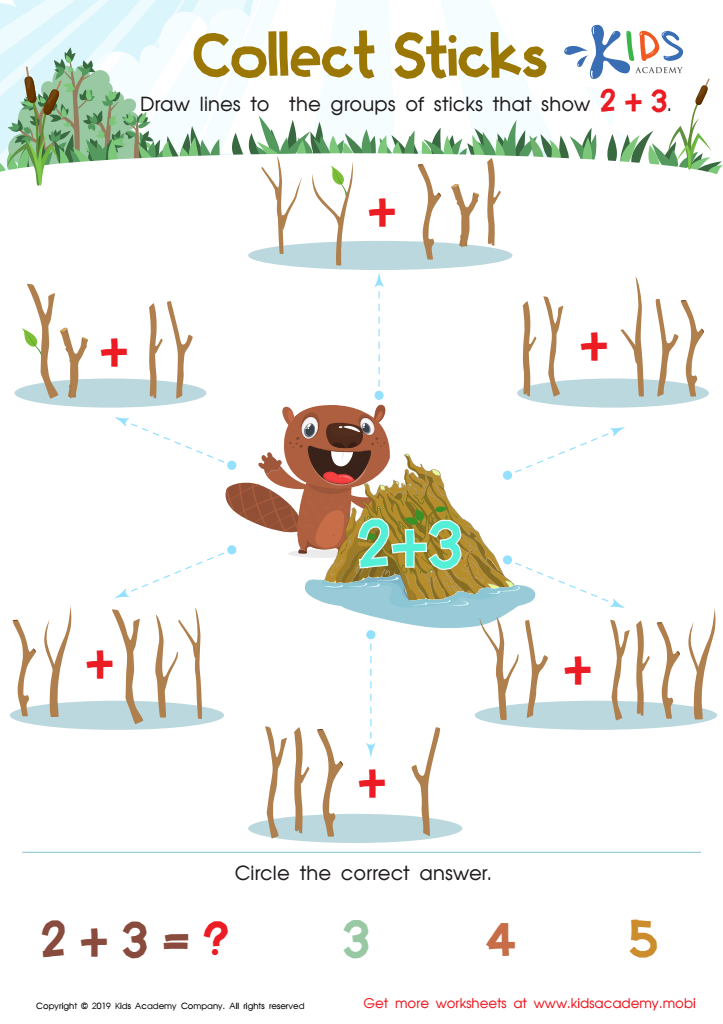
Collect Sticks Worksheet
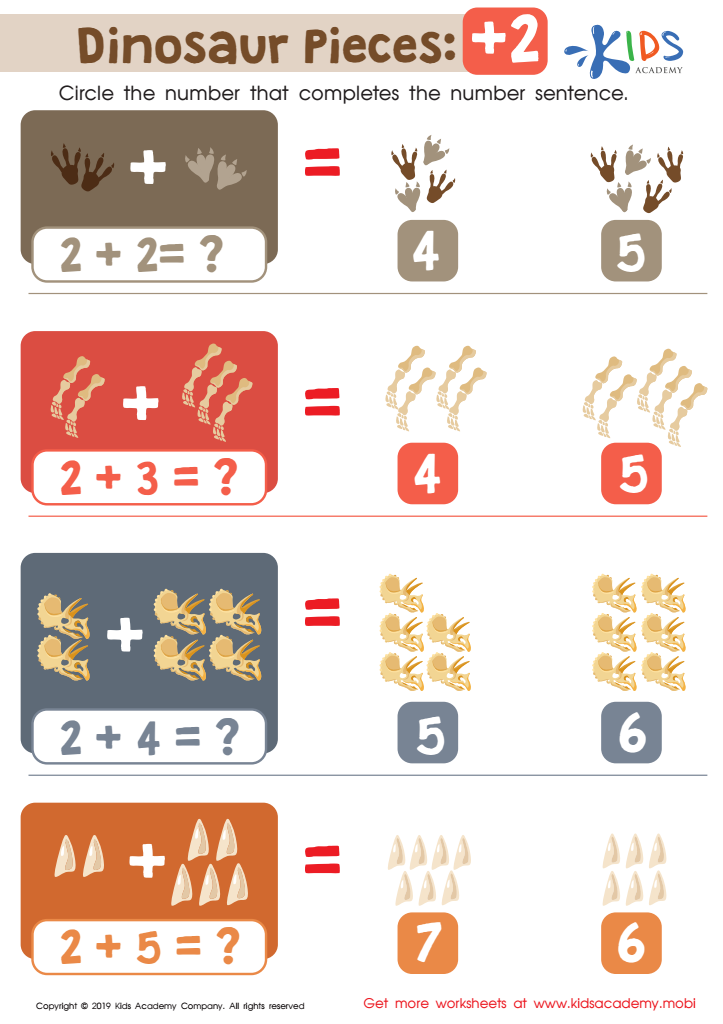
Dinosaur Pieces: +2 Worksheet
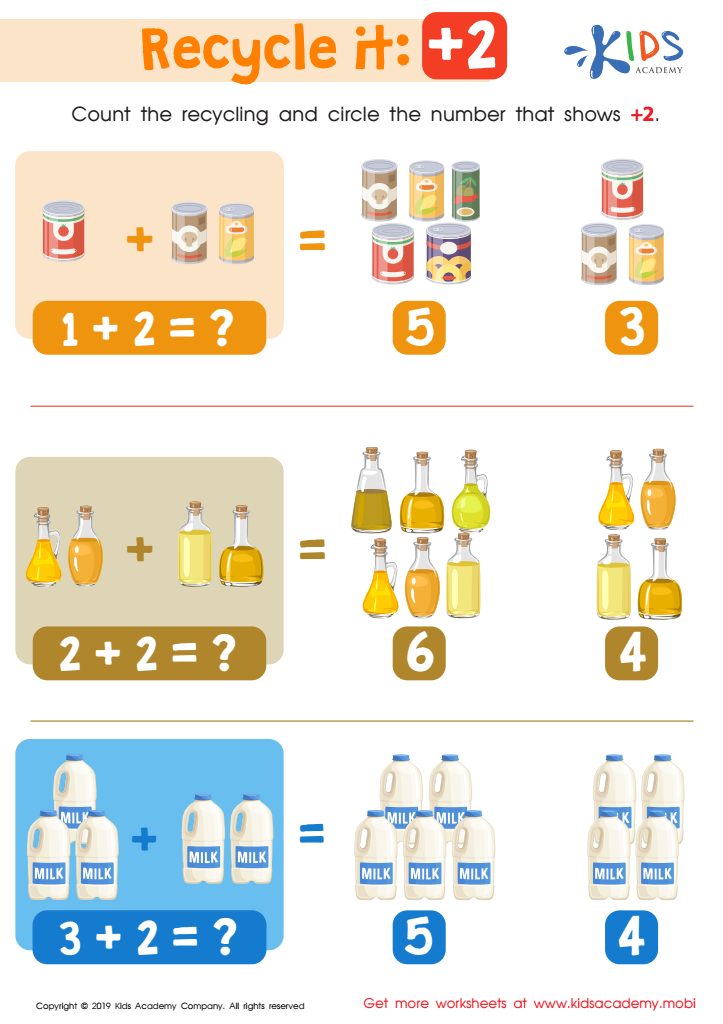
Recycle It: +2 Worksheet
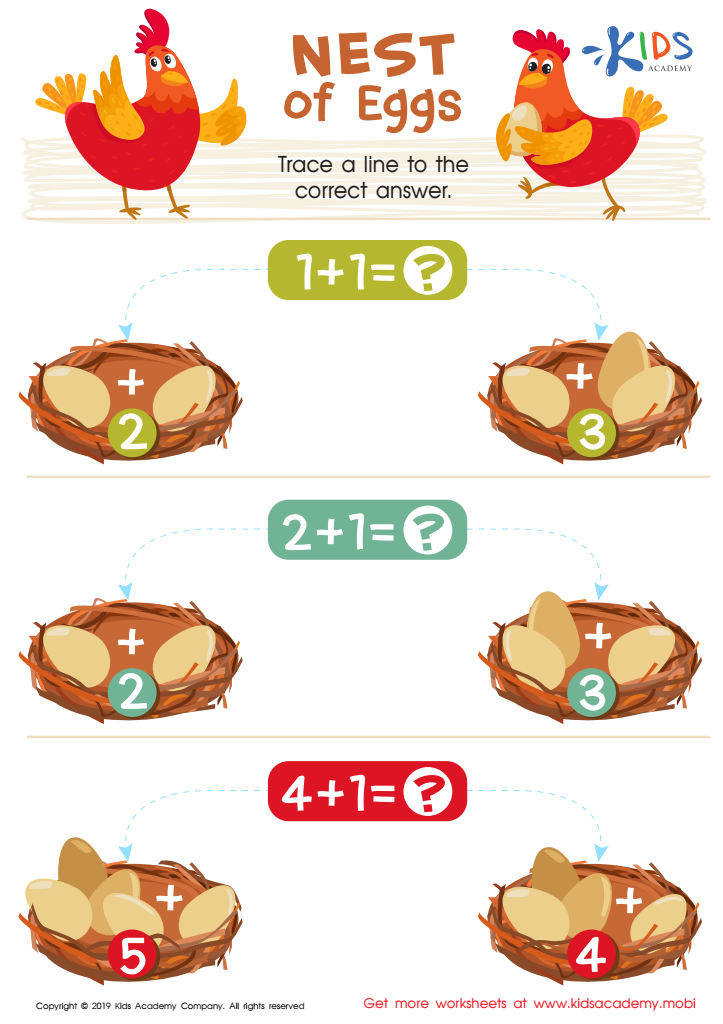
Nest of Eggs Worksheet
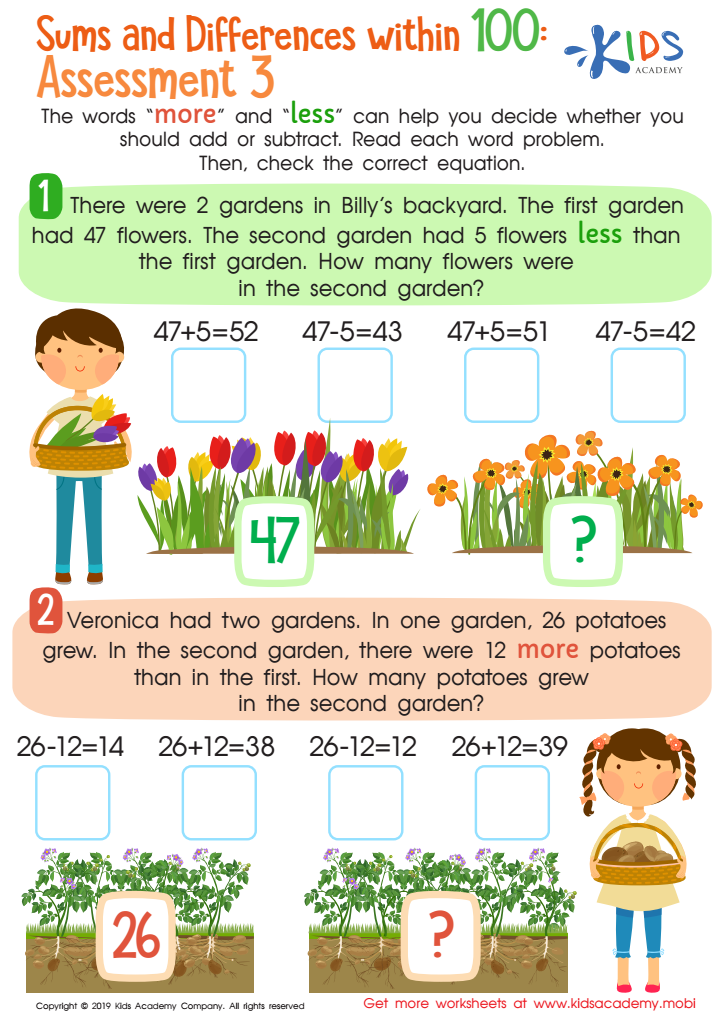
Sums and Differences Within 1 - Assessment 3 Worksheet
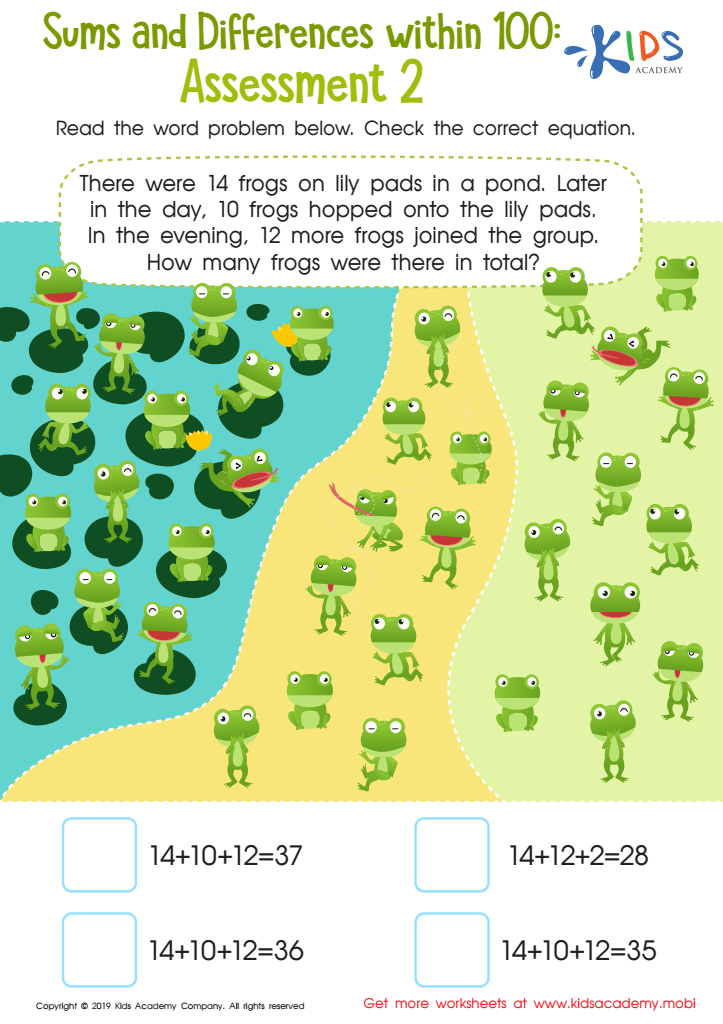
Sums and Differences Within 1 - Assessment 2 Worksheet
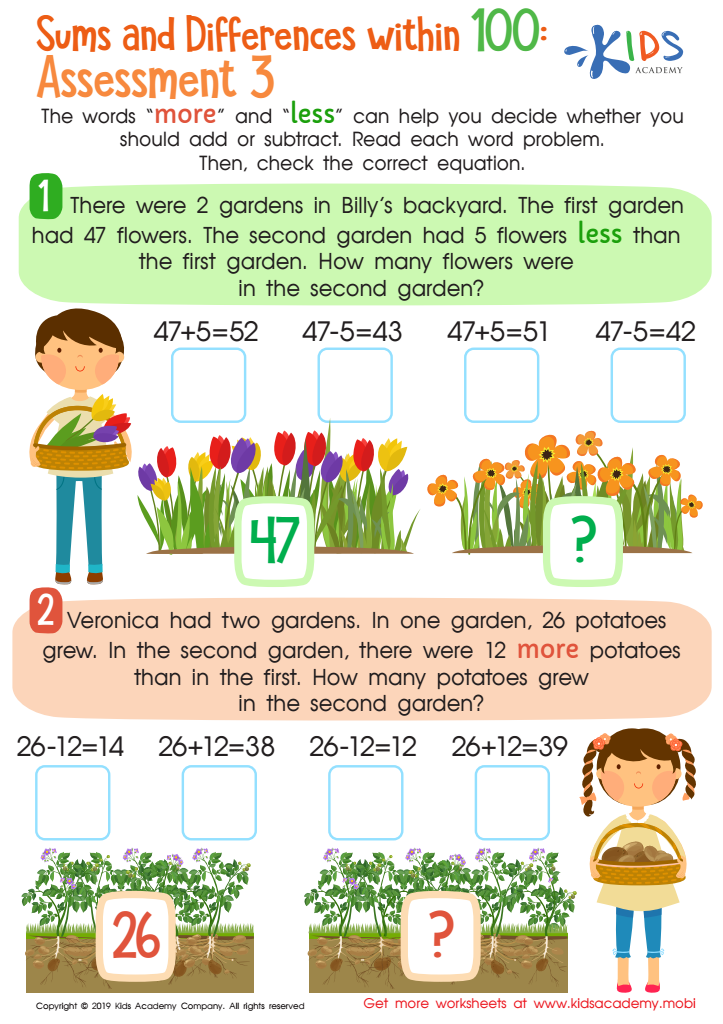
Sums and Differences Within 1 - Assessment 1 Worksheet
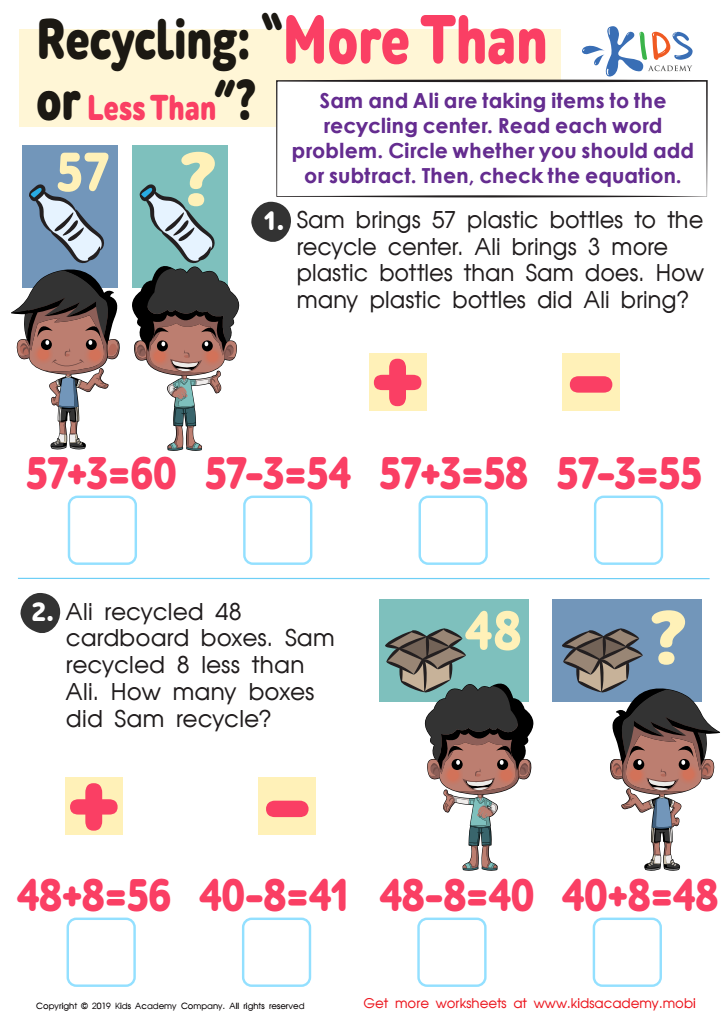
Recycling - More or Less Worksheet
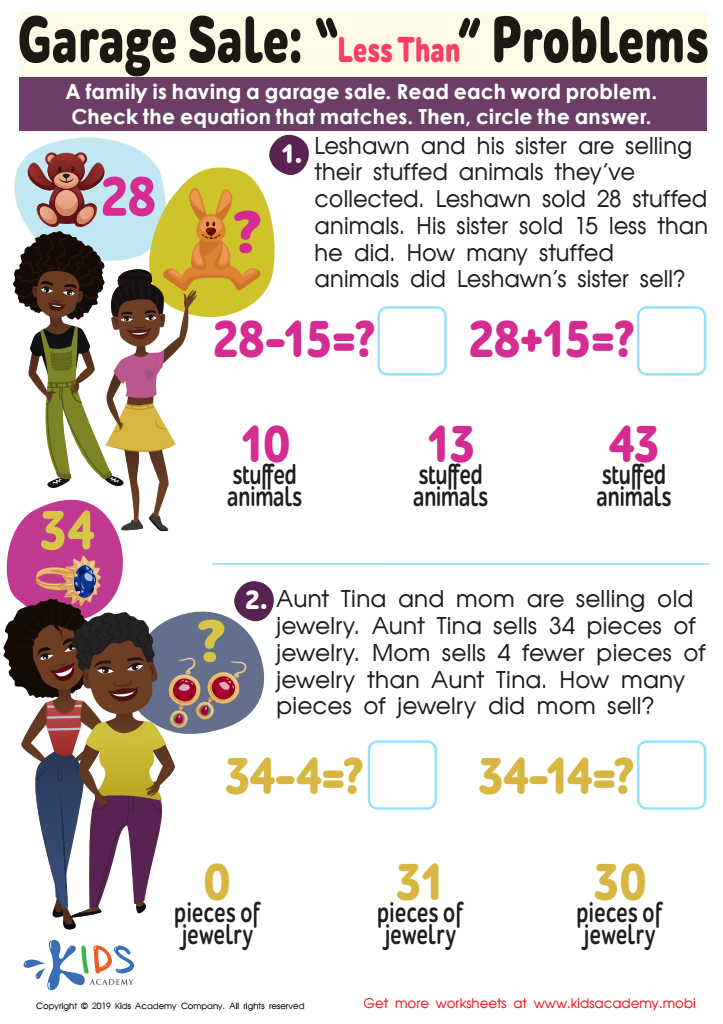
Garage Sale Less Than Worksheet
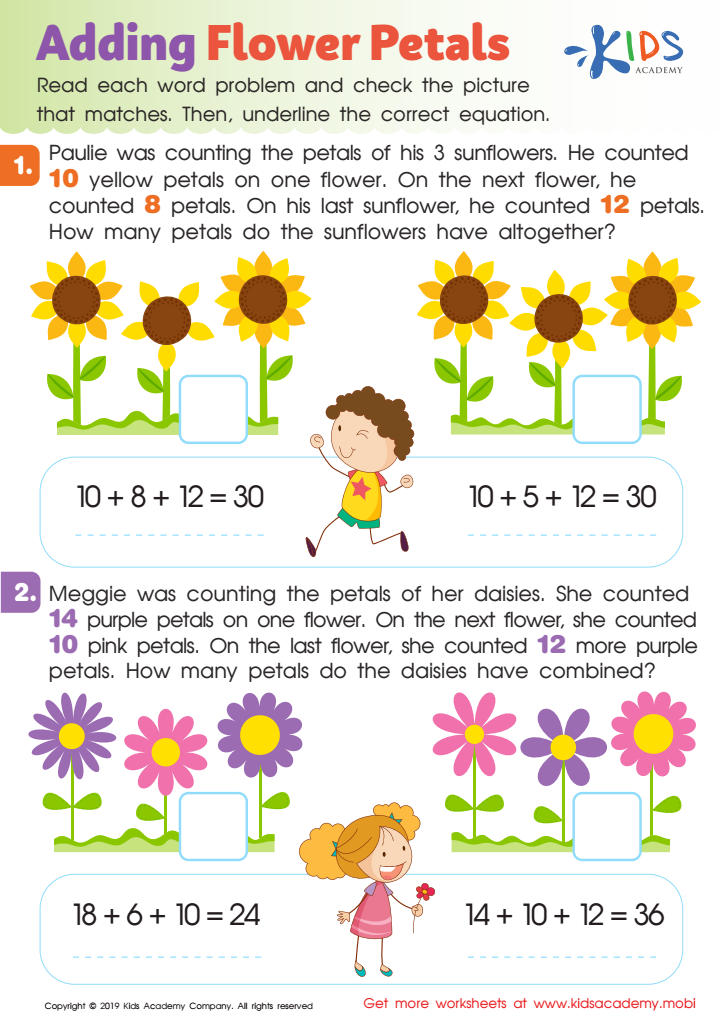
Adding Flower Petals Worksheet
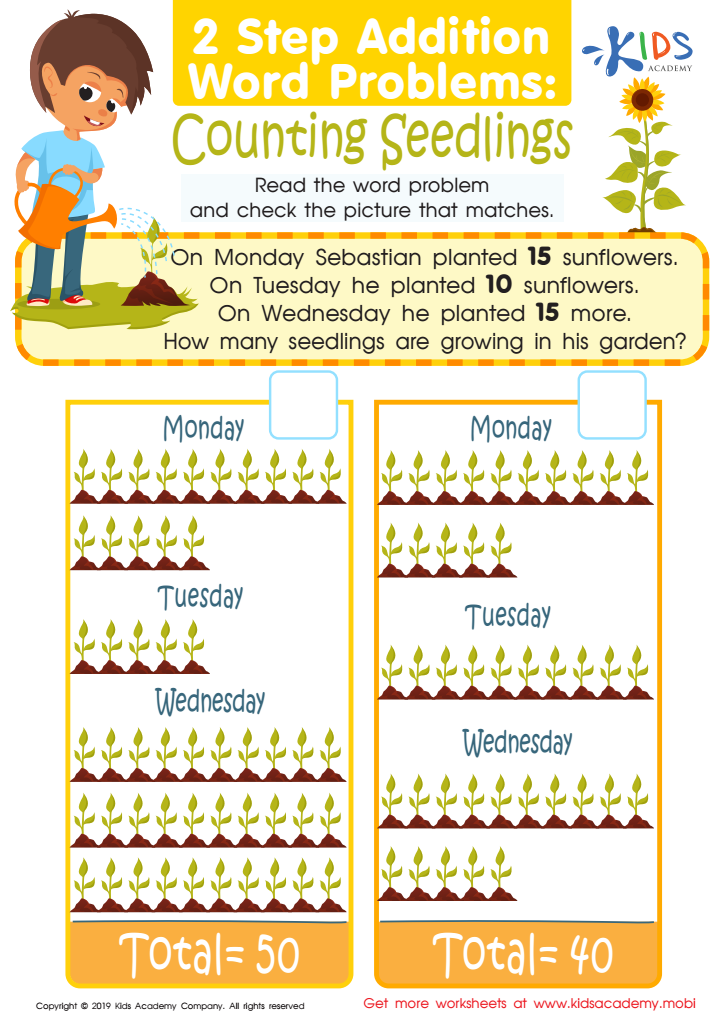
Counting Seedlings Worksheet
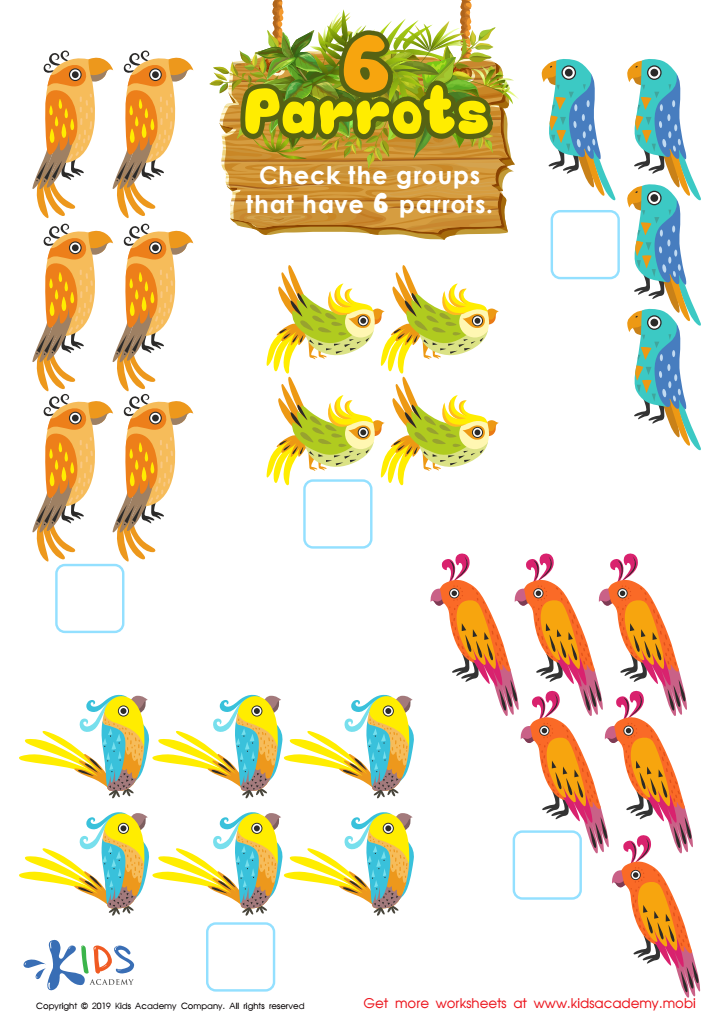
6 Parrots Worksheet
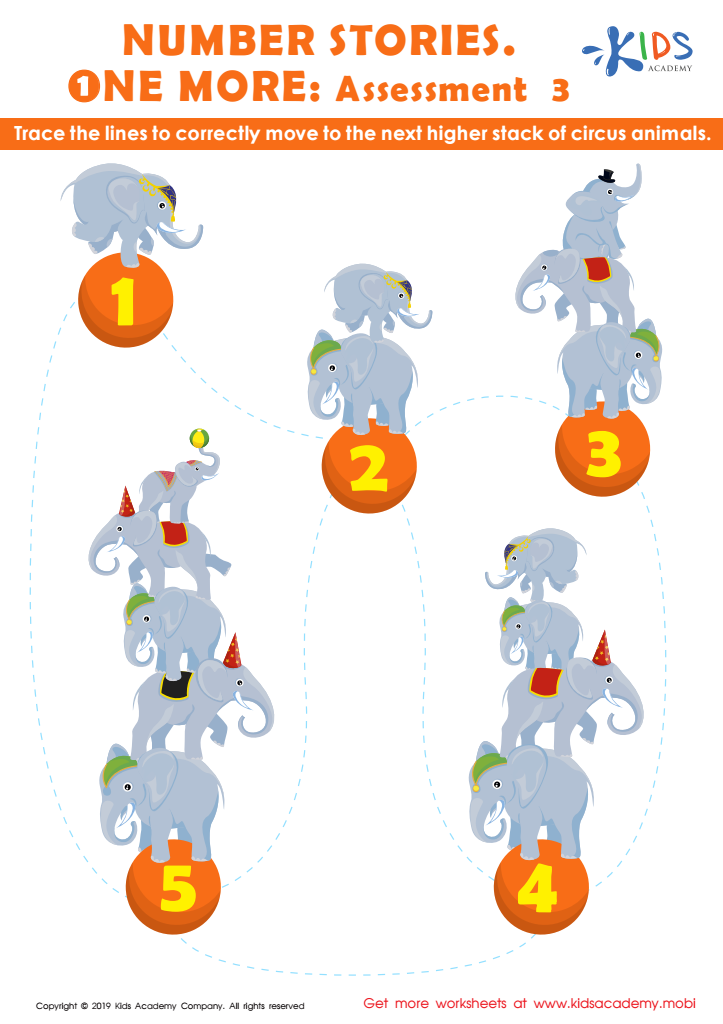
Number Stories One More: Assessment 3 Worksheet
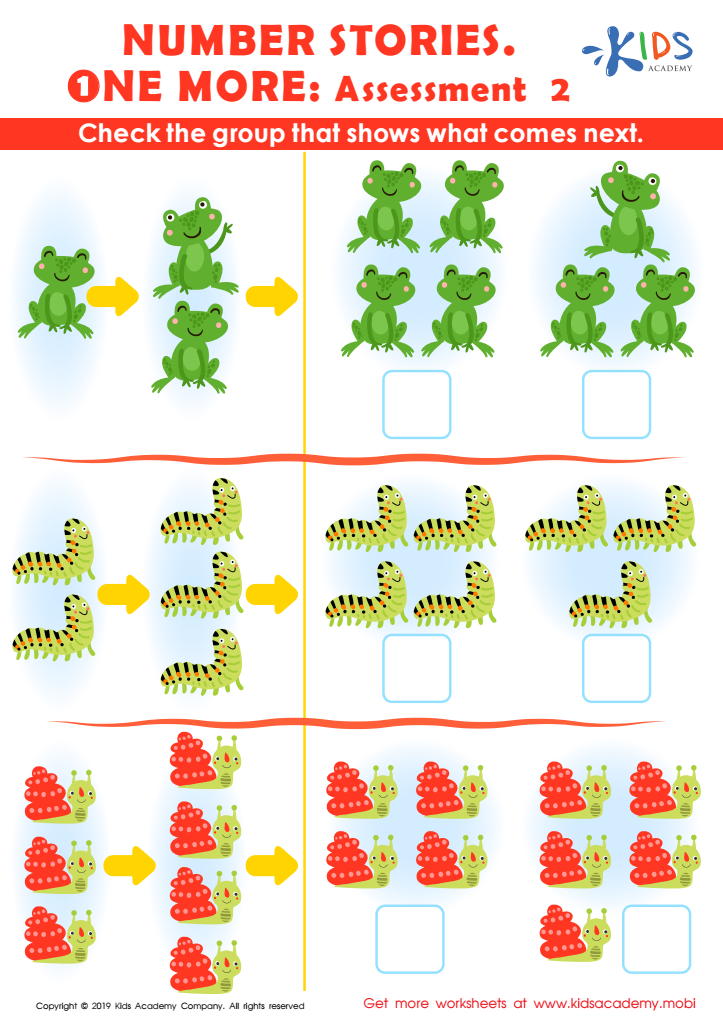
Number Stories One More – Assessment 2 Worksheet
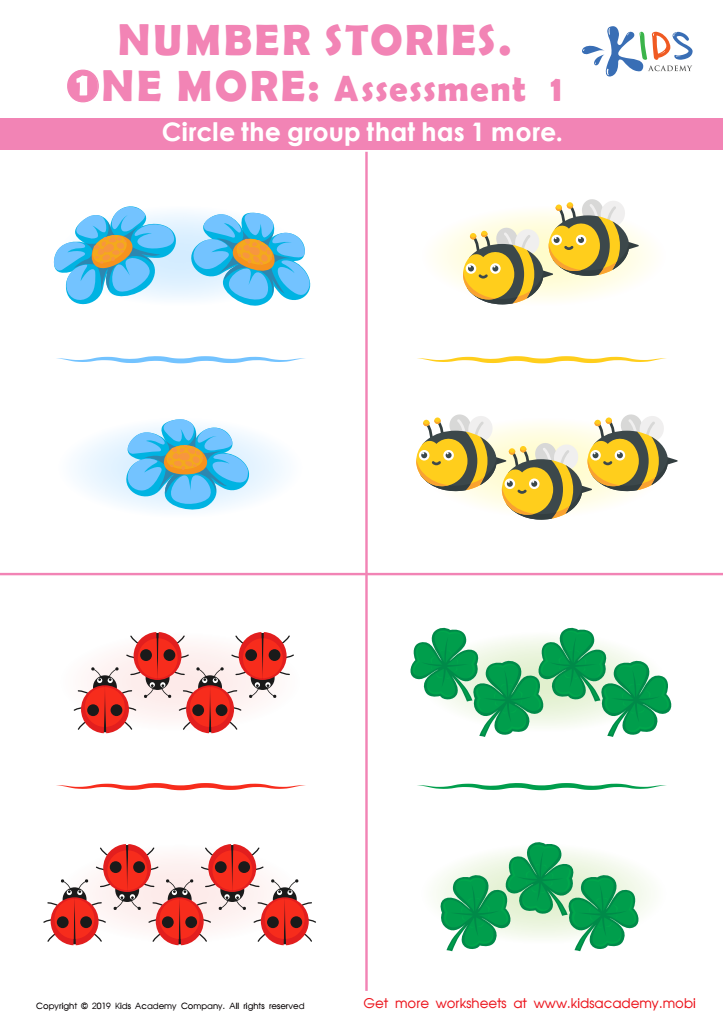
Number Stories One More – Assessment 1 Worksheet
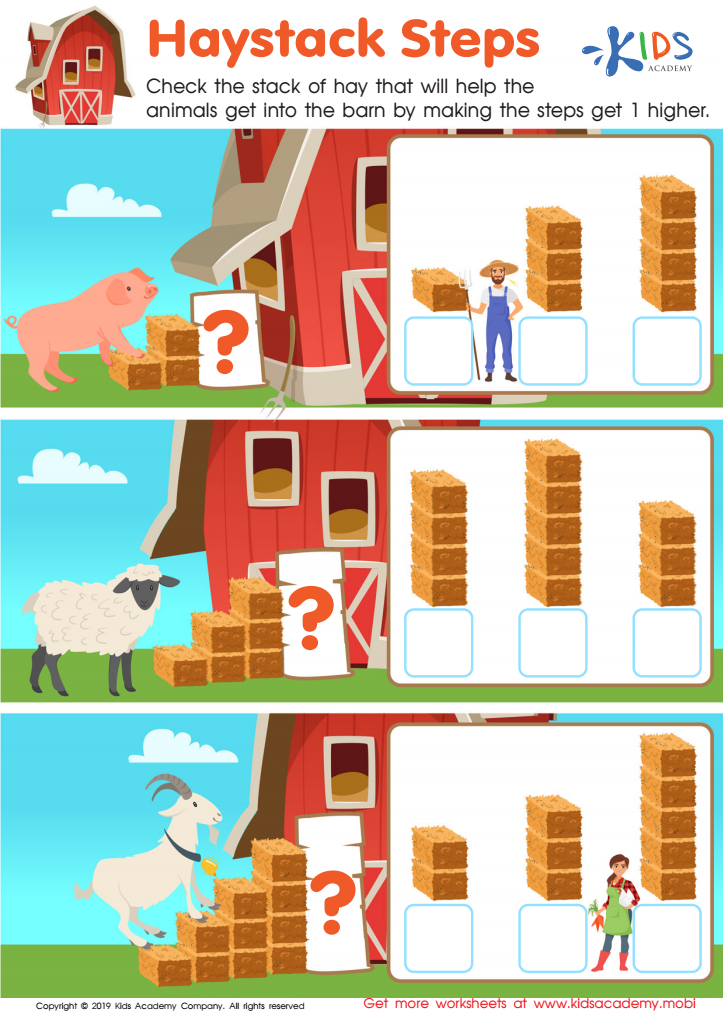
Haystack Steps Worksheet
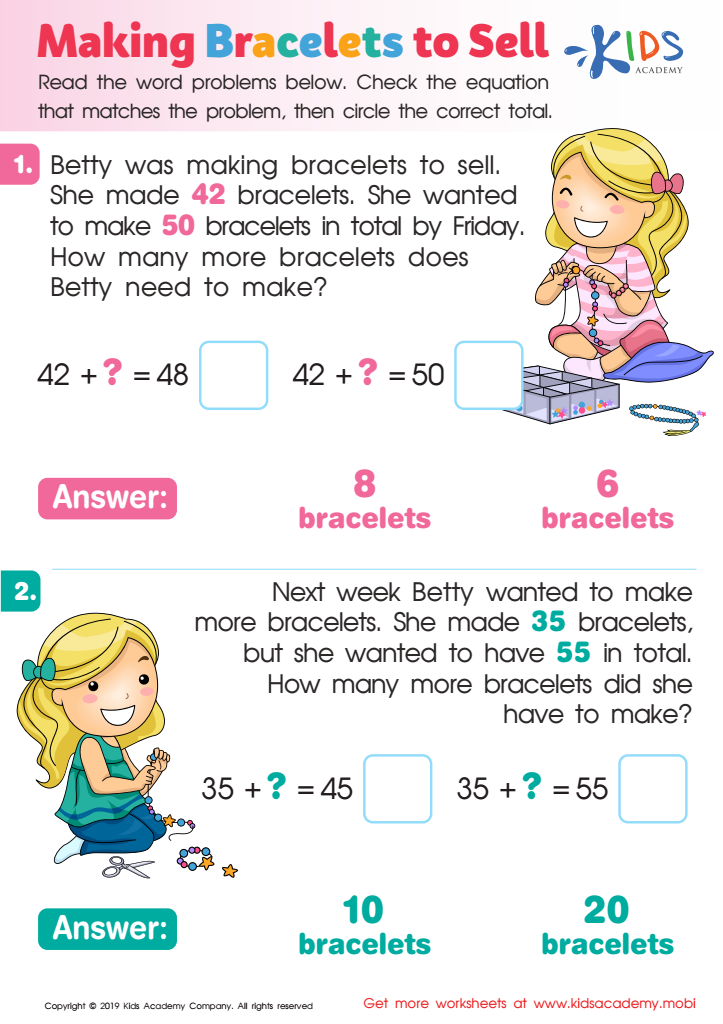
Making Bracelets to Sell Worksheet
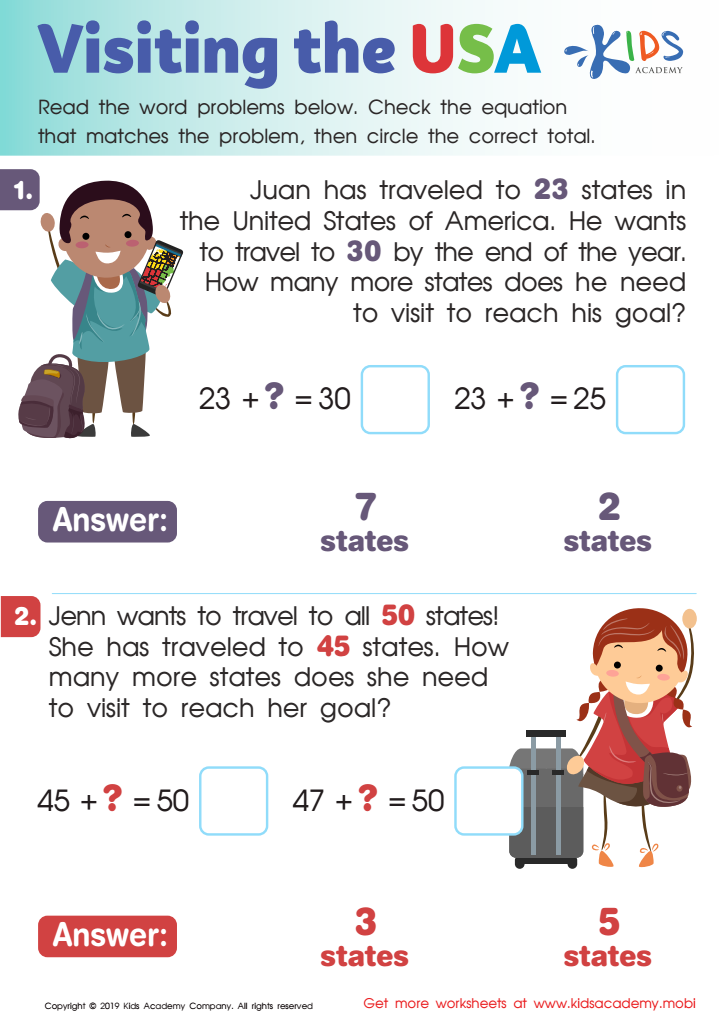
Visiting the USA Worksheet
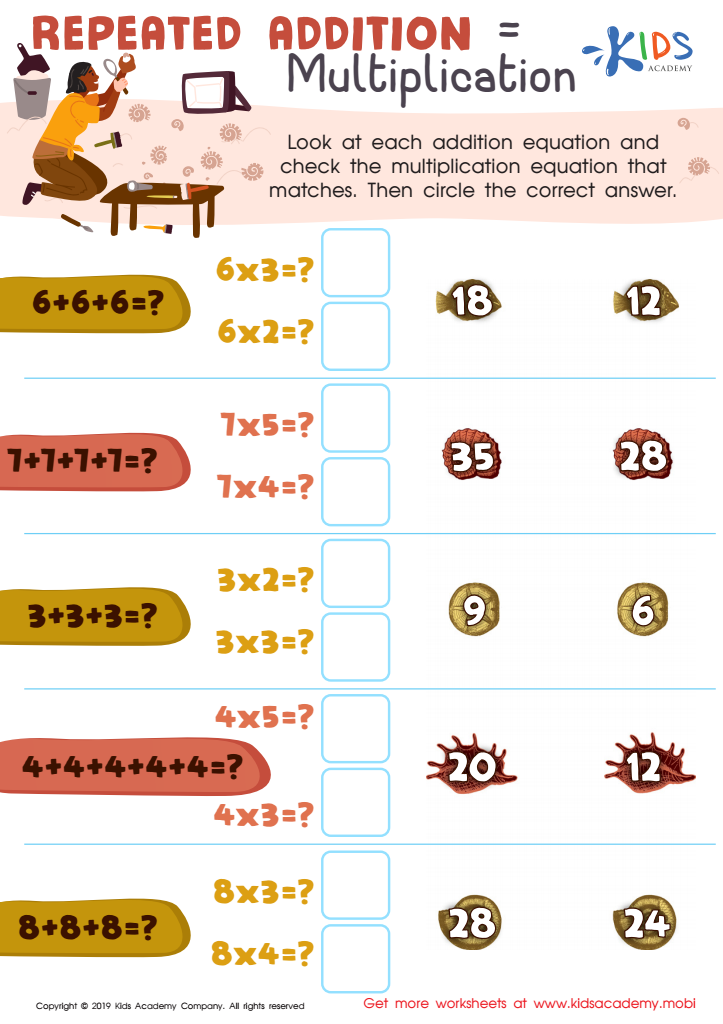
Repeated Addition = Multiplication Worksheet
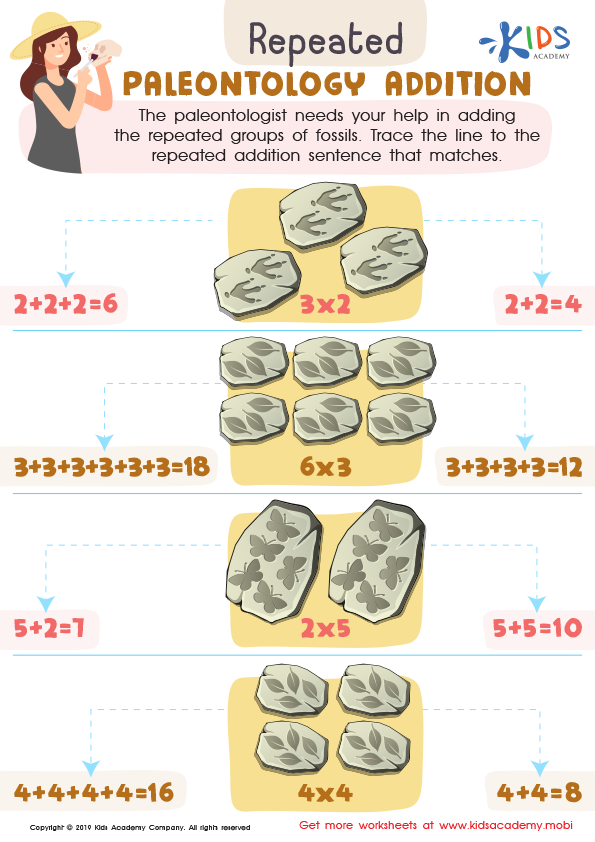
Repeated Archaeology Addition Worksheet
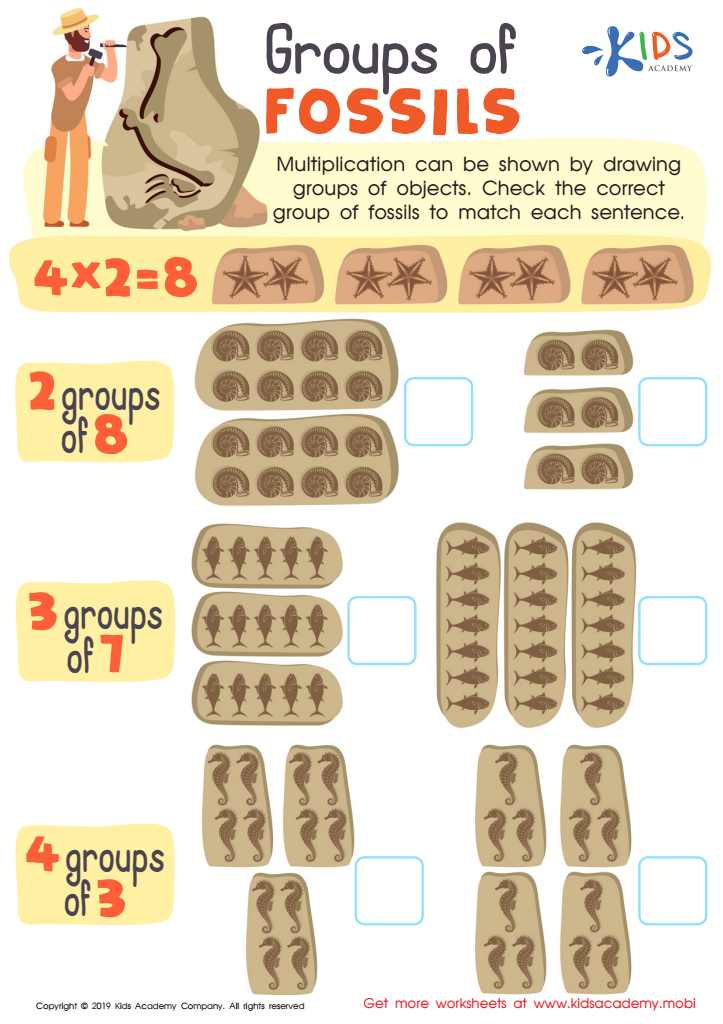
Groups of Fossils Worksheet
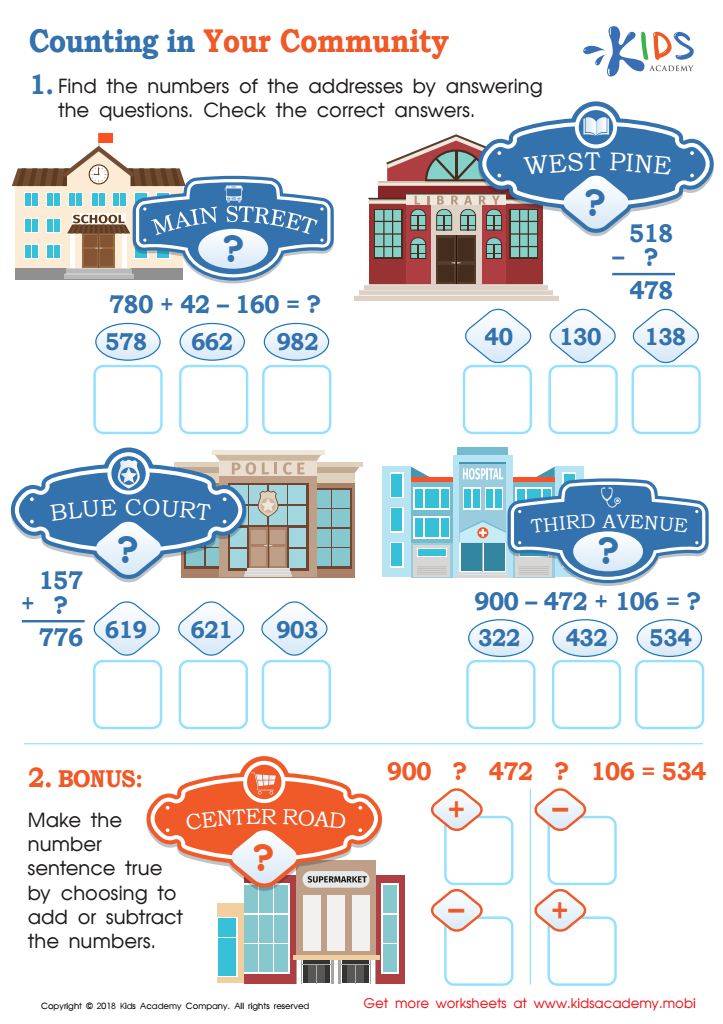
Counting in Your Community Worksheet








Teaching addition to children ages 5-9 is crucial as it forms the foundation for all future mathematical learning and boosts overall cognitive development. At this early stage, young minds are highly receptive and can easily grasp fundamental concepts that will serve as the building blocks for more complex mathematical operations. When children learn addition, they begin to understand the idea of combining quantities, which introduces them to the broader concept of numerical relationships.
Developing proficiency in addition enhances problem-solving skills and logical thinking. It also nurtures critical skills such as memory and attention to detail. These skills are not only beneficial for succeeding in mathematics but extend to other academic subjects and real-life situations. For instance, understanding addition helps in everyday activities like counting money, measuring ingredients while cooking, or even organizing time efficiently.
For teachers and parents, facilitating a positive and engaging environment for learning addition can encourage a lifelong interest in mathematics. Incorporating games, visual aids, and interactive activities can make learning addition fun and less intimidating. By investing time and effort into teaching young children addition, adults can instill confidence and a sense of accomplishment in children, setting them up for future academic and personal success.








