Upper & Lowercase Letters Worksheets for Ages 6-8 - Page 2
49 filtered results
-
From - To

Find lowercase letters a b c Worksheet
 Assign to My Students

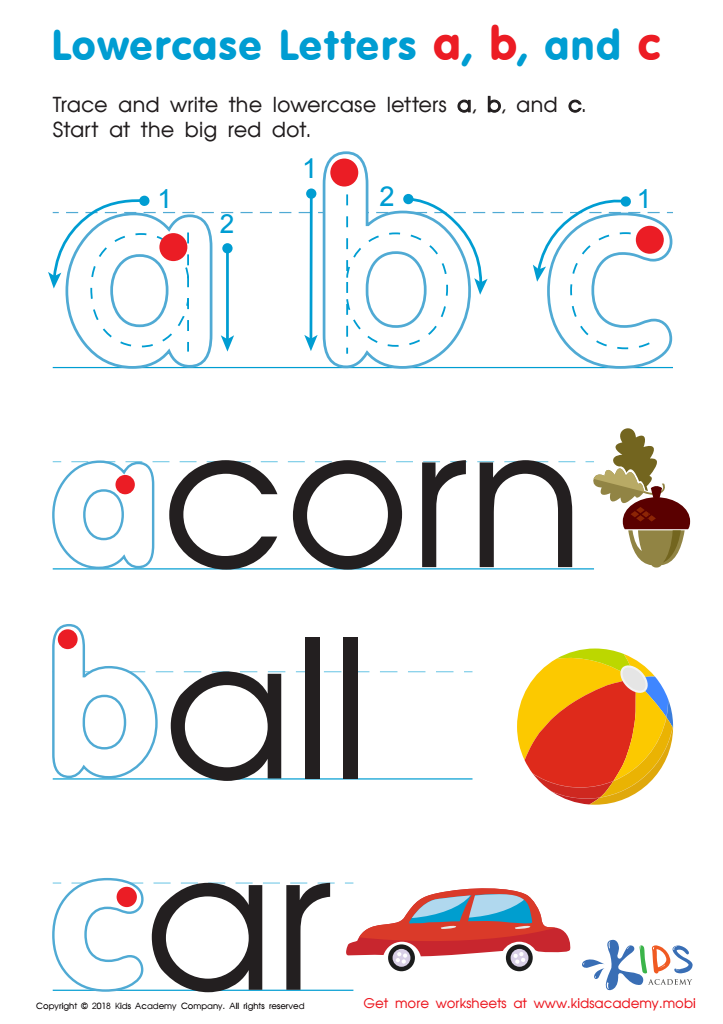
Lowercase Letters a b c Worksheet
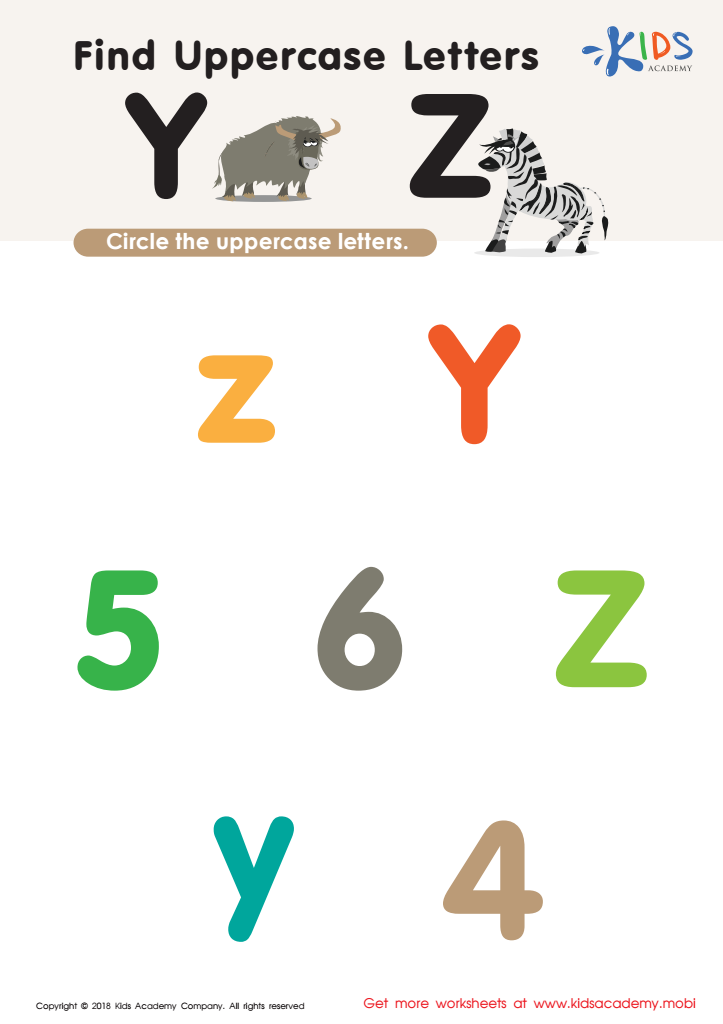
Find Uppercase Letters Y Z Worksheet
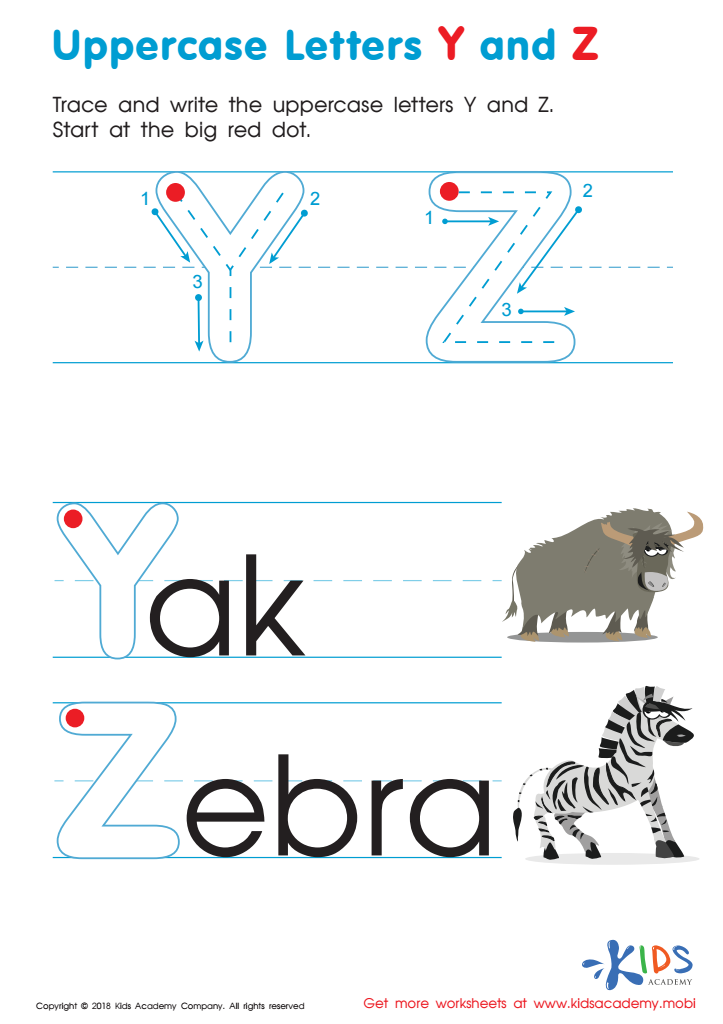
Uppercase Letters Y Z Worksheet
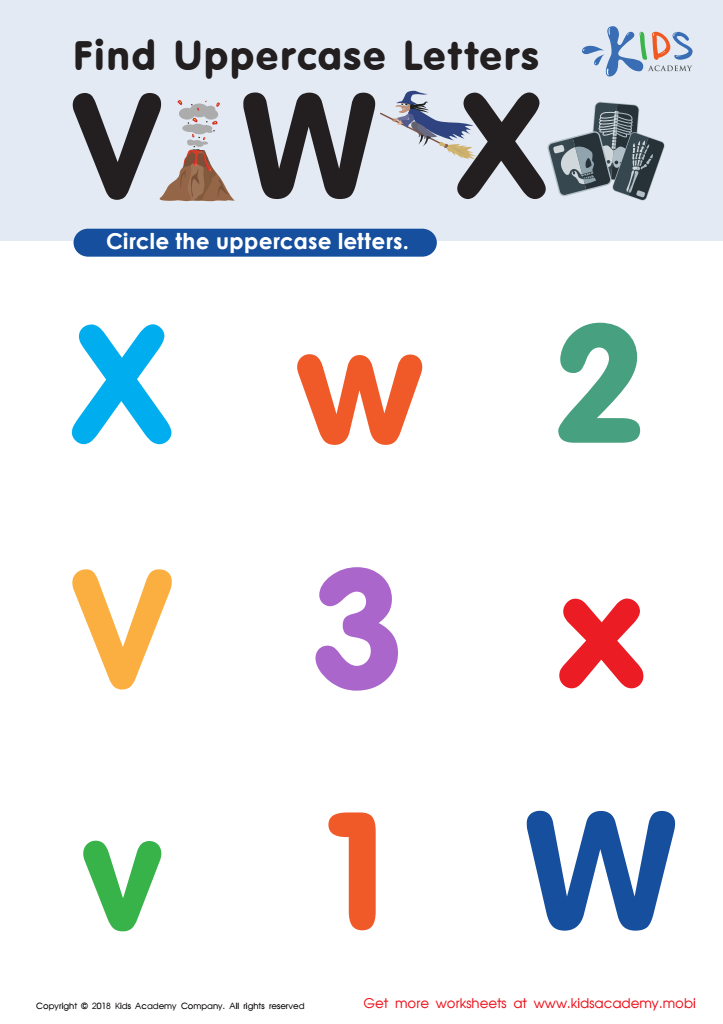
Find Uppercase Letters V, W, X Worksheet
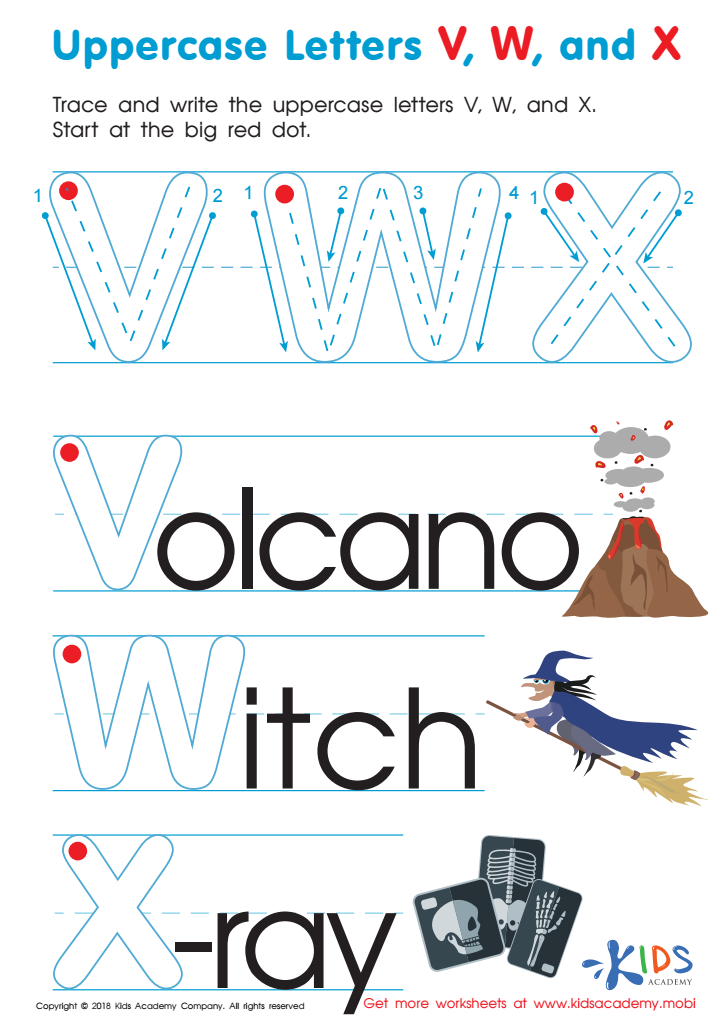
Uppercase Letters V, W, and X Worksheet
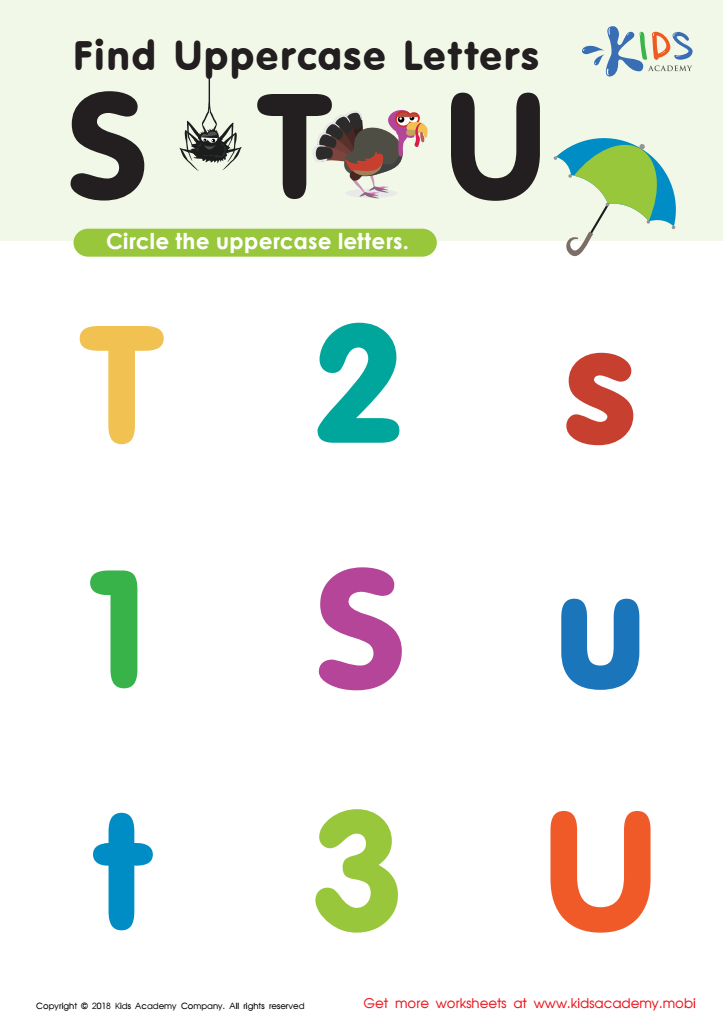
Find Uppercase Letters Worksheet
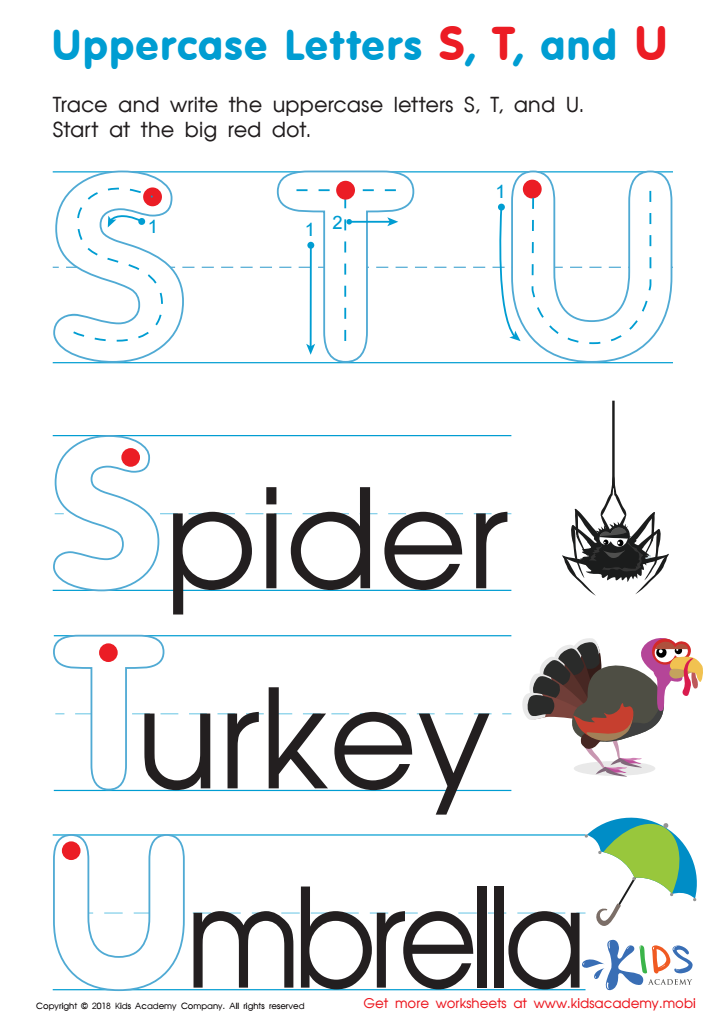
Uppercase Letters S, T, and U Worksheet
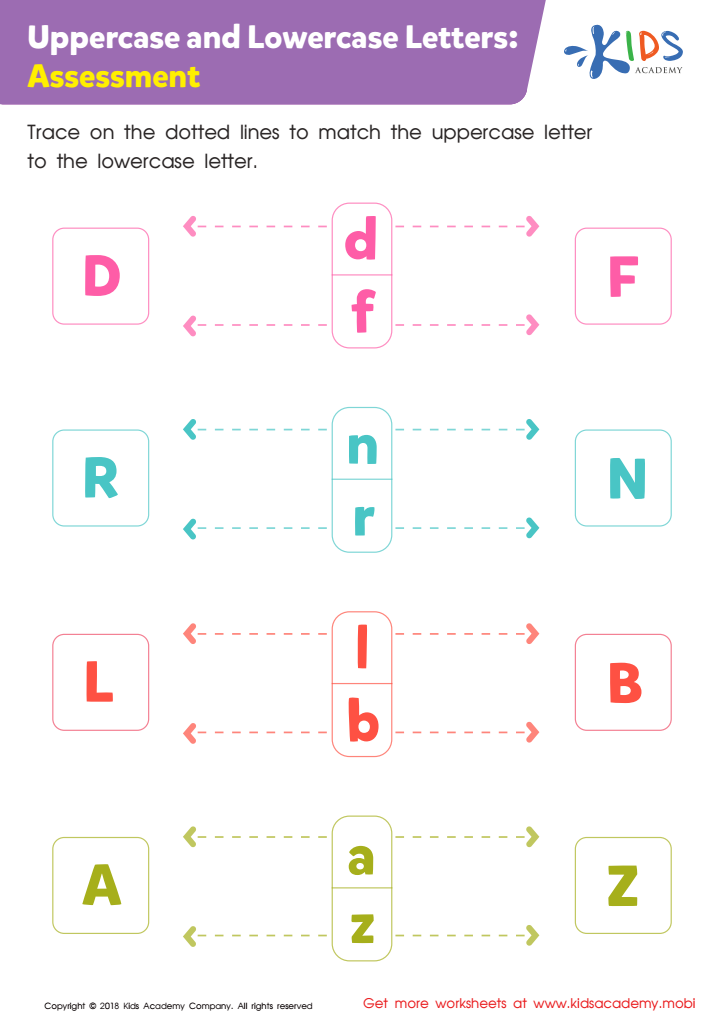
Uppercase and Lowercase Letters: Assessment Worksheet
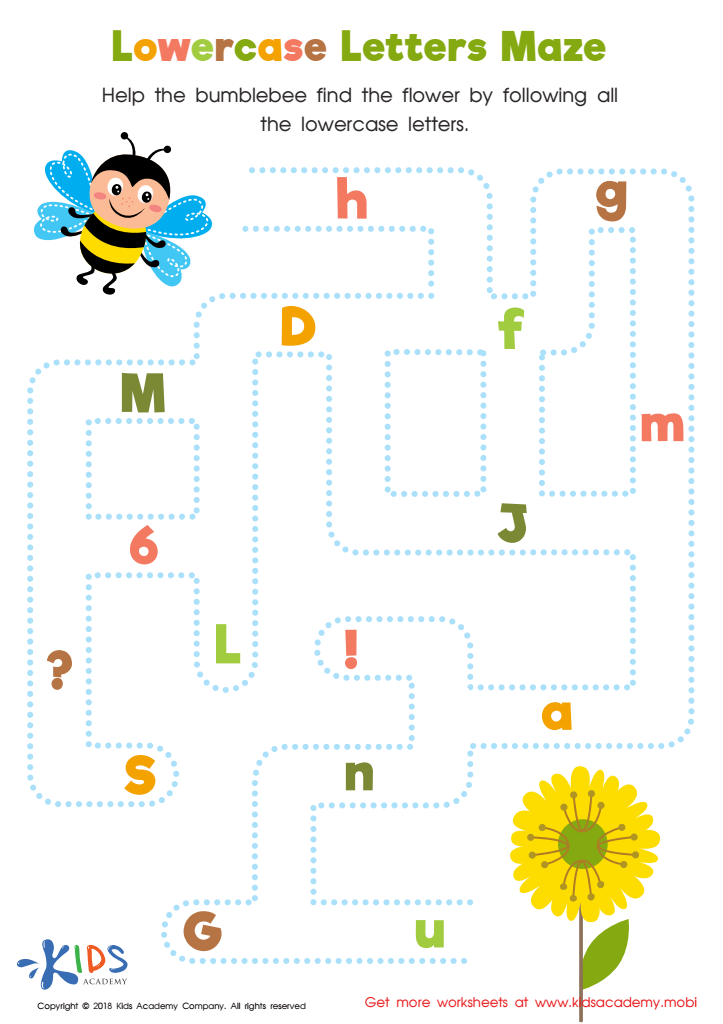
Lowercase Letters Maze Worksheet
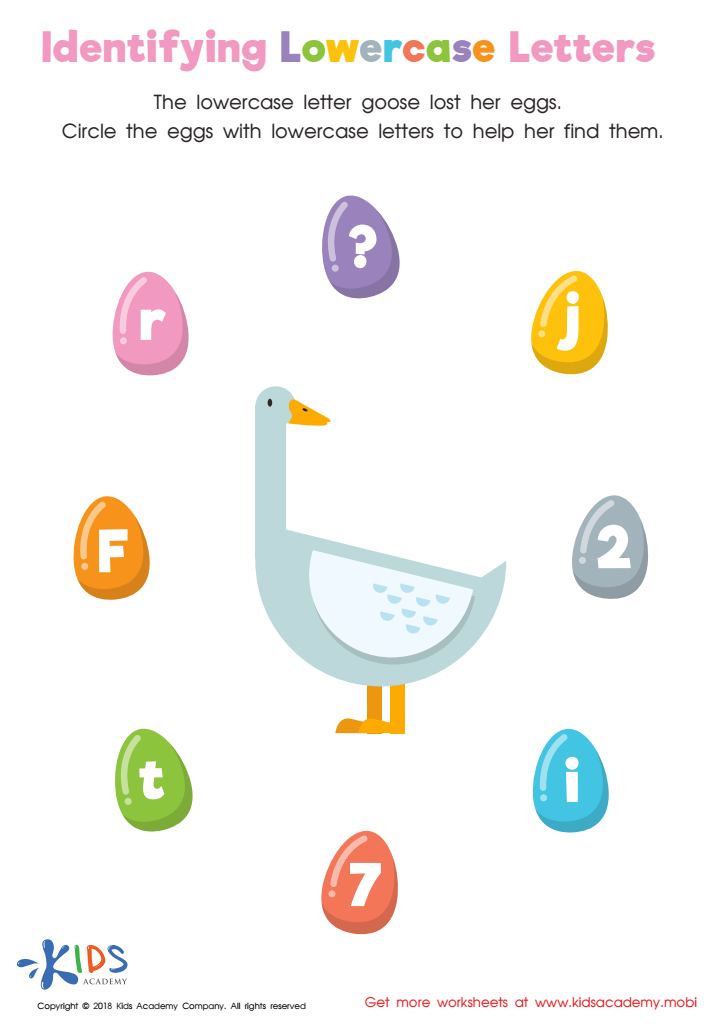
Identifying Lowercase Letters Worksheet
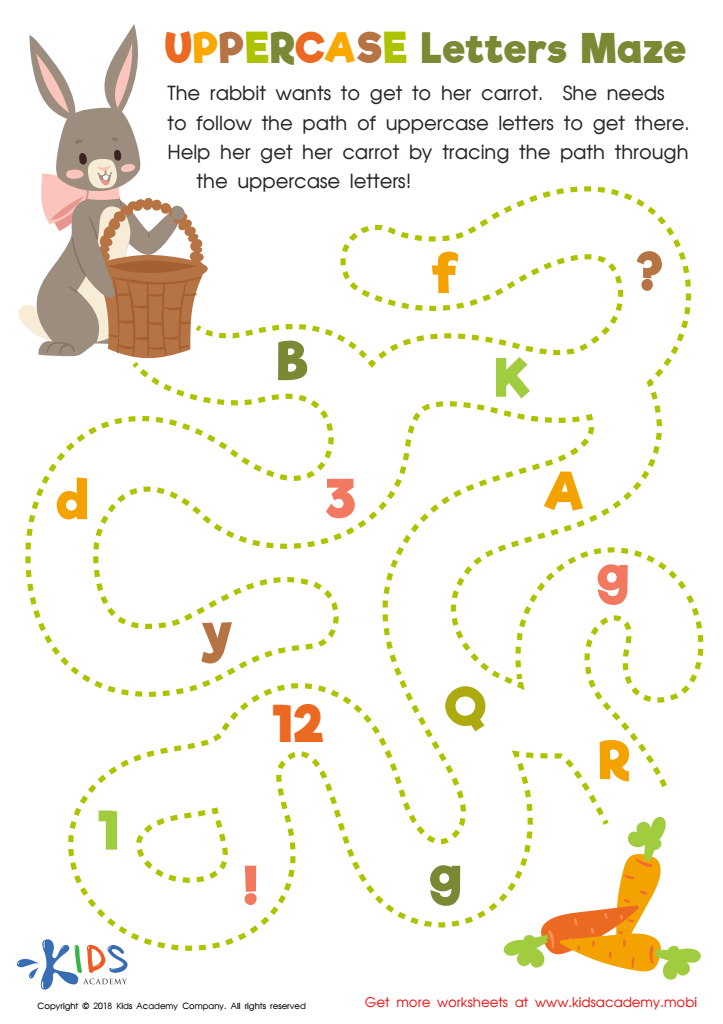
Uppercase Letters Maze Worksheet
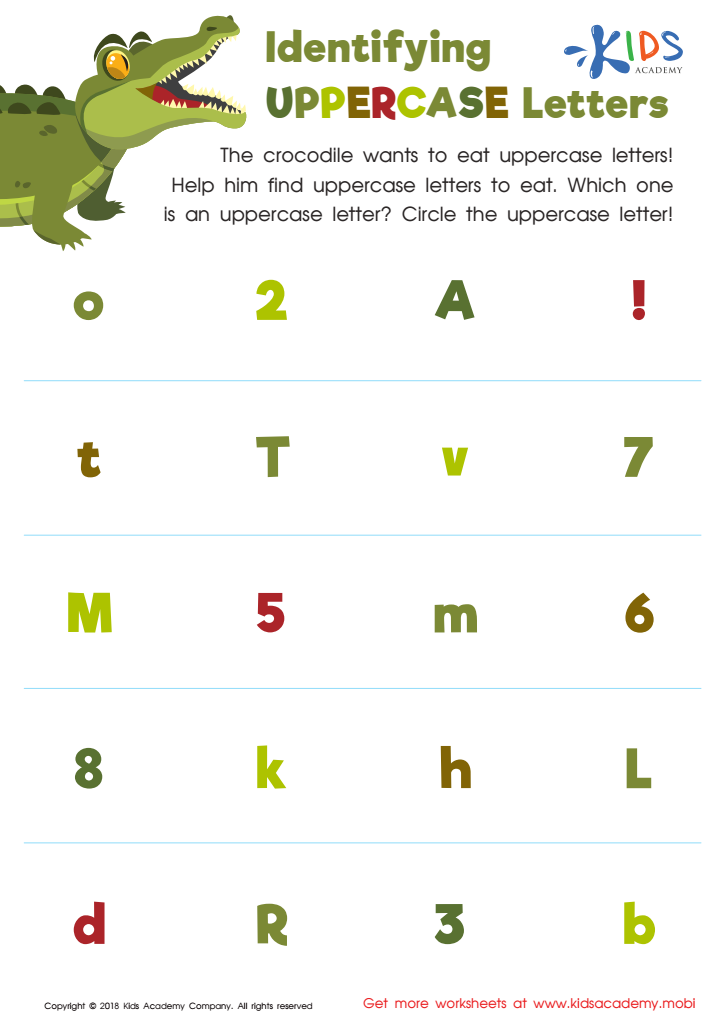
Identifying Uppercase Letters Worksheet
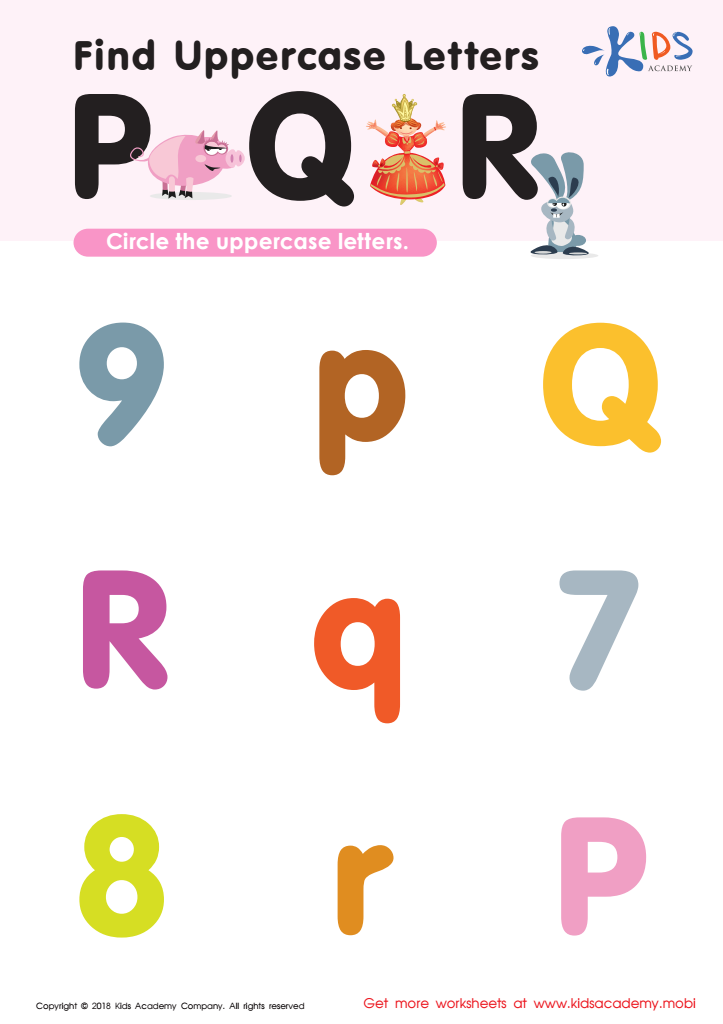
Find Uppercase Letters P, Q, and R Worksheet
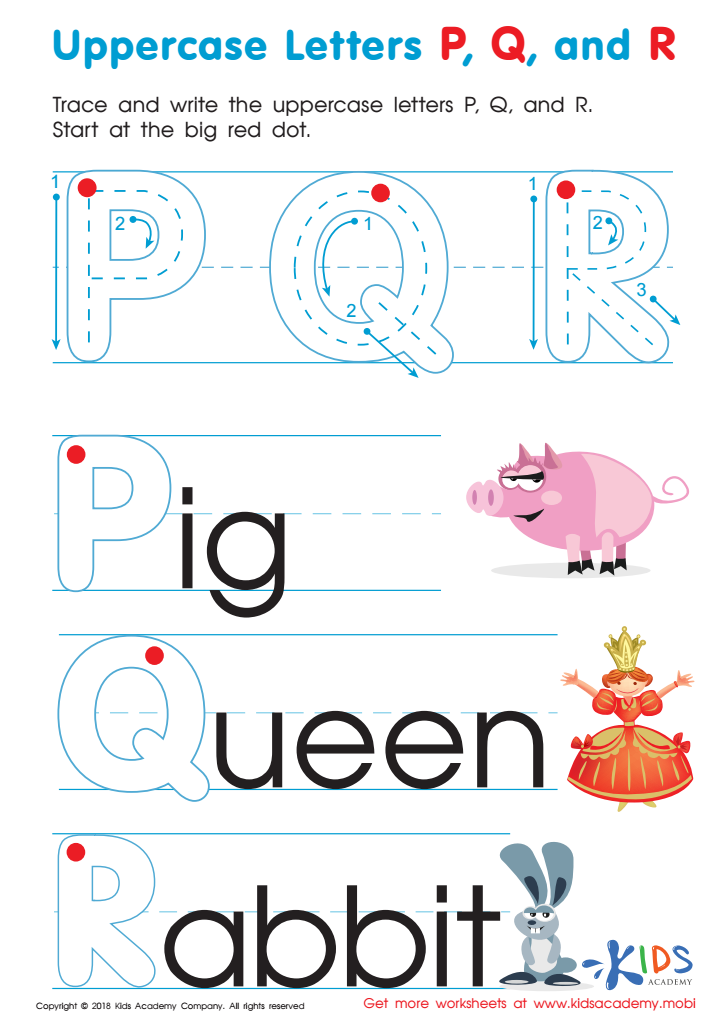
Uppercase Letters P, Q, and R Worksheet
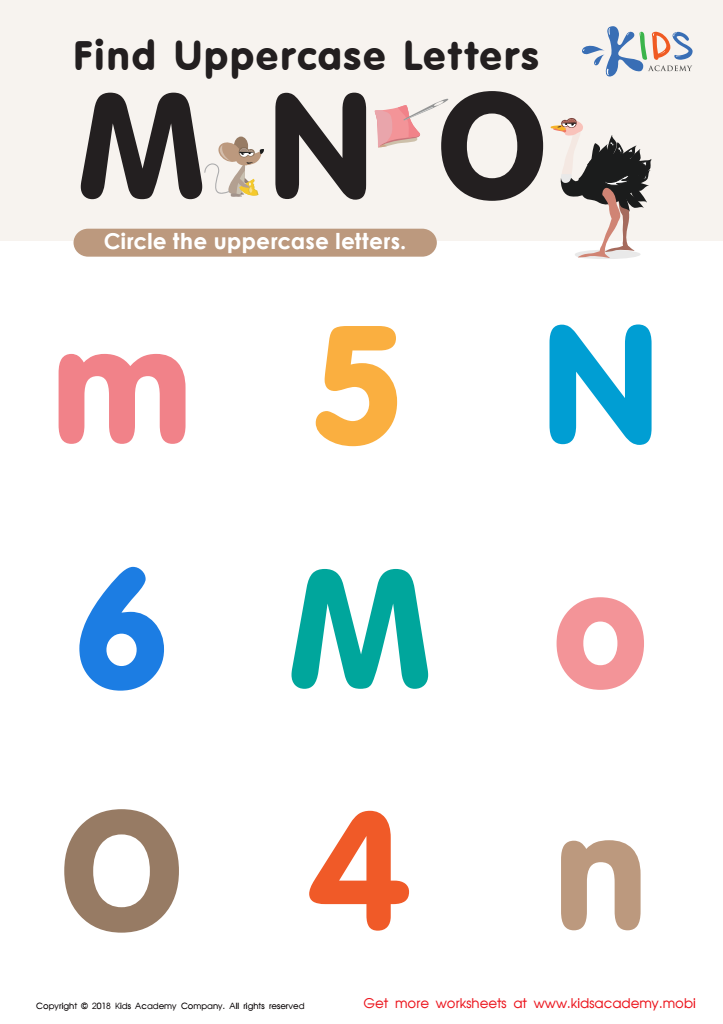
Find Uppercase Letters M, N, and O Worksheet
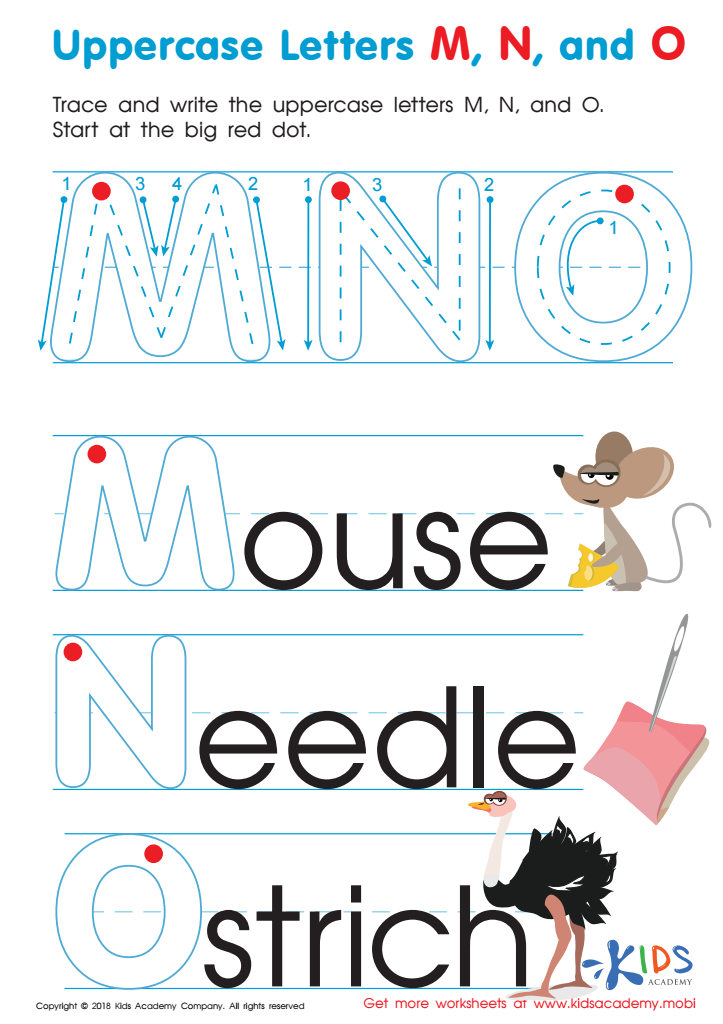
Uppercase Letters M, N, and O Worksheet
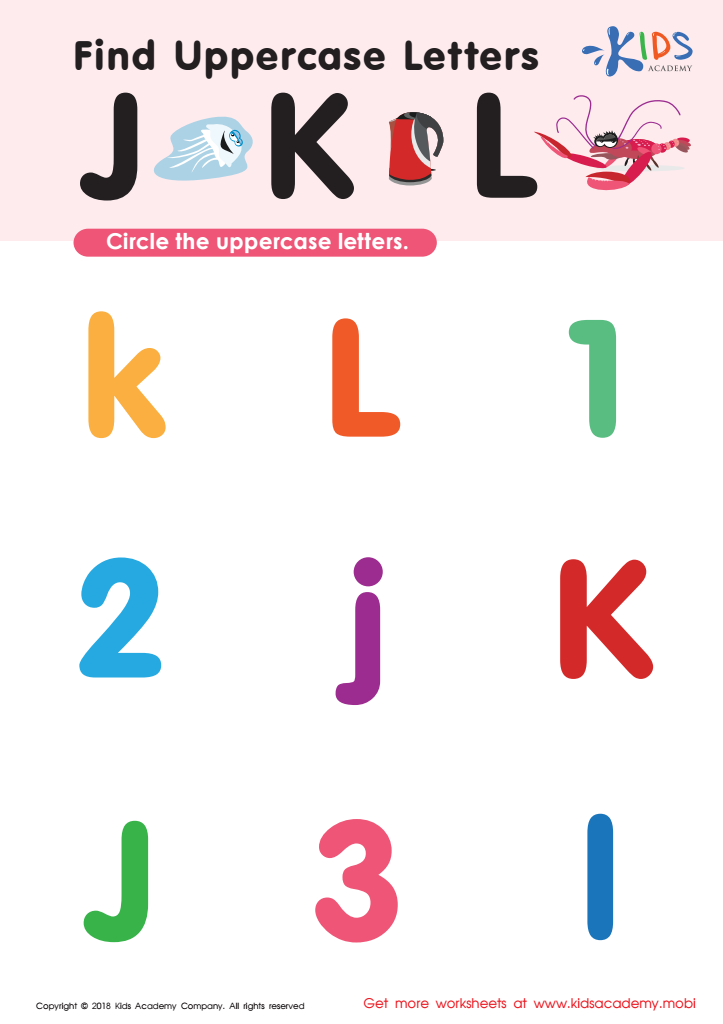
Find Uppercase Letters J, K, and L Worksheet
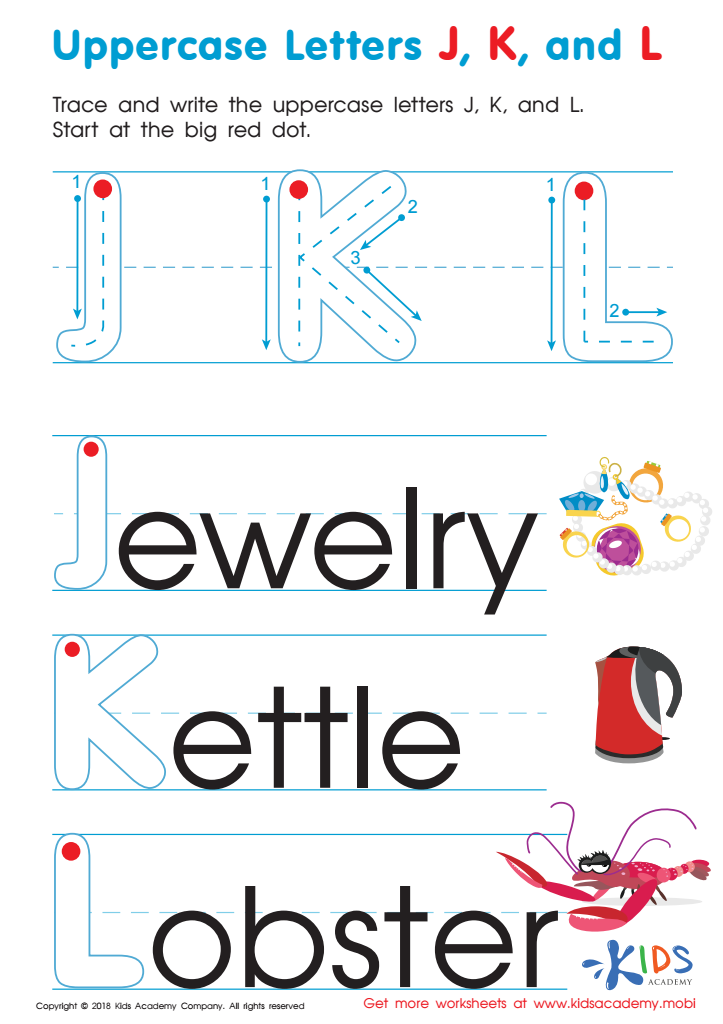
Uppercase Letters J, K, and L Worksheet
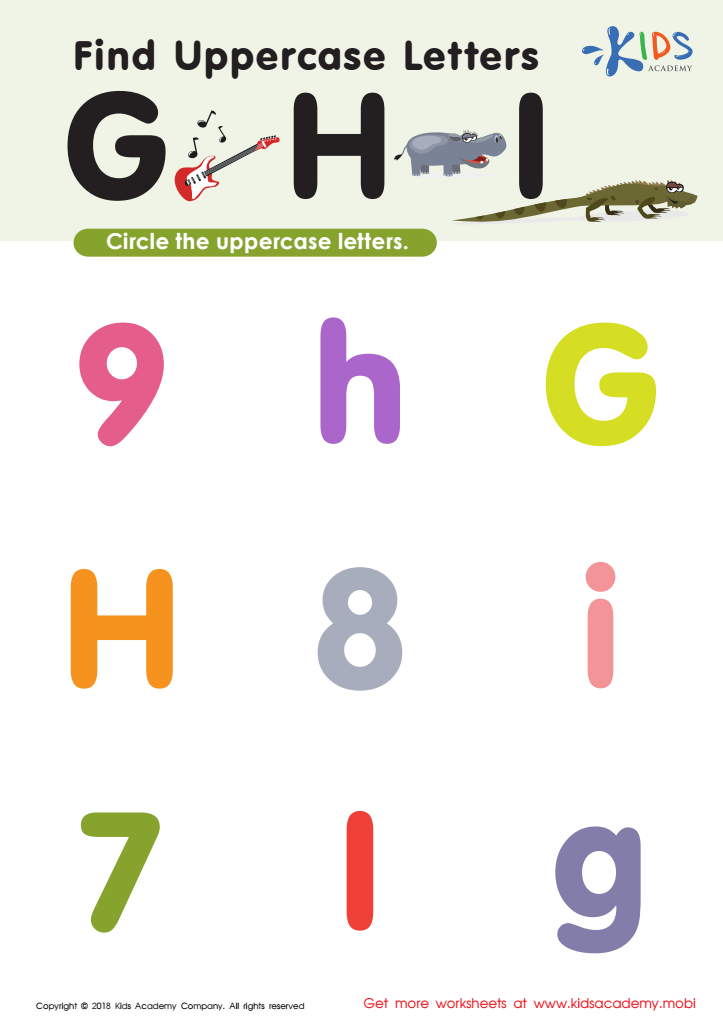
Find Uppercase Letters G, H, and I Worksheet
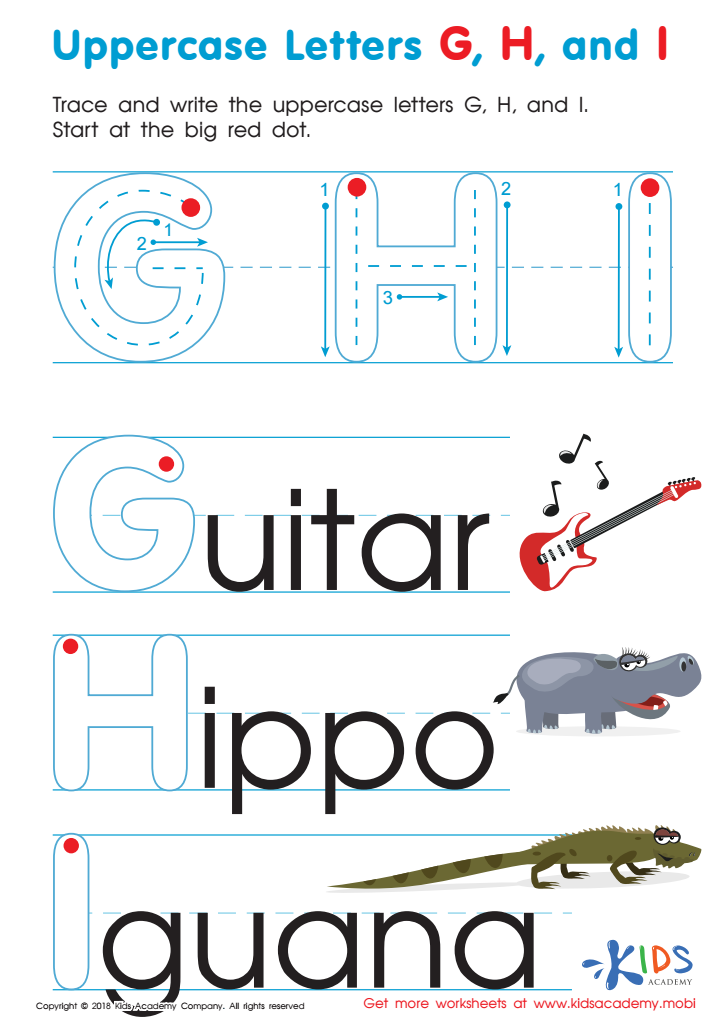
Uppercase Letters G, H, and I Worksheet
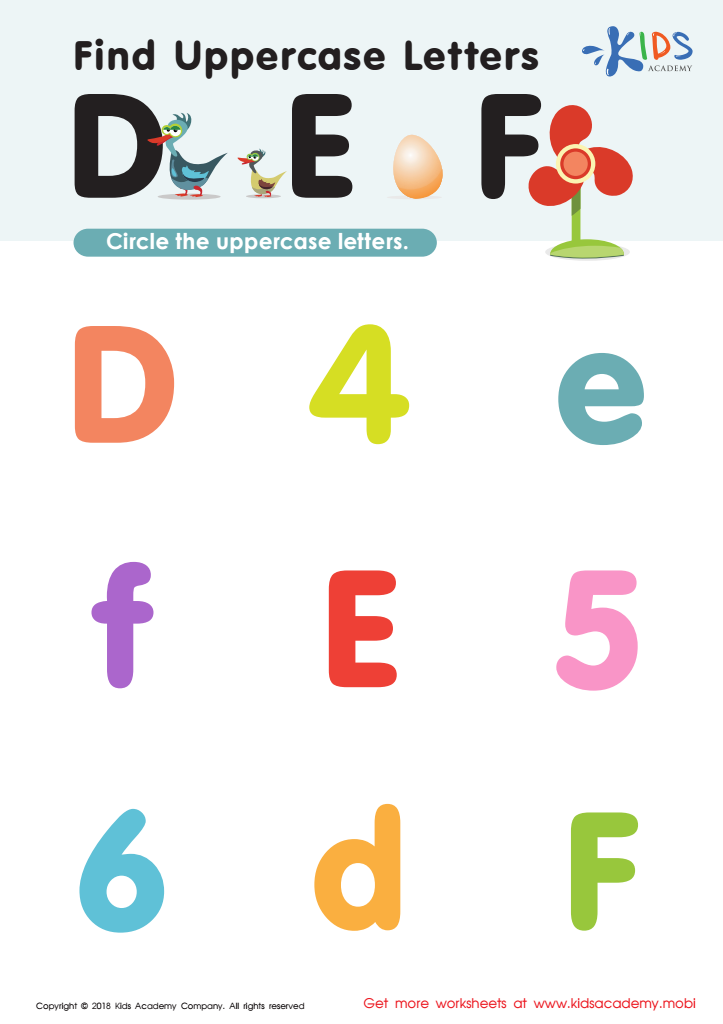
Find Uppercase Letters D, E, and F Worksheet
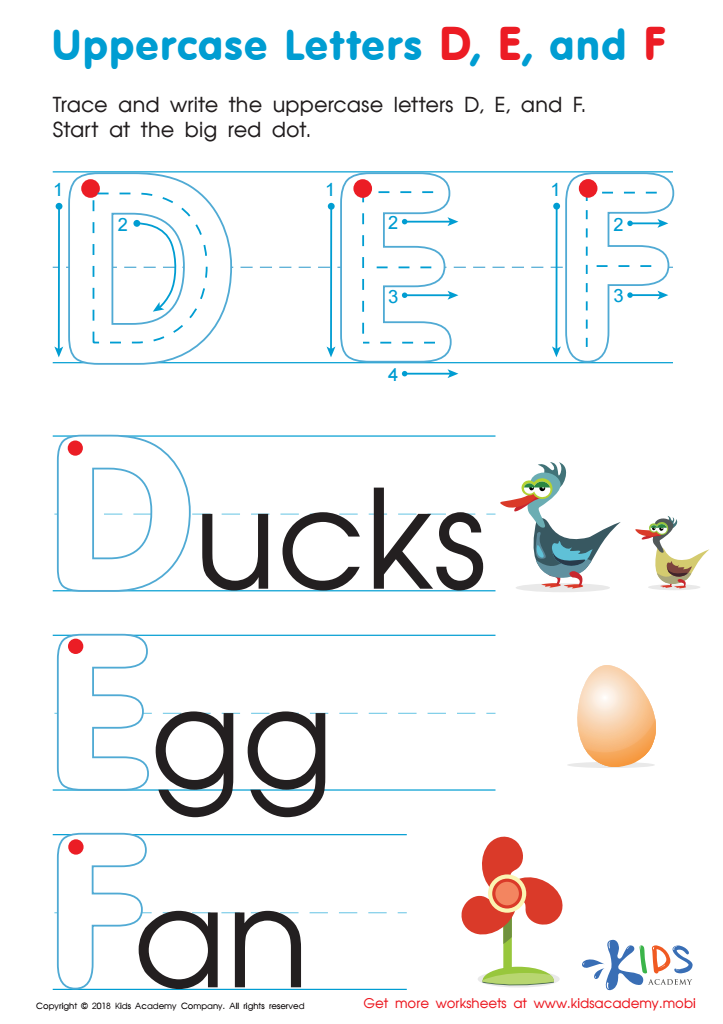
Uppercase Letters D, E, and F Worksheet
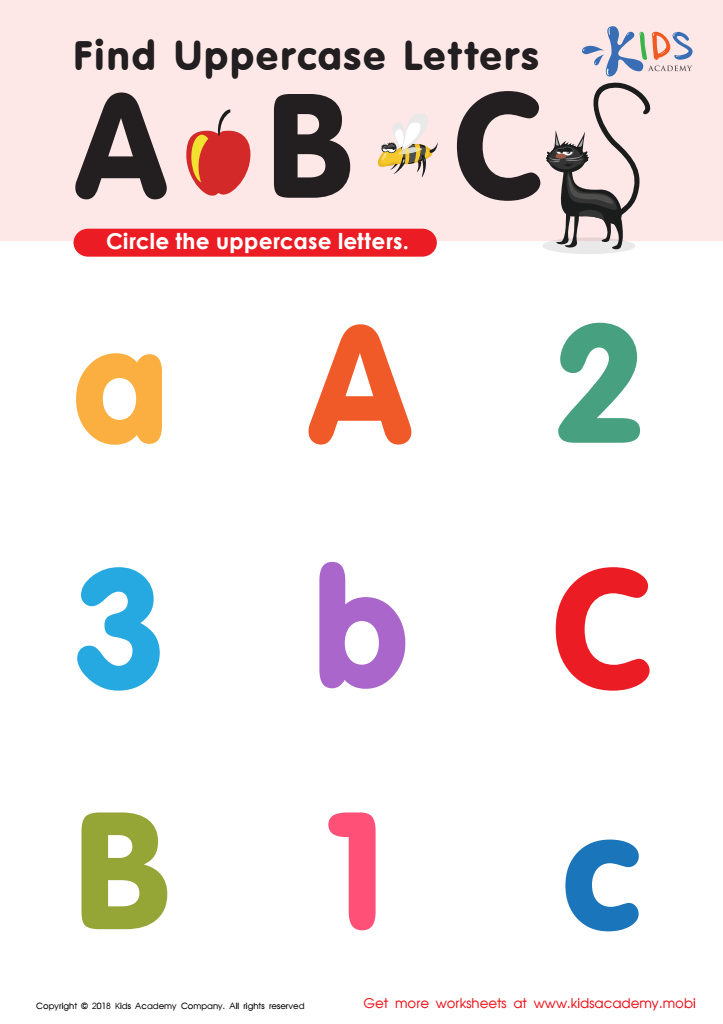
Find Uppercase Letters A, B, and C Worksheet






Understanding upper and lowercase letters is crucial for children aged 6-8 as they develop essential literacy skills. At this age, children typically transition from learning to read to reading to learn. Familiarity with uppercase and lowercase letters enhances their reading fluency and comprehension. Uppercase letters often signify the beginning of sentences, proper nouns, and important titles, allowing children to grasp the structure of written language.
Recognizing the distinction between upper and lowercase forms also supports spelling and writing skills; many words change meaning based on capitalization. For instance, "god" and "God" convey different interpretations. As children engage in writing, knowing when to use each form promotes clear communication.
Moreover, mastering these letters boosts children's confidence. They feel empowered as they learn to read and write independently, fostering a love for books and literacy. Engaging parents and teachers in supporting this learning—through games, storytelling, and daily writing activities—creates a strong foundational literacy framework. By emphasizing the importance of uppercase and lowercase letters, we help children become proficient readers and writers, nurturing their lifelong communication skills in an increasingly literate world.







