Addition Facts Worksheets for Ages 6-9 - Page 2
42 filtered results
-
From - To
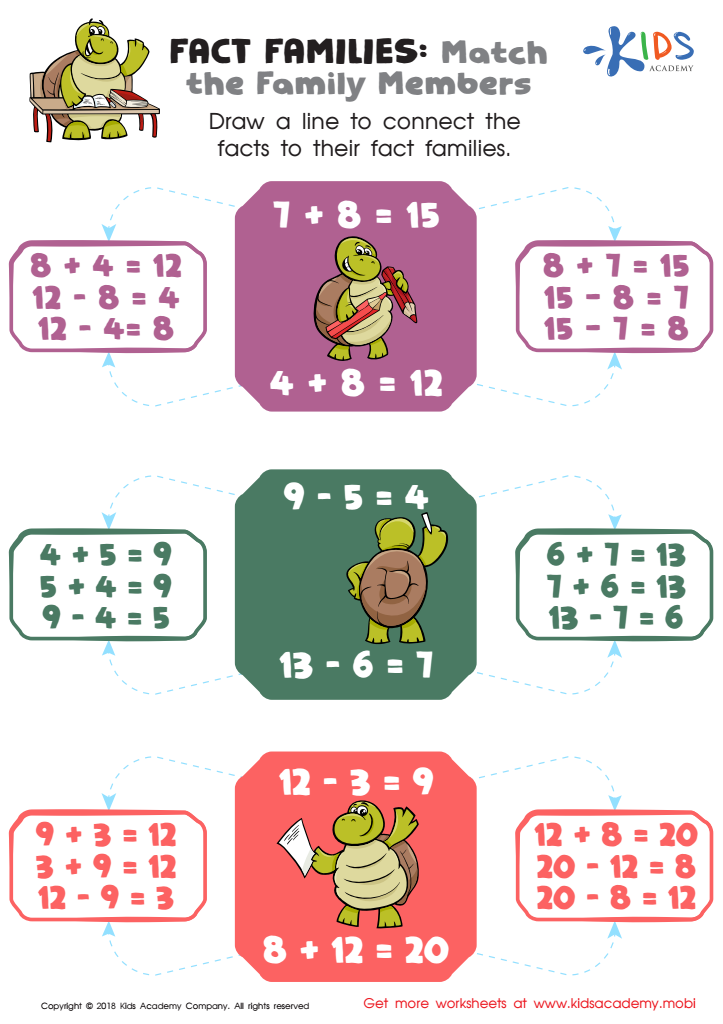
Fact Families: Match Family Members Worksheet
 Assign to My Students
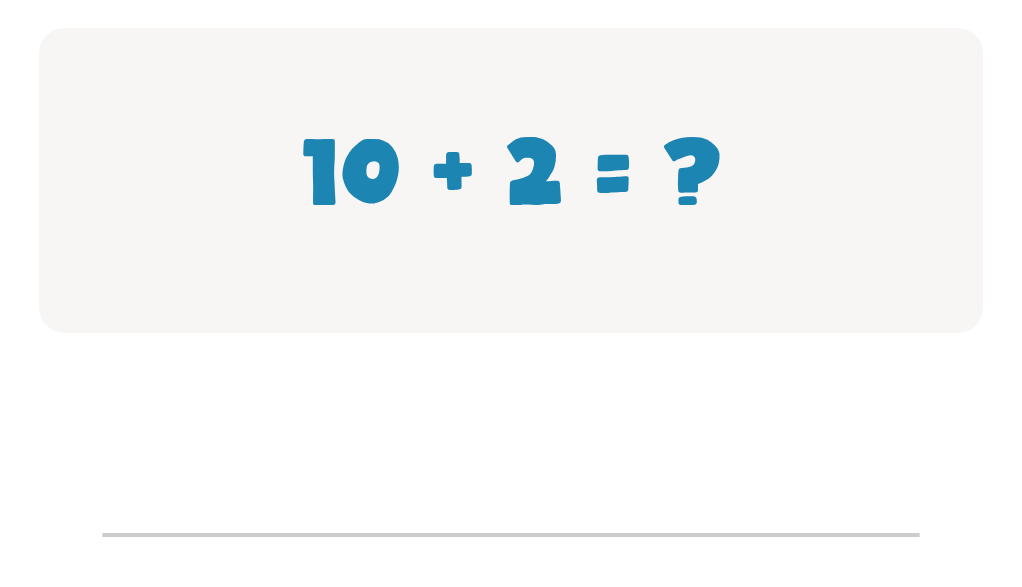

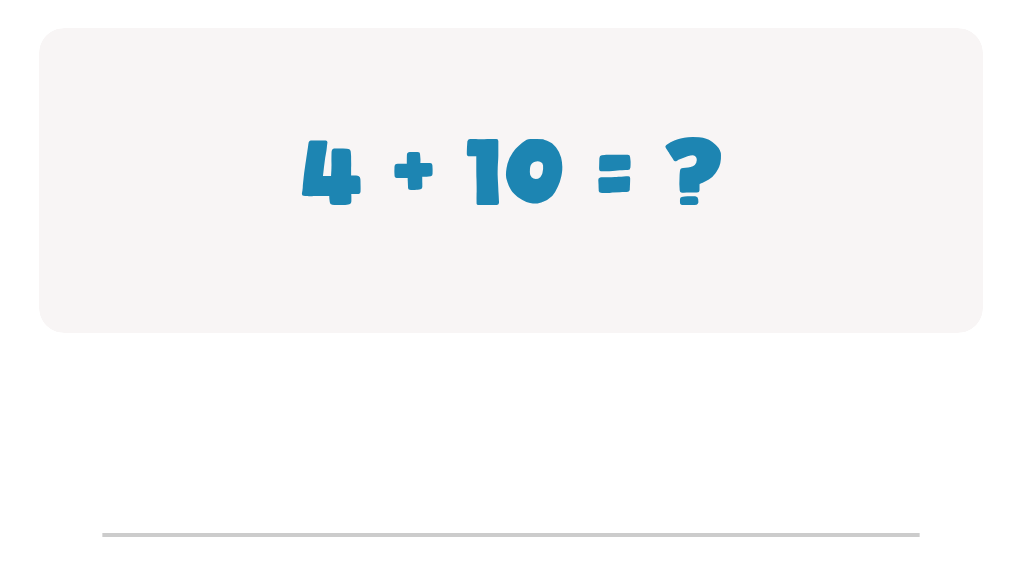
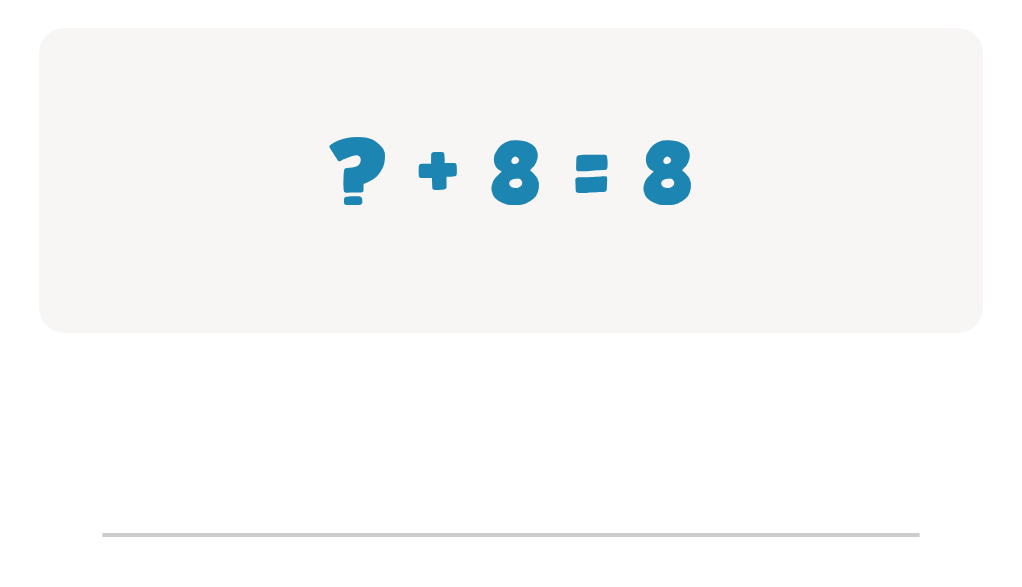
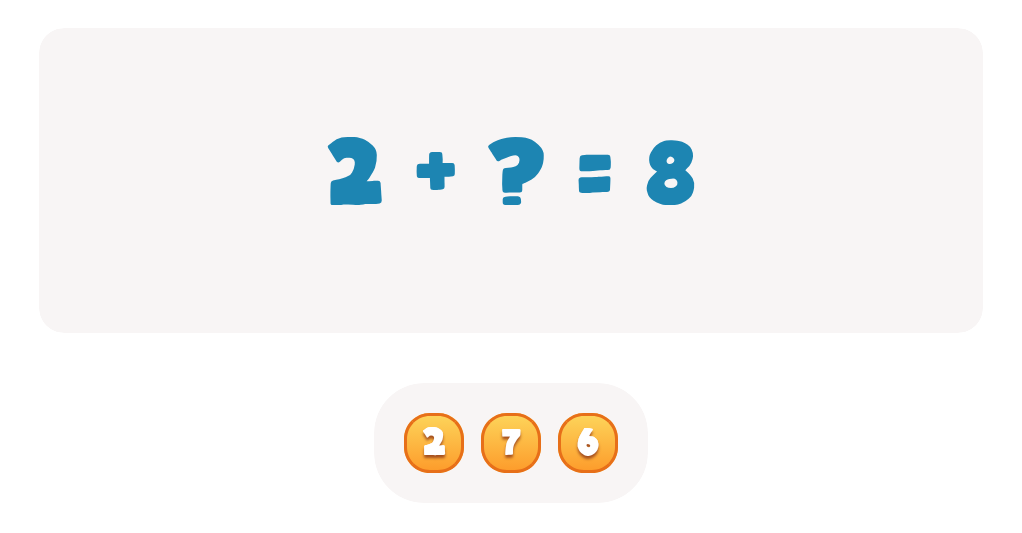
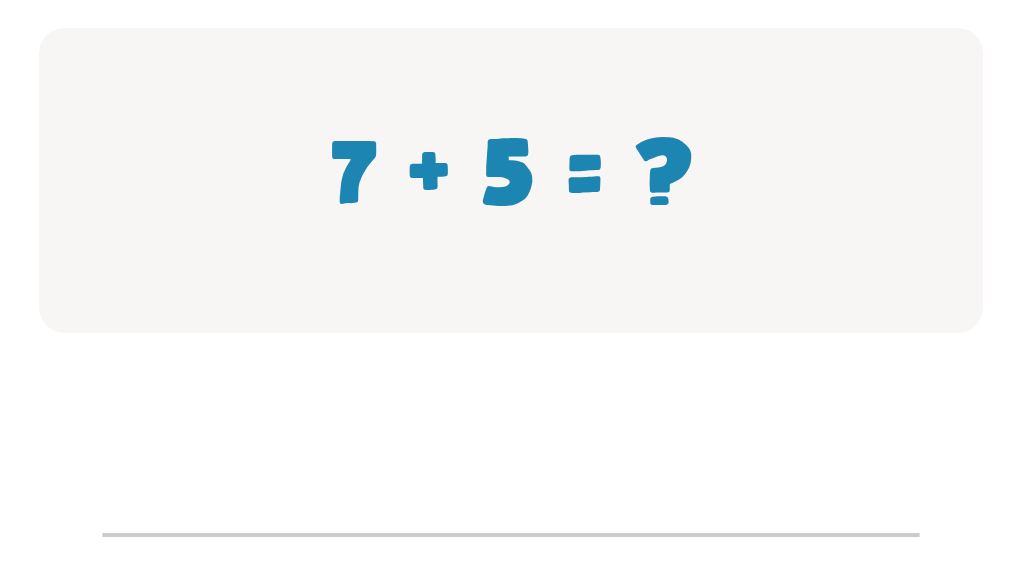
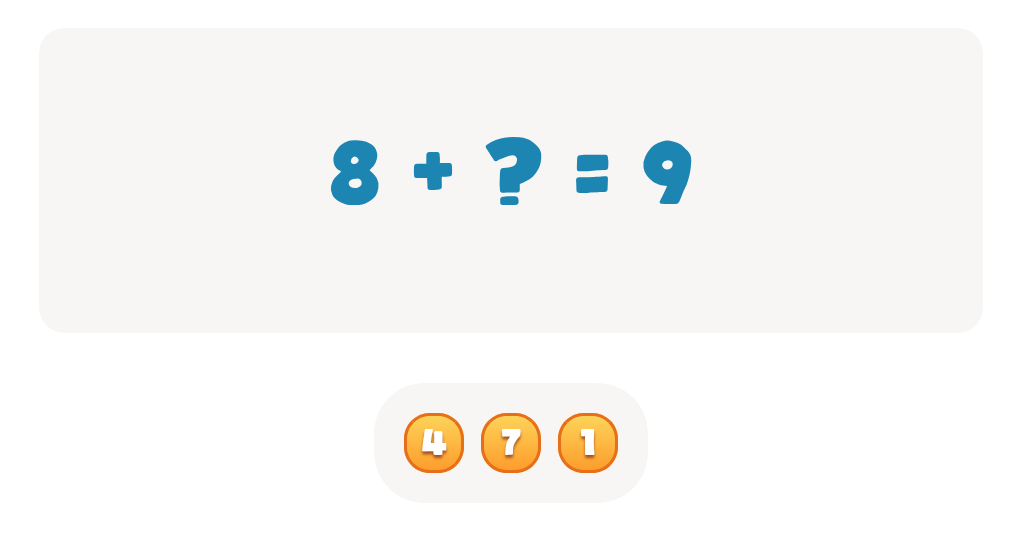

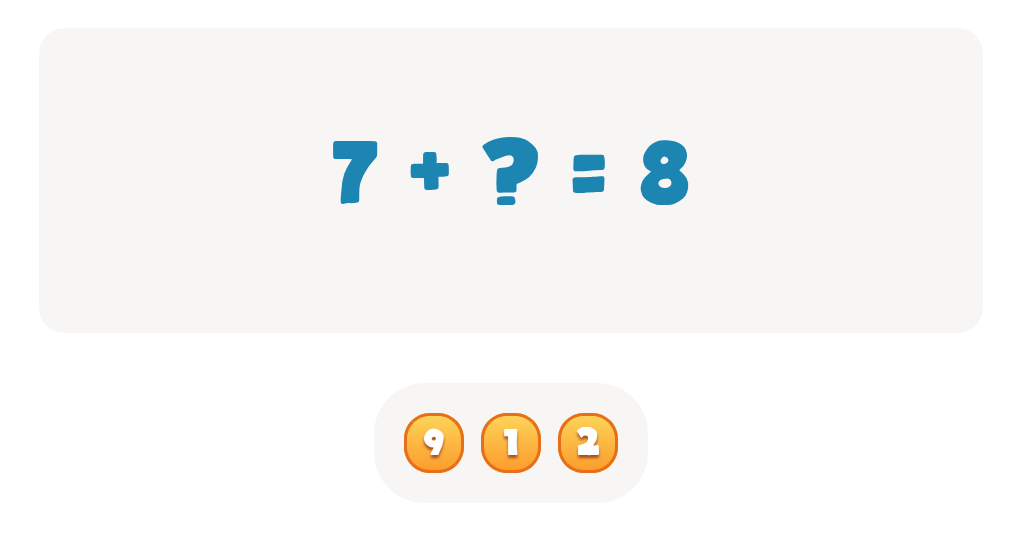
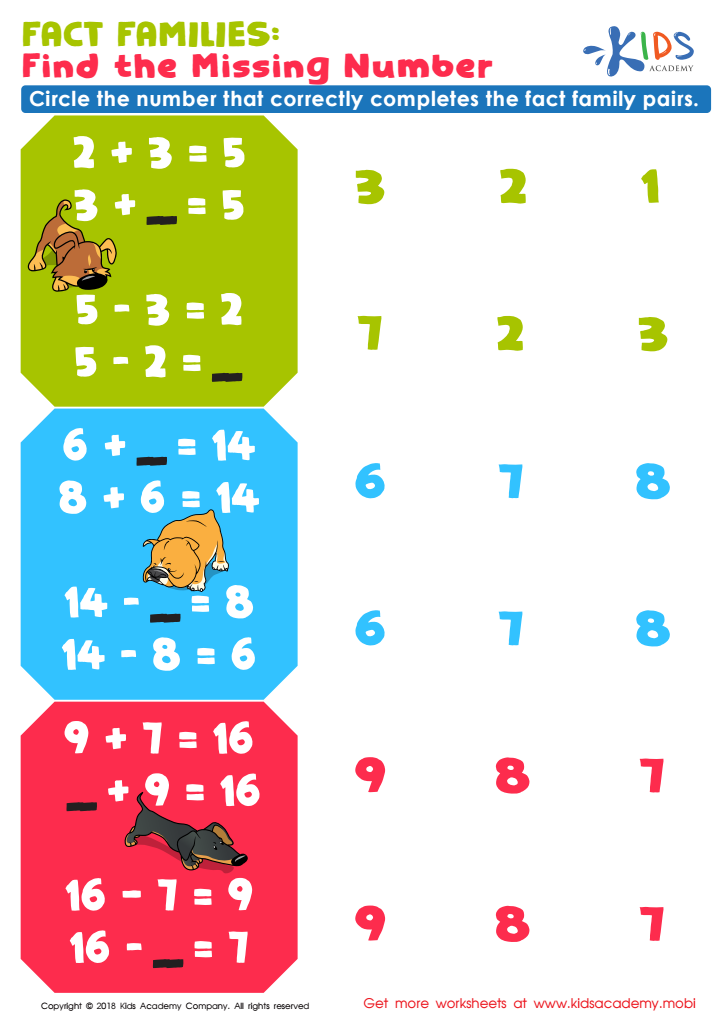
Fact Families: Find Missing Number Worksheet
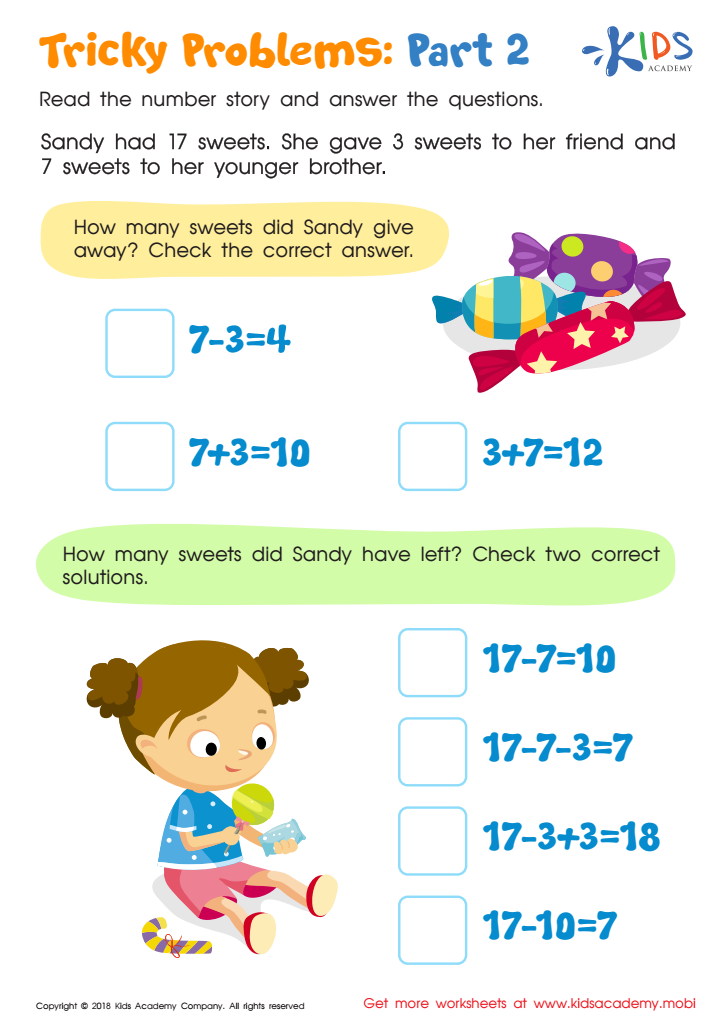
Tricky Problems Worksheet: Part 2
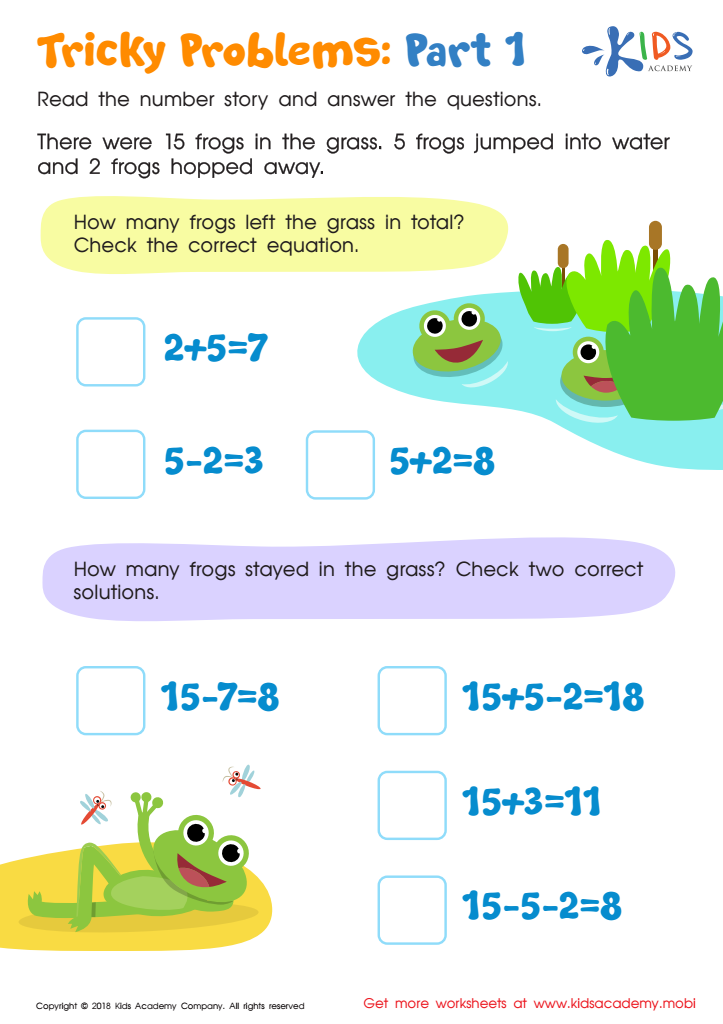
Tricky Problems Worksheet: Part 1
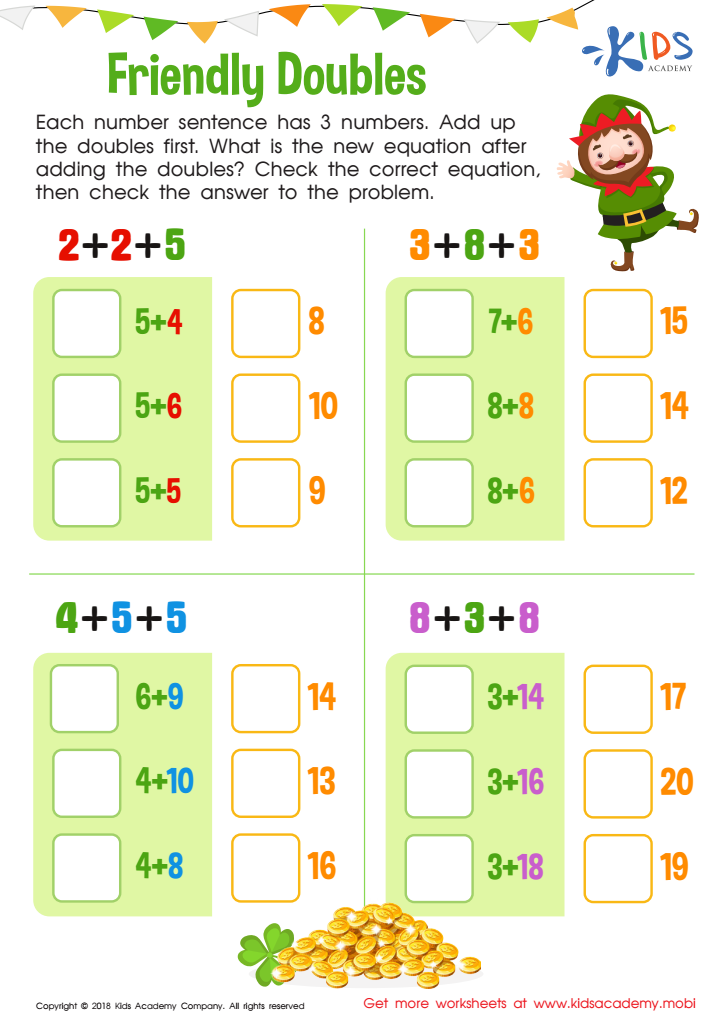
Friendly Doubles Worksheet
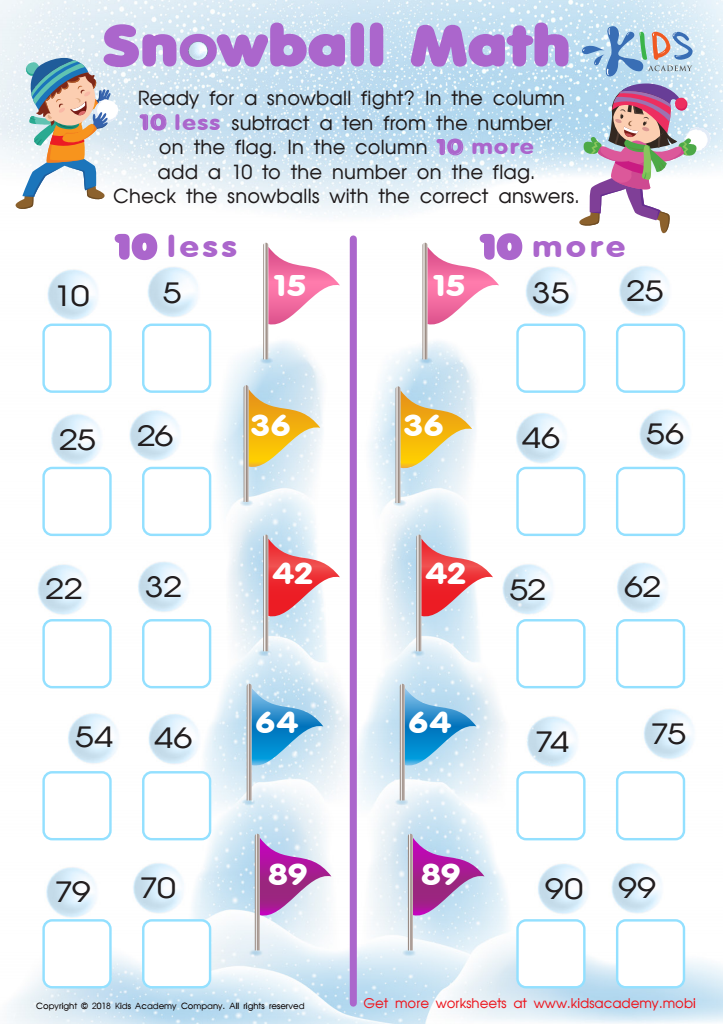
Snowball Math Worksheet
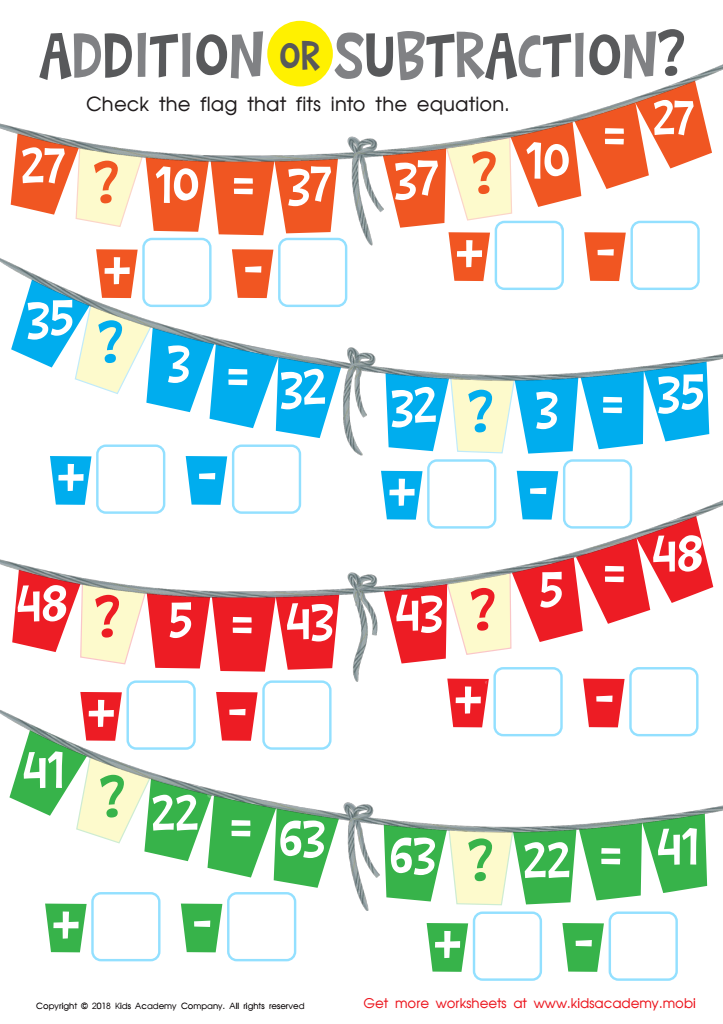
Addition or Subtraction? Worksheet
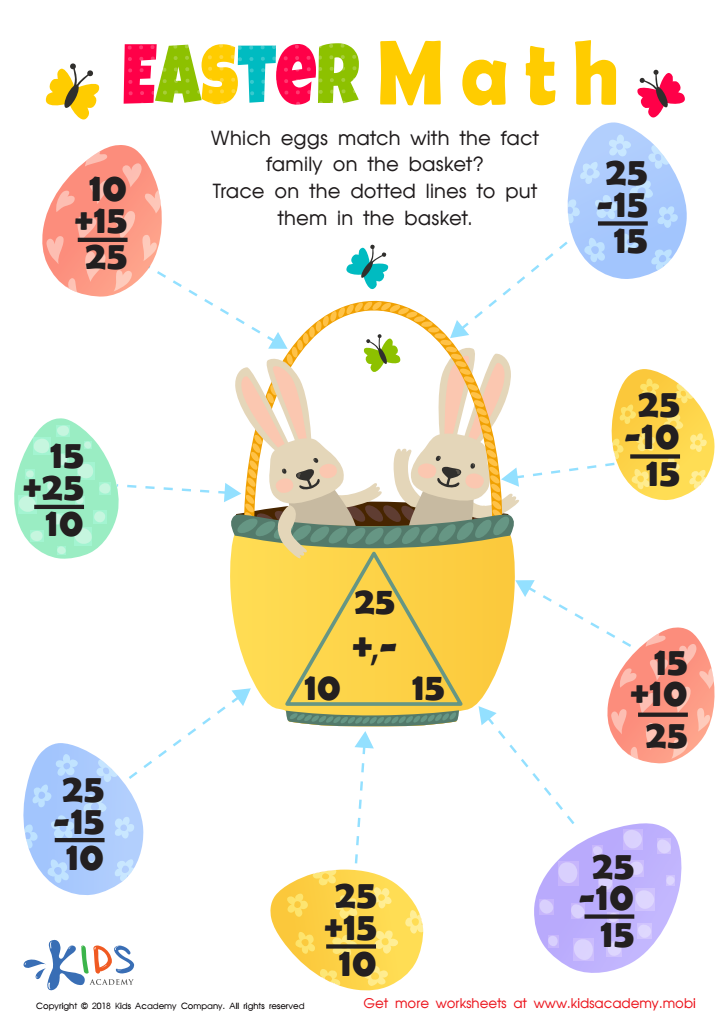
Fact Families: Easter Math Worksheet
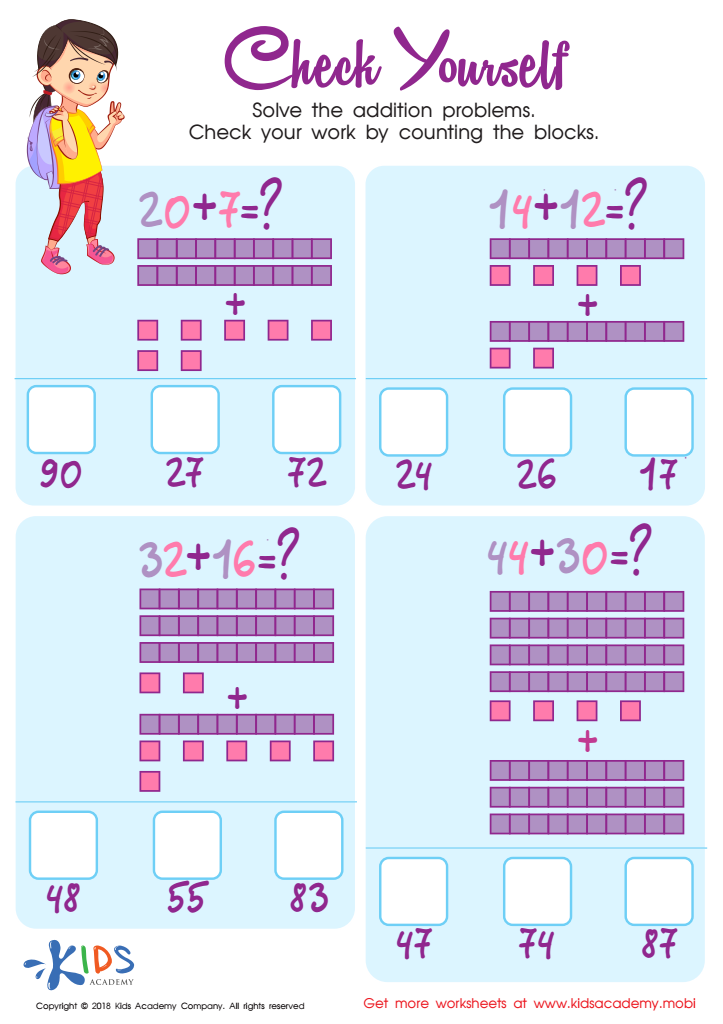
Adding with Base 1 Blocks Worksheet: Check Yourself
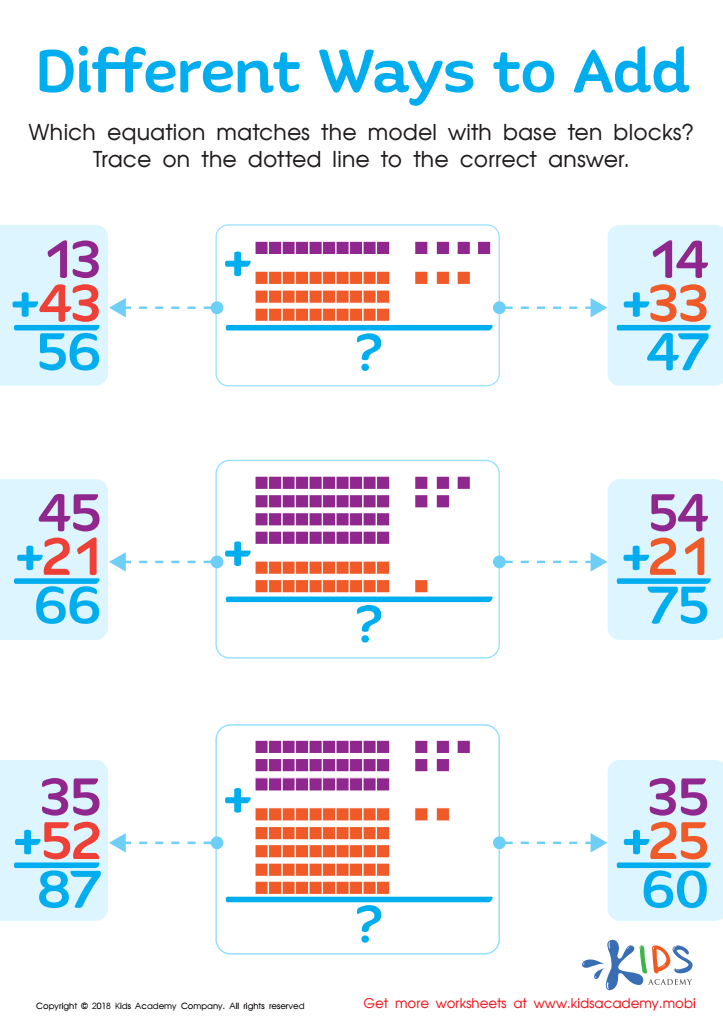
Different Ways to Add Worksheet
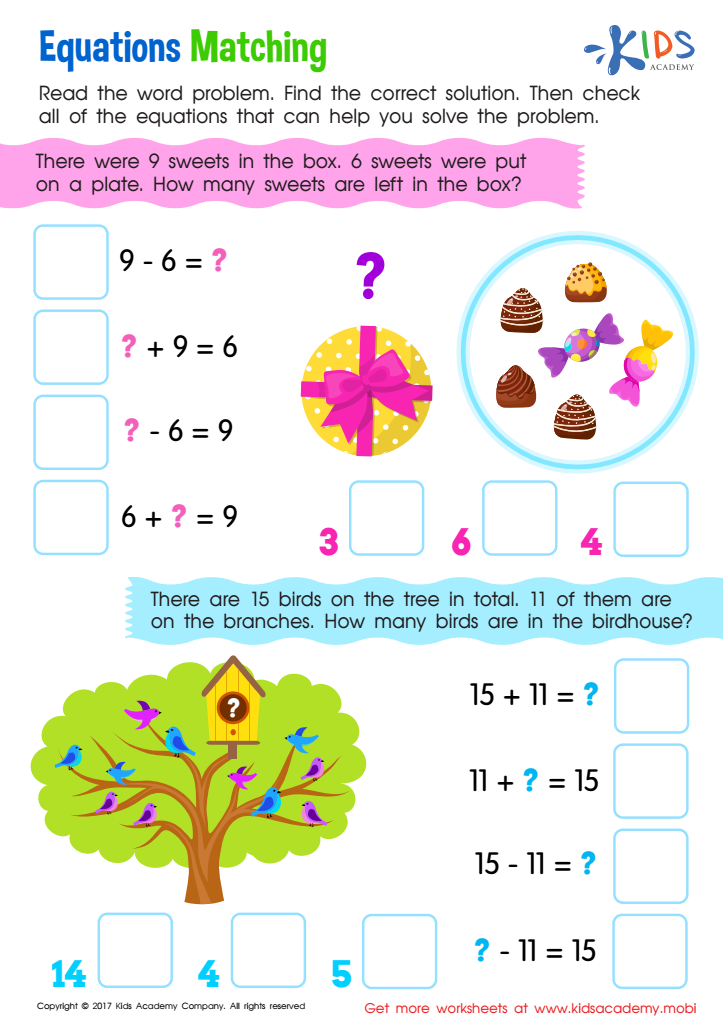
Equations Matching Word Problems Worksheet
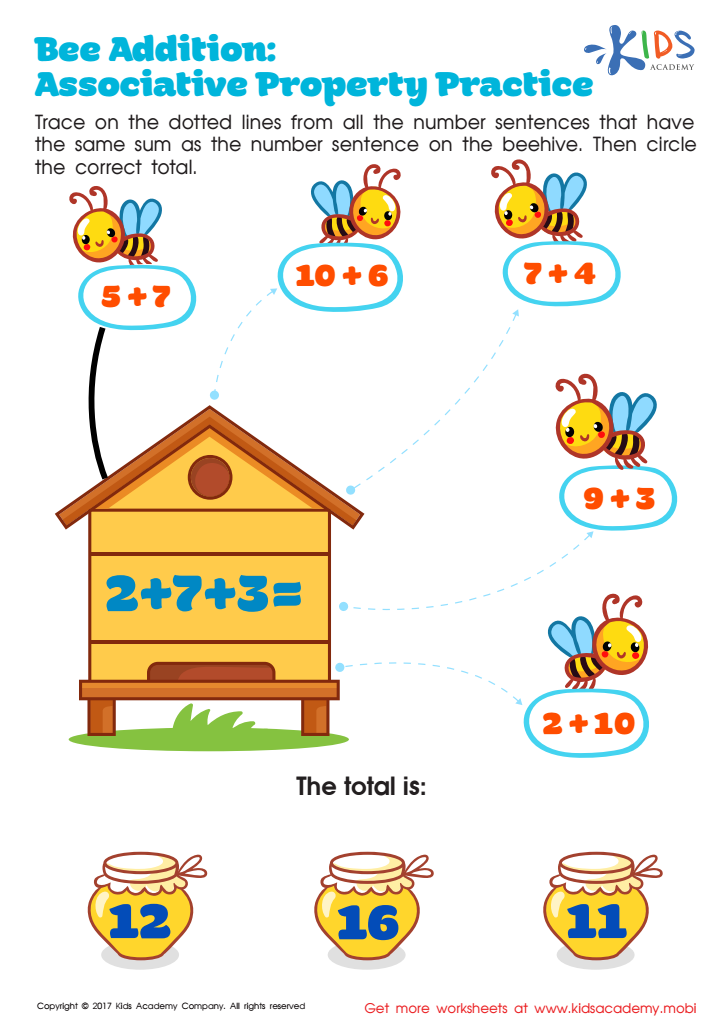
Bee Addition: Associative Property Practice Worksheet
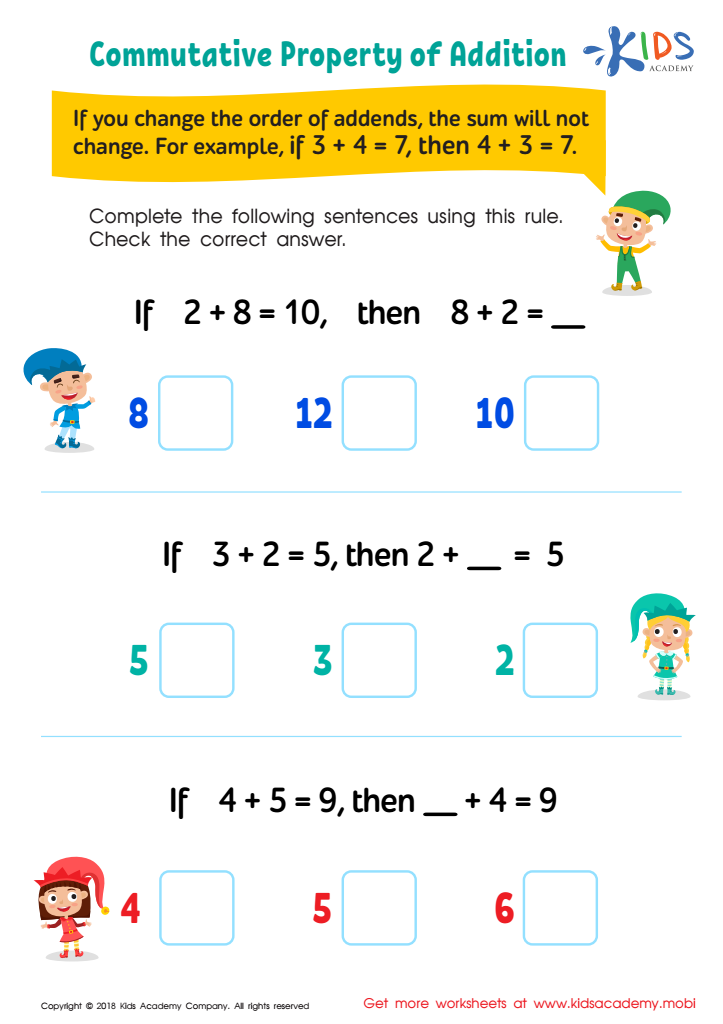
Commutative Property of Addition Worksheet
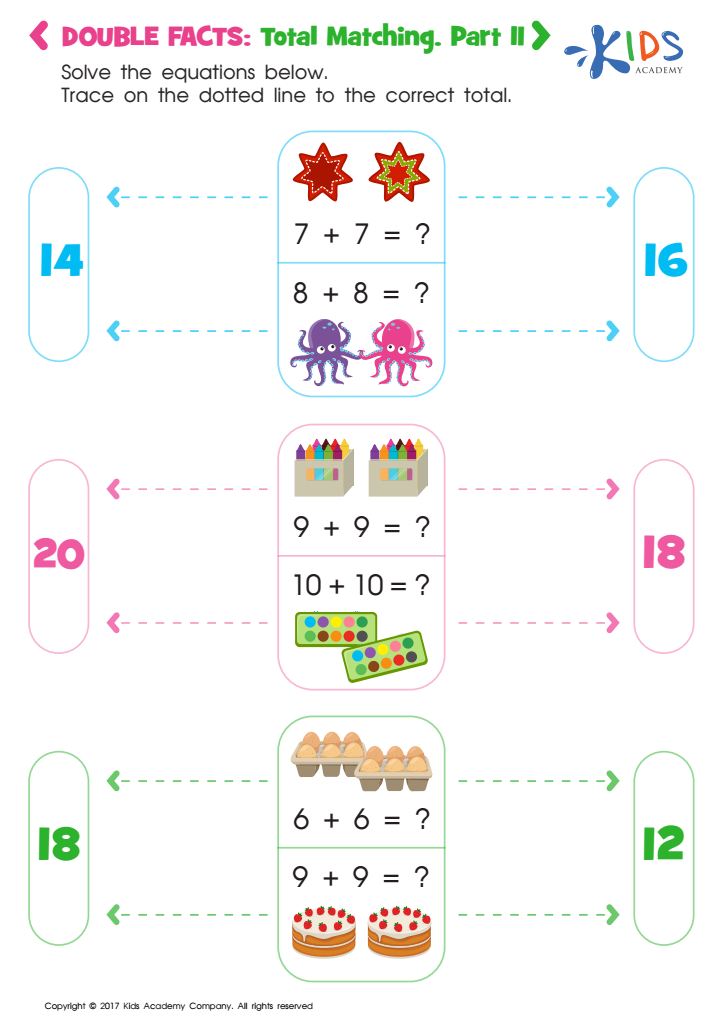
Double Facts: Total Matching 2 Worksheet
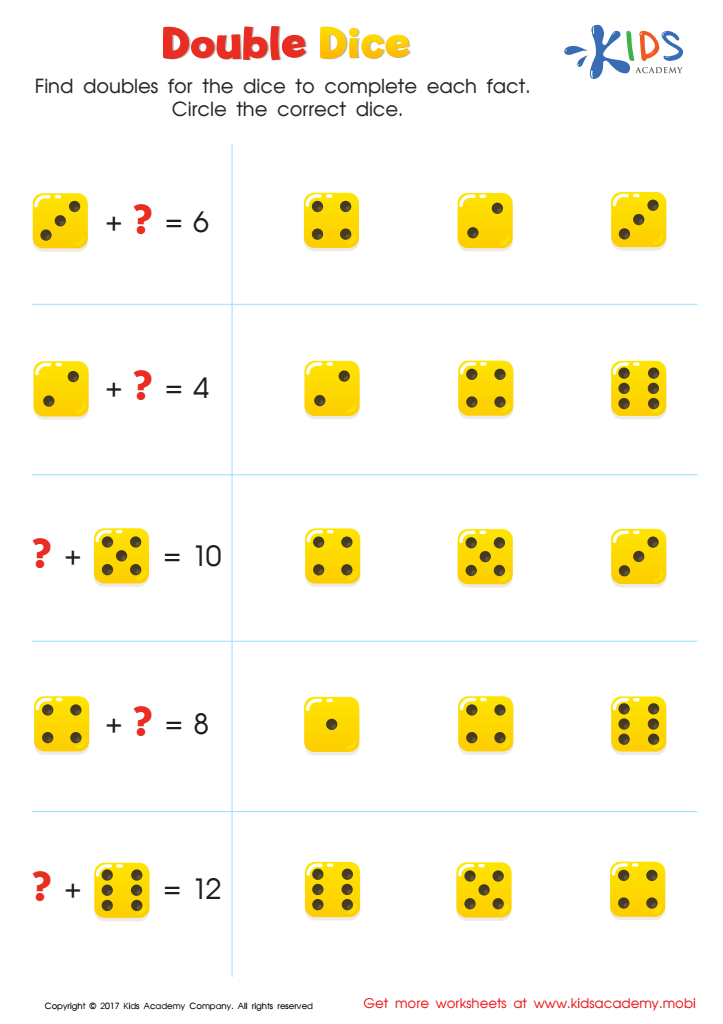
Addition Facts: Double Dice Worksheet
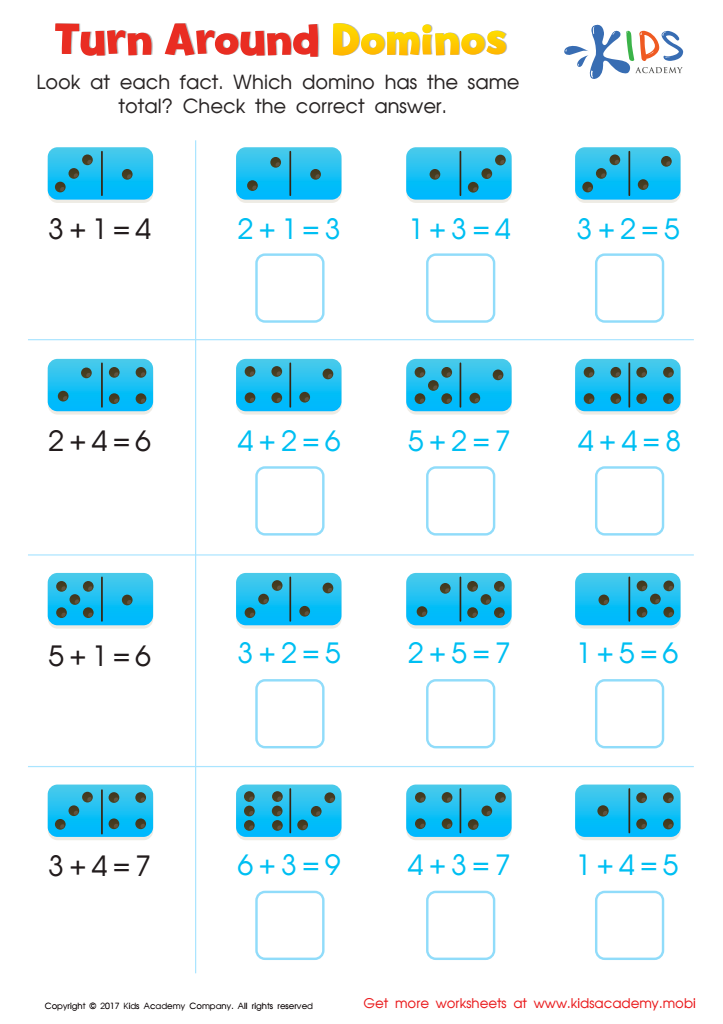
Turn Around Dominos Worksheet
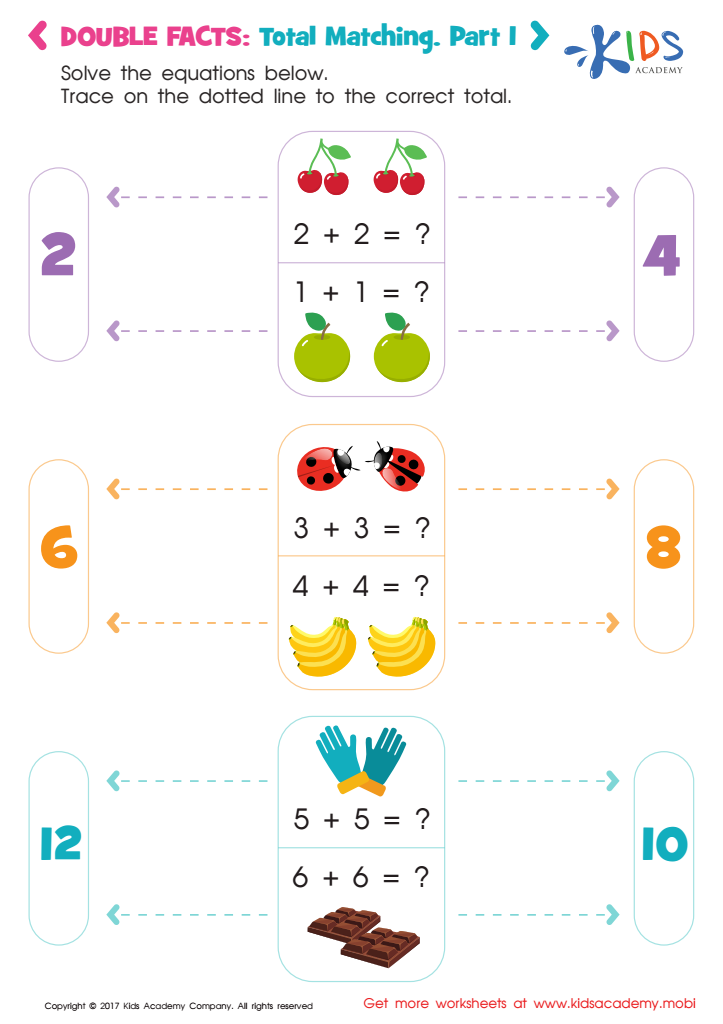
Double Facts: Total Matching Worksheet: Part 1
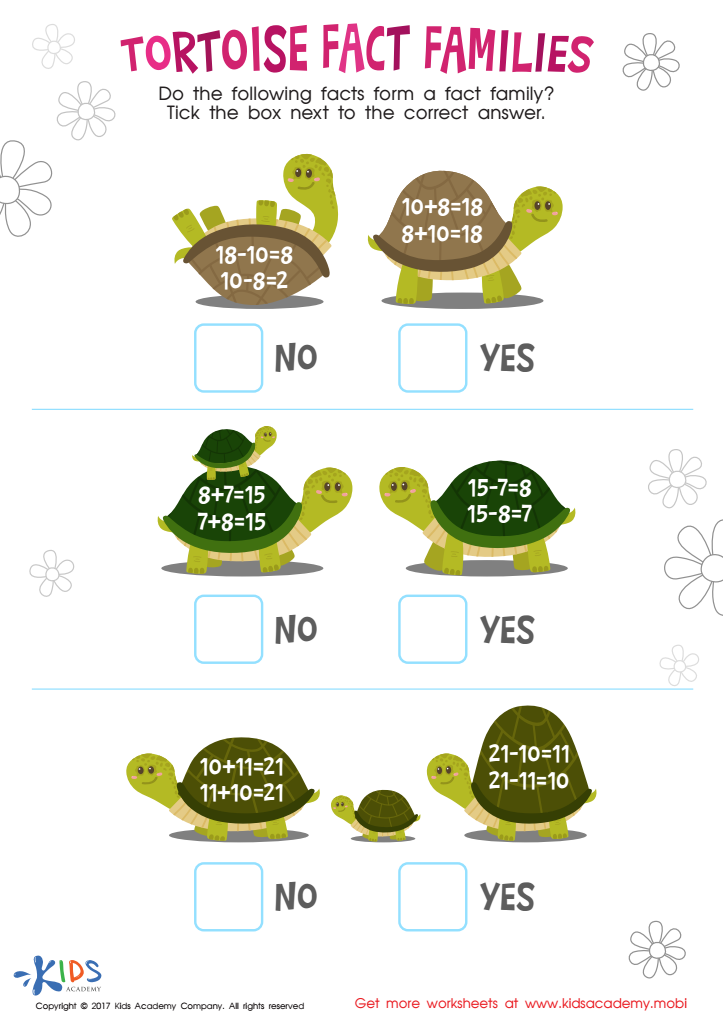
Tortoise Fact Families Printable








Understanding addition facts is crucial for children aged 6-9 as it lays the foundational groundwork for their future mathematical learning. At this age, children's brains are highly receptive to new information, and mastering basic addition can boost their confidence in maths.
Firstly, addition is a fundamental math operation that supports other math skills. Once children are comfortable with addition facts, they can more easily learn subtraction, multiplication, and division. For example, knowing that 3 + 2 = 5 helps them understand that 5 - 3 = 2.
Secondly, fluency in addition facts enhances problem-solving skills. When children don't have to think too hard about basic calculations, they can focus on more complex mathematical concepts and word problems. This fluency builds computational efficiency, lessening cognitive load and benefiting overall academic performance.
Thirdly, regular practice of addition facts helps enhance working memory, concentration, and recall abilities. These cognitive skills are transferable to other subjects and everyday activities, contributing to a child’s holistic development.
Lastly, feeling competent in maths fosters a positive attitude toward learning and decreases math anxiety. Engaging with addition facts through games, hands-on activities, and daily practice can make learning enjoyable, setting children on a path of lifelong curiosity and educational success.
In sum, paying attention to addition facts for young learners provides both immediate benefits and long-term educational payoffs.








