Life Science Worksheets for Ages 6-9 - Page 2
36 filtered results
-
From - To
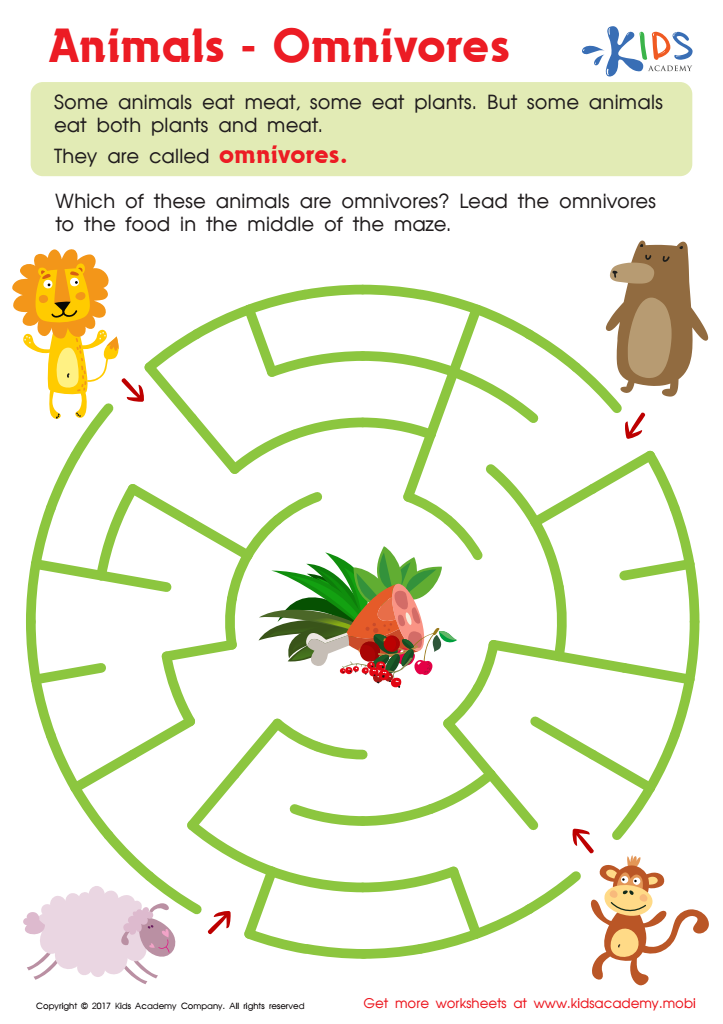
Omnivores Animals Worksheet
 Assign to My Students
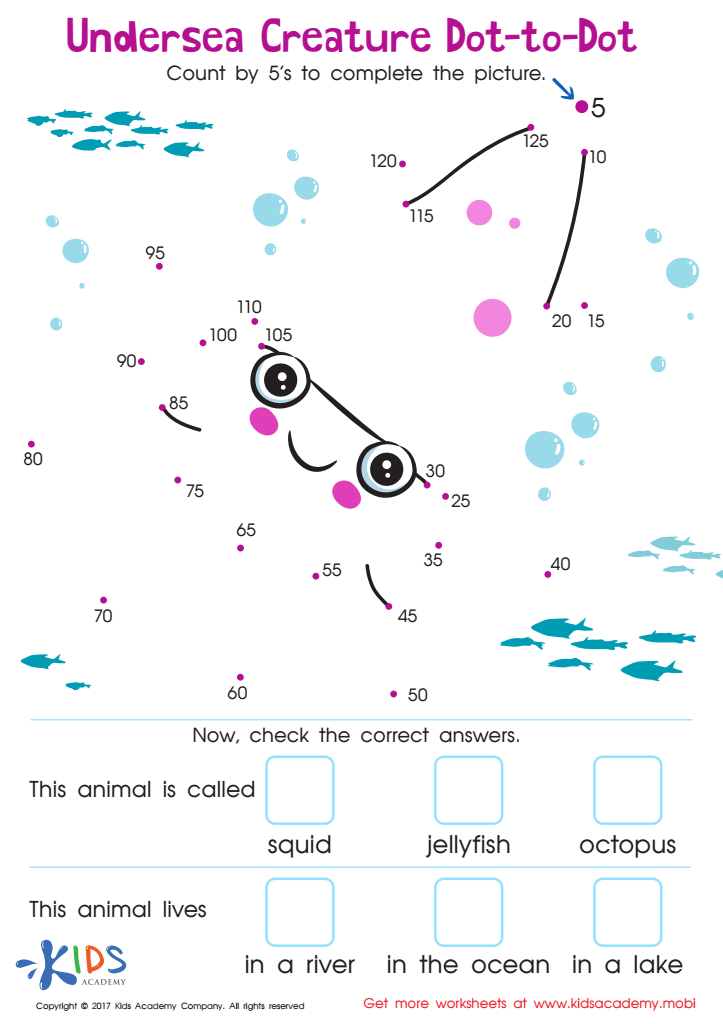
Undersea: Dot To Dot Worksheet
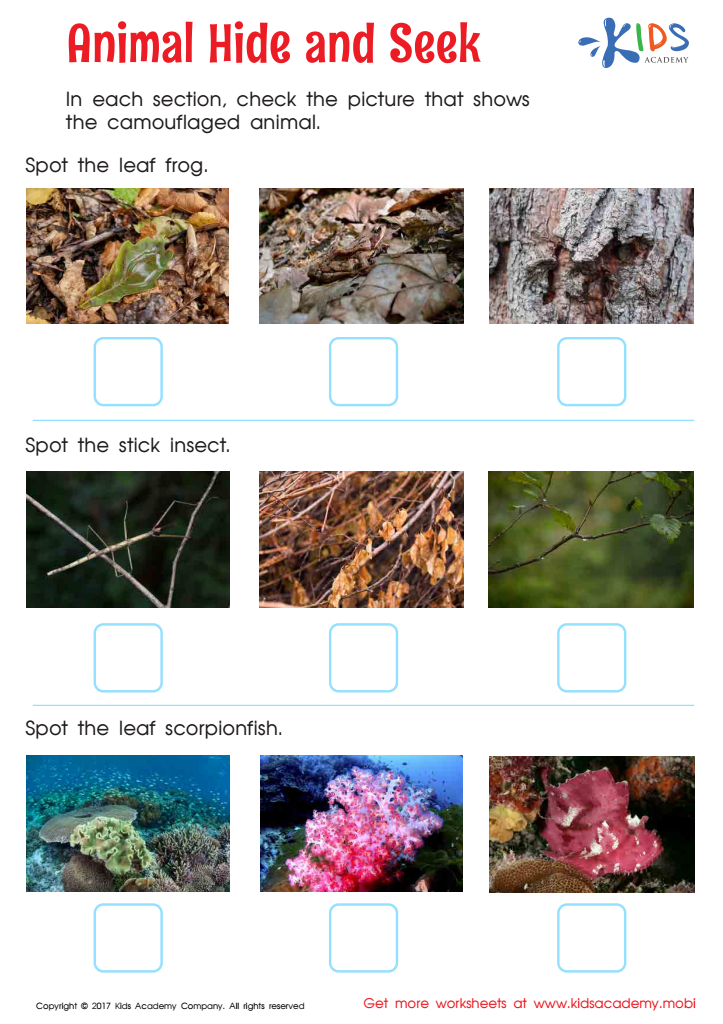
Animal Hide and Seek Worksheet
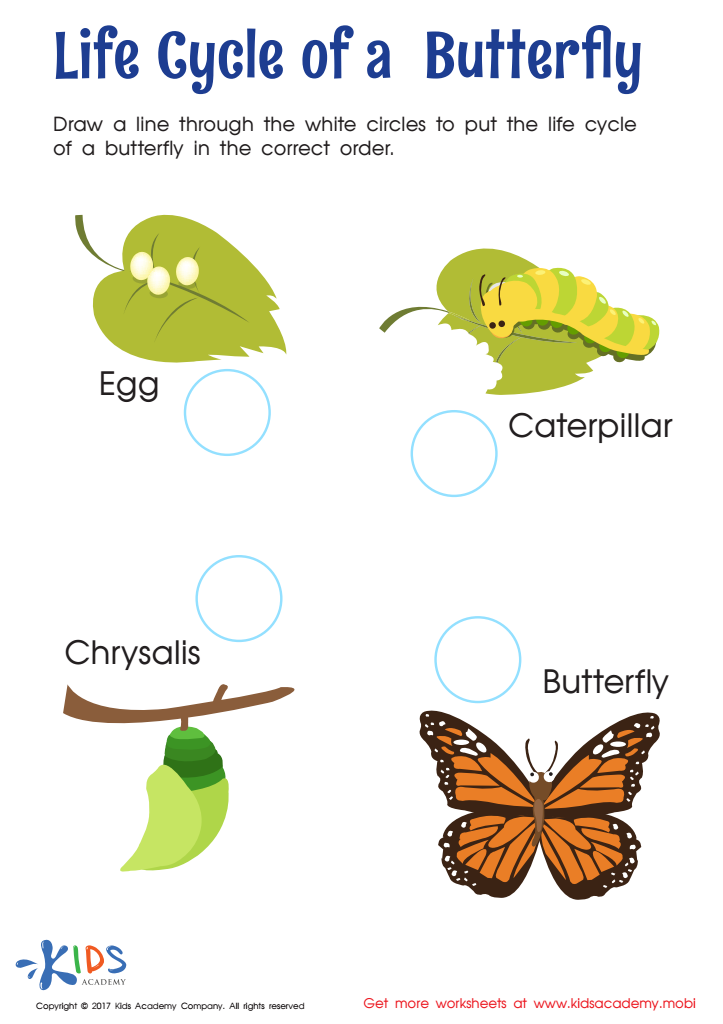
Life Cycle of Butterfly Worksheet
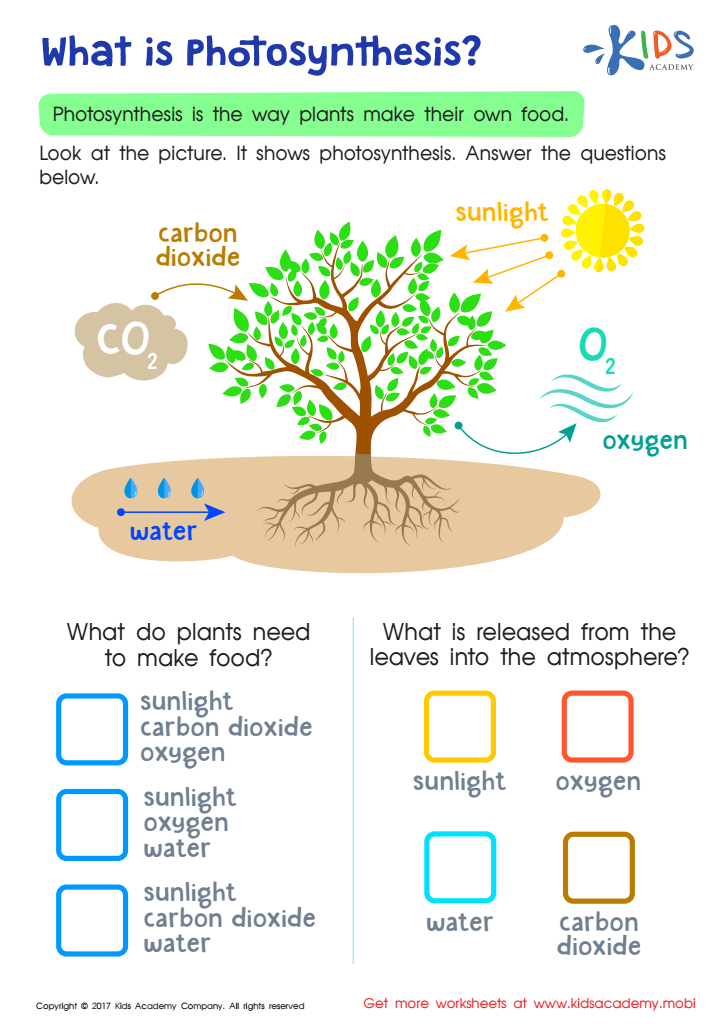
What is Photosynthesis Printable
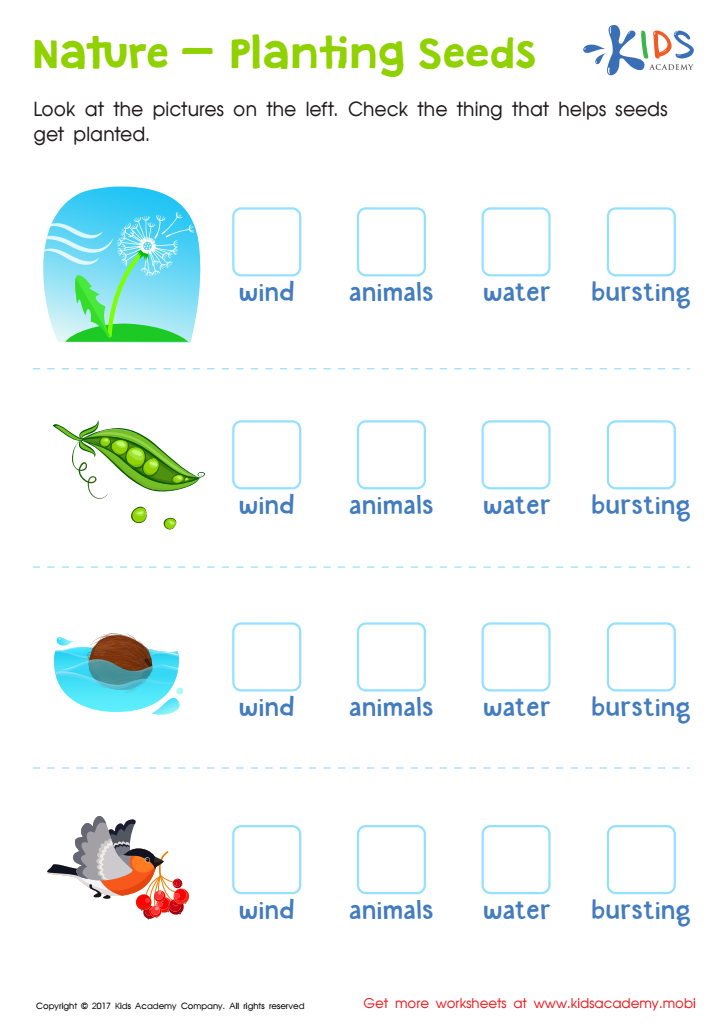
Nature Planting Seeds Worksheet
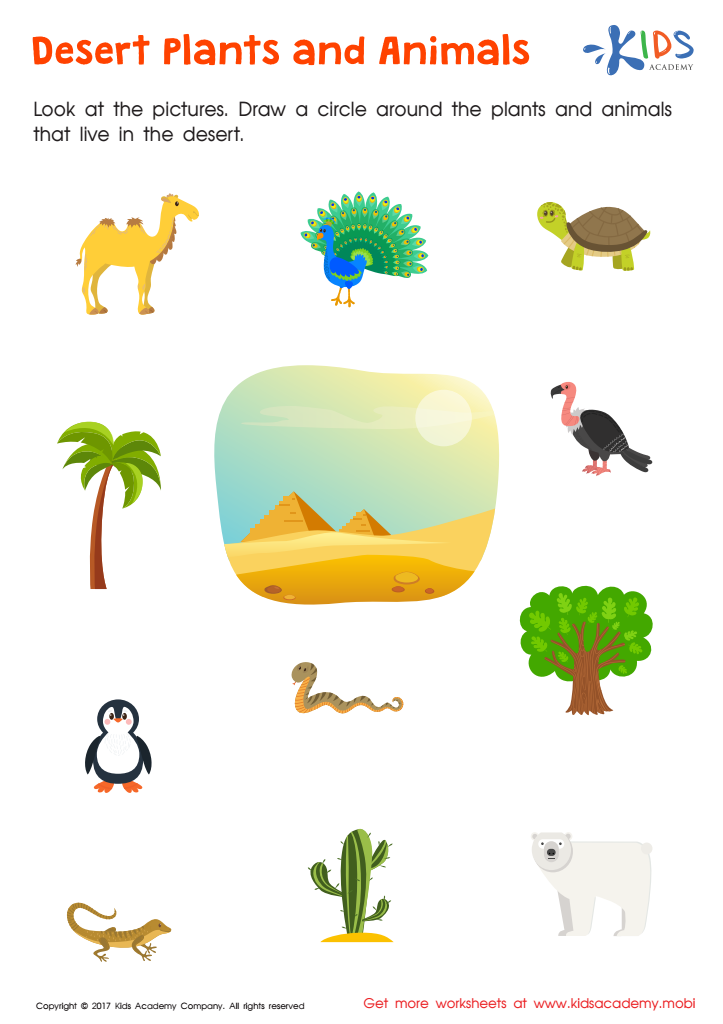
Desert Plants Animals Printable
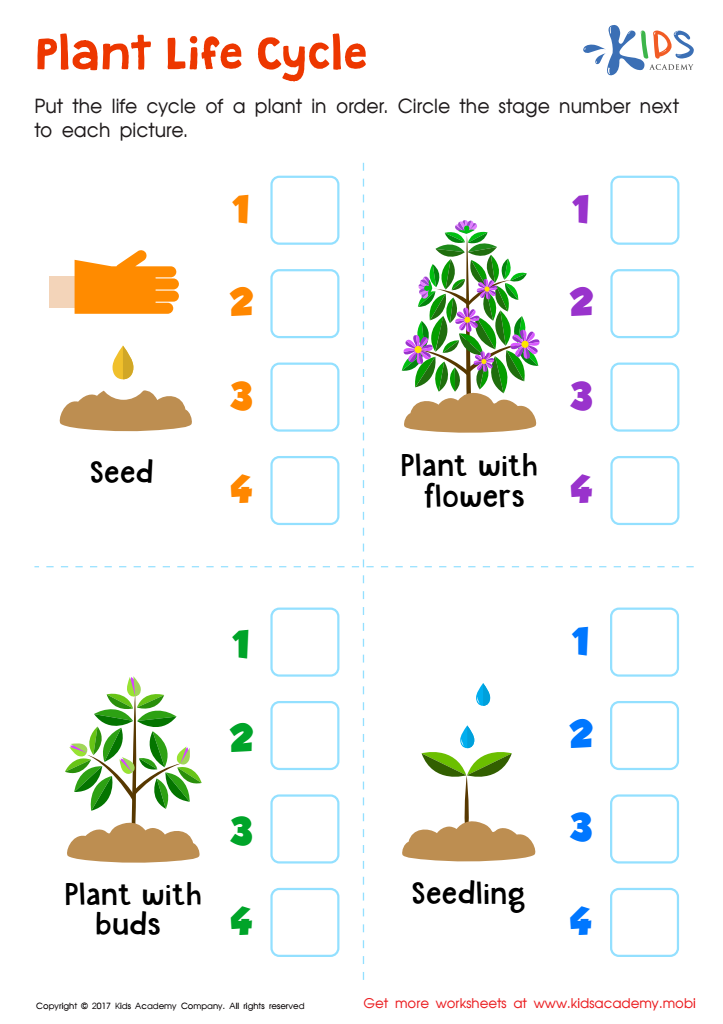
Plant Life Cycle Printable
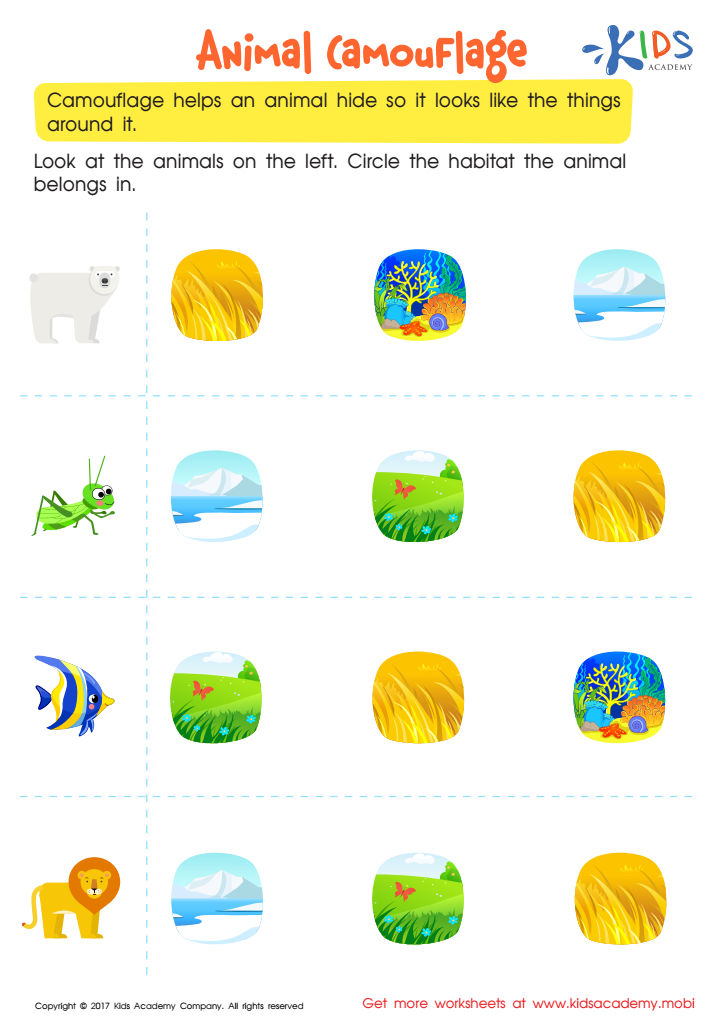
Animal Camouflage Worksheet
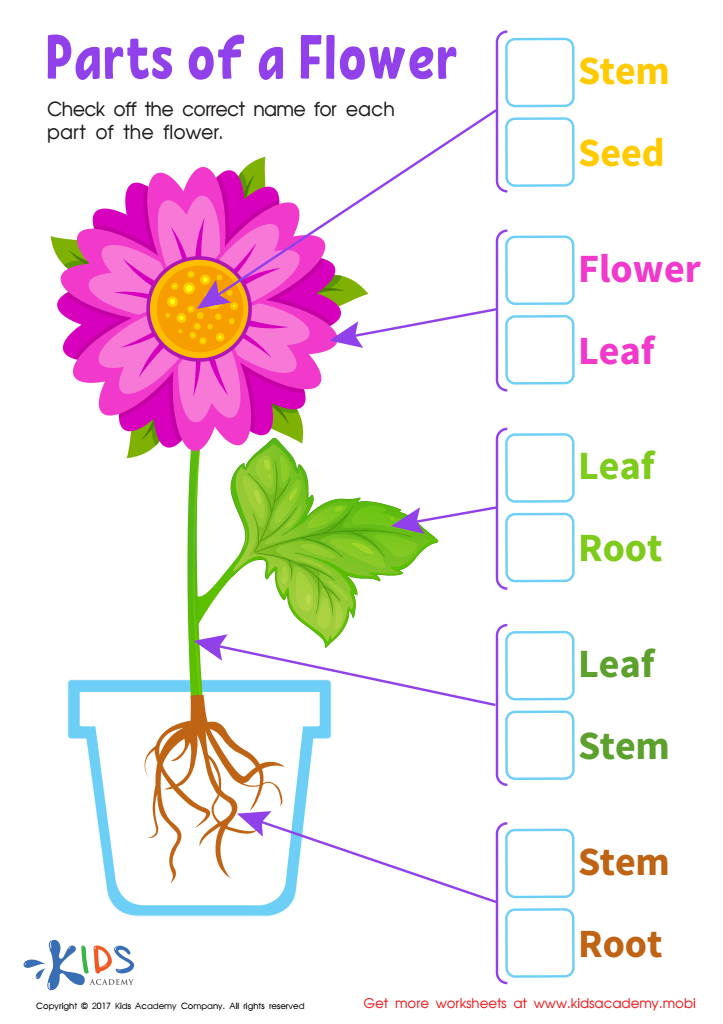
Parts Flower Printable
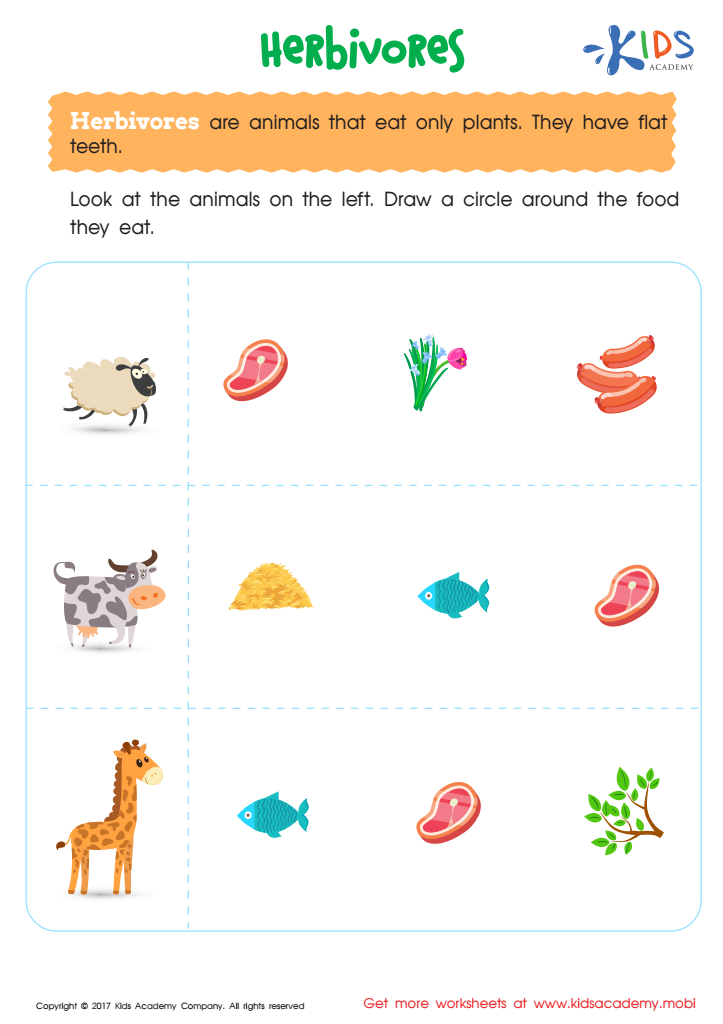
Herbivores Printable
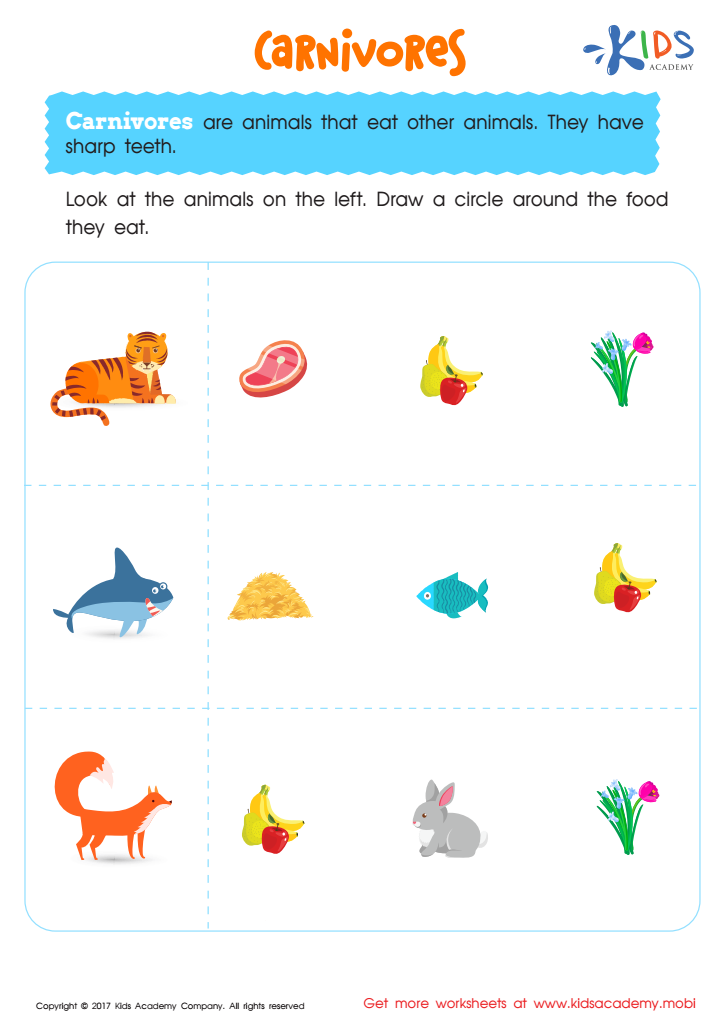
Carnivores Worksheet





.jpg)

Parents and teachers should care about Life Science for children ages 6-9 because it lays the foundational understanding of the natural world and fosters a sense of curiosity and respect for life. During this formative stage, children are naturally curious and eager to explore their surroundings. Introducing them to Life Science nurtures this curiosity, turning everyday observations—like plants growing, animals moving, and seasons changing—into valuable learning experiences.
Understanding basics such as life cycles, ecosystems, and the interdependence of living organisms helps kids develop critical thinking and observational skills. They learn to ask questions, make predictions, and understand the cause-and-effect relationships in their environment. This early exposure not only builds a solid science foundation but also enhances problem-solving and analytical skills beneficial across all subjects.
Life Science education also promotes environmental awareness and stewardship. When children learn about the importance of plants, animals, and habitats, they begin to appreciate the delicate balance of nature and the human role in preserving it. Instilling these values early can lead to environmentally conscious behaviors and attitudes as they grow.
Moreover, an engaging Life Science curriculum can spark a lifelong interest in science and learning. It inspires children to explore various scientific fields, potentially paving the way for future careers in science, technology, engineering, and mathematics (STEM). Overall, Life Science education is pivotal in fostering informed, curious, and responsible future citizens.








