Shape Recognition Geometry Worksheets for Ages 7-8
42 filtered results
-
From - To
Introduce your child to the fundamental concepts of geometry with our "Shape Recognition Geometry Worksheets for Ages 7-8." These engaging and educational worksheets are designed to make learning fun and effective for young minds. Through interactive activities and vibrant visuals, children will develop their ability to identify various shapes, understand their properties, and apply their knowledge in real-world contexts. Perfect for both classroom and home use, these worksheets foster critical thinking and analytical skills, setting a solid foundation for future math success. Enhance your child's geometric understanding and boost their confidence in math with our meticulously crafted resources.
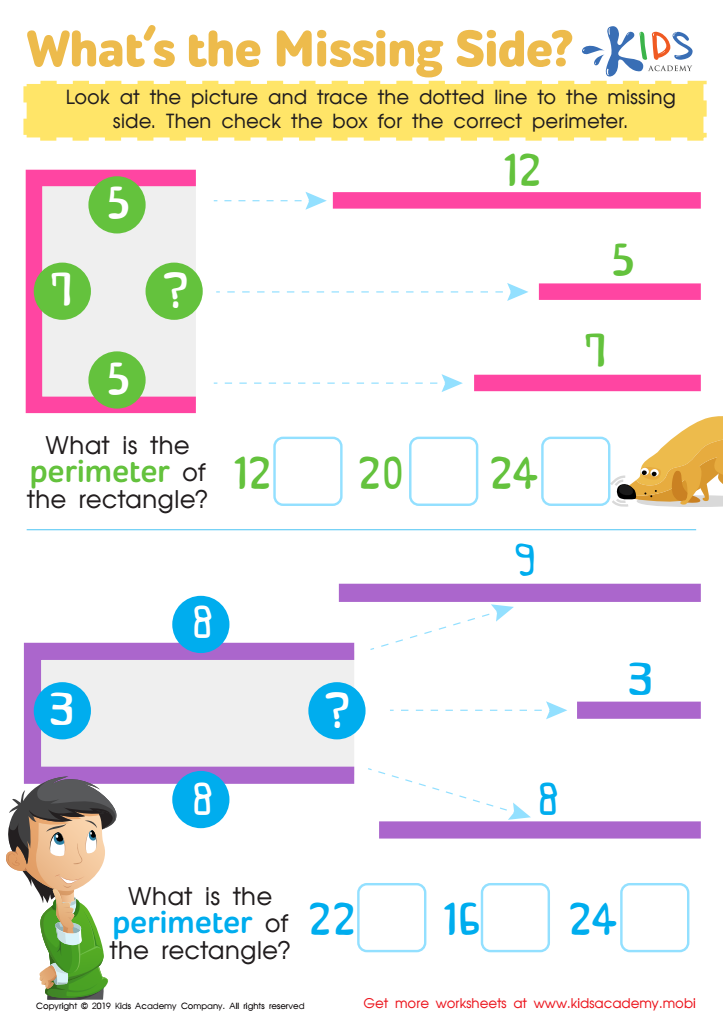
What's the Missing Side Worksheet
 Assign to My Students











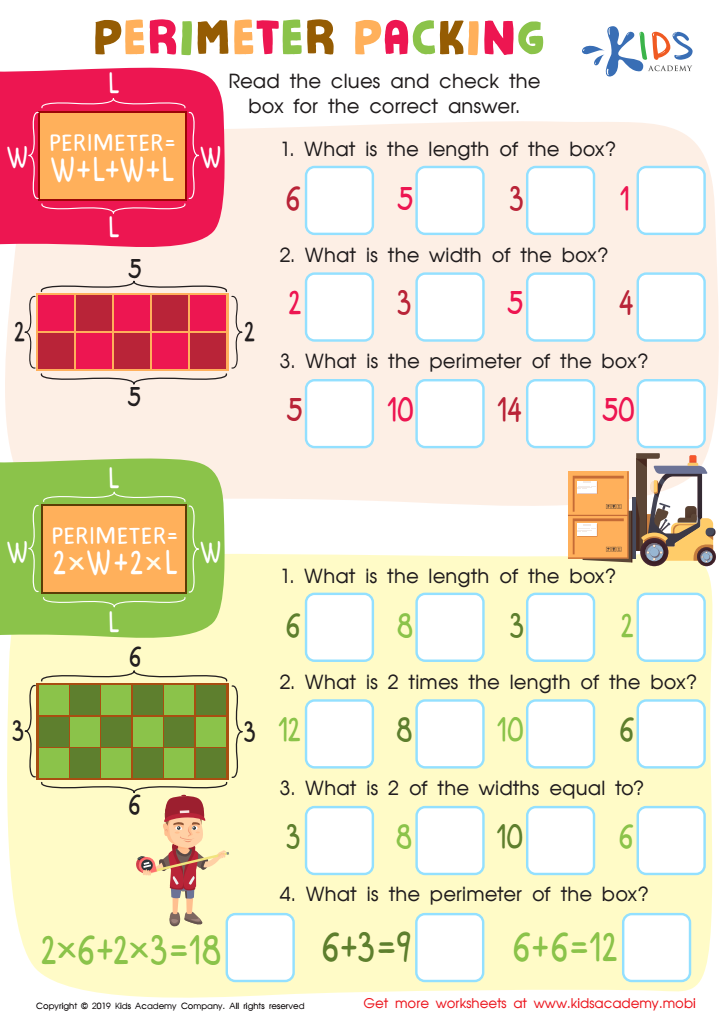
Perimeter Parking Worksheet
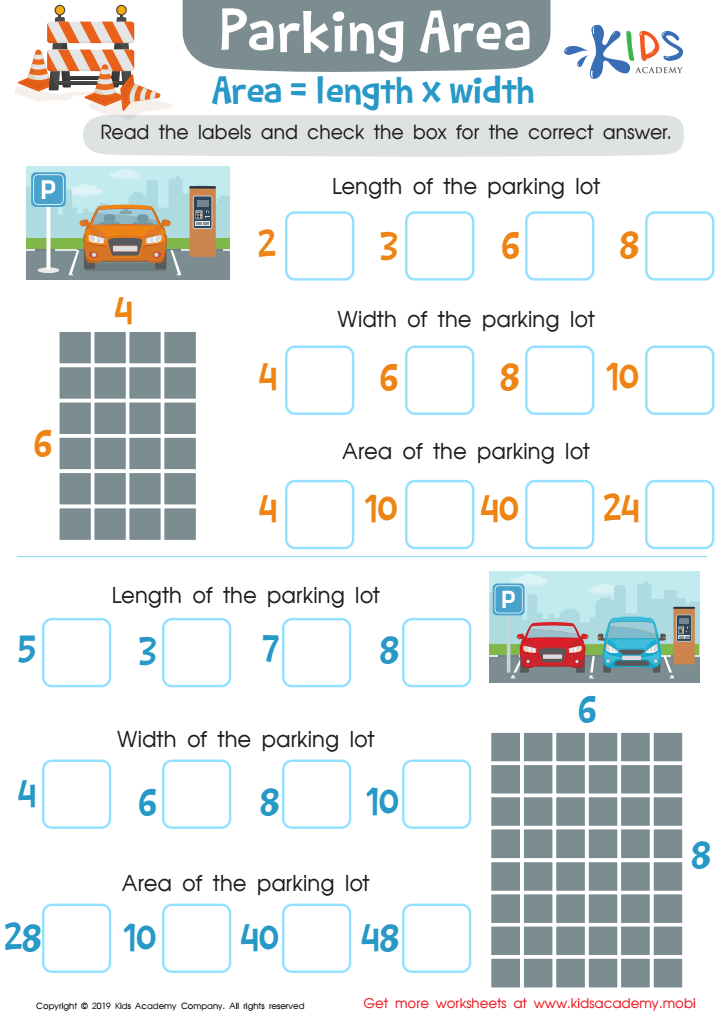
Parking Area Worksheet
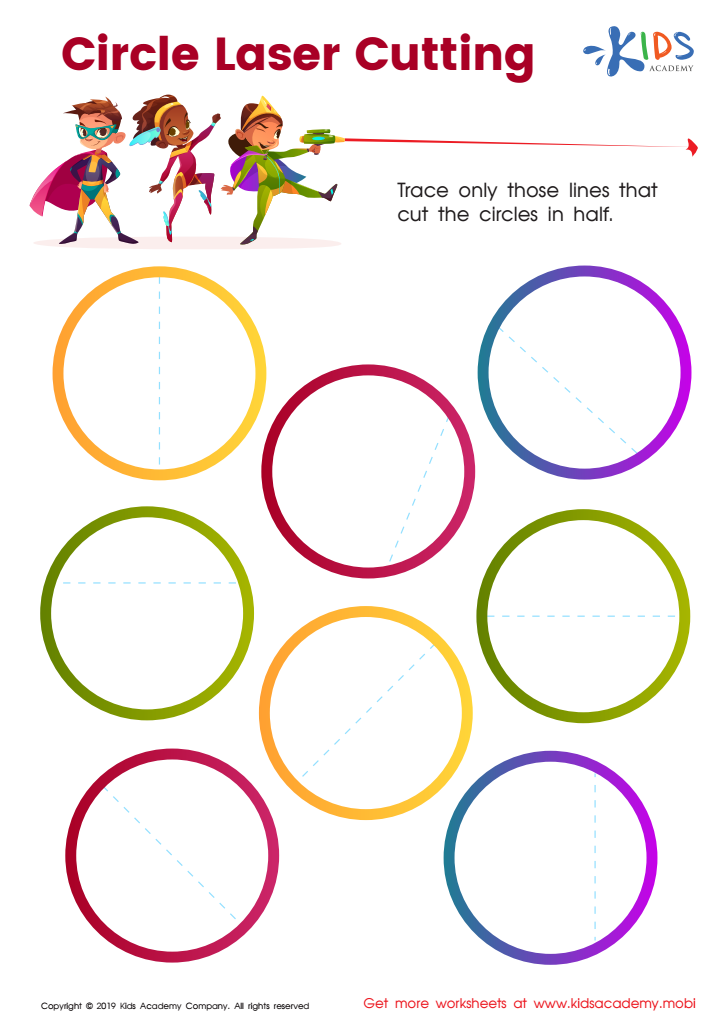
Circle Laser Cutting Worksheet
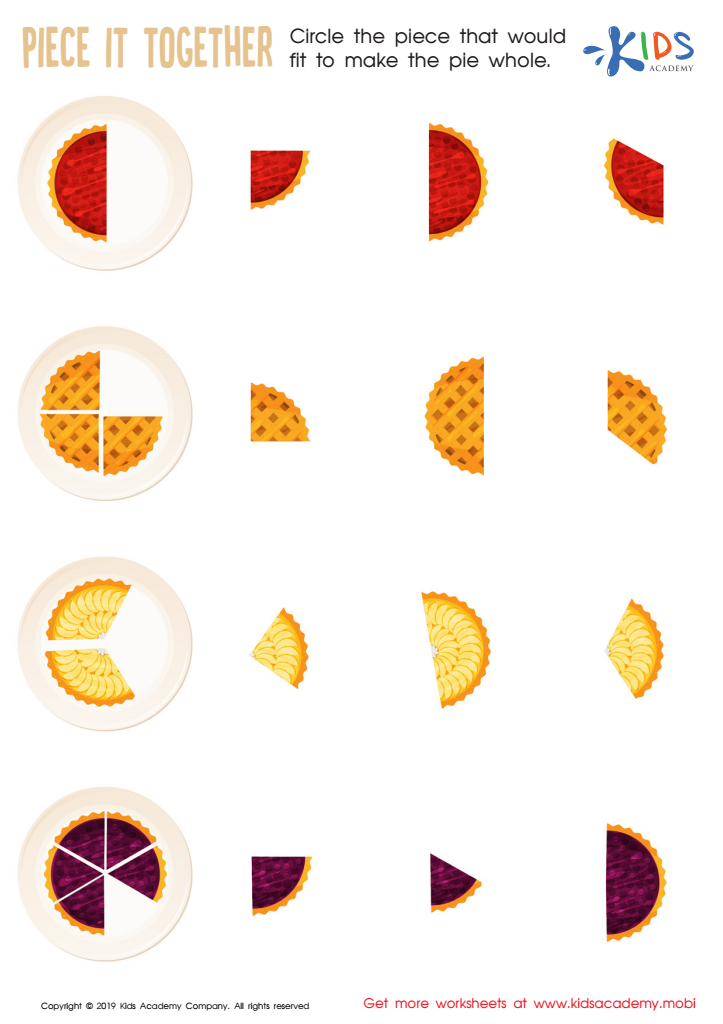
Piece it together Worksheet
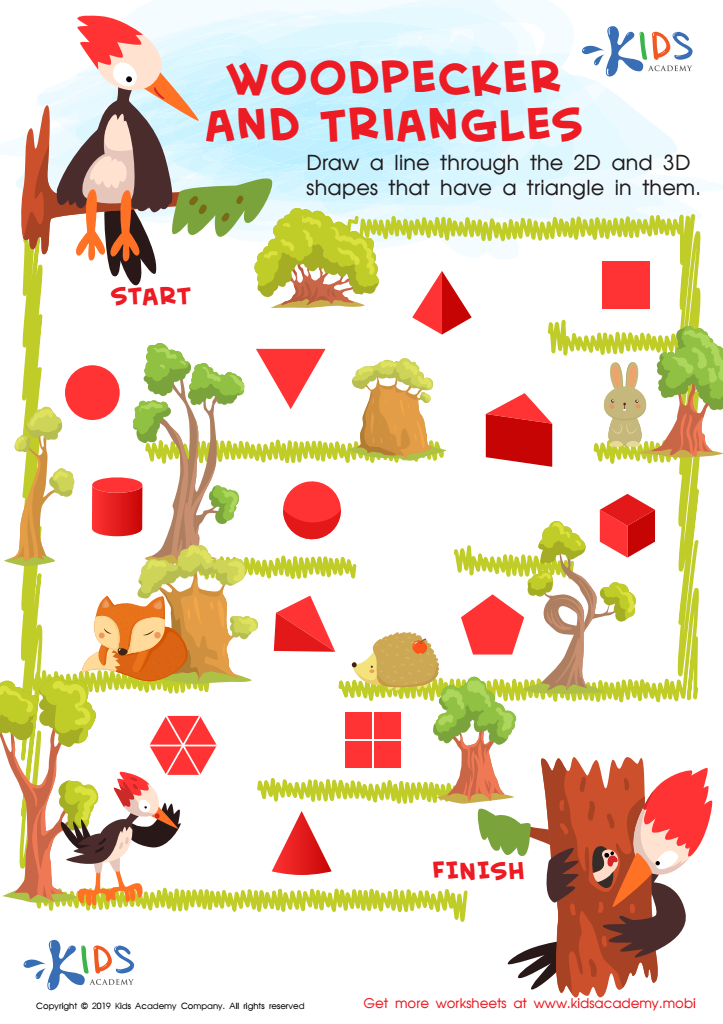
Woodpecker and Triangles Worksheet
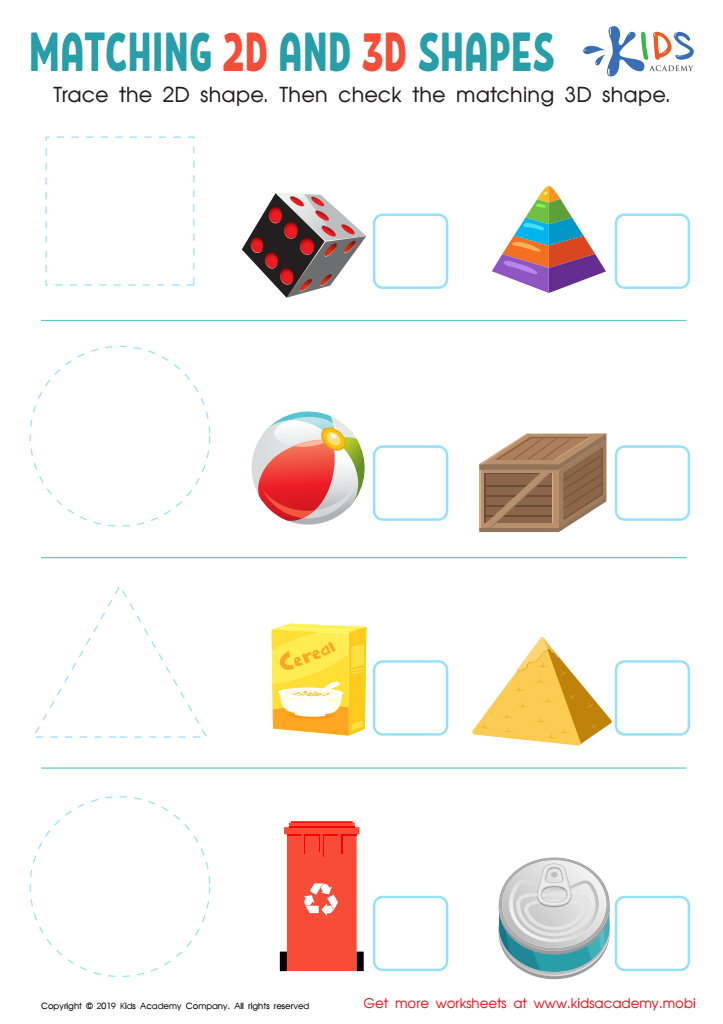
Matching 2D and 3D Shapes Worksheet
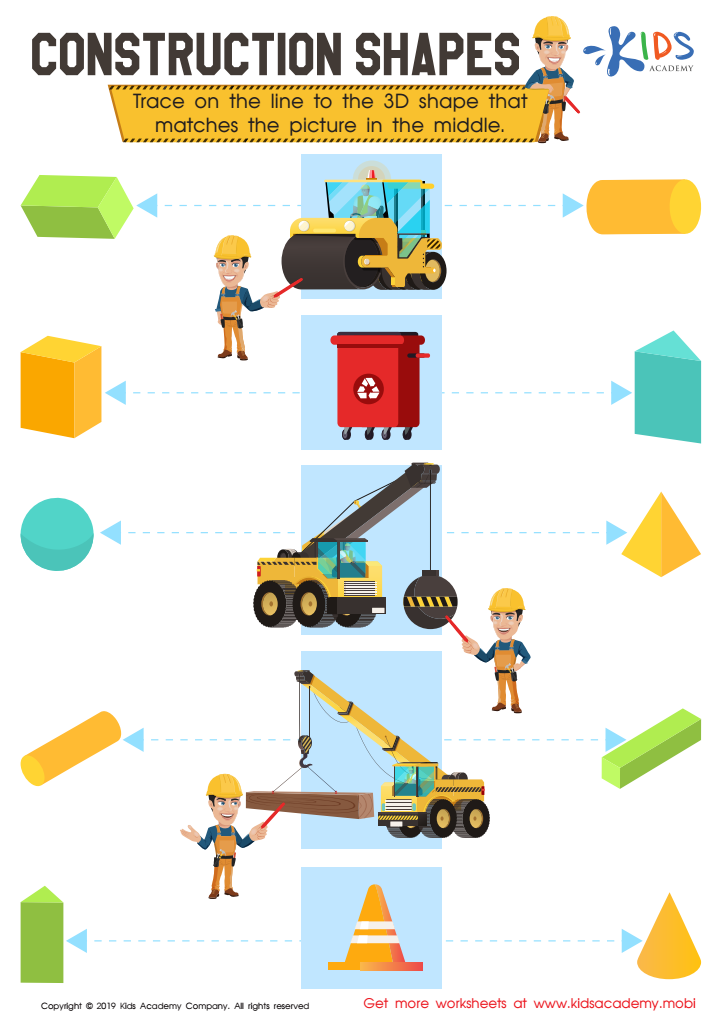
Construction Shapes Worksheet
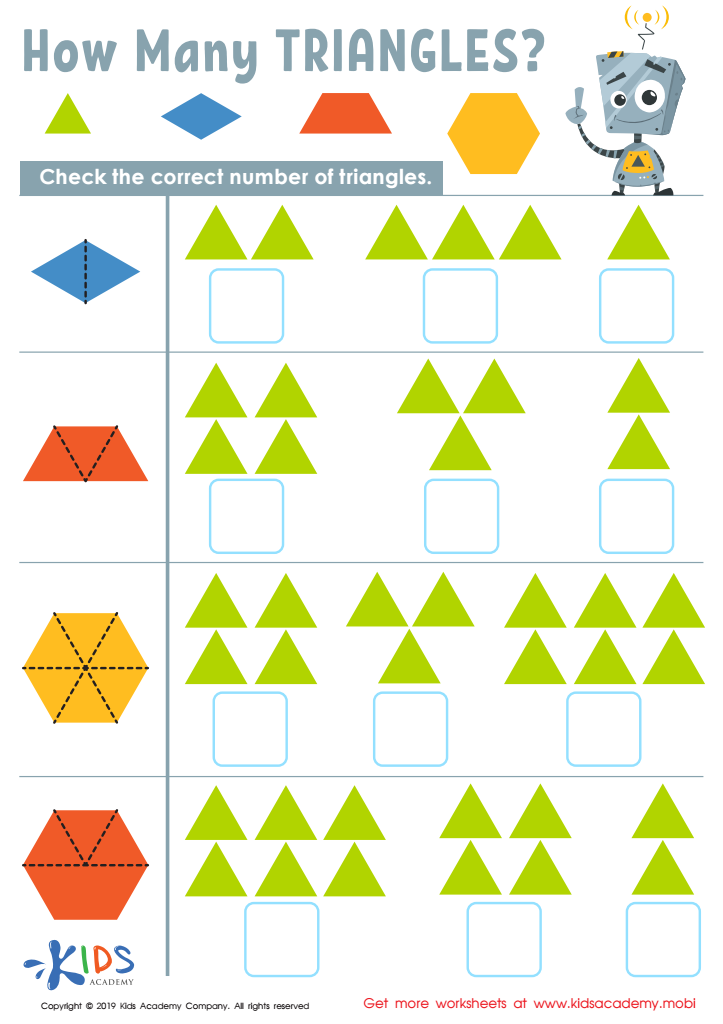
How Many Triangles Worksheet
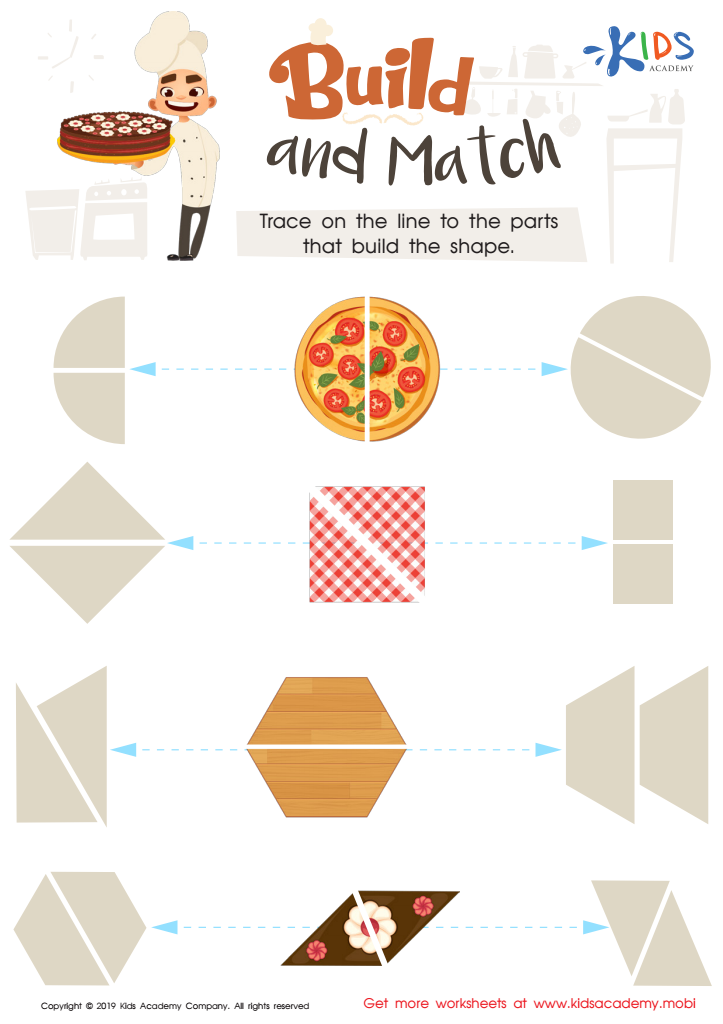
Build and Match Worksheet
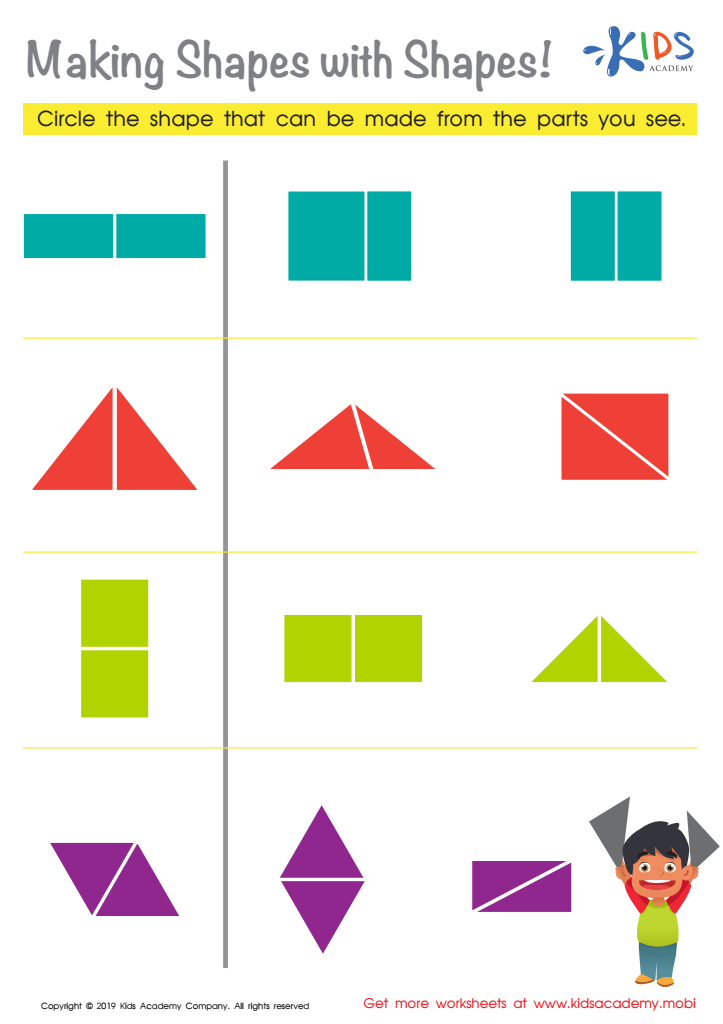
Making Shapes with Shapes Worksheet
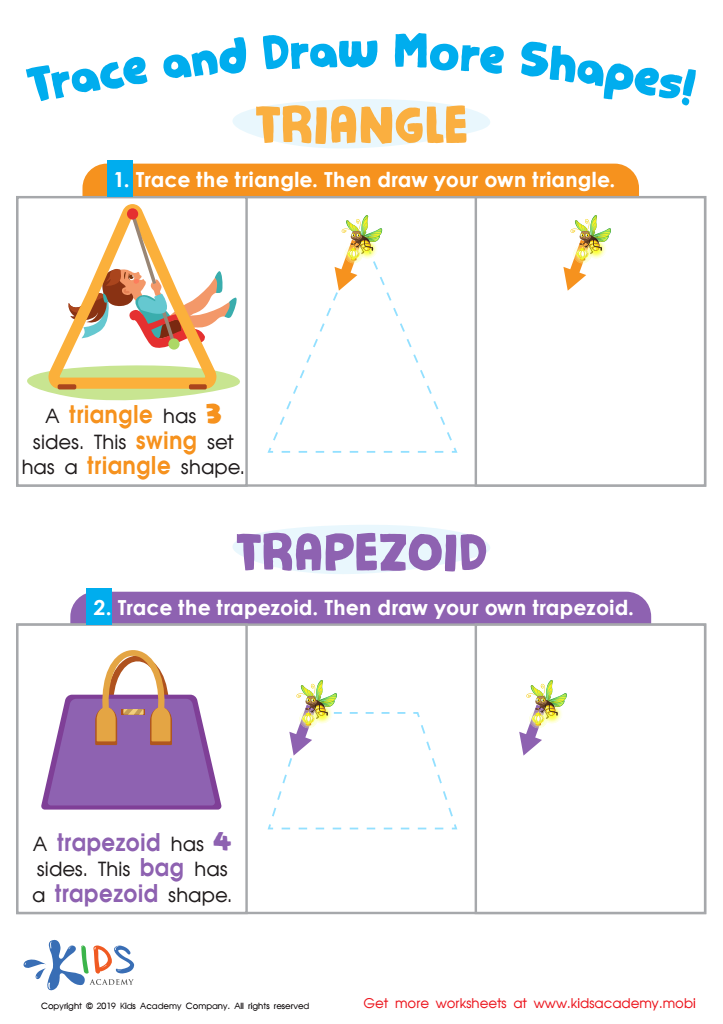
Trace and Draw More Shapes Worksheet
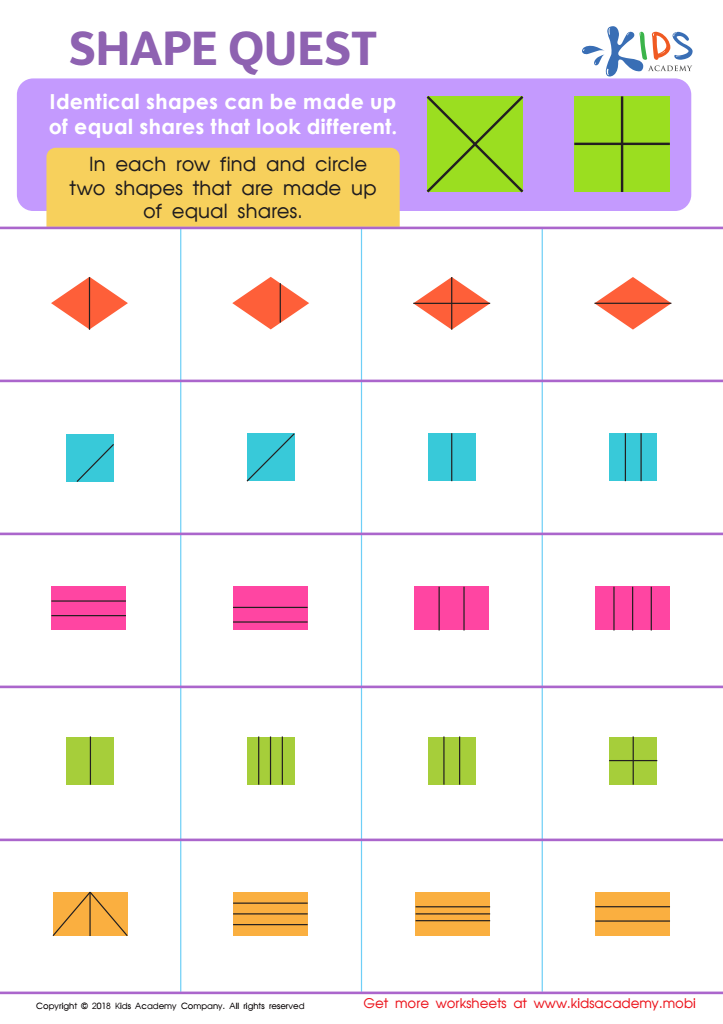
Shape Quest Worksheet
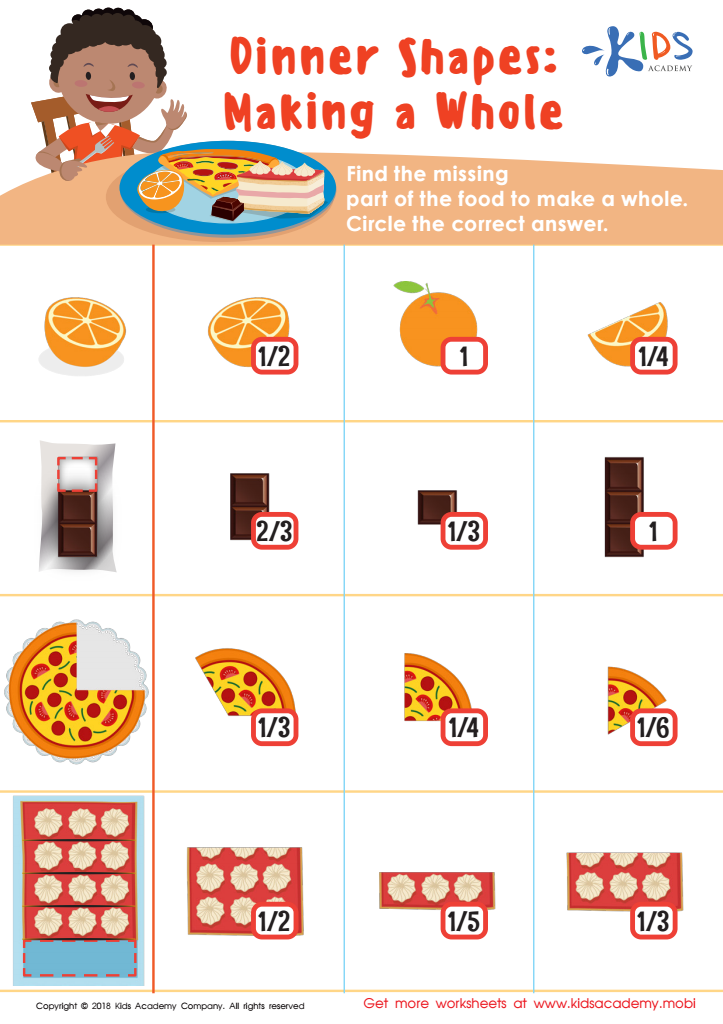
Dinner Shapes: Making a Whole Worksheet
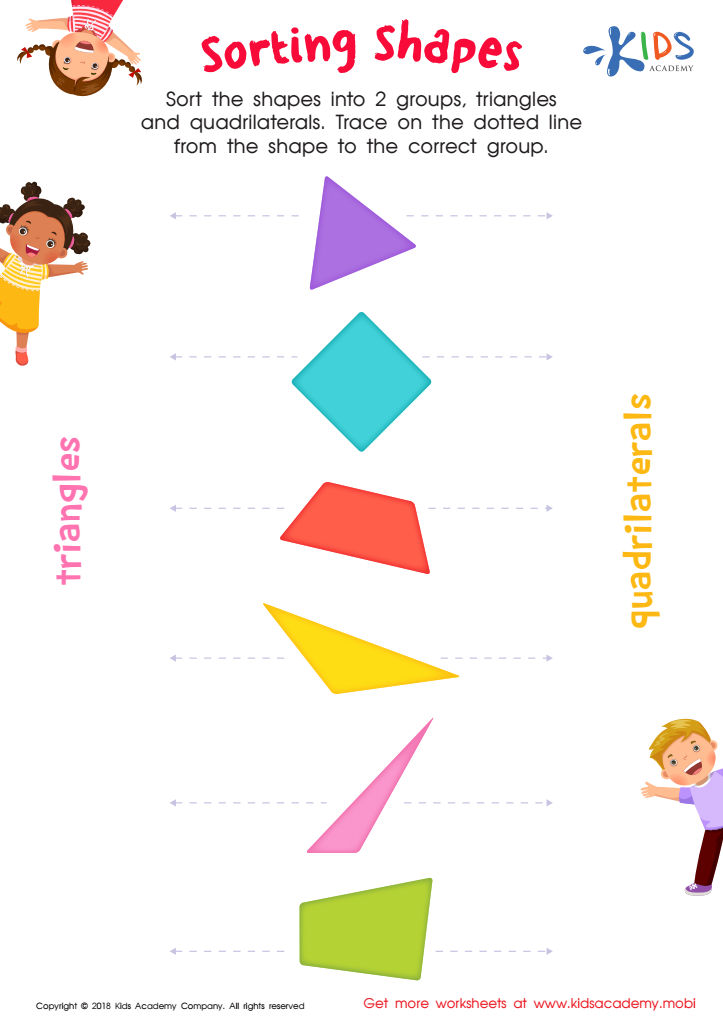
Sorting Shapes Worksheet
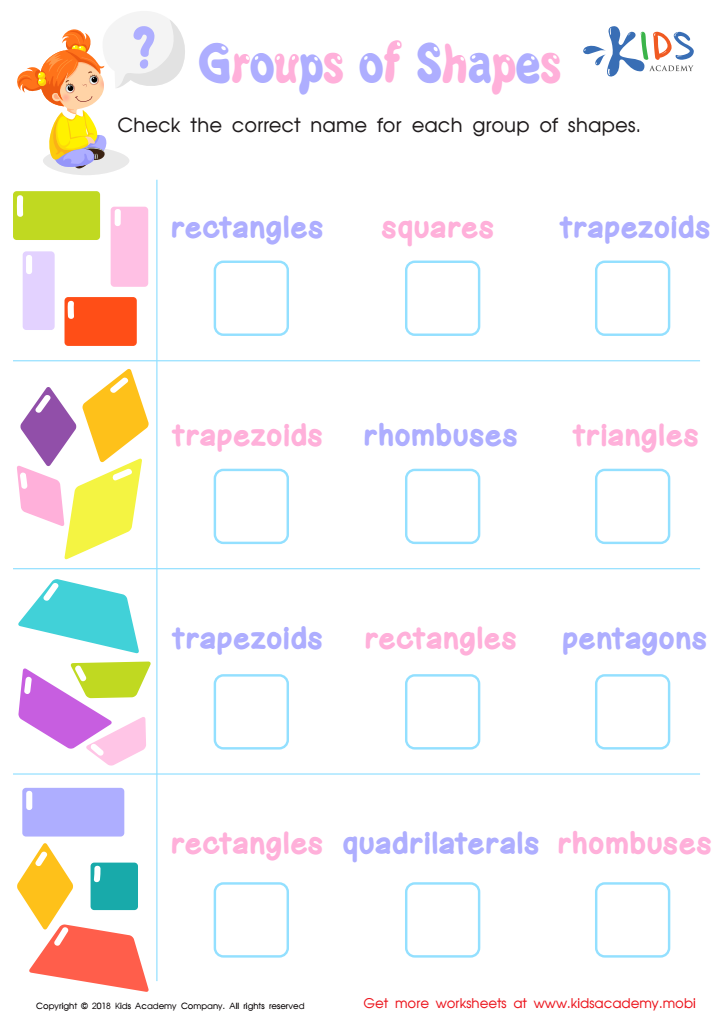
Groups of Shapes Worksheet
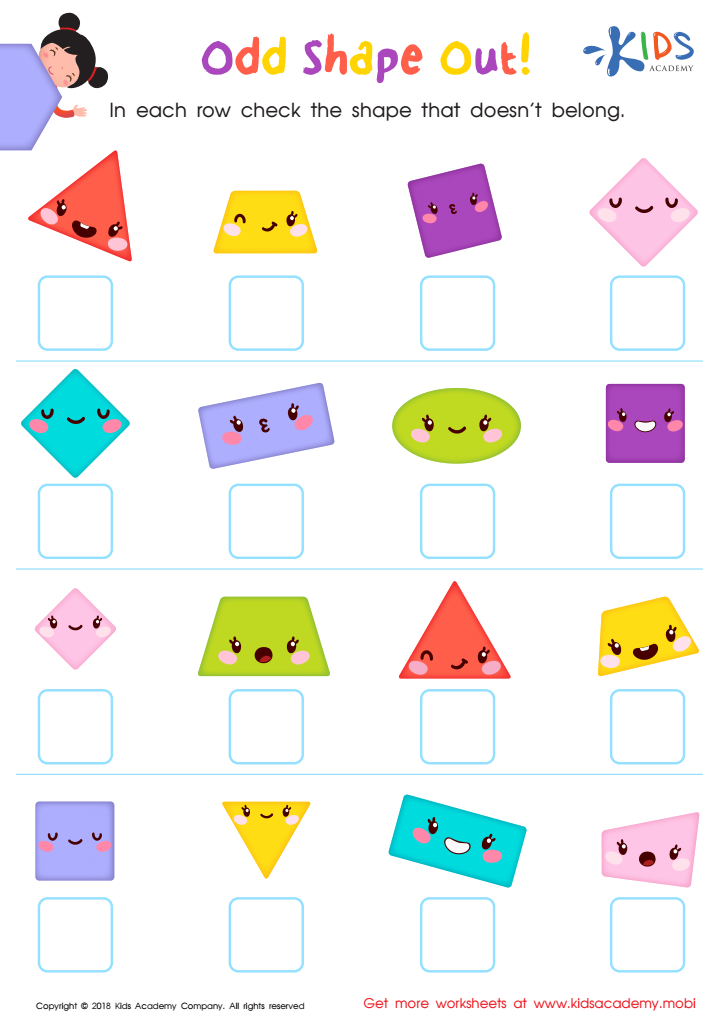
Odd Shape Out Worksheet for Grade 3
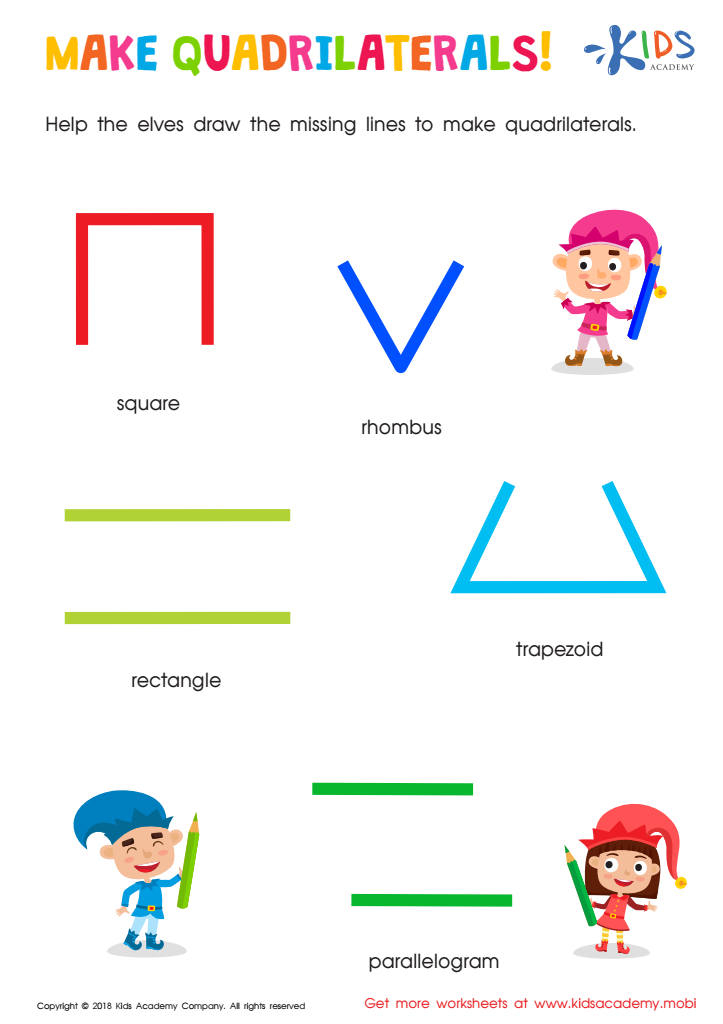
Make Quadrilaterals Worksheet
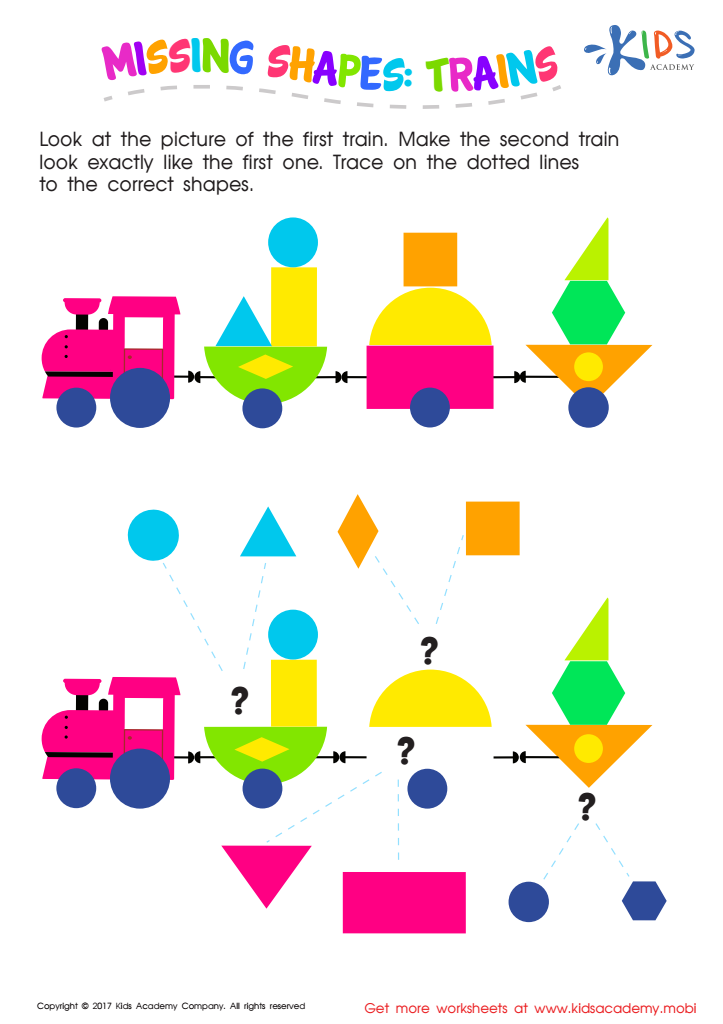
Missing Shapes: Trains Worksheet
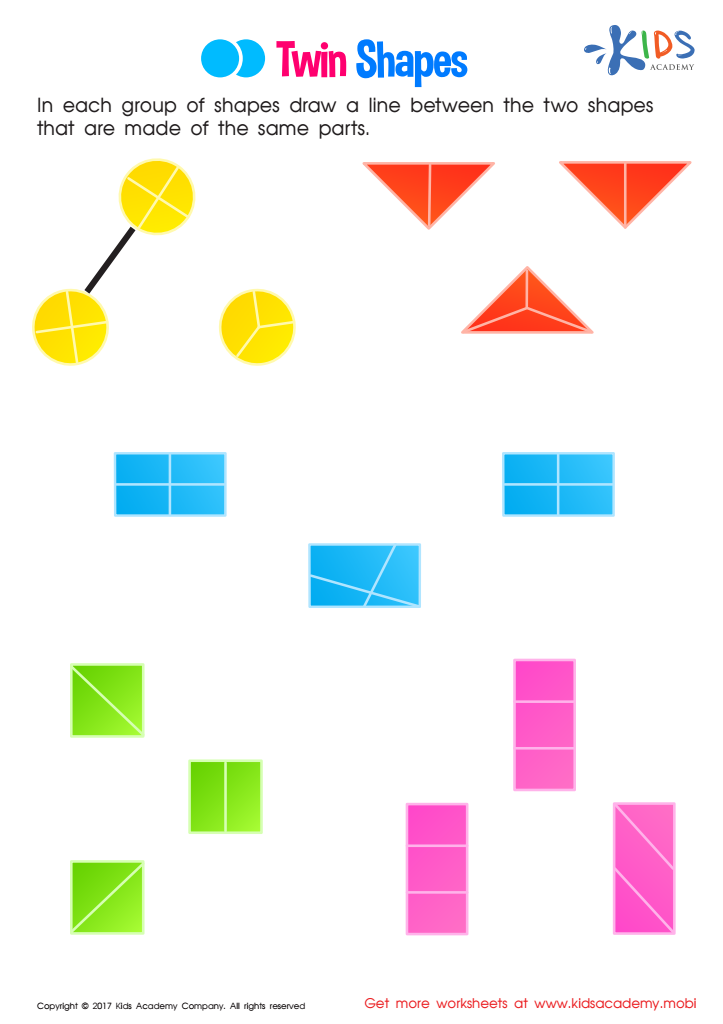
Twin Shapes Worksheet
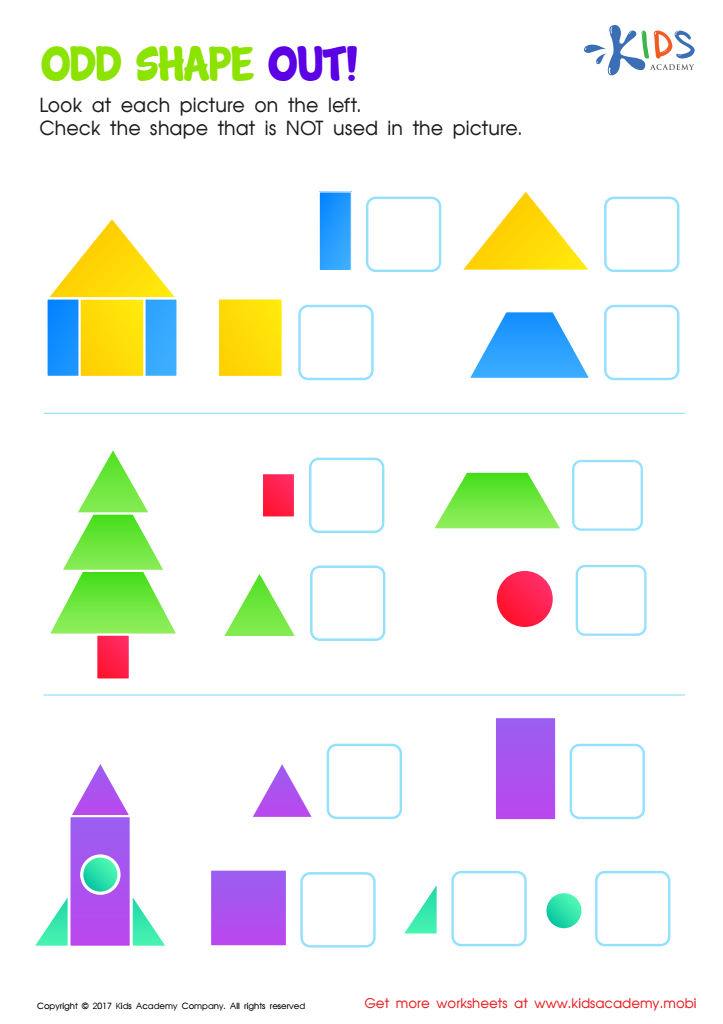
Odd Shape Out Worksheet for Grade 1
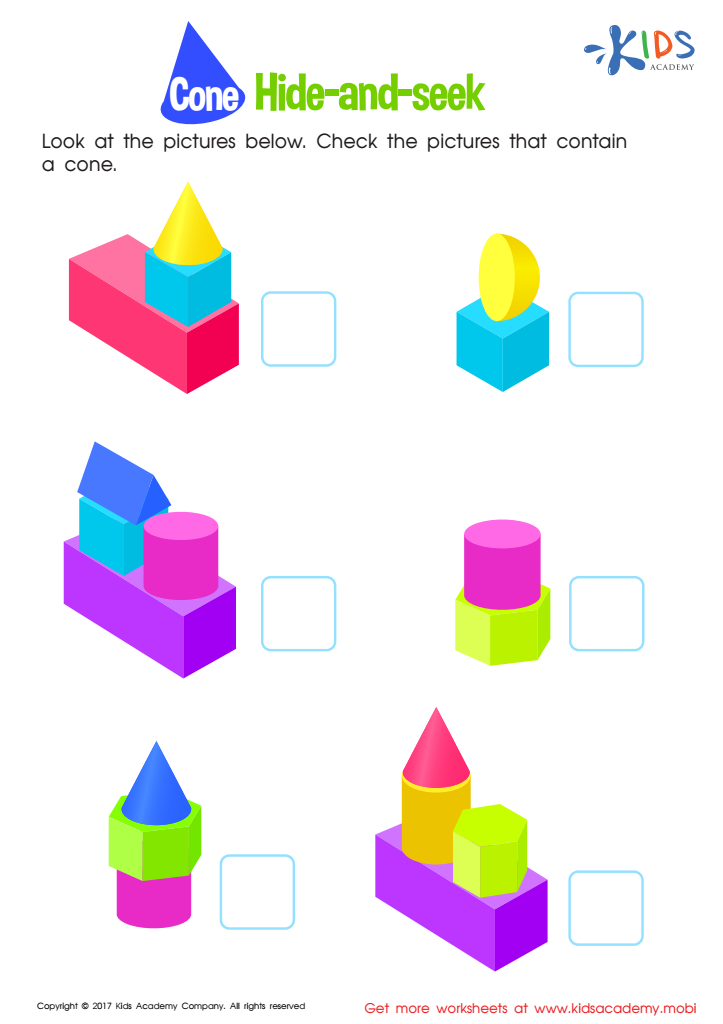
Cone Hide-and-Seek Worksheet
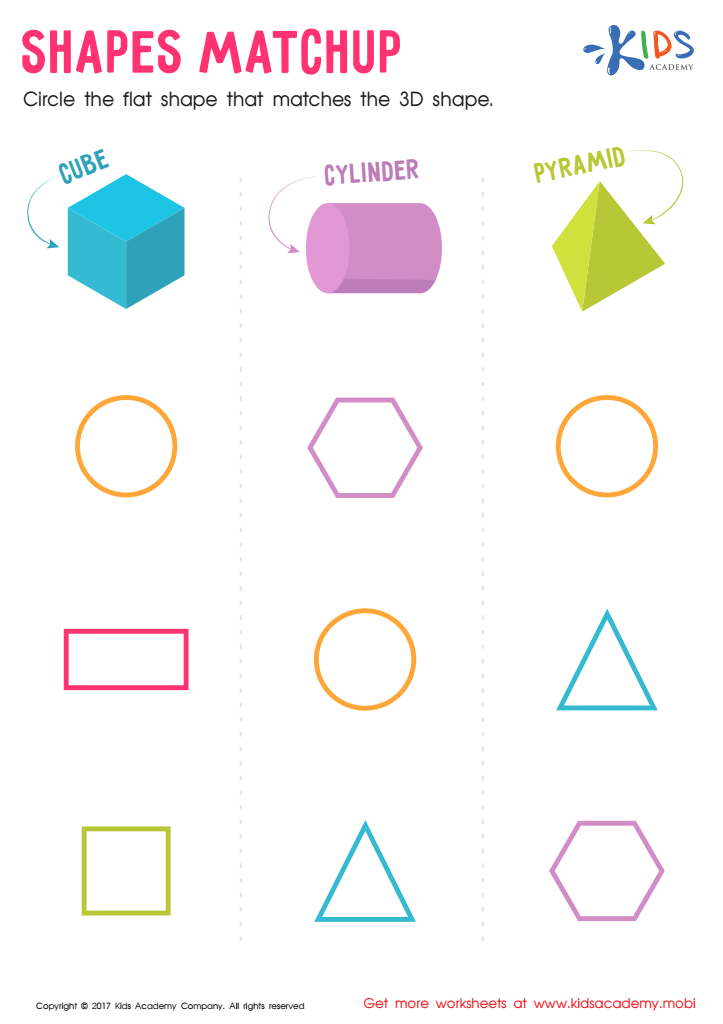
Shapes Matchup Worksheet
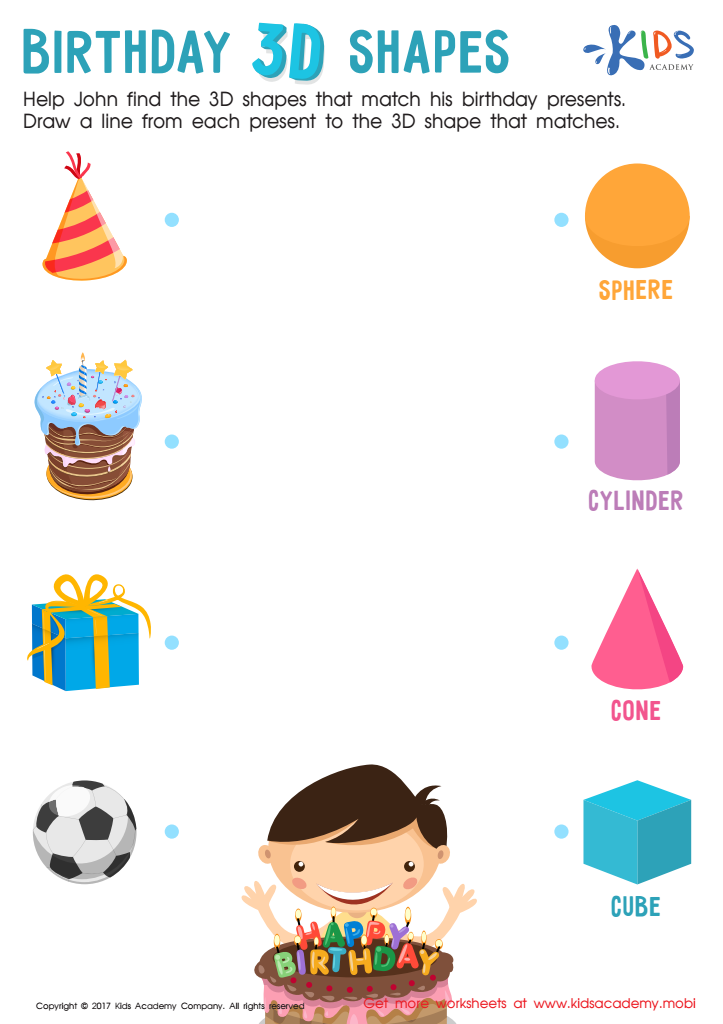
Birthday 3D Shapes Worksheet








Shape recognition geometry is foundational for young children aged 7-8, providing critical cognitive benefits and practical skills important for their academic and everyday lives. At this developmental stage, children's brains are highly receptive to learning new concepts, and engaging with geometric shapes helps enhance their spatial awareness and problem-solving abilities. Recognizing shapes involves identifying and distinguishing between different geometric figures such as circles, squares, triangles, and rectangles, which builds a visual-spatial foundation necessary for success in more advanced areas of math and science.
For parents and teachers, fostering shape recognition can significantly improve a child’s ability to categorize and organize information, skills that are transferable to reading, writing, and even social understanding. Additionally, familiarity with geometric concepts aids in real-life situations, such as reading maps, understanding the layout of spaces, or navigating through their environment effectively.
In the classroom, teachers can integrate shape recognition activities that promote interactive and hands-on learning, making geometry fun and accessible. This not only boosts children's confidence in their abilities but also ignites a passion for learning complex subjects in the future. Encouraging early exposure to geometry equips children with a toolkit of skills essential for cognitive development and practical application, forming the building blocks for lifelong learning and curiosity.








