Letter Recognition Worksheets for Ages 7-9 - Page 3
55 filtered results
-
From - To
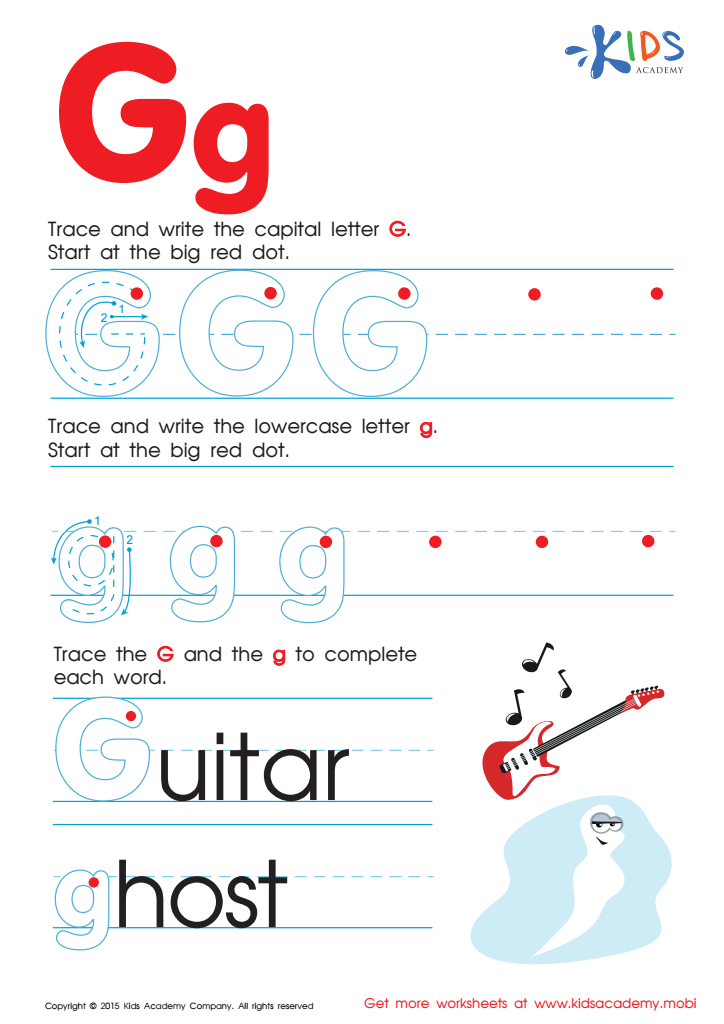
Letter G Tracing Page
 Assign to My Students
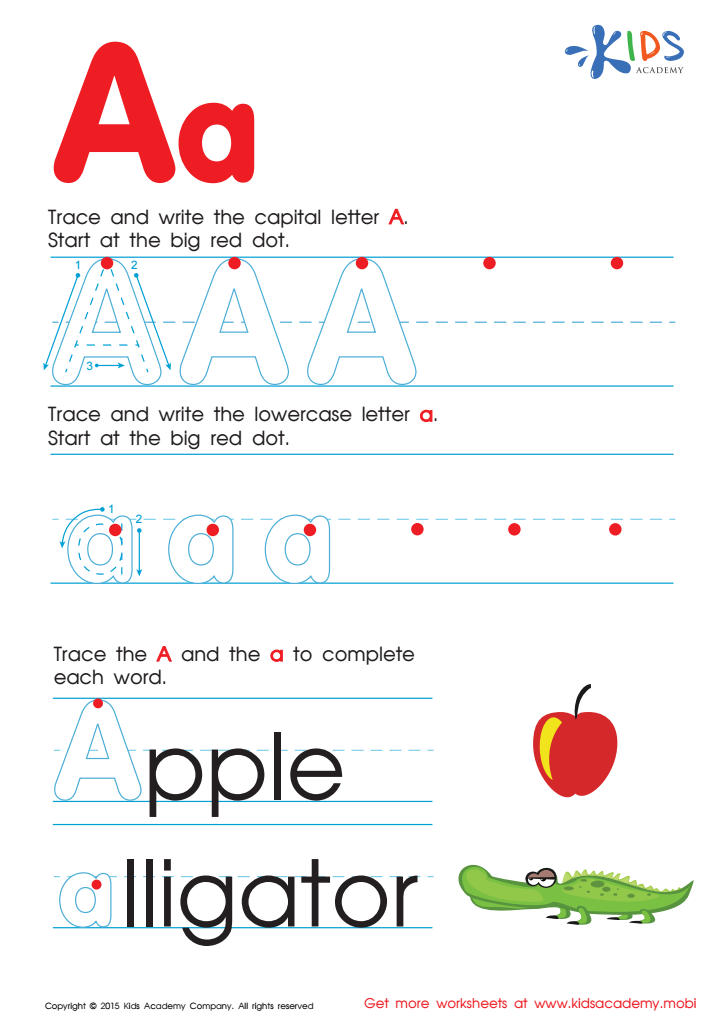
Letter A Tracing Page
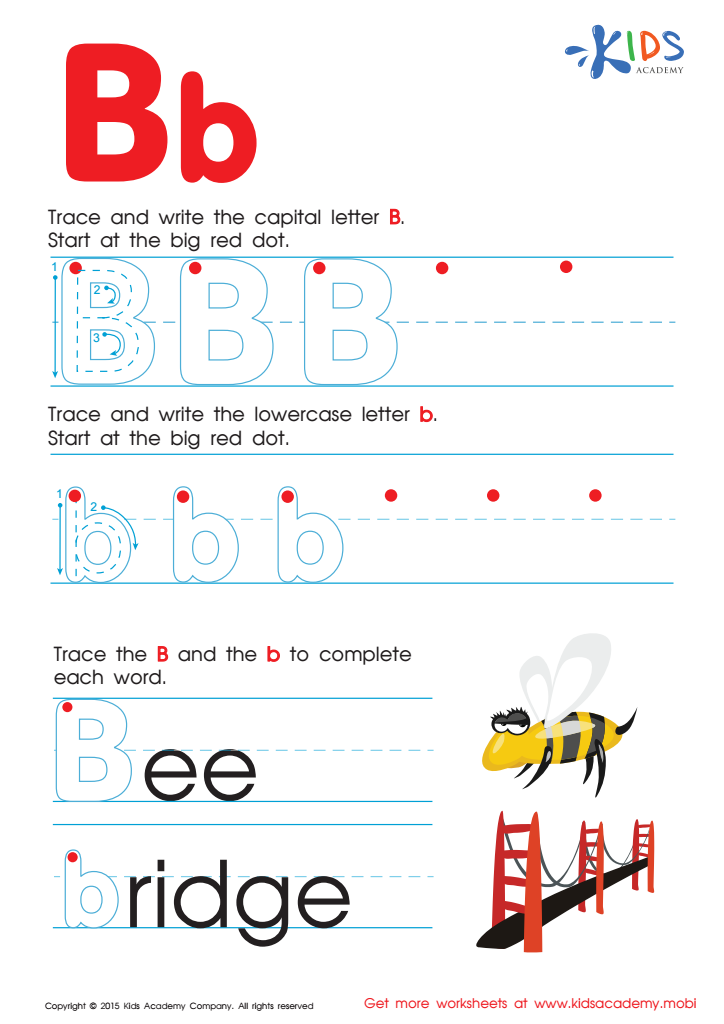
Letter B Tracing Page
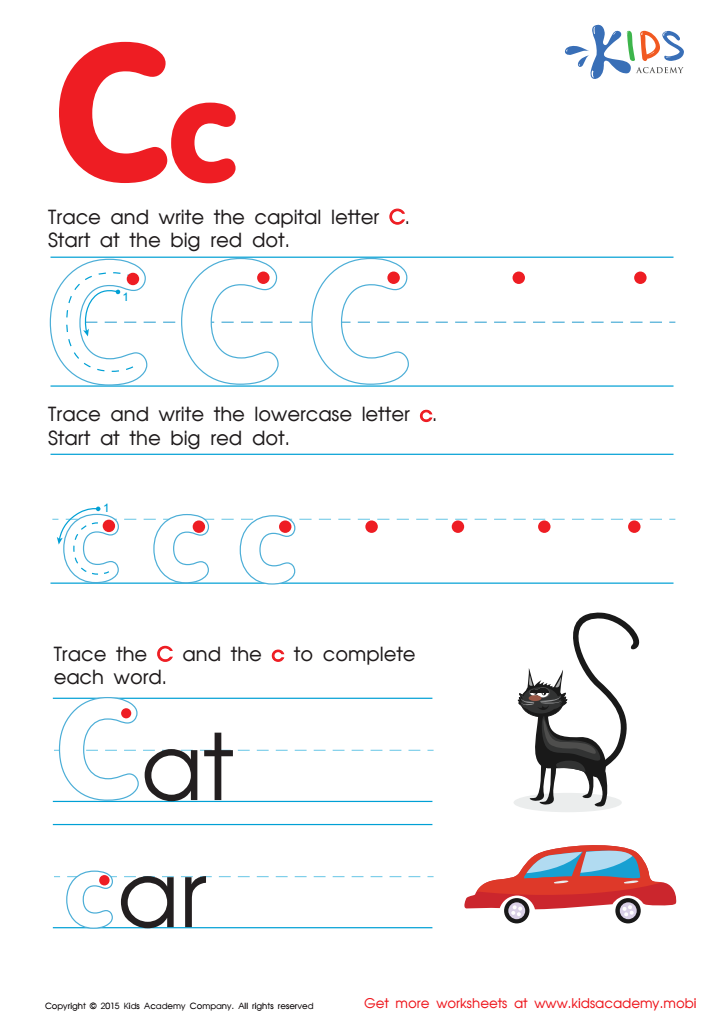
Letter C Tracing Page

Letter D Tracing Page
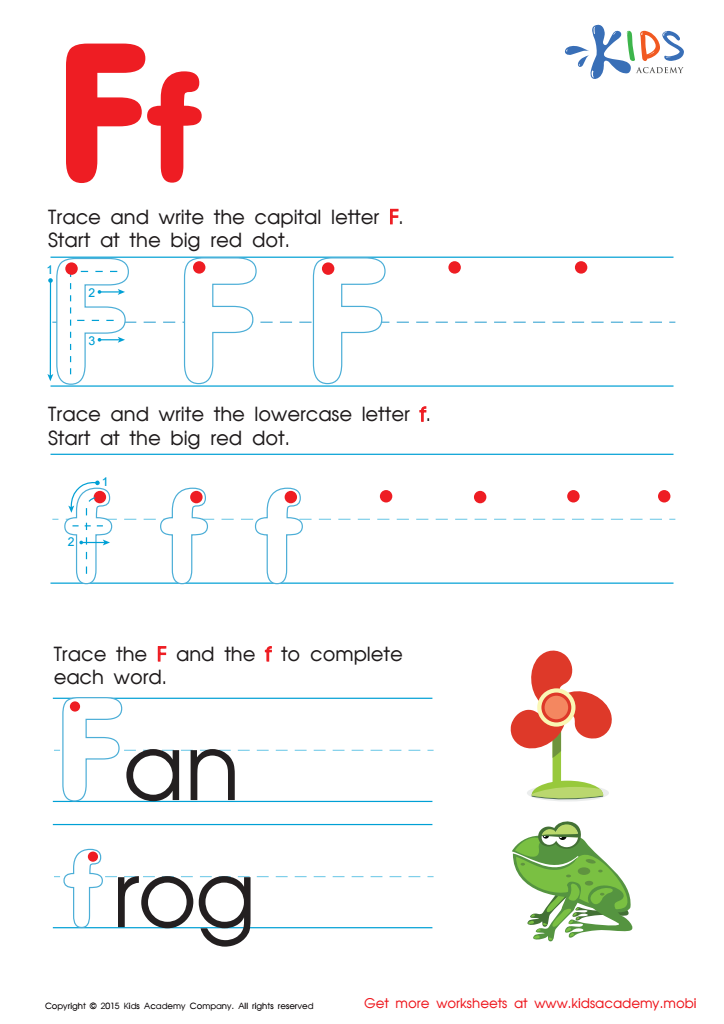
Letter F Tracing Page
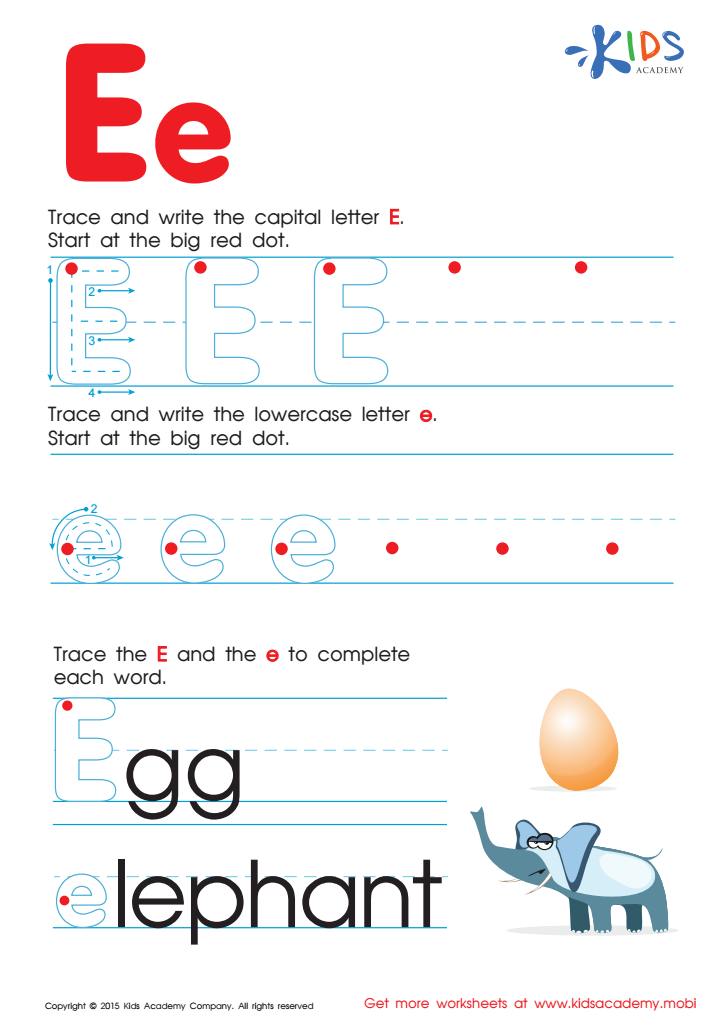
Letter E Tracing Page








Letter recognition is a foundational skill crucial for children aged 7-9 as it significantly impacts their reading and writing development. During these formative years, students transition from learning to read to reading to learn, making strong literacy skills essential for their academic success. Recognizing letters not only helps children identify words but also enables them to decode unfamiliar texts, enhancing their confidence and engagement in reading.
Parents and teachers should prioritize letter recognition because it facilitates improved phonemic awareness—the ability to hear, identify, and manipulate sounds in spoken words. This skill is vital for spelling and vocabulary development, leading to enhanced comprehension and communication skills. Moreover, early attention to letter recognition can help identify any learning difficulties, allowing for timely intervention and support.
In addition to academic implications, nurturing letter recognition fosters a love for reading and learning. Parents and teachers can create enriching environments filled with diverse literature, interactive games, and engaging activities that motivate children. By emphasizing this skill, adults contribute significantly to children’s overall literacy, setting the stage for lifelong learning and success in an increasingly text-driven world. Engaging in letter recognition enriches their language experience and empowers children to express themselves effectively.







