Easy 2D Shapes Worksheets for Ages 3-6
10 filtered results
-
From - To
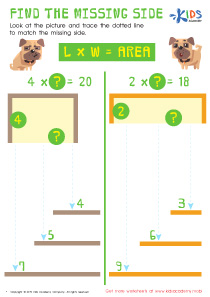
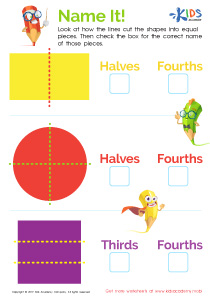
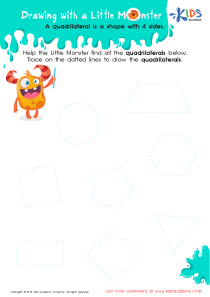
Discover our engaging Easy 2D Shapes Worksheets designed for children aged 3-6! These colorful and interactive resources help young learners identify and understand basic 2D shapes, including circles, squares, triangles, and rectangles. Each worksheet is meticulously crafted to promote shape recognition through fun activities like coloring, tracing, and matching. Our materials support early math skills development while encouraging creativity and fine motor skills. Perfect for preschool and kindergarten settings, these worksheets are downloadable and easy to print for at-home learning or classroom use. Spark your child's imagination and shape exploration today with our fun 2D shapes worksheets!
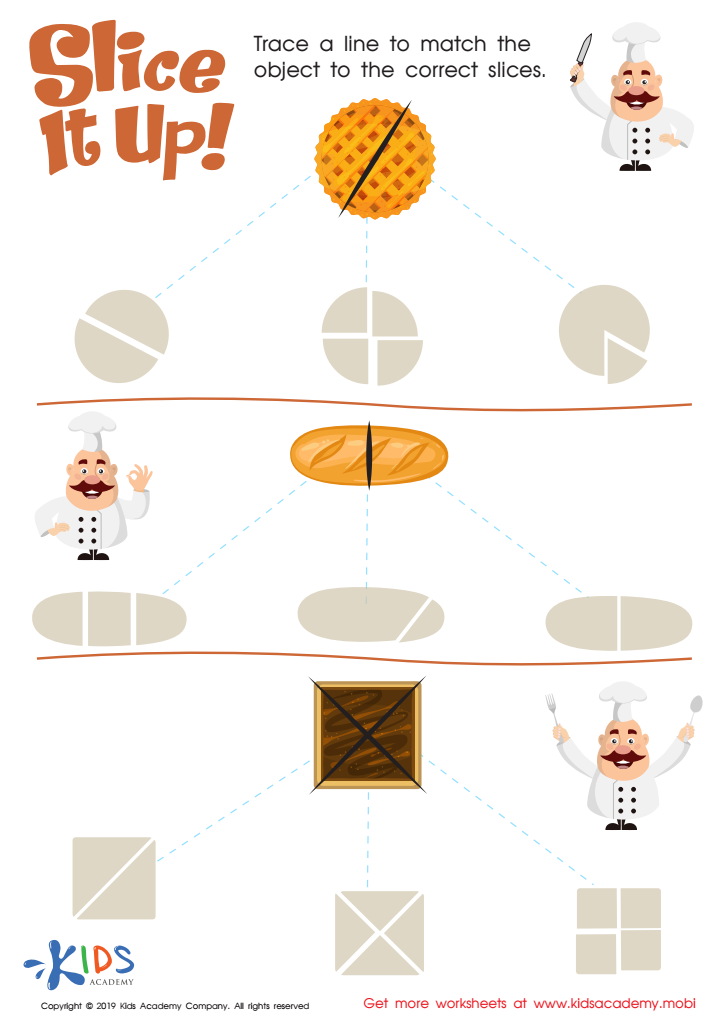
Slice It Up Worksheet
 Assign to My Students

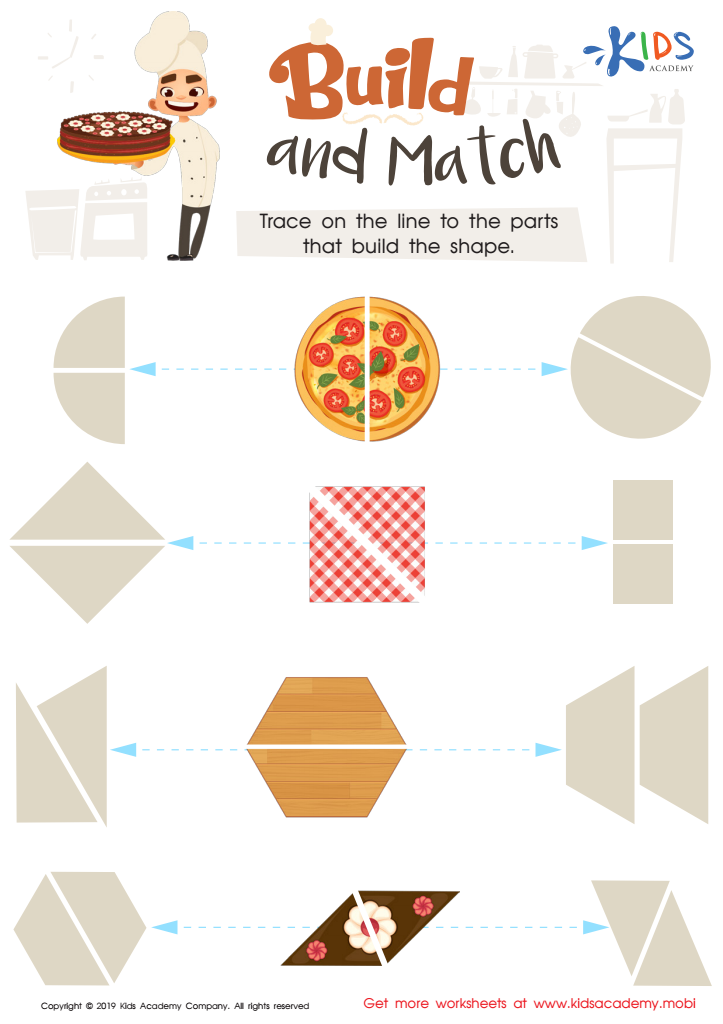
Build and Match Worksheet
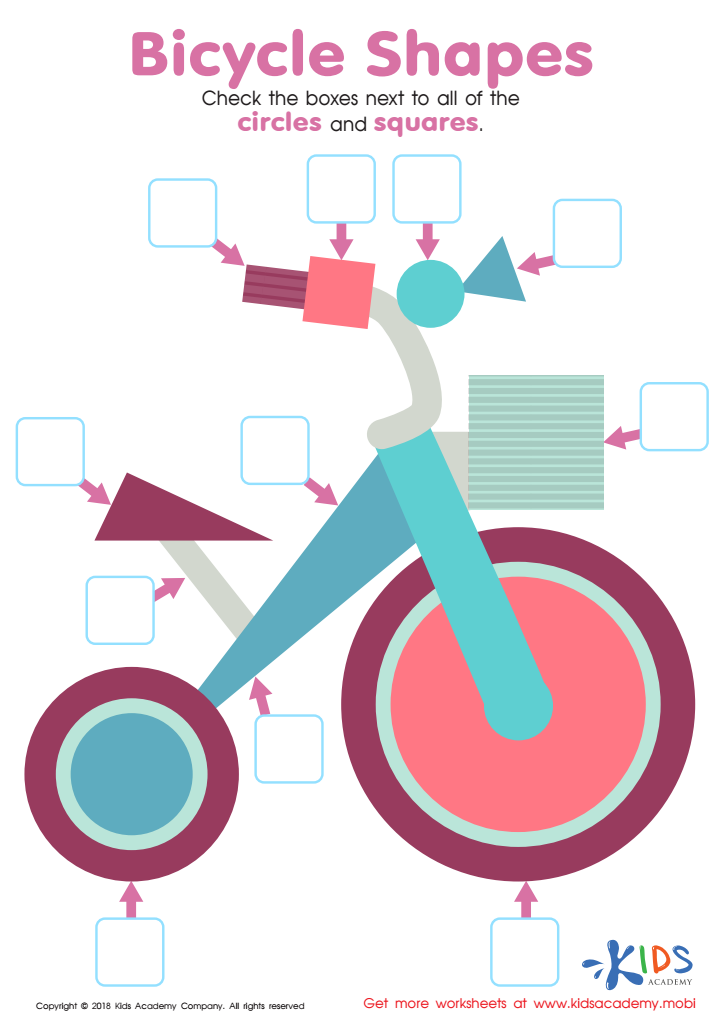
Bicycle Shapes Worksheet
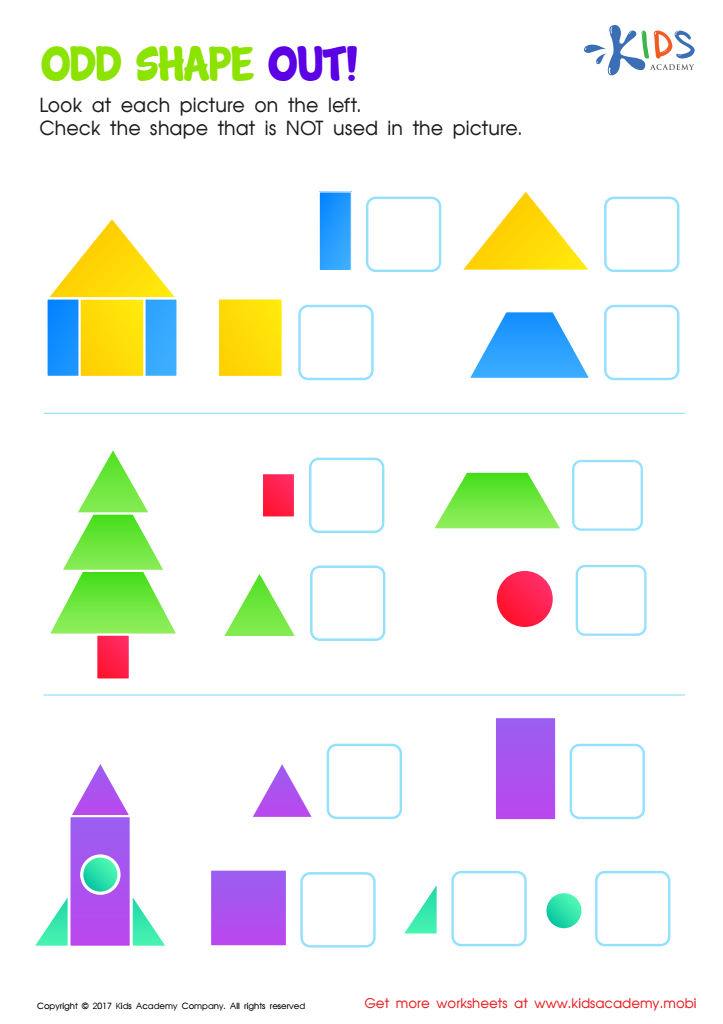
Odd Shape Out Worksheet for Grade 1
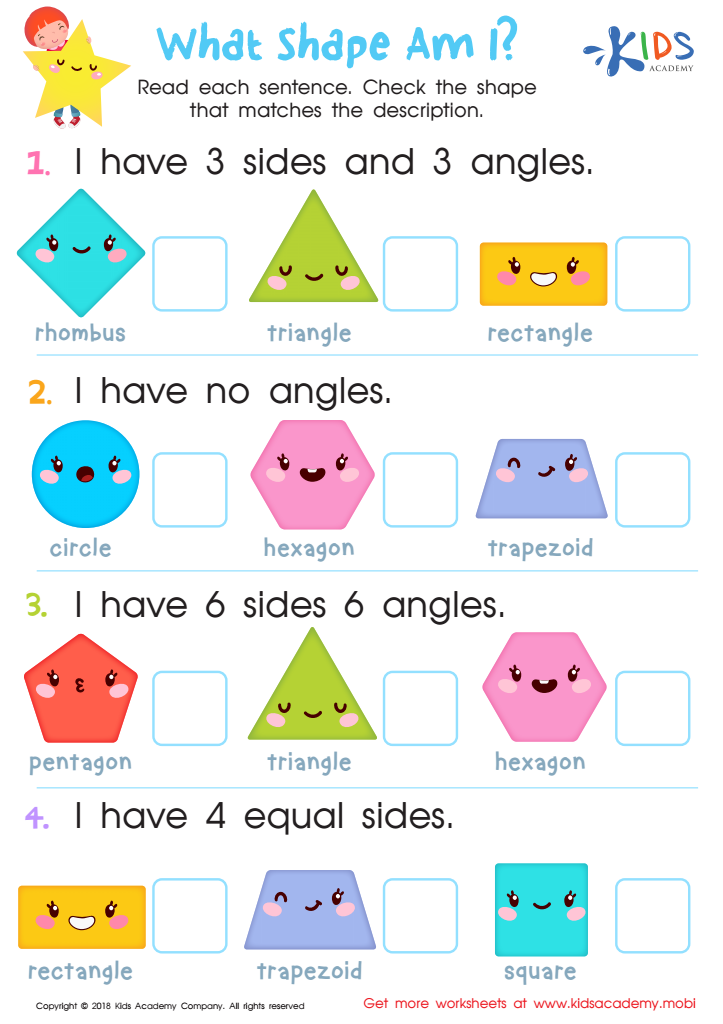
What Shape Am I? Worksheet
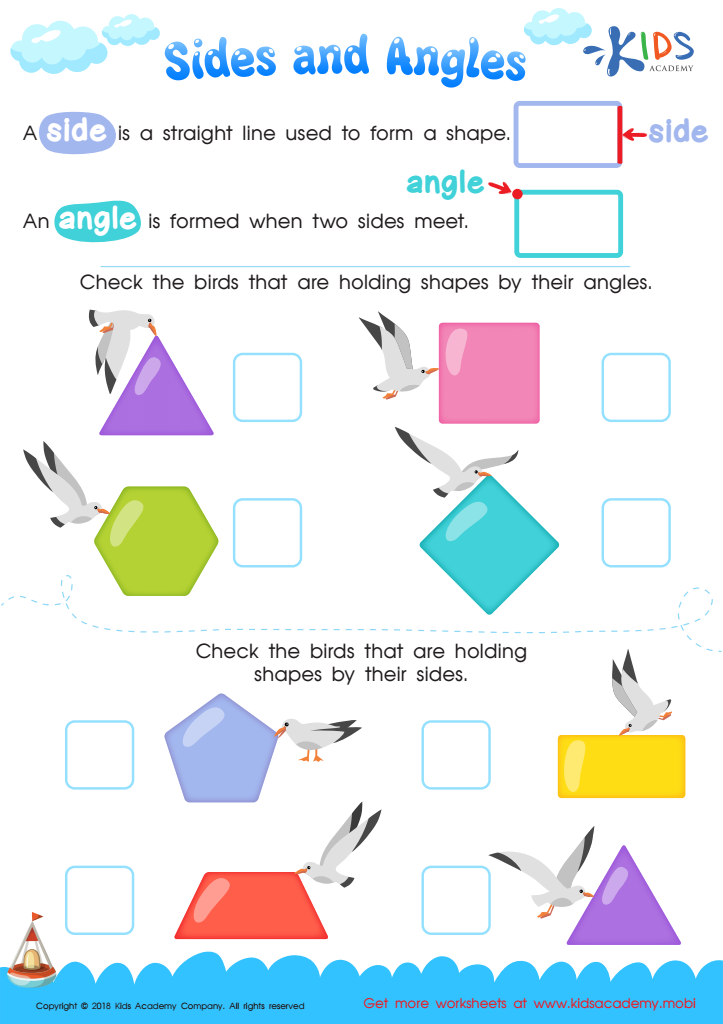
Sides and Angles Worksheet
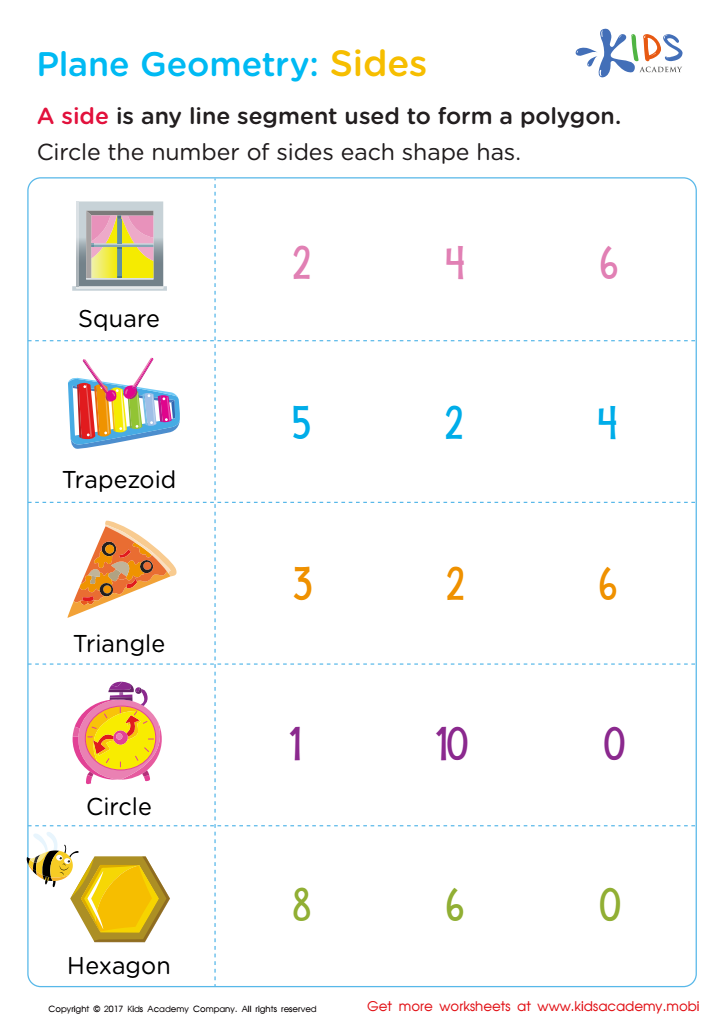
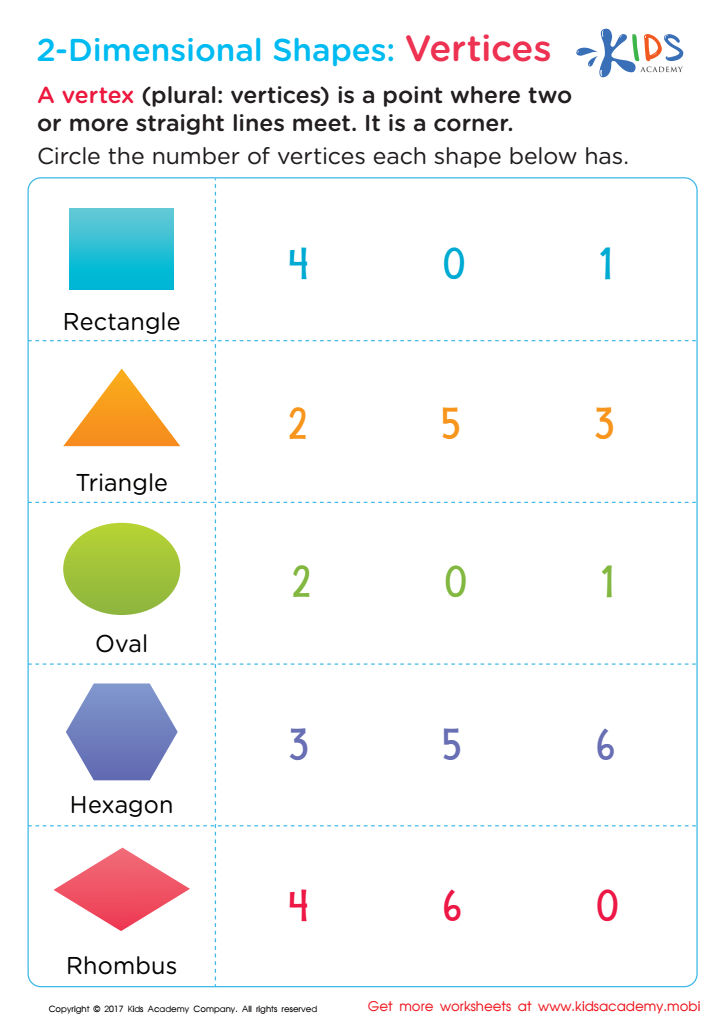
Two–Dimensional Shapes: Vertices Printable
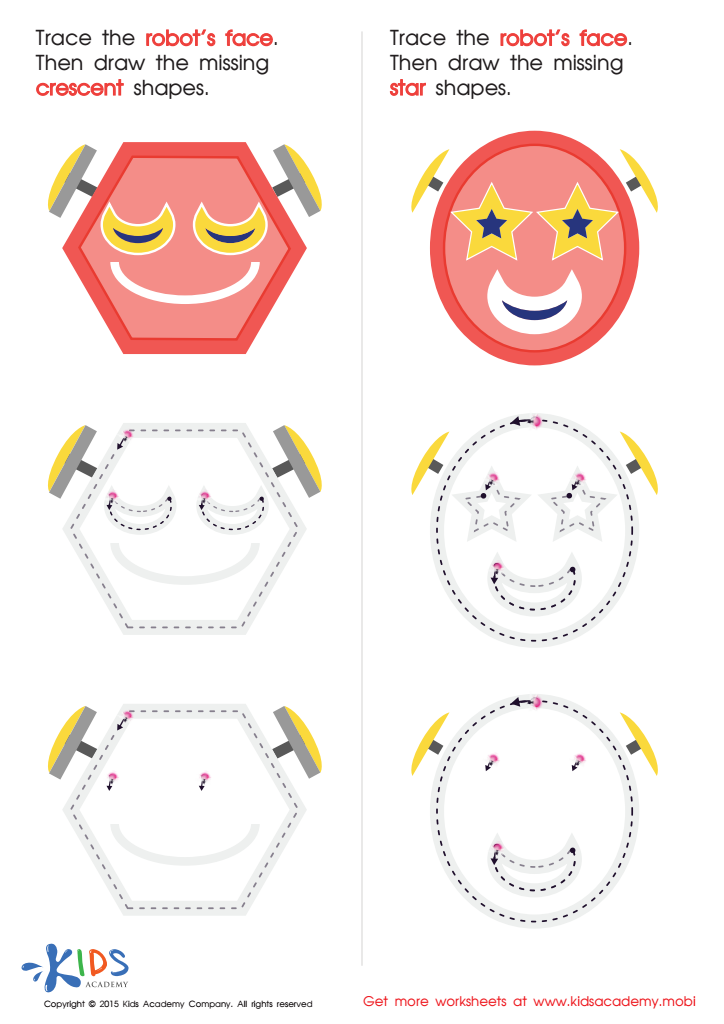
Composing a Robot's Face of Crescents And Stars Worksheet
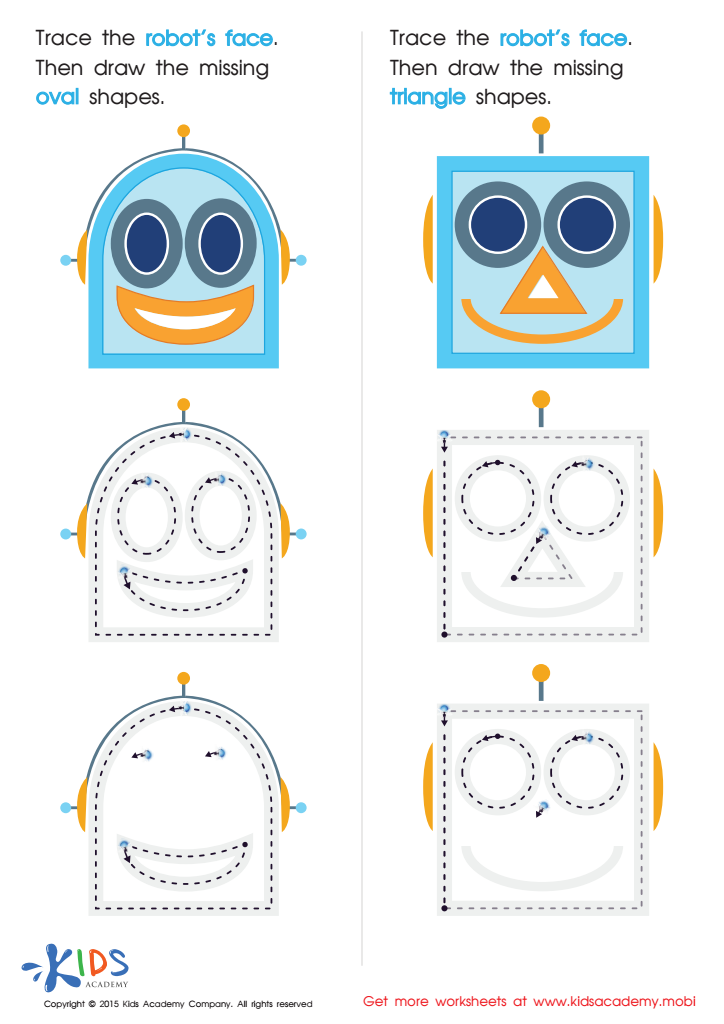
Drawing Ovals And Triangles with Fun Printable








Teaching Easy 2D shapes to children ages 3-6 is essential for several reasons. Firstly, understanding shapes lays the foundation for many cognitive skills, including spatial awareness, problem-solving, and critical thinking. Recognizing and identifying shapes helps children make sense of the world around them, fostering their observational skills and creativity.
Secondly, learning about 2D shapes promotes early math skills, which are crucial for later academic success. Shapes are fundamental in understanding concepts of geometry, symmetry, patterns, and measurement, providing a basis for more complex math in the future.
Moreover, engaging activities that involve shapes encourage social interaction, language development, and fine motor skills. Through hands-on experiences such as drawing, building, and sorting, children enhance their physical coordination and communication abilities.
Additionally, incorporating shapes into everyday conversations helps reinforce learning. For example, identifying shapes in books, nature, or household objects can make learning relevant and fun.
Ultimately, educators and parents play a vital role in nurturing children's understanding of 2D shapes, as it not only supports their learning trajectory but also cultivates a sense of curiosity and exploration that is critical during early development. Prioritizing shape recognition sets children on a path toward a successful, well-rounded education.