Easy Numbers Worksheets for Ages 3-8 - Page 3
151 filtered results
-
From - To
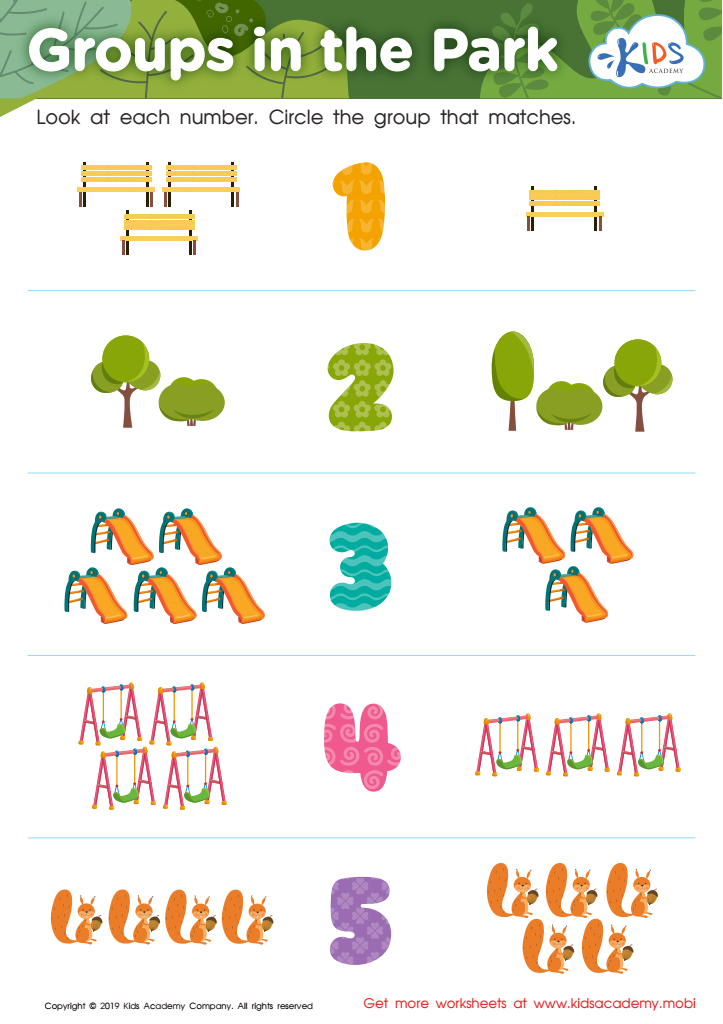
Groups in the Park Worksheet
 Assign to My Students
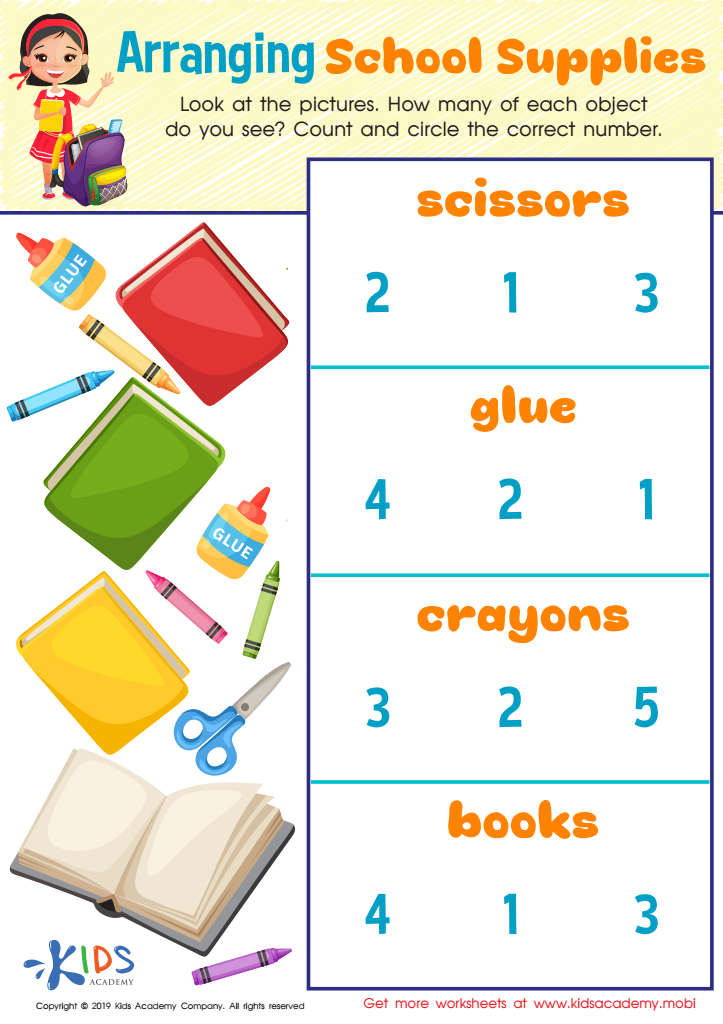
Arranging School Supplies Worksheet
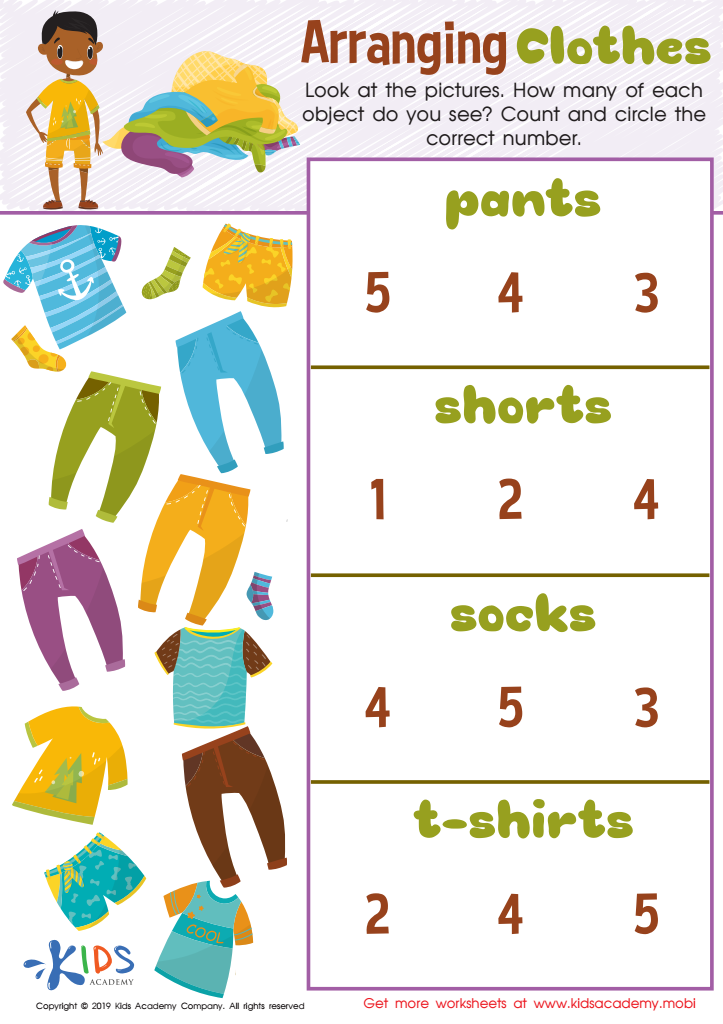
Arranging Clothes Worksheet
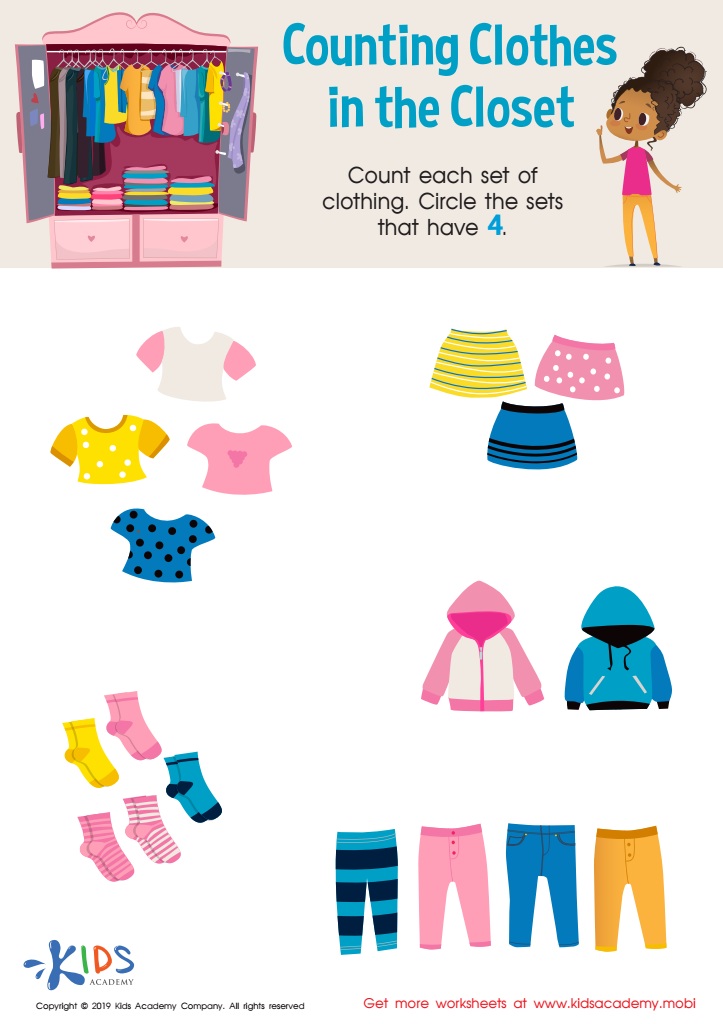
Counting Clothes Worksheet
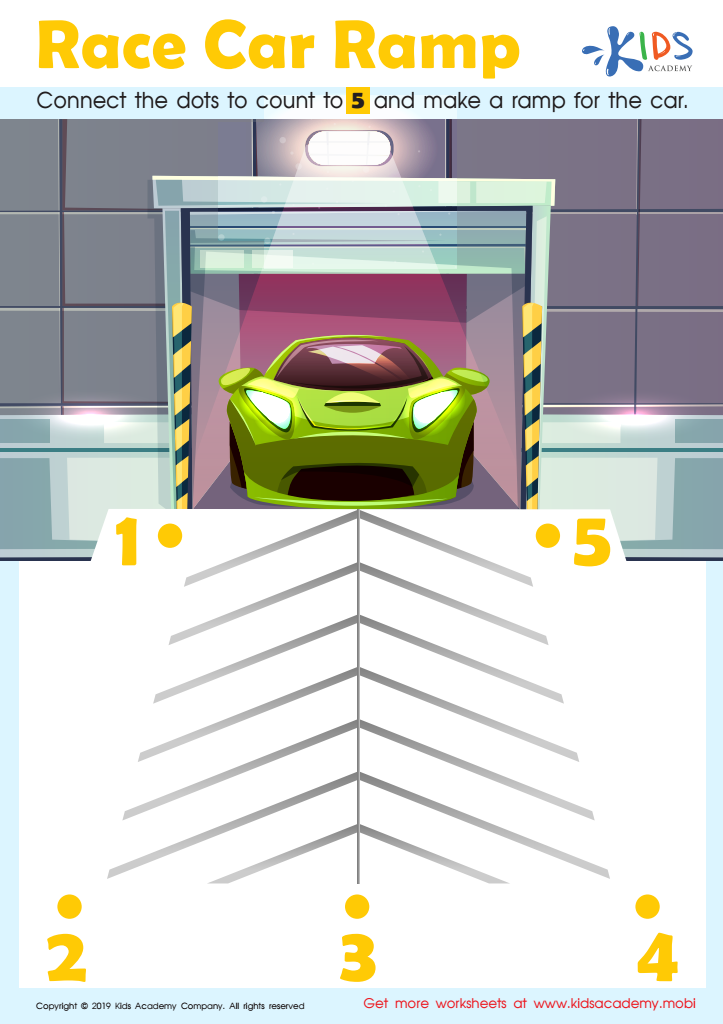
Race Car Ramp Worksheet
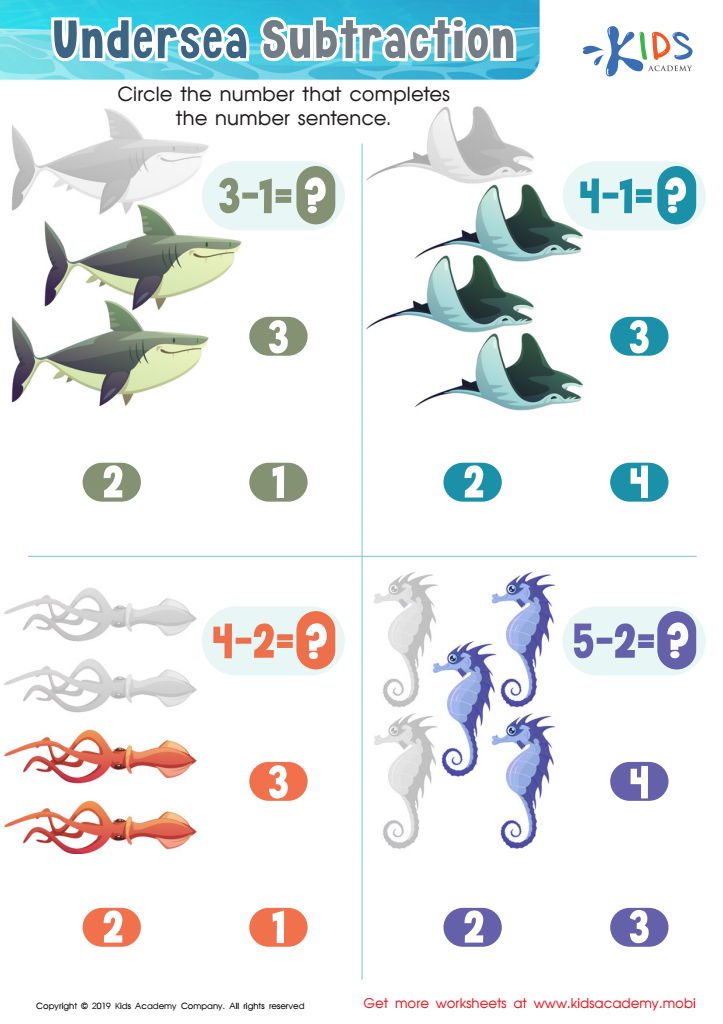
Undersea Subtraction Worksheet
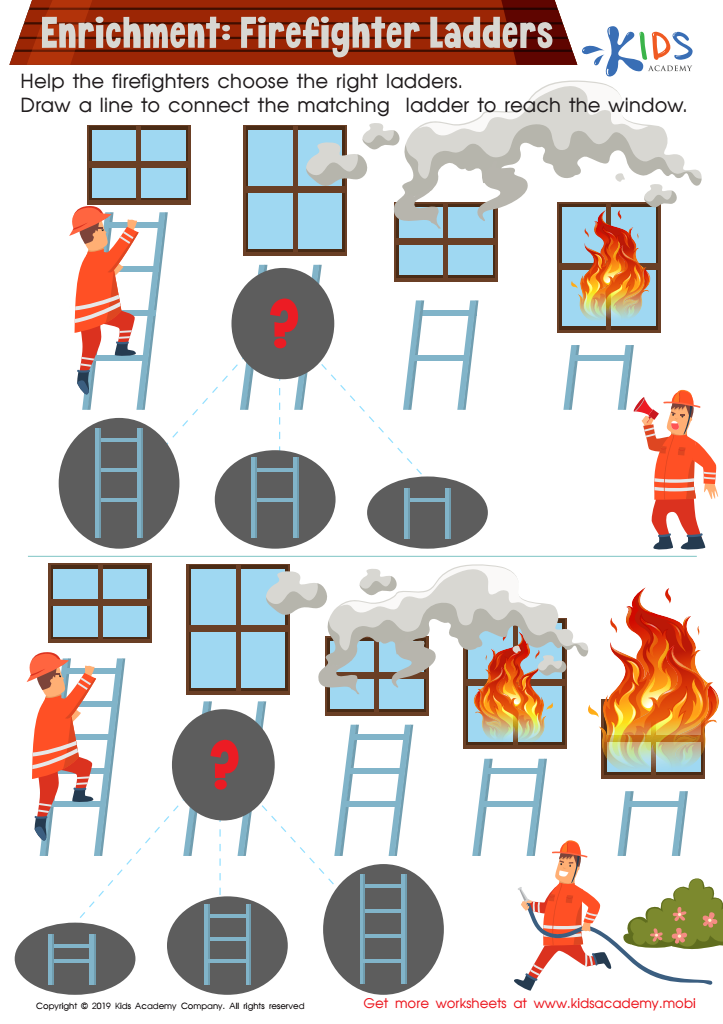
Enrichment: Firefighter Ladders Worksheet
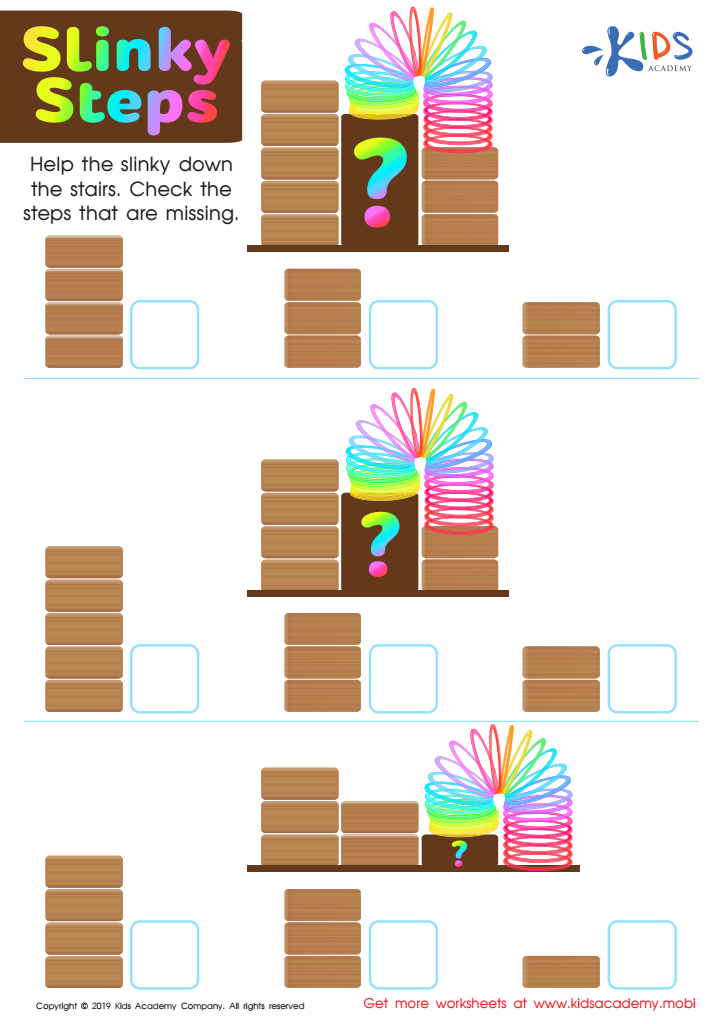
Slinky Steps Worksheet
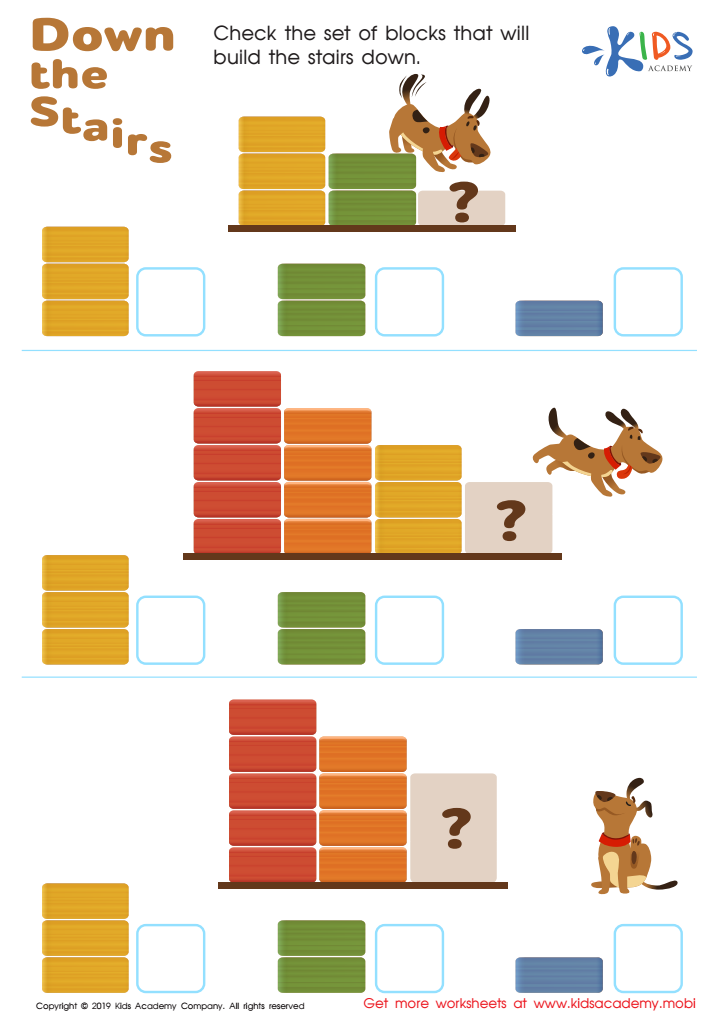
Down the Stairs Worksheet
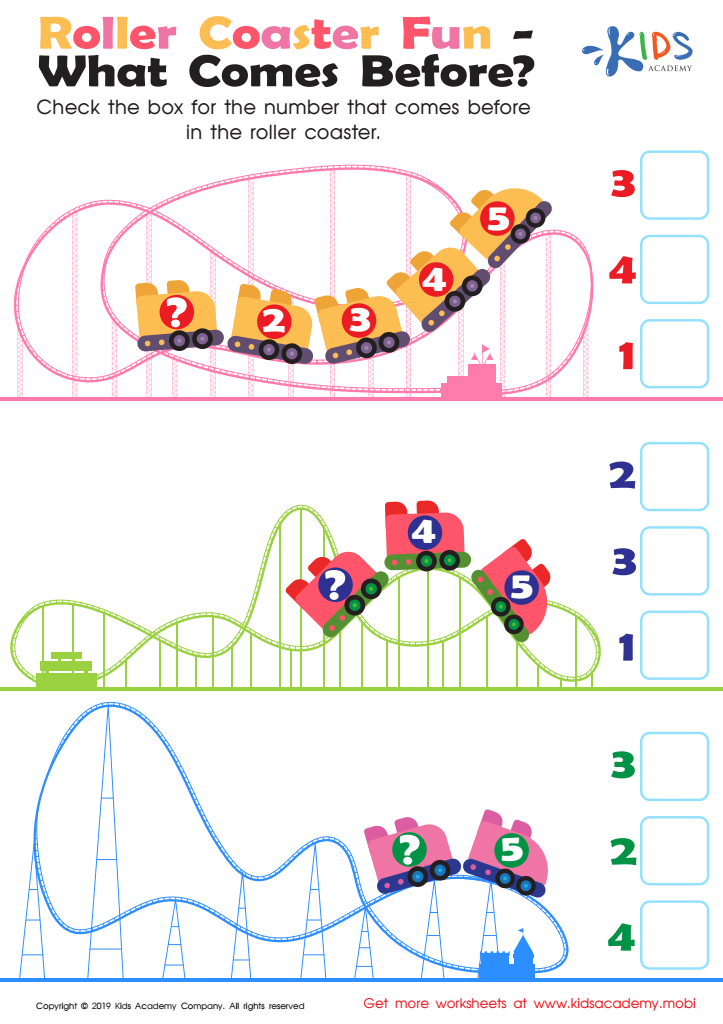
Roller Coaster Fun Worksheet
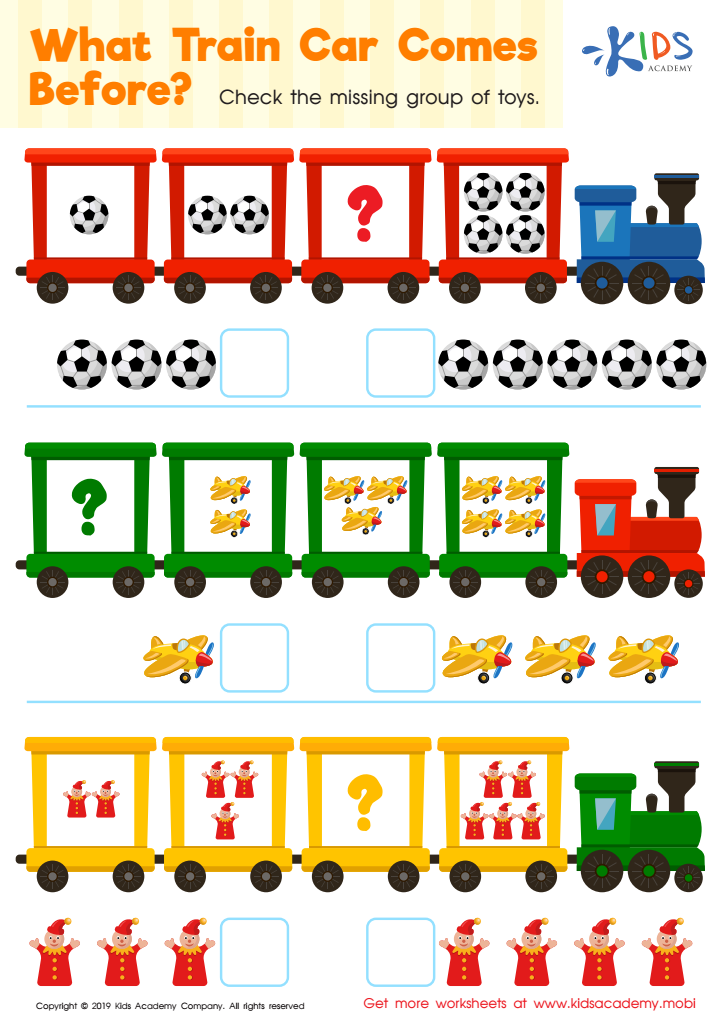
What Train Car Comes Before? Worksheet
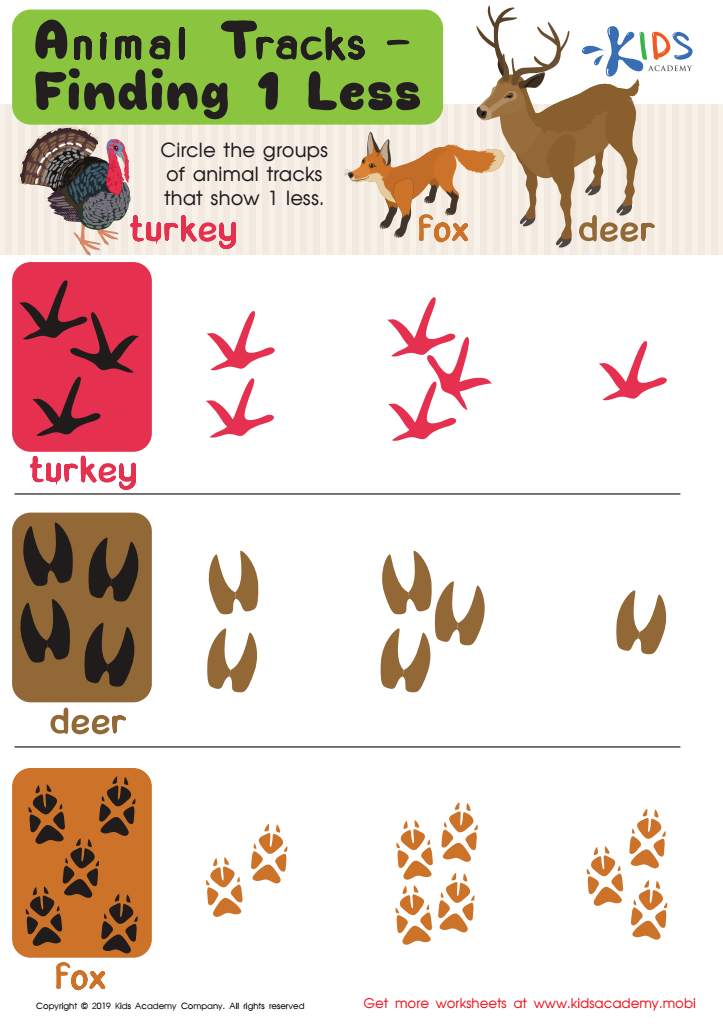
Animal Tracks: Find 1 Less Worksheet
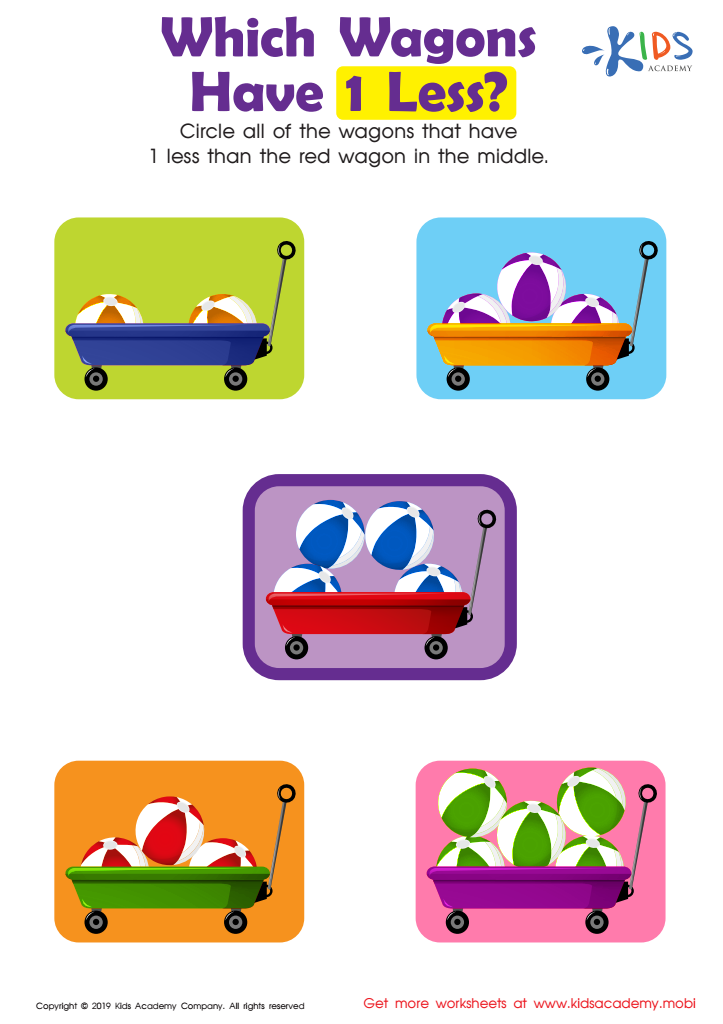
Which Wagons Have 1 Less? Worksheet
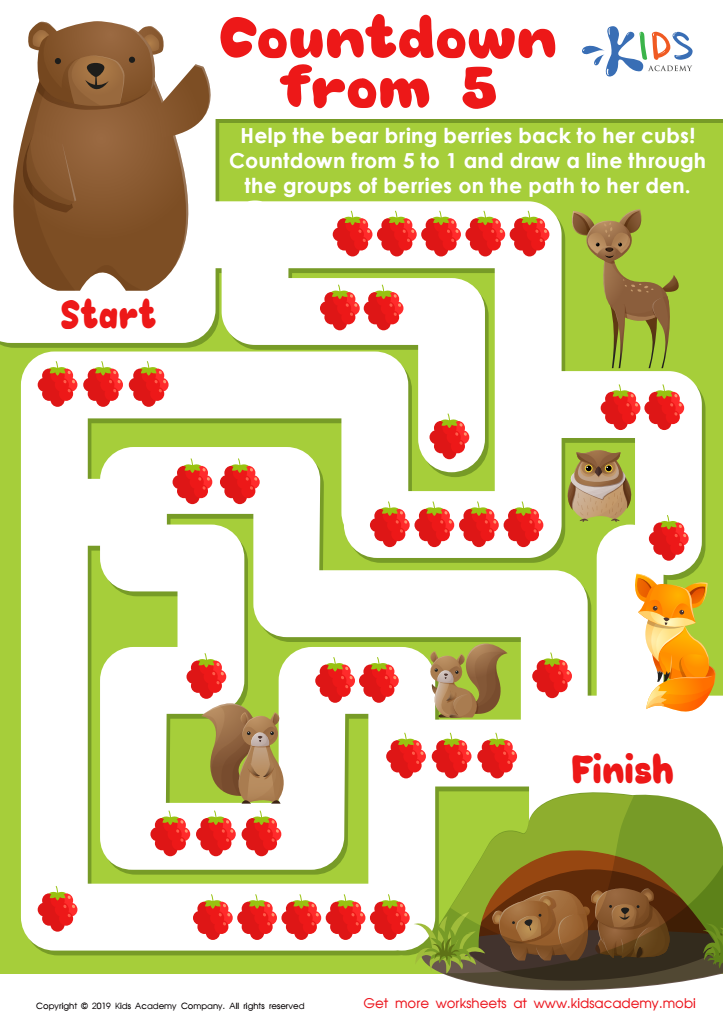
Countdown from 5 Worksheet
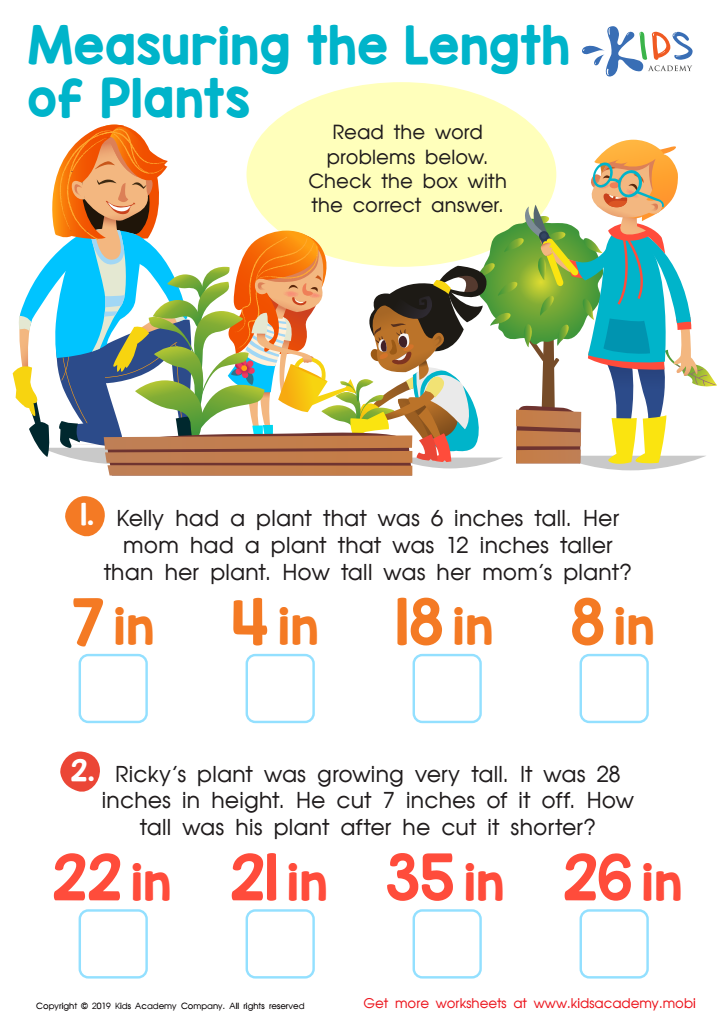
Measuring the Length of Plants Worksheet
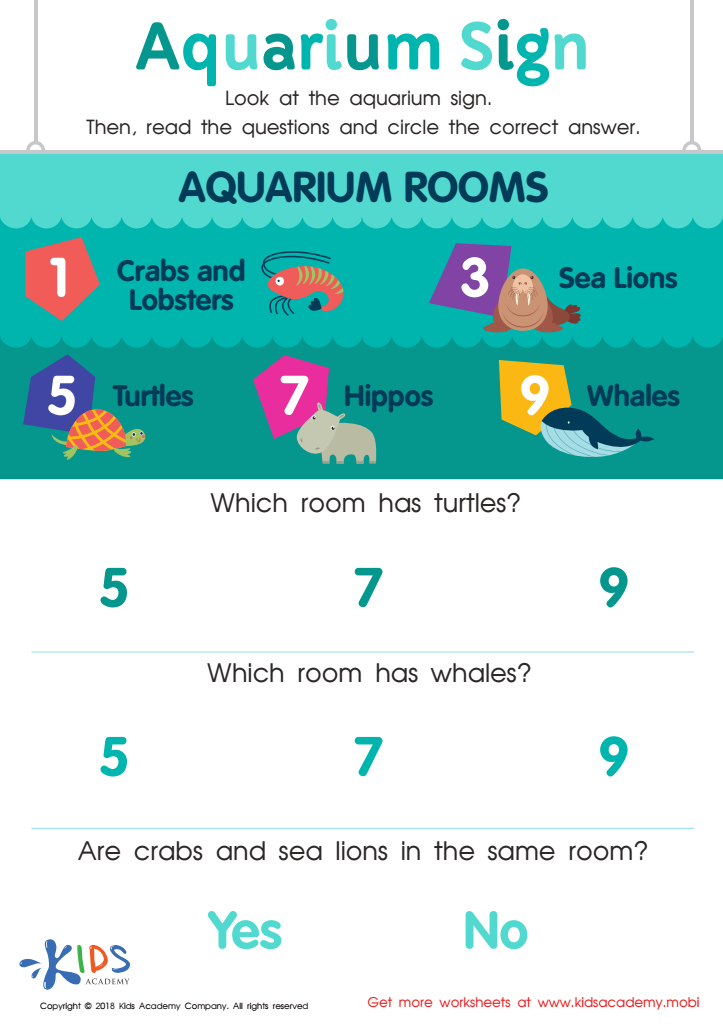
Assessment: Aquarium Sign Worksheet
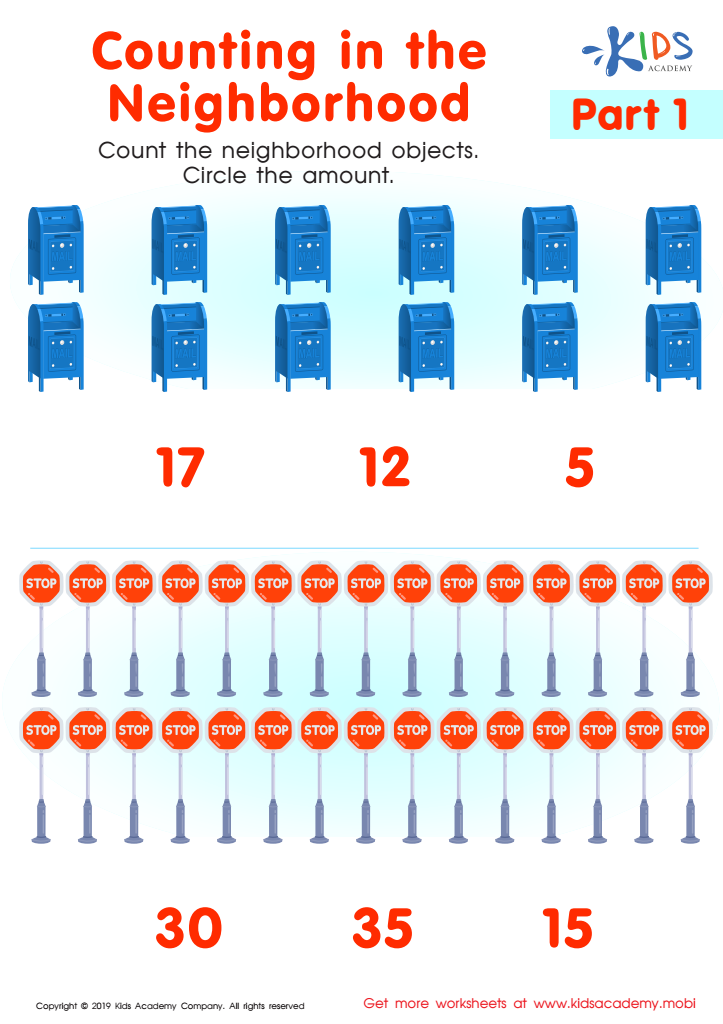
Counting in the Neighborhood Part1 Worksheet
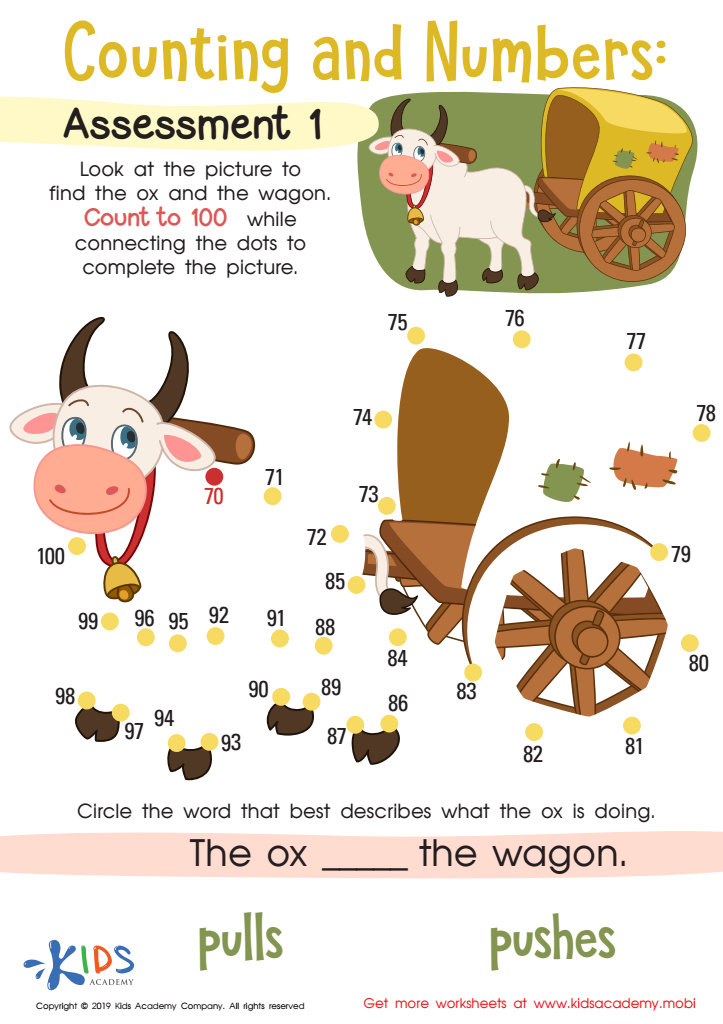
Counting and Numbers: Assessment 1 Worksheet

Counting on the City Skyline: Dot-to-Dot Worksheet
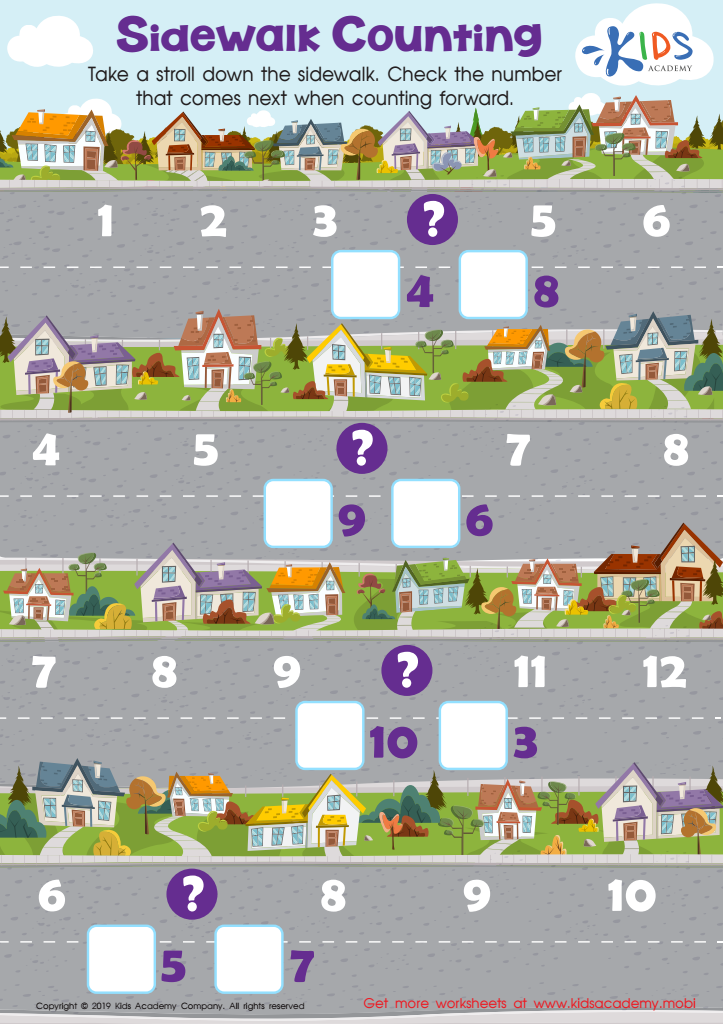
Sidewalk Counting Worksheet
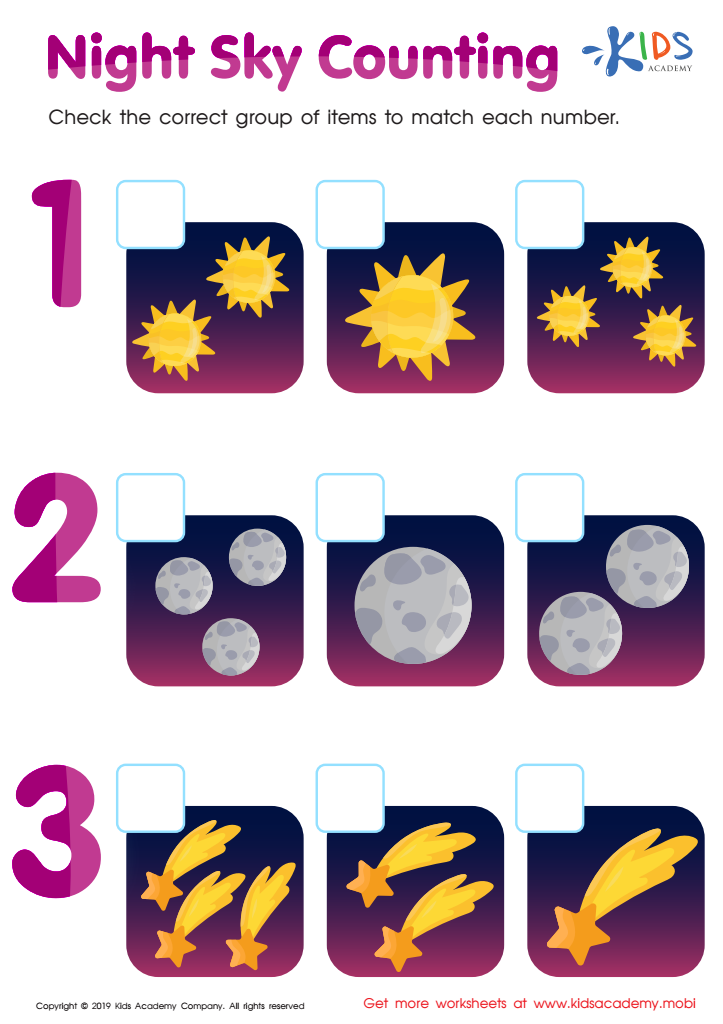
Night Sky Counting Worksheet

Night Sky Numbers Worksheet
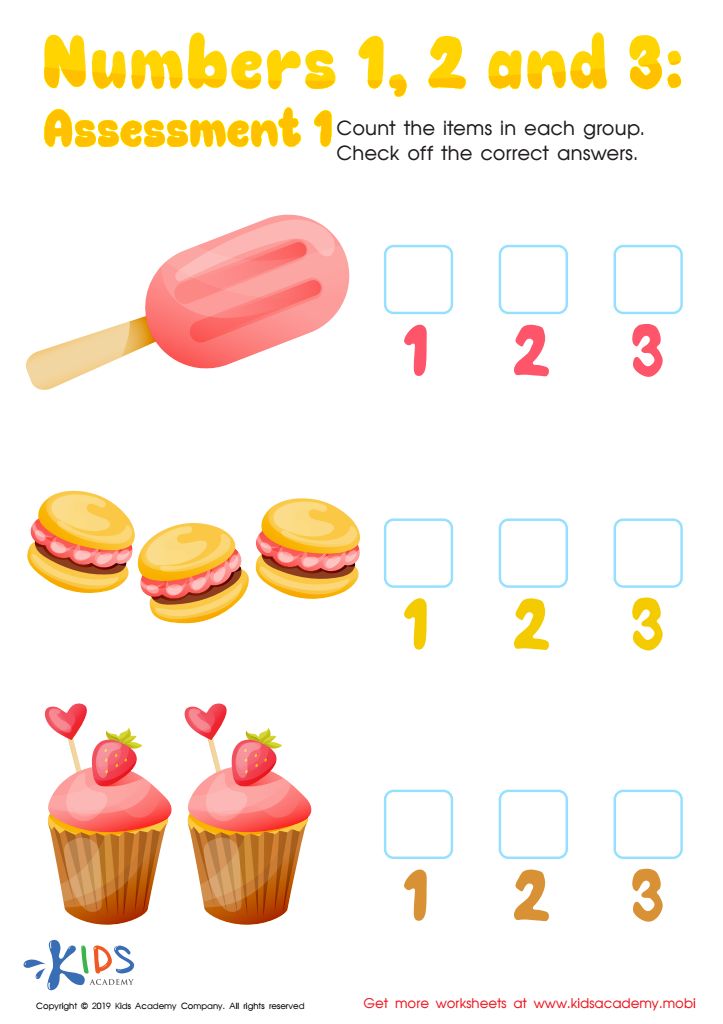
Numbers 1, 2 and 3: Assessment 1 Worksheet
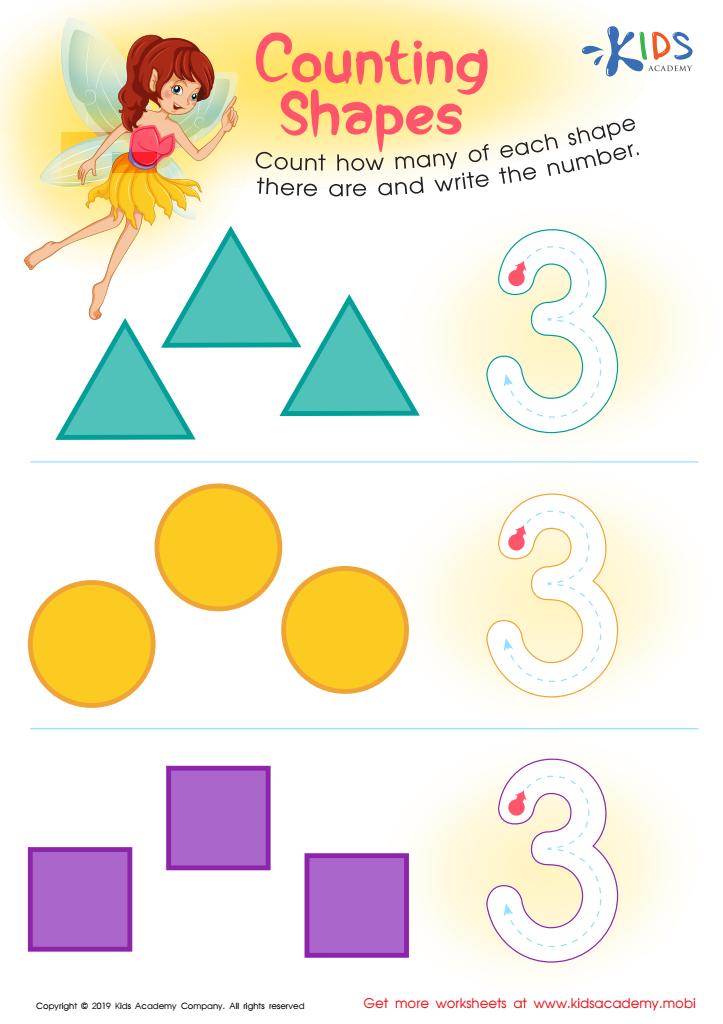
Counting Shapes Worksheet







%20(1).jpg)
Parents and teachers should care about Easy Numbers for ages 3-8 because establishing a strong foundation in early numeracy is critical to a child's future academic success. For young children, numerical skills are not just about memorizing numbers but understanding concepts such as counting, addition, subtraction, and recognizing patterns. These early math skills have a positive domino effect on other areas of learning, including problem-solving, logical thinking, and even language development.
First, confident number skills make math less intimidating as children progress in their education. Many studies indicate that children prone to anxiety with math often find it challenging to succeed in other academic areas. By embedding fun, engaging, and straightforward numerical activities in their daily routine, both parents and teachers can help make learning numbers an enjoyable experience, thus reducing math-related anxiety.
Second, early exposure to numbers helps children grasp more complex mathematical concepts in later grades. For instance, learning to count sets the stage for understanding place value, addition becomes a stepping stone to multiplication, and recognizing patterns can precede algebraic thinking.
Finally, numeracy skills are essential beyond the classroom; they foster critical life skills like budgeting, time management, and everyday problem-solving. By caring about and nurturing easy number activities, parents and teachers invest in a child's holistic development and long-term success.








