Easy Comparison Worksheets for Ages 4-7
3 filtered results
-
From - To
Discover our "Easy Comparison Worksheets for Ages 4-7," designed to help young learners grasp fundamental comparison concepts with ease. These engaging sheets feature colorful visuals and simple tasks that encourage children to explore big vs. small, more vs. less, and more. Perfect for homeschool or classroom settings, our worksheets promote independent learning while enhancing critical thinking skills. With a variety of fun activities, kids will enjoy practicing comparisons in a playful way. Ideal for early grade teachers and parents, these worksheets foster a solid foundational understanding of mathematical concepts through interactive and enjoyable exercises. Start building confidence in math today!
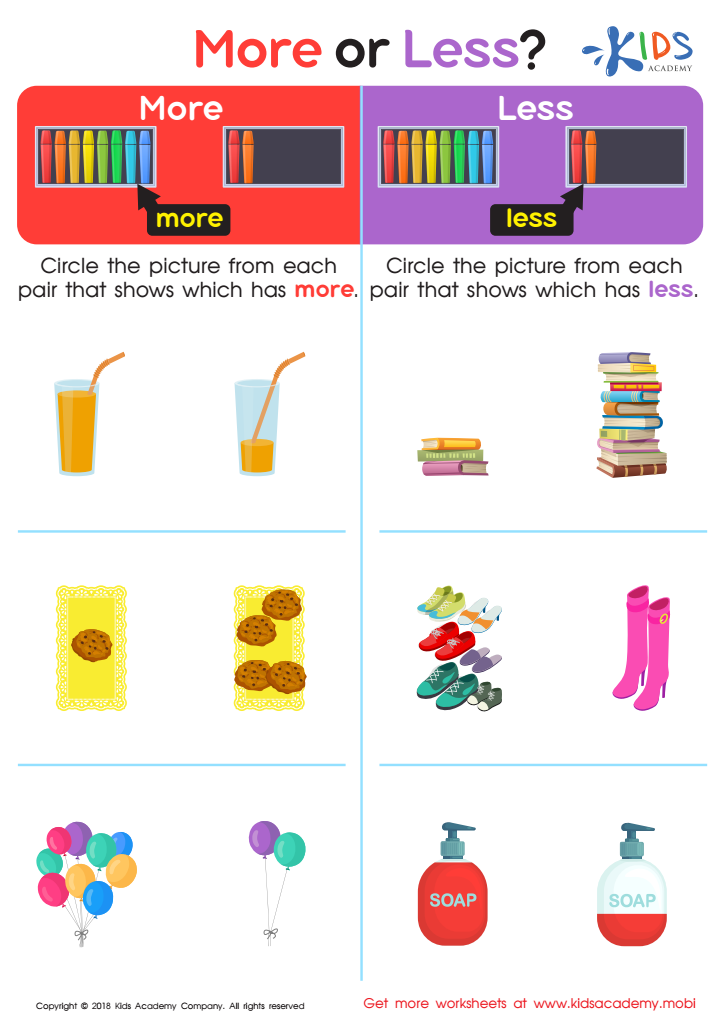
More or Less? Worksheet
 Assign to My Students
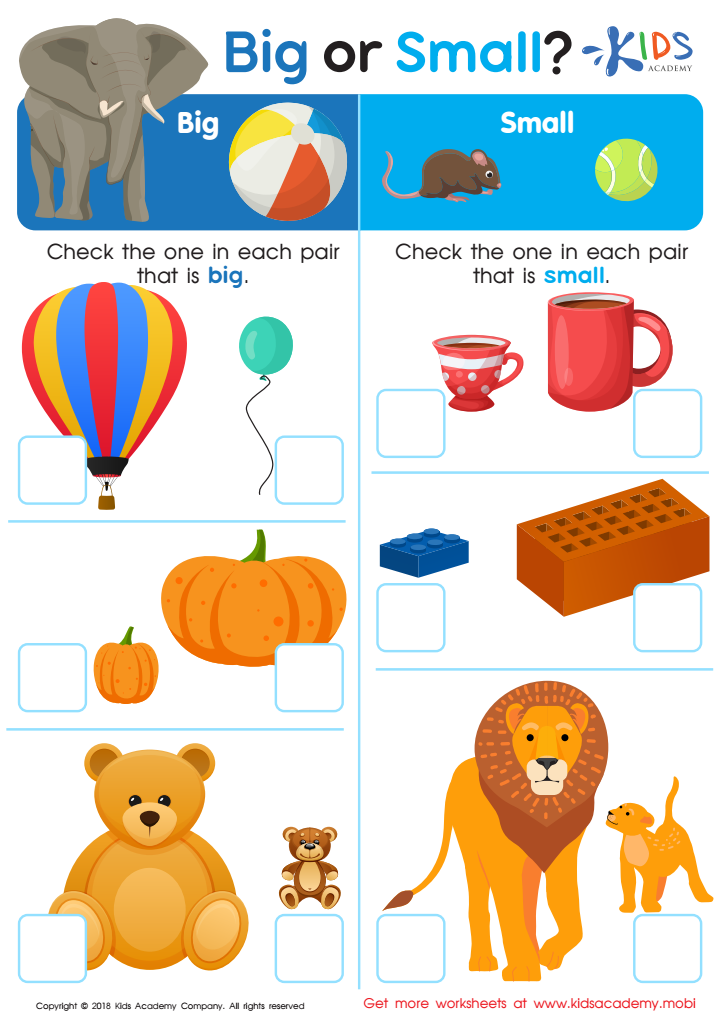
Big or Small? Worksheet
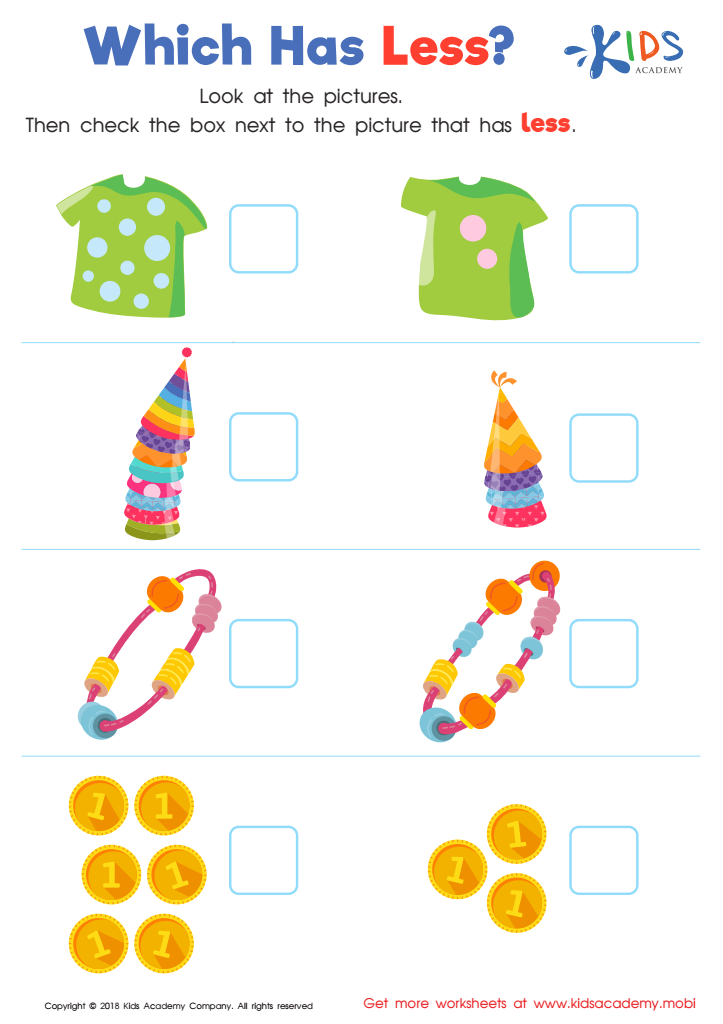
Which Has Less? Worksheet





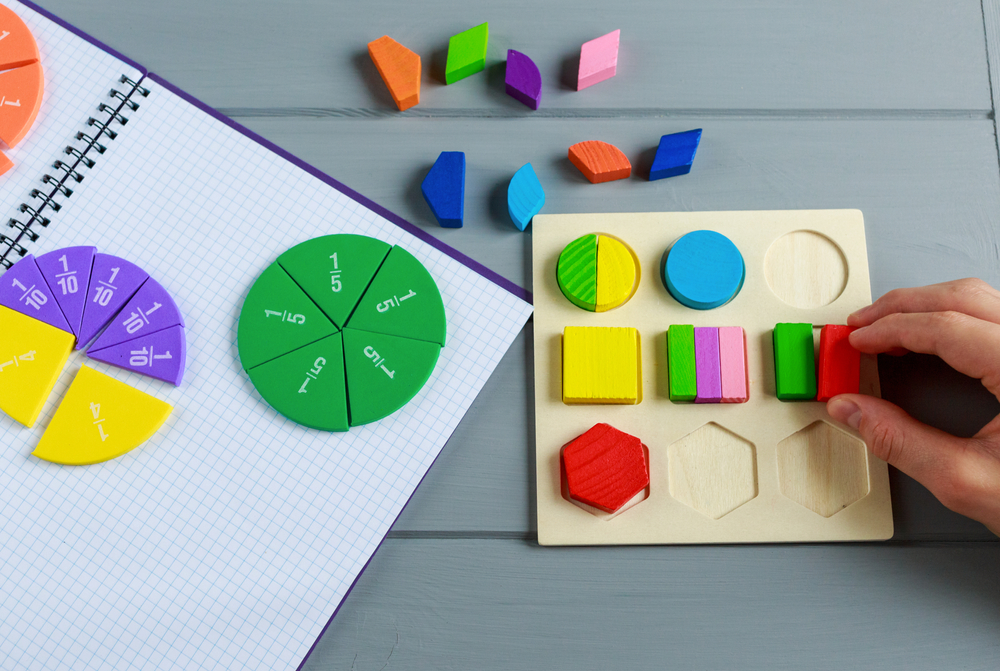

Parents and teachers should care about the concept of Easy Comparison for ages 4-7 because it lays a foundational understanding of critical mathematical and cognitive skills that children will utilize throughout their education and everyday lives. During these formative years, children are naturally curious and eager to explore relationships, including size, quantity, and value.
Engaging in Easy Comparisons—whether by comparing the length of objects, the number of items, or the size of different groups—helps young learners develop essential skills such as measurement, categorization, and sorting. This practice not only fosters mathematical thinking but enriches language development as children learn to describe and articulate their observations.
Furthermore, Easy Comparison activities can promote social interaction. When children collaborate or compete in activities that require comparisons, they enhance their communication and teamwork skills.
Incorporating these comparisons into games, storytelling, or daily routines adds an element of fun and relevance. This ensures that children remain engaged while imbibing important concepts. Overall, prioritizing Easy Comparison techniques supports educational goals by creating a strong, balanced foundation in mathematics and critical thinking that will benefit children long into the future.








