Easy Measurement Worksheets for Ages 5-9 - Page 2
43 filtered results
-
From - To
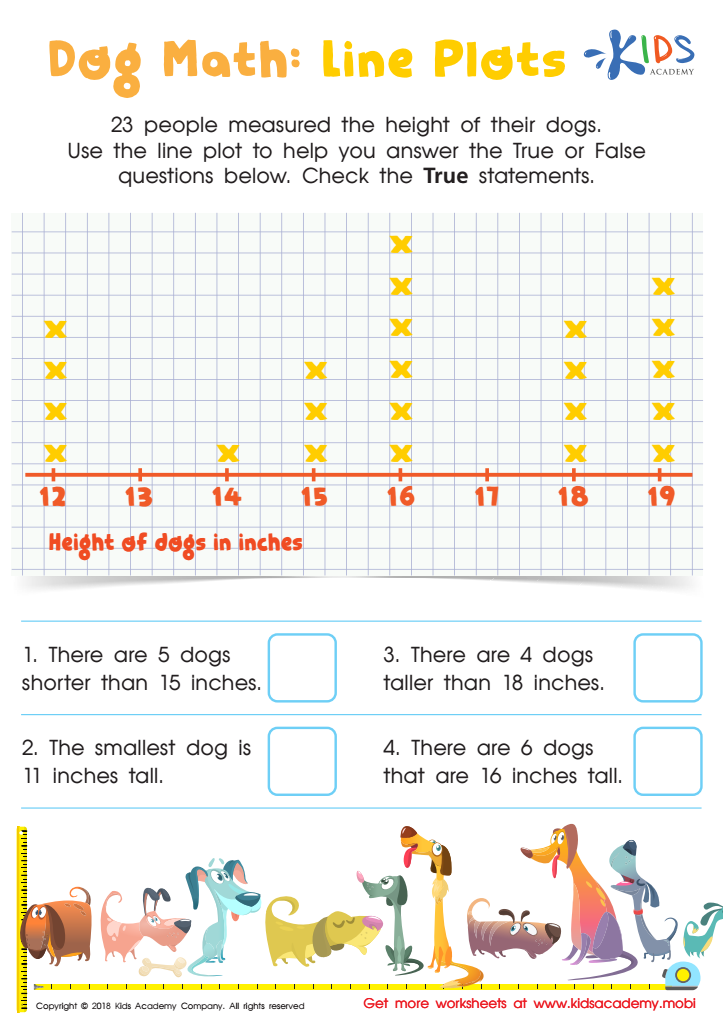
Dog Math: Line Plots Worksheet
 Assign to My Students
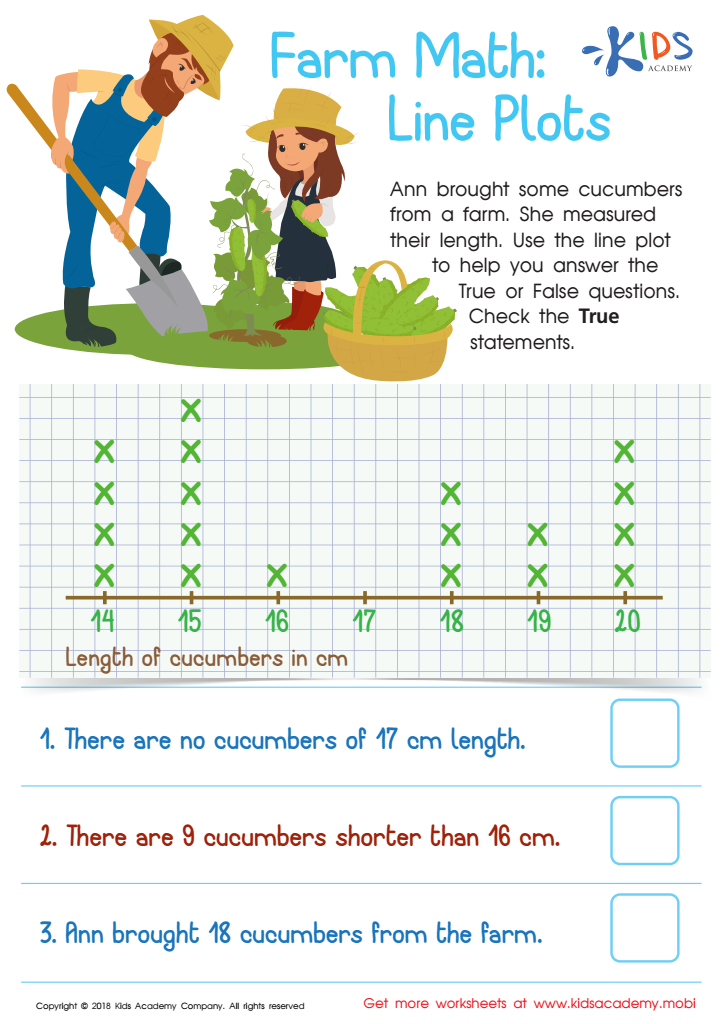
Farm Math: Line Plots Worksheet
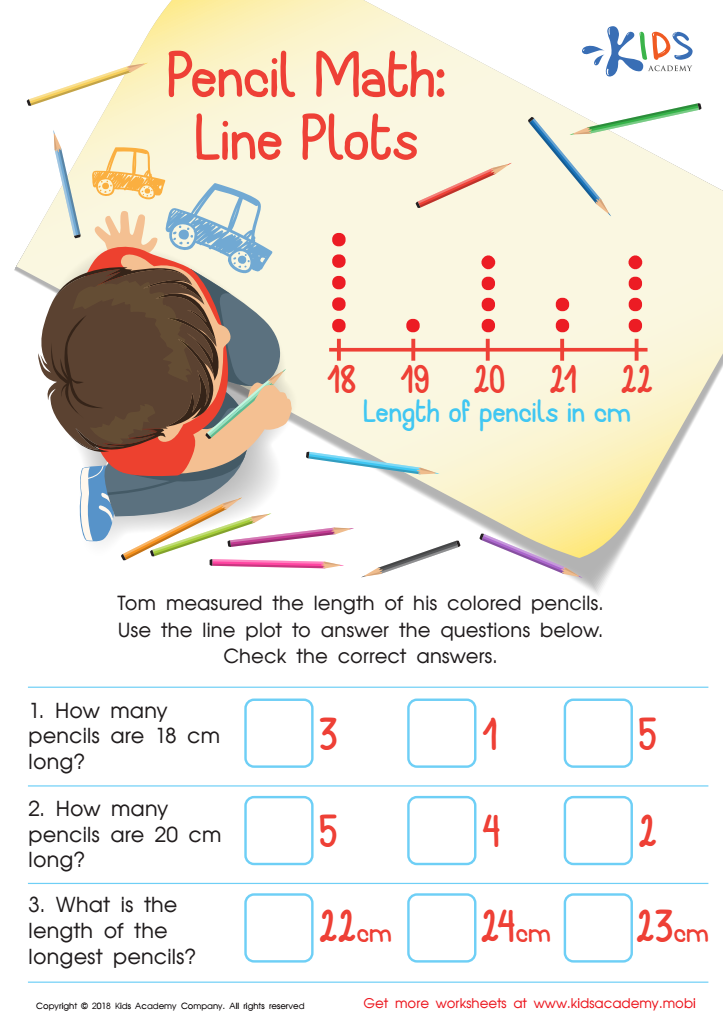
Pencil Math: Line Plots Worksheet
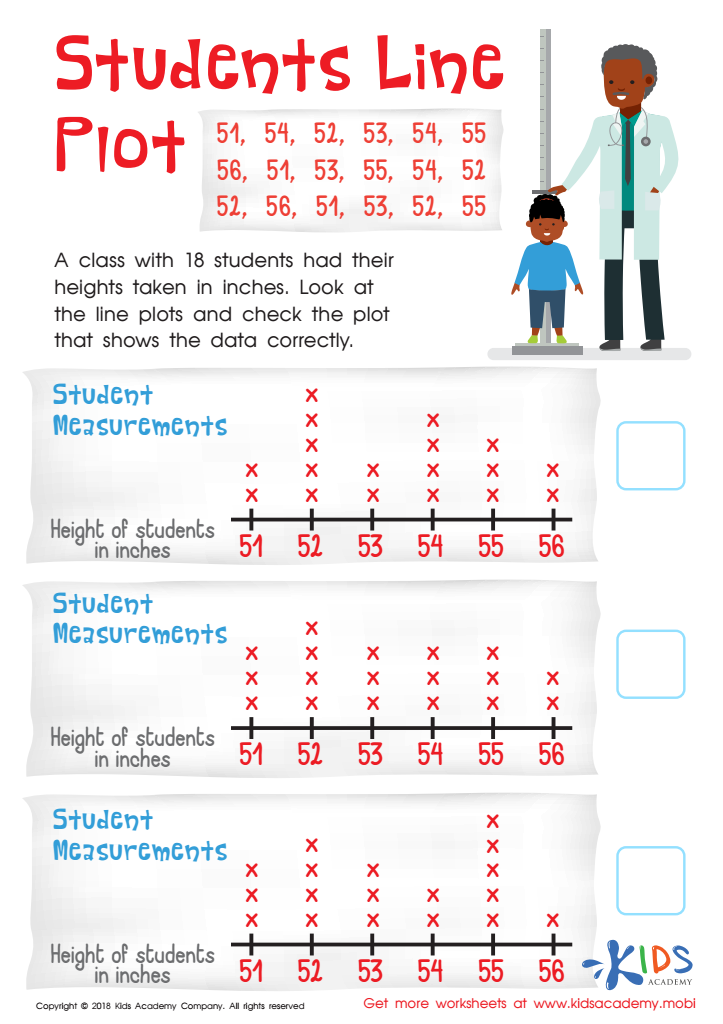
Students Line Plot Worksheet
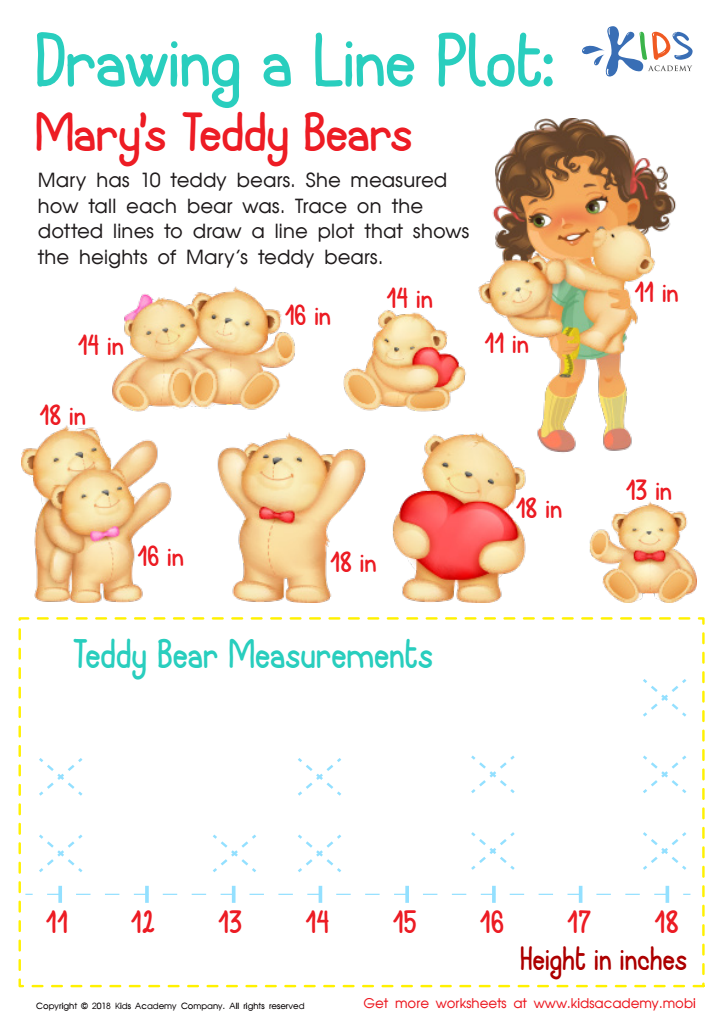
Drawing and Line Plot: Mary's Teddy Bears Worksheet
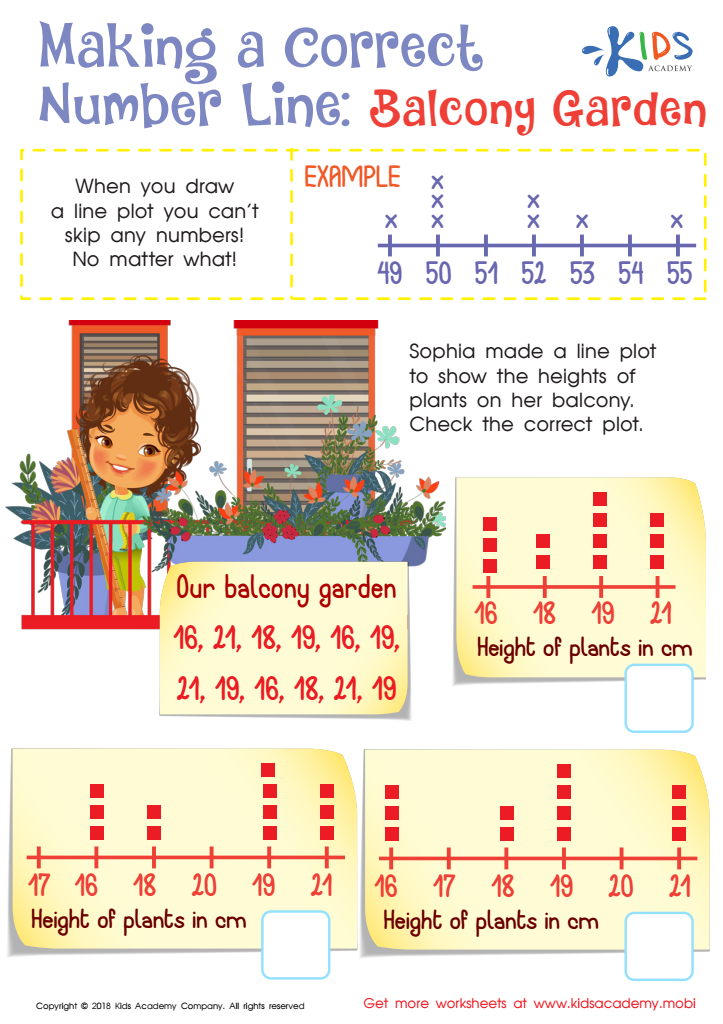
Making a Correct Number Line: Balcony Garden Worksheet
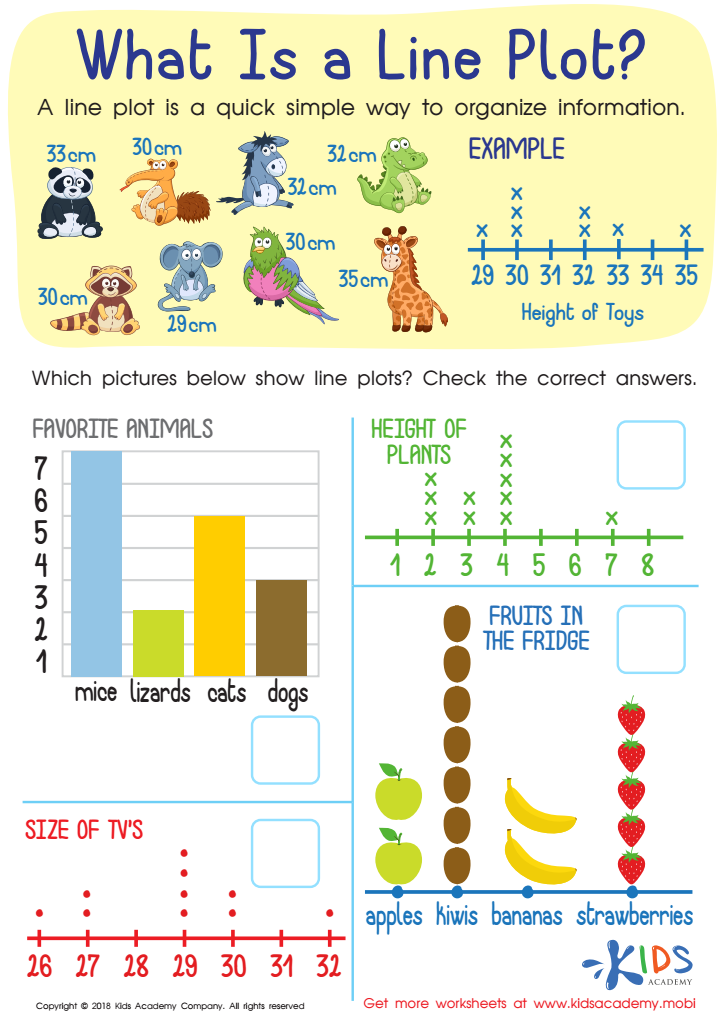
What Is a Line Plot? Worksheet
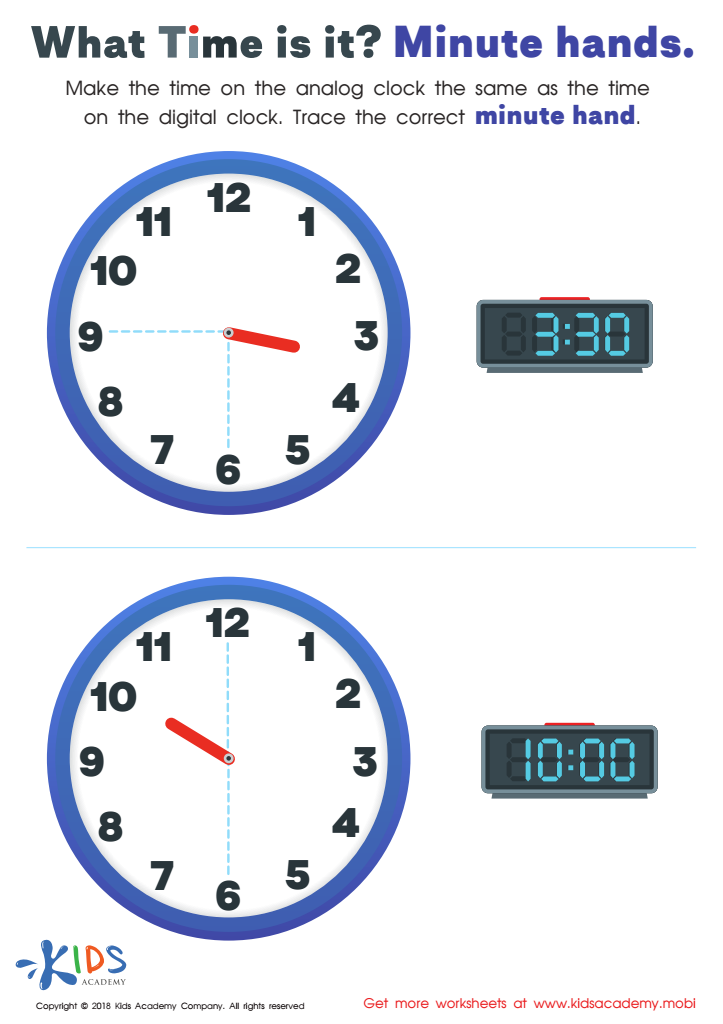
What Time Is it? Minute Hands Worksheet
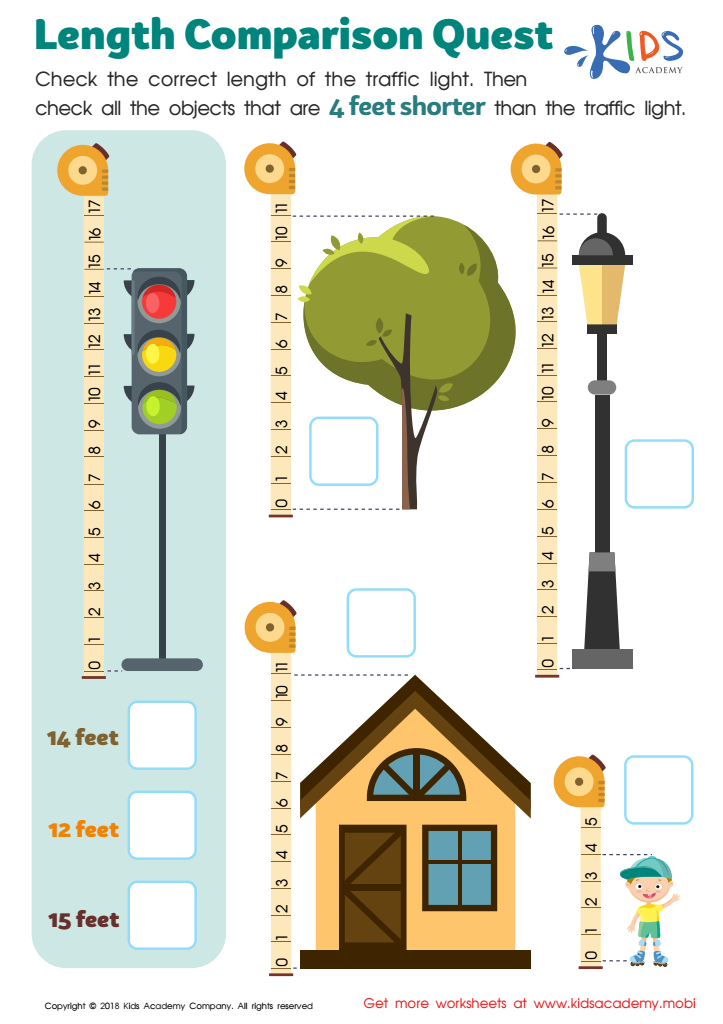
Length Comparison Quest Worksheet
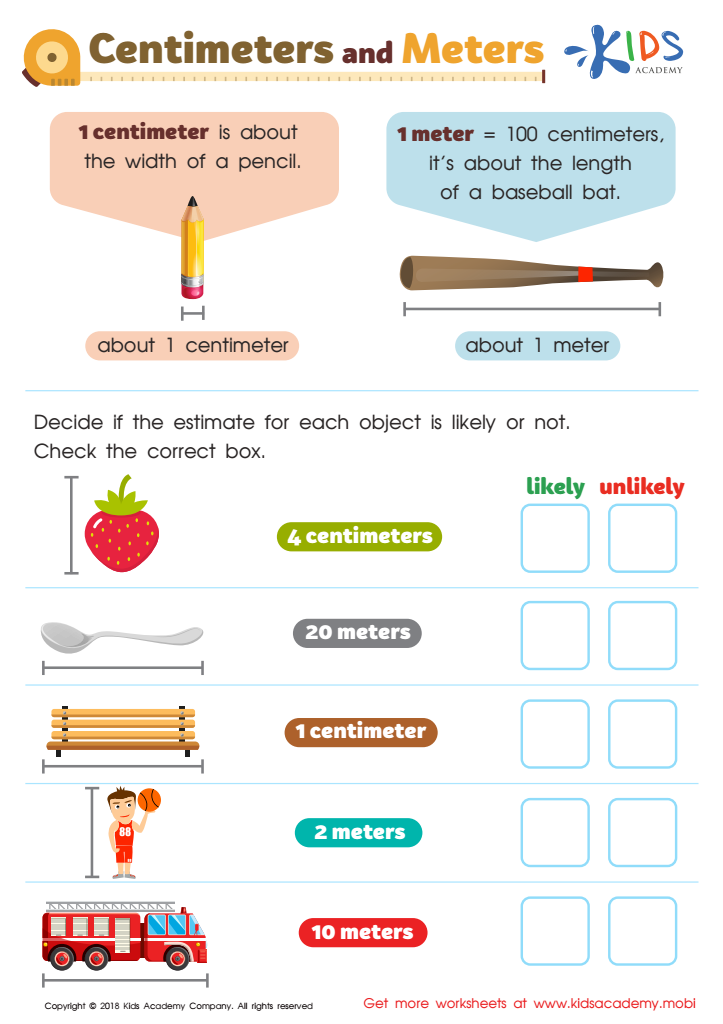
Centimeters and Meters Worksheet
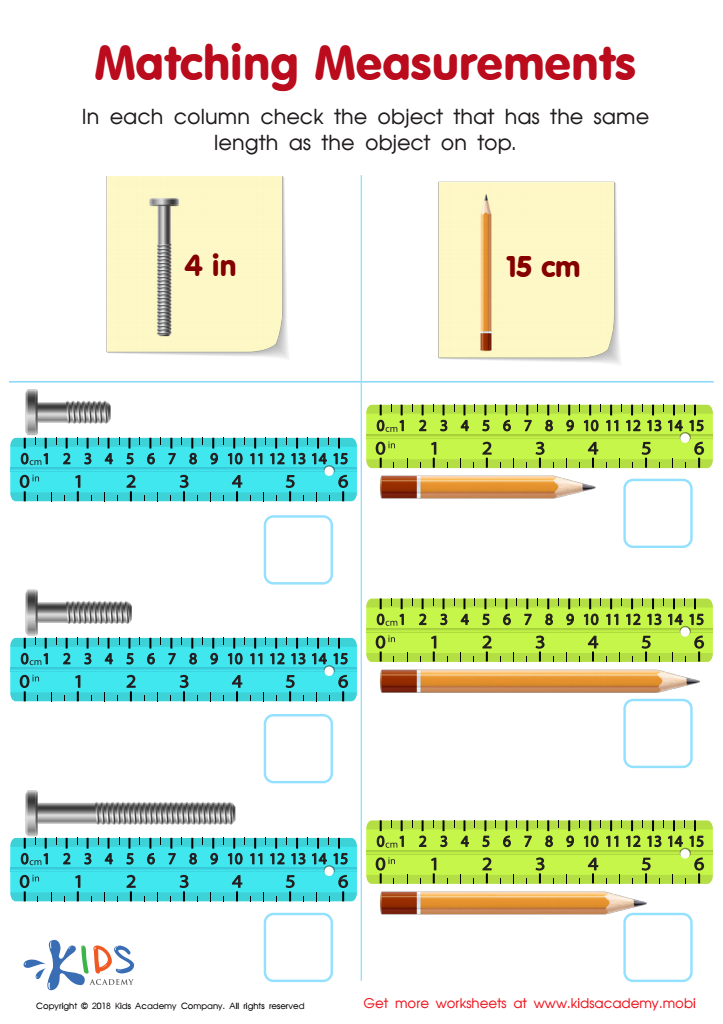
Matching Measurements Worksheet
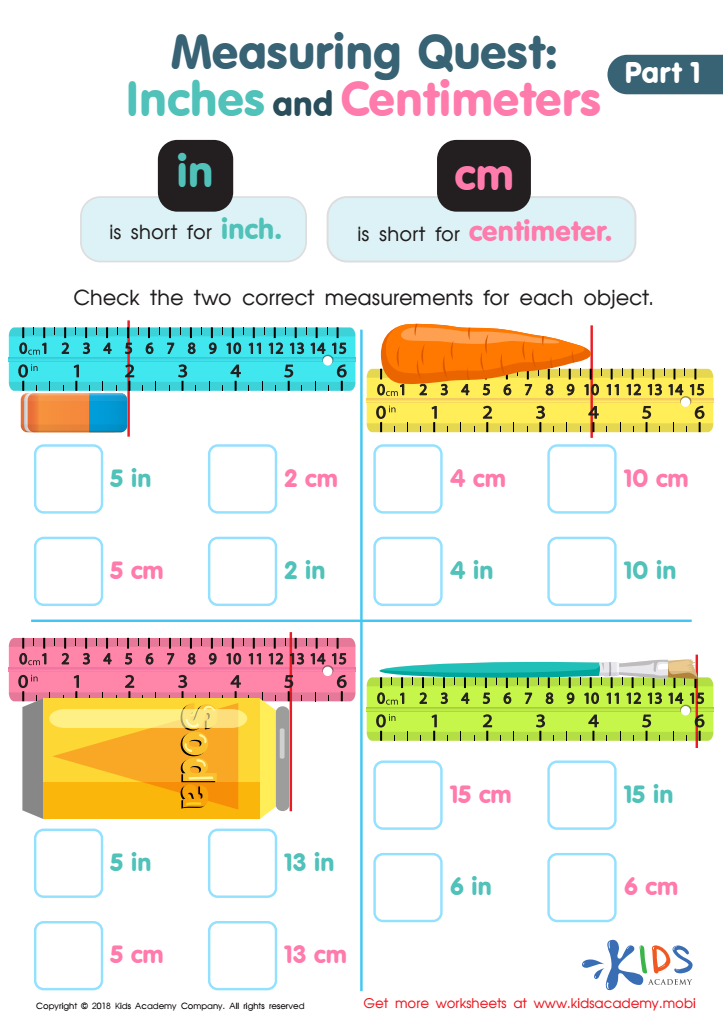
Measuring Quest: Inches and Centimeters Worksheet
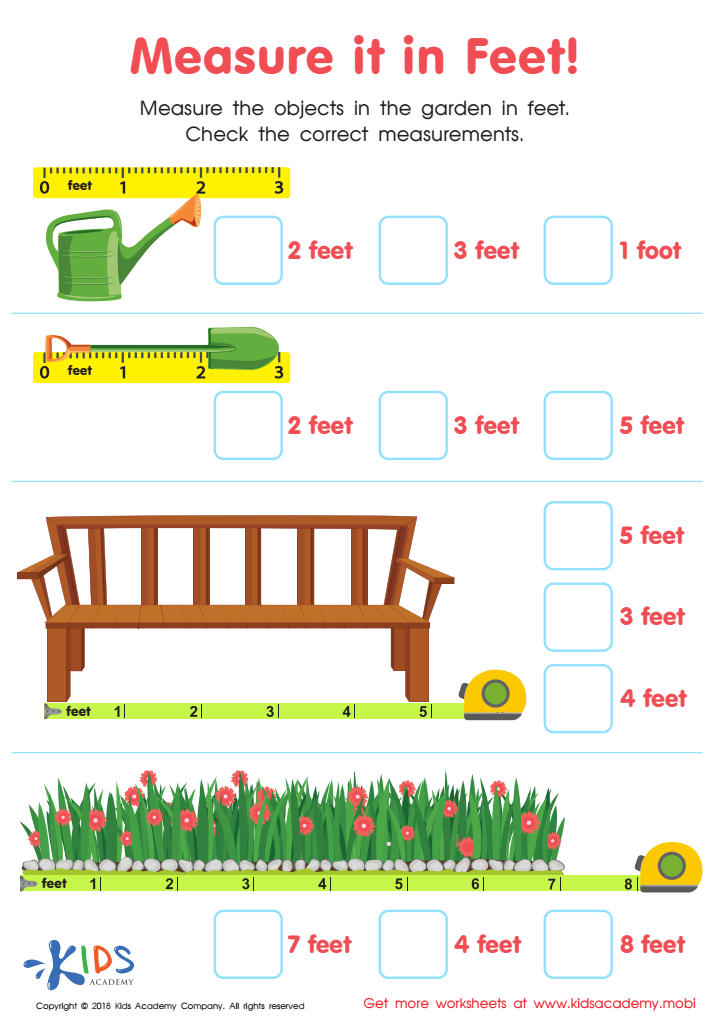
Measure it in Feet Worksheet
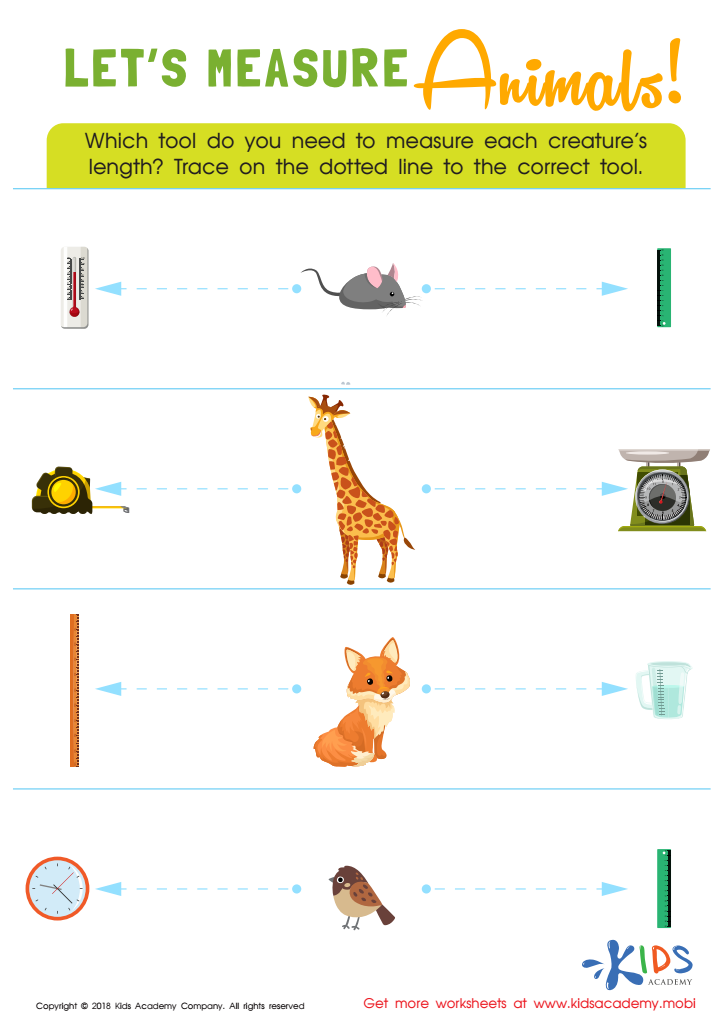
Let's Measure Animals! Worksheet
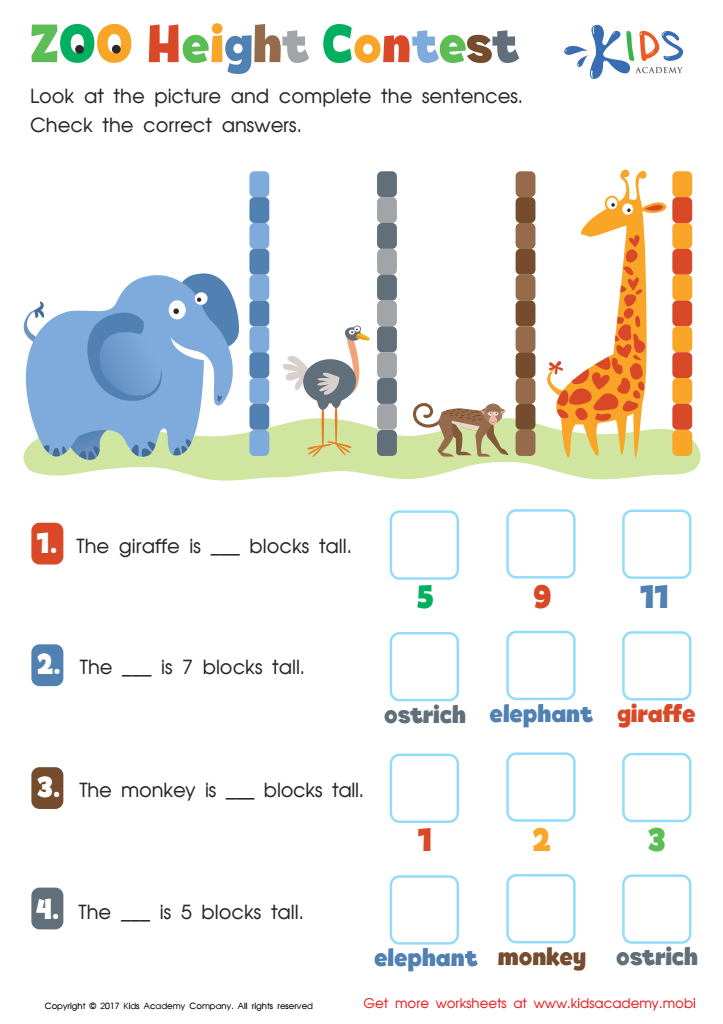
Zoo Height Contest Worksheet
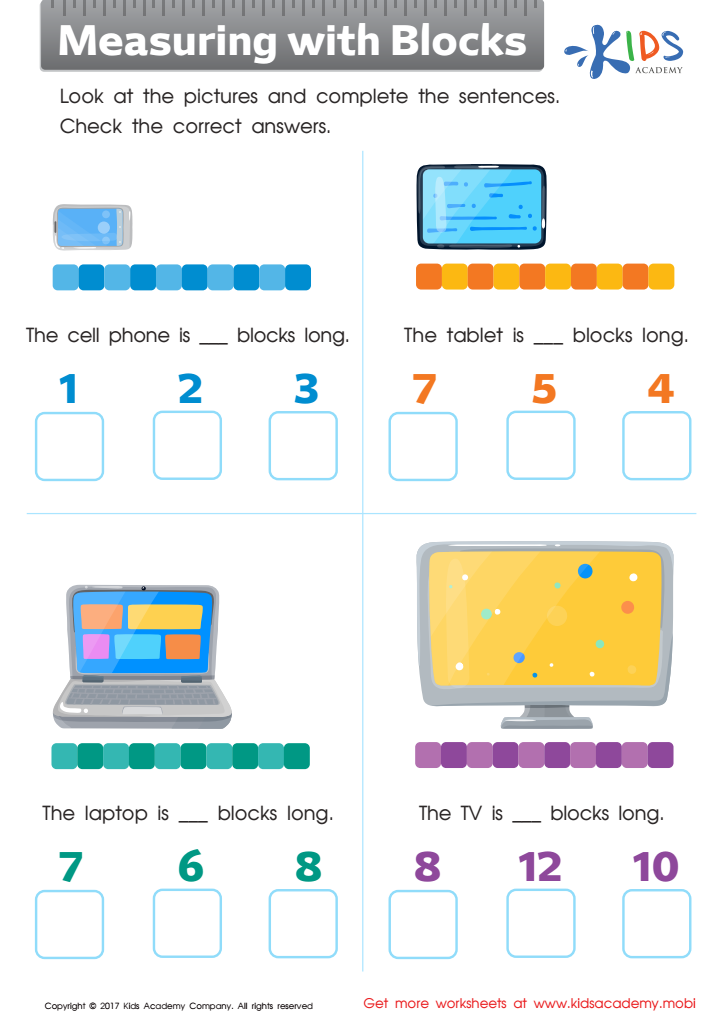
Measuring with Blocks Worksheet
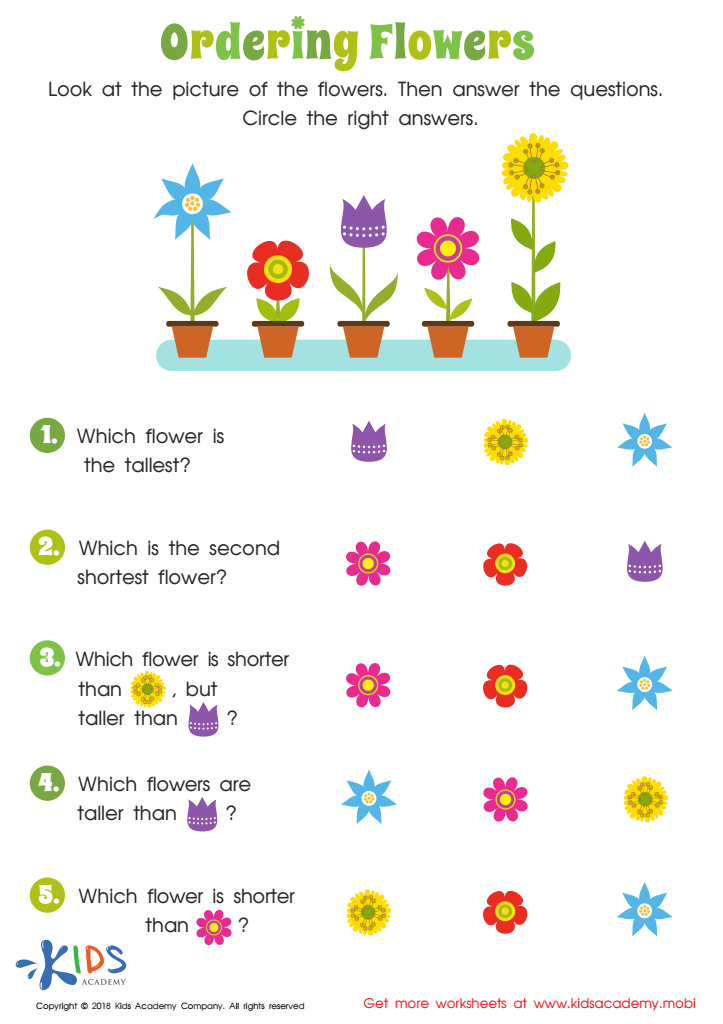
Ordering Flowers Worksheet
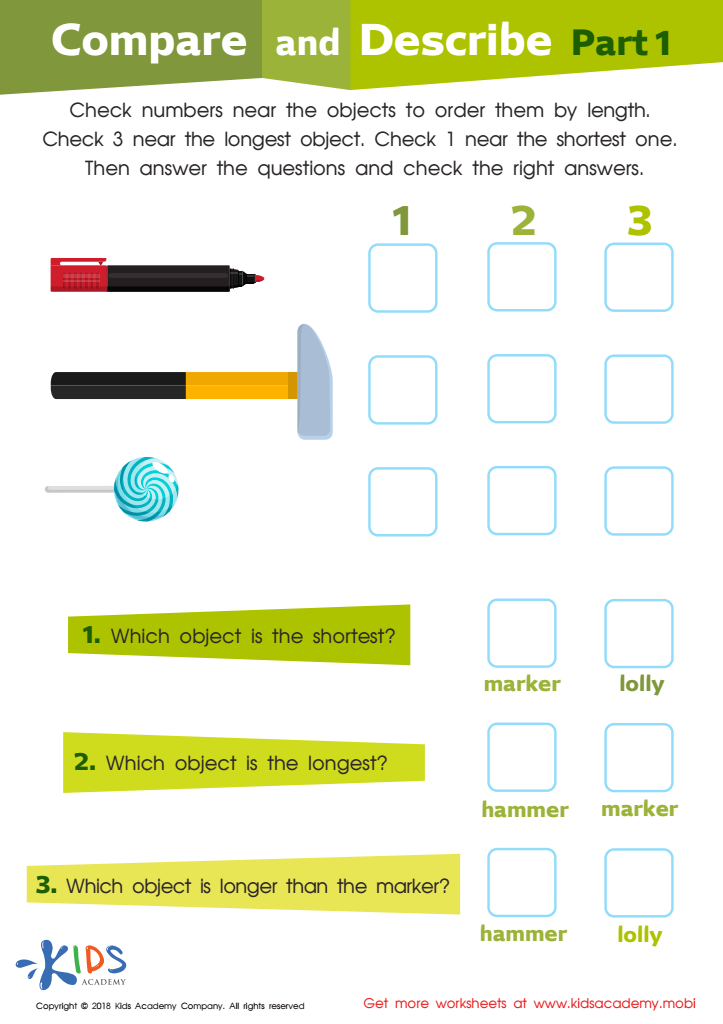
Compare and Describe: Part 1 Worksheet
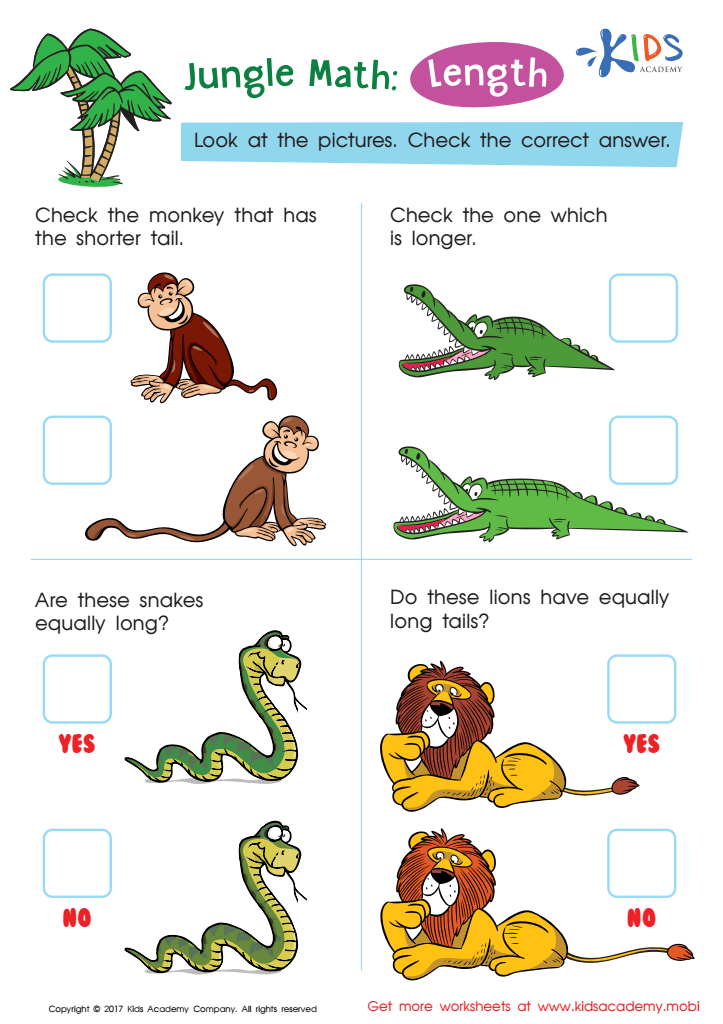
Which One Is Longer - Length Worksheet








Understanding easy measurement is crucial for children aged 5-9 as it lays the groundwork for essential math skills they will use throughout their lives. During these formative years, children are naturally curious and eager to learn about the world around them. Measurement concepts help them quantify their experiences, whether it's finding out how tall they are, how much water fills a cup, or how far a jump can go.
For parents and teachers alike, fostering the understanding of measurement promotes critical thinking and problem-solving skills. Engaging activities like cooking, building, and crafts can make learning relatable and fun, reinforcing concepts in a practical way. Moreover, these skills align with early mathematics curricula in schools, ensuring children build a strong foundation in geometry and arithmetic.
Additionally, easy measurement encourages discussion around comparisons, estimations, and predictions, further enhancing cognitive development. As children learn to use measuring tools, they also develop fine motor skills and spatial reasoning. Therefore, prioritizing easy measurement not only supports academic achievement but also helps cultivate confident, capable learners who will thrive both in school and everyday life. By investing in this area, parents and teachers contribute significantly to children's holistic educational growth.








