Easy Word Problems Worksheets for Ages 7-8 - Page 2
44 filtered results
-
From - To
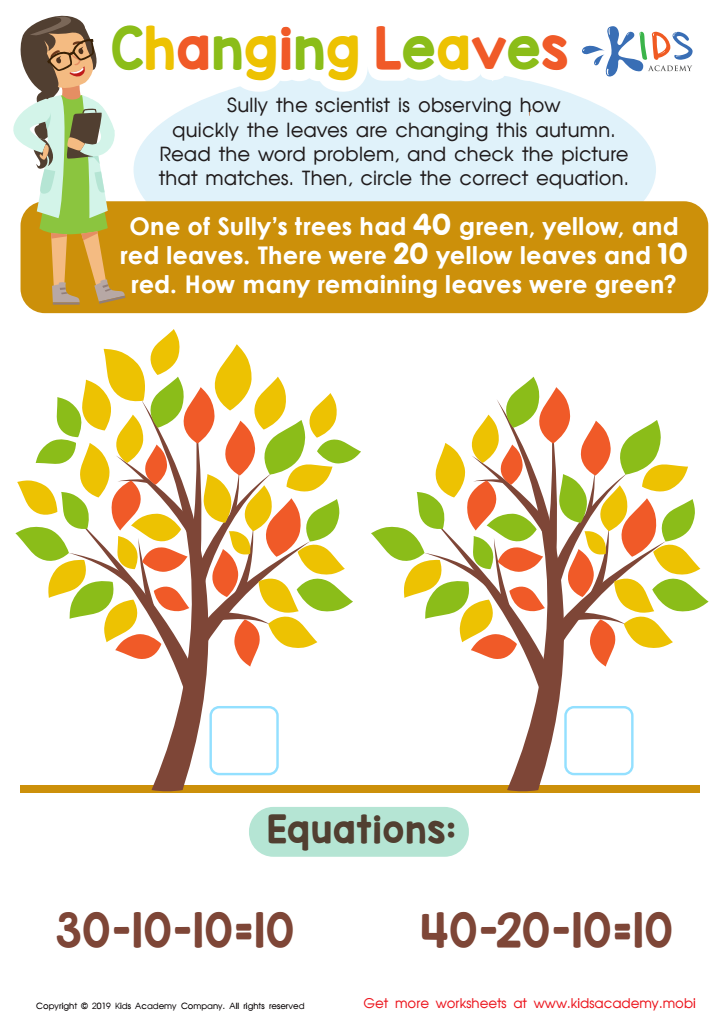
Changing Leaves Worksheet
 Assign to My Students
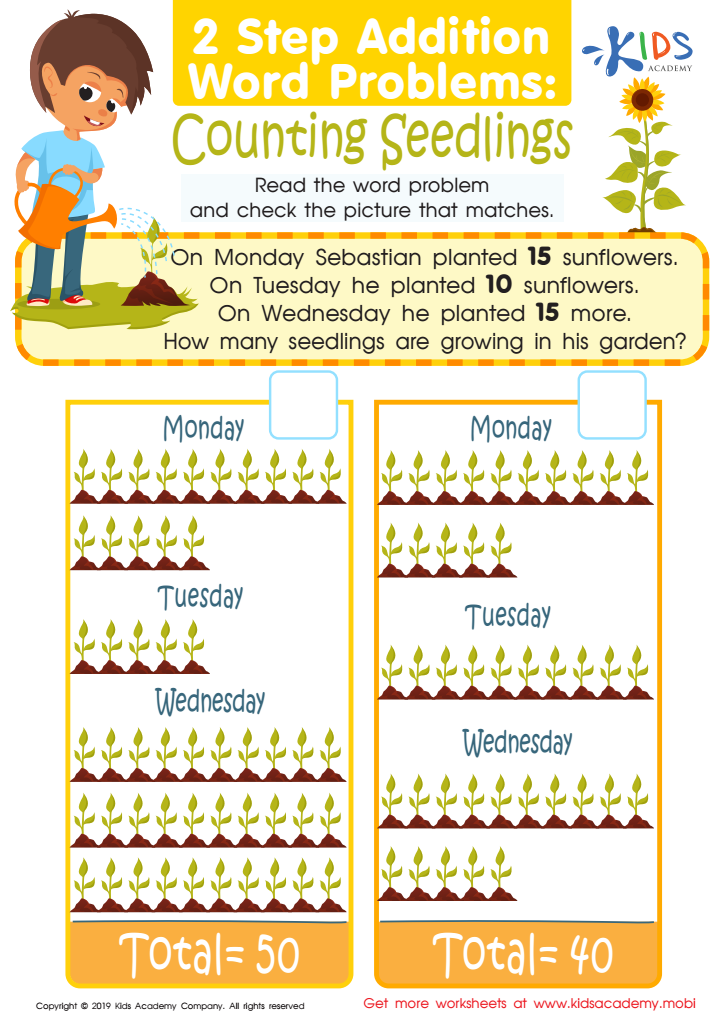
Counting Seedlings Worksheet
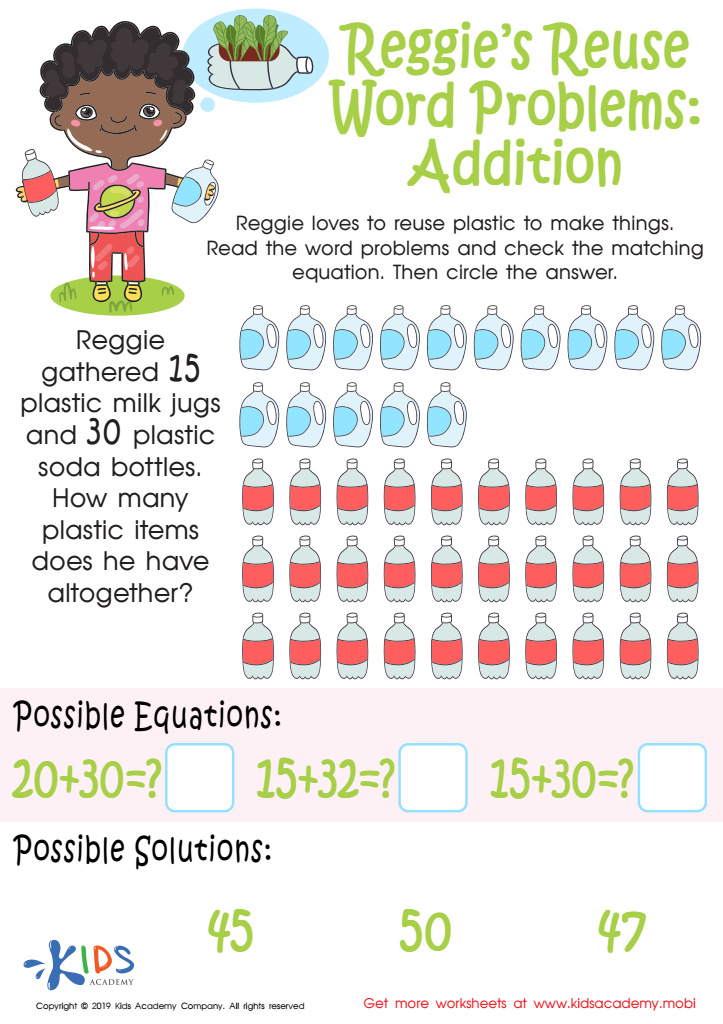
Reggie's Reuse Word Problems: Addition Worksheet
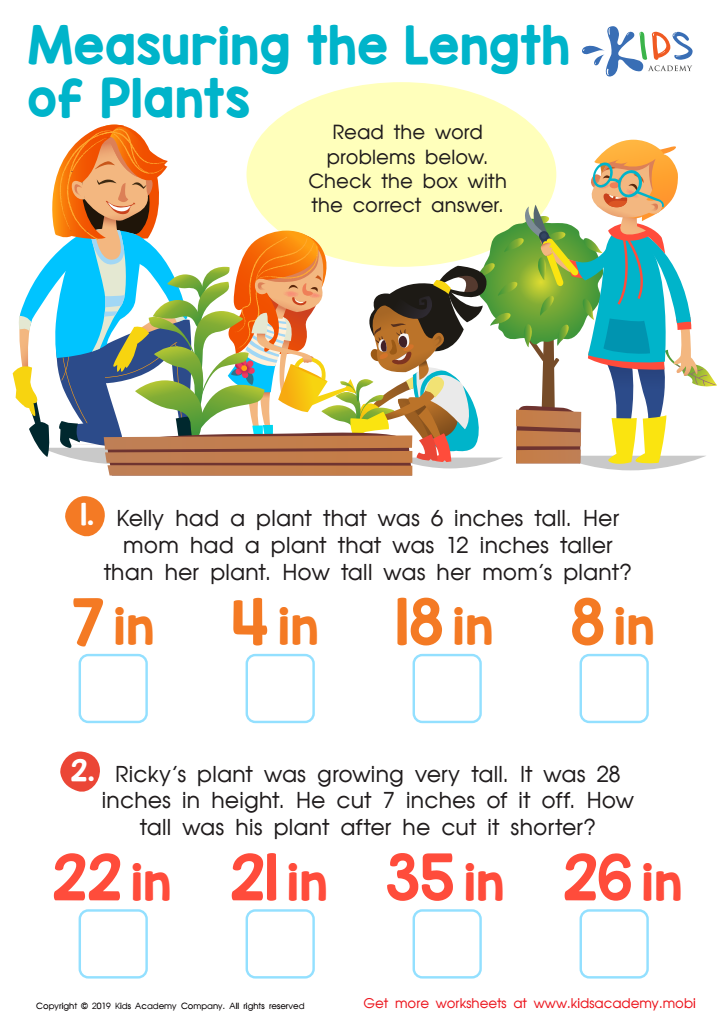
Measuring the Length of Plants Worksheet
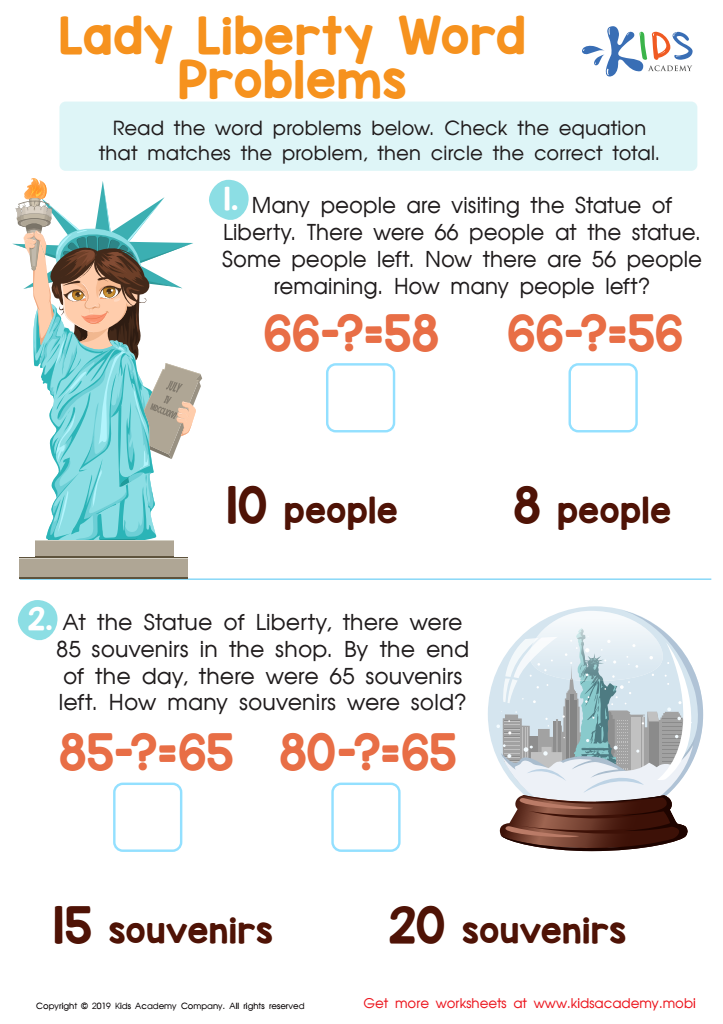
Lady Liberty Worksheet
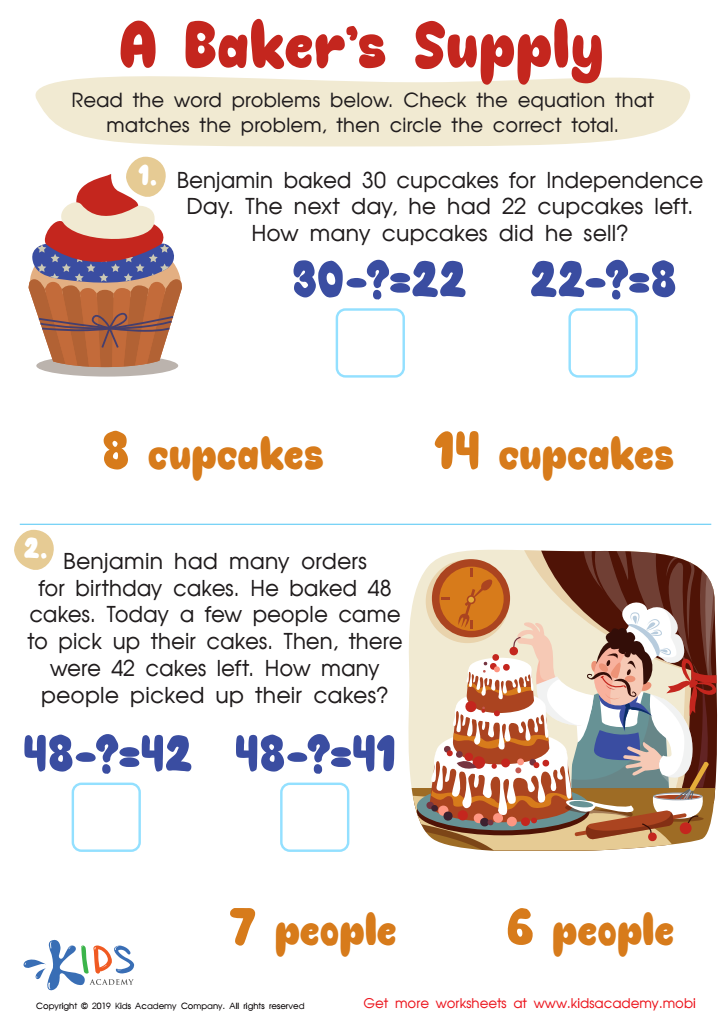
A Baker's Supply Worksheet
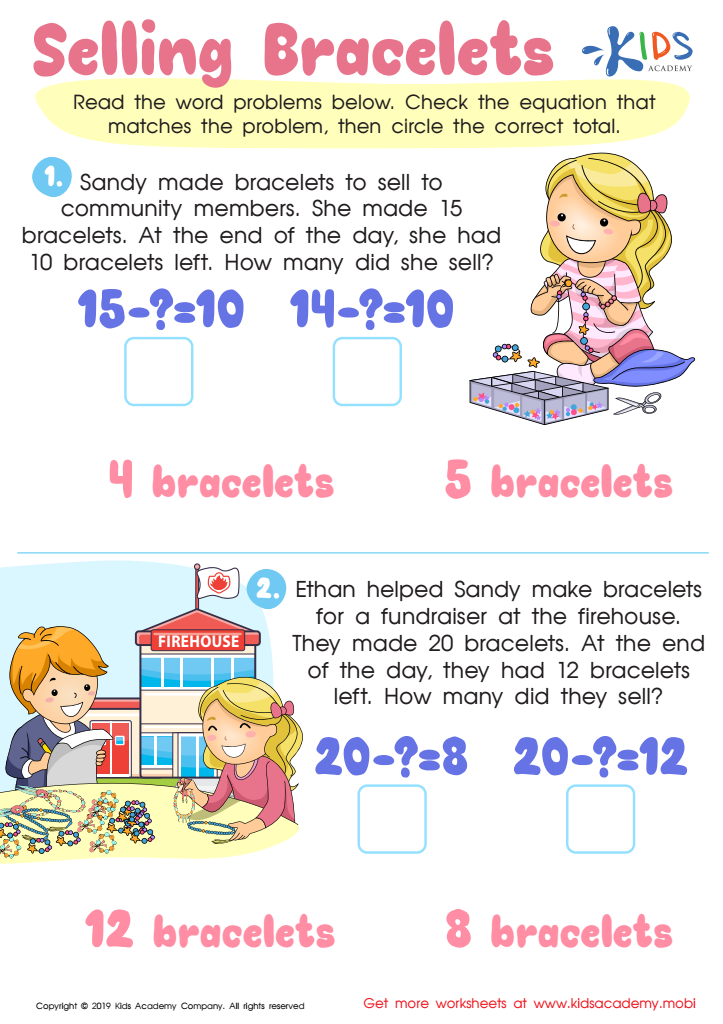
Selling the Bracelets Worksheet
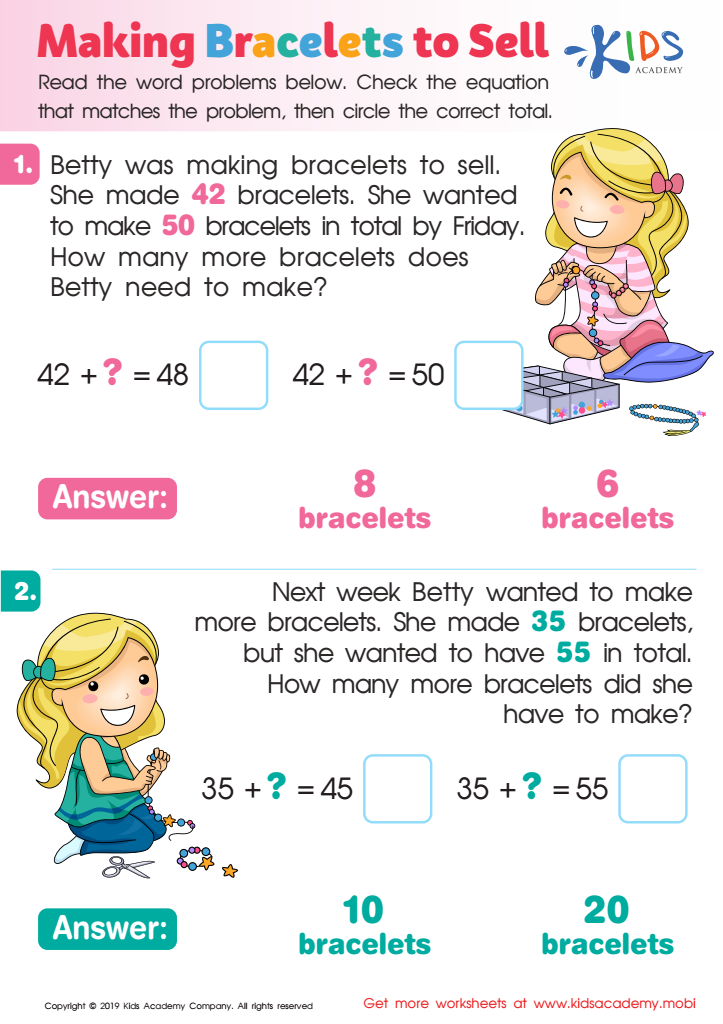
Making Bracelets to Sell Worksheet
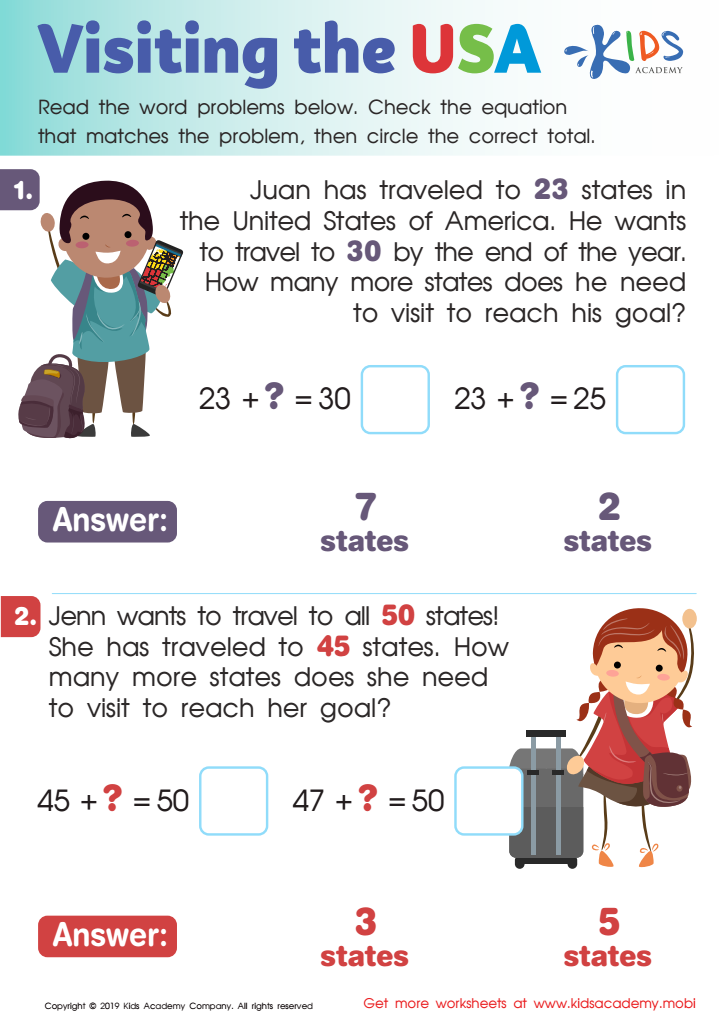
Visiting the USA Worksheet
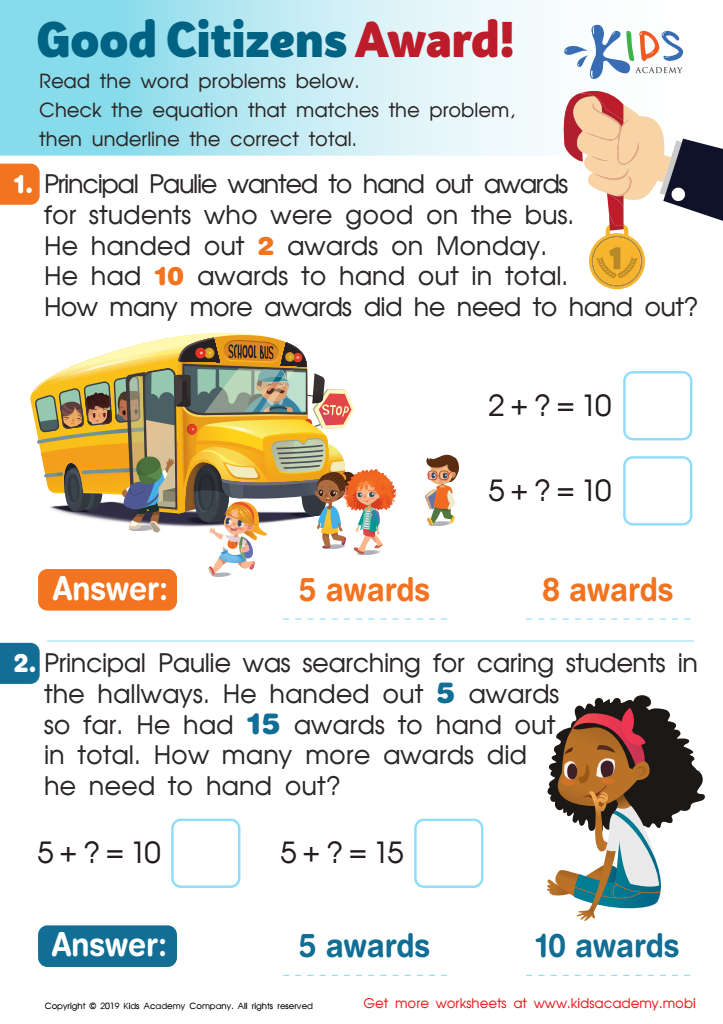
Good Citizens Award! Worksheet
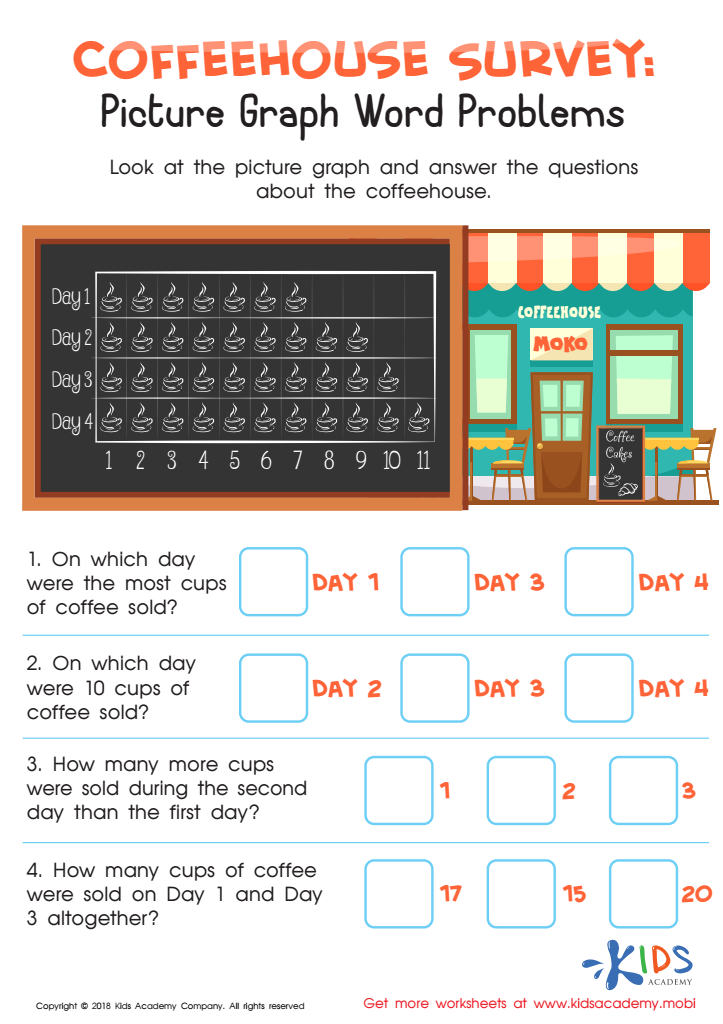
Coffeehouse Survey: Picture Graph Word Problems Worksheet
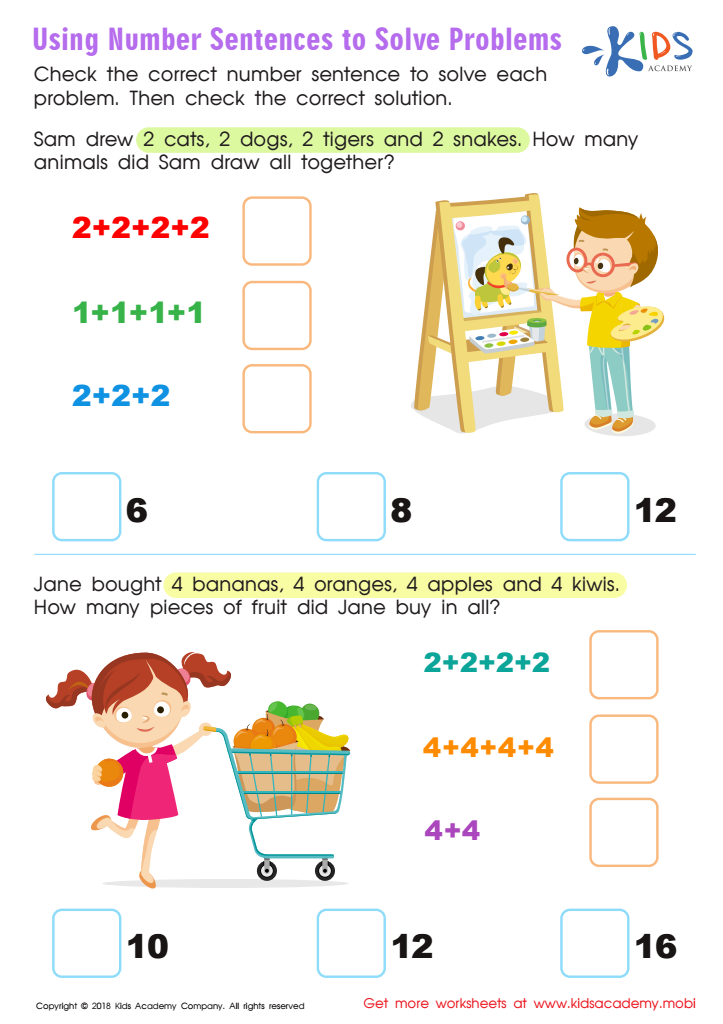
Using Number Sentences to Solve Problems Worksheet
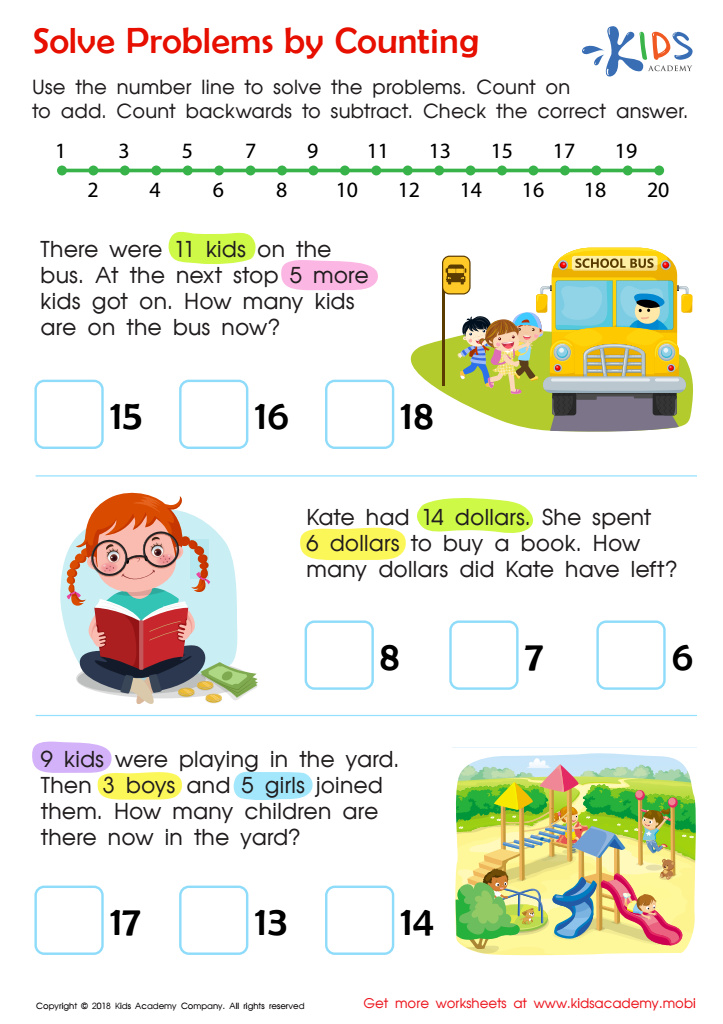
Solve Problems by Counting Worksheet
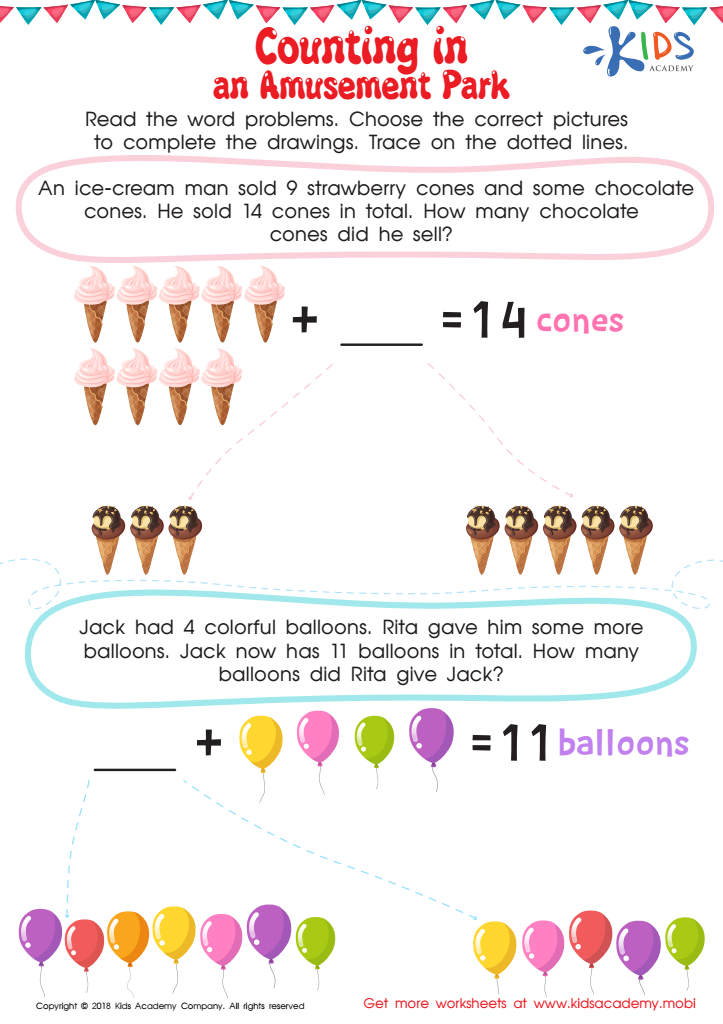
Counting in an Amusement Park Worksheet
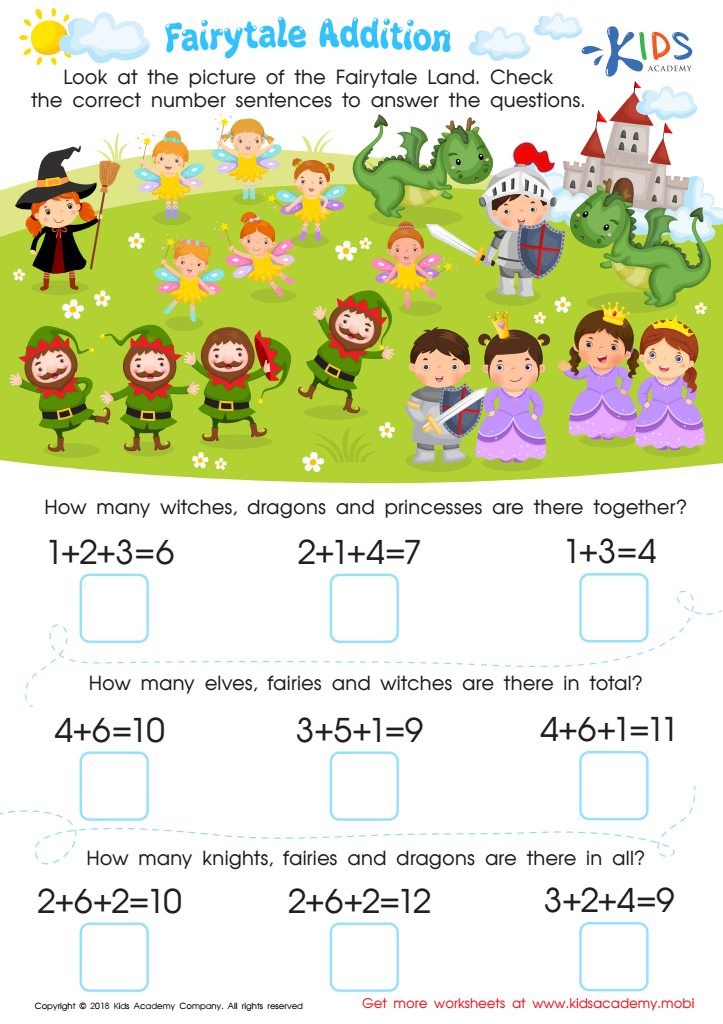
Fairytale Addition Worksheet
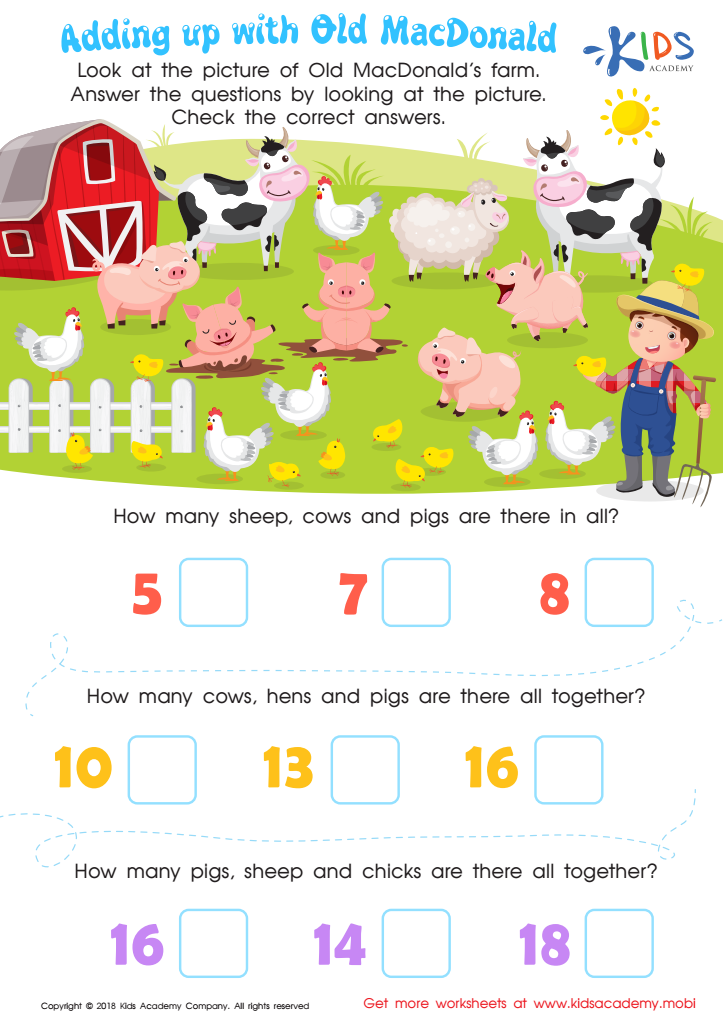
Adding Up with Old MacDonald Worksheet
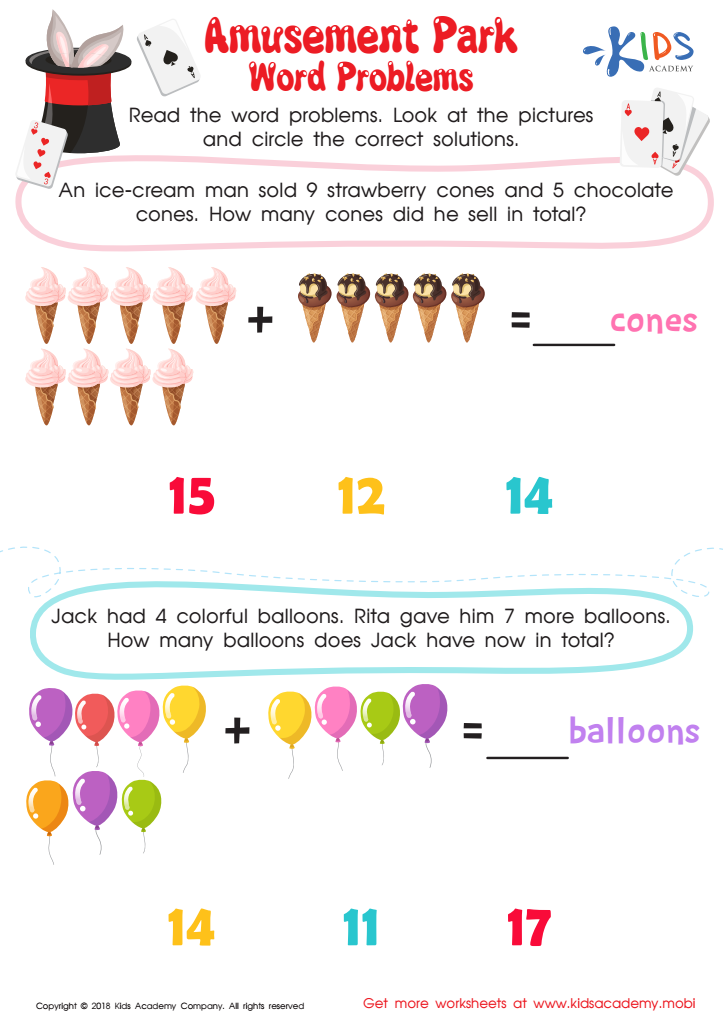
Amusement Park Word Problems Worksheet
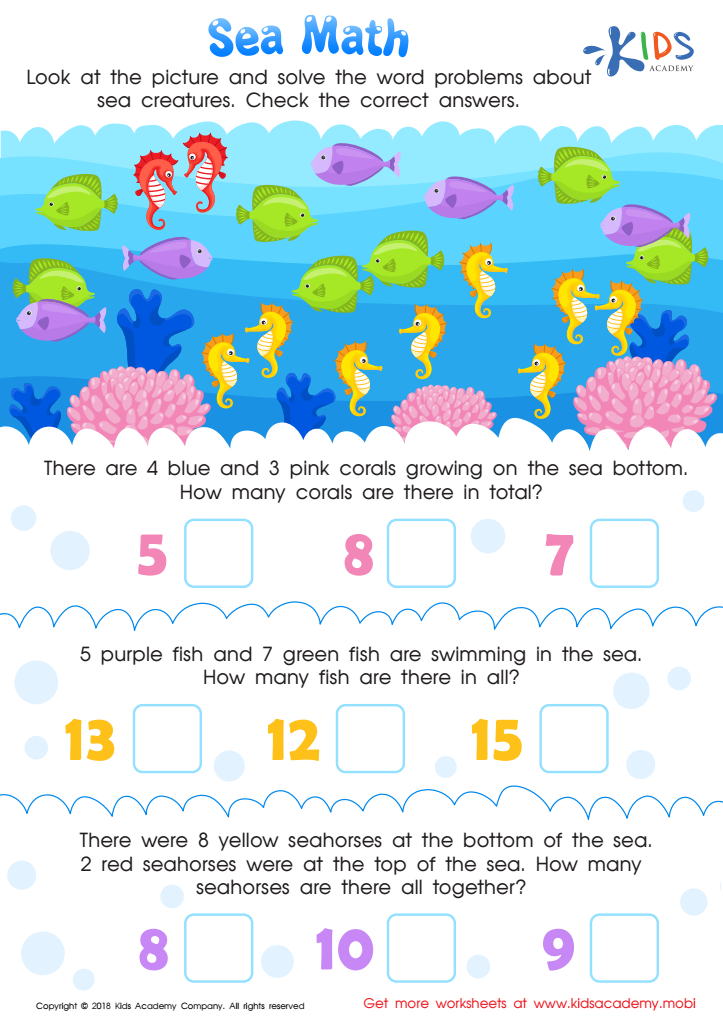
Sea Math Worksheet
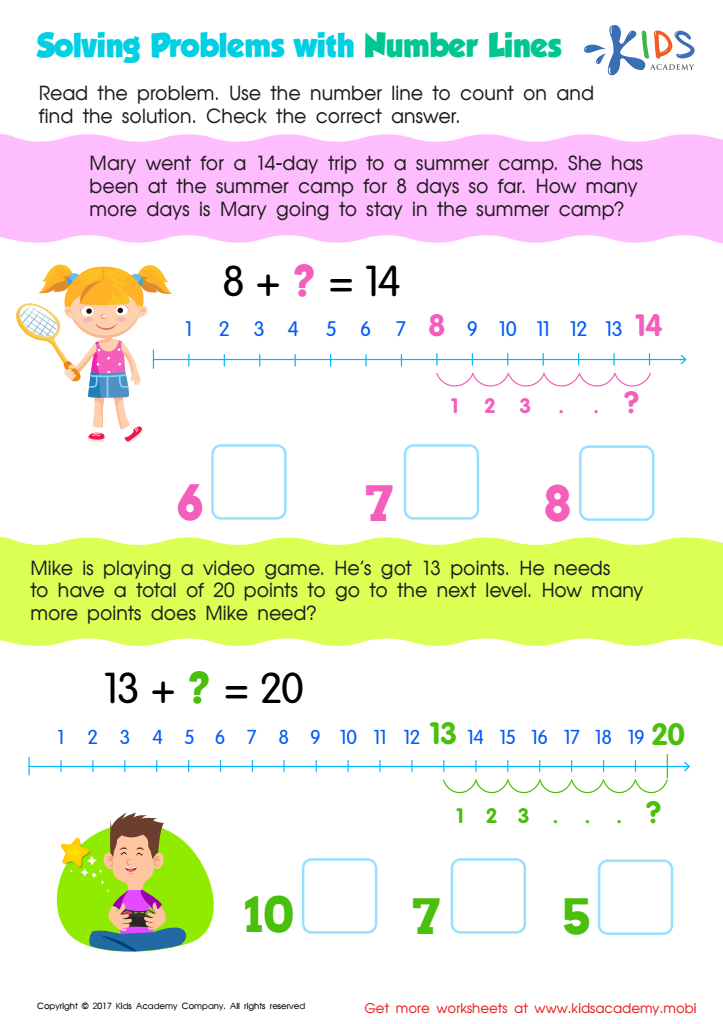
Solving Problems: Number Lines Worksheet
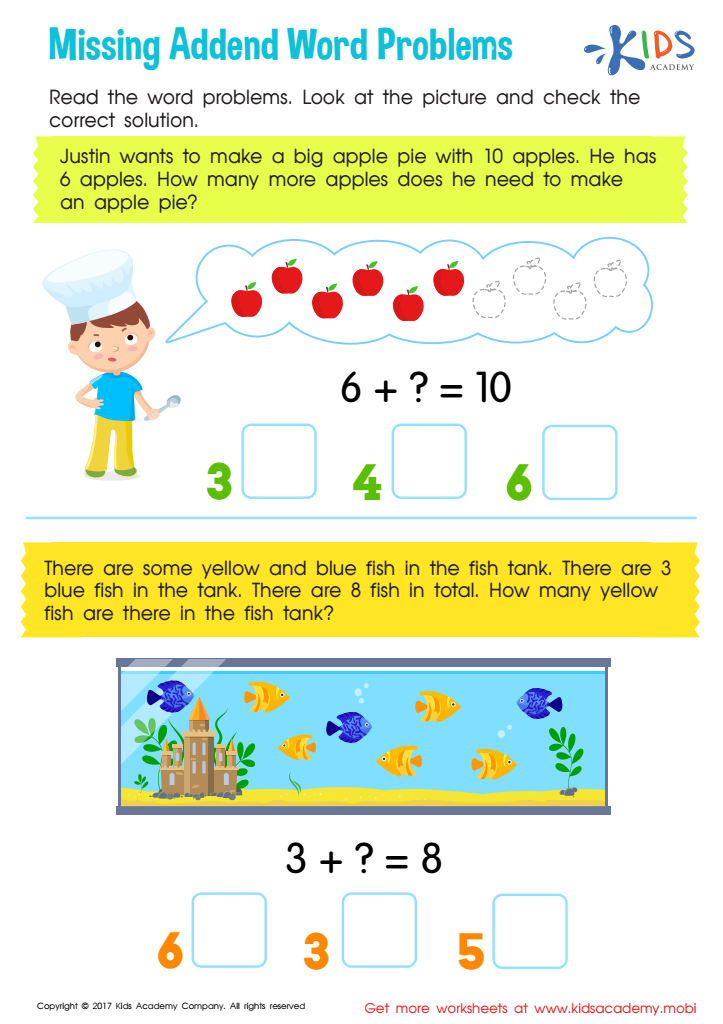
Missing Addend Word Problems Worksheet








The Importance of Easy Worksheets on Word Problems: Enhancing Skills with Learning Interactive Printables
Word problems in mathematics are a vital aspect of learning that introduces children to real-life applications of mathematical concepts. For children aged 7-8 years, mastering these problems not only boosts their arithmetic skills but also enhances critical thinking and problem-solving abilities. One of the most effective tools in facilitating this learning are easy worksheets on word problems, which can be both engaging and educational.
Learning Interactive Printables as a Tool
Learning interactive printables are specially designed worksheets that make learning an active and engaging process for children. These printables are structured in a way that they gradually guide young learners through the complexities of word problems, ensuring that they are neither too challenging nor too simplistic. This careful balance helps maintain children's interest and encourages a positive attitude towards learning mathematics.
Why Easy Worksheets on Word Problems Are Useful
1. Building a Strong Mathematical Foundation: At the age of 7-8 years, children are developing skills that will serve as the foundation for more advanced mathematical concepts. Easy worksheets on word problems help them understand how numbers and operations work in various scenarios, thereby solidifying their basic arithmetic skills such as addition, subtraction, multiplication, and division.
2. Developing Problem-Solving Skills: Word problems require children to read, comprehend, and determine the method of solving the problem. This process is essential for developing critical thinking and problem-solving skills. Through repeated practice provided by these worksheets, children learn to analyze a problem, identify the relevant information, and apply the correct operation to find a solution.
3. Enhancing Reading and Comprehension Skills: Word problems are essentially stories that require solutions. They bridge the gap between numerical operations and reading comprehension. By working with word problems, children improve their ability to read and understand complex sentences, thereby enhancing their overall literacy skills alongside their numerical abilities.
4. Making Math Real and Relatable: Learning interactive printables often include word problems that are based on real-life scenarios, making math more relatable and interesting for young learners. When children see how mathematical concepts apply to everyday situations—such as shopping, cooking, or planning a trip—they are more likely to appreciate the value of math and stay engaged in their learning process.
5. Encouraging Independent Learning: Easy worksheets provide a platform for children to work independently at their own pace, which is crucial for building confidence. As children work through problems, they learn to trust their own reasoning and become more self-reliant learners. This sense of achievement motivates them to tackle more challenging problems, fostering a positive and proactive attitude towards learning.
6. Facilitating Immediate Feedback and Correction: One of the key advantages of using learning interactive printables for word problems is the ability for immediate feedback. Whether in a classroom setting where a teacher provides instant responses or through interactive worksheets that offer corrections, children can quickly learn from their mistakes. This immediate feedback helps them understand concepts more thoroughly and reduces the frustration that can come from unresolved errors.
7. Accommodating Diverse Learning Styles: Children learn in different ways, and the versatile nature of easy worksheets on word problems caters to various learning styles. Whether a child is a visual, auditory, or kinesthetic learner, worksheets can be designed to include helpful diagrams, stories, or hands-on activities that make learning accessible and enjoyable for everyone.
8. Engaging Parents in the Learning Process: Easy worksheets on word problems also provide an excellent opportunity for parents to engage in their child's educational journey. By working together on these printables, parents can understand where their child excels or needs more help, fostering a supportive home learning environment. This collaboration not only strengthens the child’s understanding but also builds a stronger parent-child relationship.
Conclusion
In conclusion, easy worksheets on word problems are an invaluable educational tool for children aged 7-8 years. By integrating learning interactive printables into the educational curriculum, educators and parents can provide a robust learning experience that not only covers mathematical concepts but also enhances reading comprehension, critical thinking, and independent learning skills. As children navigate through these word problems, they gain more than just math proficiency; they acquire the tools necessary for lifelong learning and problem-solving.








