Extra Challenge Alphabet Worksheets for Ages 3-9 - Page 2
38 filtered results
-
From - To
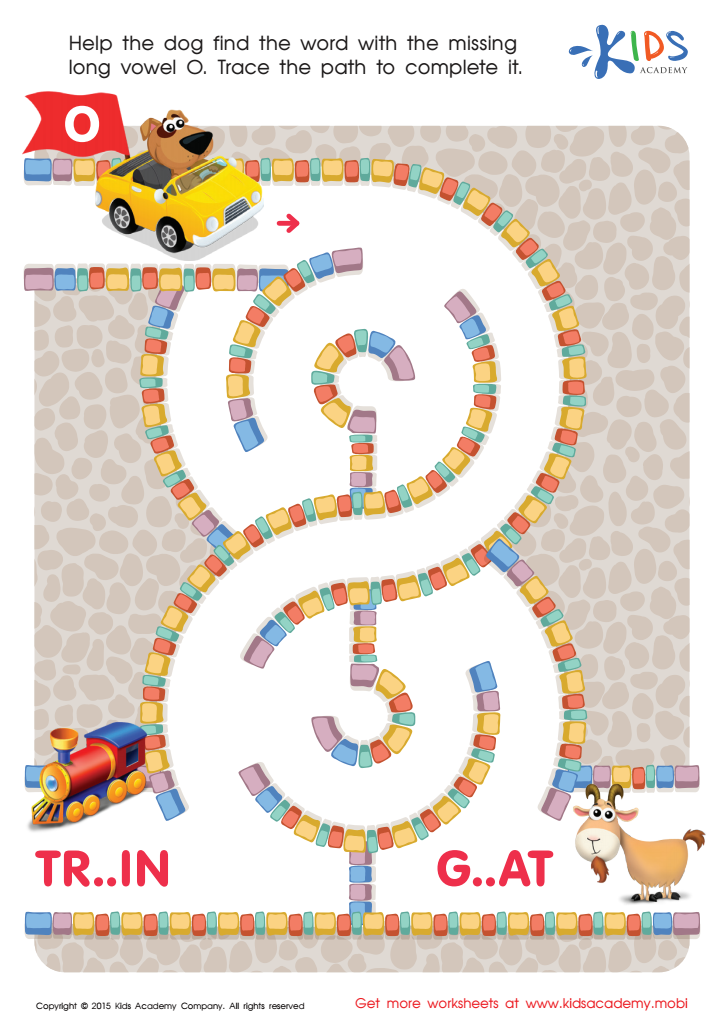
Long Vowel Sound O Worksheet
 Assign to My Students
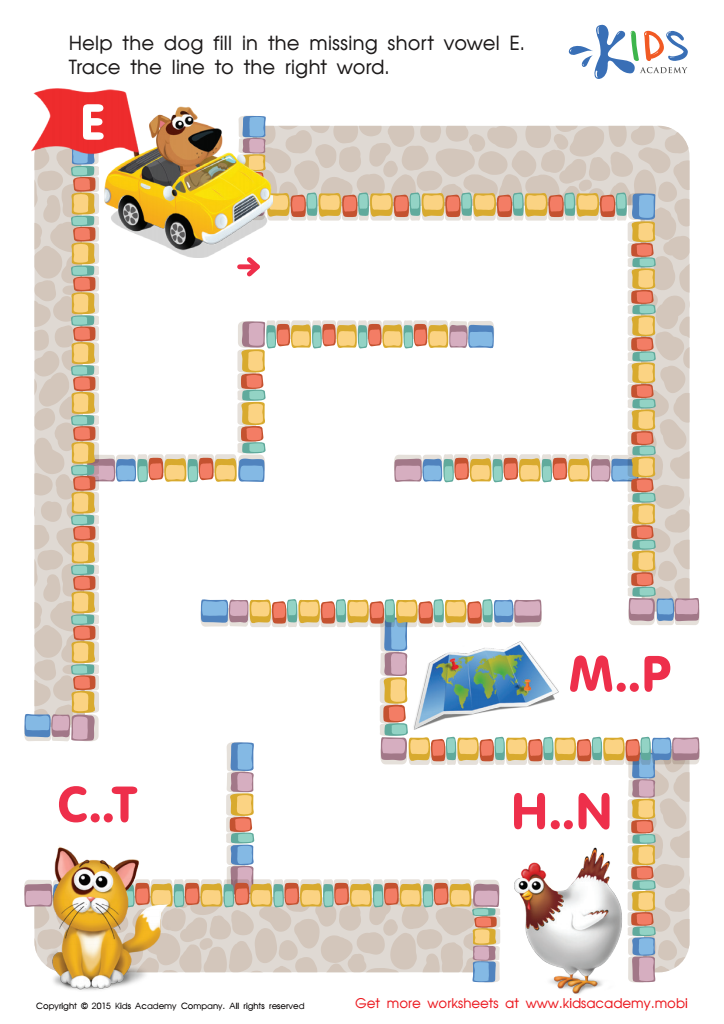
Short Vowel Sound E Worksheet
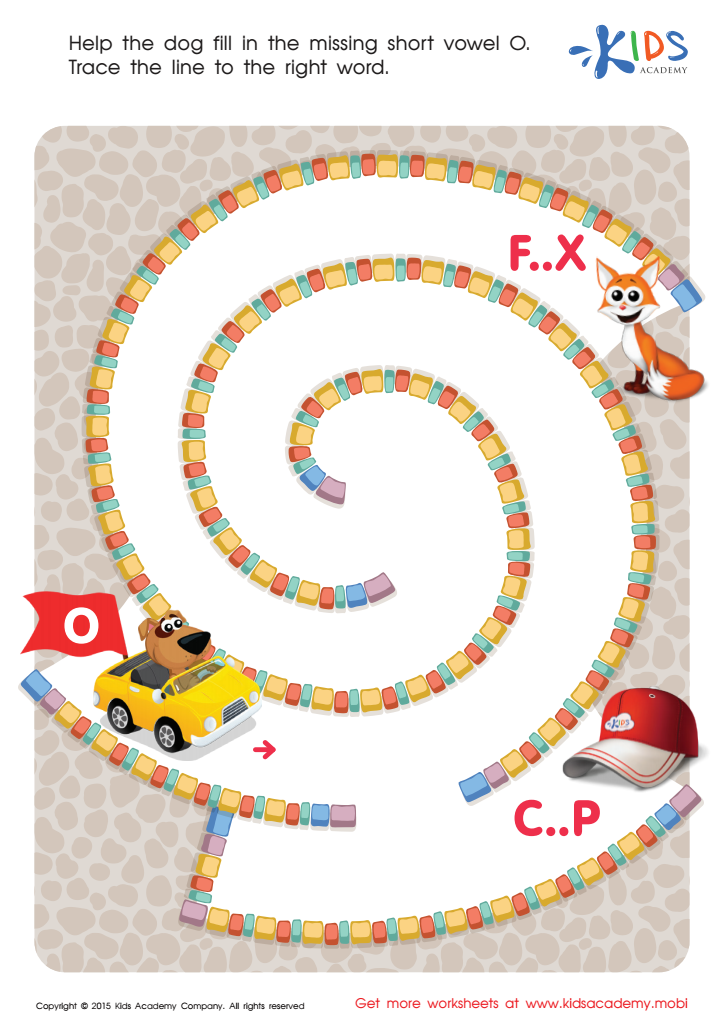
Short Vowel Sound O Worksheet
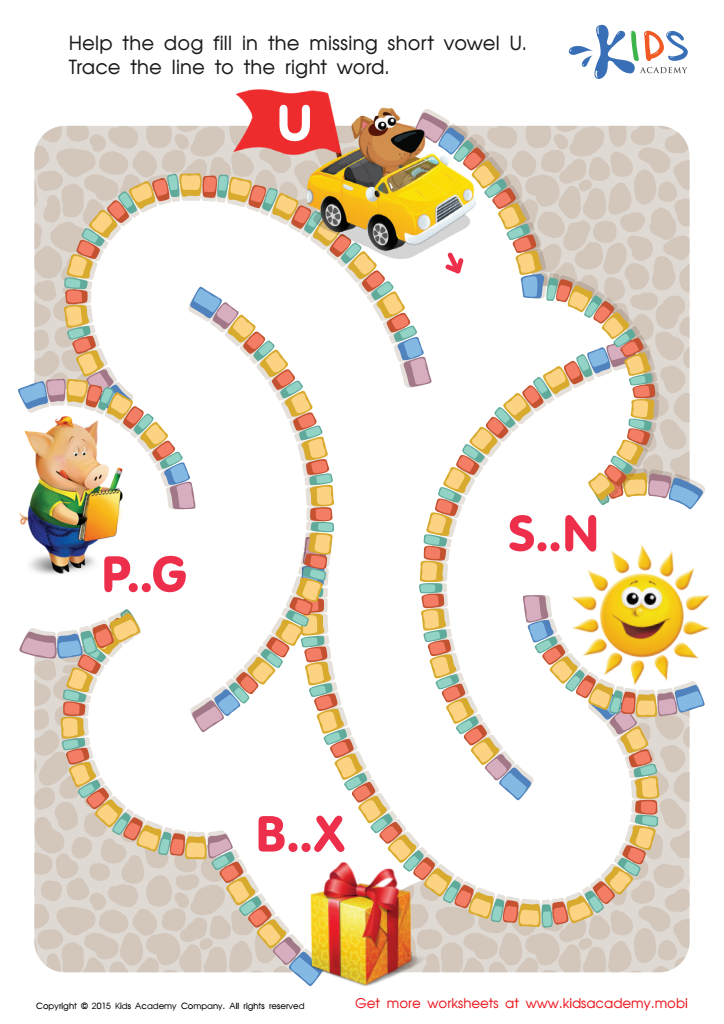
Short Vowel Sound U Worksheet
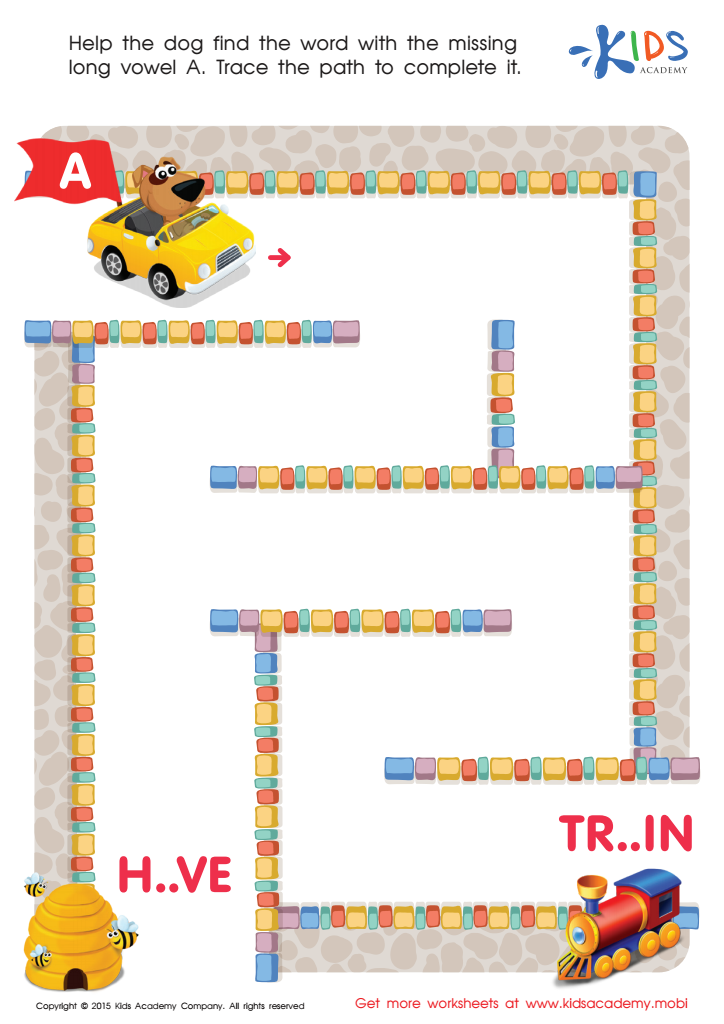
Long Vowel Sound A Worksheet
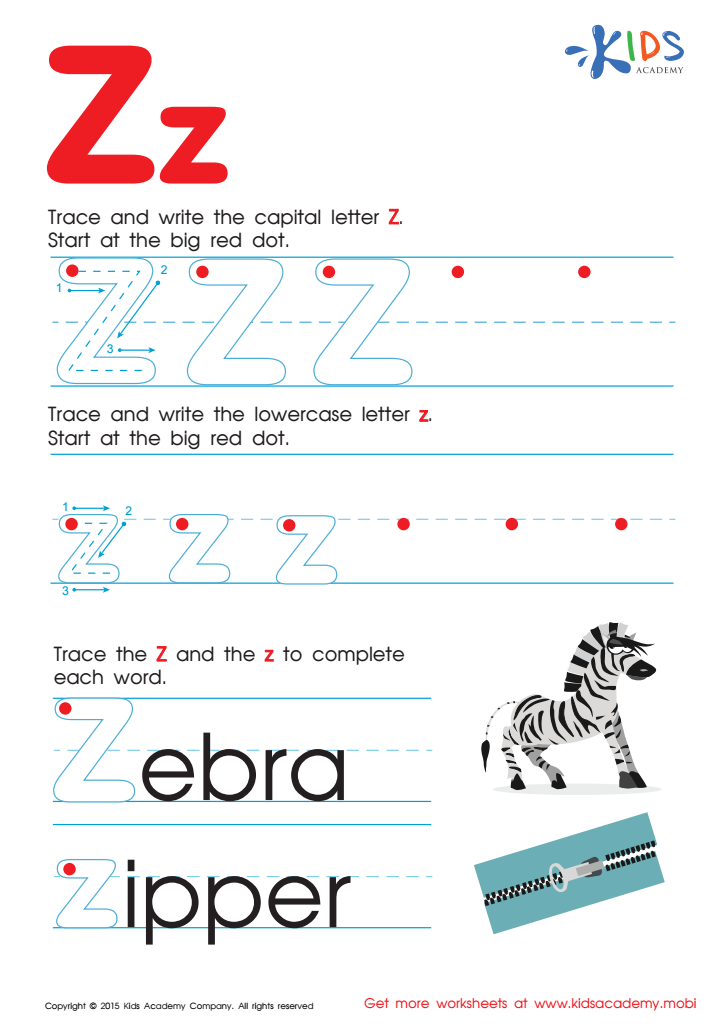
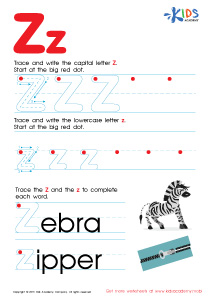
Letter Z Tracing Page
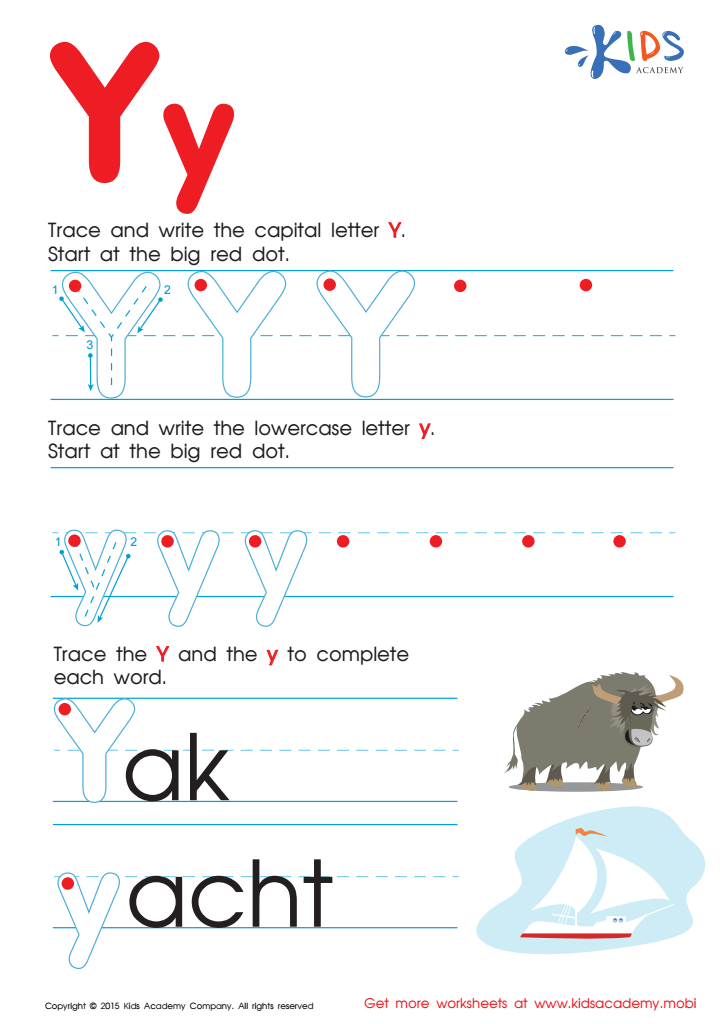
Letter Y Tracing Page
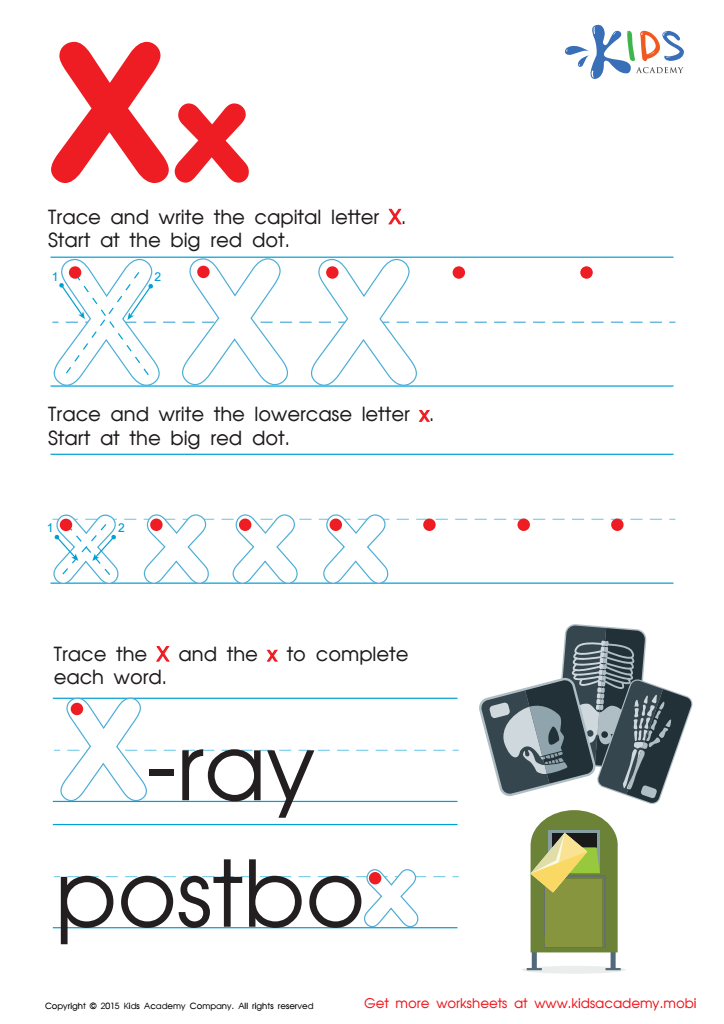
Letter X Tracing Page
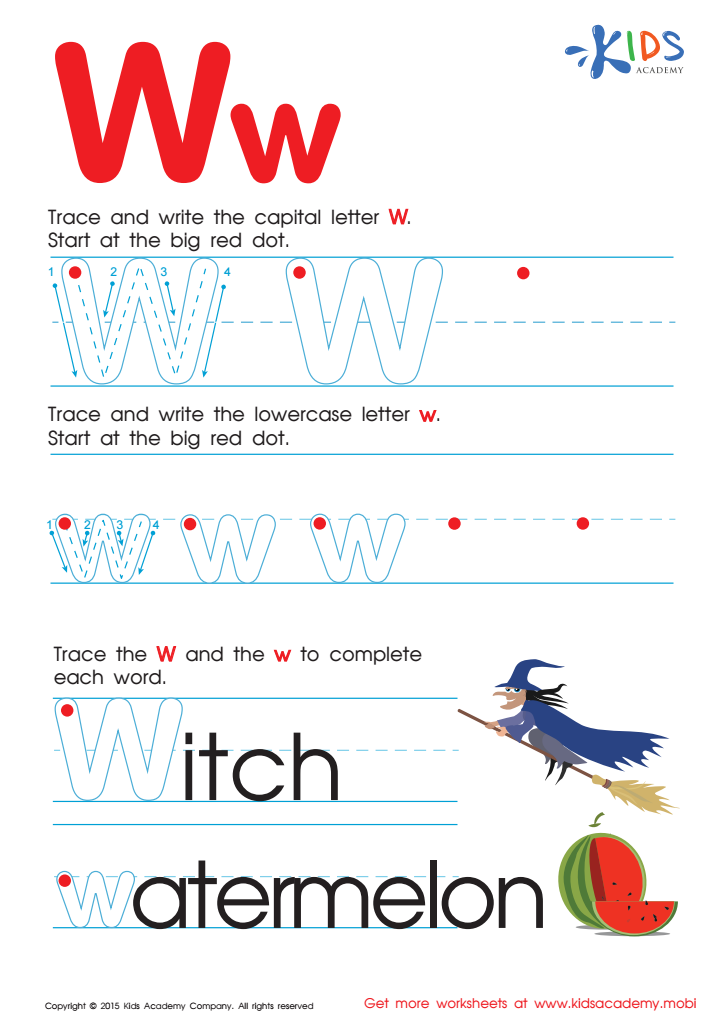
Letter W Tracing Page
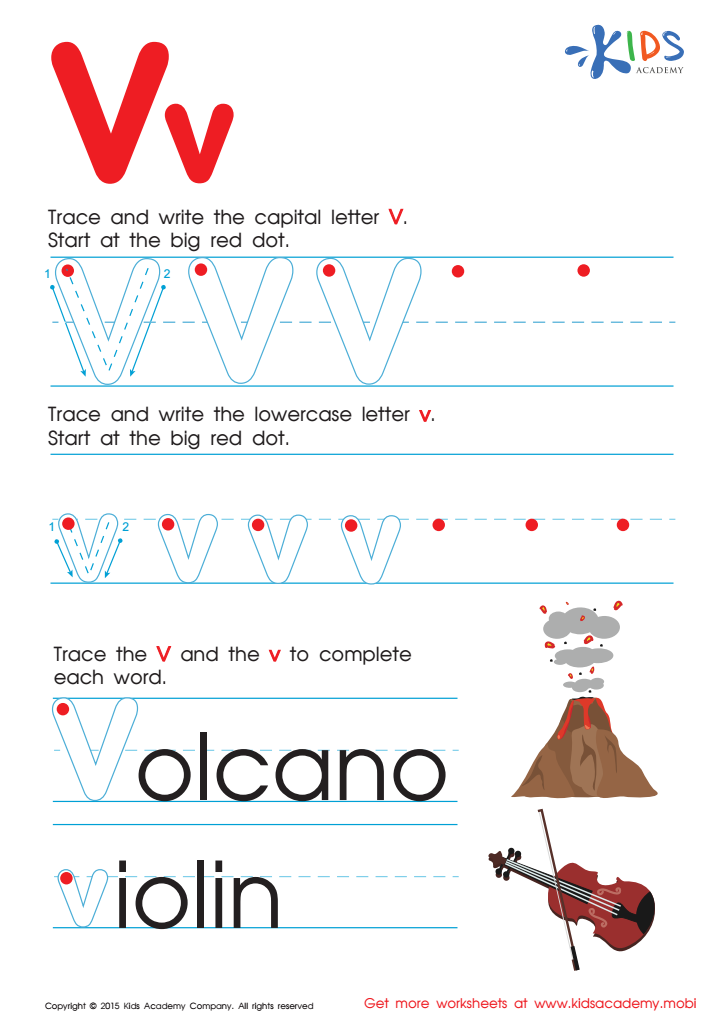
Letter V Tracing Page
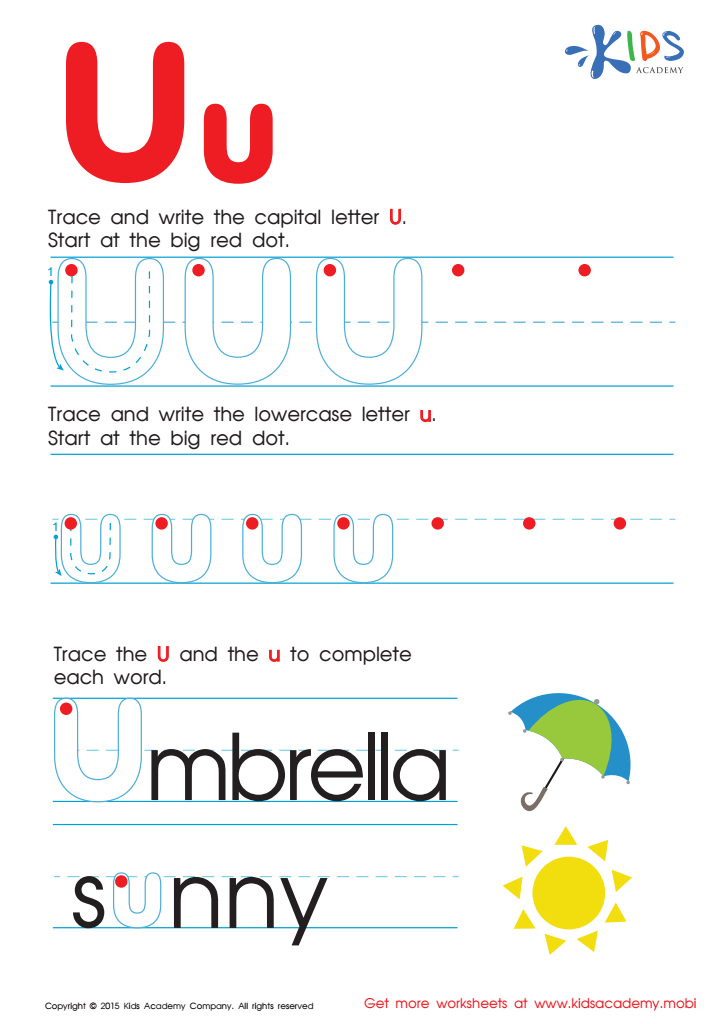
Letter U Tracing Page
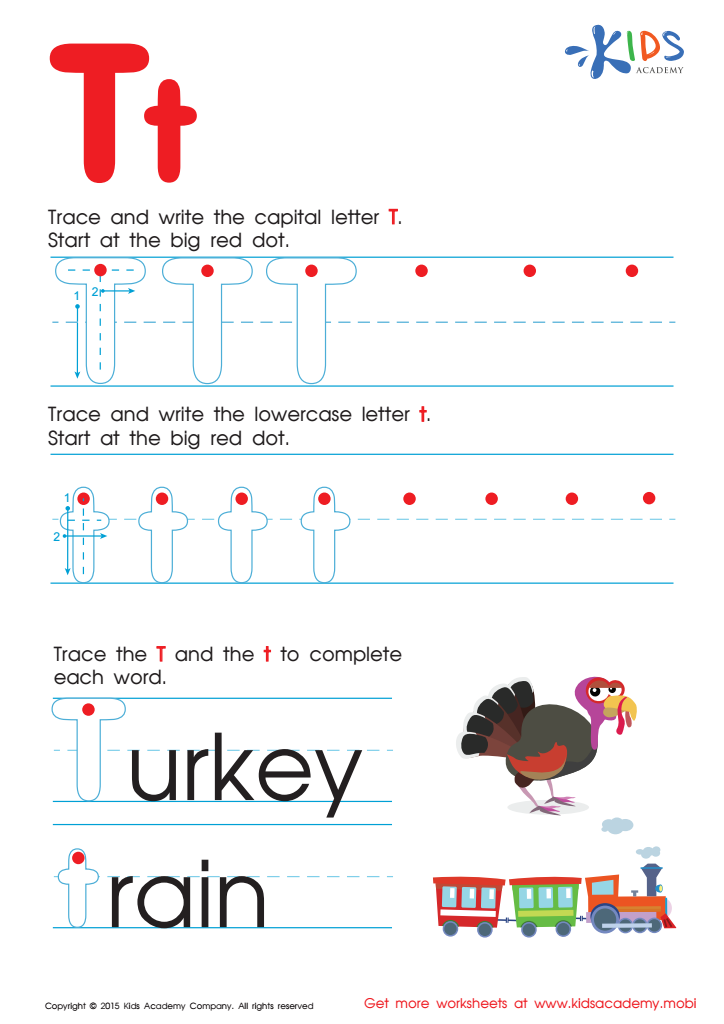
Letter T Tracing Page
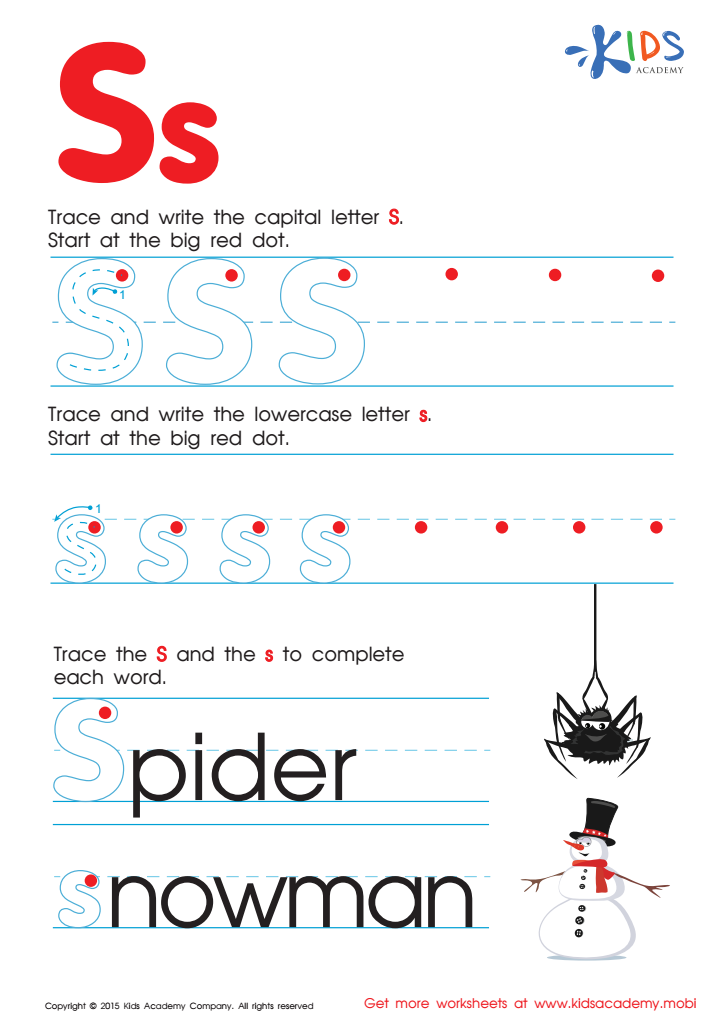
Letter S Tracing Page
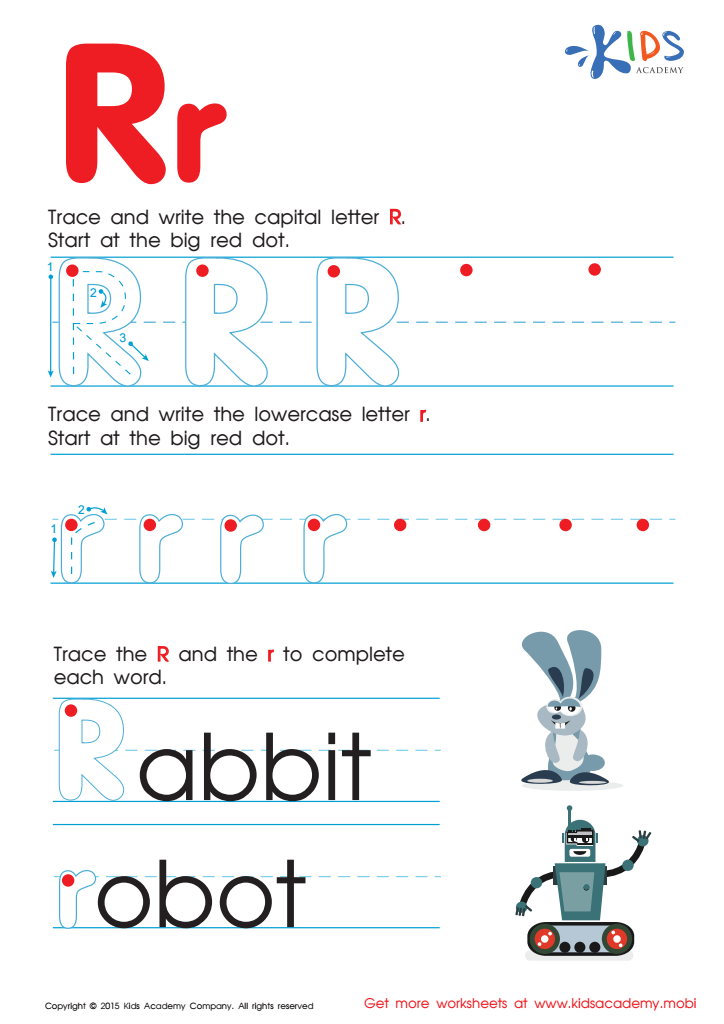
Letter R Tracing Page





Parents and teachers should care about Extra Challenge Alphabet activities for children aged 3-9 because these activities can significantly enhance early childhood development in multiple areas. Alphabet challenges that are interactive and engaging will boost children's literacy skills, including letter recognition, phonemic awareness, and vocabulary. Early mastery of these skills is fundamental for later academic success.
Beyond literacy, these challenges also support cognitive development by encouraging problem-solving and critical thinking. Kids learn to focus, follow instructions, and complete tasks independently or in groups, which fosters teamwork and social skills. Interactive games often incorporate multisensory learning methods that can help children retain information better through sight, sound, and touch.
Moreover, engaging in alphabet challenges makes learning fun, which instills a positive attitude toward education. When children enjoy the learning process, they are more likely to be motivated and curious, which are essential traits for lifelong learning.
For parents, these activities offer a valuable opportunity to bond with their children and track their developmental milestones. For teachers, alphabet challenges serve as effective teaching tools that can be tailored to individual student needs, making it easier to address various learning styles within a classroom. In sum, Extra Challenge Alphabet activities offer a holistic approach to early childhood education, benefiting children academically, cognitively, and socially.