Extra Challenge Matching Worksheets for Ages 4-7 - Page 2
28 filtered results
-
From - To
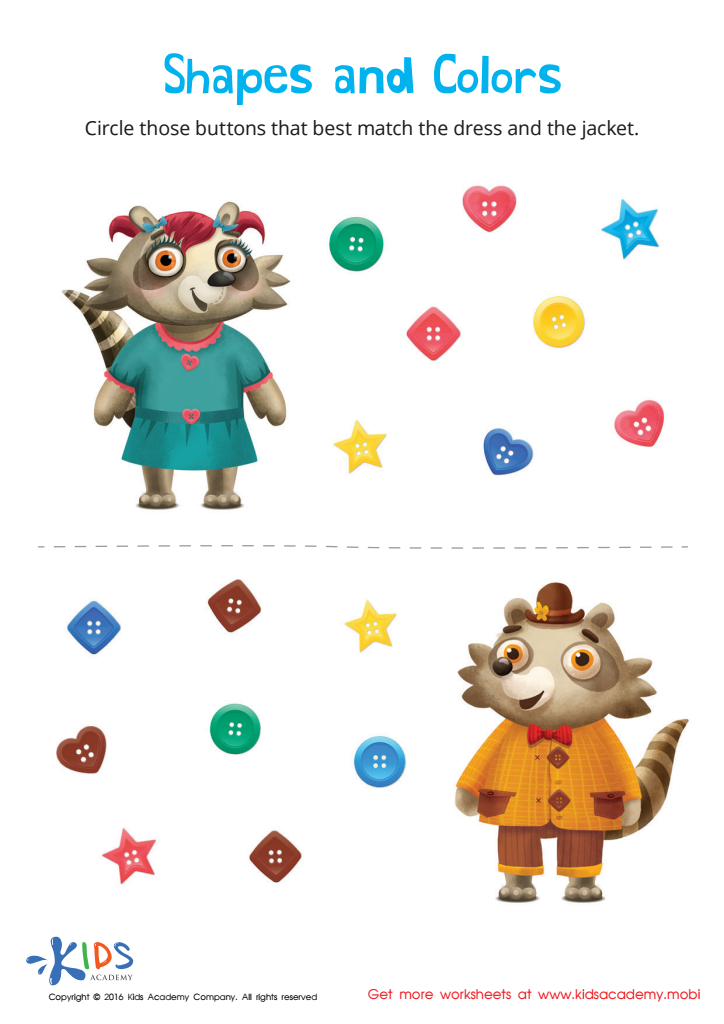
Matching: Shapes and Colors Worksheet
 Assign to My Students
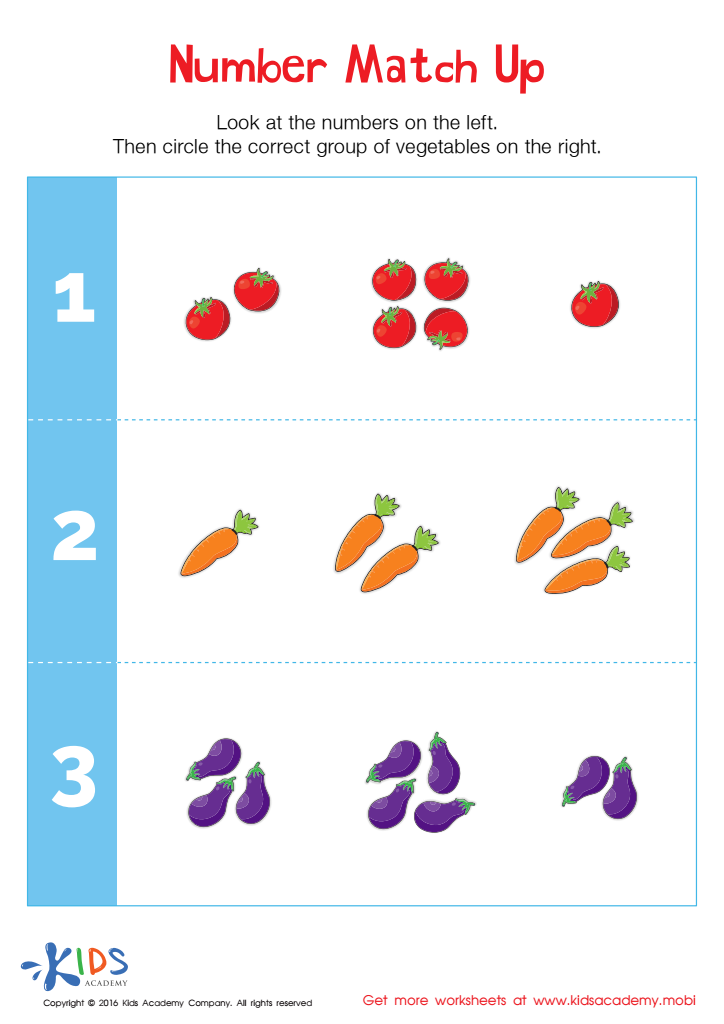
Number Match Up Worksheet
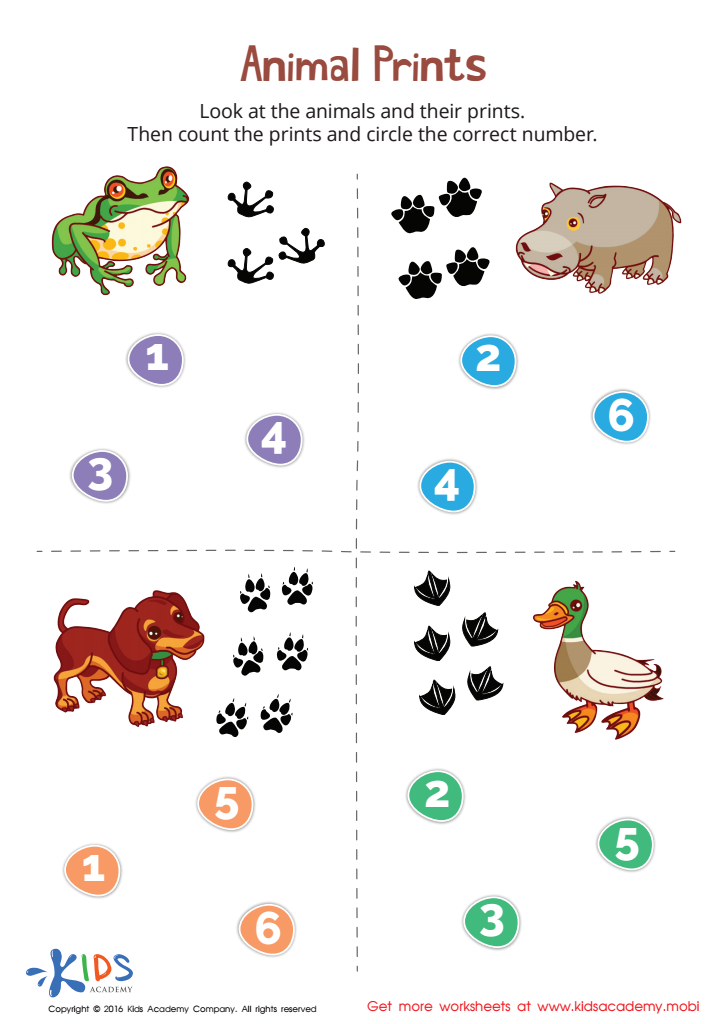
Animal Prints Match-Up Worksheet








Extra Challenge Matching activities for children aged 4-7 offer significant benefits to cognitive, social, and emotional development, making them essential tools for both parents and teachers. These activities encourage children to engage in critical thinking and problem-solving as they search for pairs or patterns, which plays a vital role in developing cognitive skills. Memory and concentration are also enhanced as children focus on recalling images, sounds, or numbers they need to match.
Moreover, matching games promote language development. Through naming objects, animals, colors, or shapes, children expand their vocabulary and improve their verbal expression skills. This heightened language ability aids in better communication both in and out of the classroom.
Socially and emotionally, such activities often involve turn-taking and collaboration, essential skills for young learners. When working with others, children learn valuable lessons in patience, cooperation, and competition in a healthy environment.
Additionally, these activities boost confidence and provide a sense of accomplishment when matches are successfully made, instilling a lifelong love for learning. They are fun and engaging, capturing the children’s attention and rendering learning more appealing. Introducing Extra Challenge Matching in early years sets a strong foundation for future academic and personal success.