Extra Challenge Matching Worksheets for Ages 4-8 - Page 2
28 filtered results
-
From - To
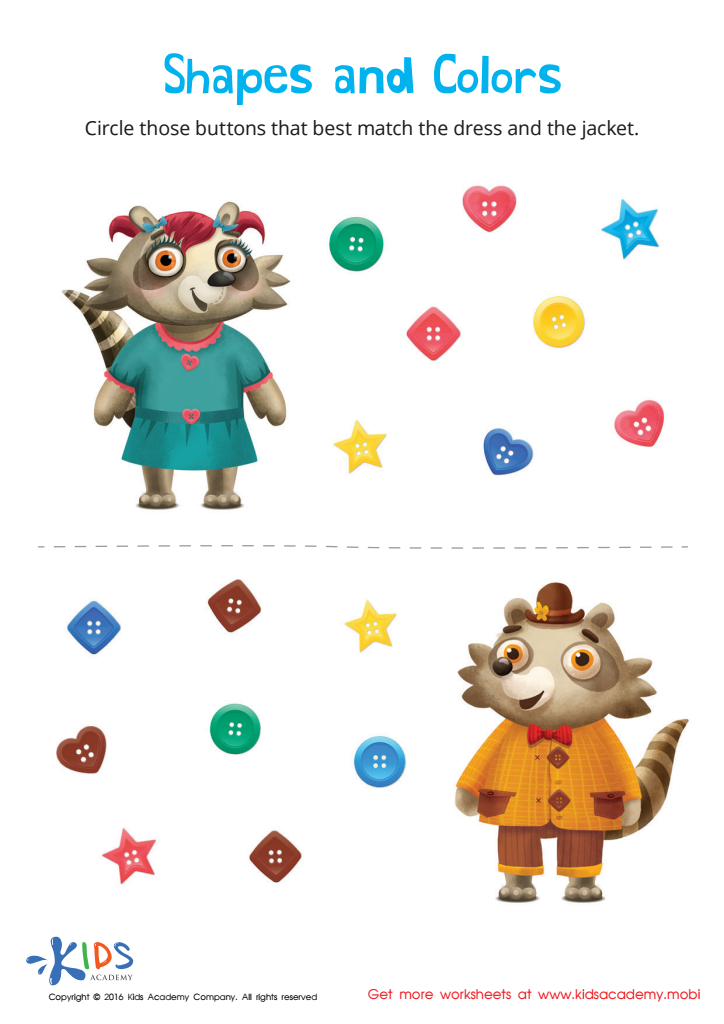
Matching: Shapes and Colors Worksheet
 Assign to My Students
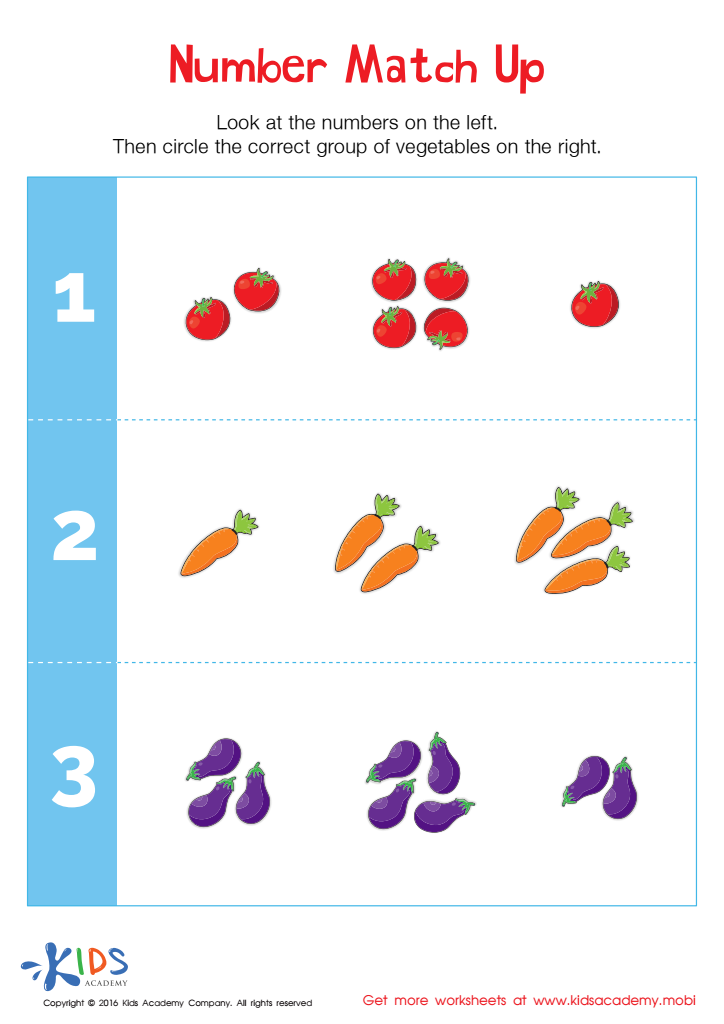
Number Match Up Worksheet
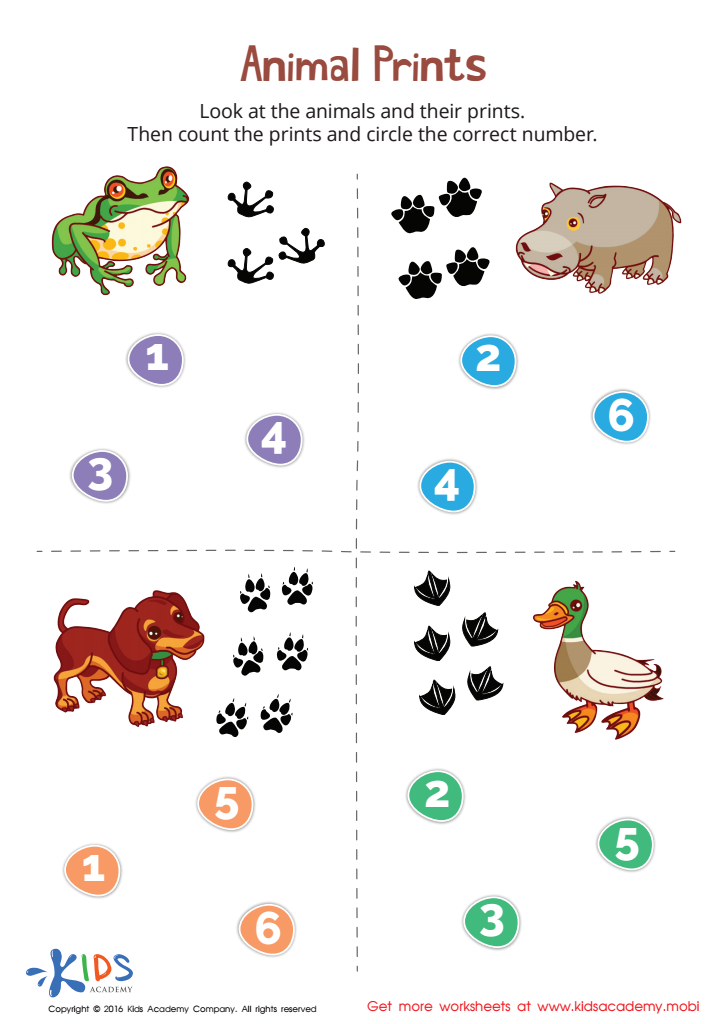
Animal Prints Match-Up Worksheet








Extra Challenge Matching activities are crucial for children aged 4-8 as they bolster cognitive development during the formative early years. These activities engage young minds in recognizing patterns, similarities, and differences, which are fundamental skills in broader learning contexts. For parents and teachers, understanding and supporting these exercises can make educational experiences more enriching and enjoyable for children.
Incorporating matching challenges can enhance memory retention and attention to detail, skills that are vital for success in reading and mathematics. By making learning interactive and fun, these activities can capture children's interest and foster a love for learning. Matching games also support fine motor skills as children manipulate game pieces or cards, promoting hand-eye coordination.
Furthermore, these activities provide opportunities for social learning. When children engage in matching games with peers or adults, they develop communication skills, learn to follow rules, and practice turn-taking. These interactions can significantly improve emotional intelligence and social competence.
By prioritizing Extra Challenge Matching, parents and teachers nurture an engaging, supportive learning environment. This helps to build a strong educational foundation, ensuring children develop essential skills that will serve them throughout their academic journeys and beyond. Investing time in these activities is investing in a child's future.