Extra Challenge Matching Worksheets for Ages 4-9 - Page 2
28 filtered results
-
From - To
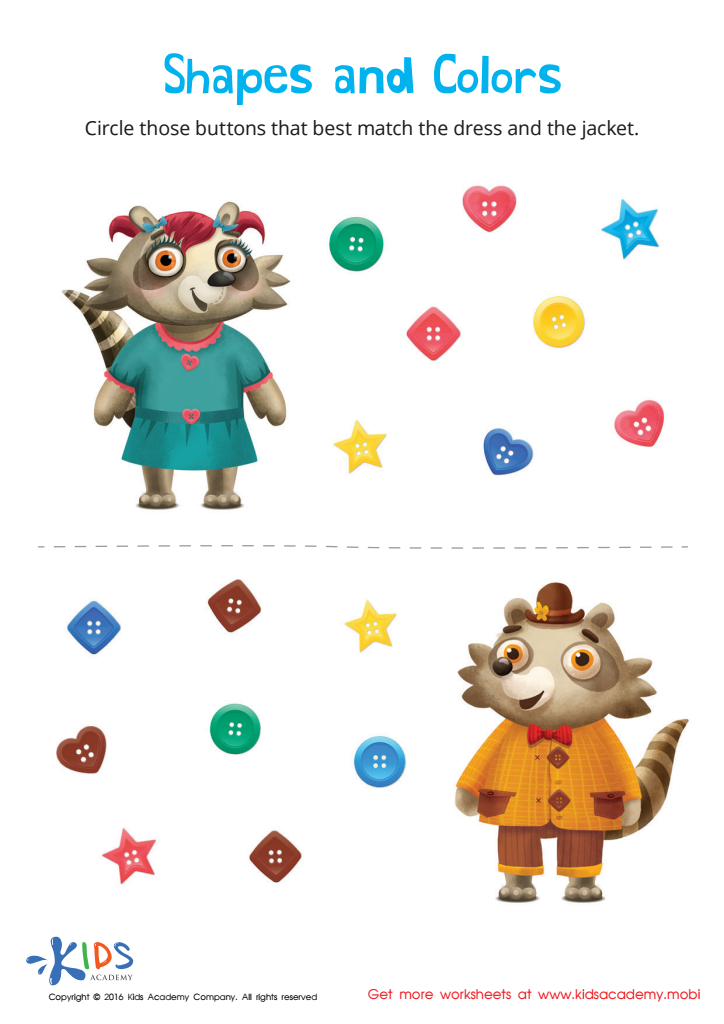
Matching: Shapes and Colors Worksheet
 Assign to My Students
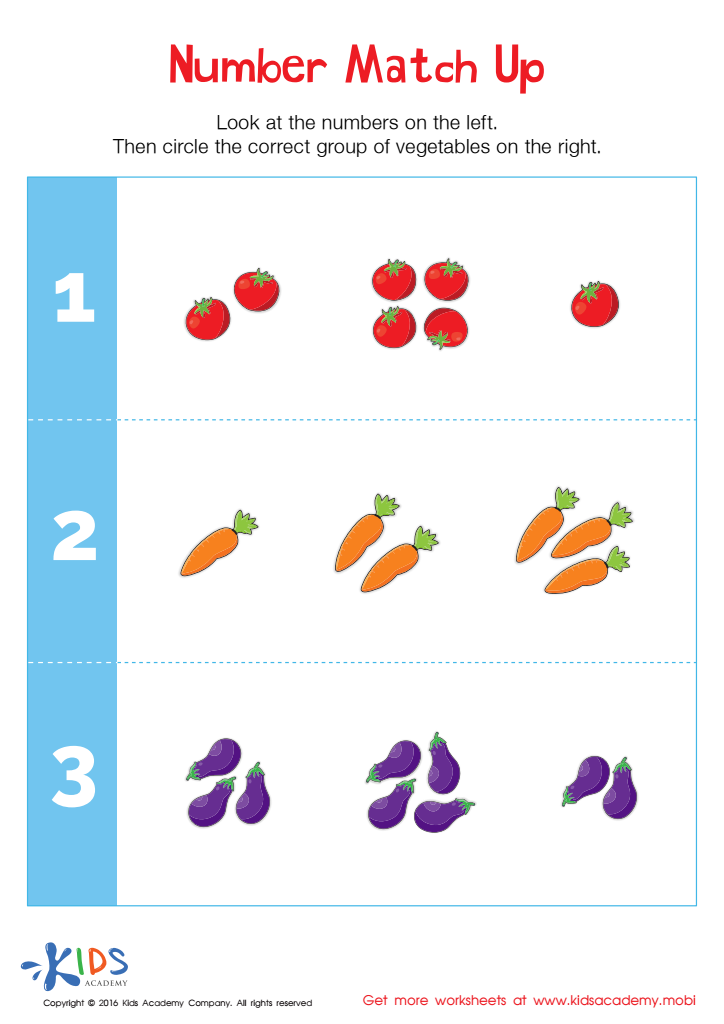
Number Match Up Worksheet
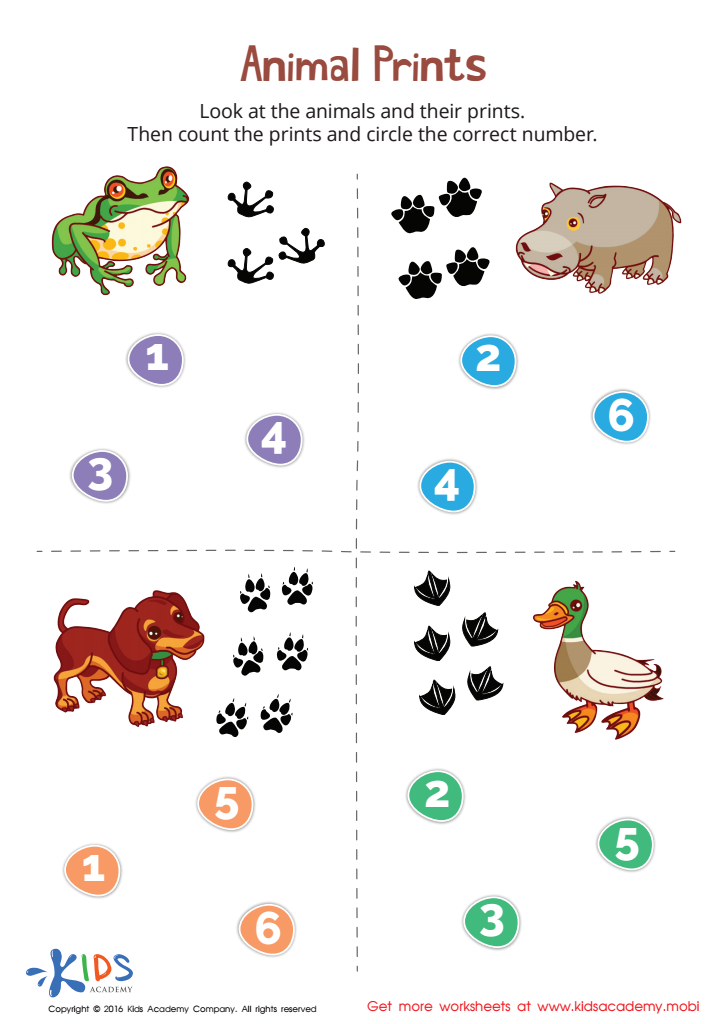
Animal Prints Match-Up Worksheet








Extra Challenge Matching activities are vital for young children aged 4-9, offering benefits that extend beyond simple play. During these formative years, children are developing critical cognitive, social, and motor skills at a rapid pace. Engaging in matching games fosters several aspects of intellectual growth. For instance, these activities enhance memory as children must retain and recall information to make successful matches. They also introduce early concepts of sorting and categorization, essential precursors to logical thinking and problem-solving skills.
Moreover, matching games help children practice their visual discrimination and pattern recognition, both foundational for reading and mathematics. They also offer opportunities for fine motor skill development, as children maneuver small game pieces.
Beyond cognitive benefits, matching games can support emotional and social growth. Successfully completing these challenges boosts self-esteem and provides a sense of accomplishment. When played with peers or family, matching games promote cooperative play, taking turns, and following rules.
For parents and teachers, incorporating Extra Challenge Matching into routines means fostering an environment rich in learning opportunities that feel like play. This balanced approach is crucial to holding the attention and interest of young children, ultimately setting the groundwork for a lifelong love of learning.