Normal Phonics Worksheets for Ages 3-5
62 filtered results
-
From - To
Introducing our exceptional "Normal Phonics for Ages 3-5" worksheets, meticulously designed to usher young learners into the enchanting world of letters and sounds. Tailored to captivate the minds of preschoolers, this collection offers a spectrum of playful yet educational activities aimed at developing early reading skills. From mastering the alphabet to beginning sound identification, our worksheets ensure a solid foundation in phonics, essential for future reading success. Engage your child with our vibrant, interactive sheets, fostering a love for learning through fun exercises. Ideal for both classroom and home use, "Normal Phonics for Ages 3-5" is your go-to resource for nurturing budding readers.
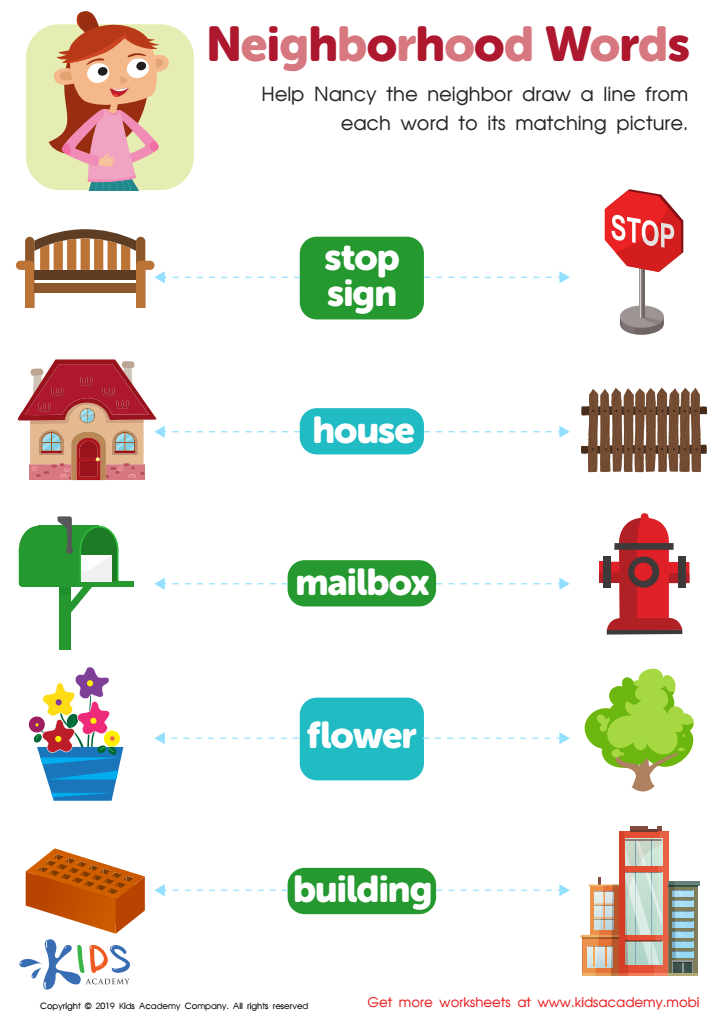
Neighborhood Words Worksheet
 Assign to My Students
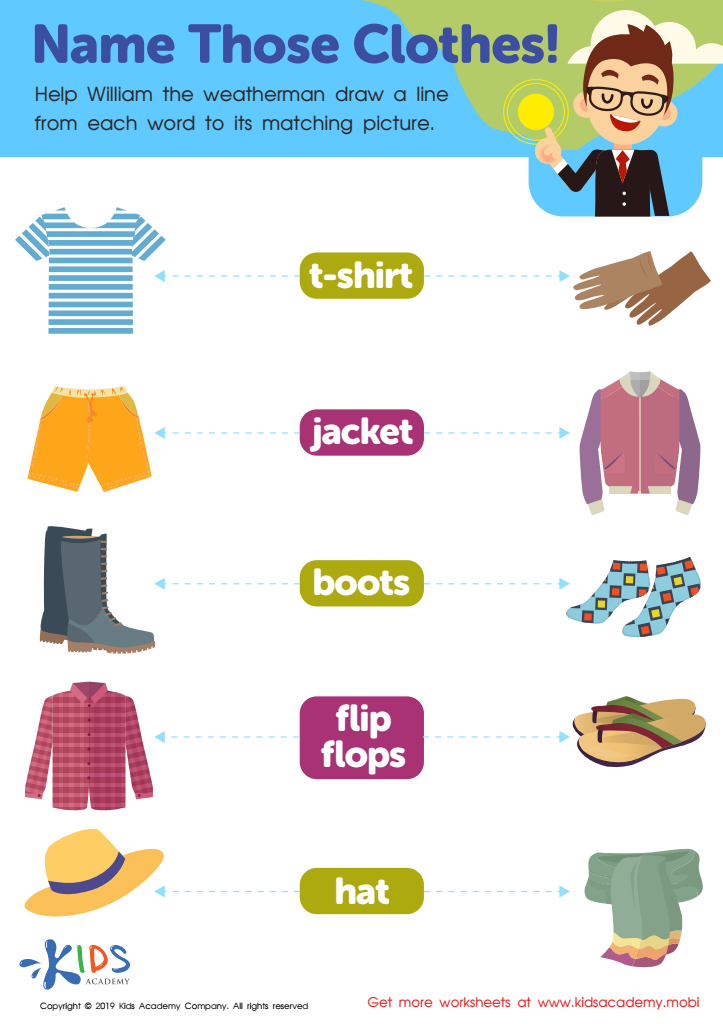
Name Those Clothes Worksheet
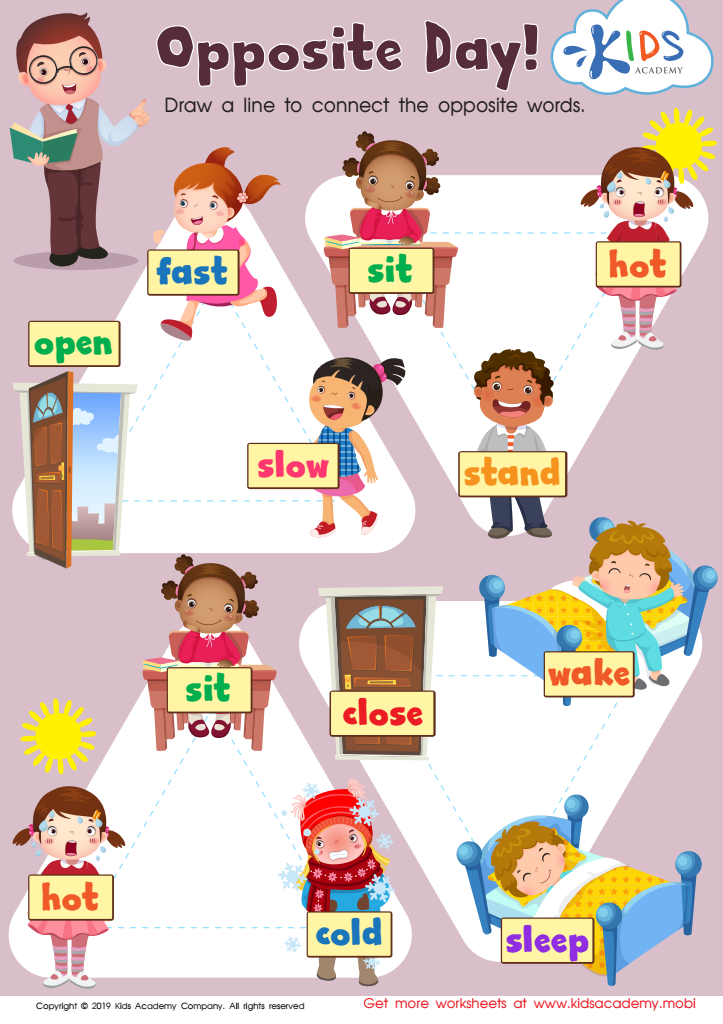
Opposite Day Worksheet
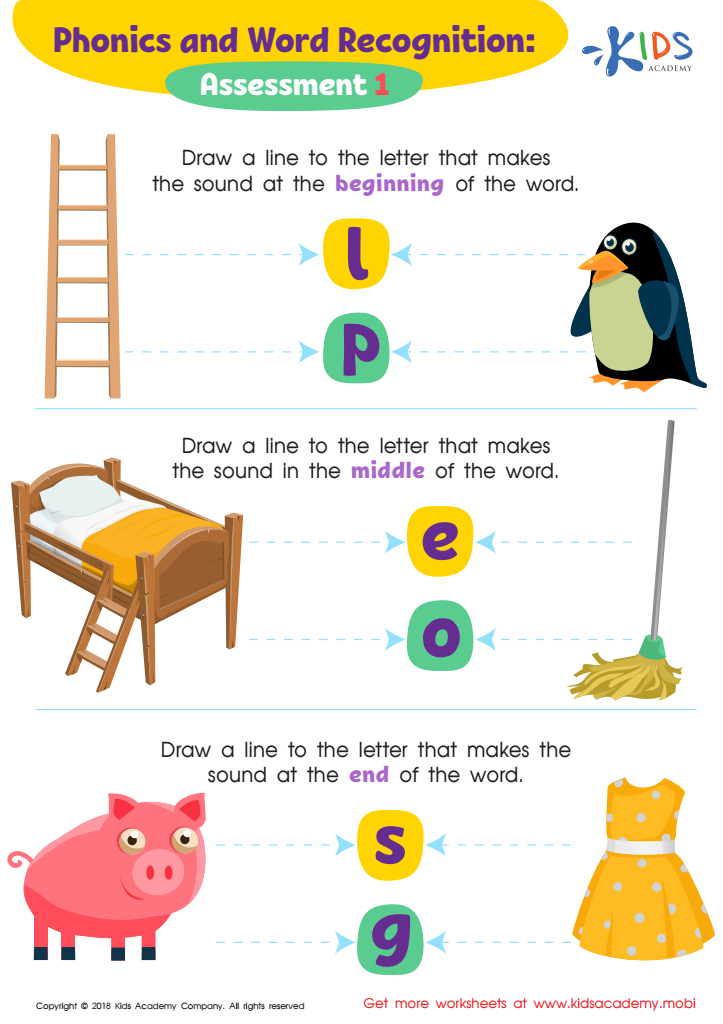
Phonics and Word Recognition: Assessment 1 ELA Worksheet
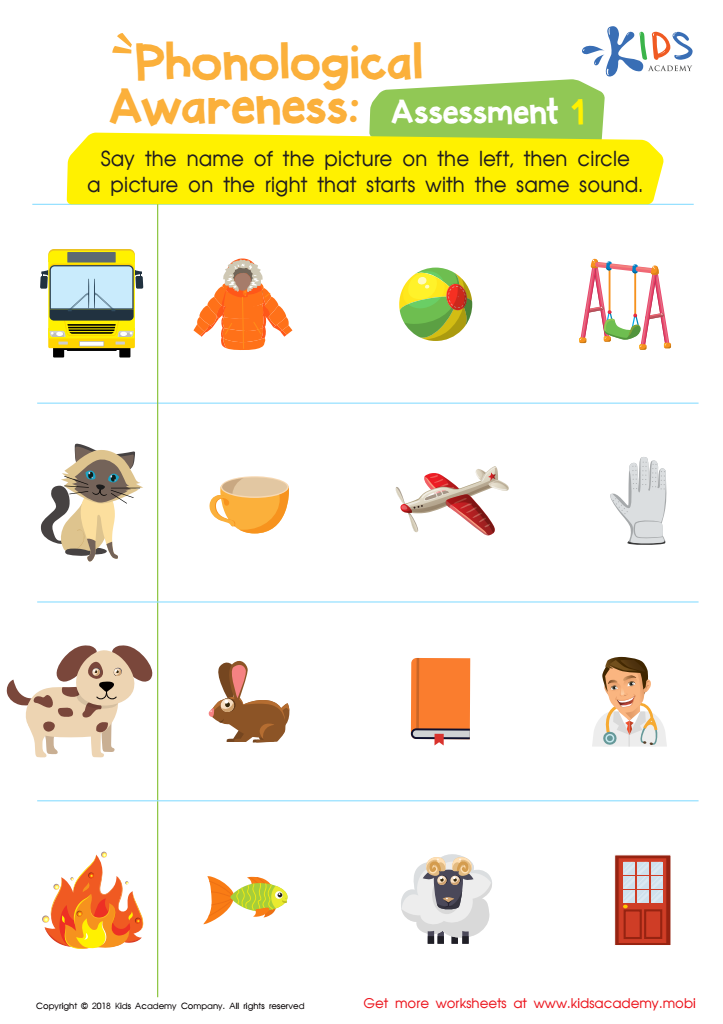
Phonological Awareness: Assessment 1 Worksheet
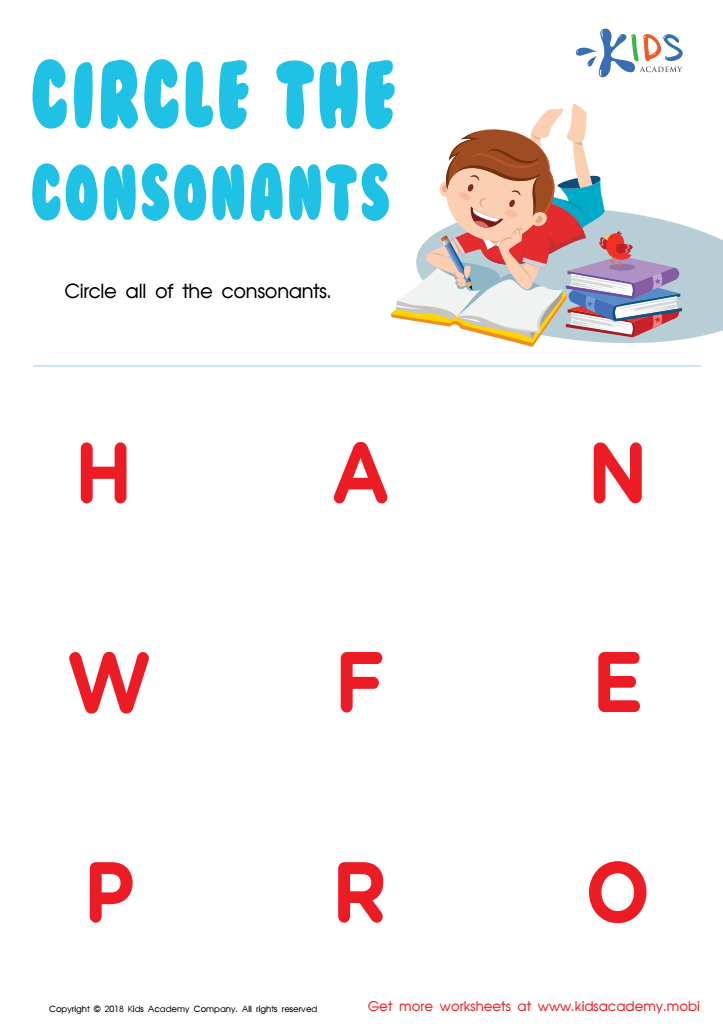
Circle the Consonants Worksheet
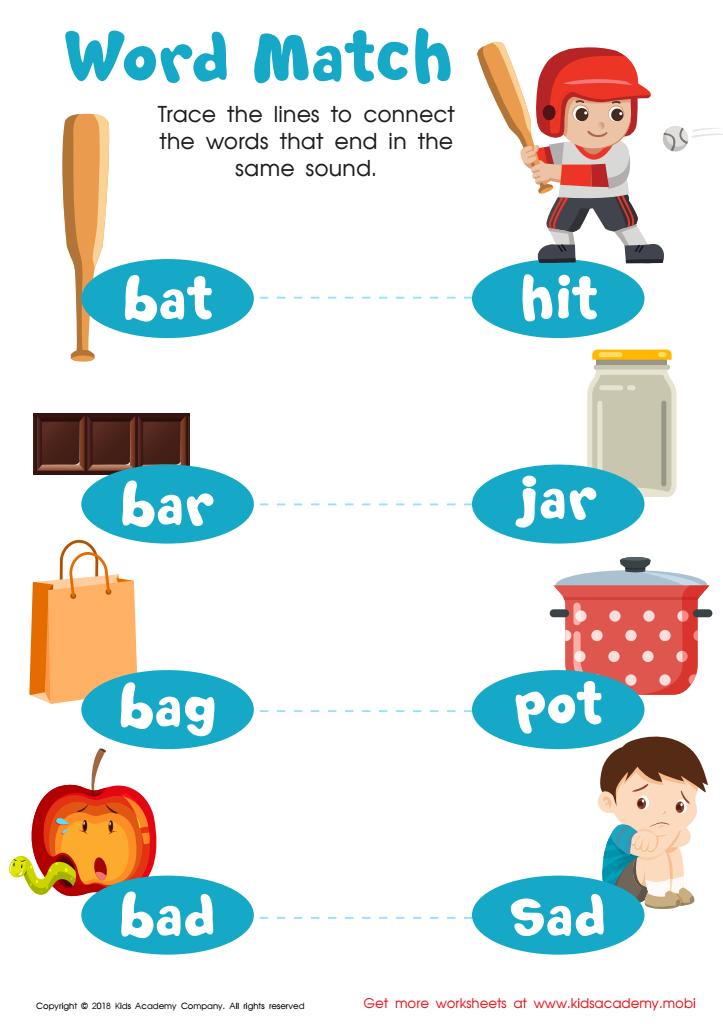
Word Match Reading Worksheet
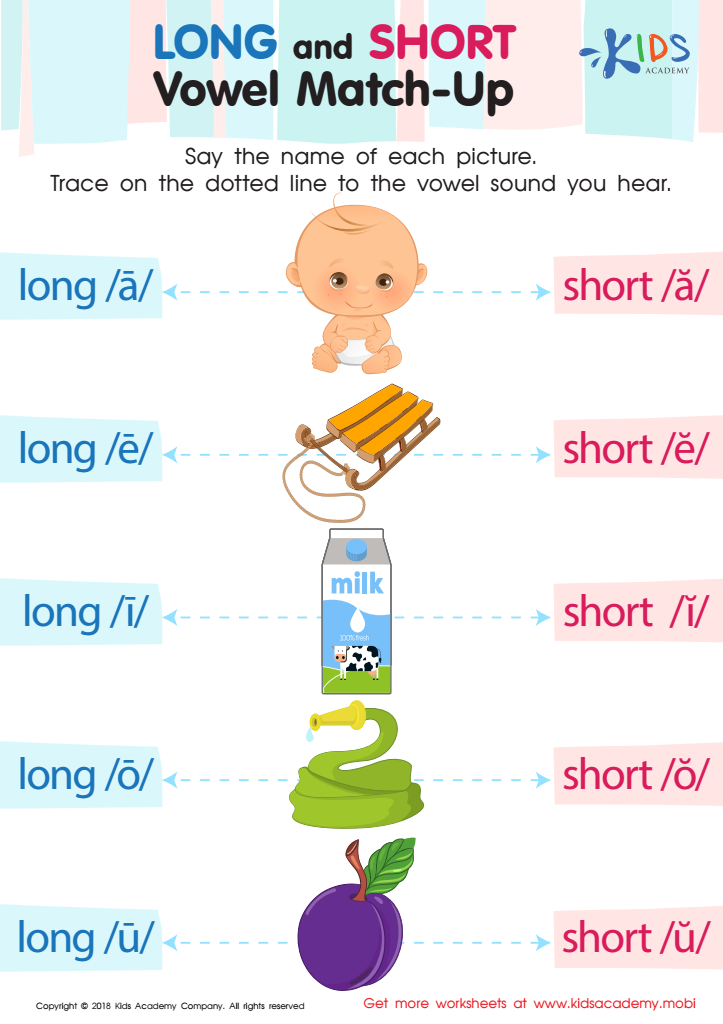
Long and Short Vowel Match up Reading Worksheet
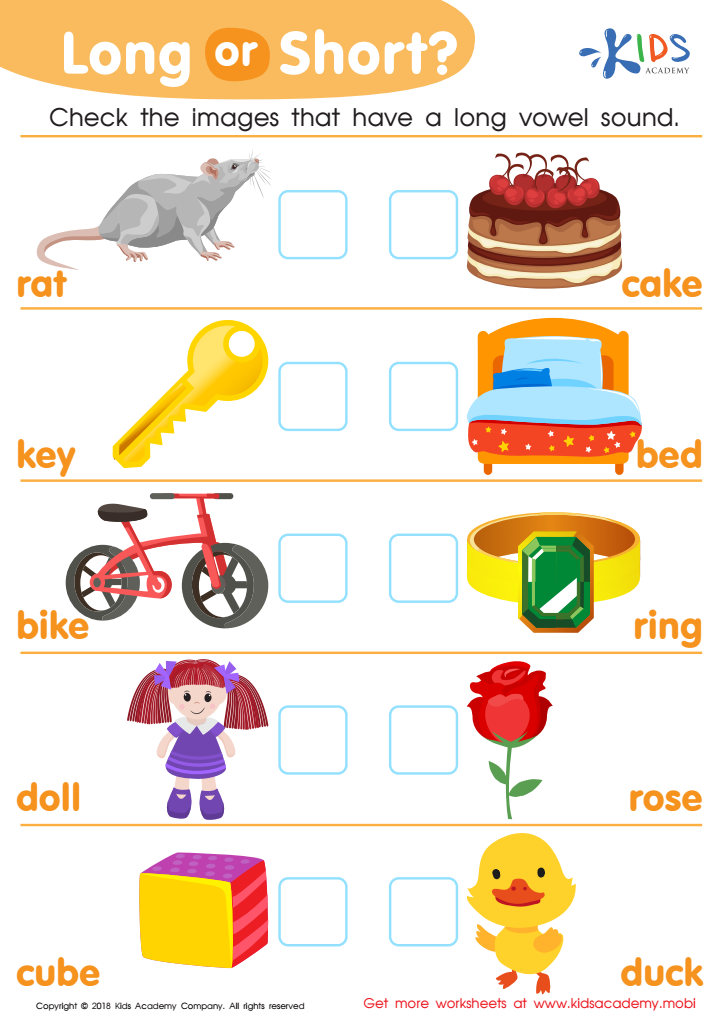
Long or Short Reading Worksheet
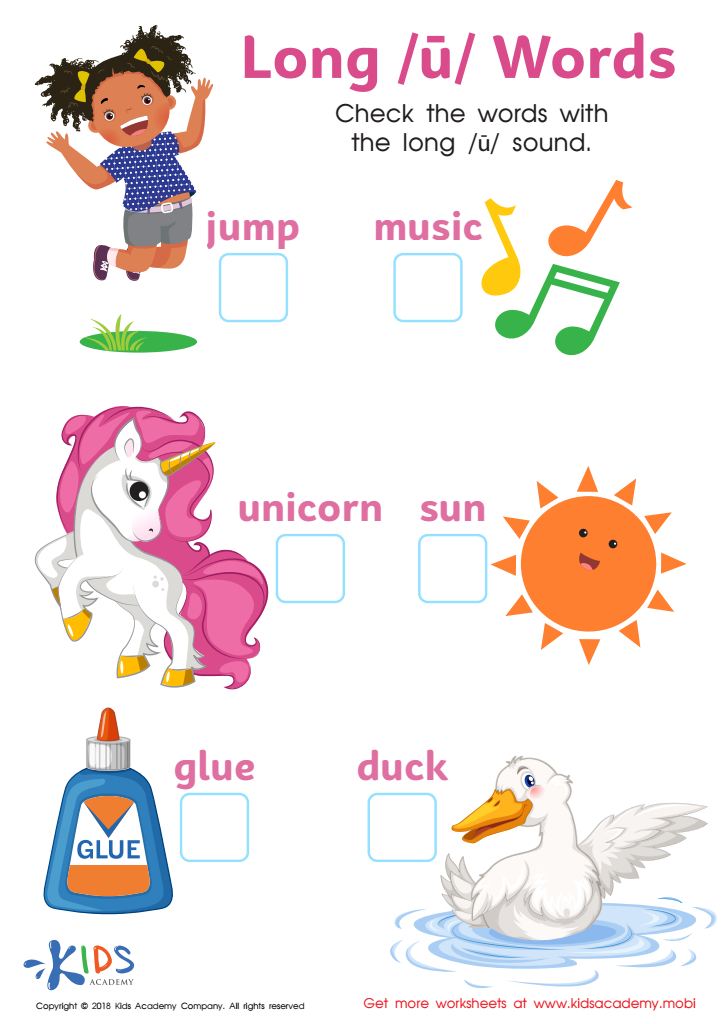
Long U Words Reading Worksheet
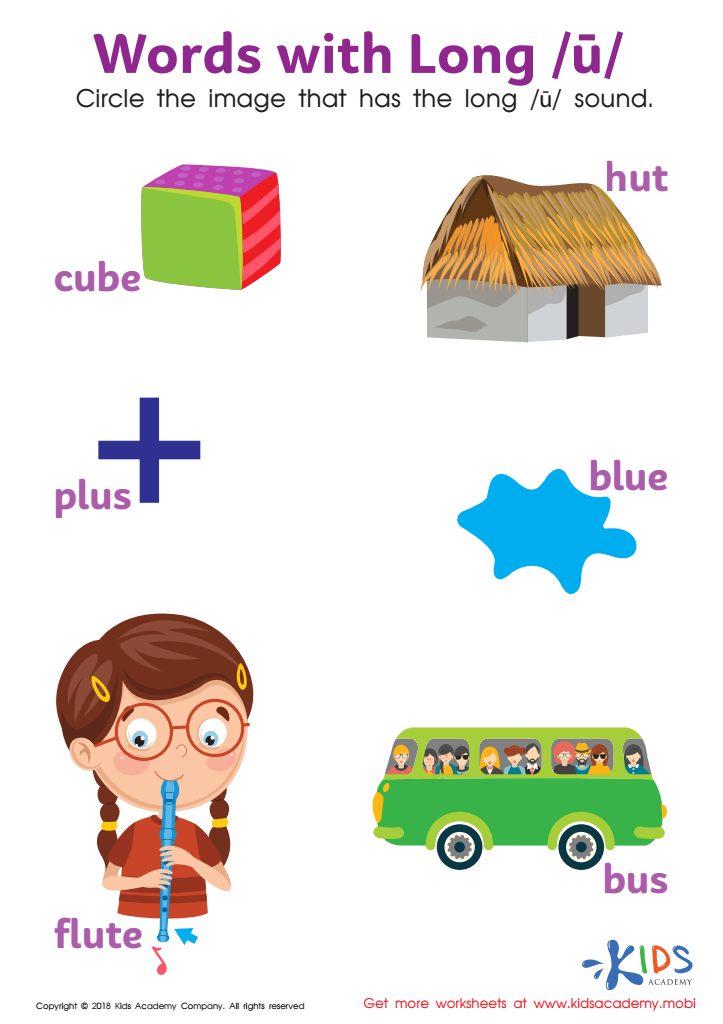
Words with Long U Reading Worksheet
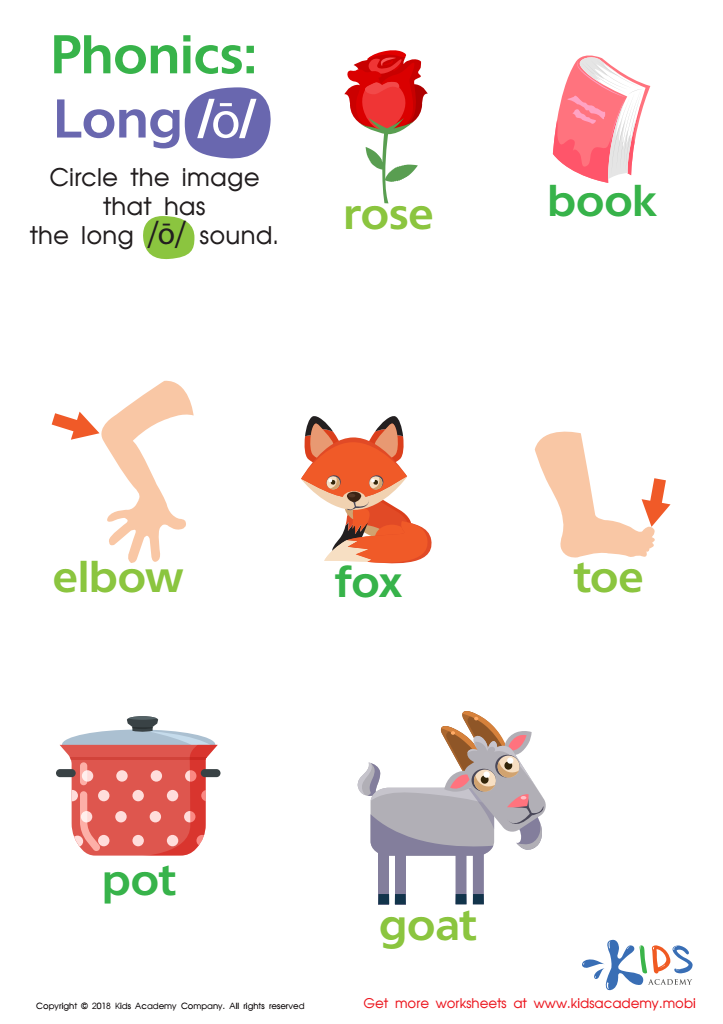
Phonics Long O Reading Worksheet
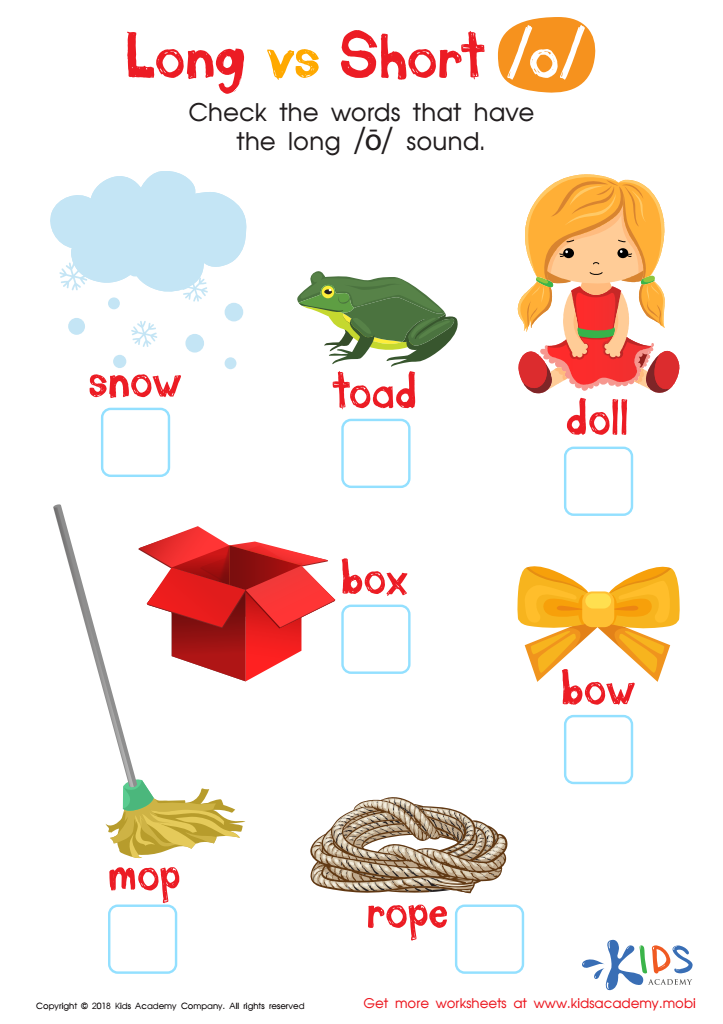
Long vs Short O Reading Worksheet
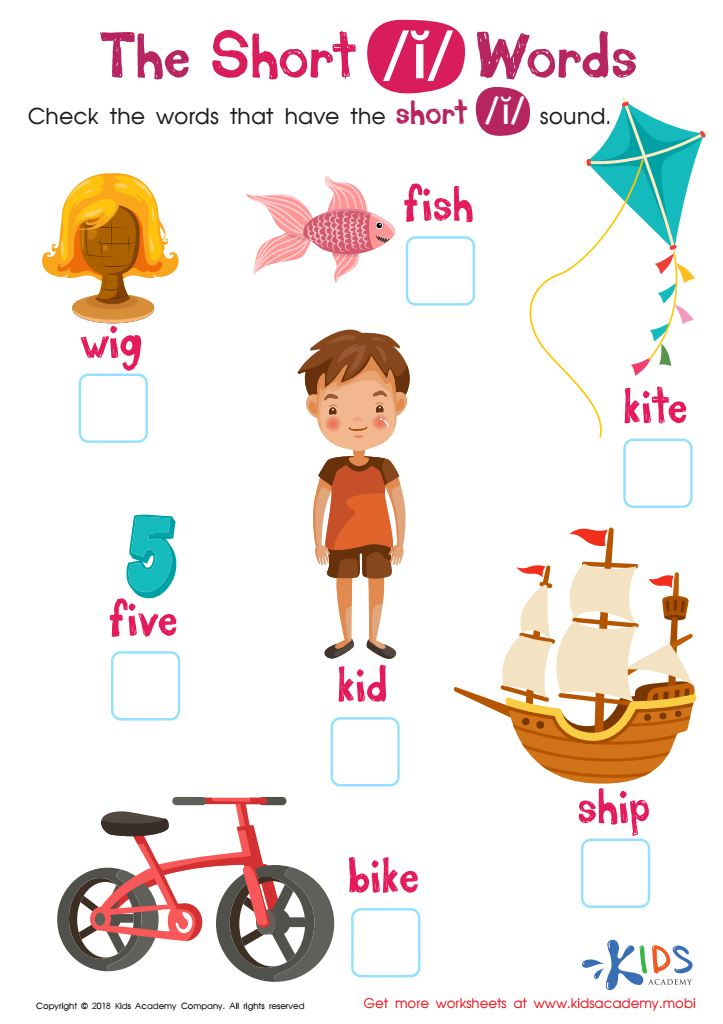
The Short I Words Reading Worksheet
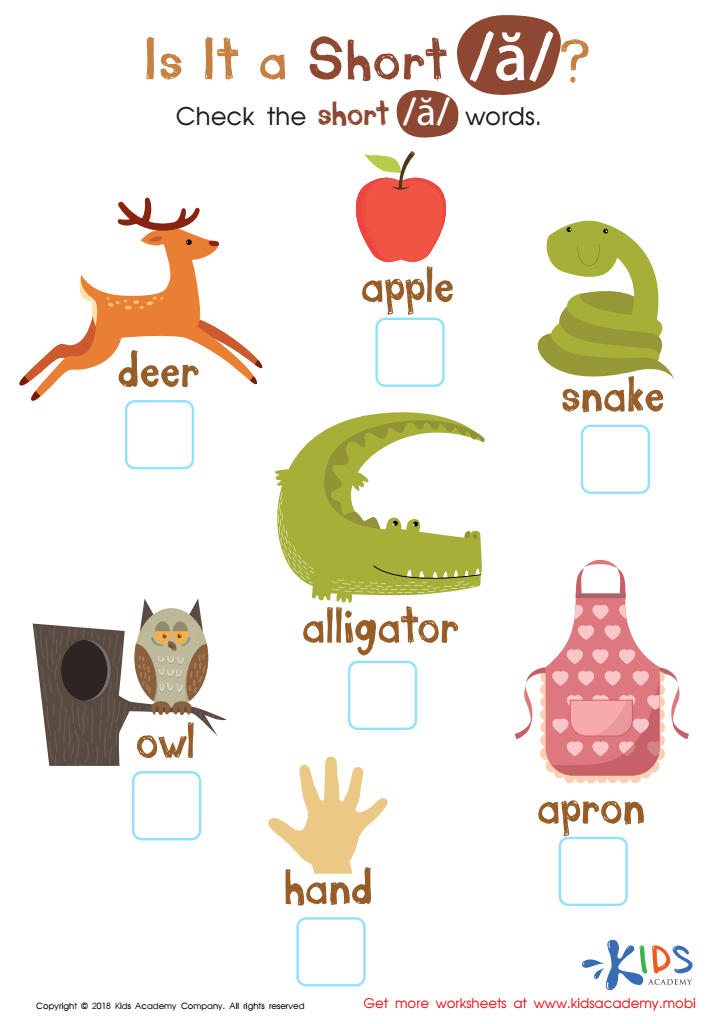
Is It Short A? Reading Worksheet
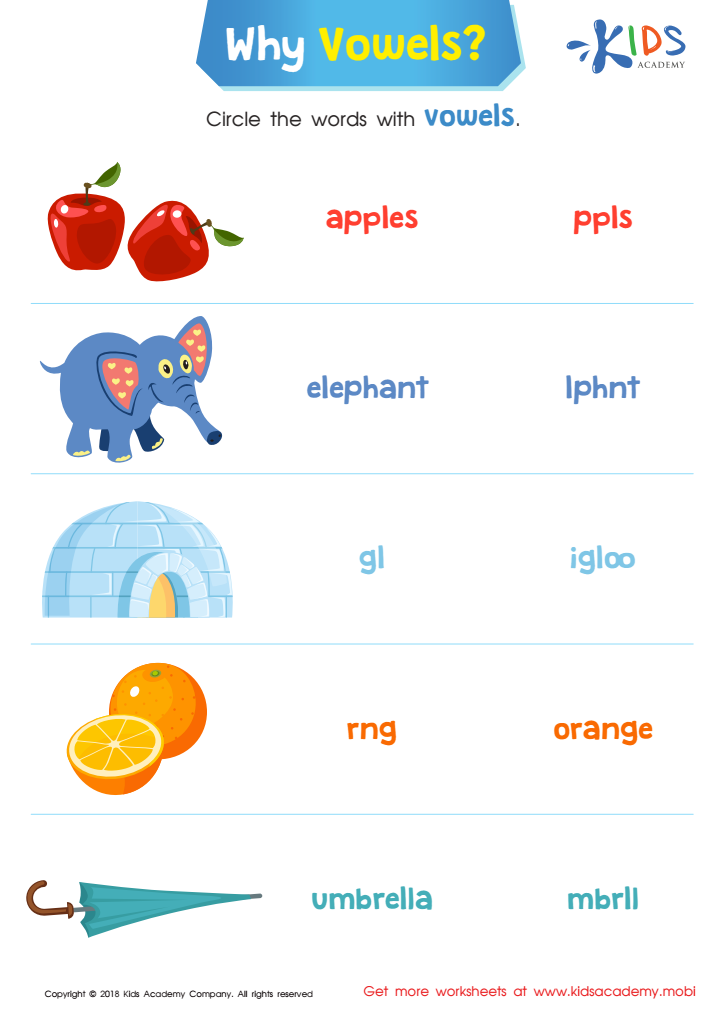
Why Vowels? Reading Worksheet
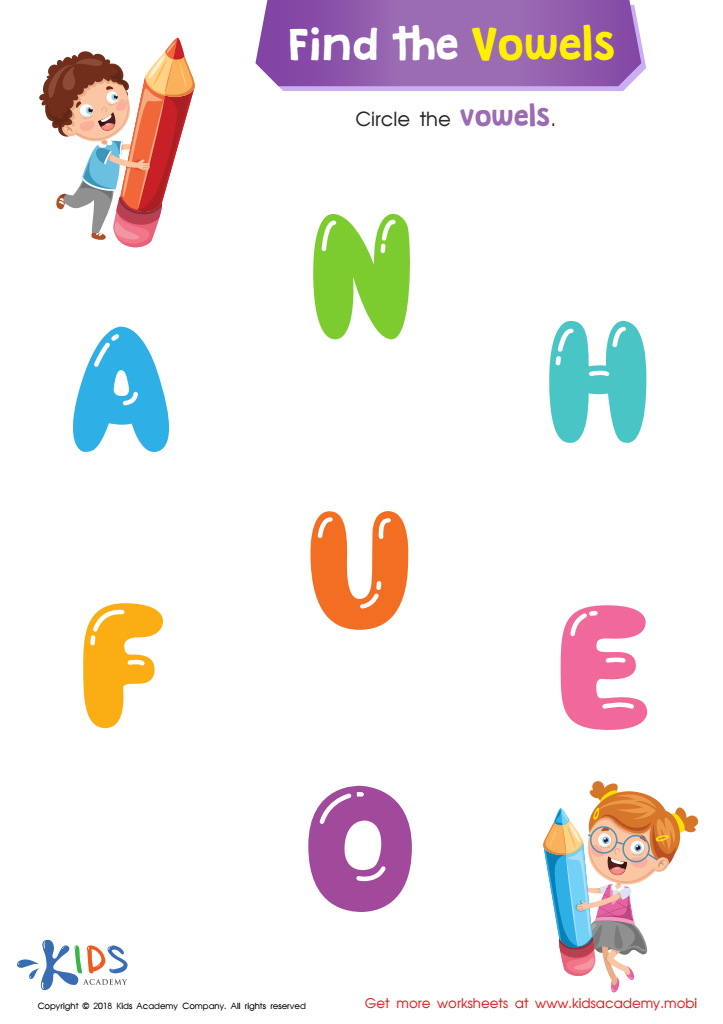
Find the Vowels Reading Worksheet
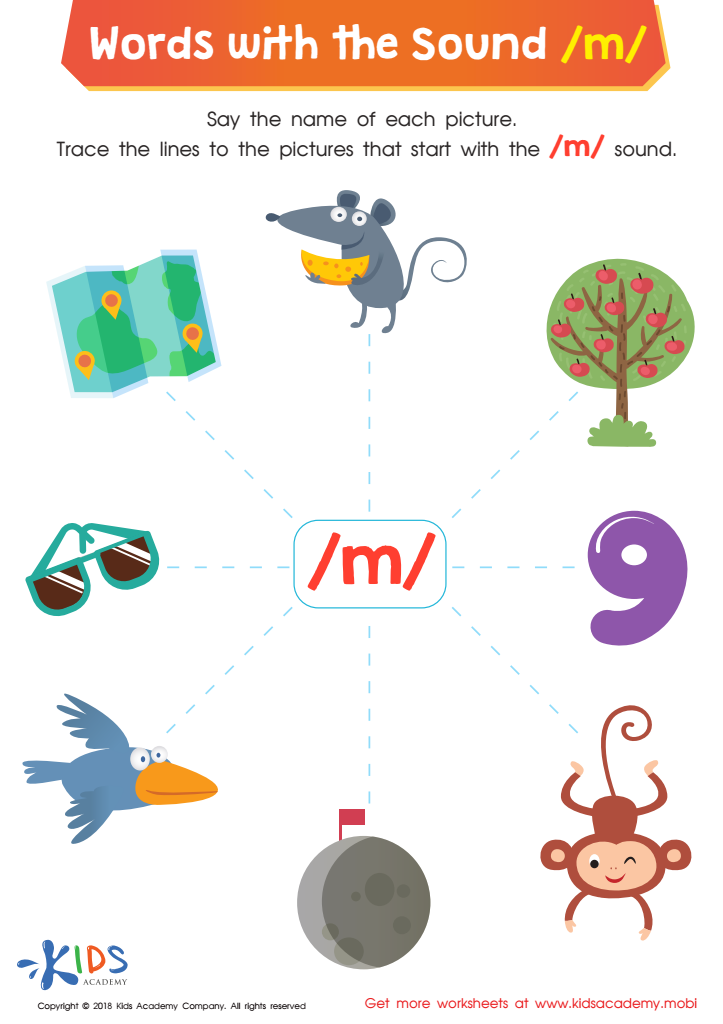
Words with Sound M Reading Worksheet
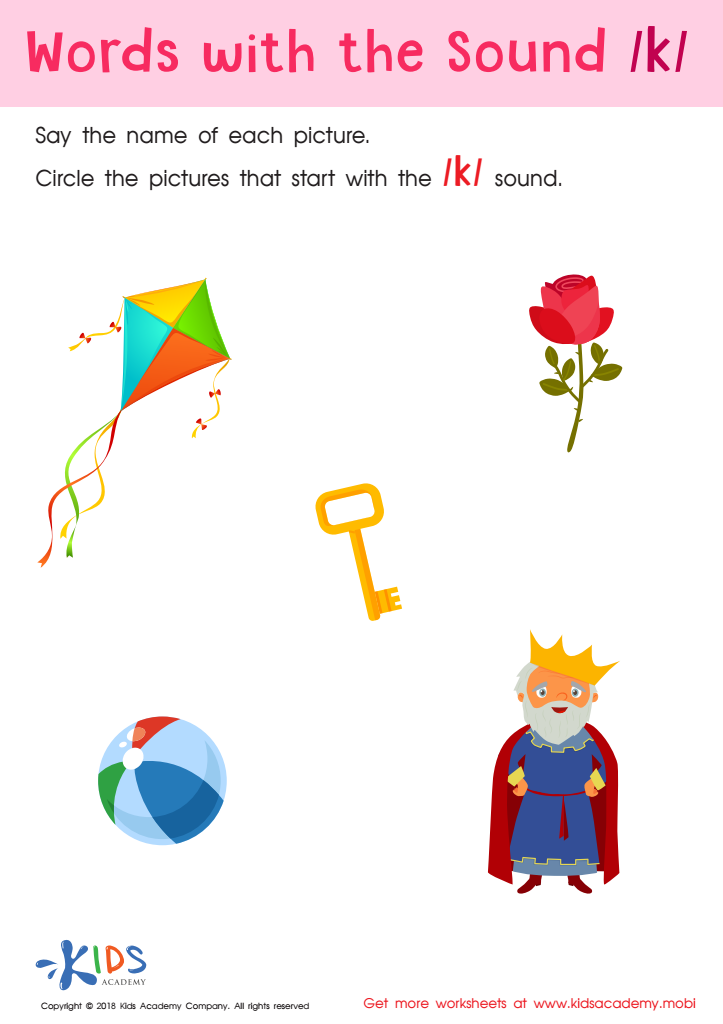
Words with sound k Reading Worksheet
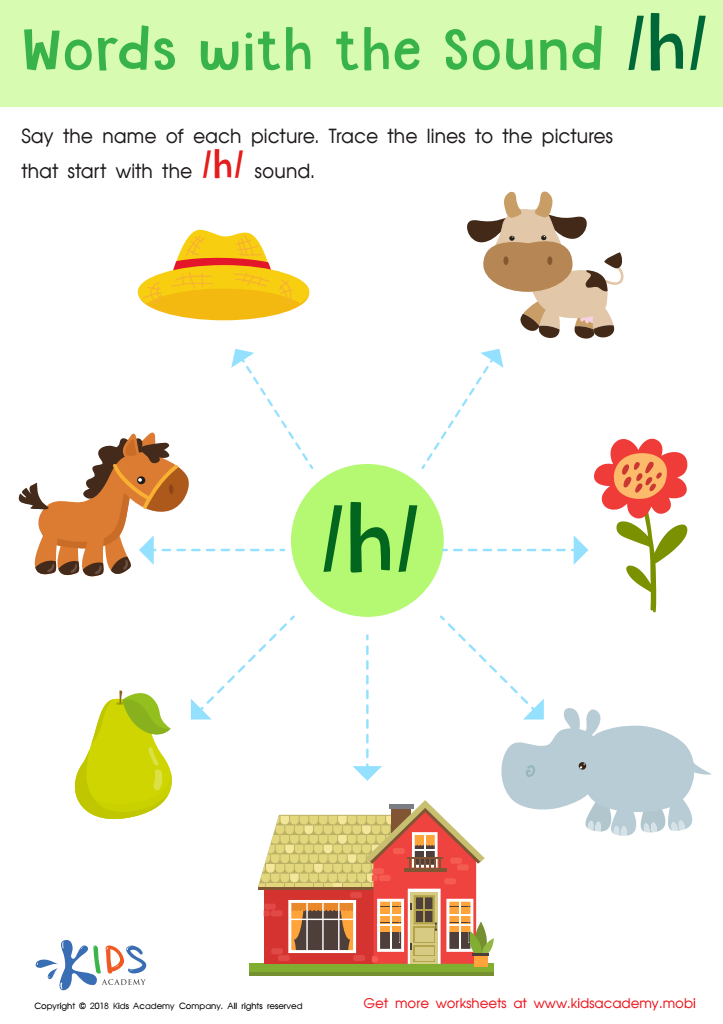
Words with sound h Reading Worksheet
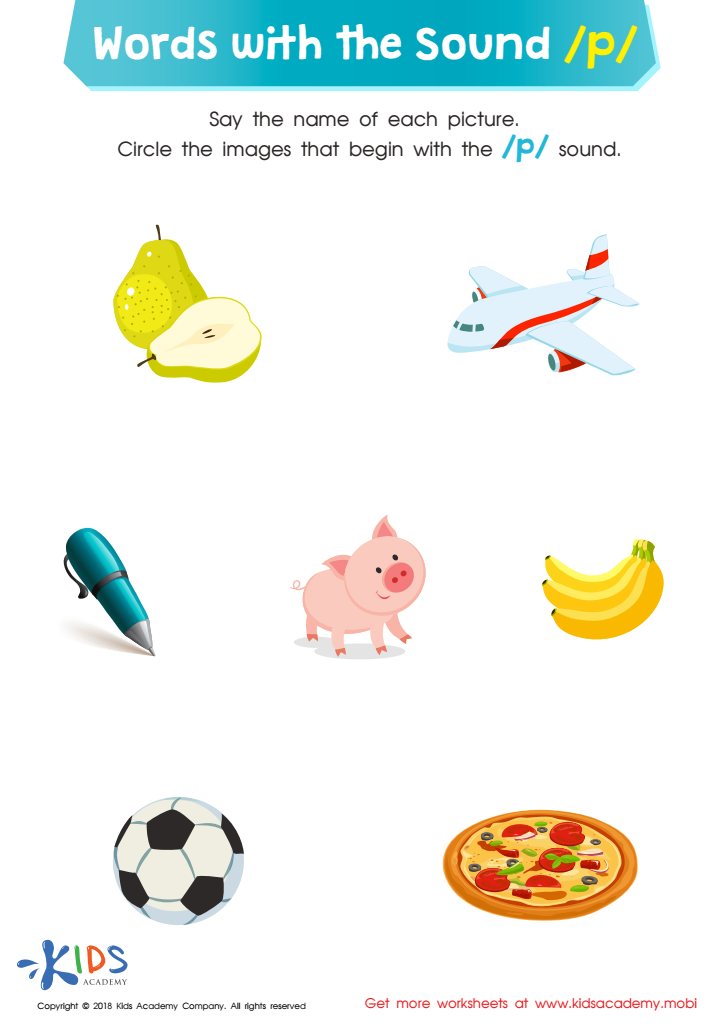
Words with sound p Reading Worksheet
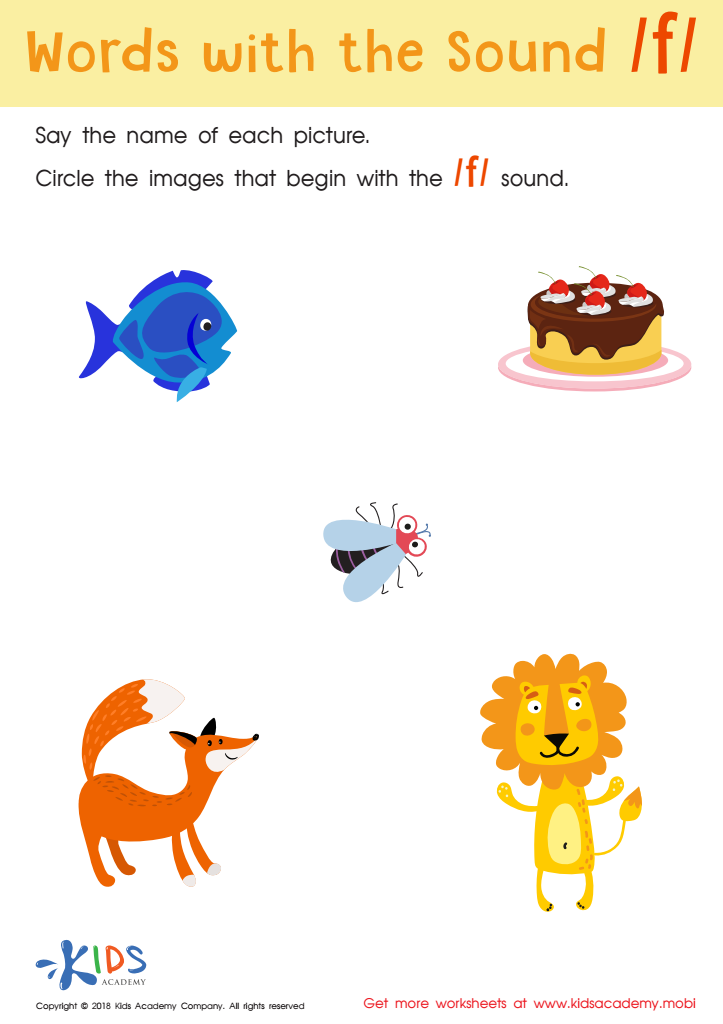
Words with sound f Reading Worksheet
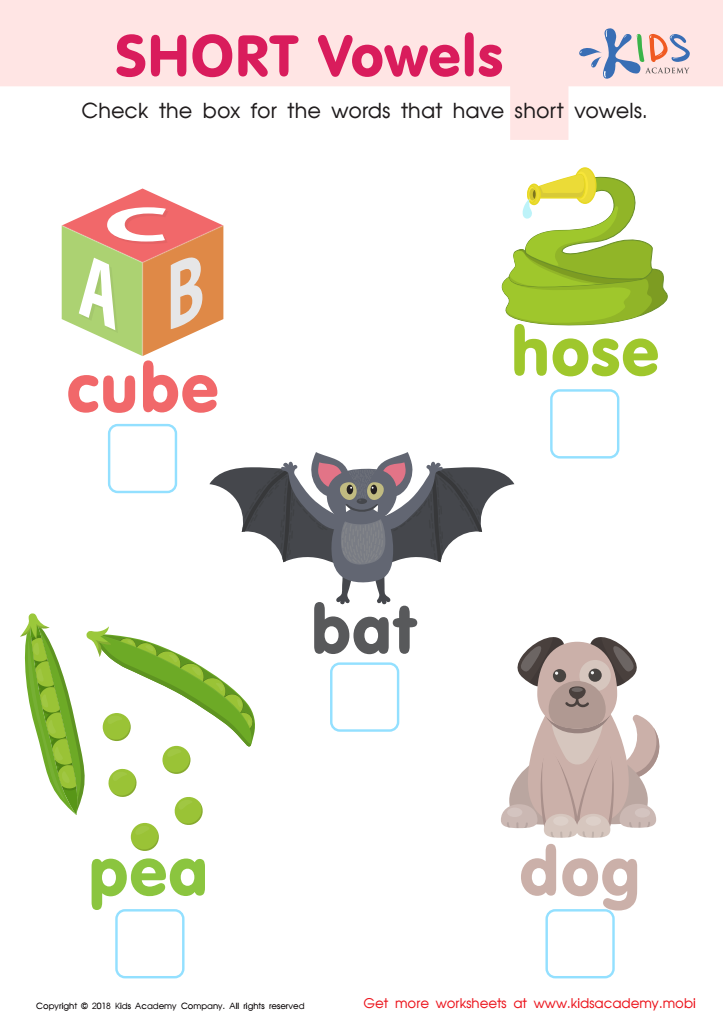
short vowels Worksheet
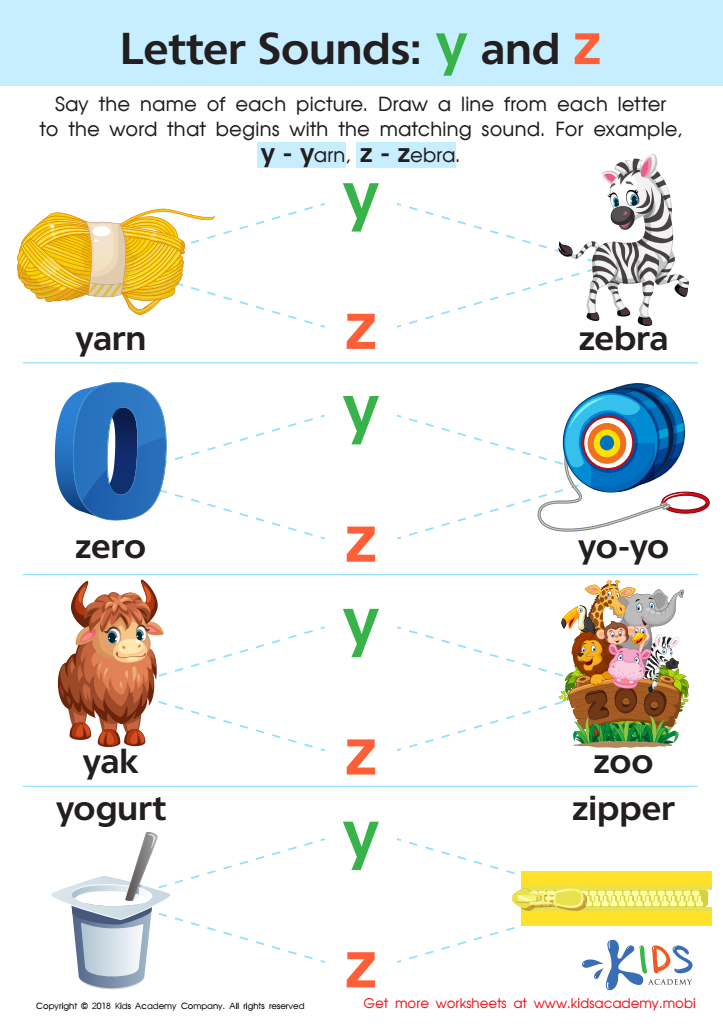
Letter Y and Z Sounds Worksheet








Normal Phonics worksheets designed for children ages 3-5 are an essential stepping stone in a young learner's educational journey. Phonics, the method of teaching reading by correlating sounds with symbols in an alphabetic writing system, plays a pivotal role in early literacy. For children in this age group, these worksheets offer a structured yet engaging approach to mastering the basics of reading and writing.
First and foremost, Normal Phonics worksheets for ages 3-5 break down the complex process of reading into manageable, bite-sized activities that young minds can easily grasp. This methodical approach fosters a solid foundation in phonemic awareness—the ability to hear, identify, and manipulate phonemes (the smallest units of sound). As children progress through these worksheets, they build confidence in their ability to decode words, which is a critical skill for fluent reading and comprehension.
Moreover, these worksheets are designed with young learners in mind, incorporating colorful illustrations and interactive elements that make learning fun. This engaging approach keeps children's interest piqued, encouraging them to explore the sounds of letters and words with enthusiasm rather than viewing it as a daunting task.
In conclusion, Normal Phonics worksheets for ages 3-5 are invaluable tools that support early literacy development. Through a blend of systematic instruction and playful learning, they pave the way for reading success, setting children on a path of lifelong learning and curiosity.







