Normal Phonics Worksheets for Ages 4-9
178 filtered results
-
From - To
Explore our engaging Normal Phonics Worksheets designed for children aged 4-9! These worksheets are perfect for developing essential phonics skills, helping young learners understand letter sounds, blend words, and enhance their reading confidence. Our printable resources include fun activities, games, and exercises that align with early literacy standards. Each worksheet is created to engage kids while reinforcing their understanding of phonemes and improving their reading abilities. Whether at home or in the classroom, our Normal Phonics Worksheets empower children to build a strong foundation in literacy through enjoyable and interactive learning experiences. Start your phonics journey today!
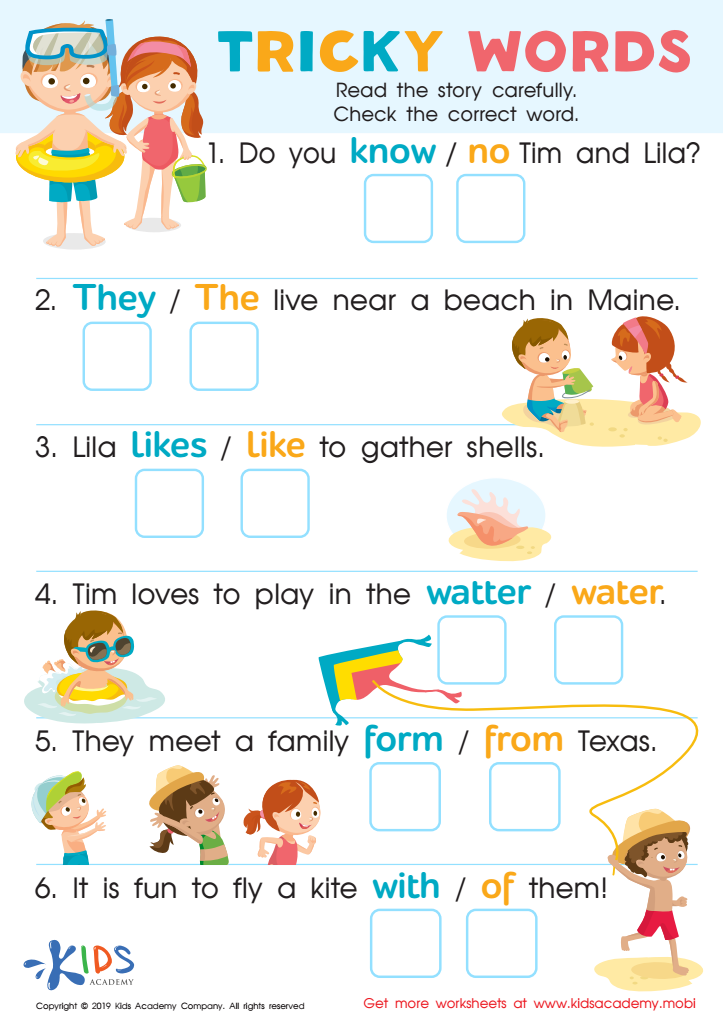
Tricky Words Worksheet
 Assign to My Students
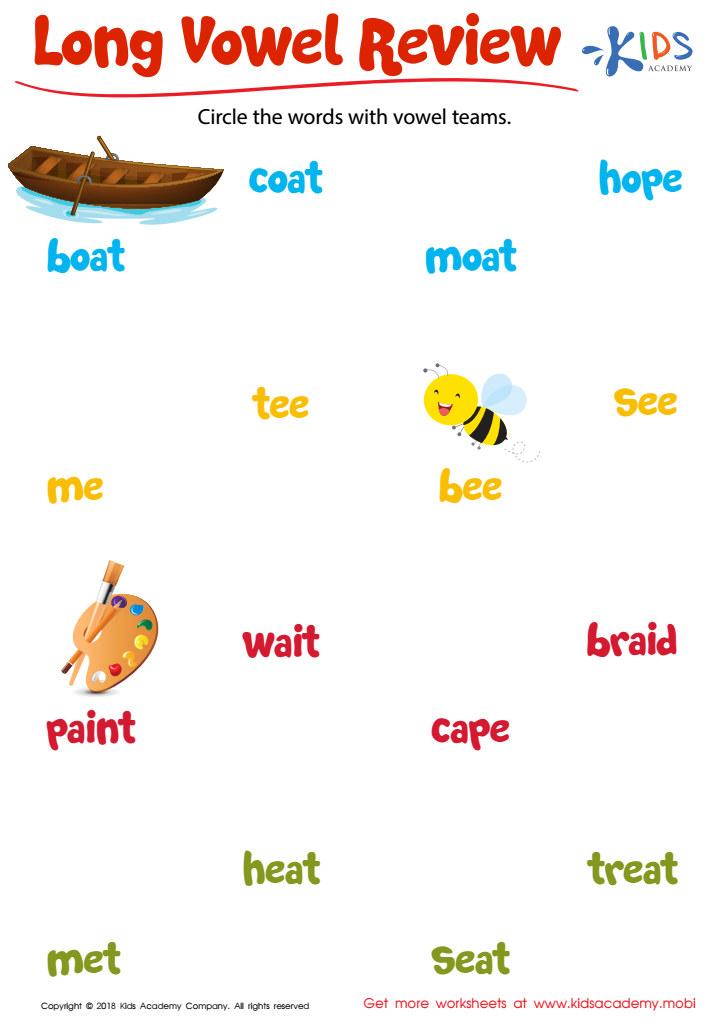
Long Vowel Review Worksheet
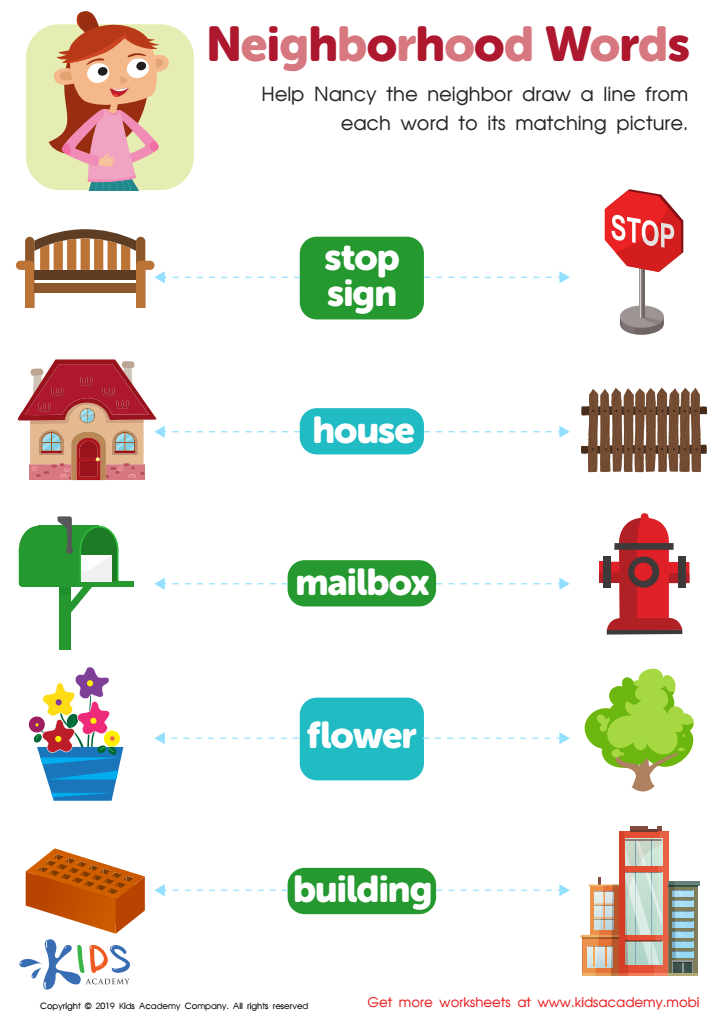
Neighborhood Words Worksheet
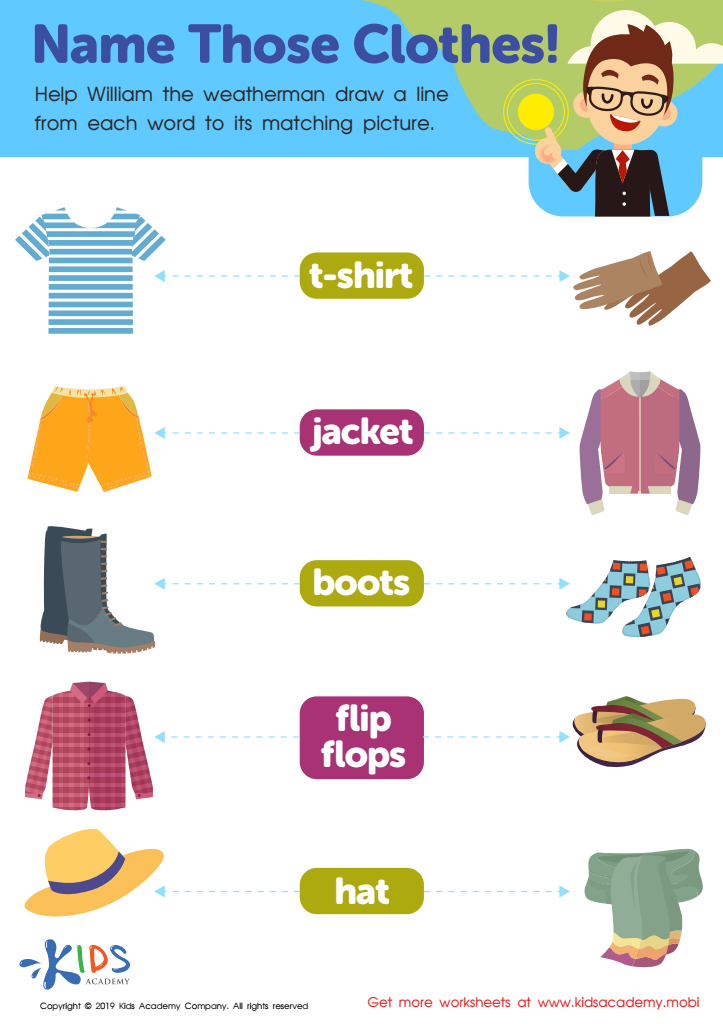
Name Those Clothes Worksheet
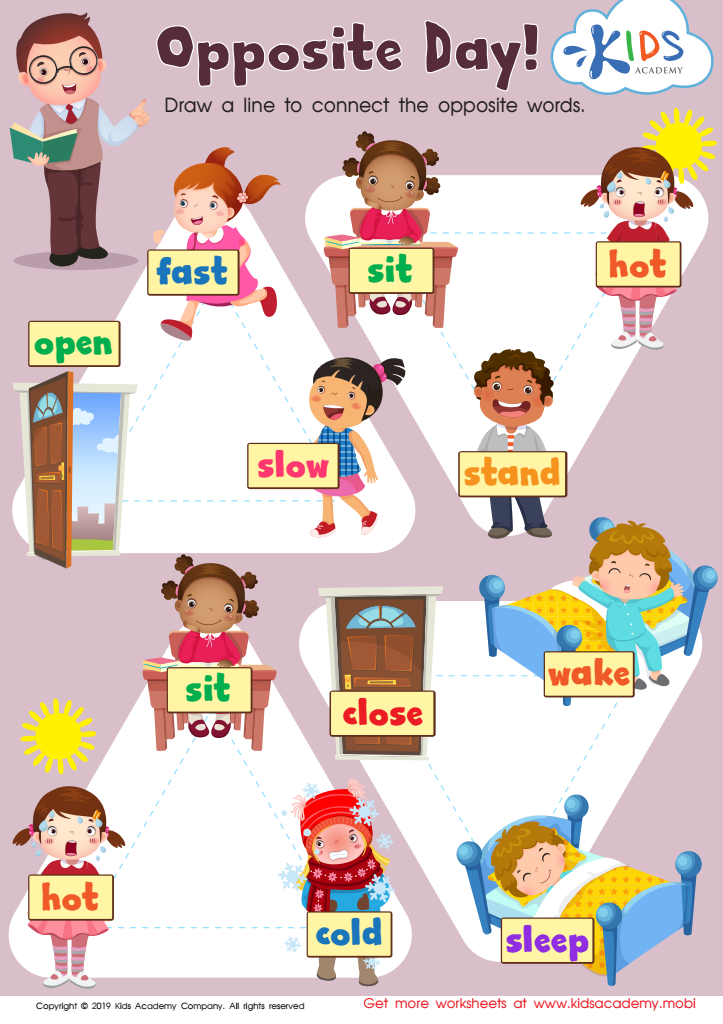
Opposite Day Worksheet
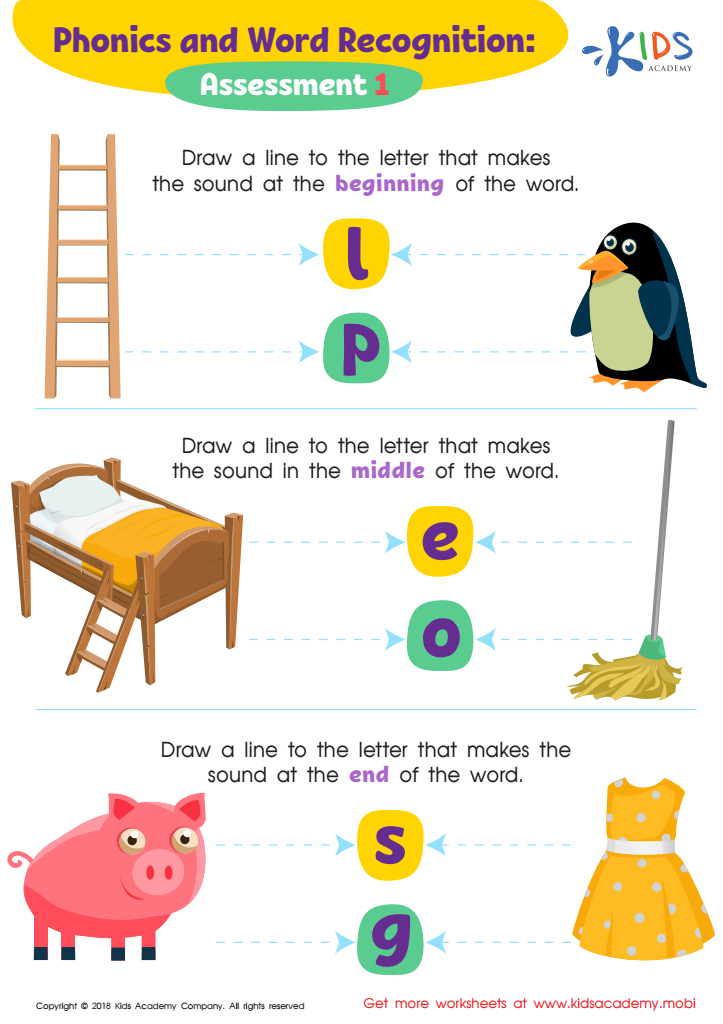
Phonics and Word Recognition: Assessment 1 ELA Worksheet
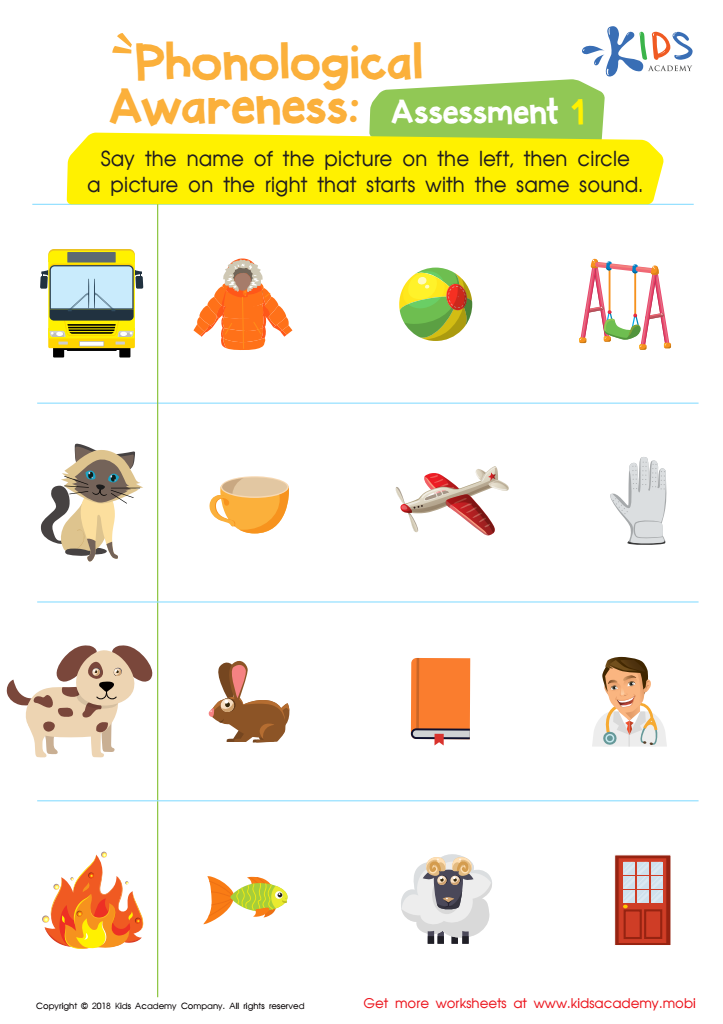
Phonological Awareness: Assessment 1 Worksheet
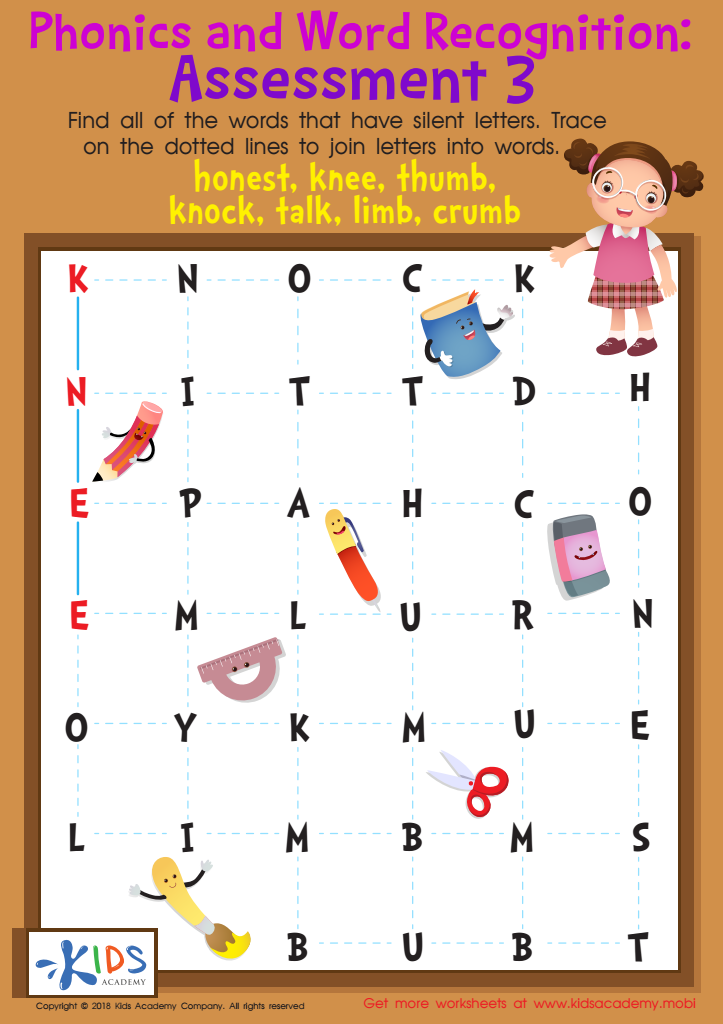
Phonics and Word Recognition: Assessment 3 Worksheet
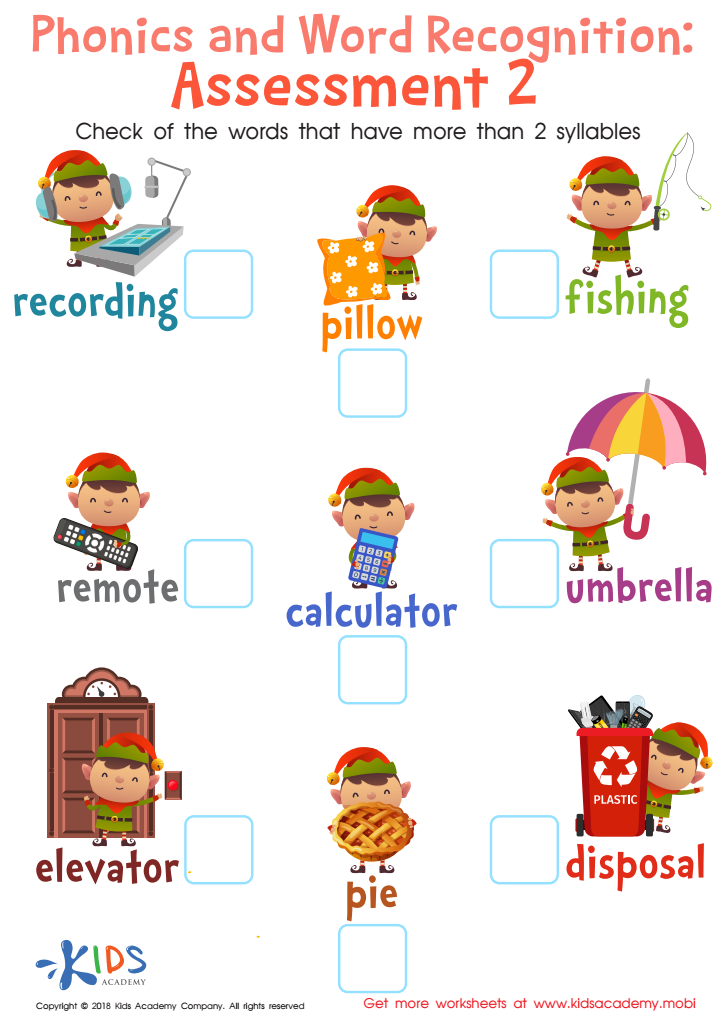
Phonics and Word Recognition: Assessment 2 Worksheet
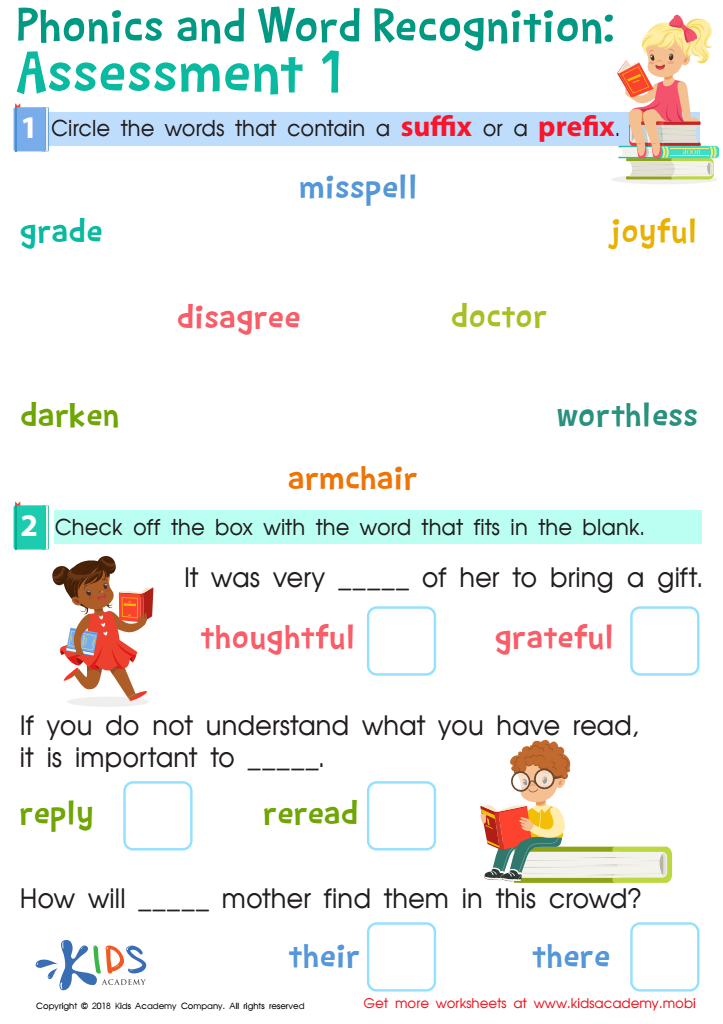
Phonics and Word Recognition: Assessment 1 Worksheet
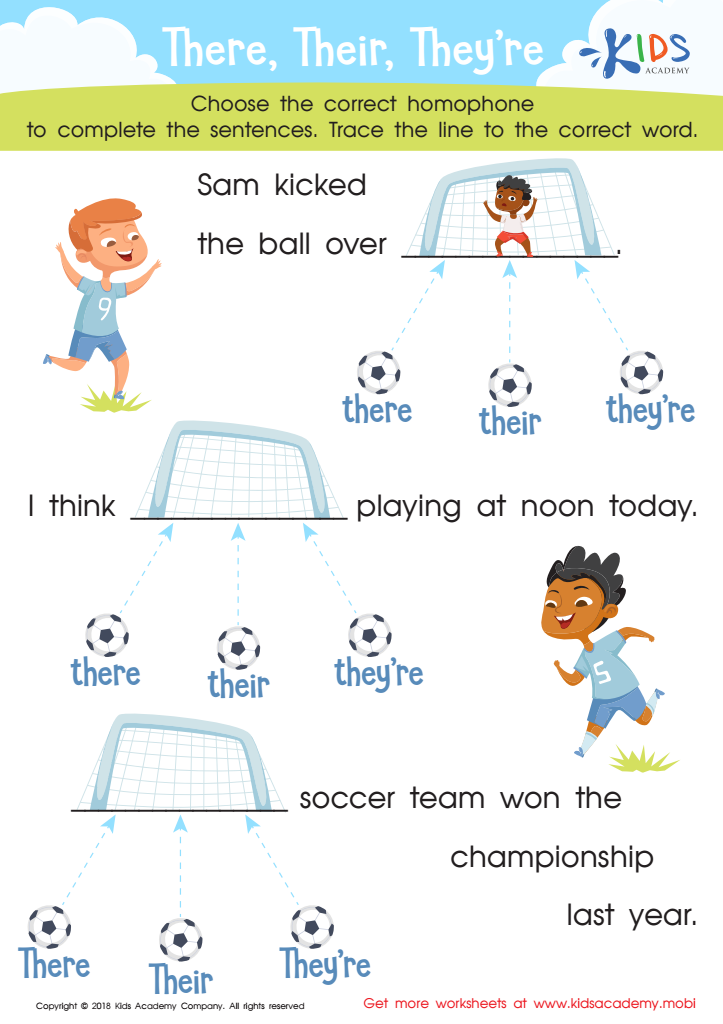
There, Their, They're Worksheet
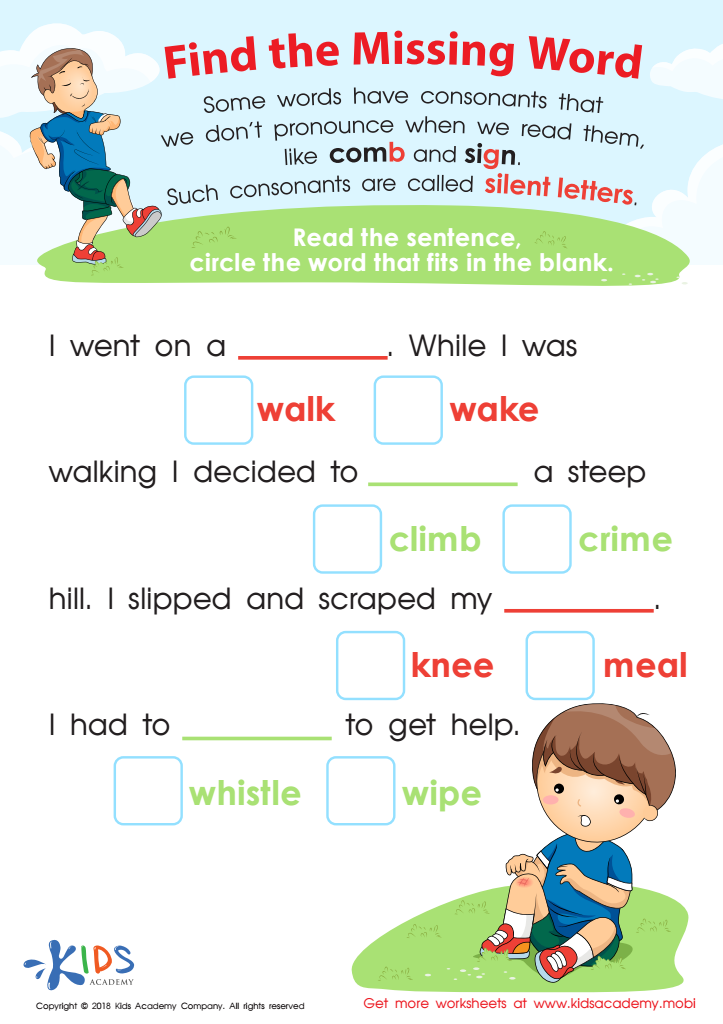
Find The Missing Word Worksheet
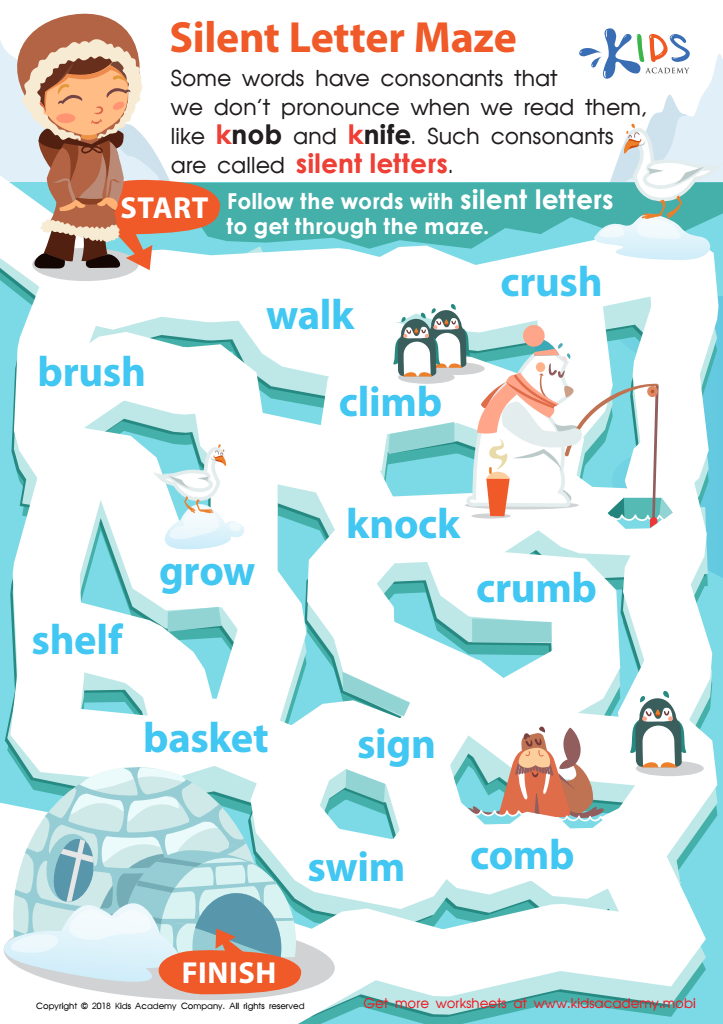
Silent Letter Maze Worksheet
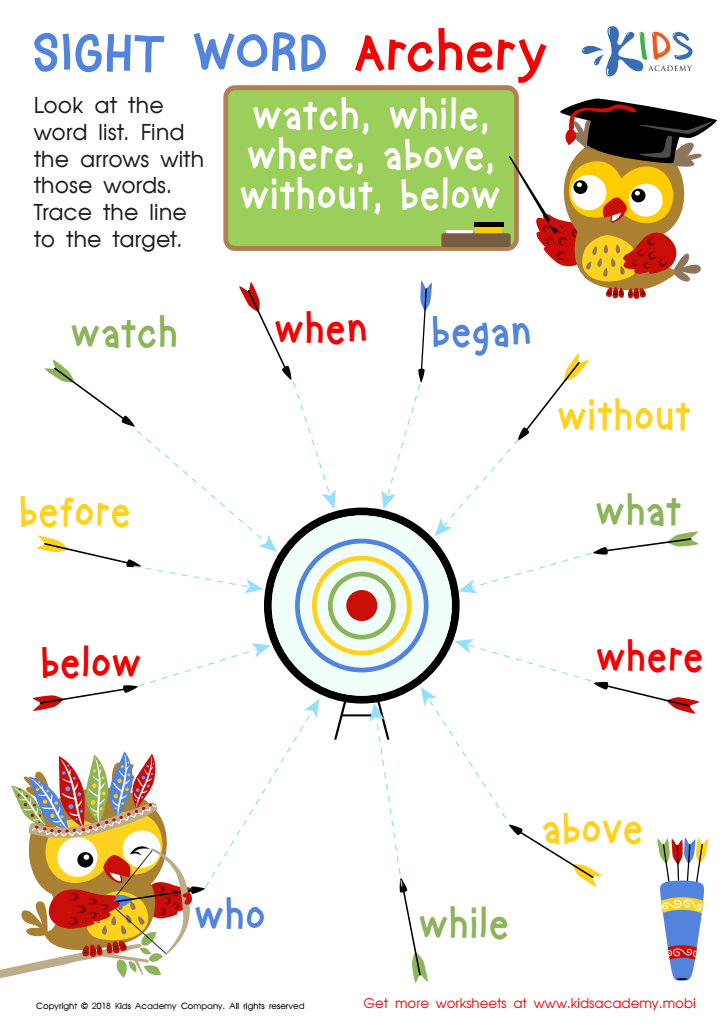
Sight Word Archery Worksheet
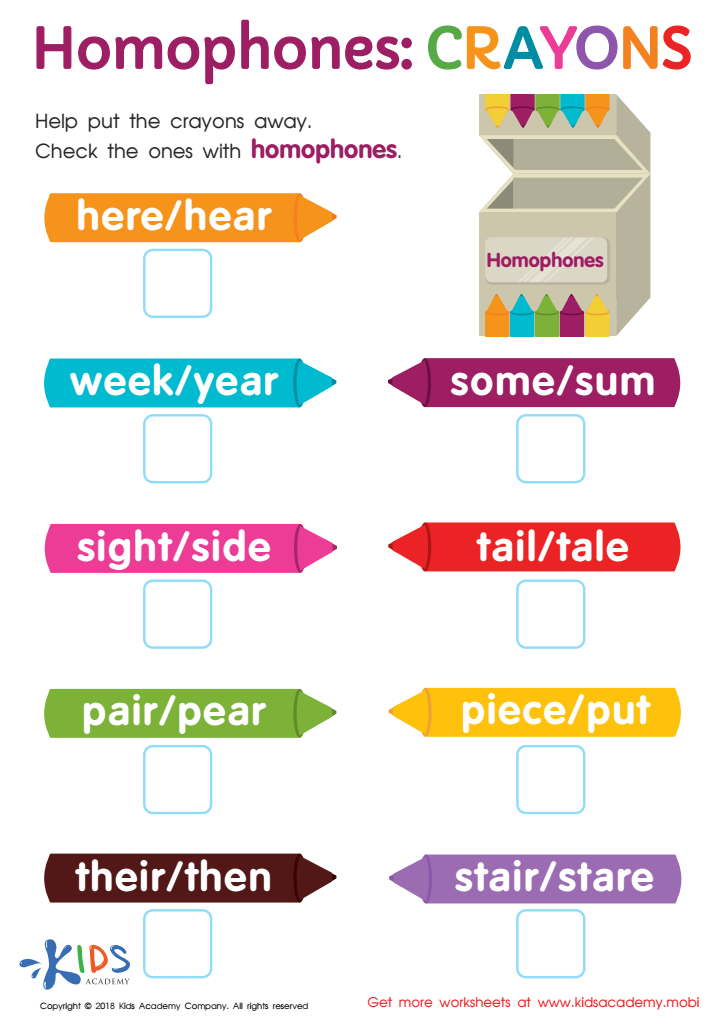
Homophones: Crayons Worksheet
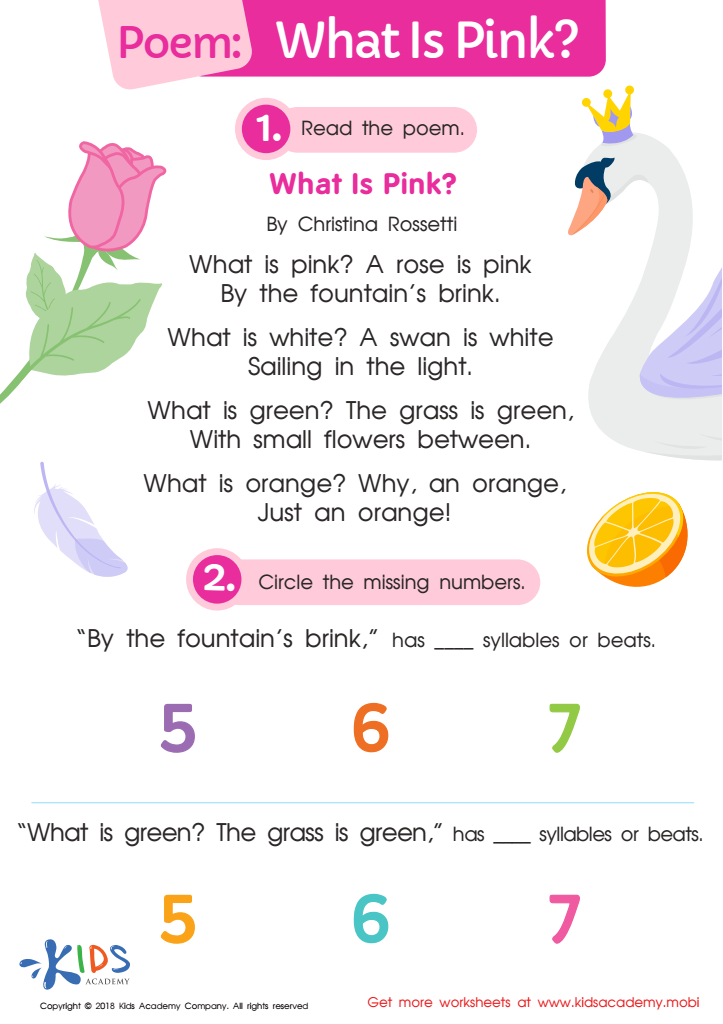
Poem: What Is Pink? Worksheet
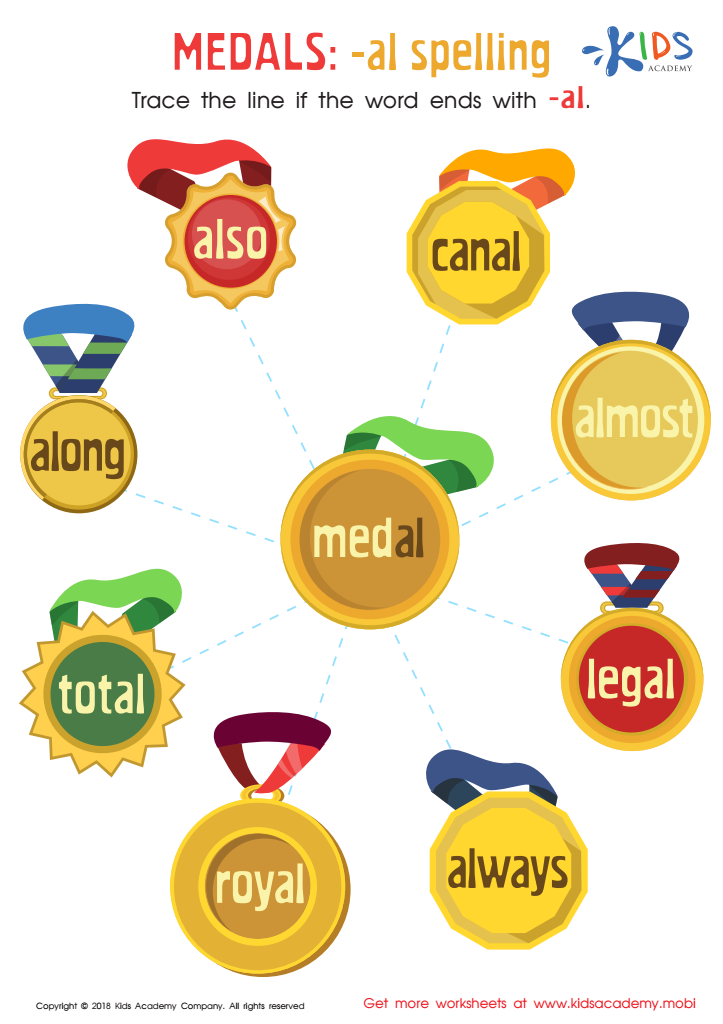
Medals: Al Spelling Worksheet
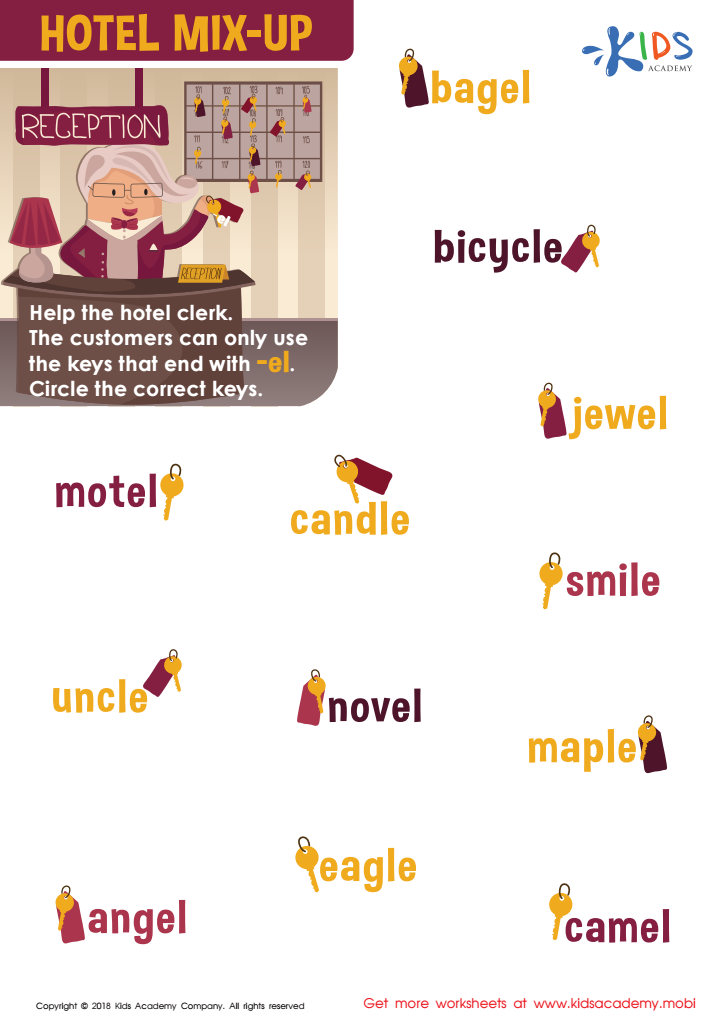
Hotel Mix-up Worksheet
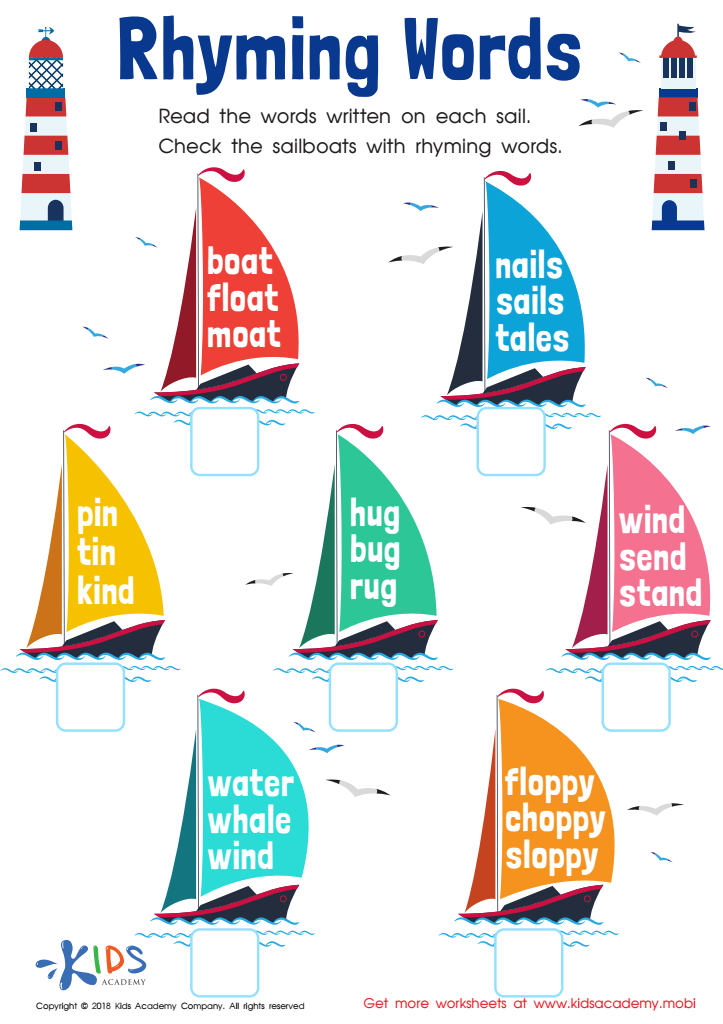
Rhyming Words Worksheet
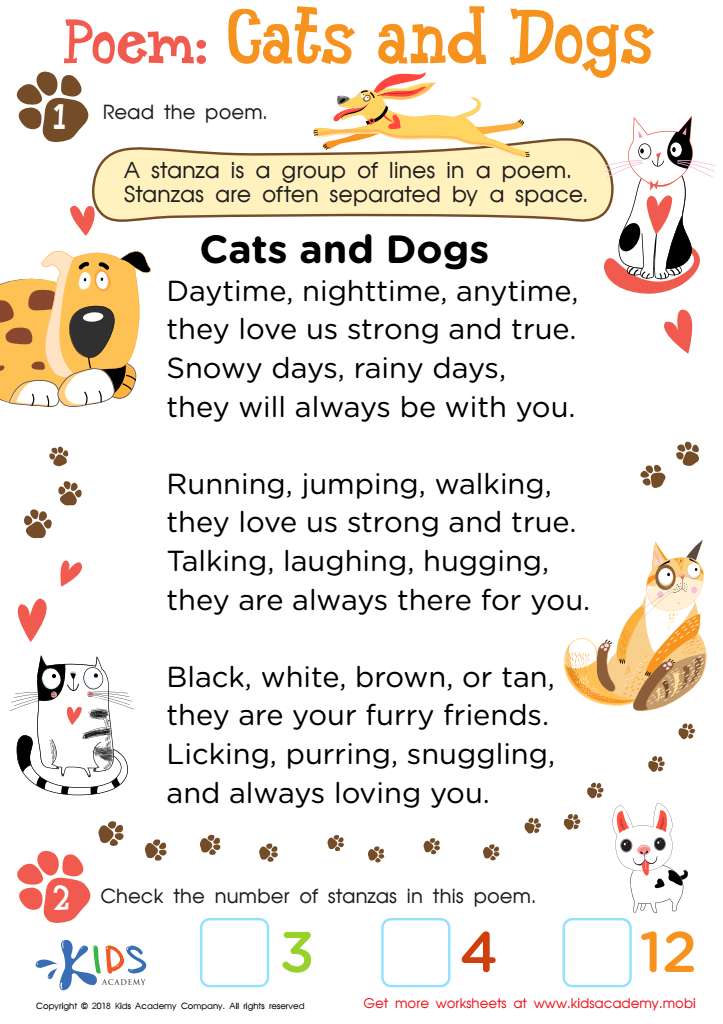
Poem: Cats and Dogs Worksheet
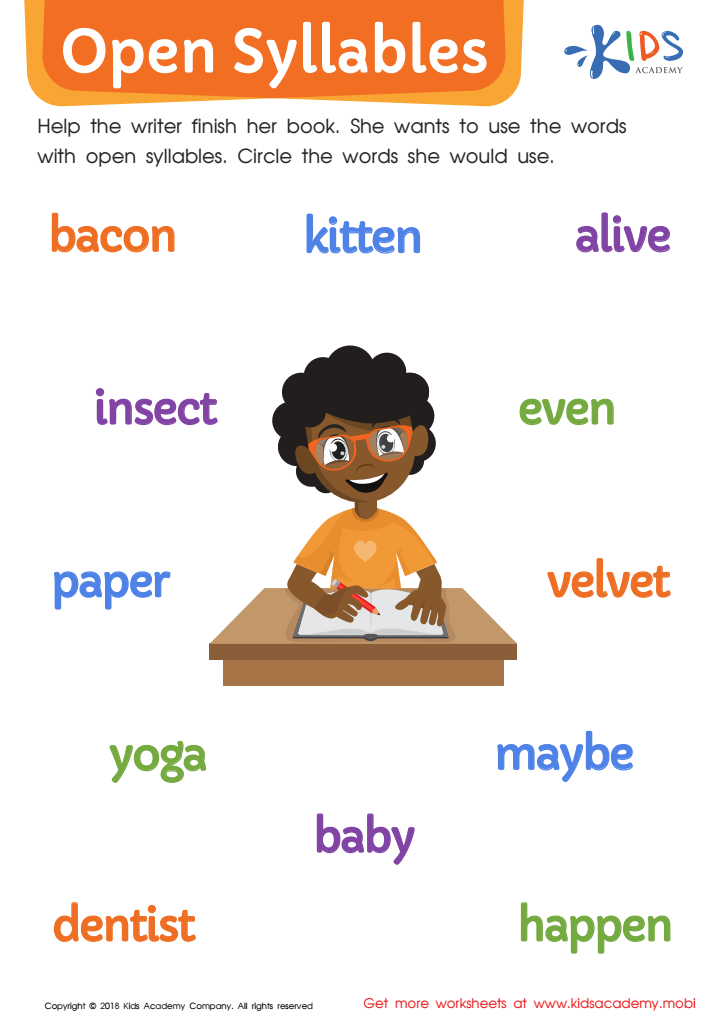
Open Syllables Worksheet
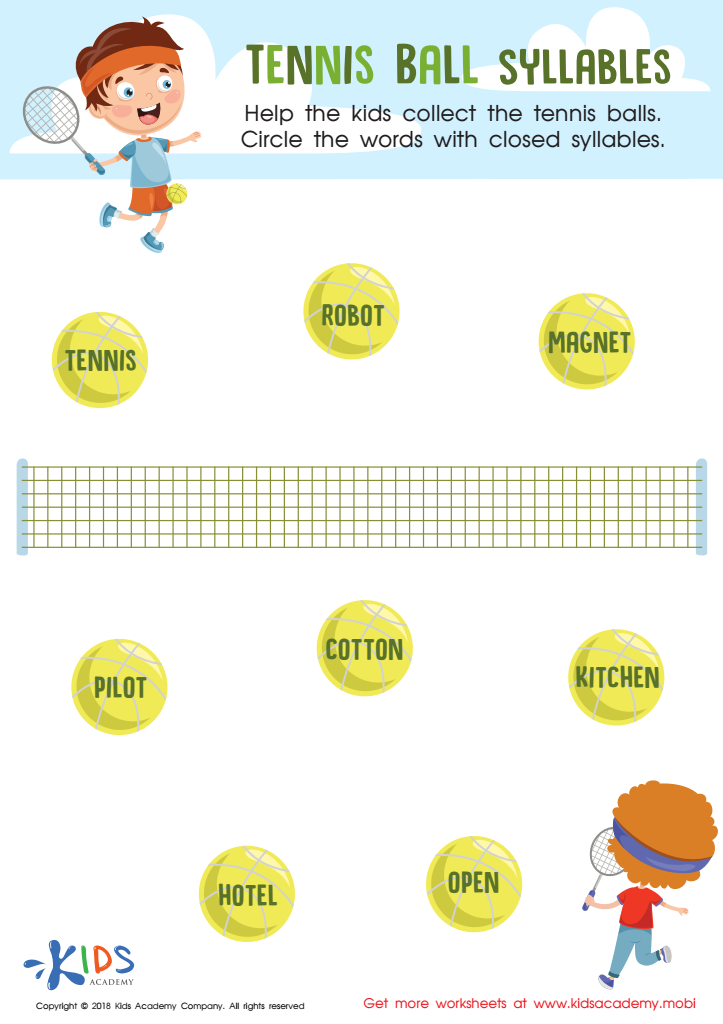
Tennis Ball Syllables Worksheet
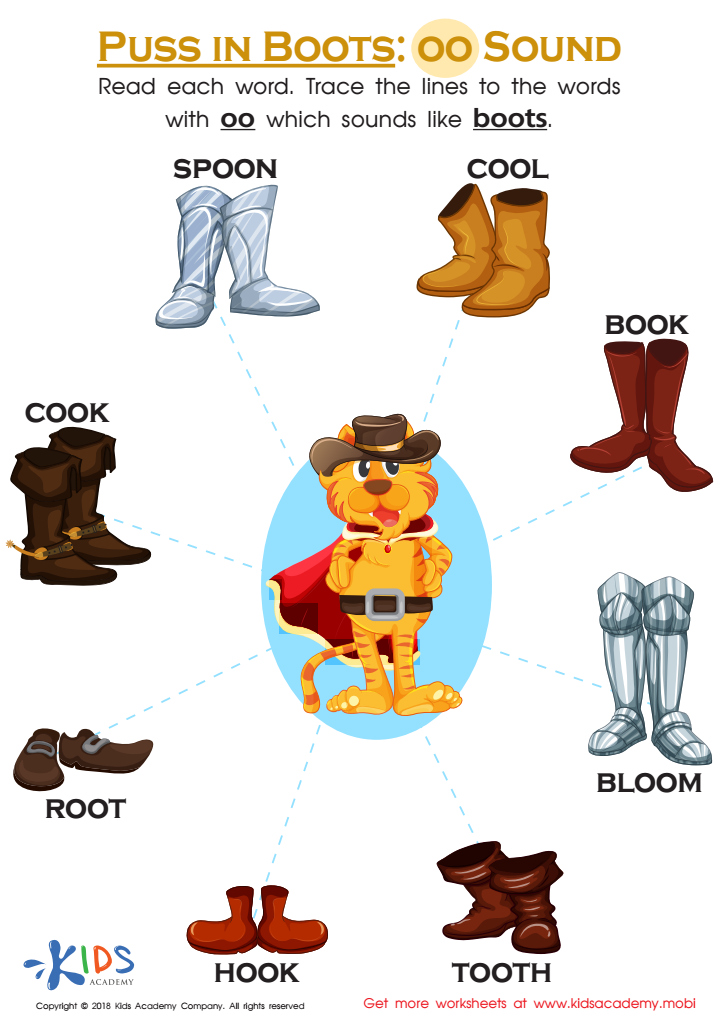
Puss in Boots: OO Sound Worksheet
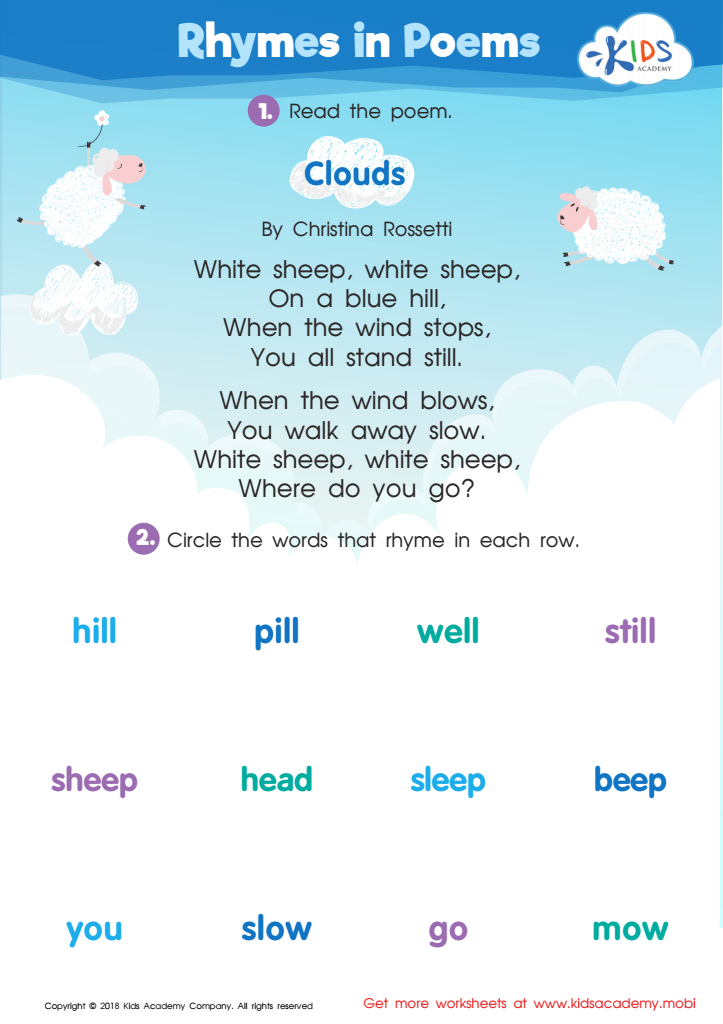
Rhymes in Poems Worksheet








Parents and teachers should care about Normal Phonics for Ages 4-9 because it forms the foundation of reading and writing skills essential for children’s academic success. Phonics instruction helps children understand the relationship between letters and the sounds they represent, enabling them to decode words. This skill is critical as it facilitates the ability to read fluently and comprehend texts, fostering a love for reading from an early age.
Moreover, strong phonics skills support overall literacy development, including spelling and vocabulary acquisition, empowering children to communicate effectively. Early proficiency in reading can significantly enhance self-esteem and confidence in young learners, motivating them to engage more in the classroom and beyond.
Additionally, Normal Phonics emphasizes structured and systematic instruction, which is crucial for diverse learning styles. By recognizing and addressing various needs, teachers and parents can ensure that all children, including those at risk of reading difficulties, have the right tools to succeed.
Encouraging engagement with phonics at home and in the classroom creates a supportive environment for literacy. By prioritizing phonics, parents and teachers invest in a child's long-term educational journey, laying the groundwork for future academic achievements and lifelong learning.







