Normal Elementary Phonics Worksheets for Ages 3-6
8 filtered results
-
From - To
Explore our engaging Normal Elementary Phonics Worksheets designed specifically for children ages 3-6. These worksheets provide a fun and interactive approach to learning phonics, helping young learners develop essential literacy skills. With visually appealing illustrations and easy-to-follow activities, our resources cover key aspects of phonics, including letter recognition, sound correlation, and blending. Whether used at home or in the classroom, these worksheets enhance your child’s reading readiness and boost their confidence. Perfect for preschool and kindergarten students, our printable phonics worksheets foster a love of learning while laying the foundation for successful reading development. Start your phonics journey today!
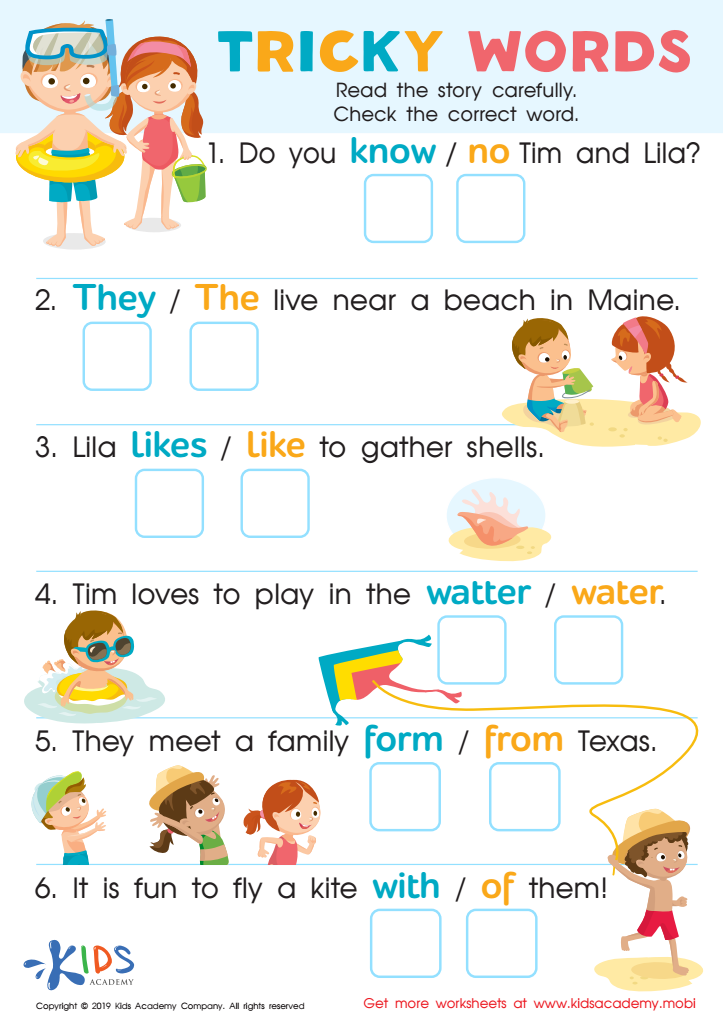
Tricky Words Worksheet
 Assign to My Students
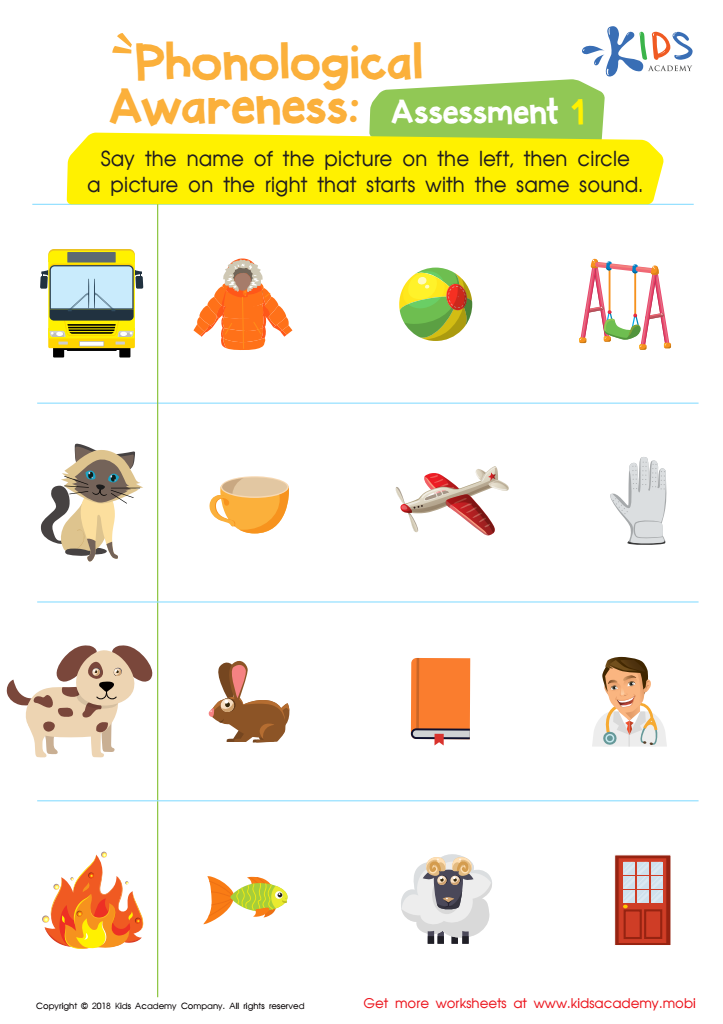
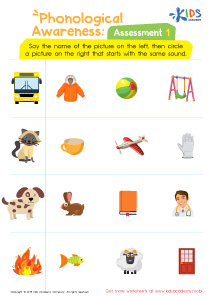
Phonological Awareness: Assessment 1 Worksheet
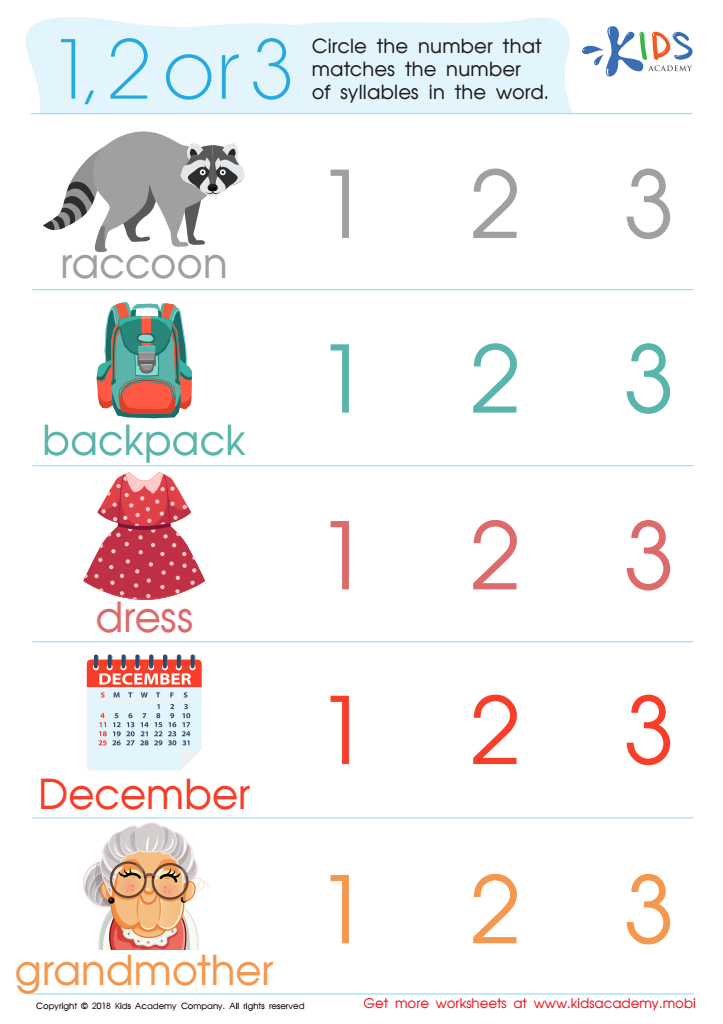
1, 2 or 3? Worksheet
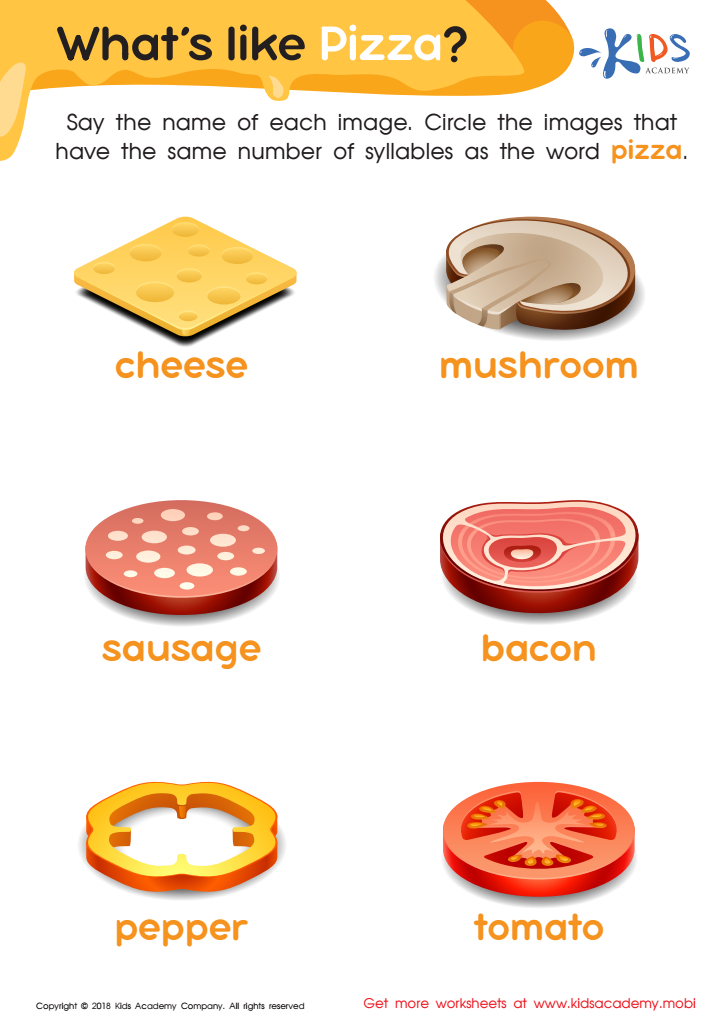
What's Like Pizza? Worksheet
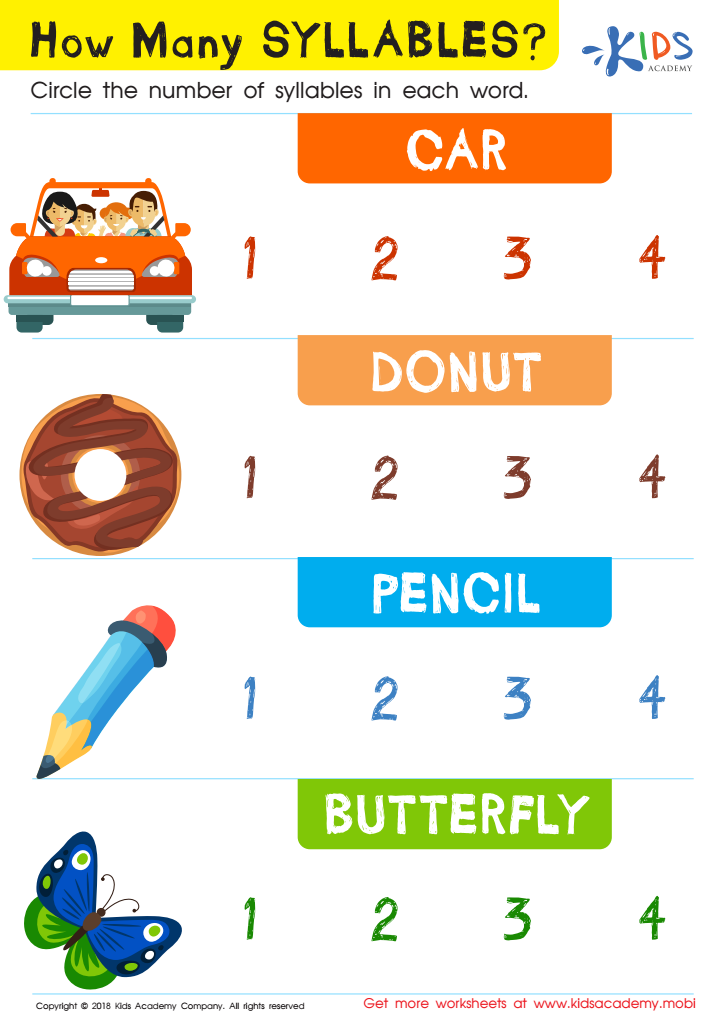
How Many Syllables? Worksheet
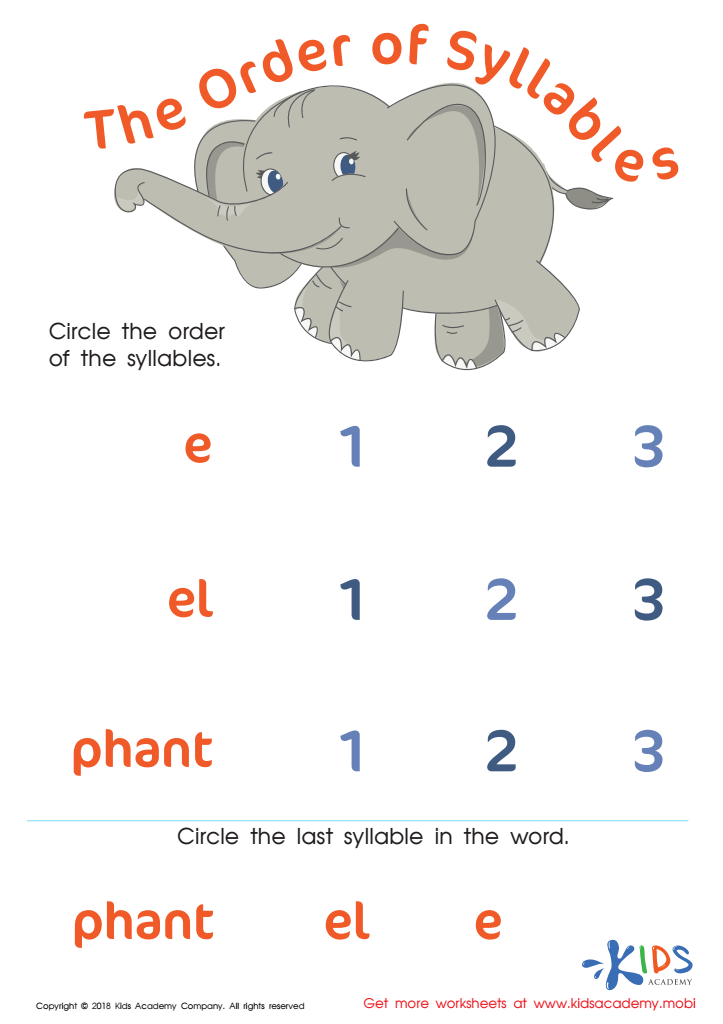
The Order of Syllables Worksheet
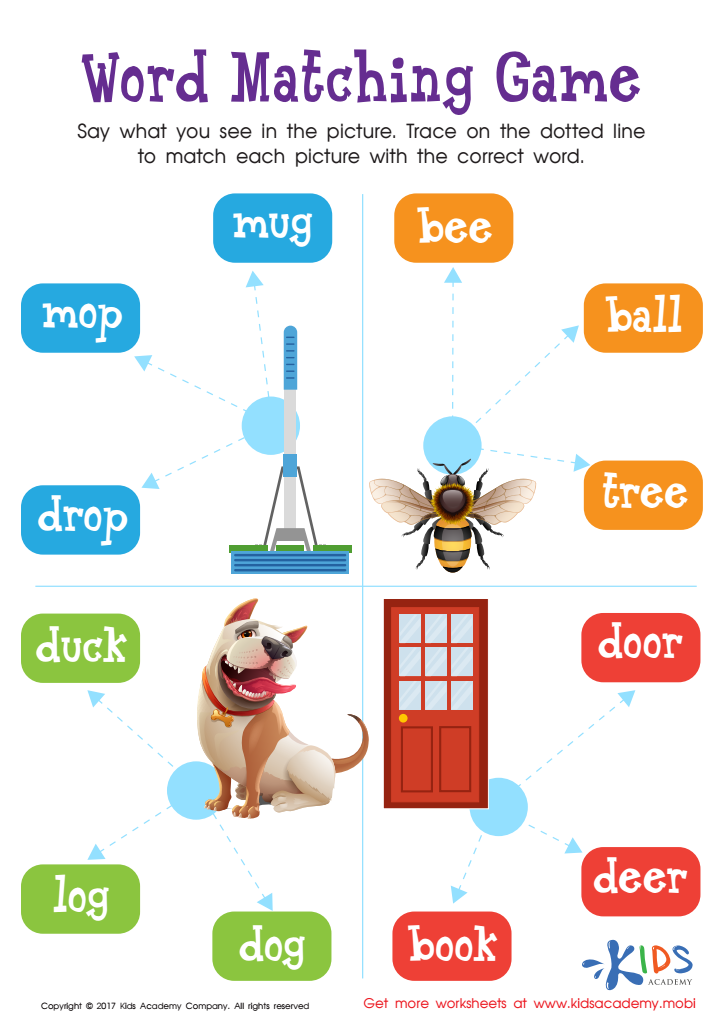
Word Matching Game Worksheet
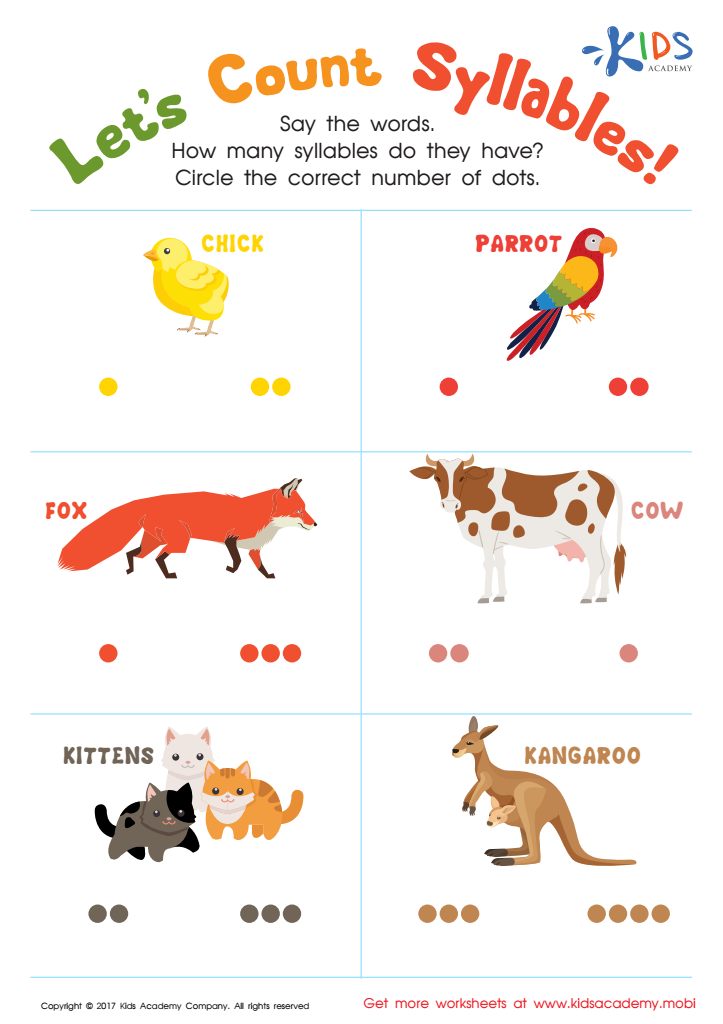
Lets Count Syllables Worksheet




Parents and teachers should care about Normal Elementary Phonics for Ages 3-6 because it lays the foundation for a child’s reading and writing skills. Early phonics instruction helps young learners understand the relationship between letters and sounds, essential for building comprehension and fluency in reading. By engaging children with phonics, we create opportunities for them to decode words, which fosters confidence as they navigate texts independently.
Research shows that strong phonics skills, developed in the early years, significantly predict future reading success. This means kids who master phonics are more likely to become proficient readers, setting the stage for effective communication and academic achievement later on. In addition, the engaging activities tied to phonics instruction stimulate cognitive development, enhancing critical thinking and problem-solving skills.
Moreover, incorporating phonics into early childhood education aligns with the concepts of play-based learning, making it enjoyable and developmentally appropriate. This balance nurtures a love for reading and learning, which is vital in today’s increasingly complex world. Supporting young children in their phonics journey ultimately empowers them with essential literacy skills needed for lifelong success and self-expression. Consequently, prioritizing phonics education is essential for parents and educators alike.