Normal Reading Worksheets for Ages 3-6 - Page 6
178 filtered results
-
From - To
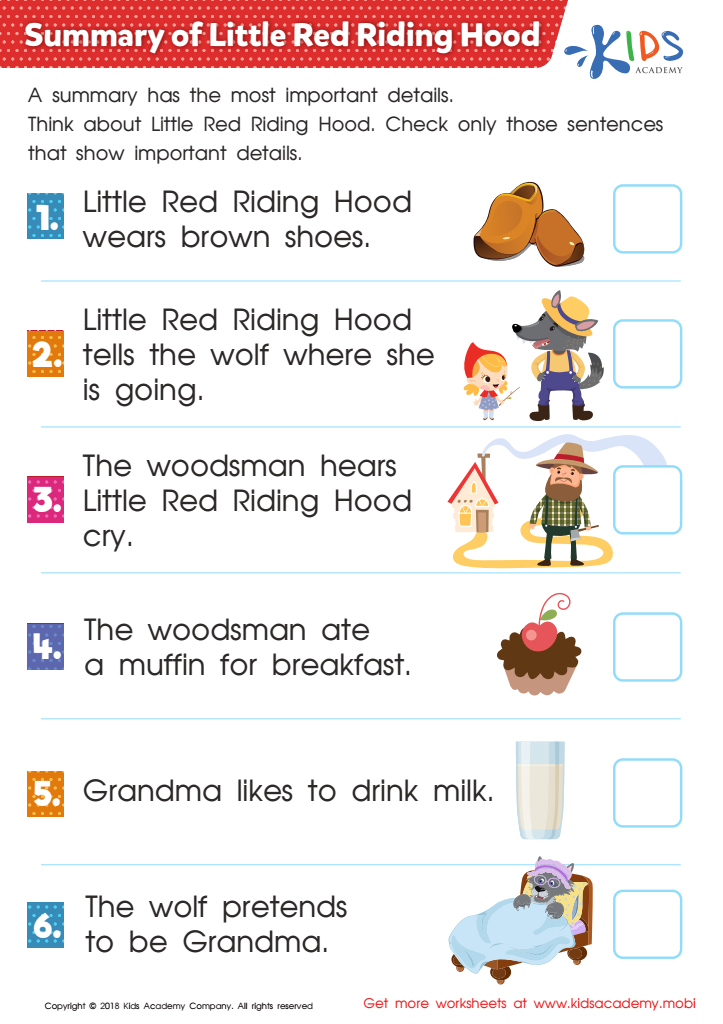
Summary of Little Red Riding Hood Worksheet
 Assign to My Students
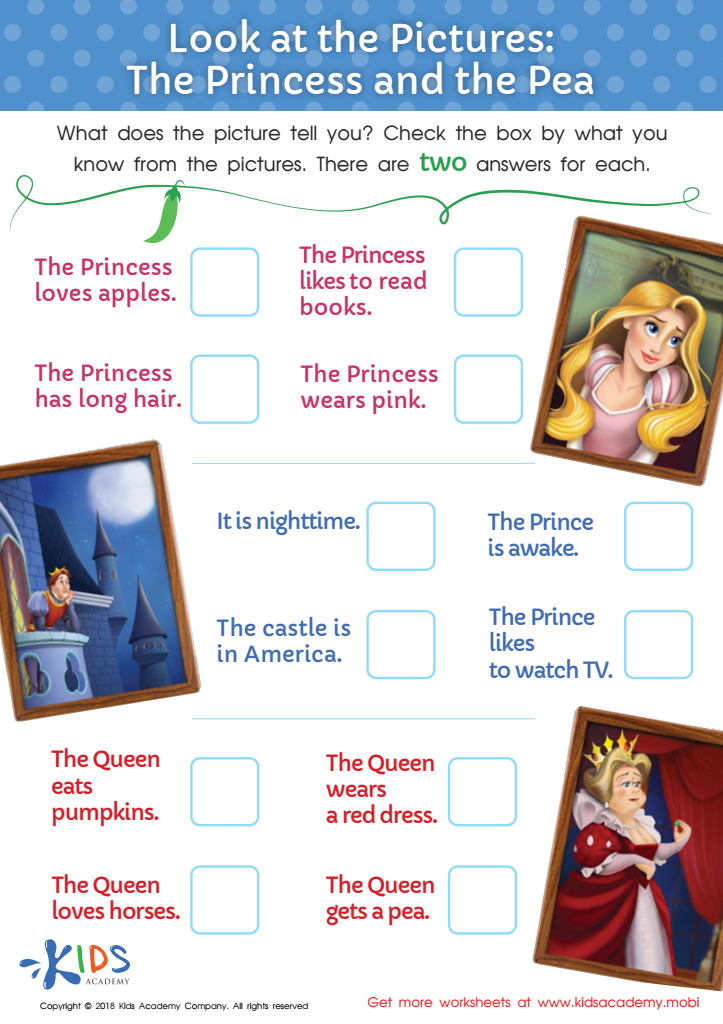
Look at the Pictures: The Princess and the Pea Worksheet
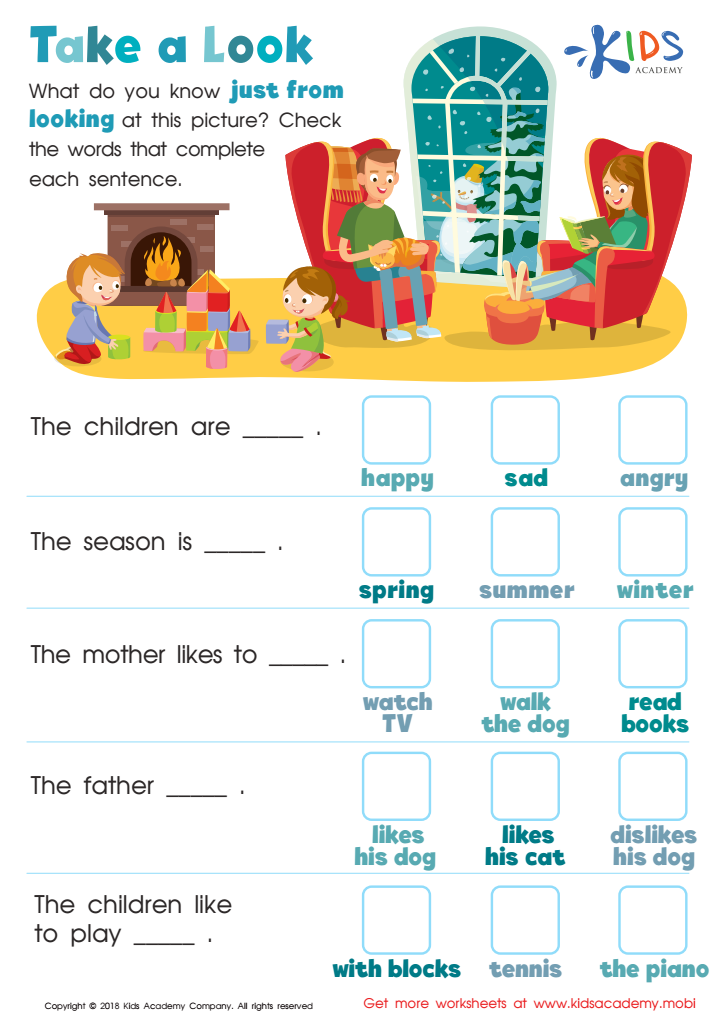
Take a Look - Part 1 Worksheet
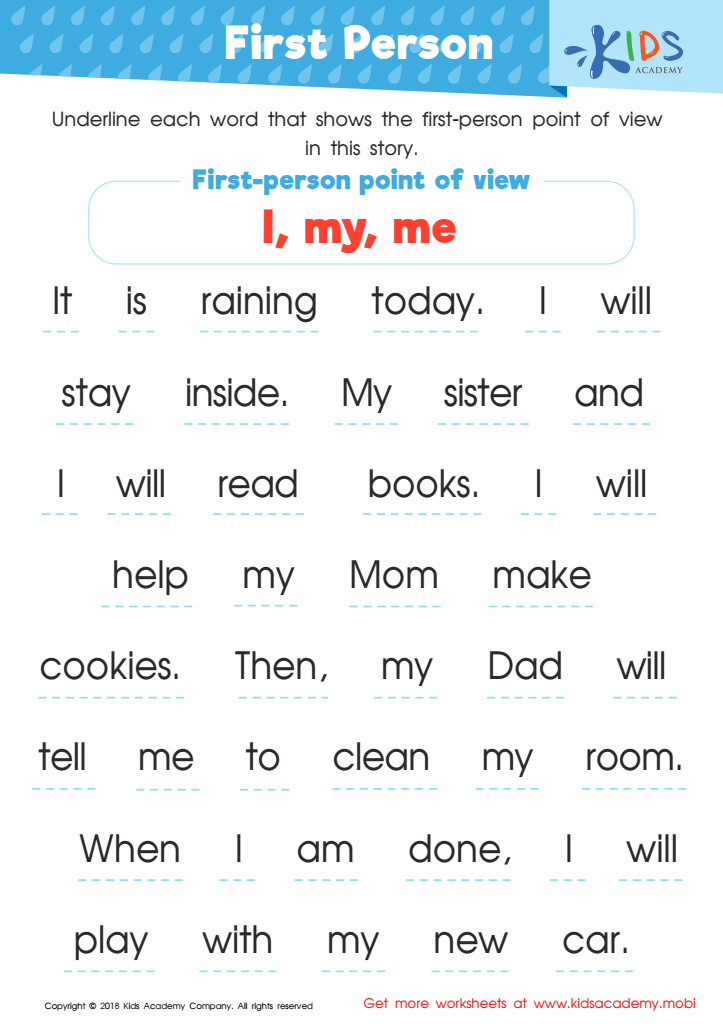
First Person Worksheet
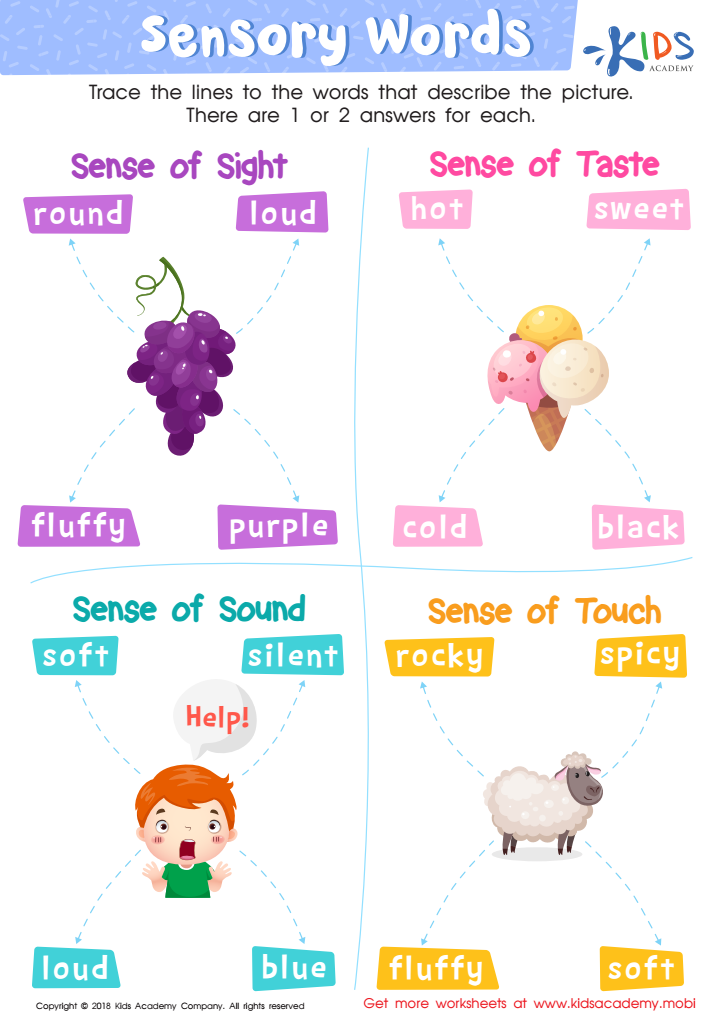
Sensory Words Worksheet
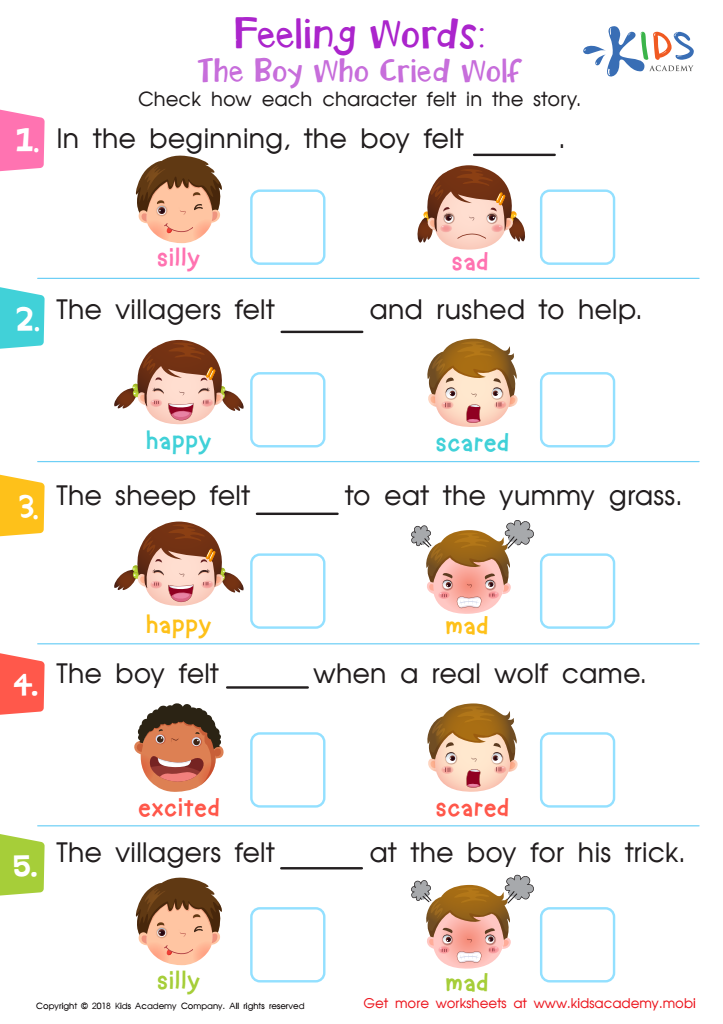
Feeling Words: The Boy Who Cried Wolf Worksheet
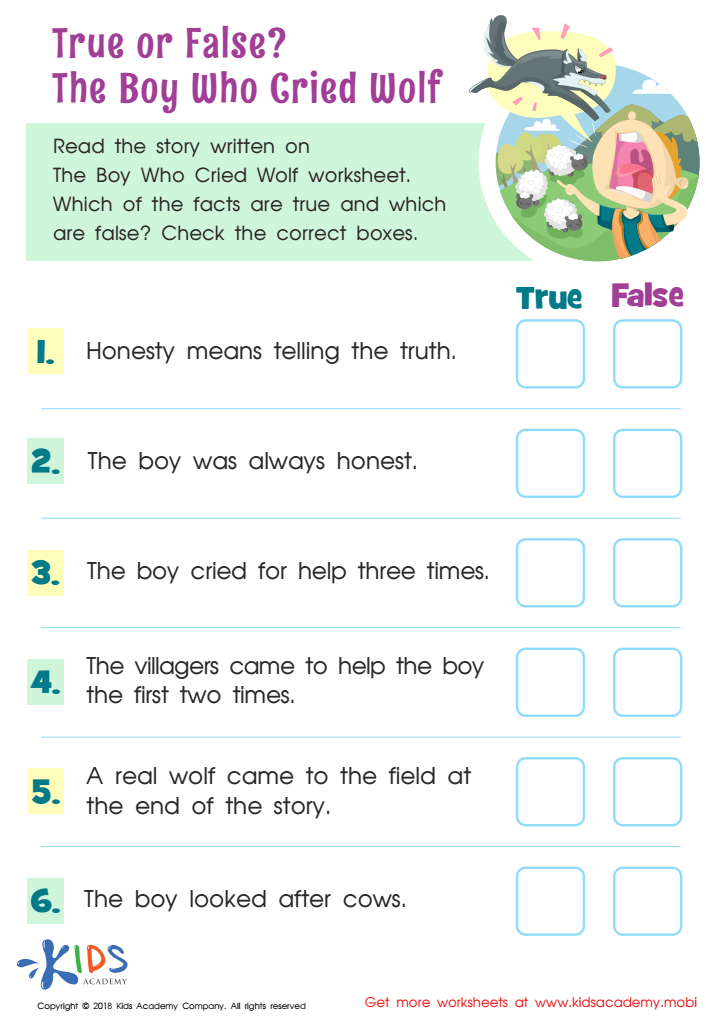
True or False? The Boy Who Cried Wolf Worksheet
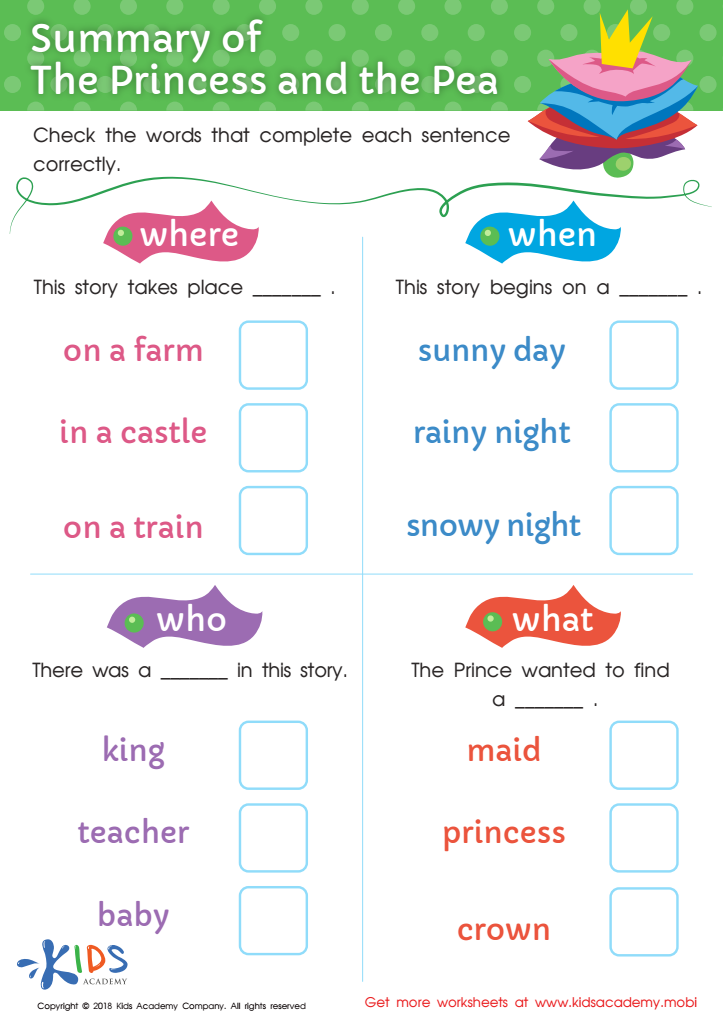
The Summary of the Princess and the Pea Worksheet
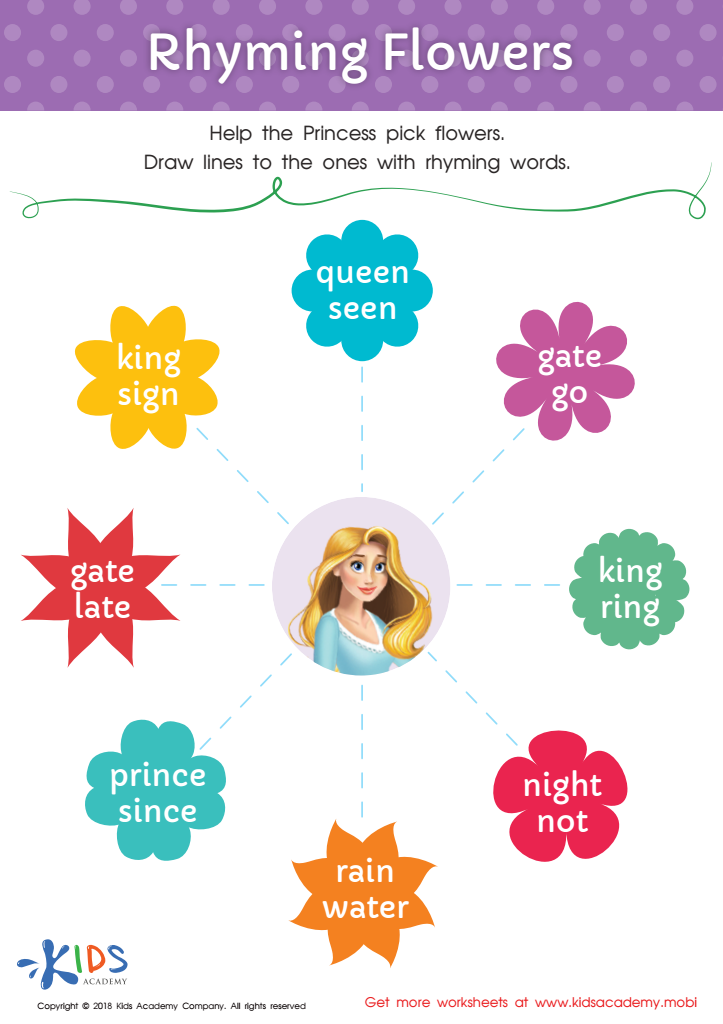
Rhyming Flowers Worksheet
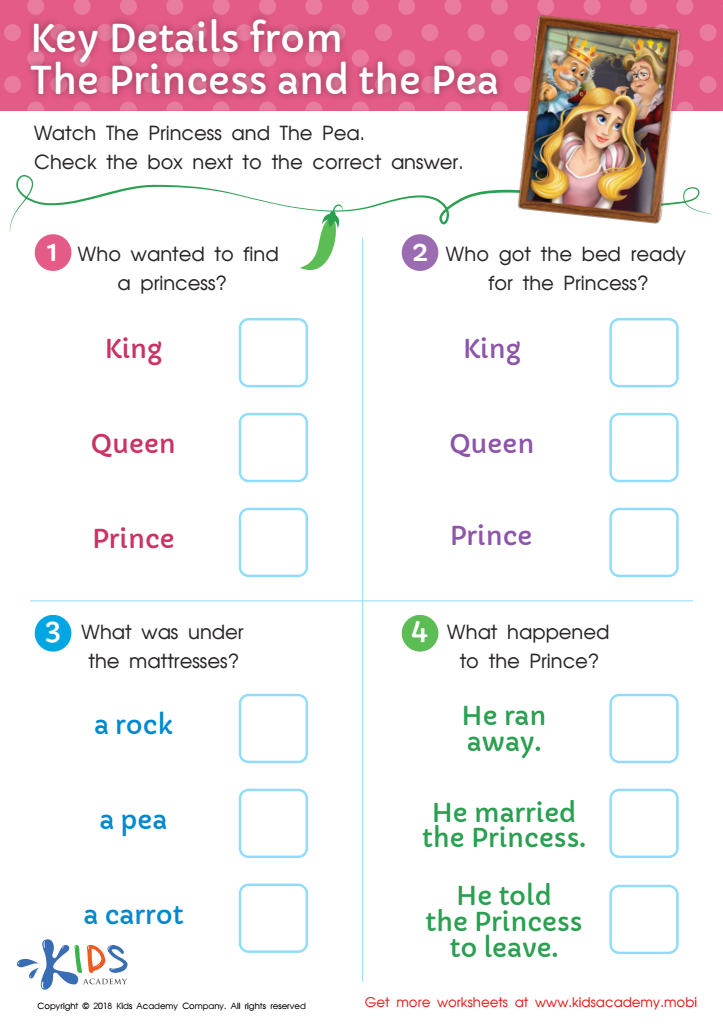
Key Details from the Princess and the Pea Worksheet
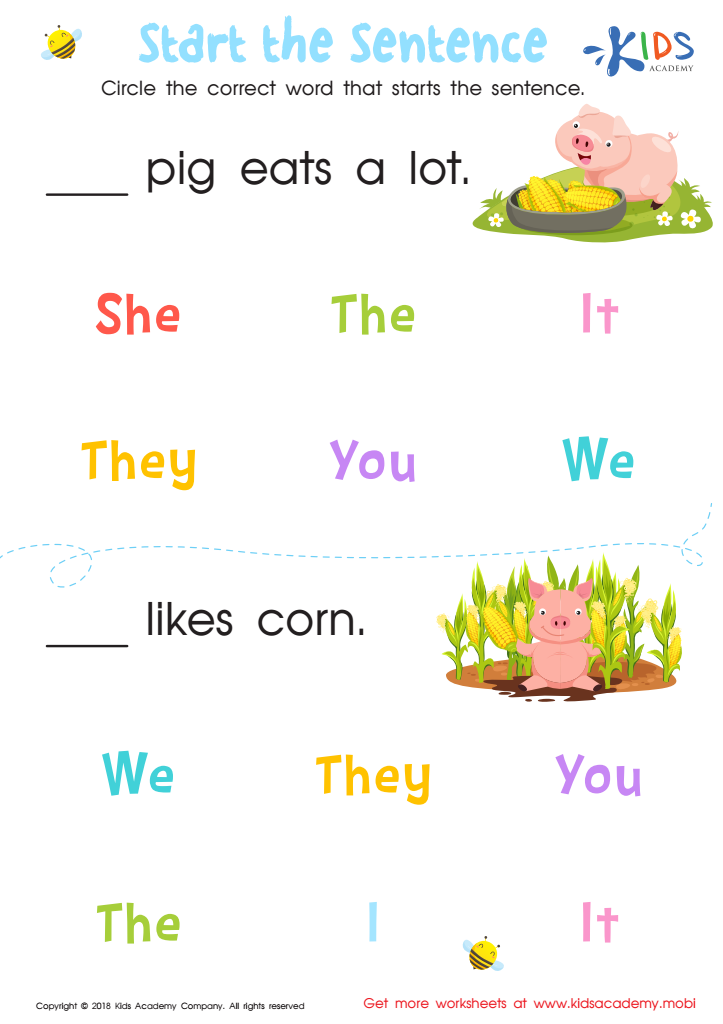
Start the Sentence Worksheet
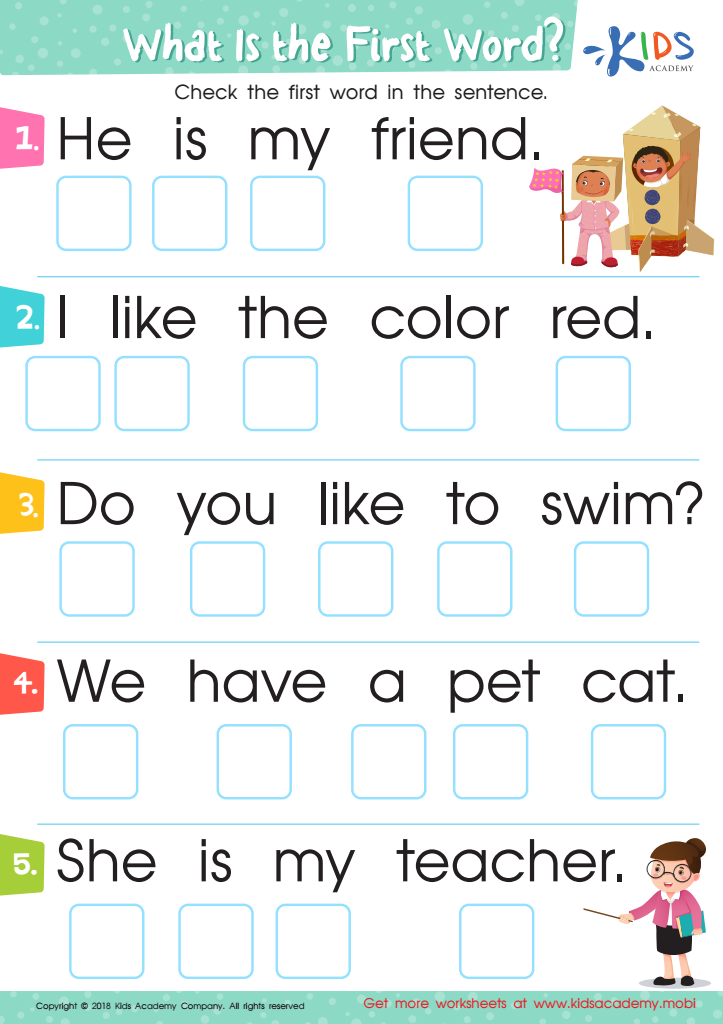
What is the First Word? Worksheet
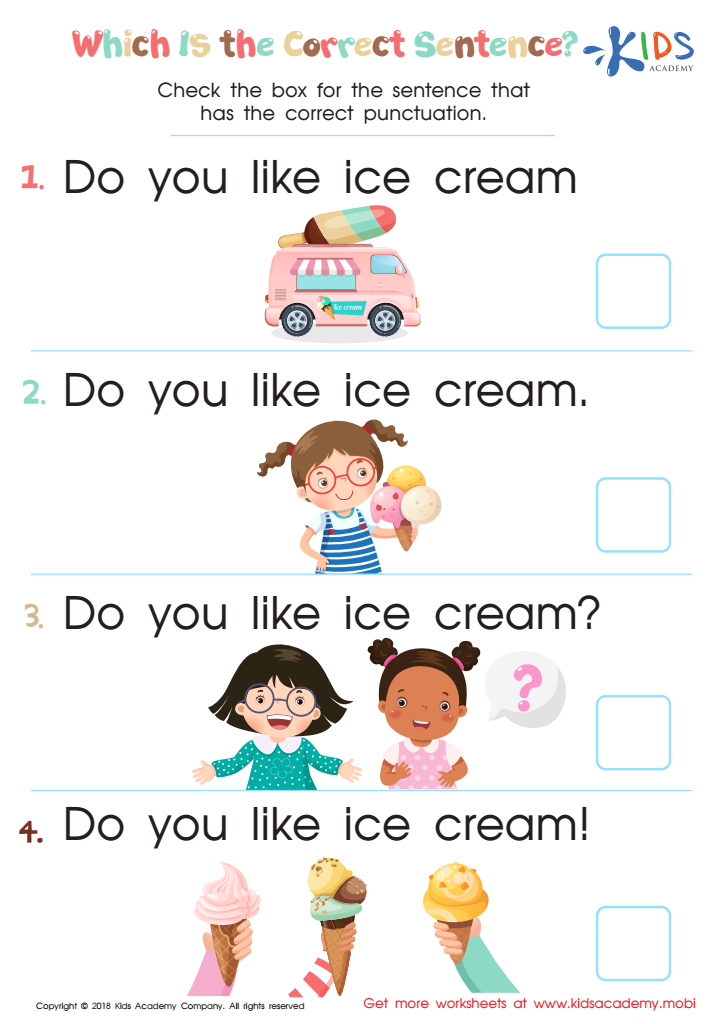
Which is the Correct Sentence? Worksheet
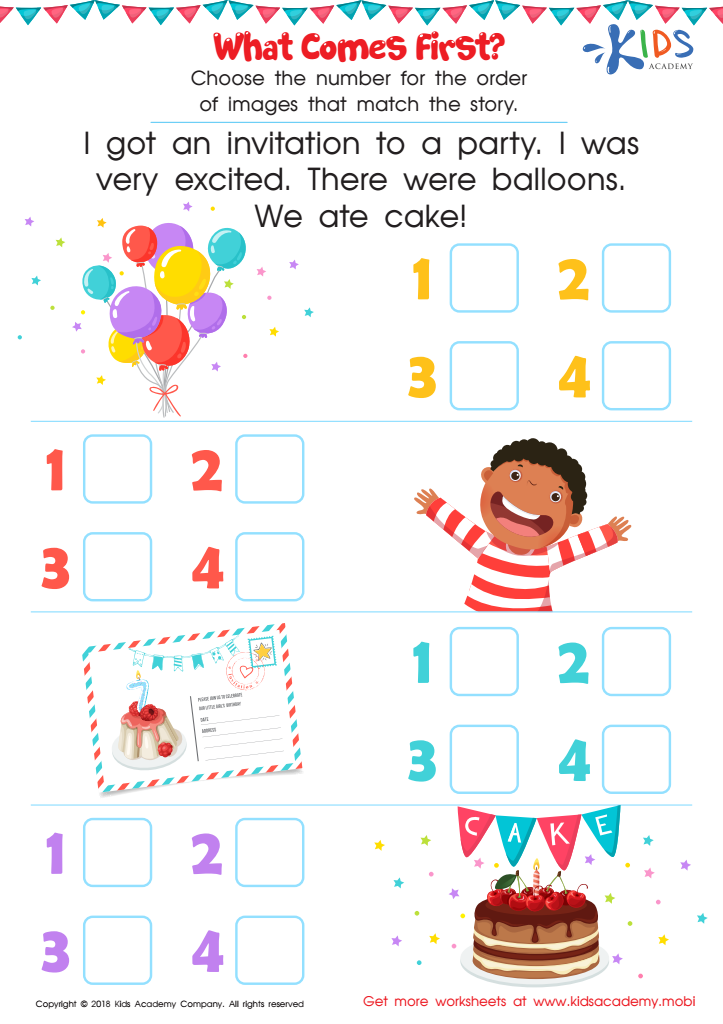
What Comes First Worksheet
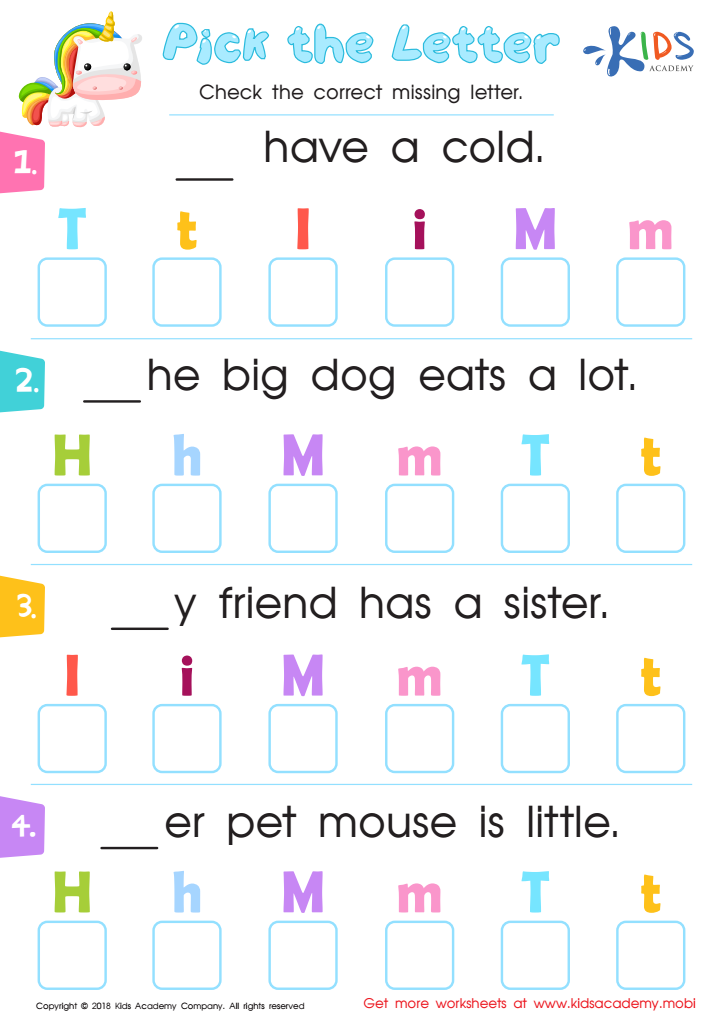
Pick the Letter Worksheet
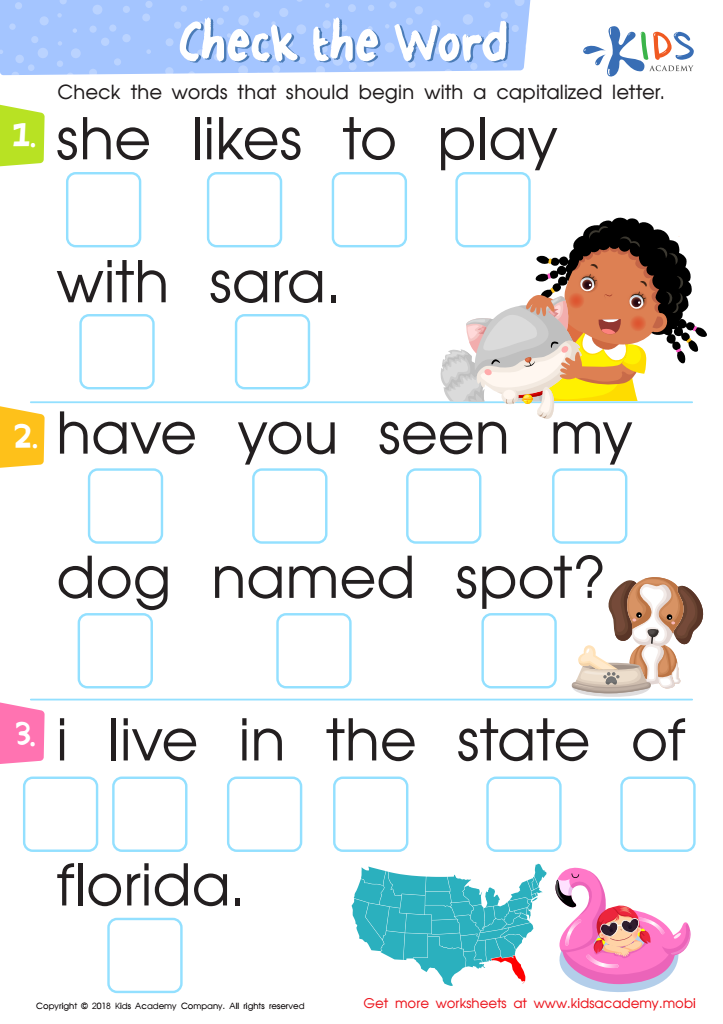
Check the Word Worksheet
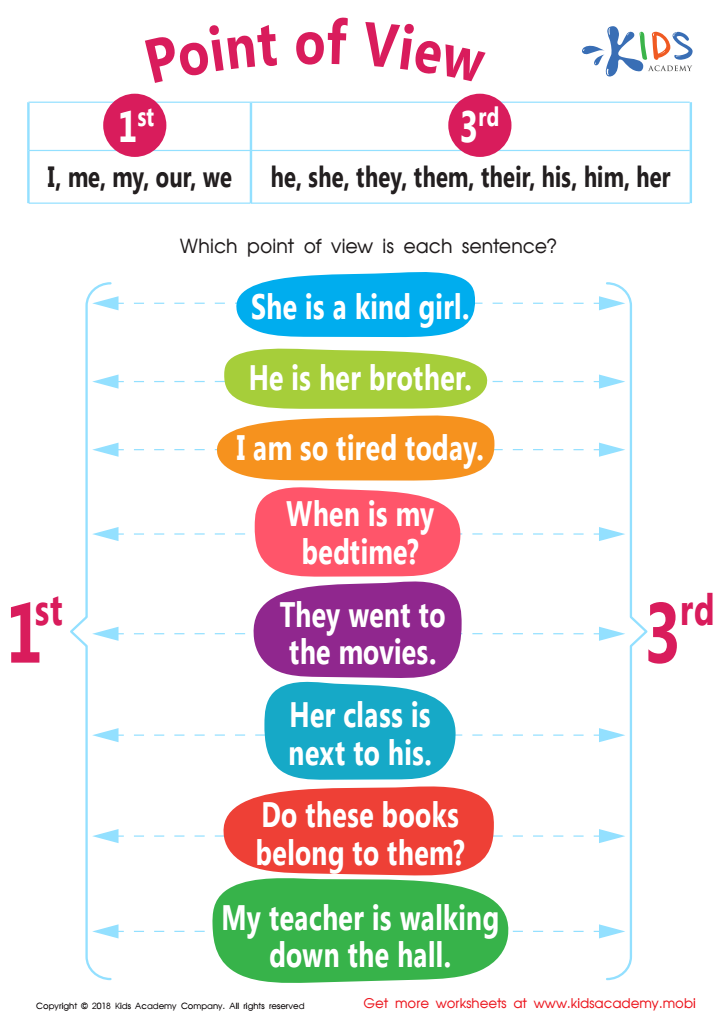
Point of View Worksheet
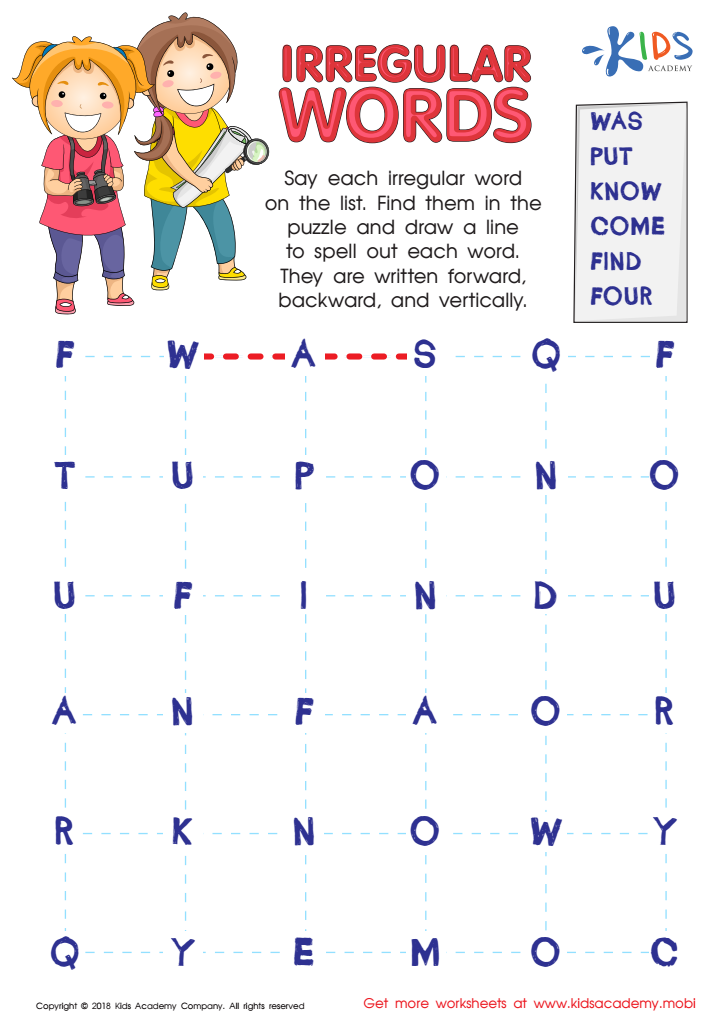
Irregular Words Worksheet
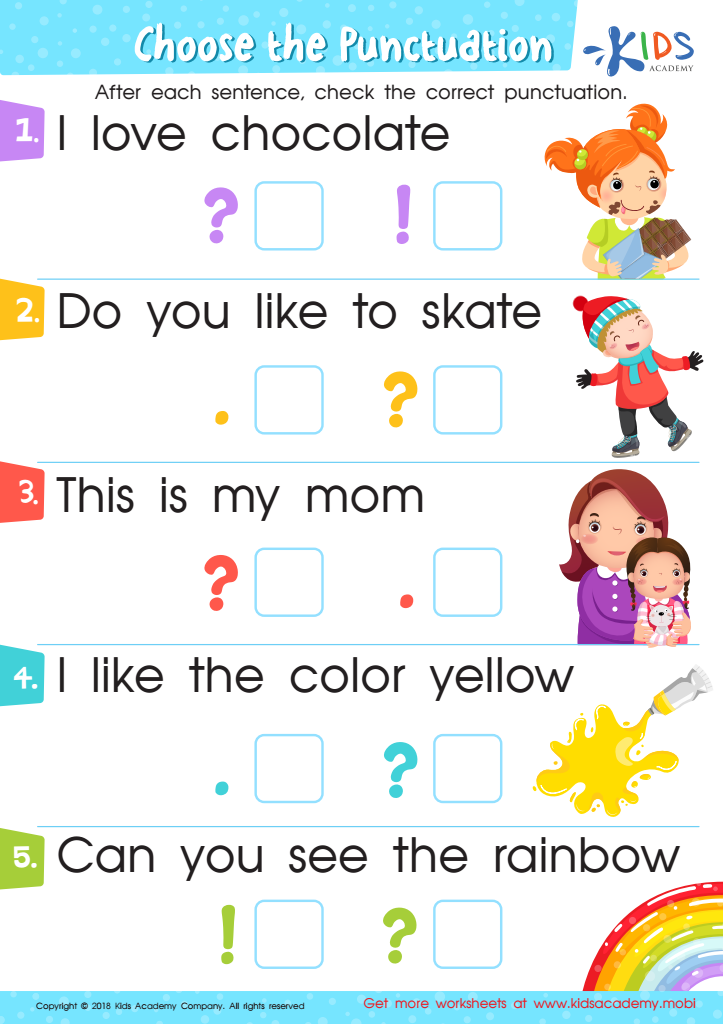
Choose the Punctuation: Assessment Worksheet
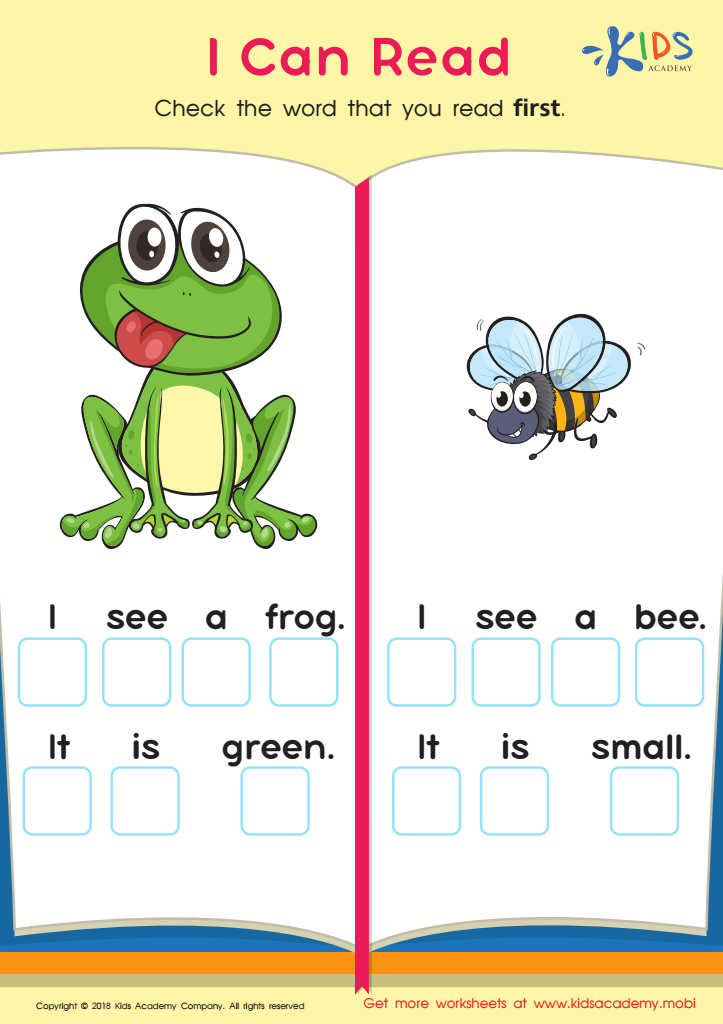
I Can Read Worksheet
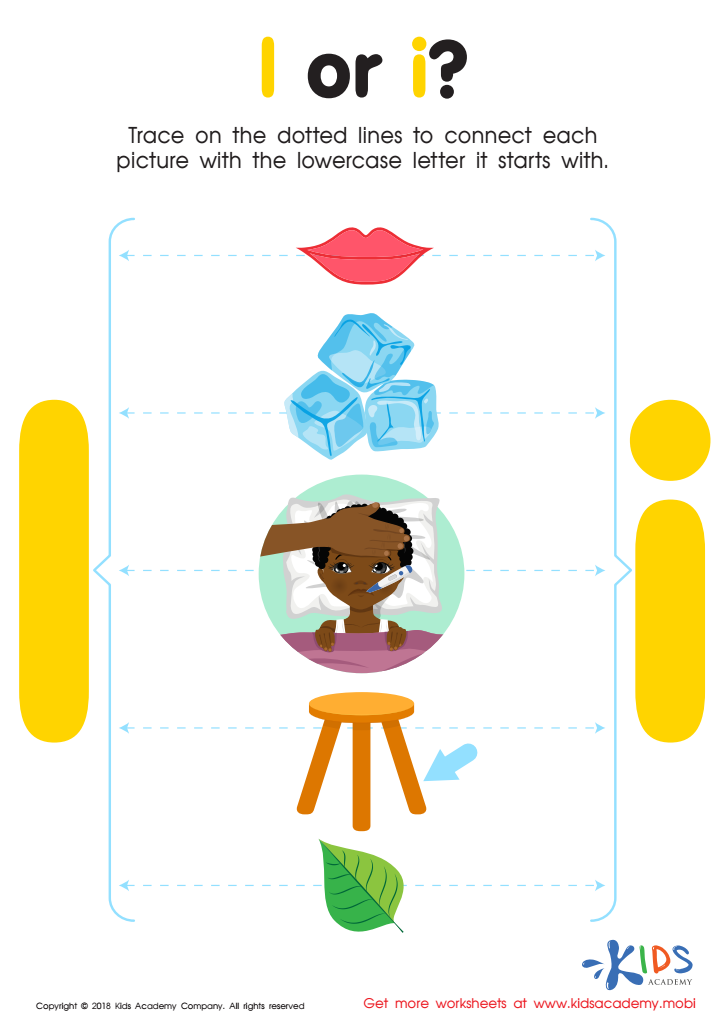
l or i? Worksheet
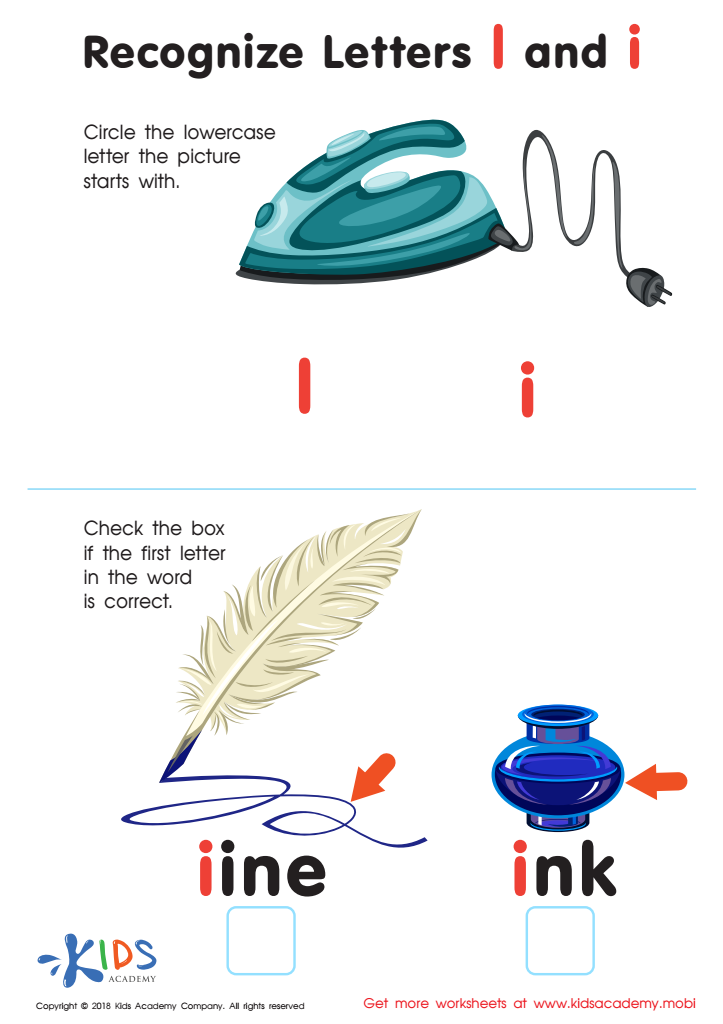
Recognize Letters l and i Worksheet
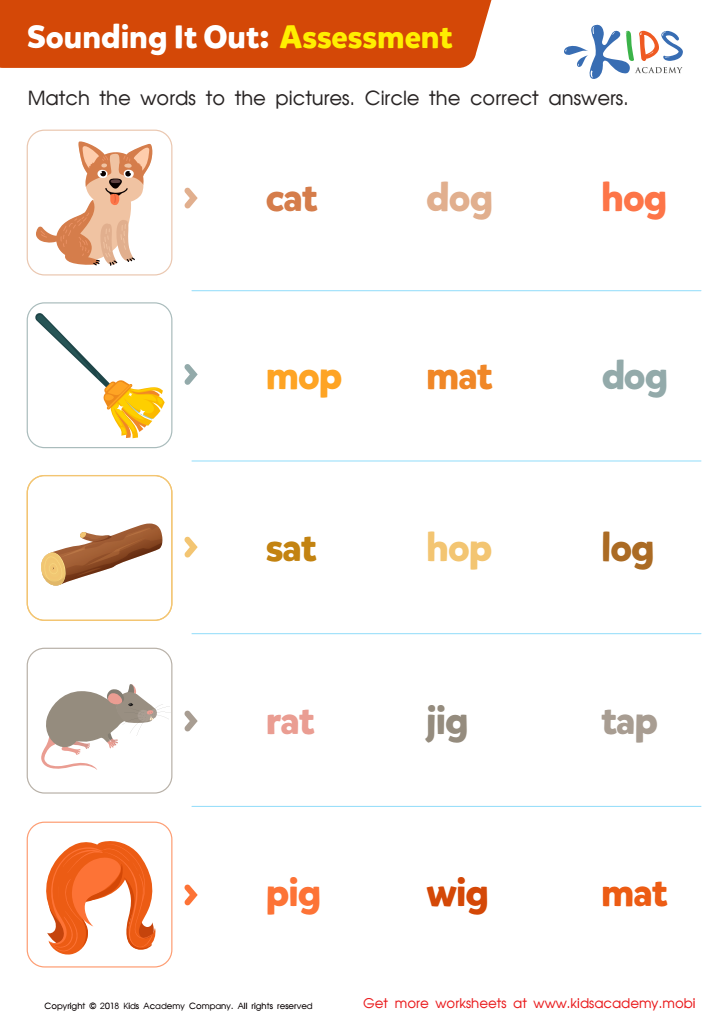
Sounding it Out: Assessment Worksheet
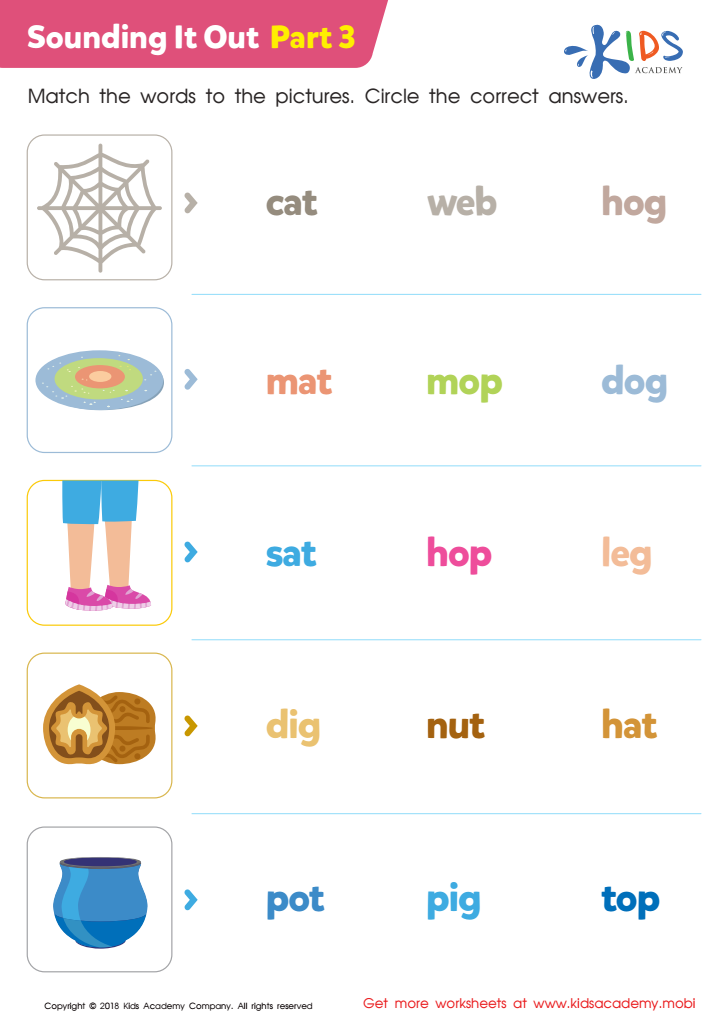
Sounding it Out: Part 3 Worksheet






Normal reading development for ages 3-6 is crucial, as it forms the foundation for a child's future academic success and overall communication skills. During this developmental stage, children begin to engage with sounds, letters, and basic words, shaping their ability to read independently later on. Understanding the norm for reading at this age helps parents and teachers identify whether a child is progressing appropriately or if there are delays that require intervention.
Children learn to associate letters with sounds, build vocabulary, and grasp the meaning of stories and texts. Enthusiastic guidance in reading during these early years cultivates a lifelong love for books and learning. Parents and teachers play a vital role in this process, encouraging exploration through storytime, phonics games, and engaging discussions about offered materials.
Moreover, recognizing milestones in reading development can help educators tailor their teaching strategies to meet the diverse needs of their students. As research shows, early literacy impacts overall cognitive development, socio-emotional growth, and critical thinking skills. When adults prioritize normal reading behaviors, they not only boost literacy competencies but also foster confidence and a sense of achievement in young learners, setting the stage for a successful educational journey.








