Normal 2D Shapes Worksheets for Ages 3-7 - Page 2
32 filtered results
-
From - To
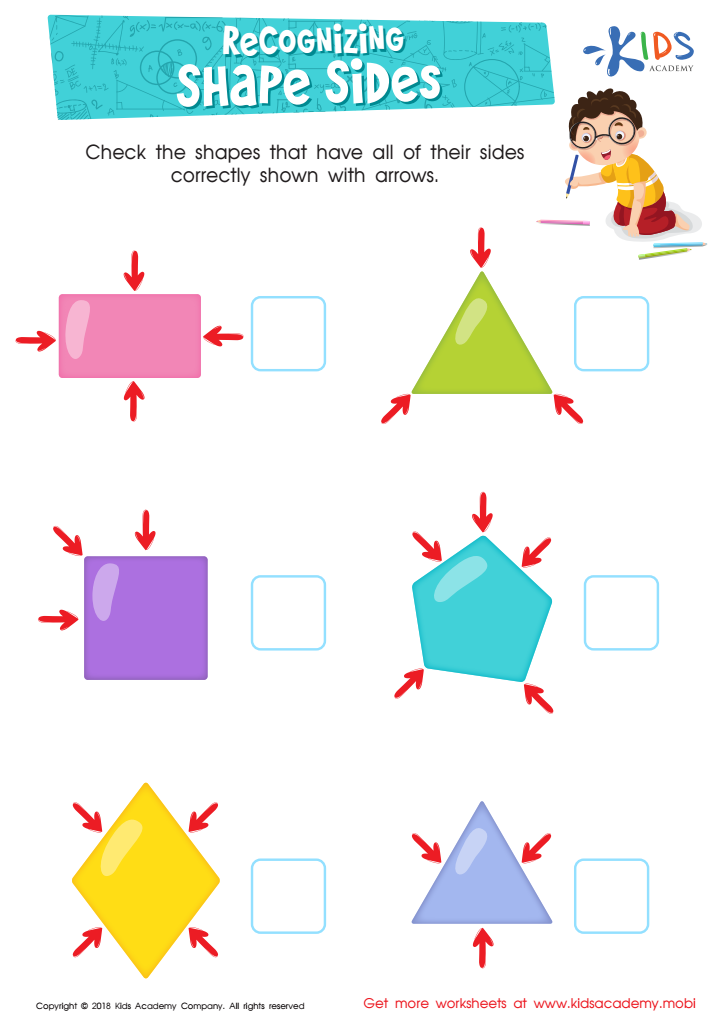
Recognizing Shape Sides Worksheet
 Assign to My Students



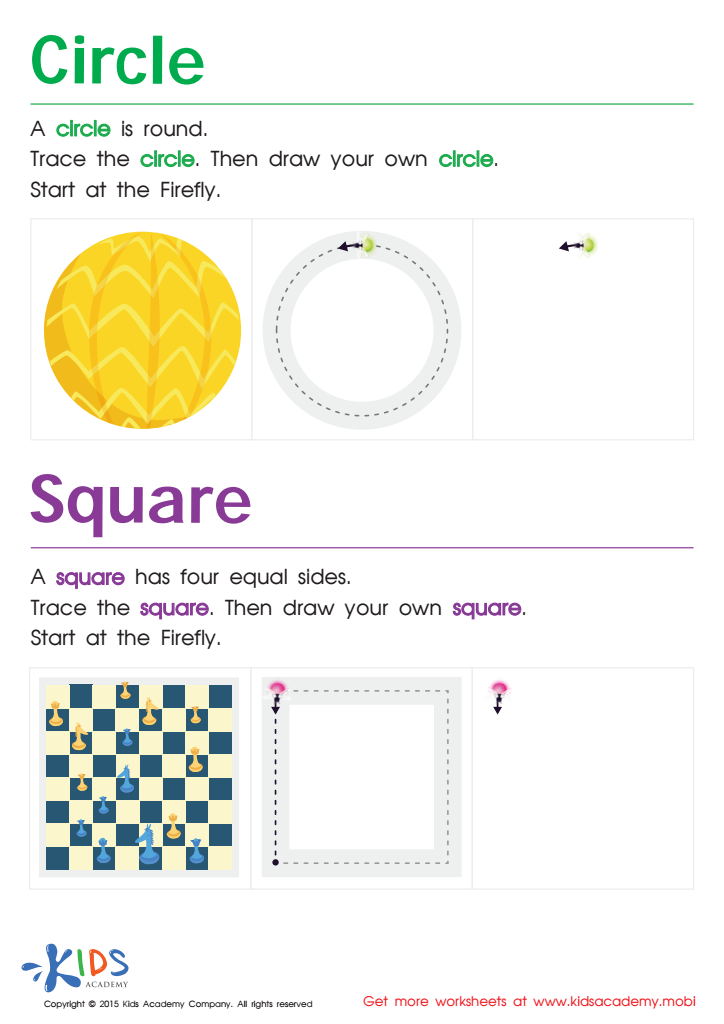
Trace And Draw a Circle And a Square Worksheet
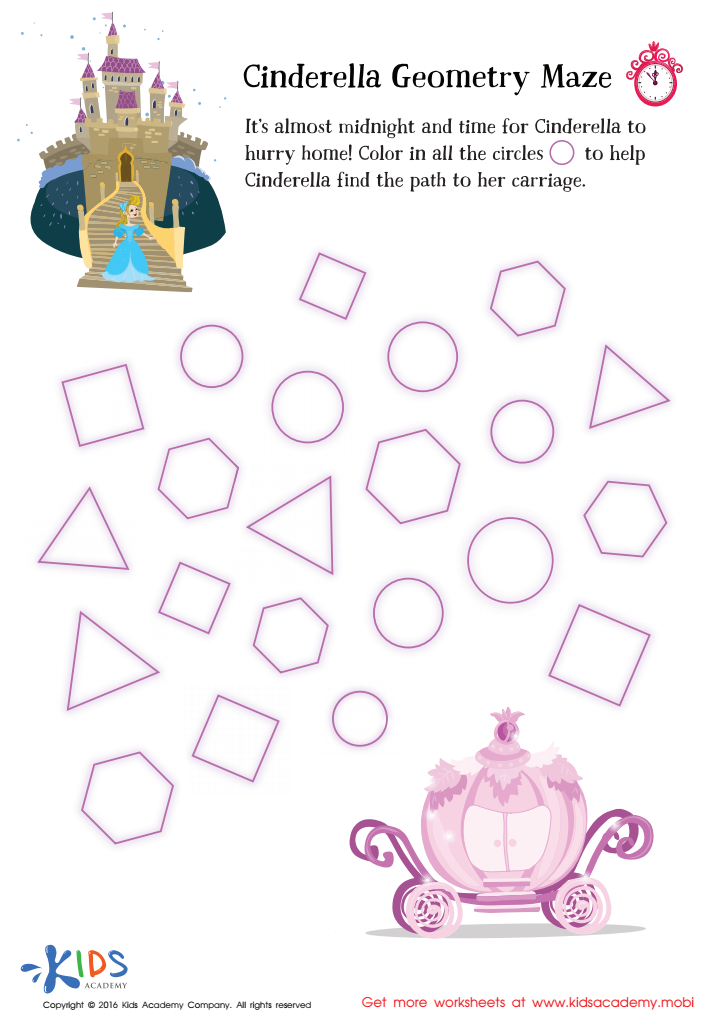
Cinderella Geometry Maze Worksheet
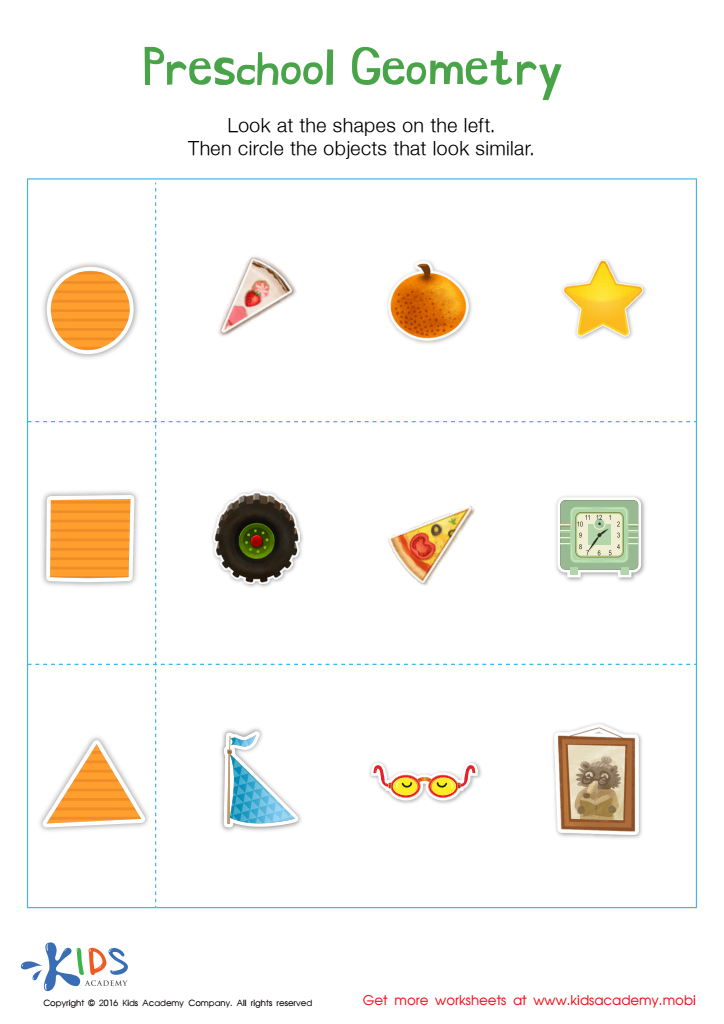
Preschool Geometry Match Up Worksheet
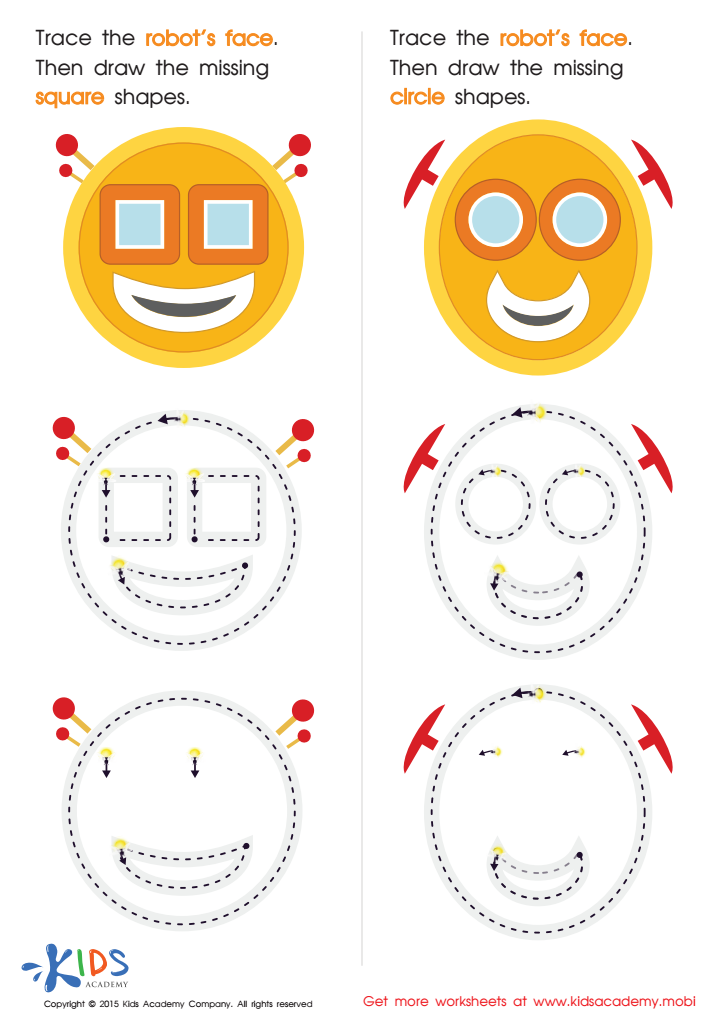
Practicing to Draw Circles And Squares Printable
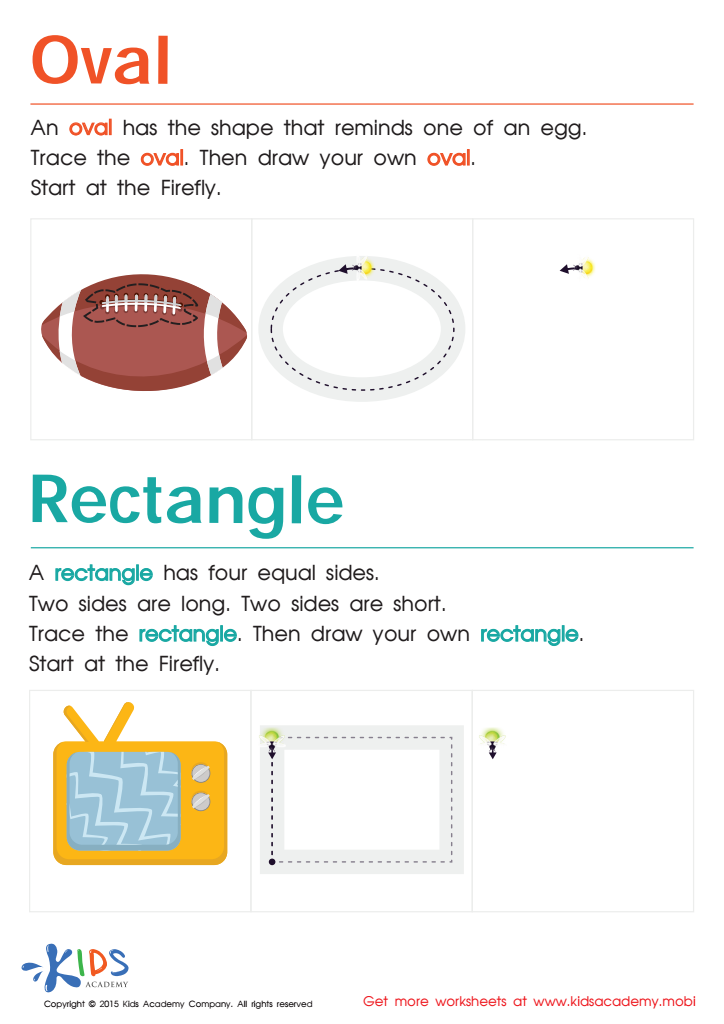
Easy Drawing of Ovals And Rectangles Worksheet
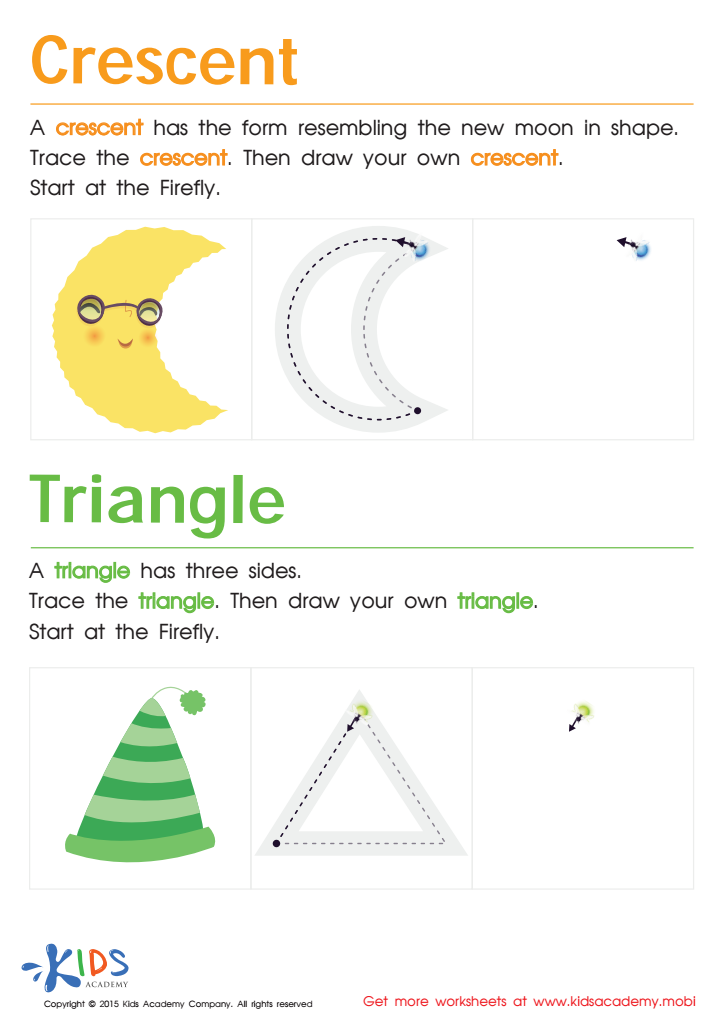
Learning to Draw Crescents And Triangles Worksheet
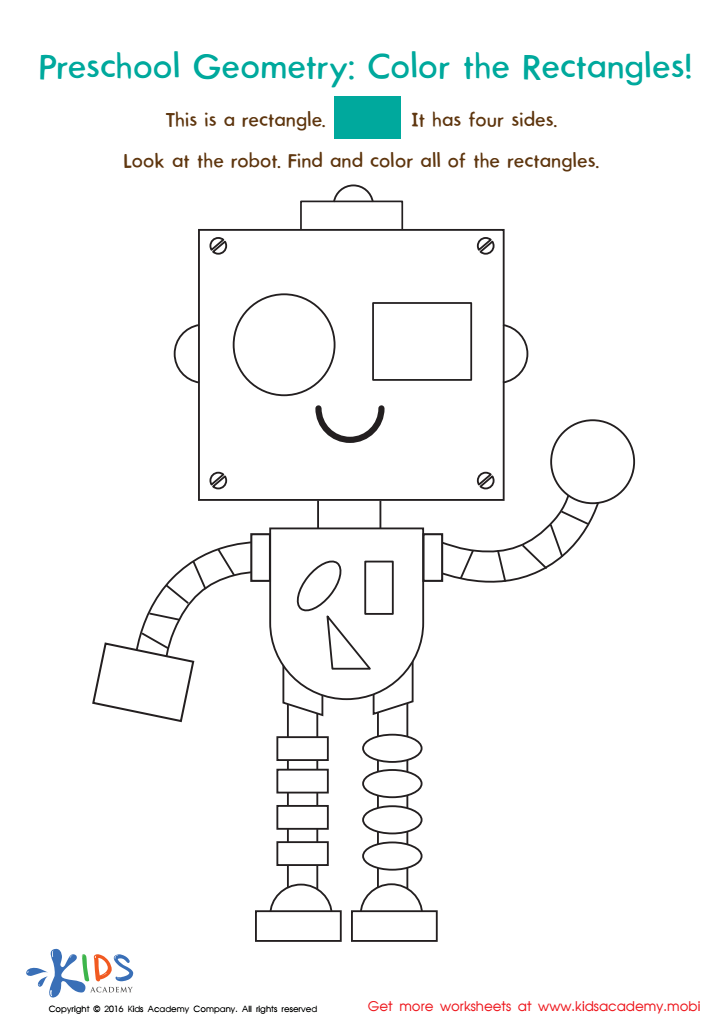
Geometry Worksheet








Understanding normal 2D shapes is crucial for children aged 3-7 as it lays the foundation for their cognitive development and everyday problem-solving skills. At this early age, children are naturally curious about the world, and recognizing shapes helps them make sense of their environment. When parents and teachers engage children with shapes, they promote visual-spatial awareness, which is essential for later understanding more complex geometric concepts.
Learning shapes also enhances language skills. Describing, comparing, and categorizing shapes introduces children to new vocabulary and communication skills, which are vital for their social development. Additionally, identifying 2D shapes aids in honing critical thinking and reasoning abilities. When kids differentiate between shapes, it helps them develop sorting skills and apply logical thinking.
Moreover, engaging children in shape-related activities—like drawing, cutting, or playing games—encourages creativity and fine motor skills. These experiences nurture a love for learning and exploration, setting the stage for future academic success.
In summary, parents and teachers should prioritize shape recognition for young children to support their cognitive, social, and creative development, preparing them for more complex studies in math, science, and art as they progress through school.