Normal Measurement Worksheets for Ages 3-7 - Page 2
34 filtered results
-
From - To
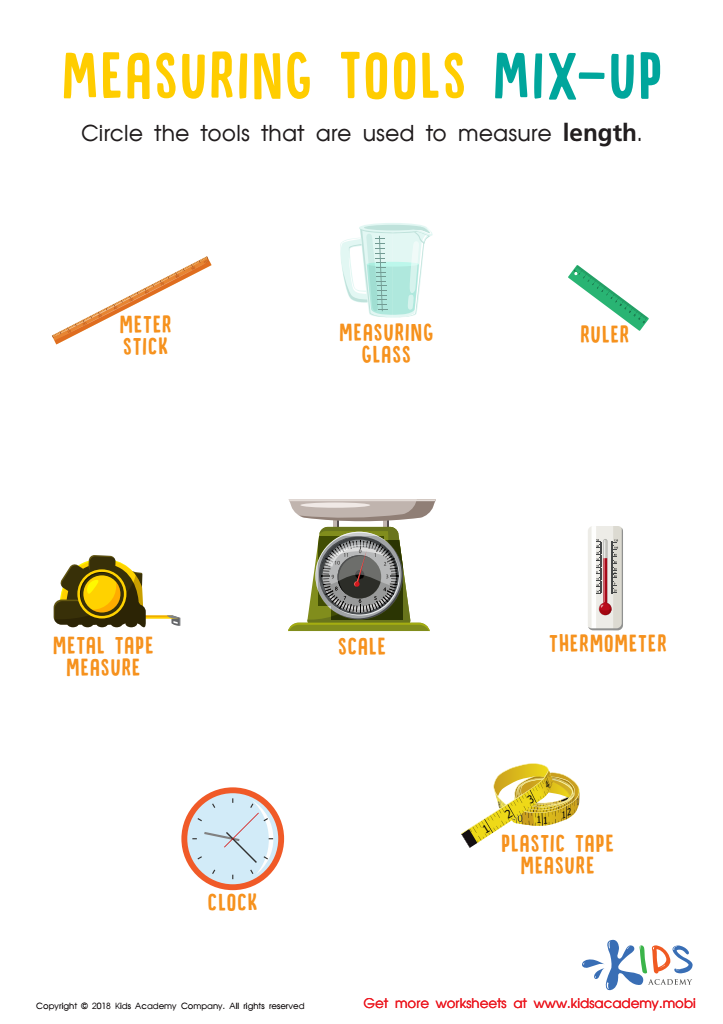
Measuring Tools Mix–up Worksheet
 Assign to My Students
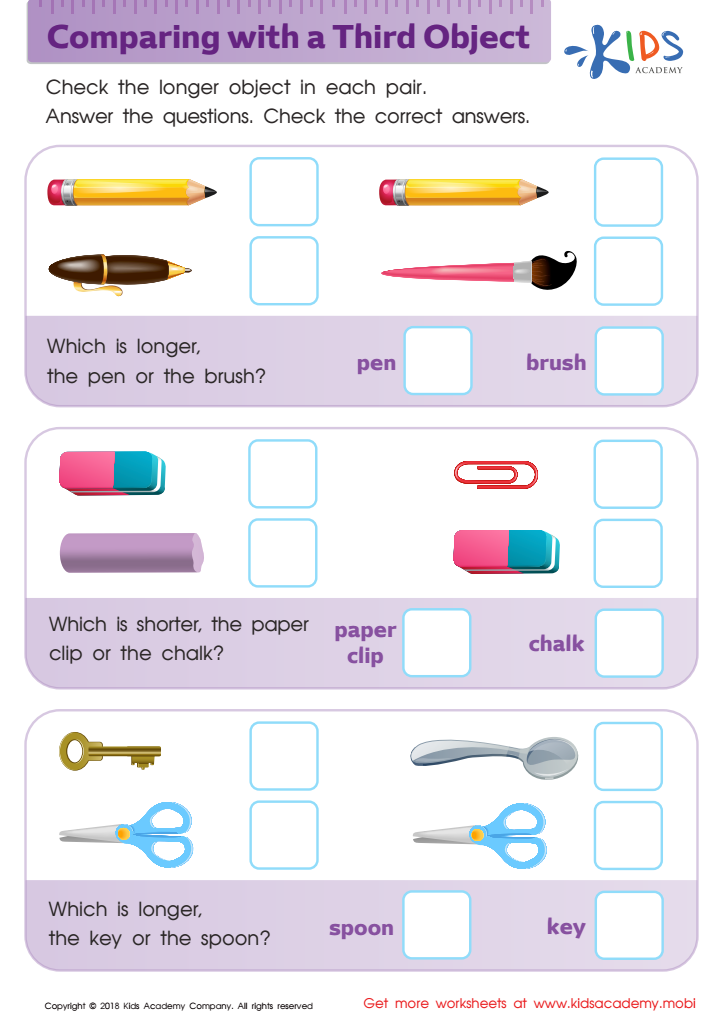
Comparing with a Third Object Worksheet
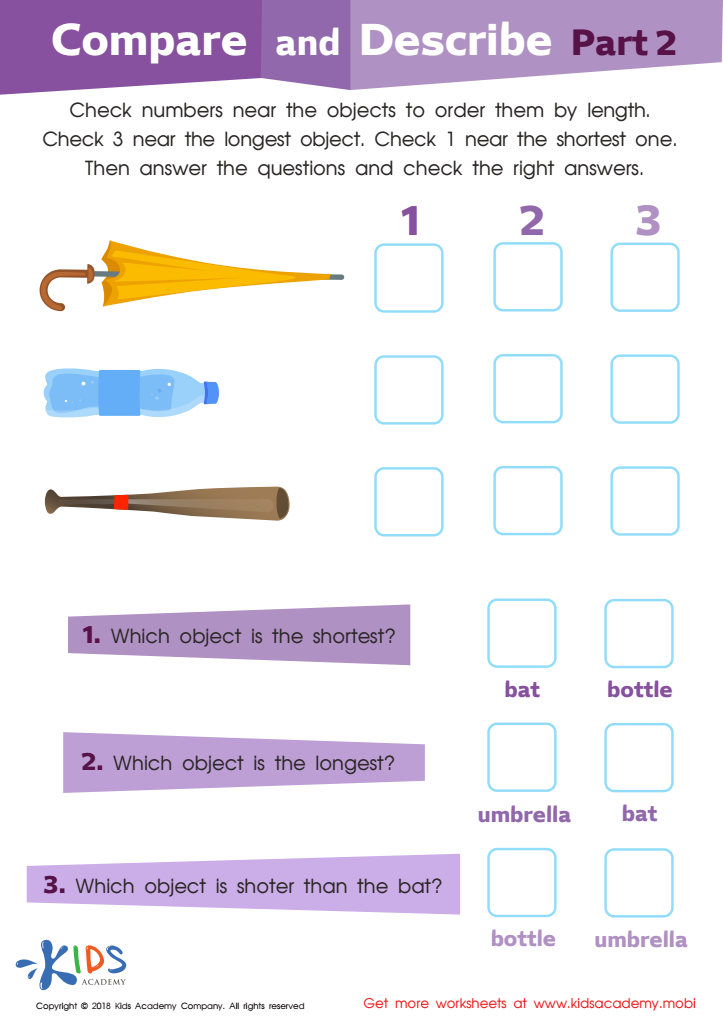
Compare and Describe: Part 2 Worksheet
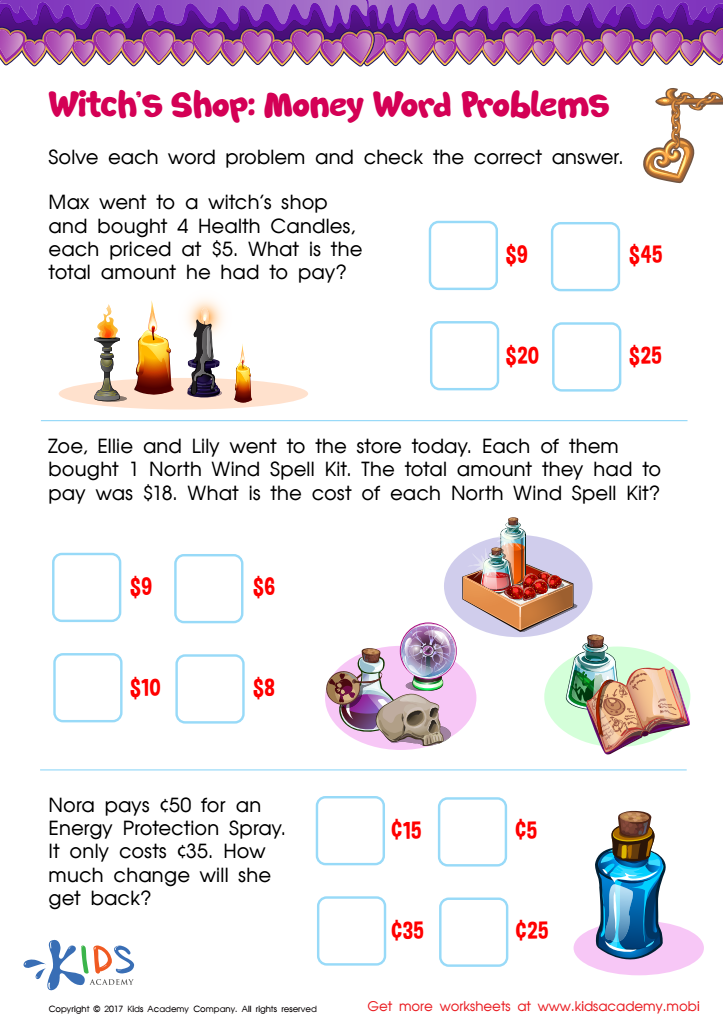
Money Word Problems Printable
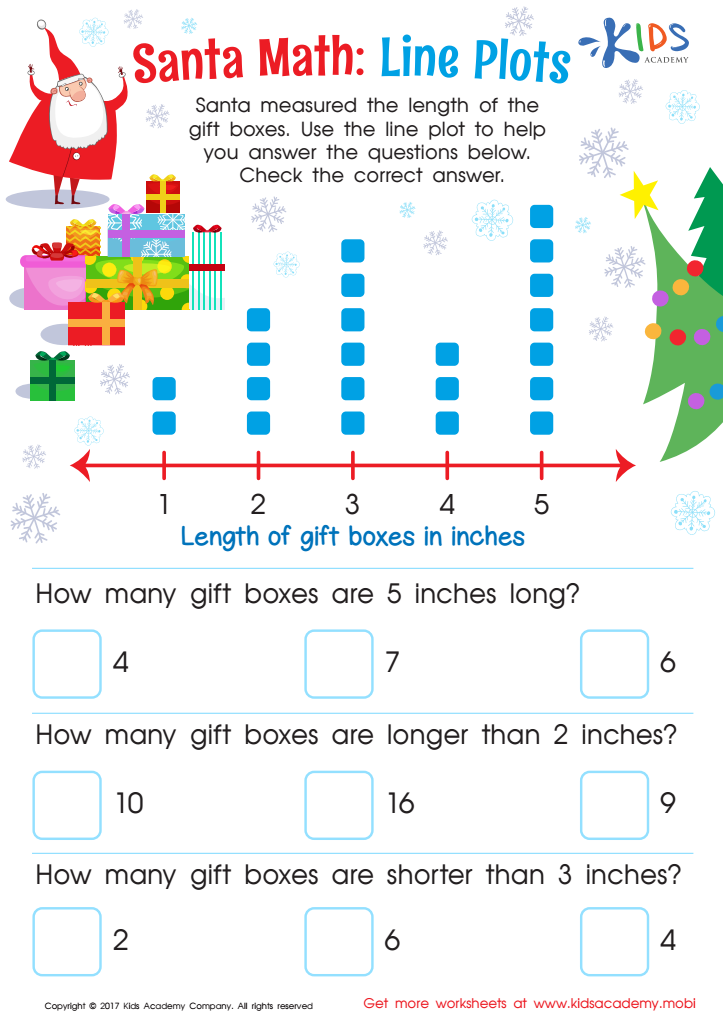
Line Plot Worksheet
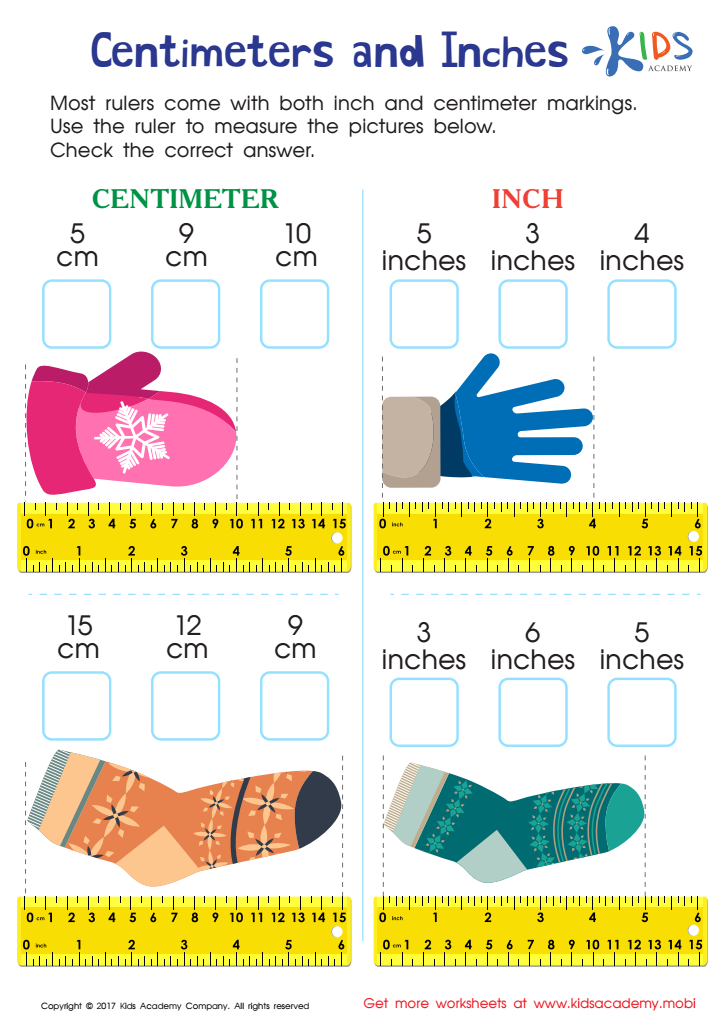
Centimeters and Inches Worksheet
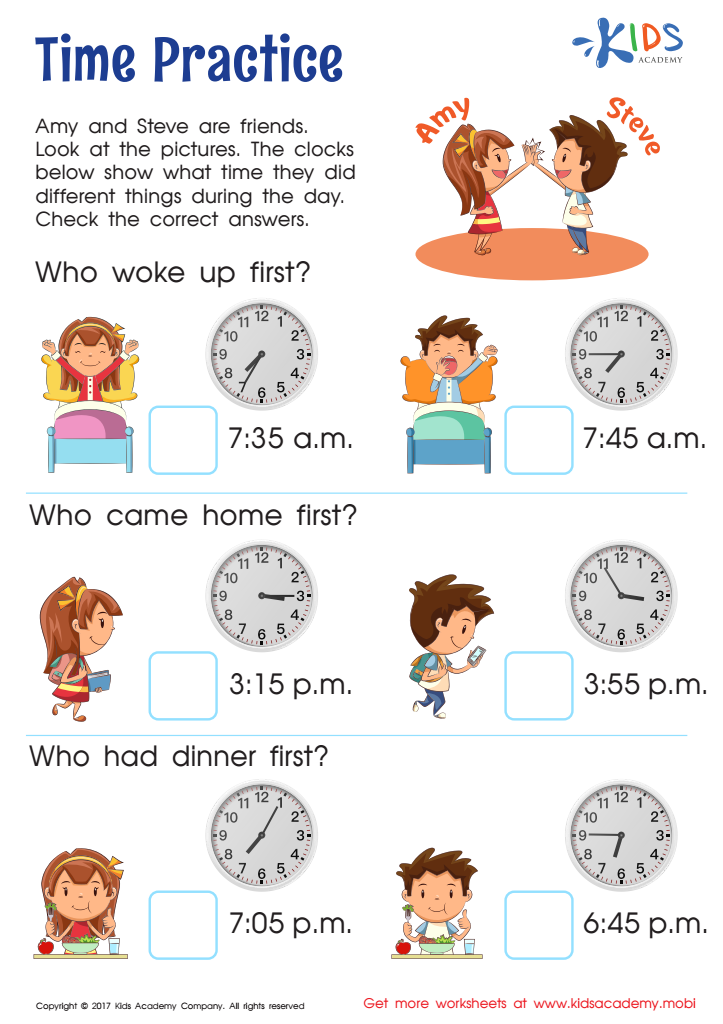
Time Practice Worksheet
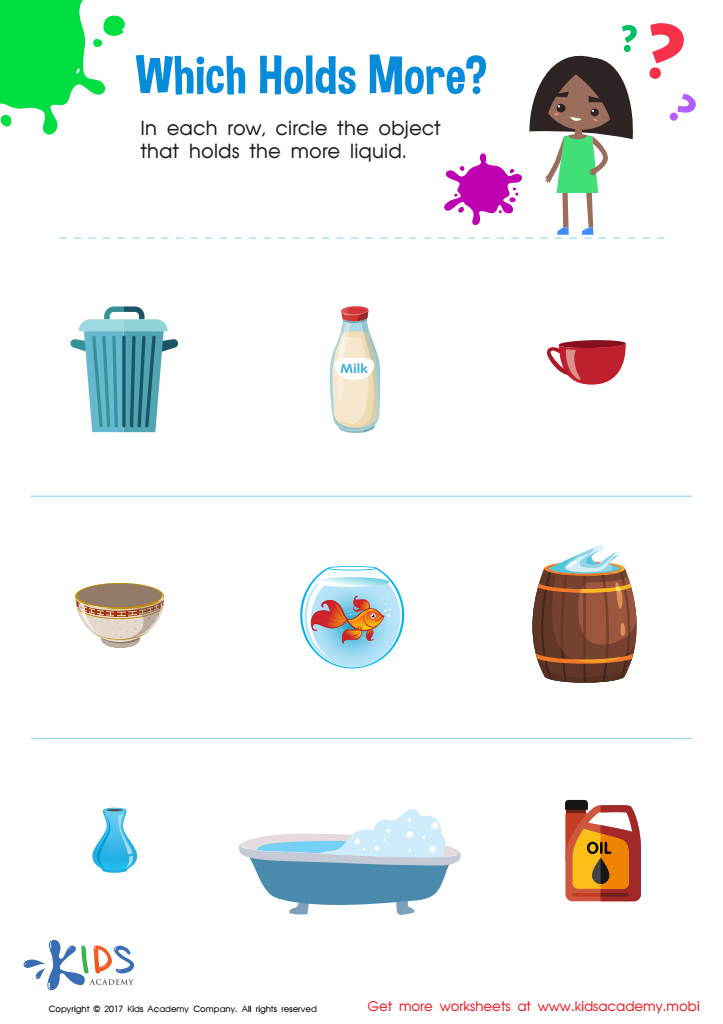
Which Holds More: Capacity Worksheet
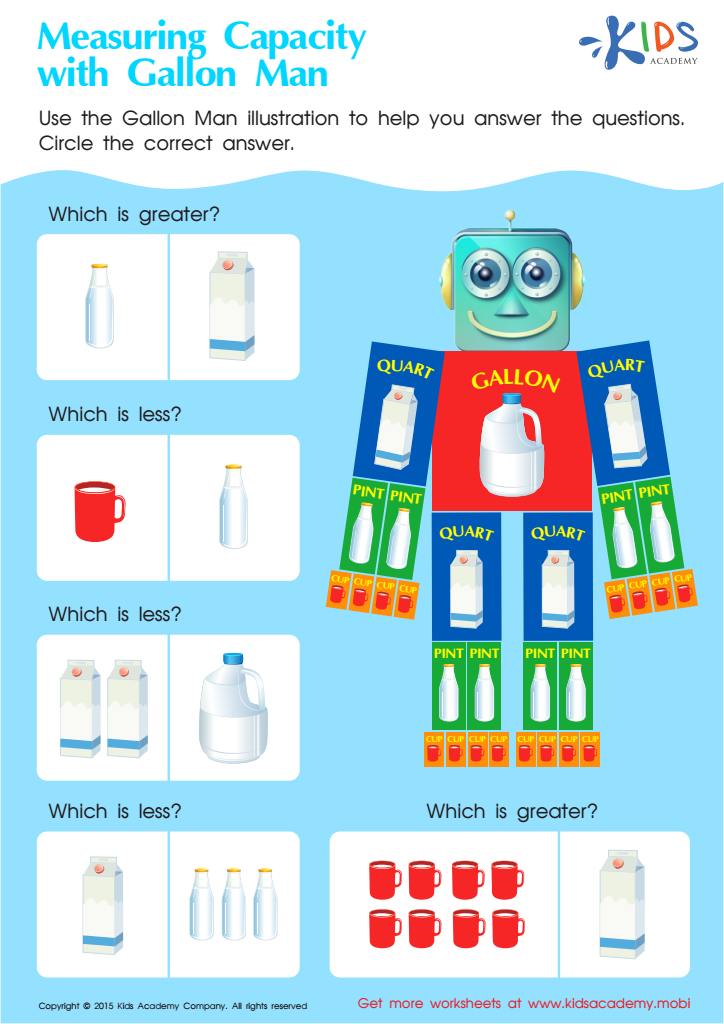
Measurement: Measuring Capacity with Gallon Man Worksheet
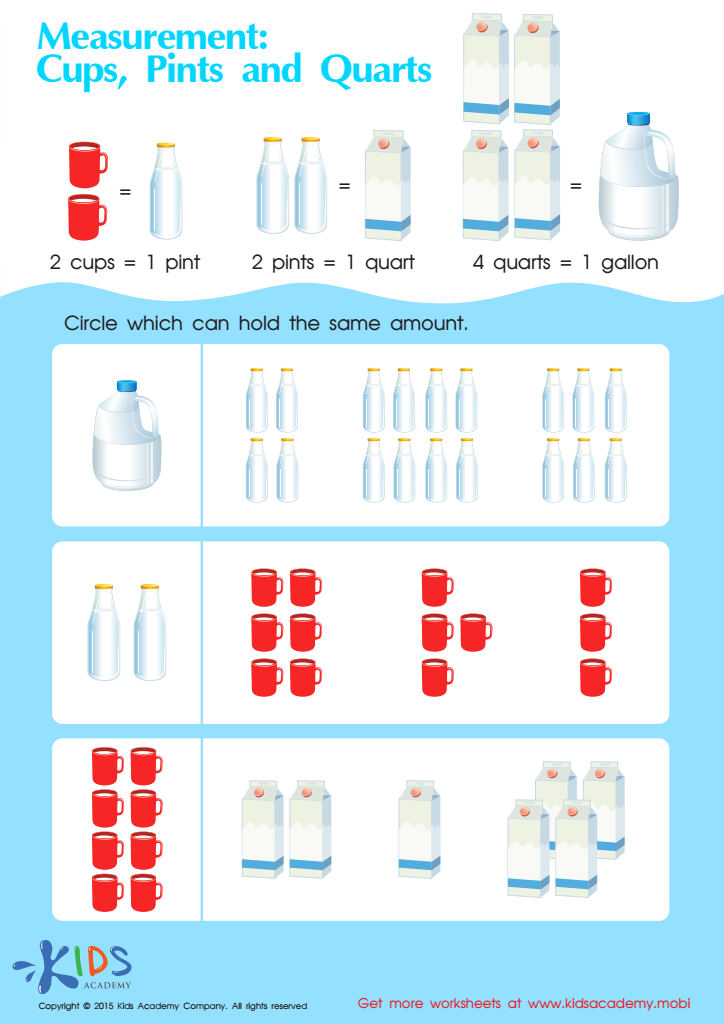
Cups, Pints and Quarts 2 Worksheet








Normal measurement, typically involving the assessment of children's height, weight, and developmental milestones, is crucial for ages 3 to 7 as it significantly impacts early childhood development. During these formative years, children undergo rapid physical, emotional, and cognitive changes. Monitoring their growth through normal measurement ensures they are on track in these areas, which is vital for their overall health and well-being.
Parents and teachers should care because deviations from normal growth ranges can signal underlying health issues or developmental delays. Early identification facilitates timely interventions, helping children maximize their potential. Moreover, understanding these measurements allows adults to support healthy lifestyle choices, guiding the children towards proper nutrition and physical activity.
Additionally, normal measurements can inform educational strategies, ensuring differentiated instruction tailored to a child's physical and developmental needs. For educators, incorporating this information into lesson planning allows for inclusive environments that cater to diverse abilities.
Ultimately, regular assessment emphasizes the collaboration between home and school, fostering a supportive system that prioritizes children's holistic development. By caring about normal measurement, parents and teachers can better advocate for and nurture the growth of young learners.








