Normal Worksheets for Ages 3-8 - Page 68
1638 filtered results
-
From - To
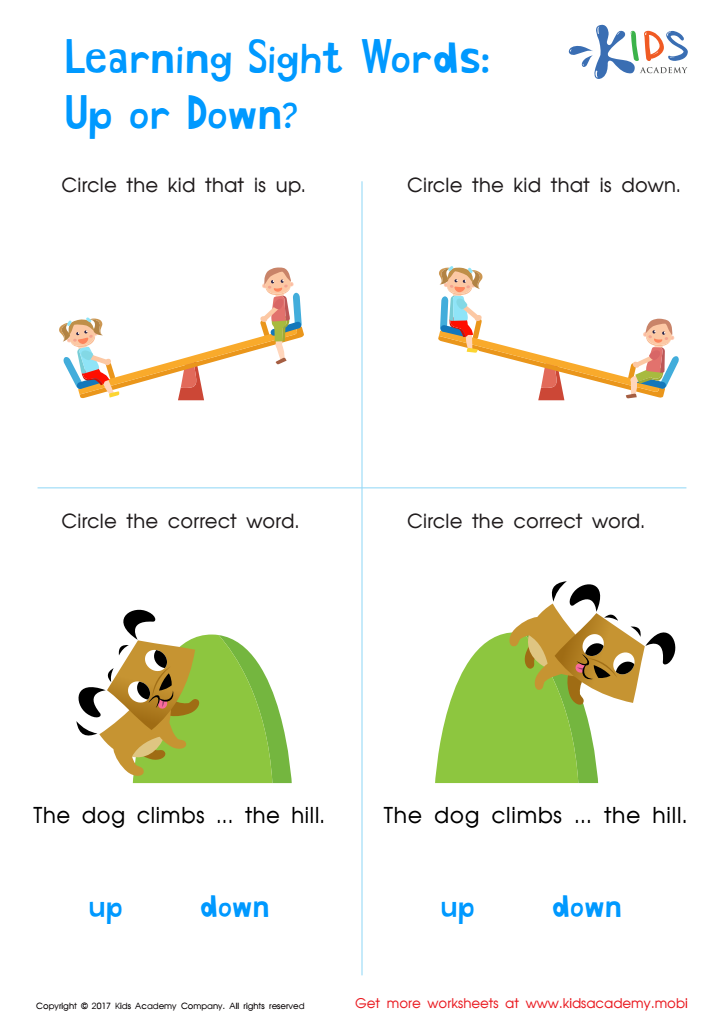
Up or Down Printable Sight Words Worksheet
 Assign to My Students
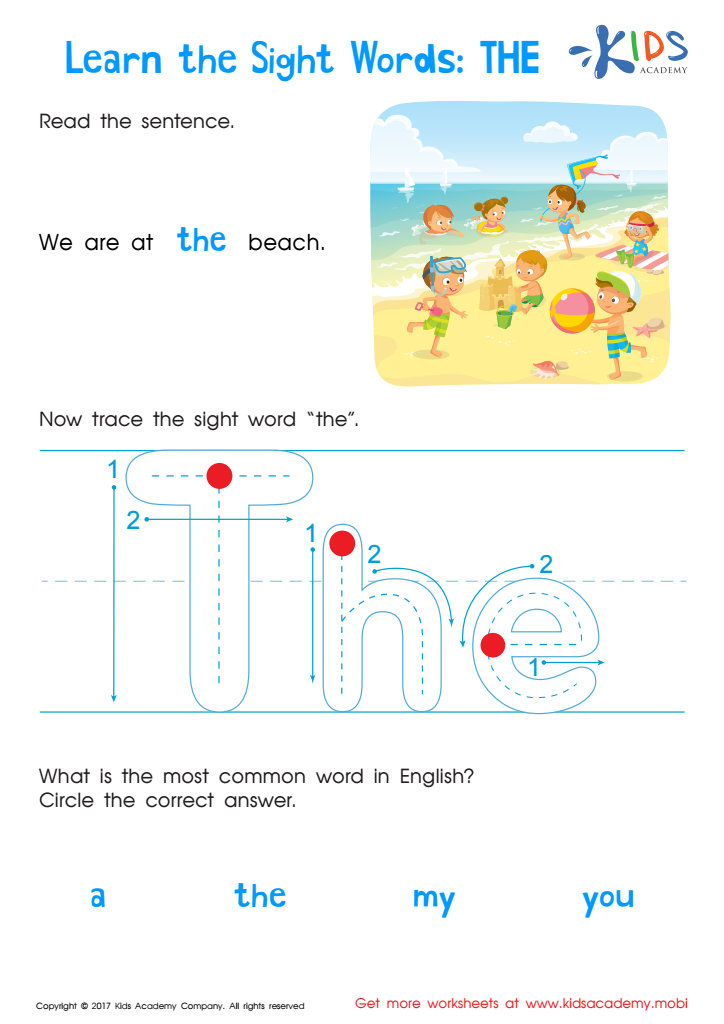
Sight Words: The Worksheet
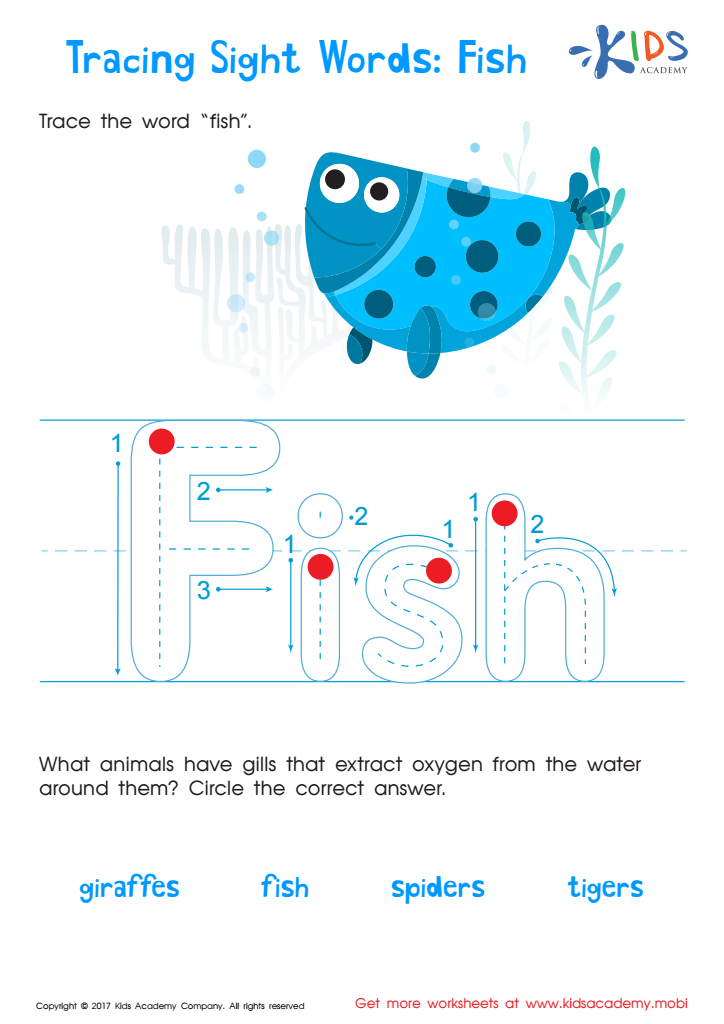
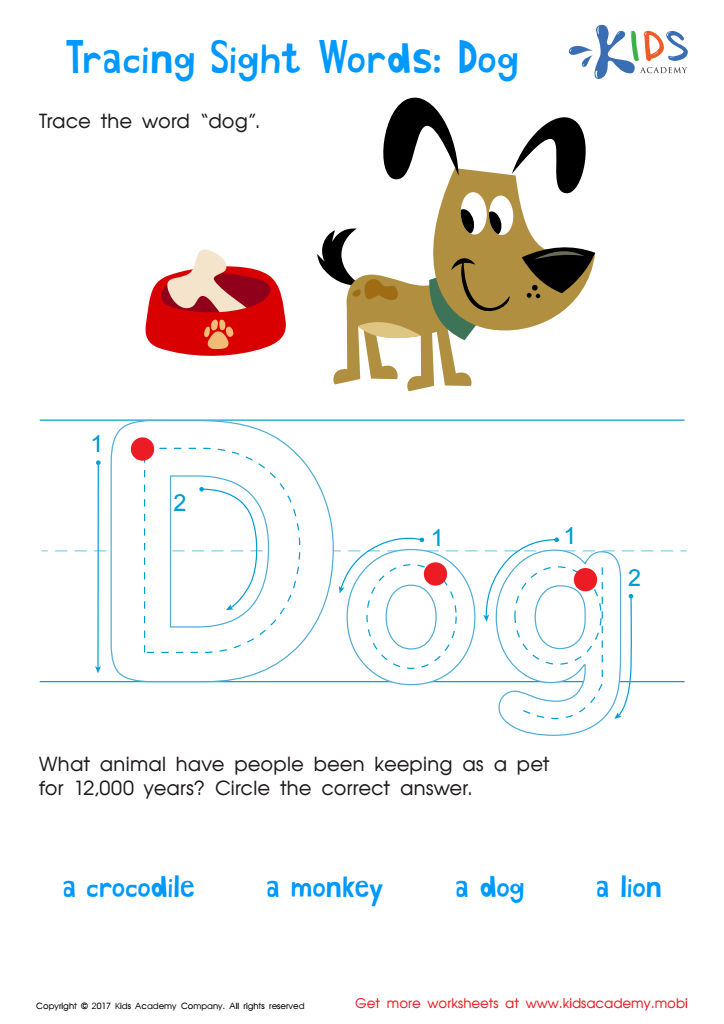
Dog Worksheet Sight Words Worksheet
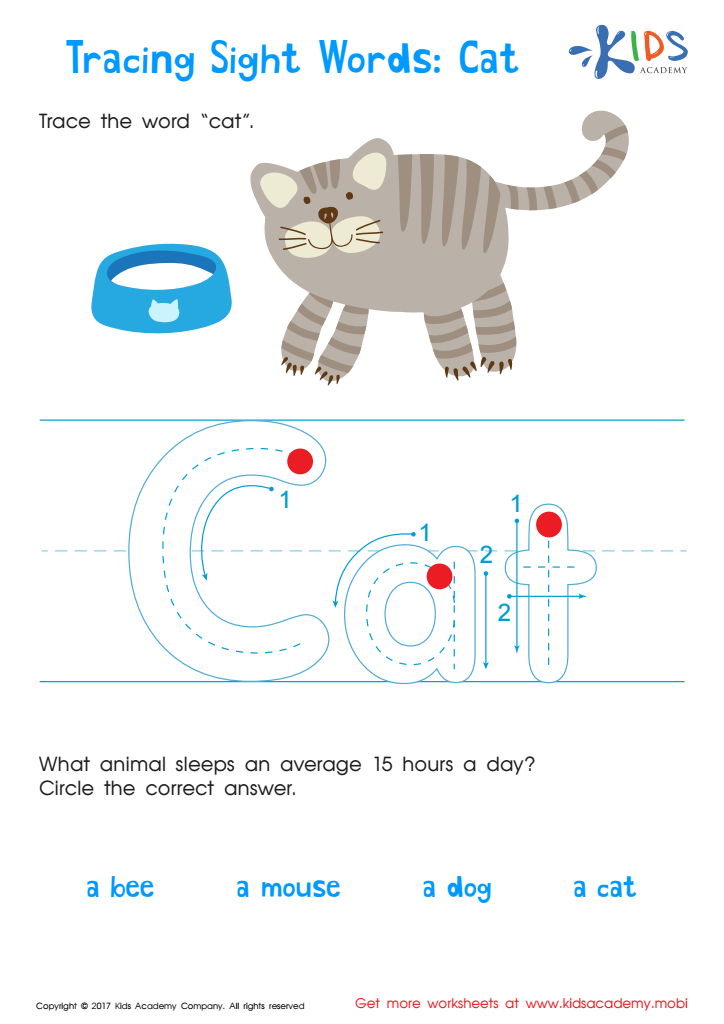
Cat Printable Sight Words Worksheet
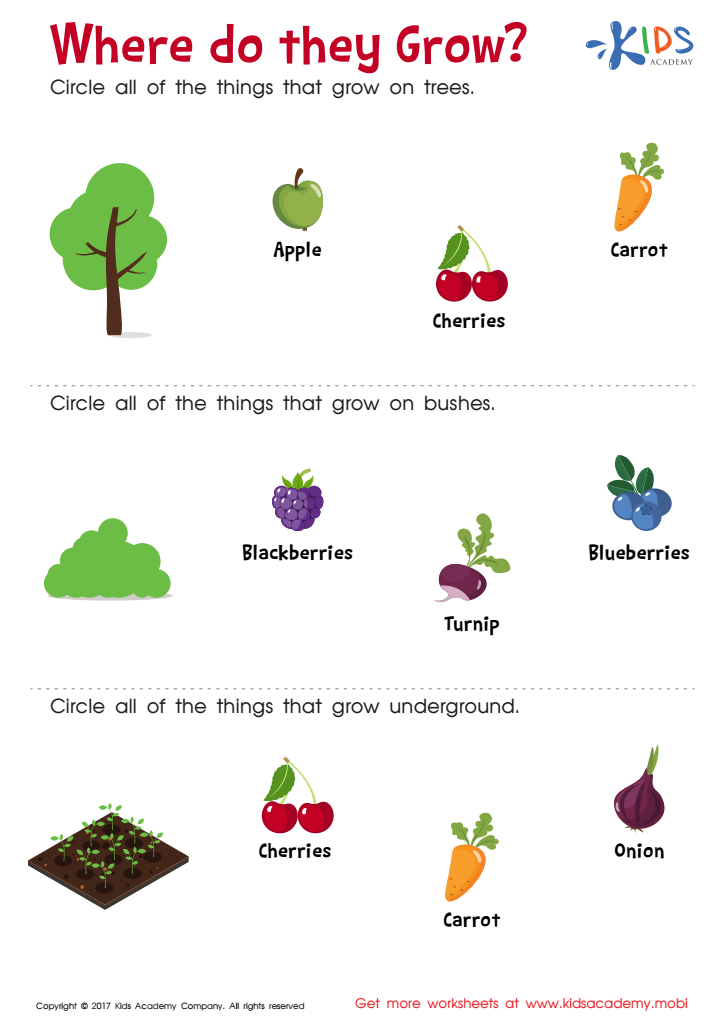
Where Do They Grow Worksheet
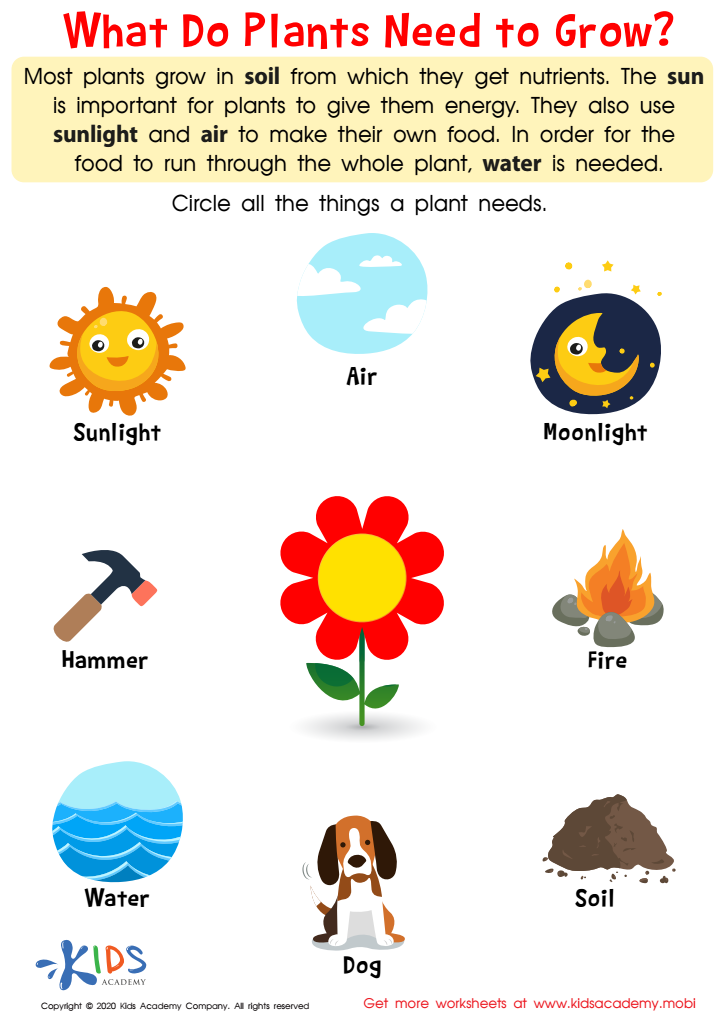
What Do Plants Need to Grow Worksheet
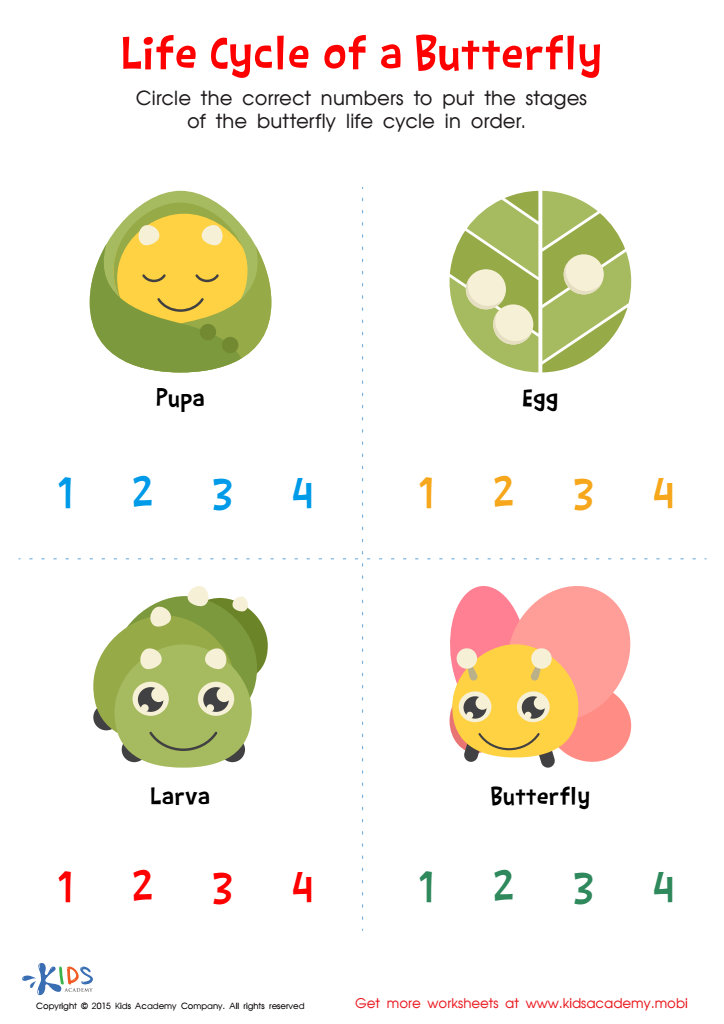
Life Cycle of Butterfly Printable
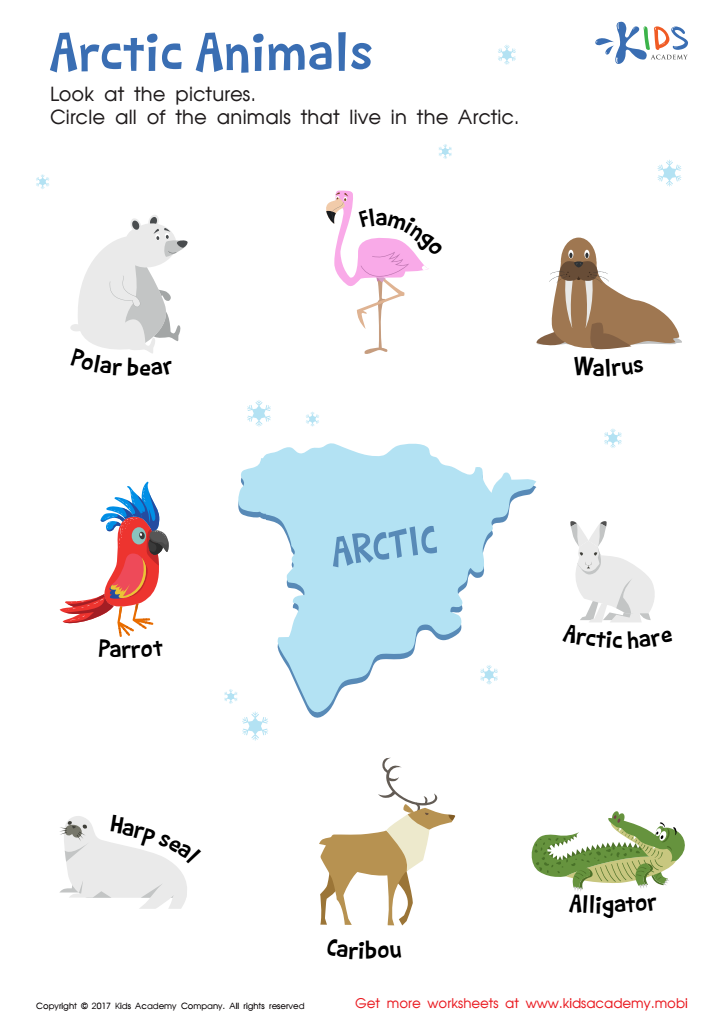
Arctic Animals Worksheet
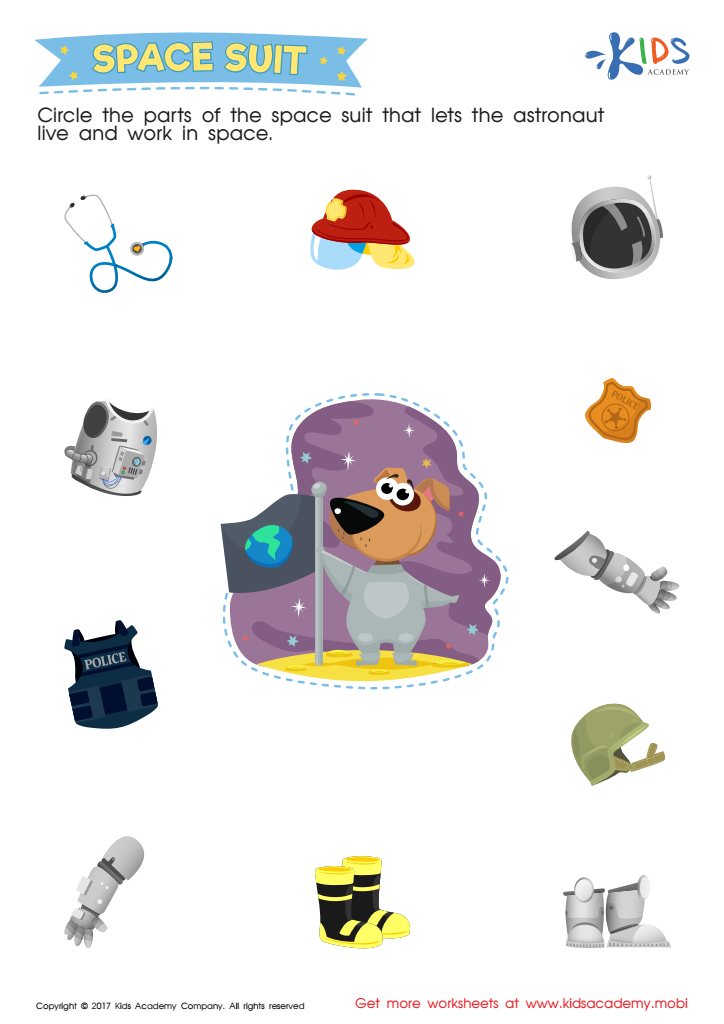
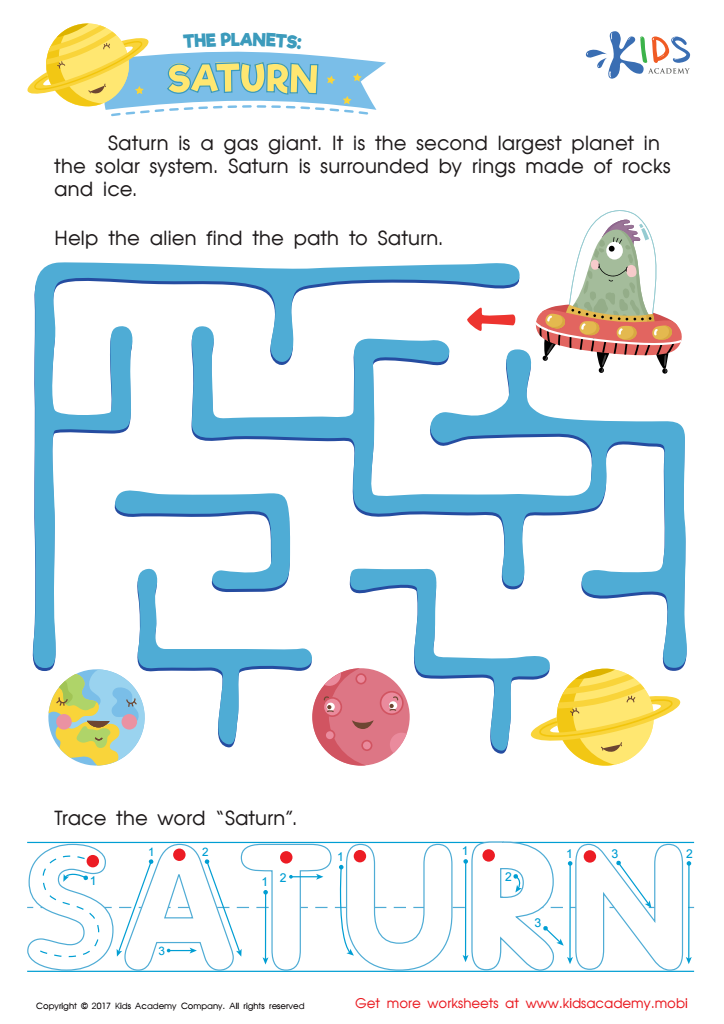
The Planets: Saturn Printable
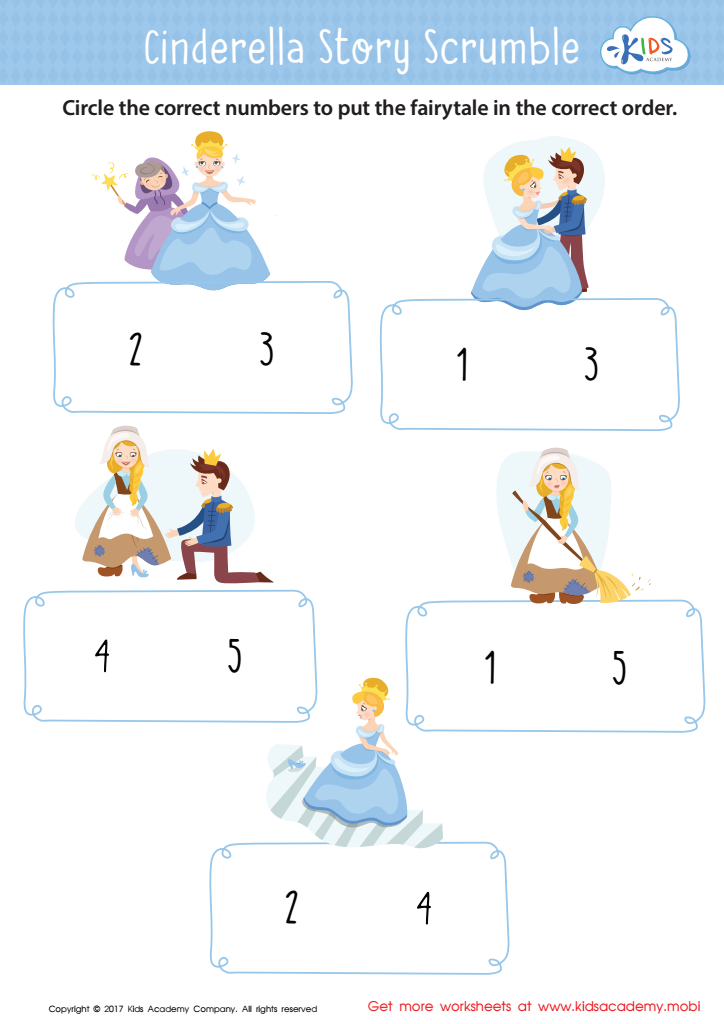
Cinderella Story Sequencing Worksheet
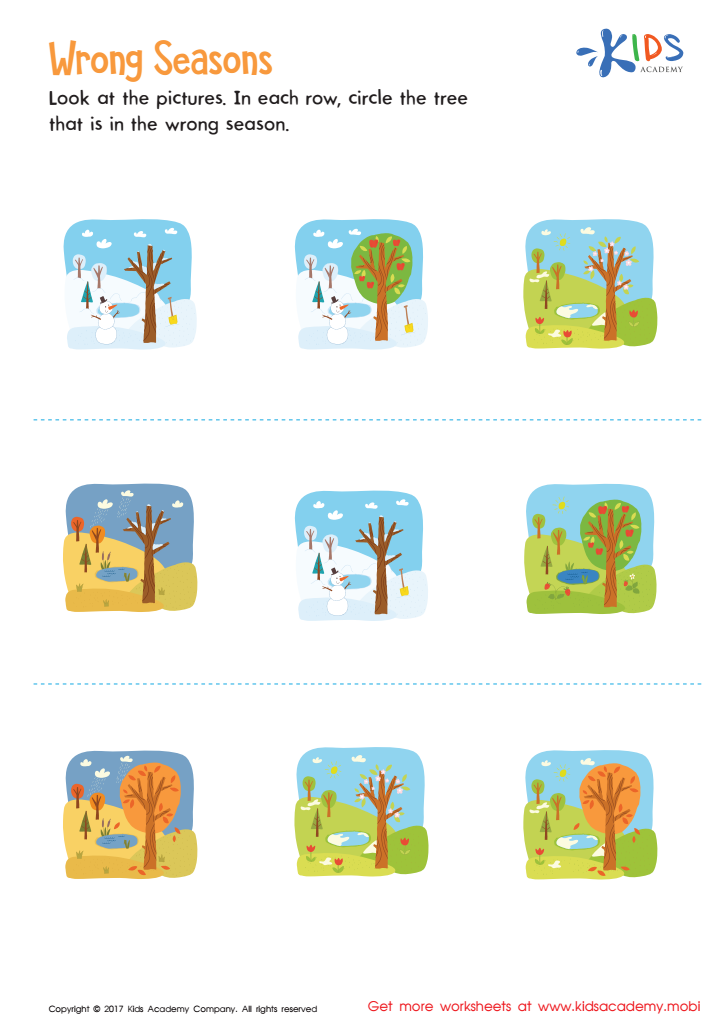
Wrong Seasons Worksheet
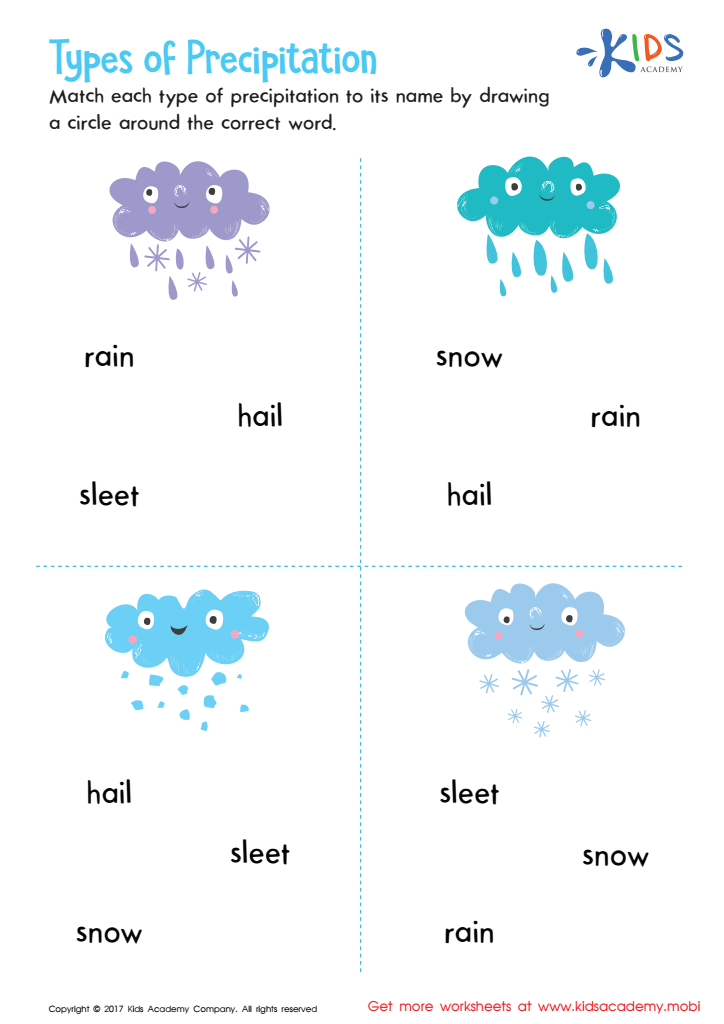
Types of Precipitation Printable
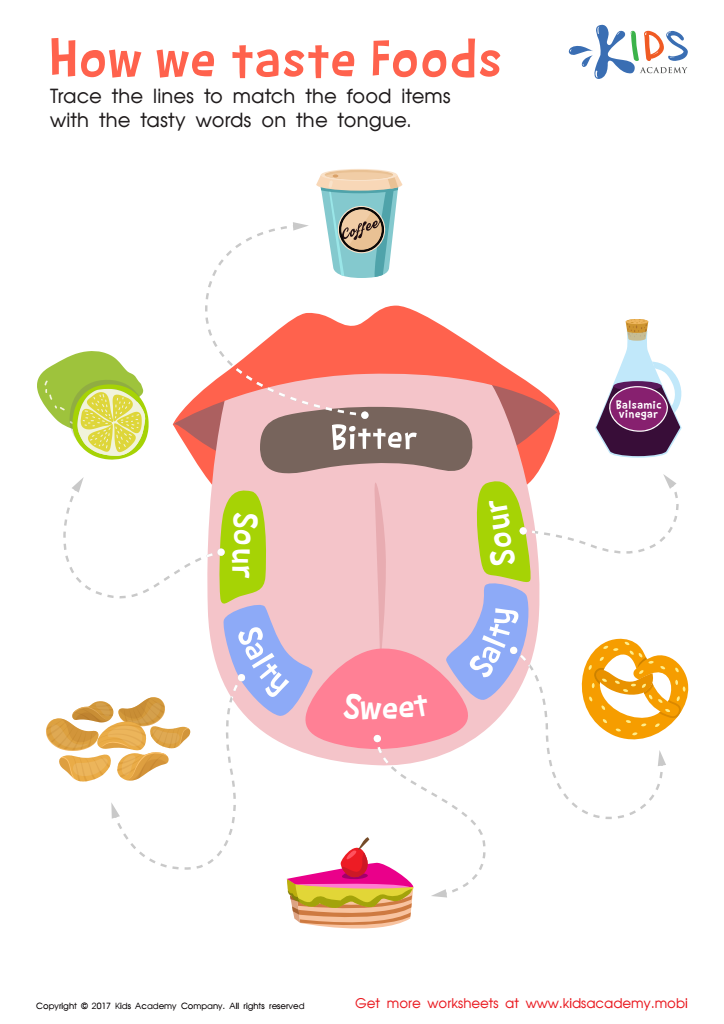
How We Taste Foods Worksheet
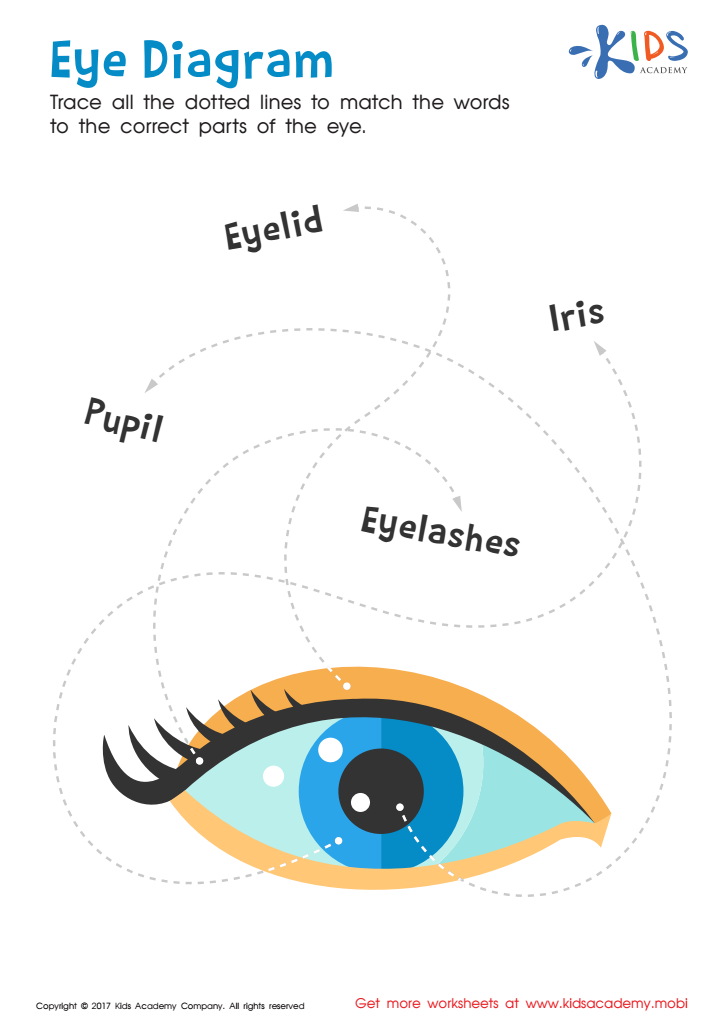
Eye Diagram Printable
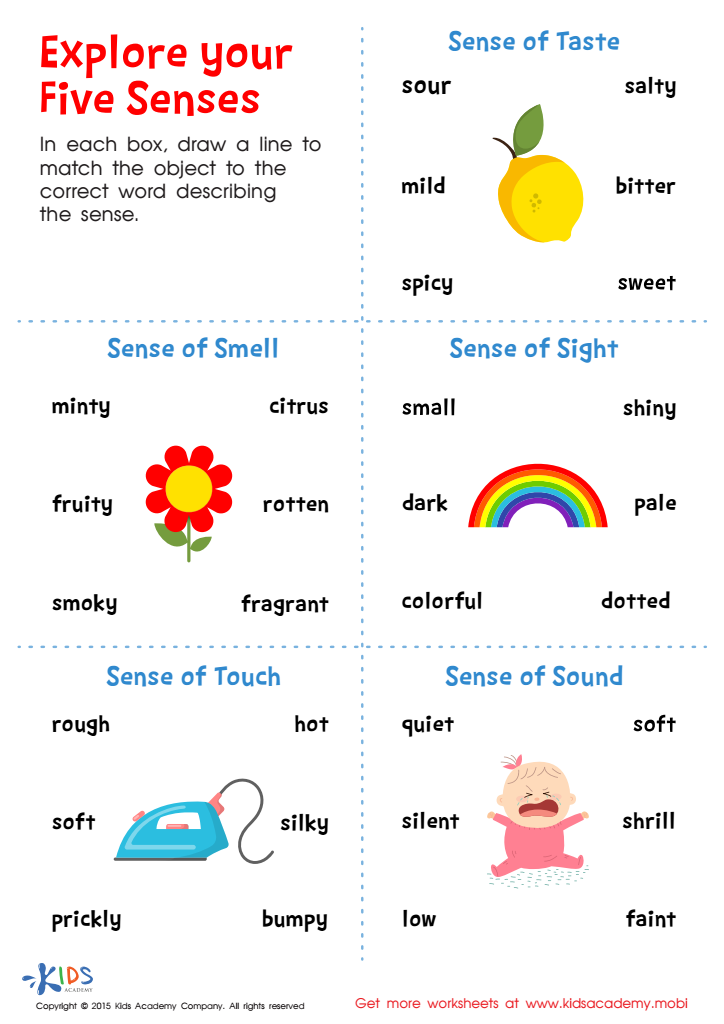
Explore Your Five Senses Printable
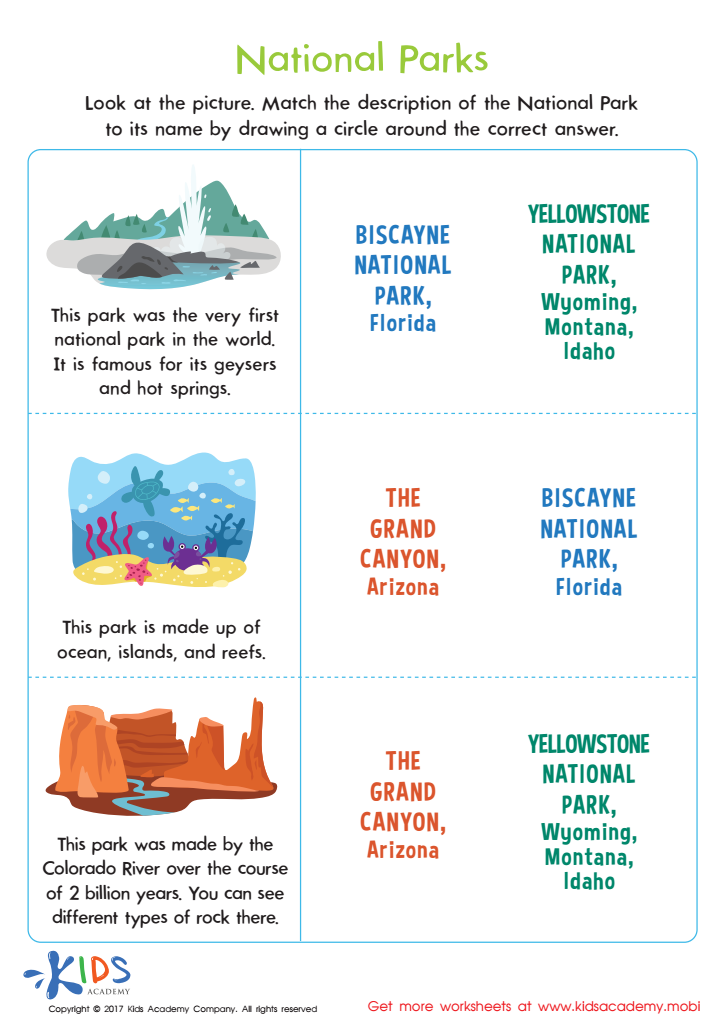
National Parks Printable
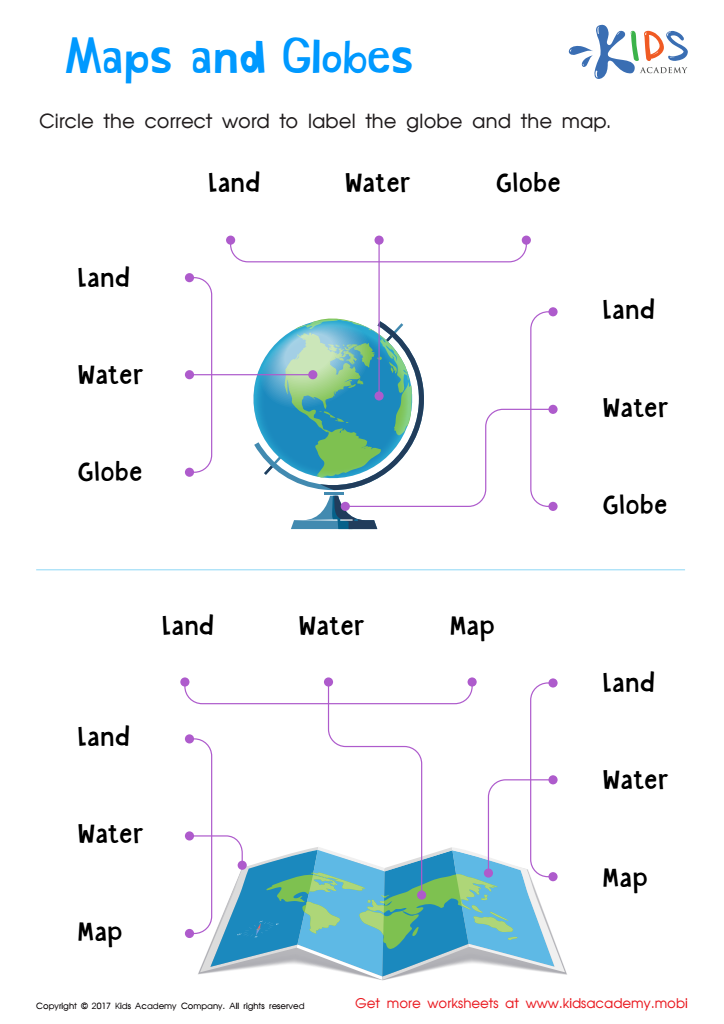
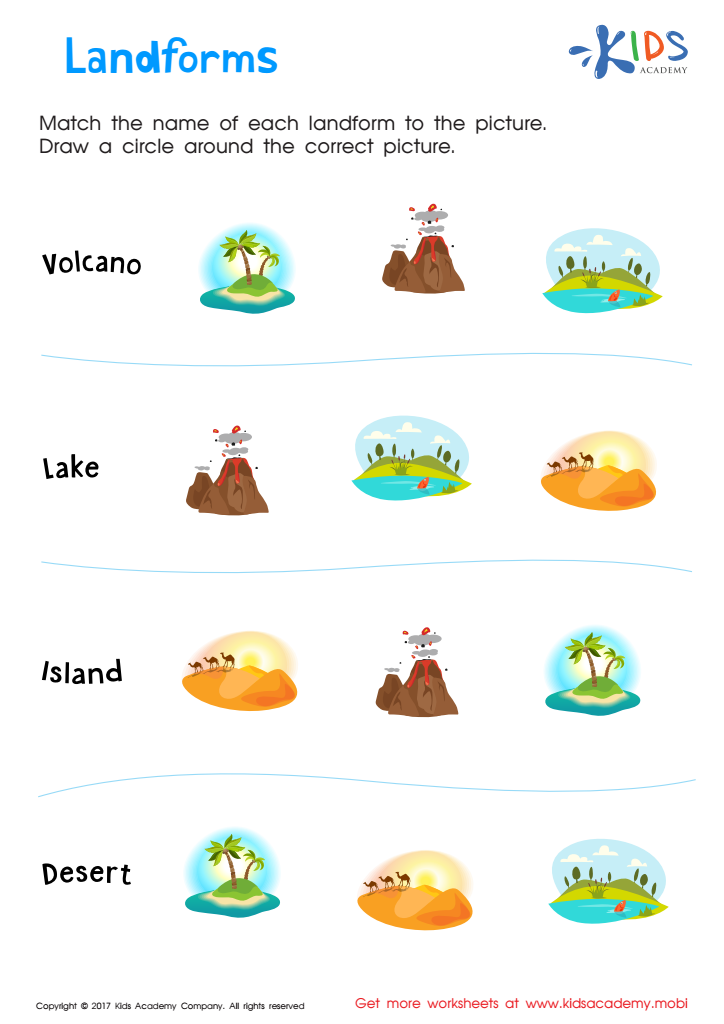
Landforms Printable
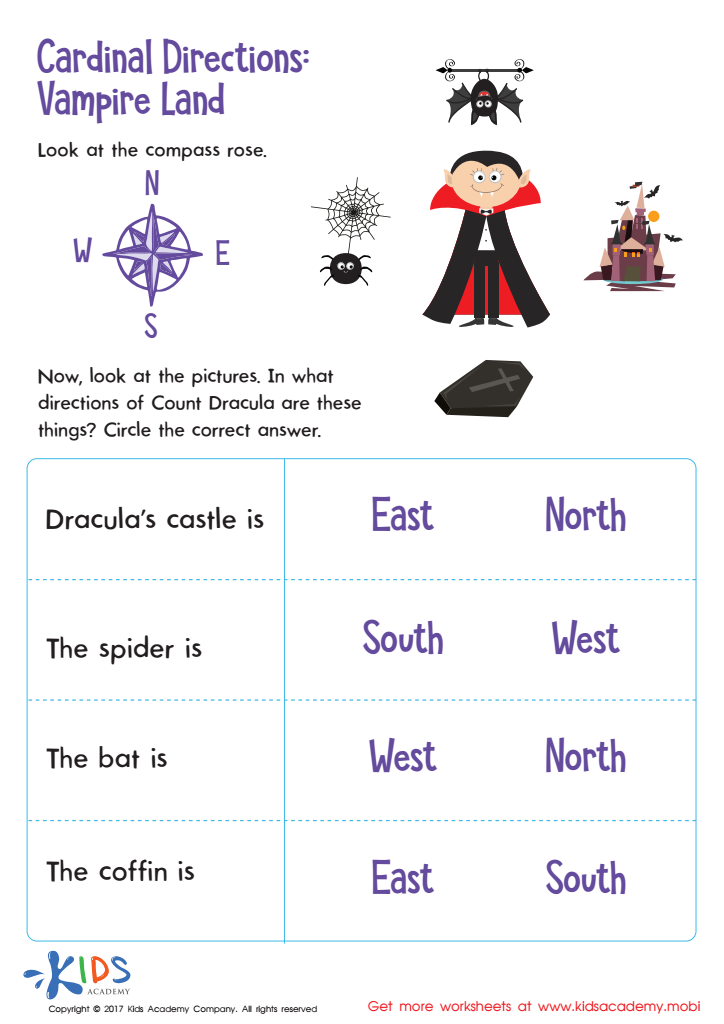
Cardinal Directions Printable








Parents and teachers should care deeply about developmental norms for ages 3-8 because these benchmarks offer vital insights into a child's growth across various domains, such as cognitive development, language skills, social-emotional learning, and physical abilities. Understanding these norms enables adults to identify and support children's strengths while addressing potential developmental delays or concerns early on. For instance, catching a lag in language development might prompt timely interventions, fostering better communication skills as the child grows.
Additionally, awareness of these norms guides parents and teachers in creating age-appropriate learning environments and experiences that are both challenging and achievable for children. It ensures that expectations are realistic and aligned with the child's current stage of development, avoiding undue pressure and promoting a sense of accomplishment.
Moreover, understanding developmental norms fosters stronger home-school partnerships. When teachers communicate effectively with parents about their child's developmental progress and needs, it encourages consistency and collaboration in support strategies, enhancing the overall effectiveness of educational and developmental initiatives.
In essence, cognizance of normal developmental milestones for young children is critical for nurturing well-rounded individuals equipped to face future academic and social challenges. It helps create a supportive, structured, and empathetic approach to guiding children through their formative years.








