Normal Subtraction Worksheets for Ages 3-8 - Page 2
29 filtered results
-
From - To
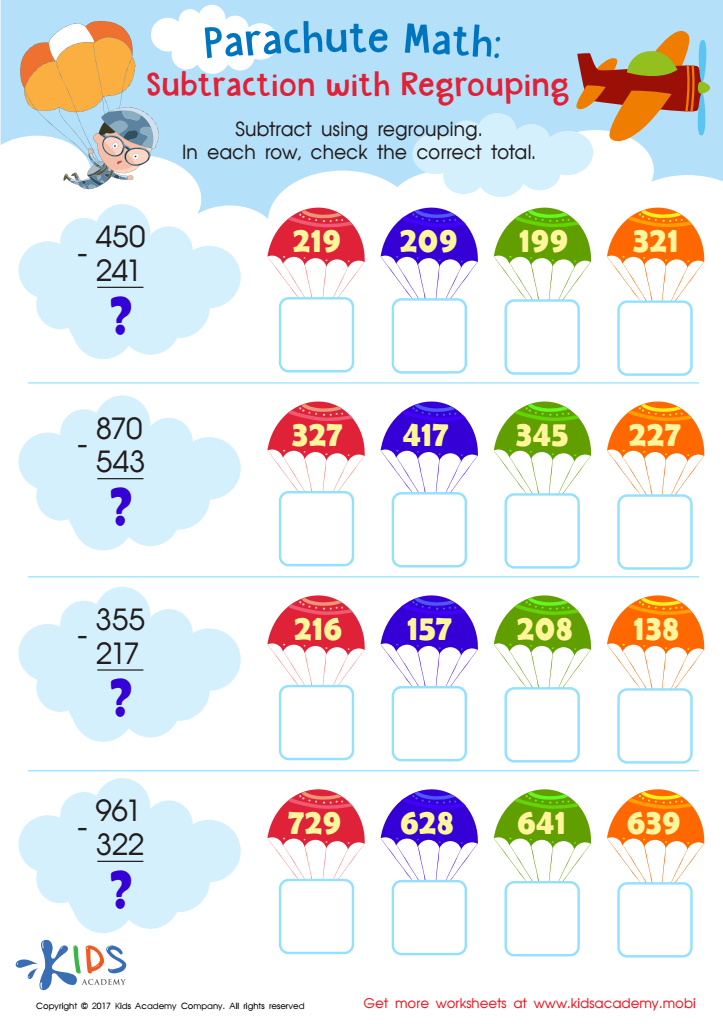
Subtraction with Regrouping for 3rd Grade Worksheet
 Assign to My Students
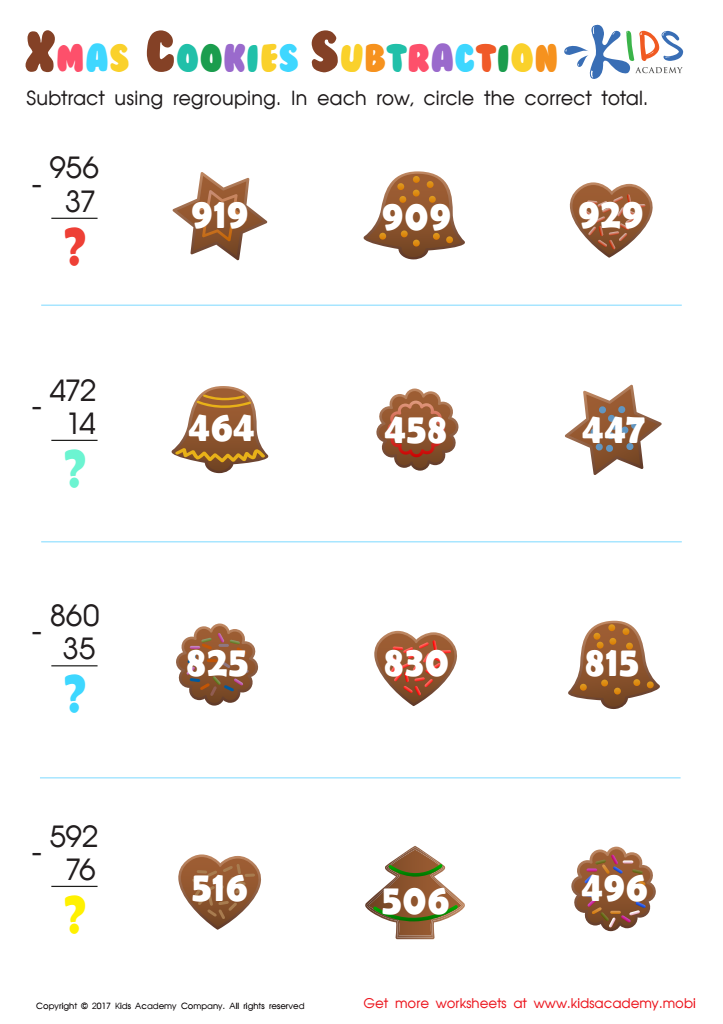
Three Digits Addition with Regrouping Worksheet
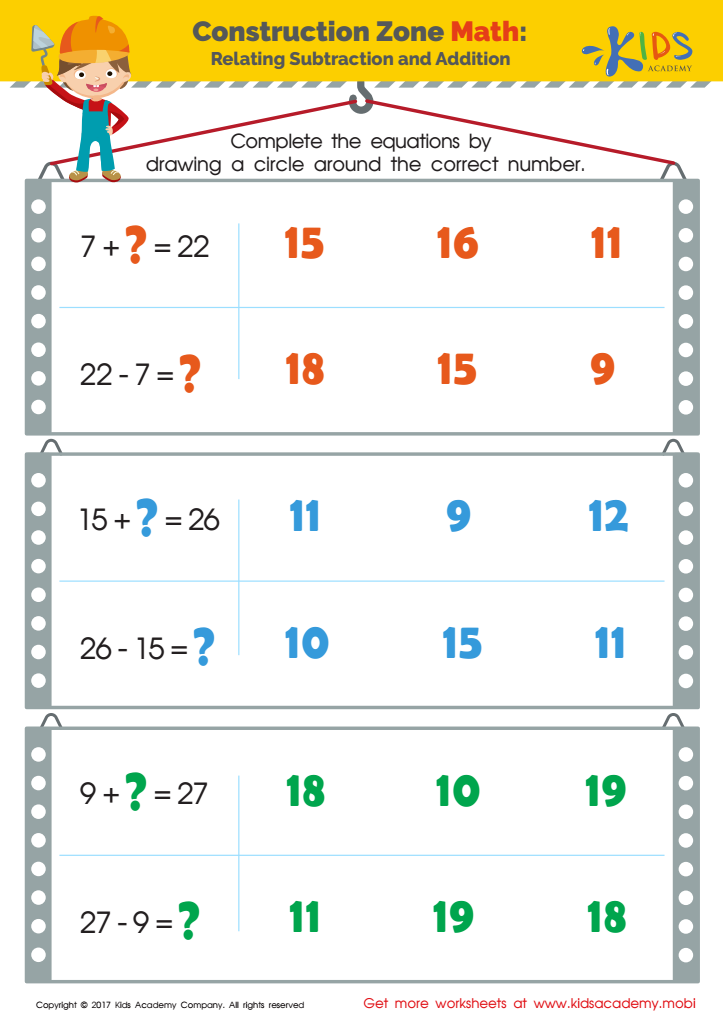
Related Addition and Subtraction Facts Worksheet
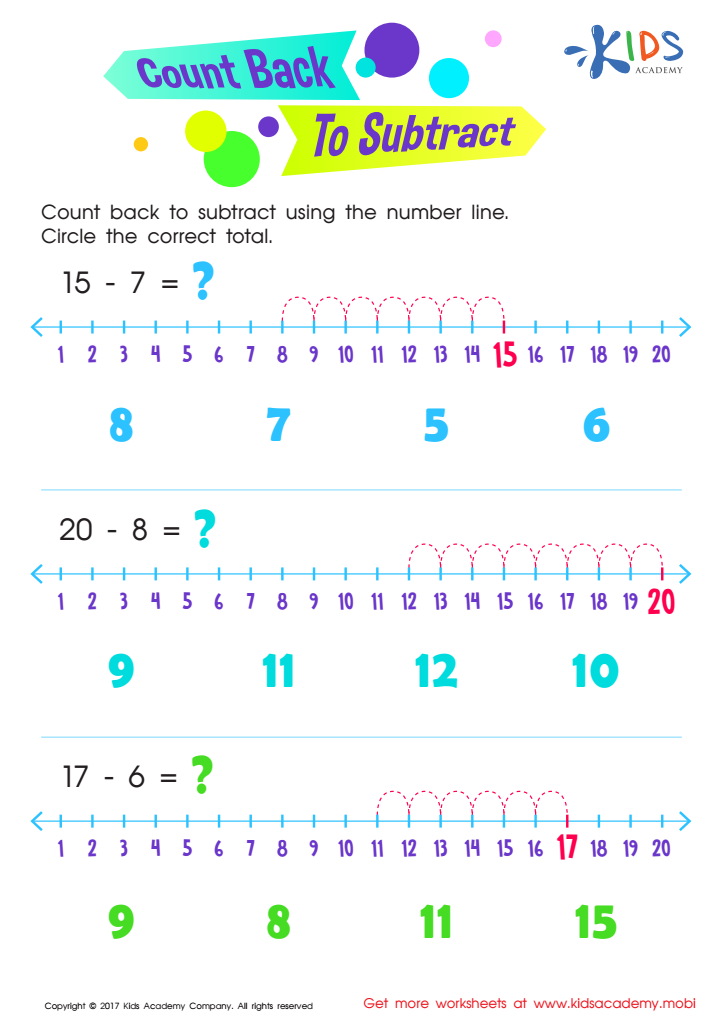
Count Back to Subtract Substraction Worksheet
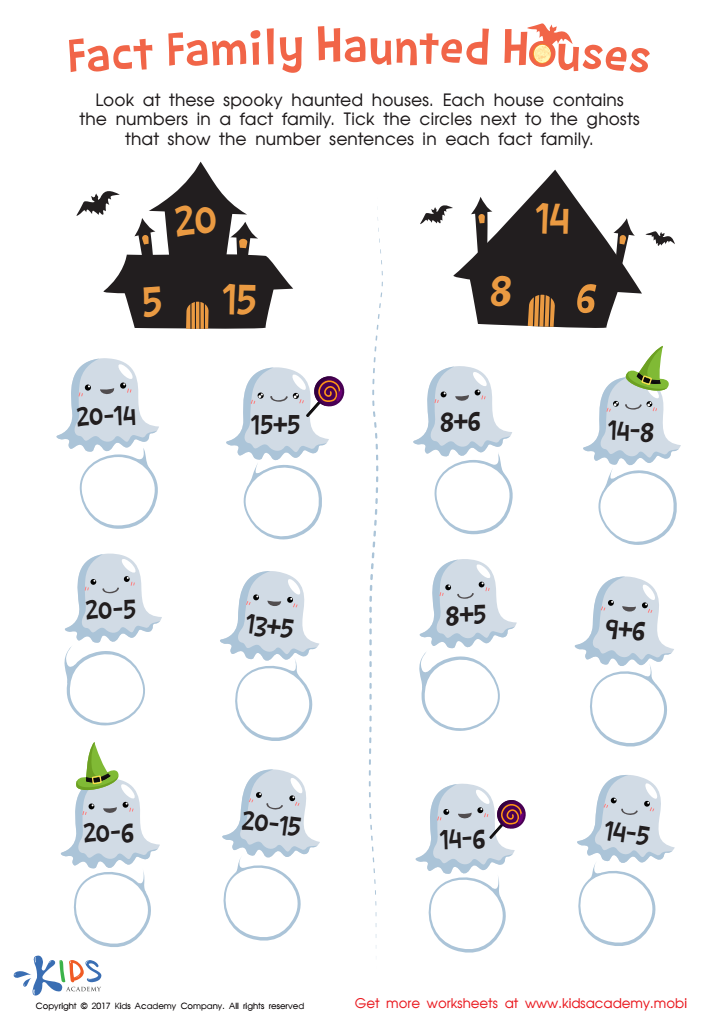








Normal subtraction is a foundational math skill crucial for children ages 3-8, helping to build a strong mathematical base essential for future learning. Parents and teachers should care about normal subtraction for several key reasons.
First, understanding subtraction enhances critical thinking and problem-solving skills. When children learn to subtract, they practice figuring out how to break down complex problems into manageable steps, fostering analytical thinking.
Second, subtraction is used in everyday life. From counting change at a store to divvying up snacks, basic subtraction applications are everywhere. Teaching subtraction helps children make sense of the world around them.
Third, subtraction lays the groundwork for more advanced math topics. Mastery of basic math operations like subtraction is necessary before children can tackle higher-level concepts such as algebra, geometry, and division. Without a solid understanding of subtraction, students may struggle with these later subjects.
Lastly, learning subtraction can boost a child's confidence in math. Feeling competent in subtraction builds a sense of achievement and positive attitude towards learning, encouraging them to tackle more complex challenges with enthusiasm.
Therefore, by ensuring children grasp normal subtraction early on, parents and teachers support their overall cognitive development, ease daily functioning, and prepare them for academic success in more advanced areas of math.