Normal Word Problems Worksheets for Ages 3-8 - Page 2
45 filtered results
-
From - To
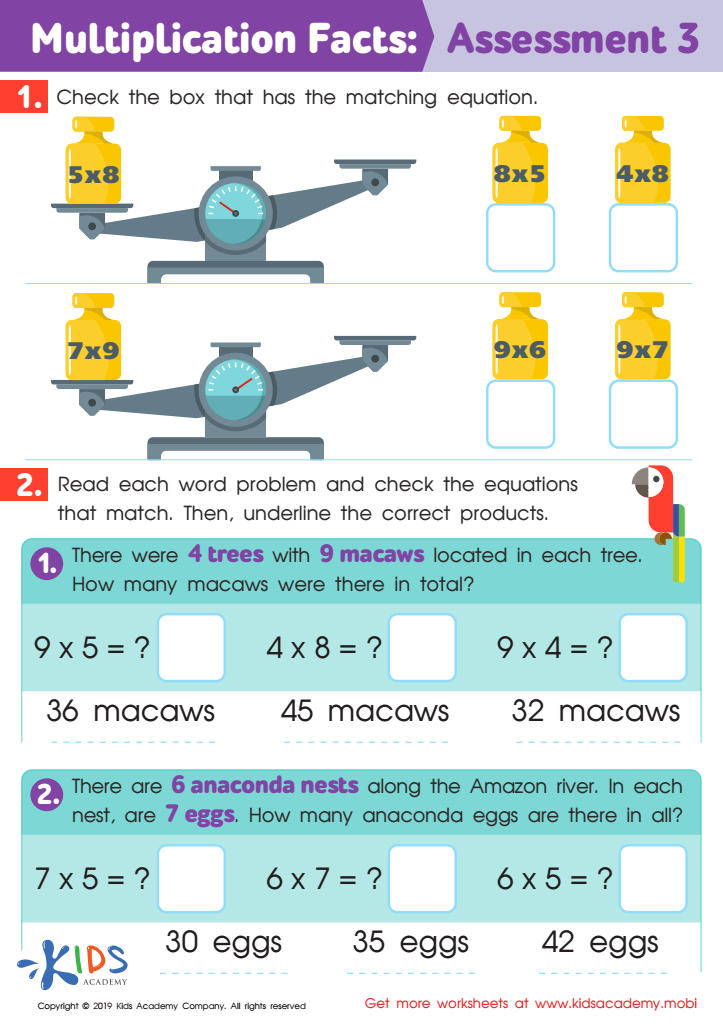
Multiplication Facts: Assessment 3 Worksheet
 Assign to My Students
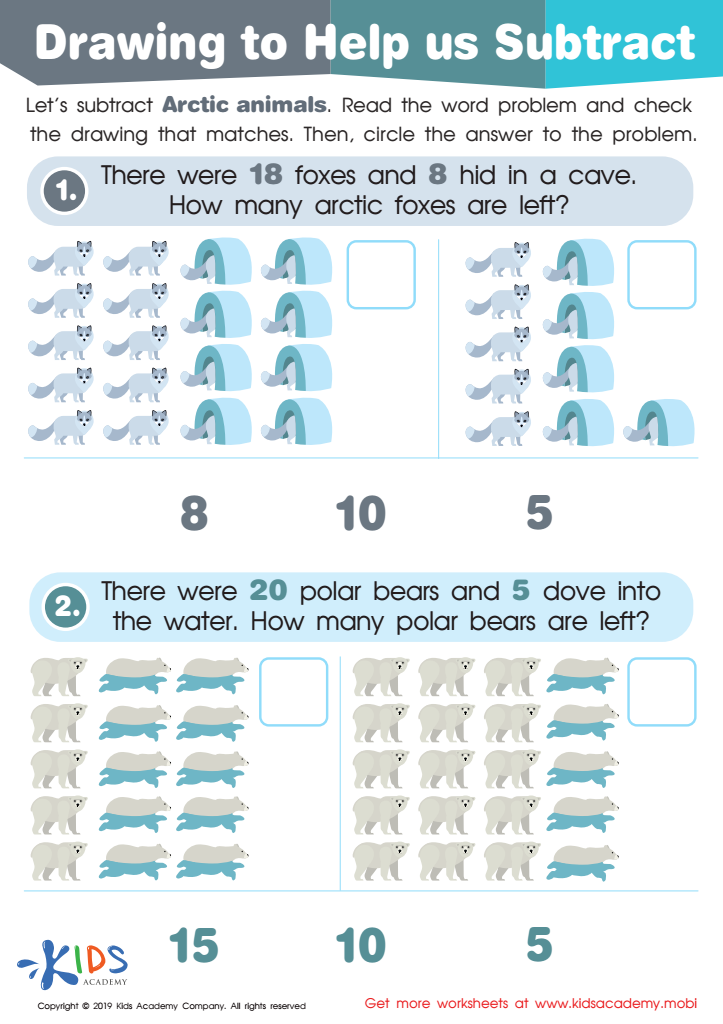
Drawing to Help Us Subtract Worksheet
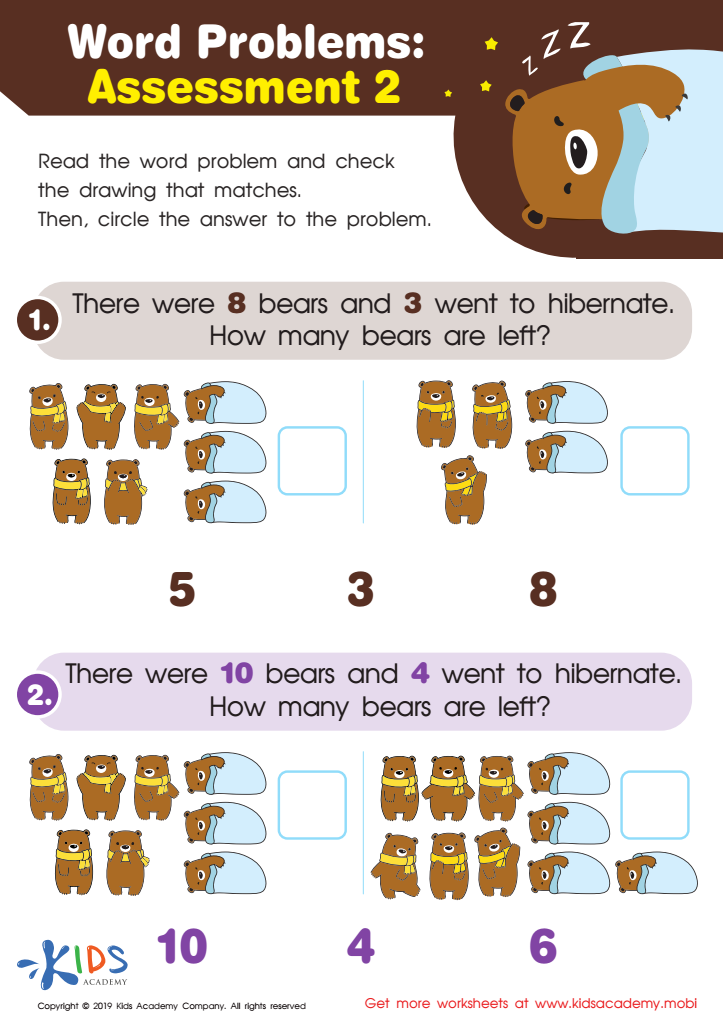
Word Problems: Assessment 2 Worksheet
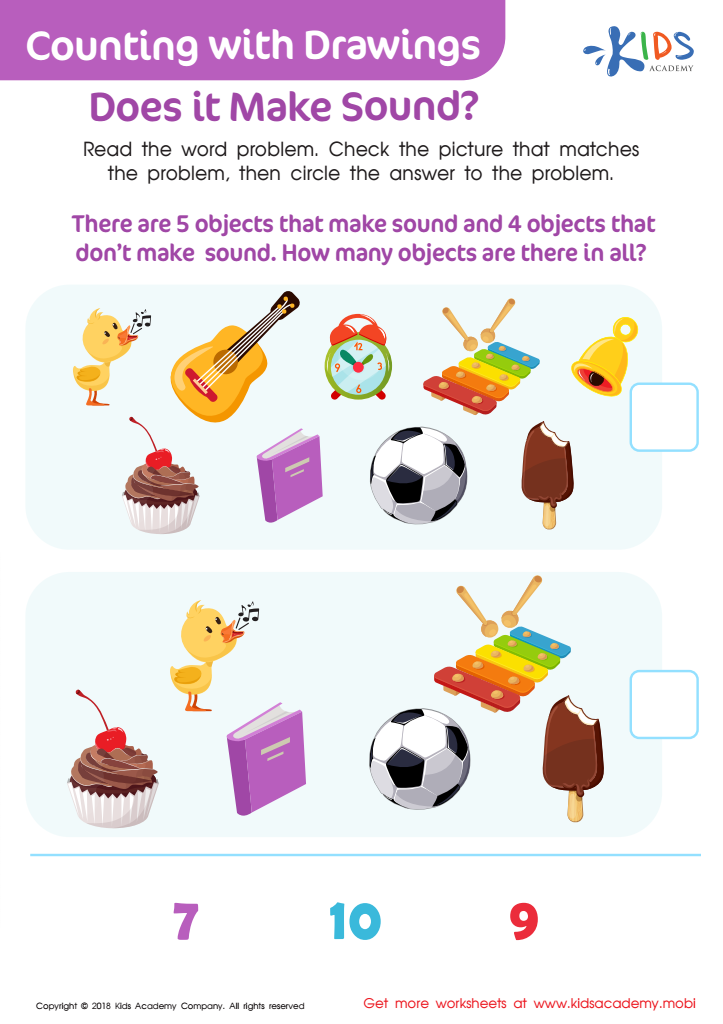
Counting With Drawings. Does It Make Sound? Worksheet
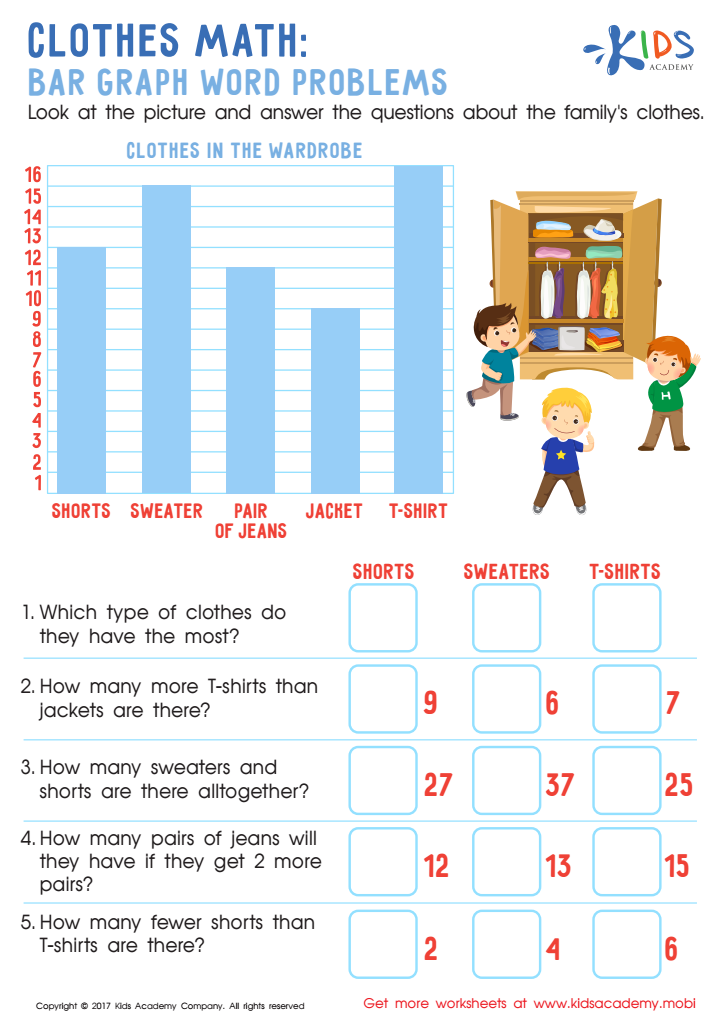
Clothes Math: Bar Graph Word Problems Worksheet
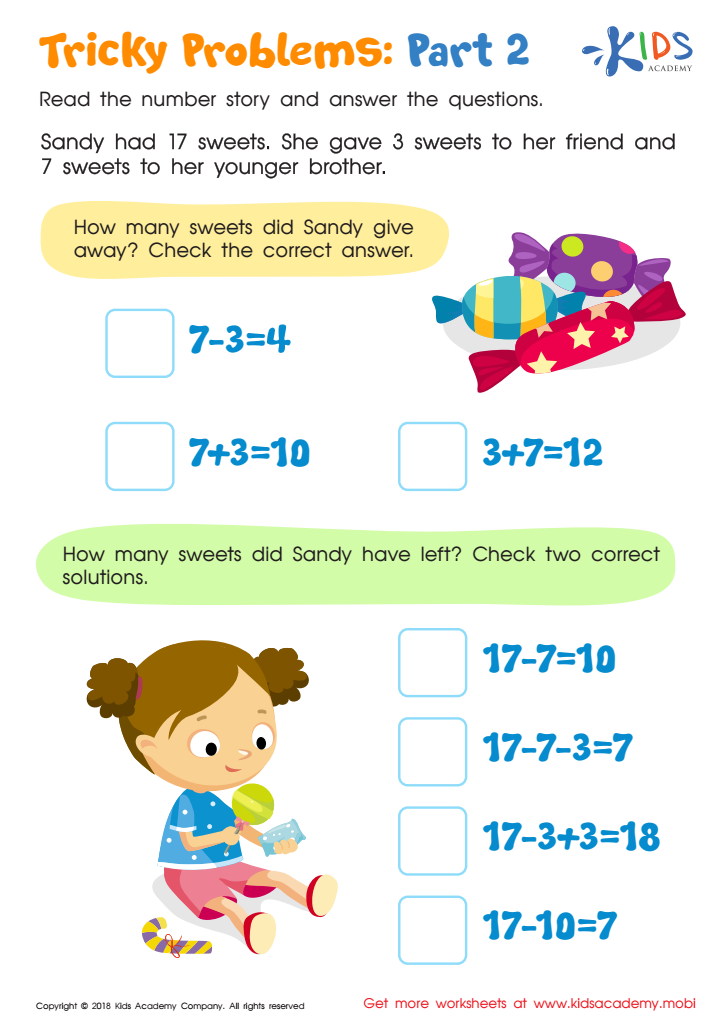
Tricky Problems Worksheet: Part 2
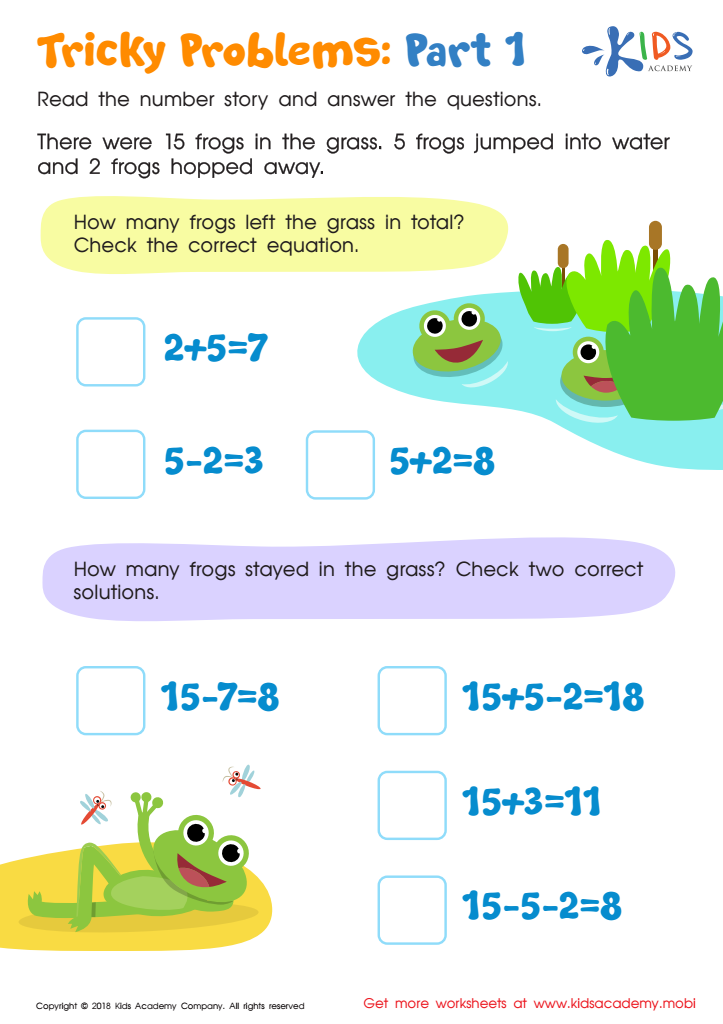
Tricky Problems Worksheet: Part 1
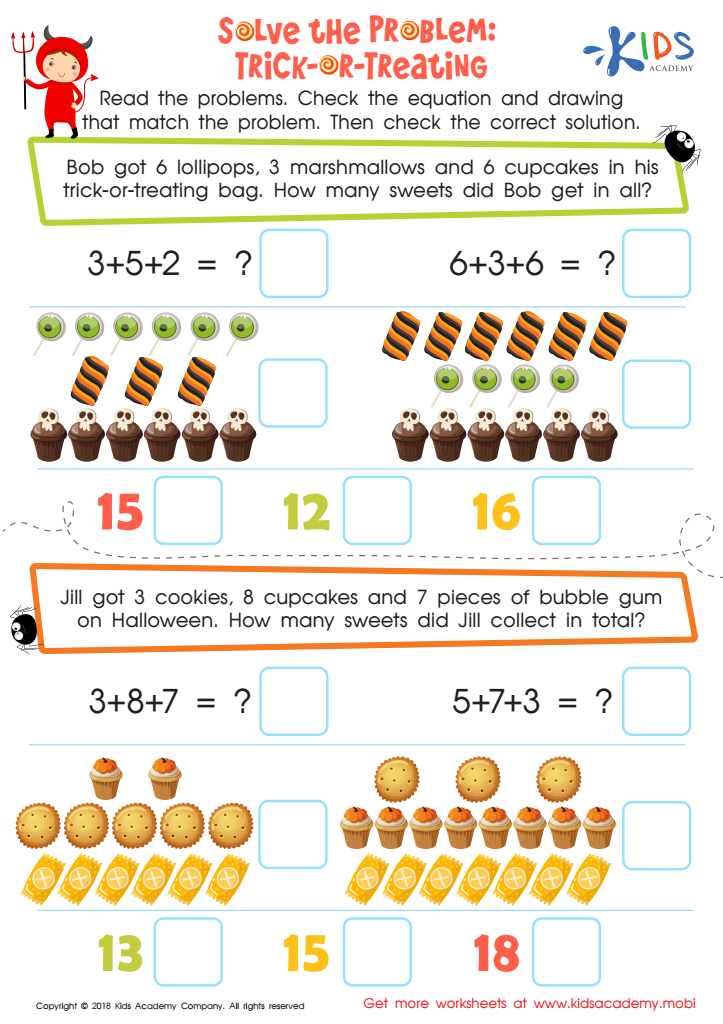
Solve the Problem: Trick–or–treating Worksheet
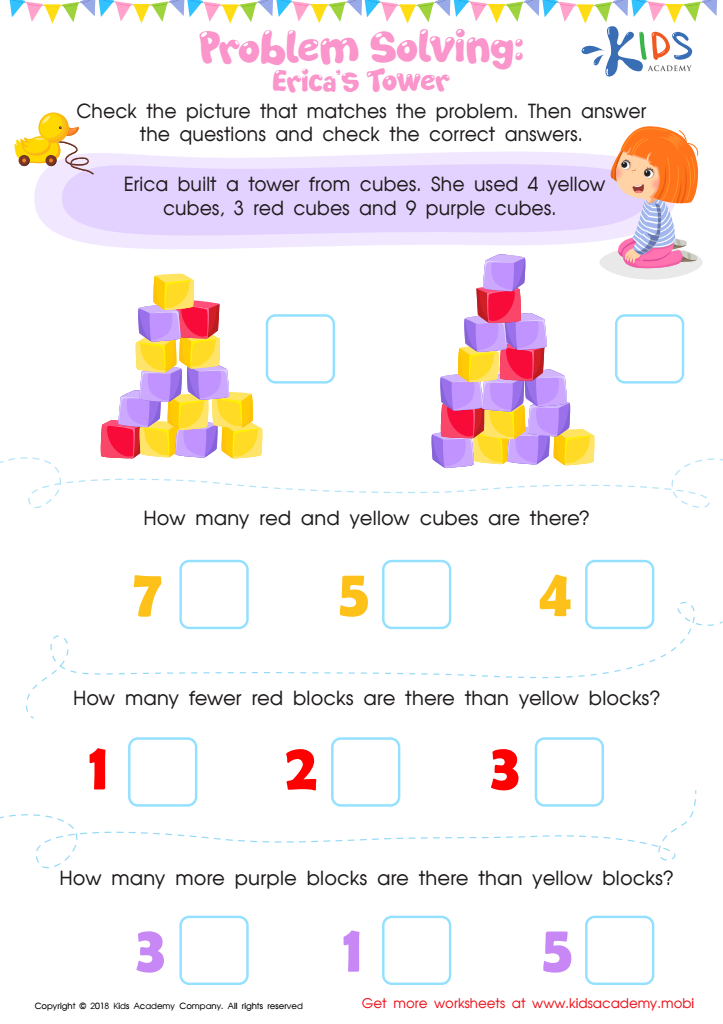
Problem Solving: Erica's Tower Worksheet
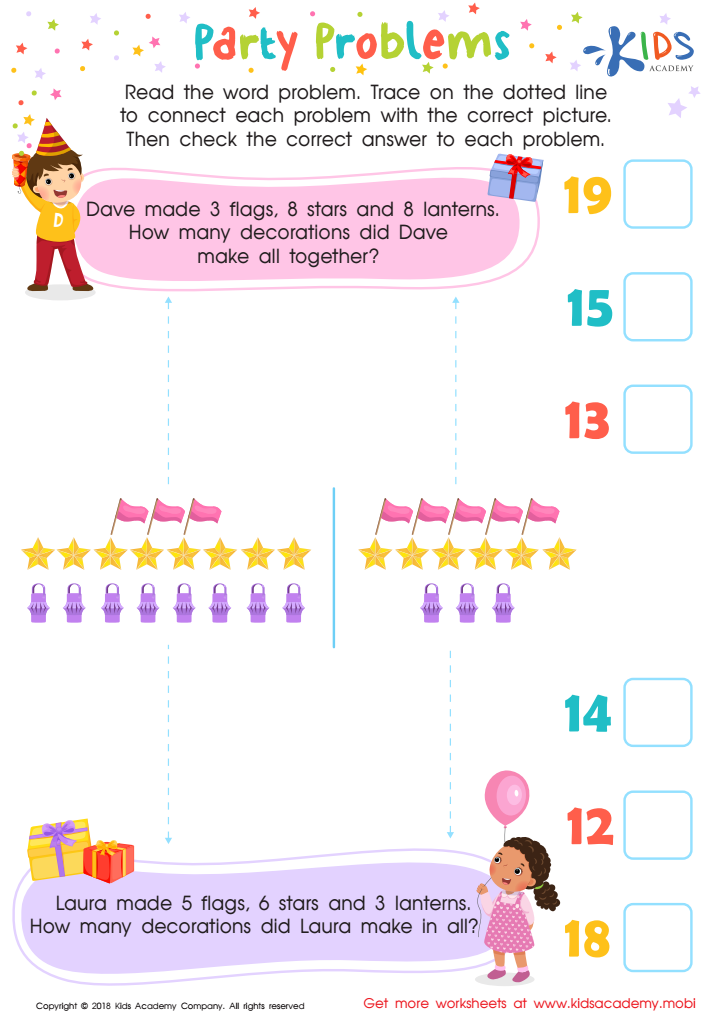
Party Problems Worksheet
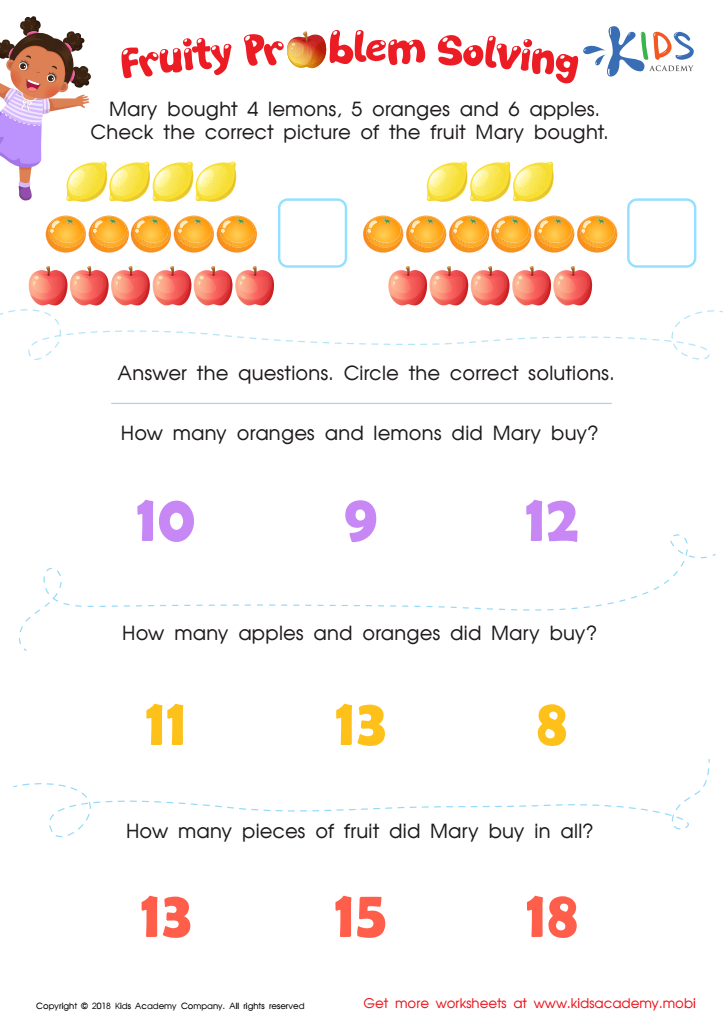
Fruity Problem Solving Worksheet
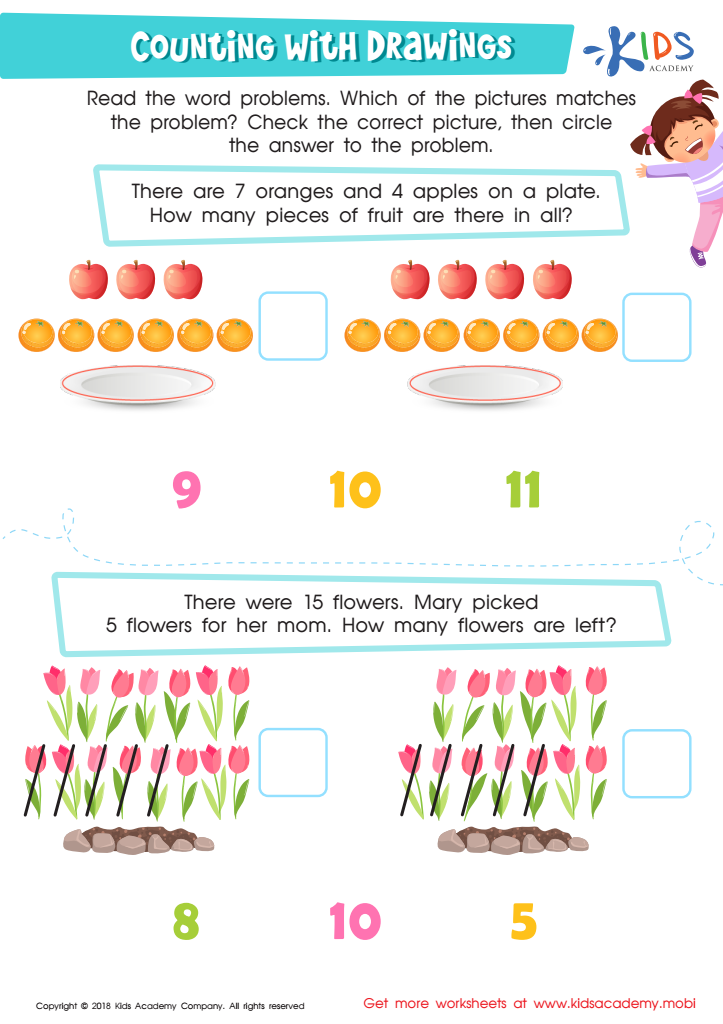
Counting with Drawings: Fruits & Chocolates Worksheet
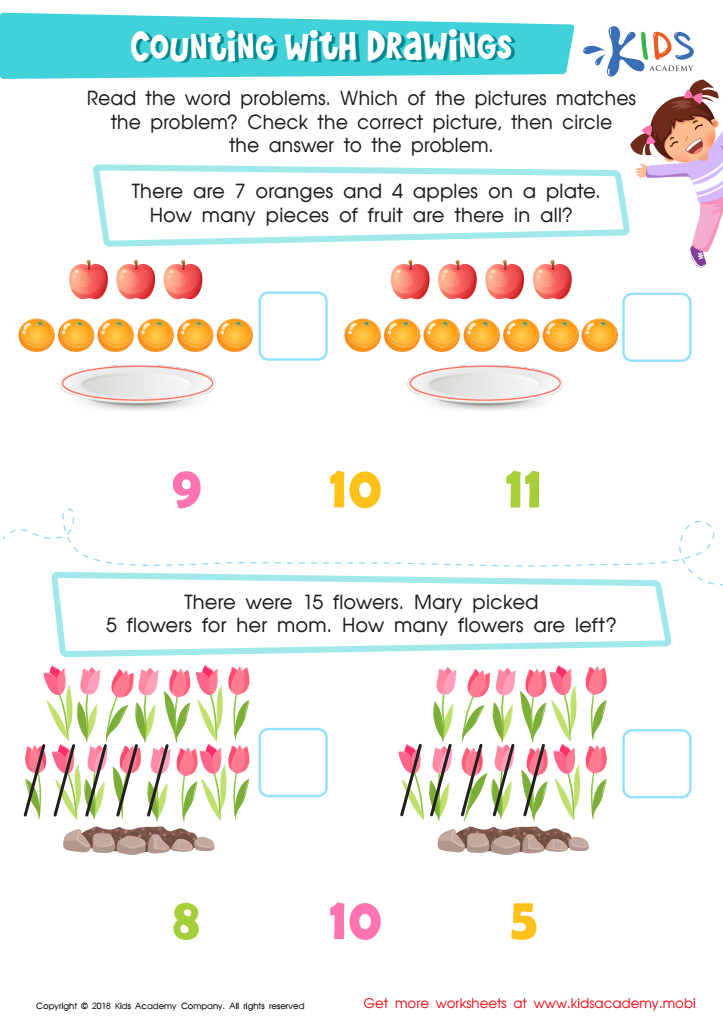
Counting with Drawings:Fruits & Flowers Worksheet
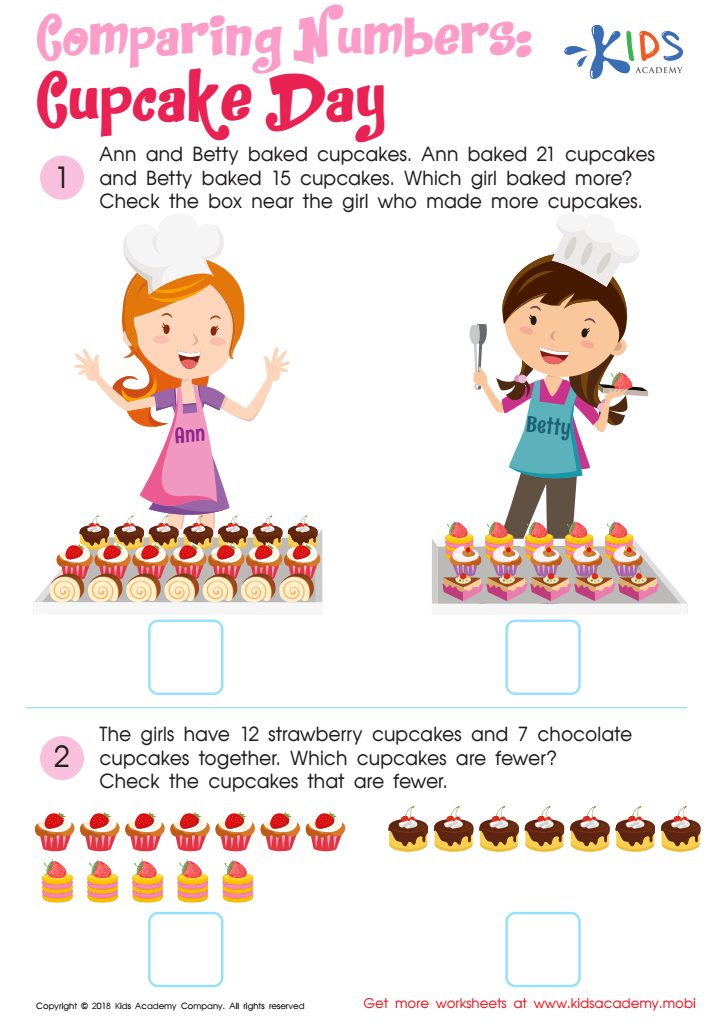
Cupcake Day Worksheet
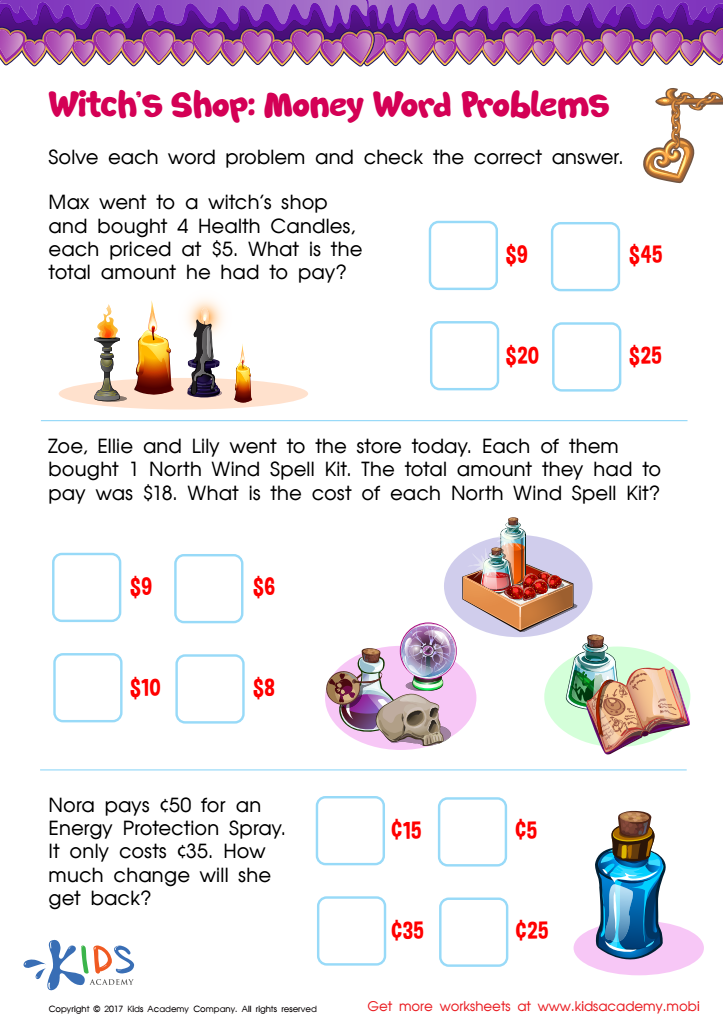
Money Word Problems Printable
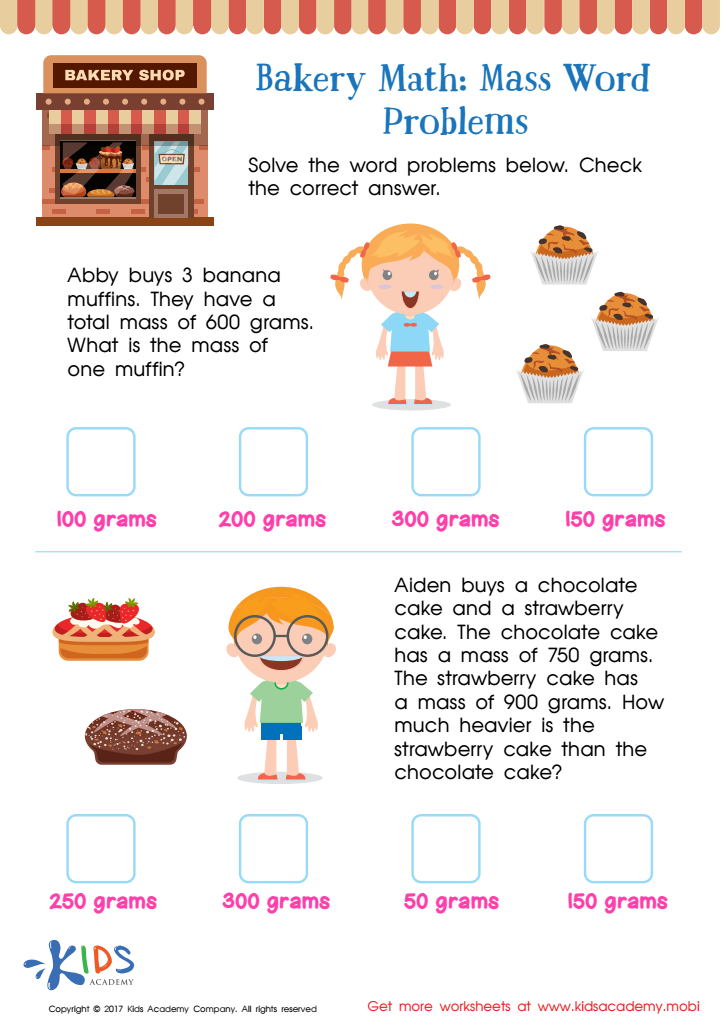
Mass Word Problems Worksheet
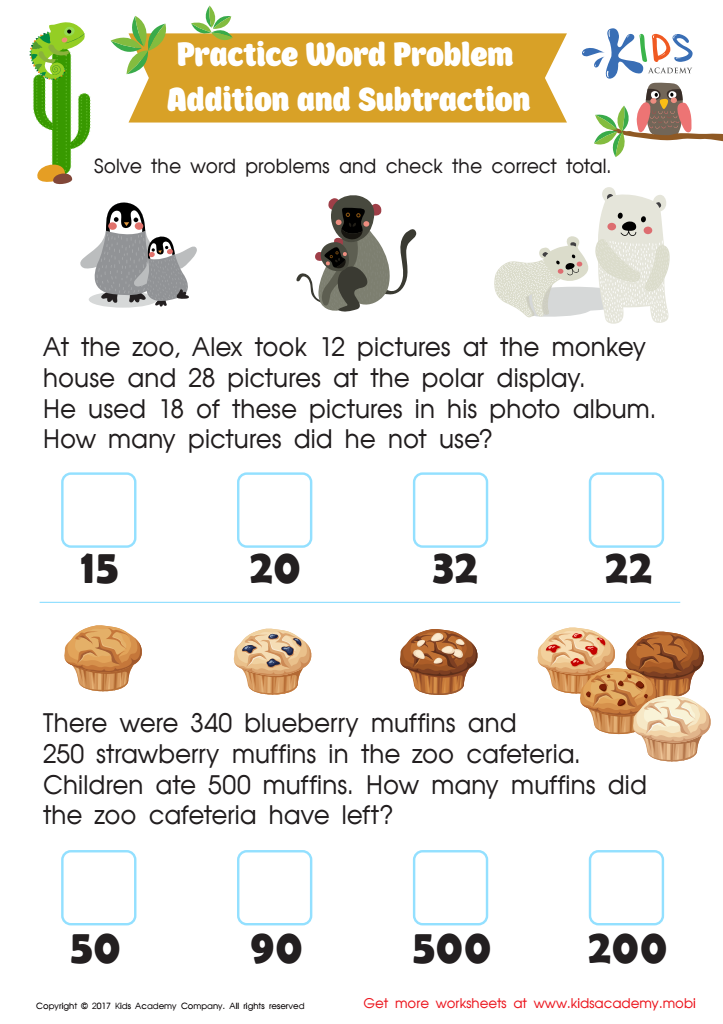
Addition and Subtraction: Word Problems Worksheet
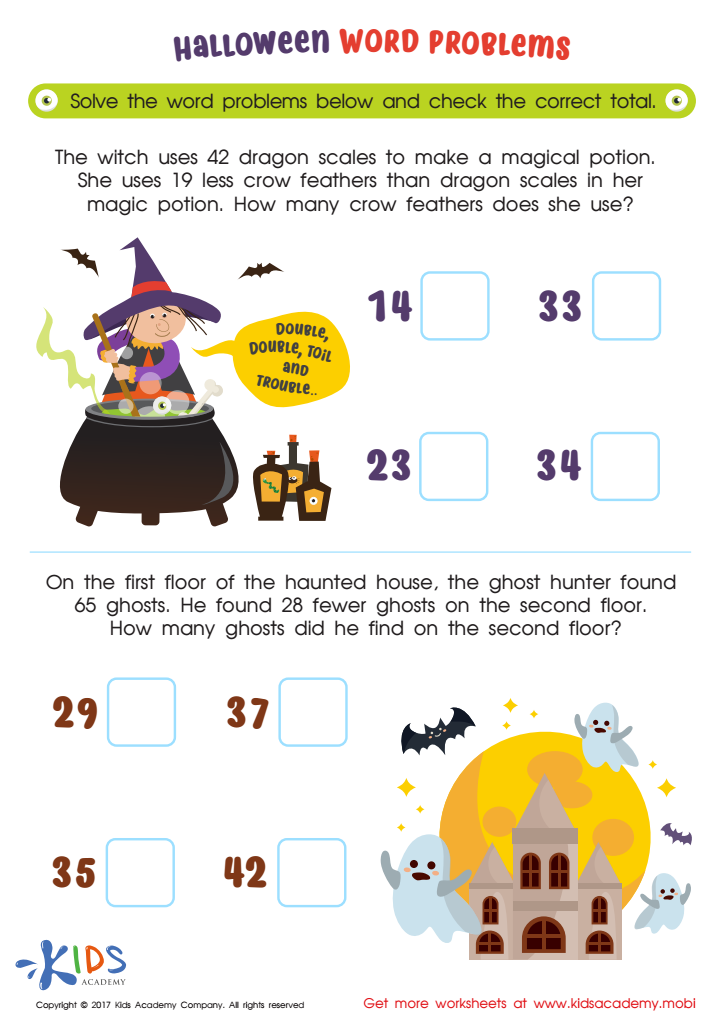
Halloween Word Problems Printable
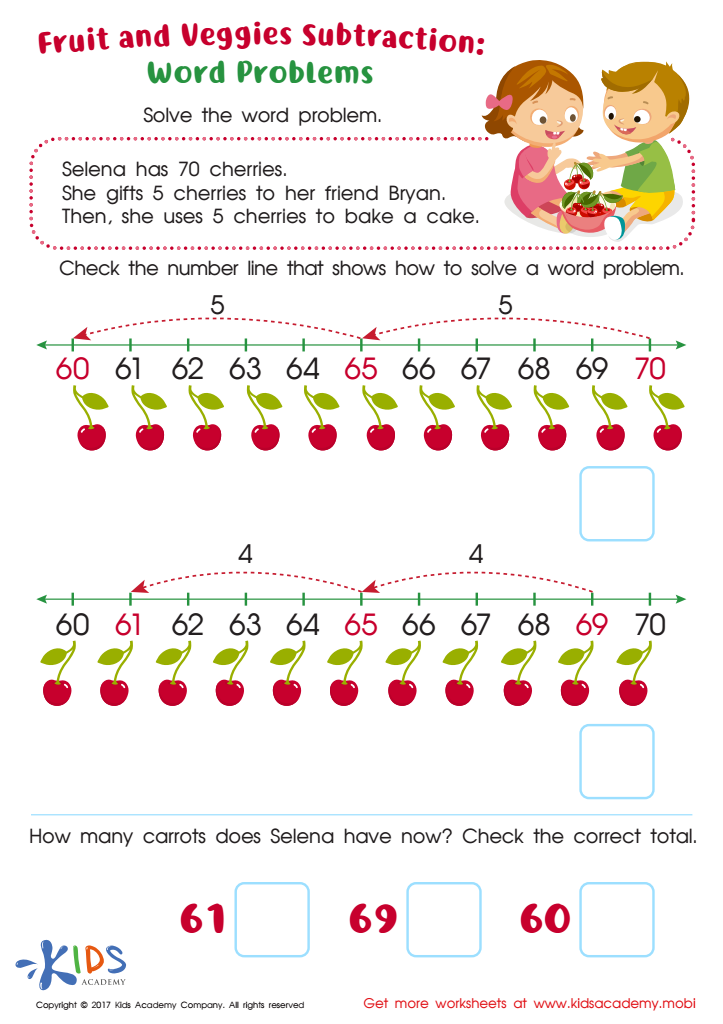
Subtraction Word Problems Free Printable
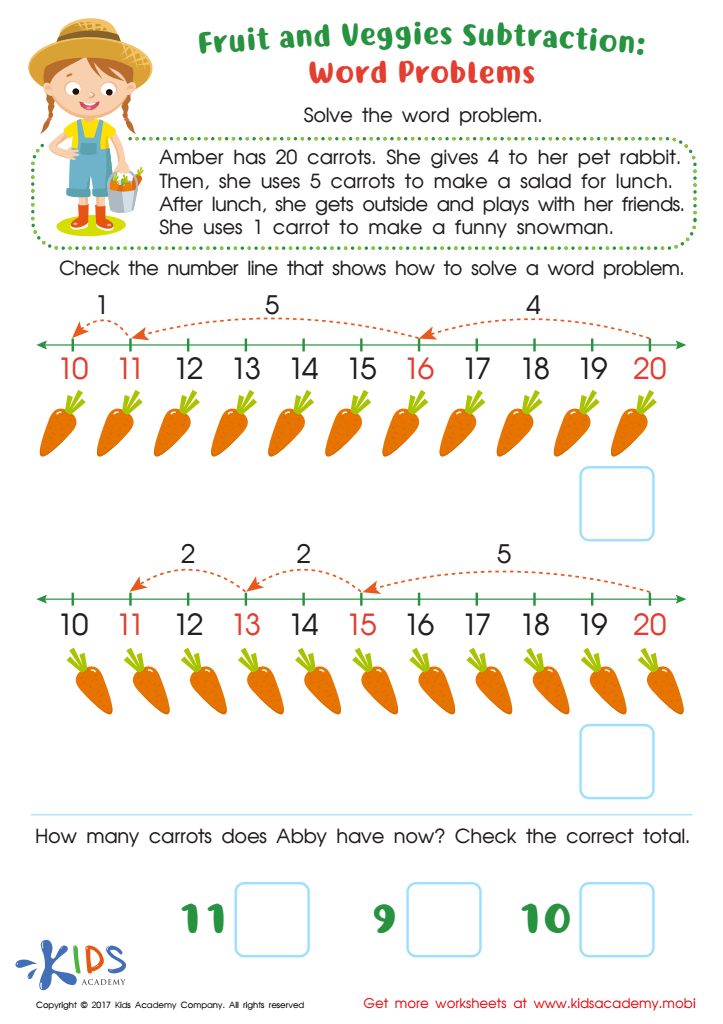
Subtraction Word Problems Printable
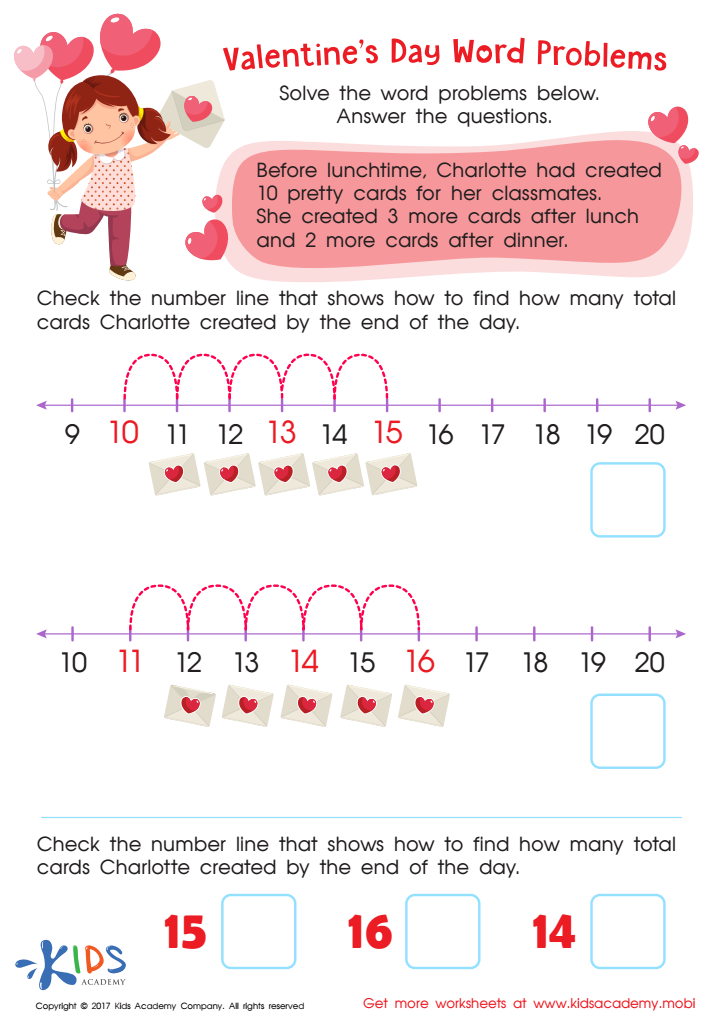
Valentines Day Word Problem Worksheet







Normal word problems are essential for children ages 3-8 because they lay the foundation for critical thinking, problem-solving skills, and real-world application of math concepts. Early exposure helps kids understand how mathematics operates in everyday situations, reinforcing both their computational skills and their comprehension abilities.
When children tackle word problems, they learn how to decipher information, understand the context, and identify the relevant mathematical operations needed to find solutions. This strengthens their reading skills as well, as they must carefully read and interpret each problem.
Moreover, solving these problems enhances a child's confidence in math by showing them that they can handle more than just abstract numbers and calculations. Addressing everyday situations, like sharing cookies or counting toys, can make math more relatable and less intimidating.
For parents and teachers, incorporating normal word problems into the curriculum means building a child's ability to think logically and critically at an early age. It prepares them for more complex reasoning and problem-solving tasks in later grades, fostering academic success well beyond elementary school.
Thus, caring about and implementing normal word problems in early education offers children a head start in developing lifelong skills that are crucial both academically and in everyday life.








