Normal Reading Worksheets for Ages 3-8
345 filtered results
-
From - To
Discover a vast collection of normal reading worksheets designed specifically for children aged 3-8 at Kids Academy! Our engaging and interactive worksheets aim to nurture your child’s love for reading while enhancing their literacy skills. From fun phonics activities to captivating story comprehension exercises, each worksheet is tailored to support early learners in developing their reading fluency and vocabulary. Designed with colorful illustrations and relatable themes, our resources capture the interest of young minds and make learning enjoyable. Perfect for home practice or classroom use, these printable worksheets will help your child become a confident reader in no time!

Towns Worksheet
 Assign to My Students
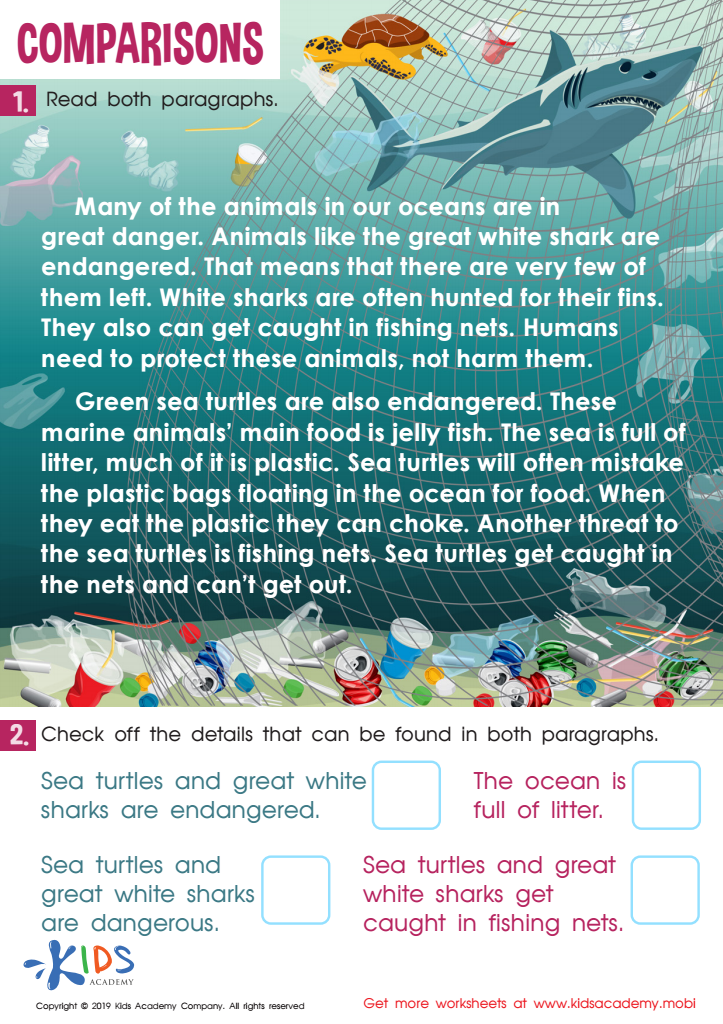
Comparisons Worksheet
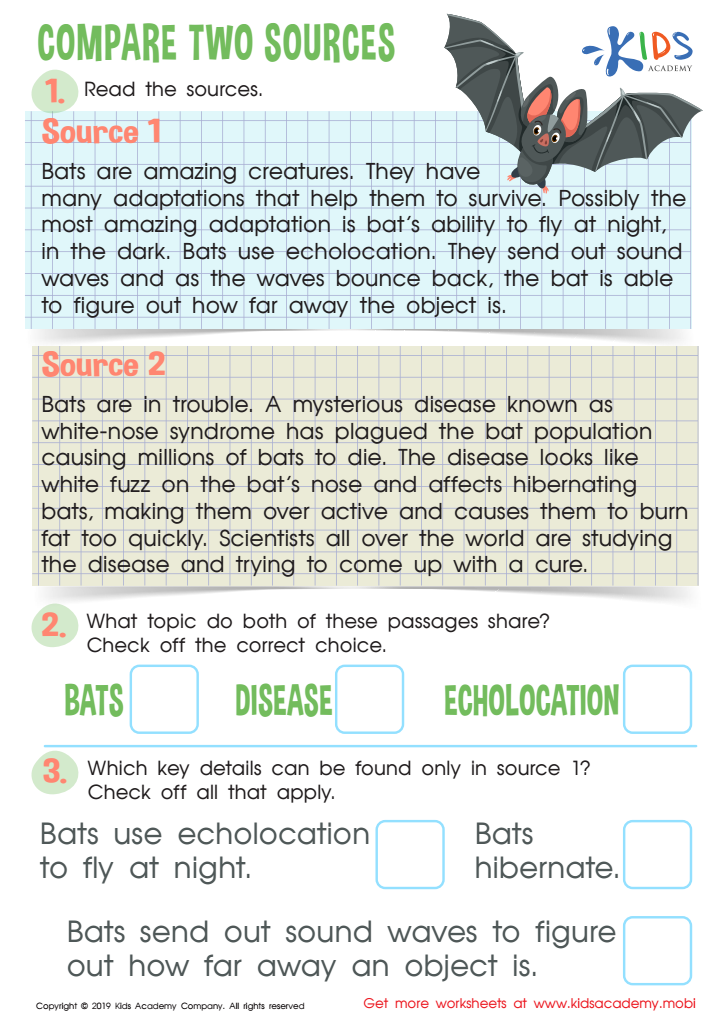
Compare Two Sources Worksheet
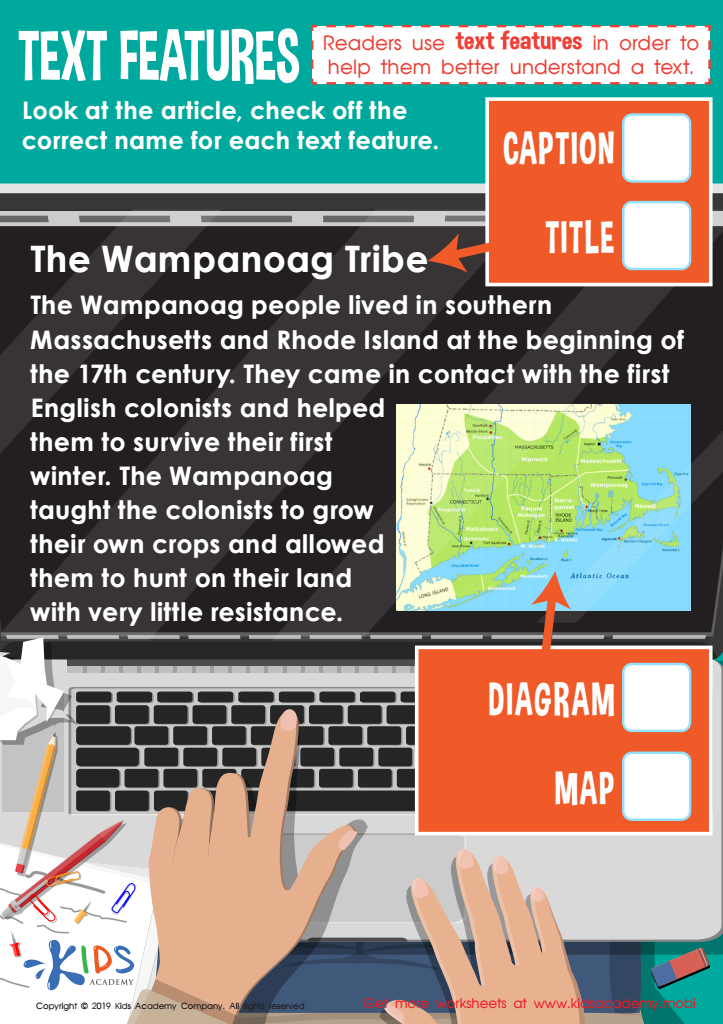
Text Features Worksheet
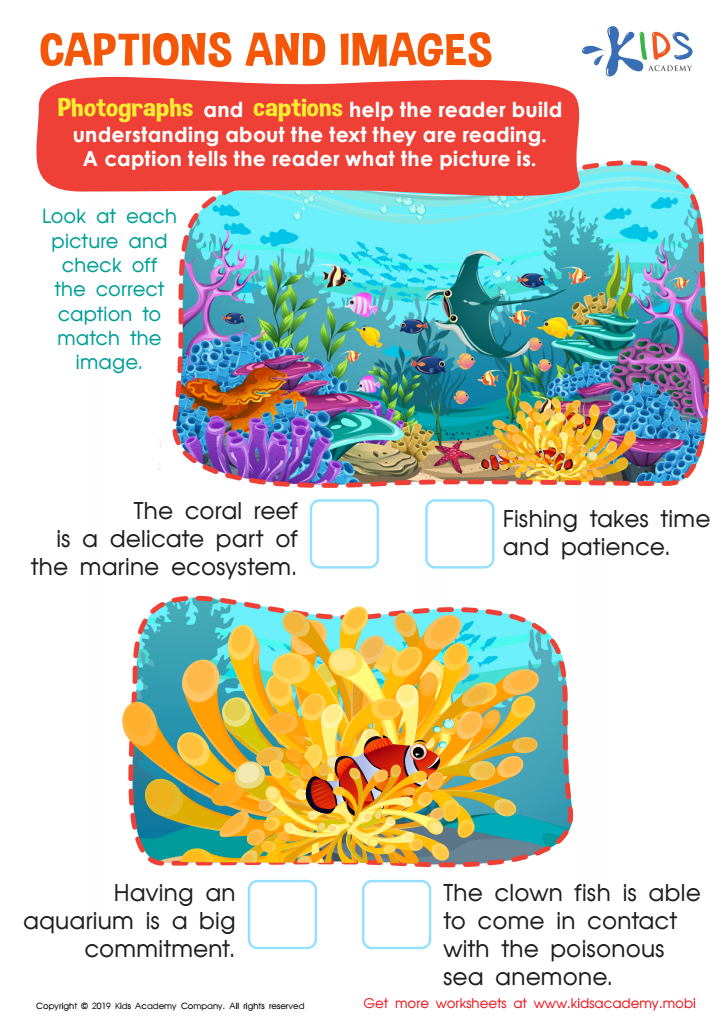
Captions and Images Worksheet
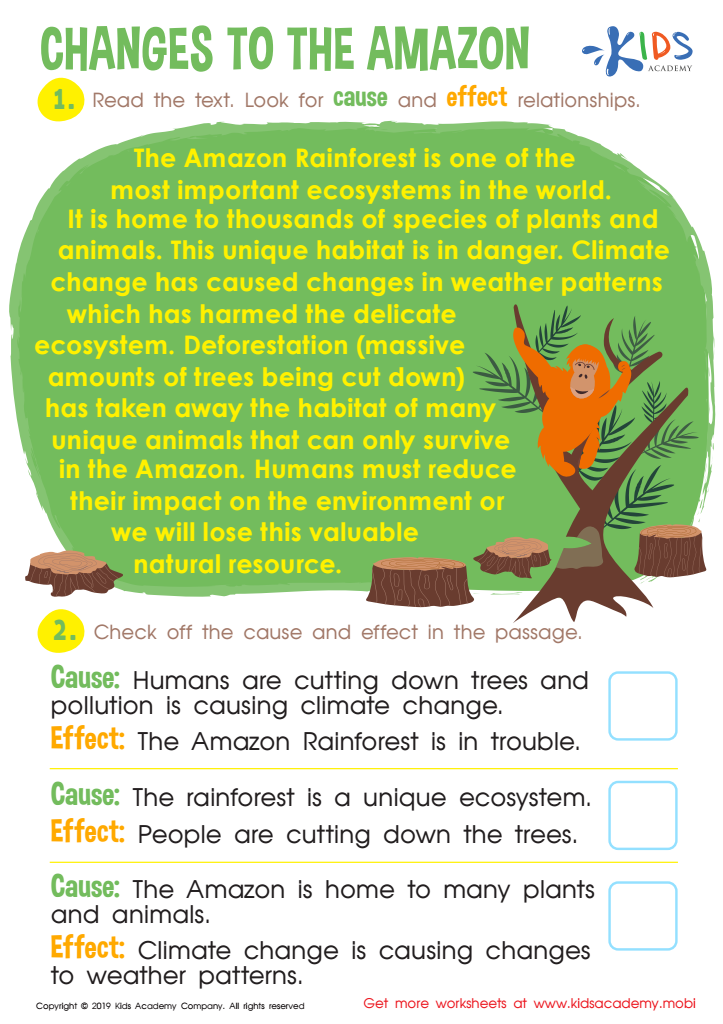
Changes to the Amazon Worksheet
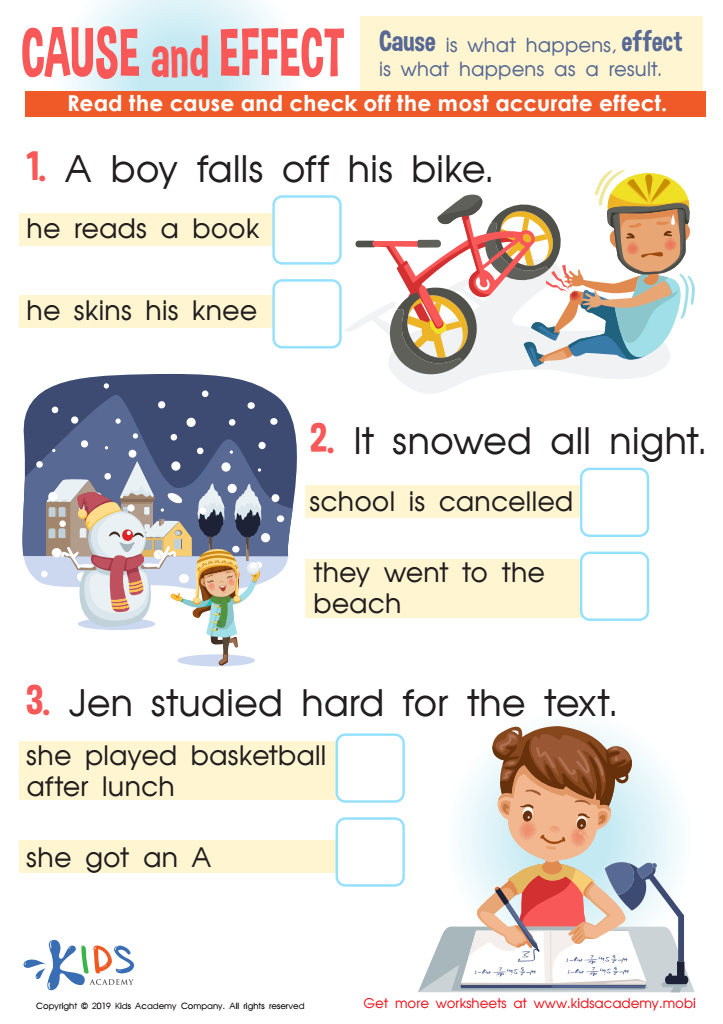
Cause And Effect Worksheet
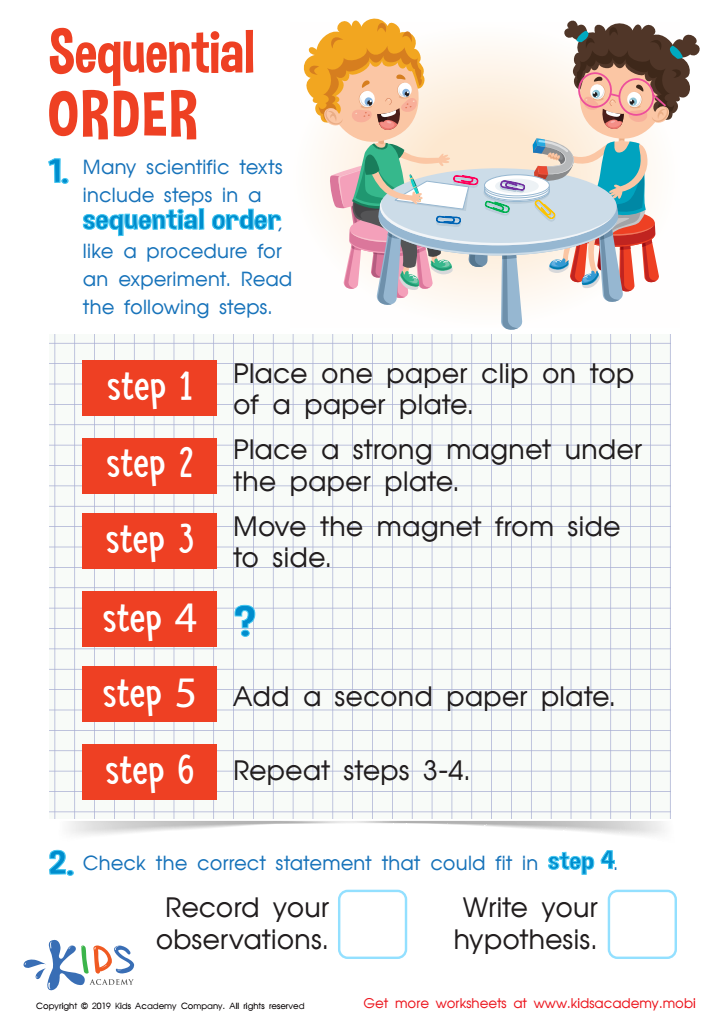
Sequencential Order Worksheet
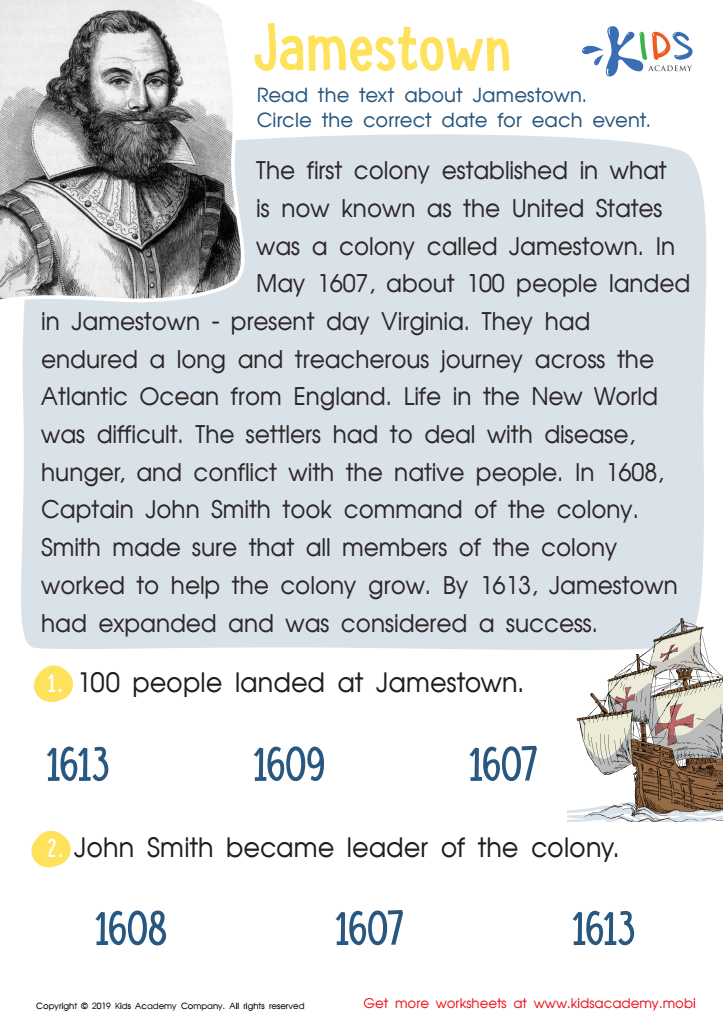
Jamestown Worksheet
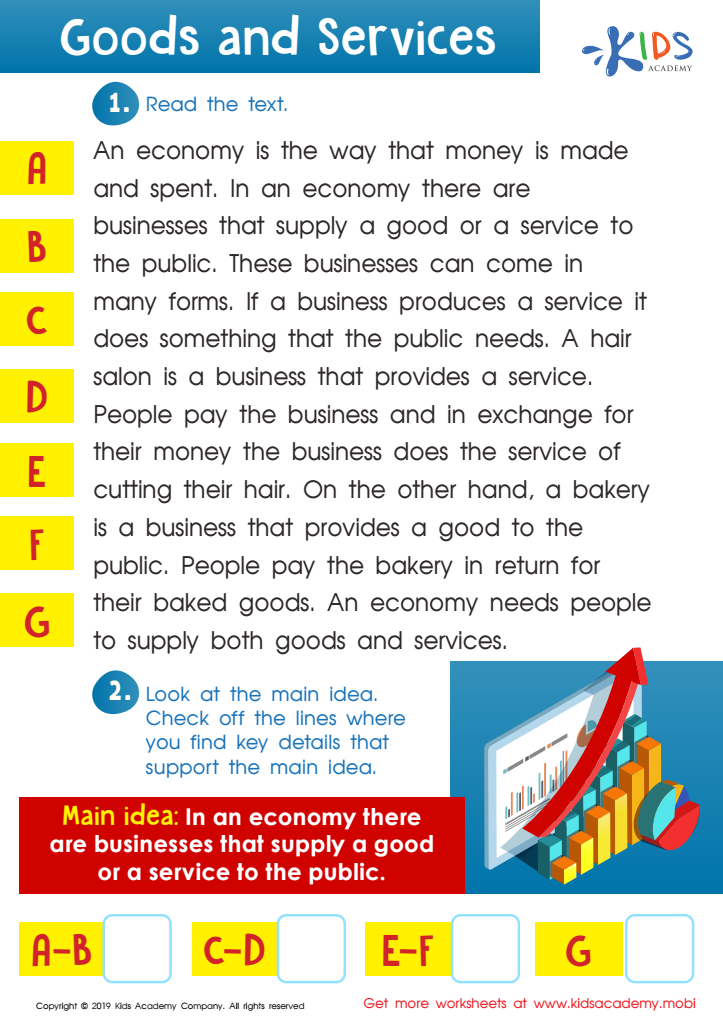
Goods and Services Worksheet
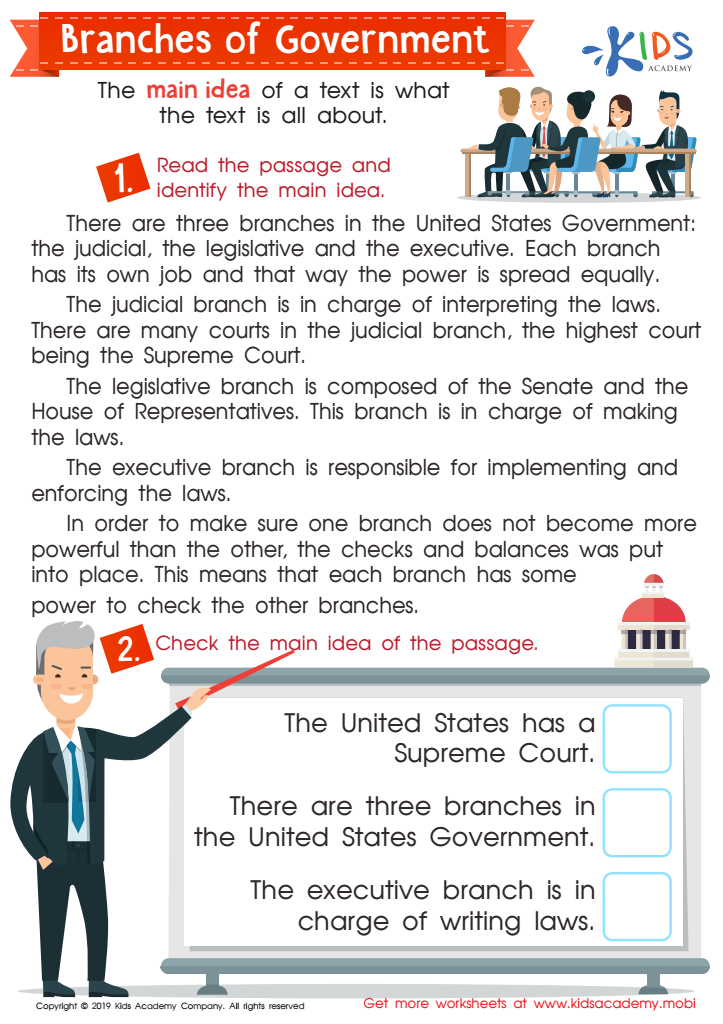
Branches of the Government Worksheet
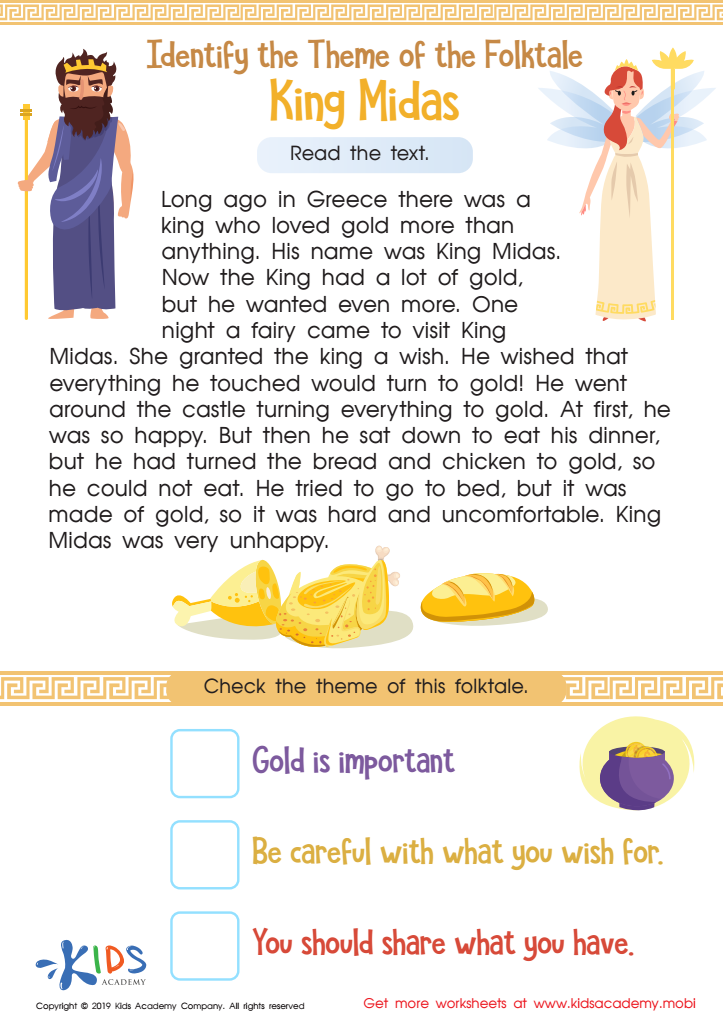
King Midas Worksheet
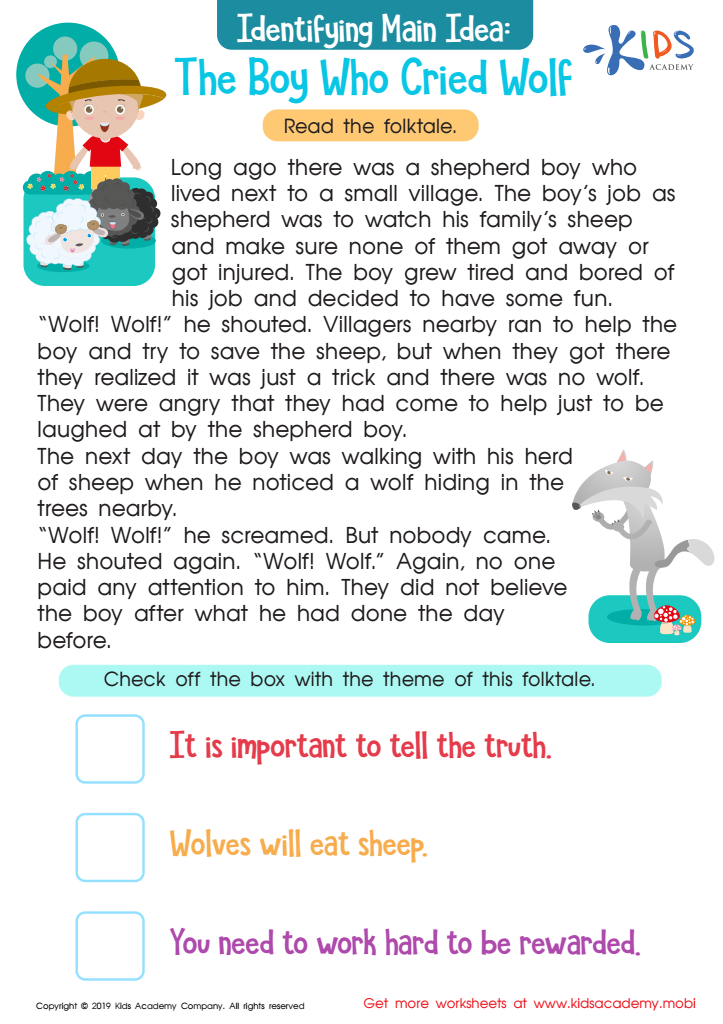
The Boy Who Cried Wolf Part 2 Worksheet
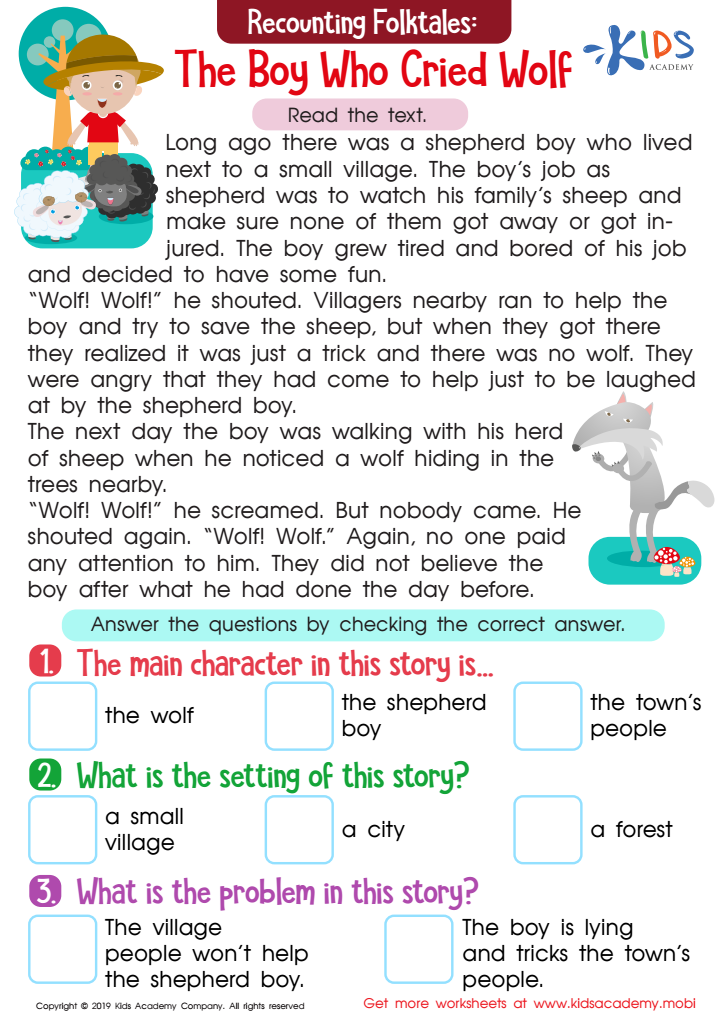
The Boy Who Cried Wolf Part 1 Worksheet
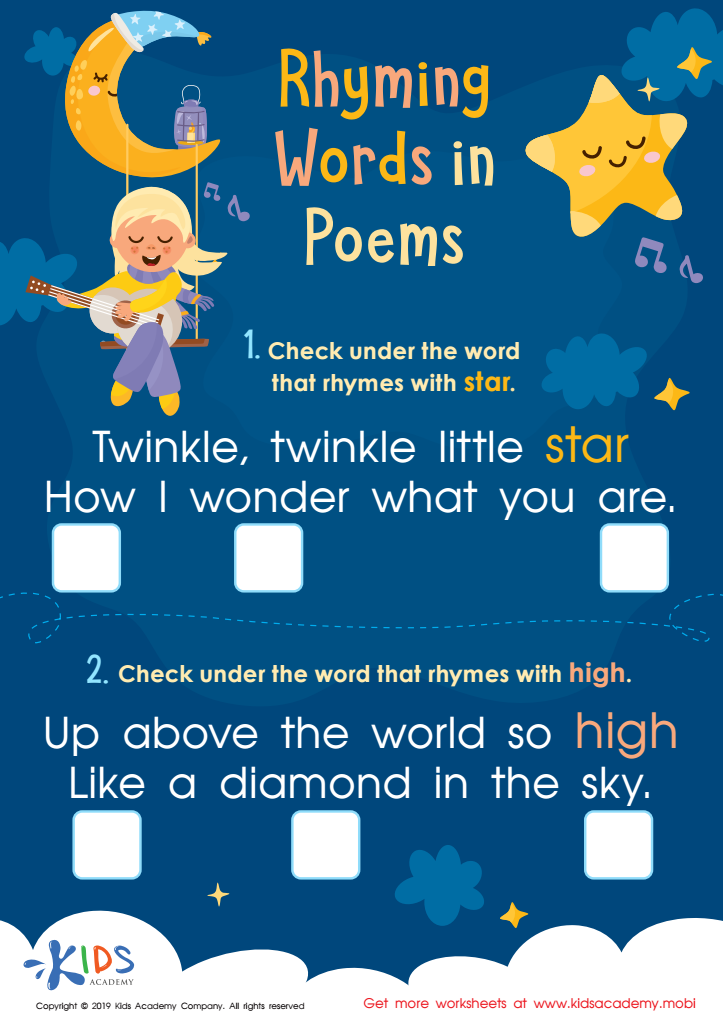
Rhyming Words in Poems Worksheet
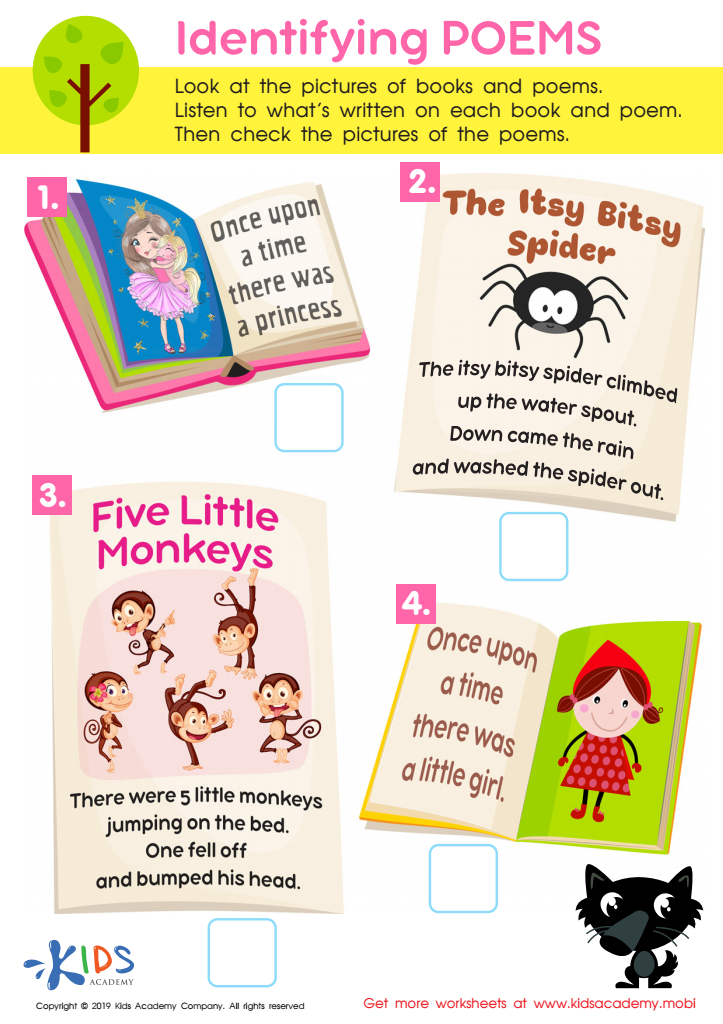
Identifying Poems Worksheet
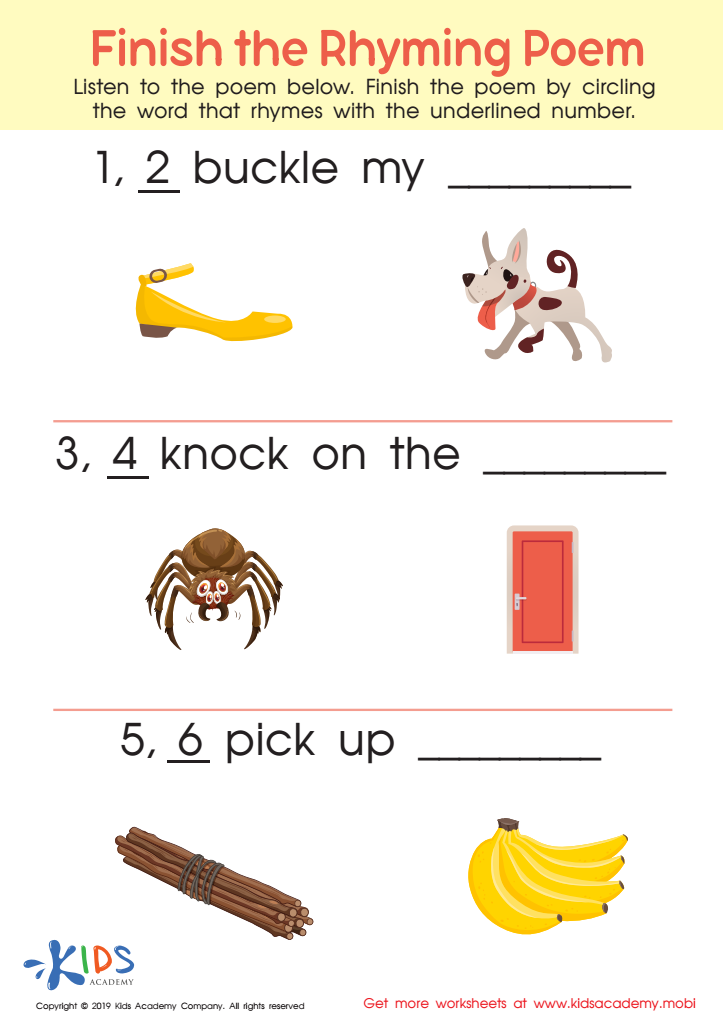
Finish Rhyming Poem Worksheet
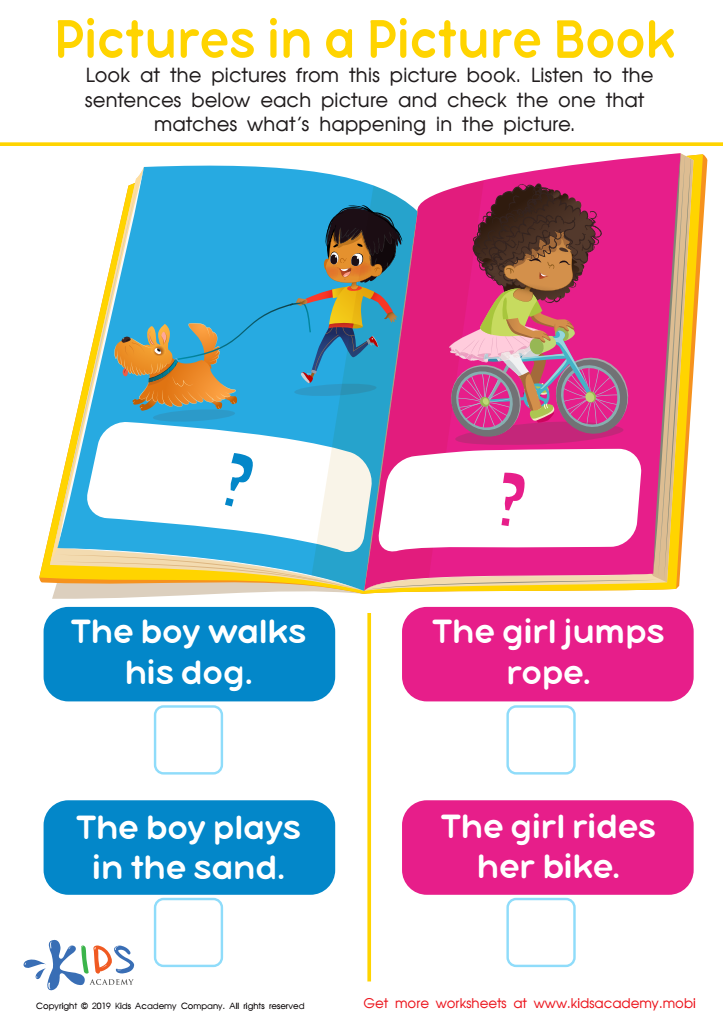
Picture in Books Worksheet
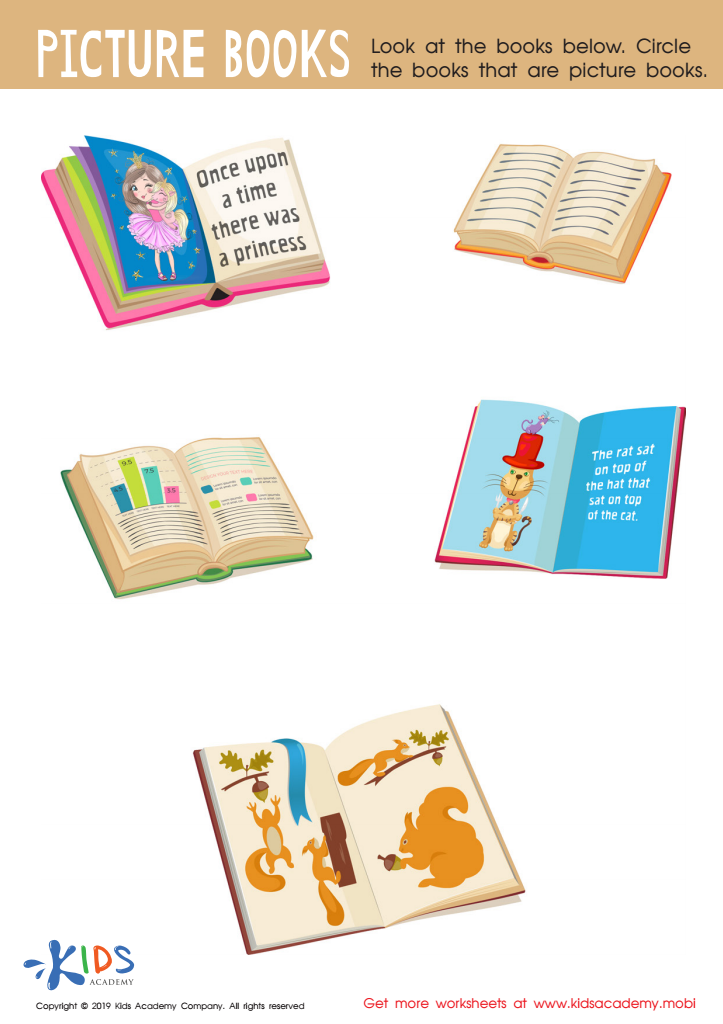
Picture Books Worksheet
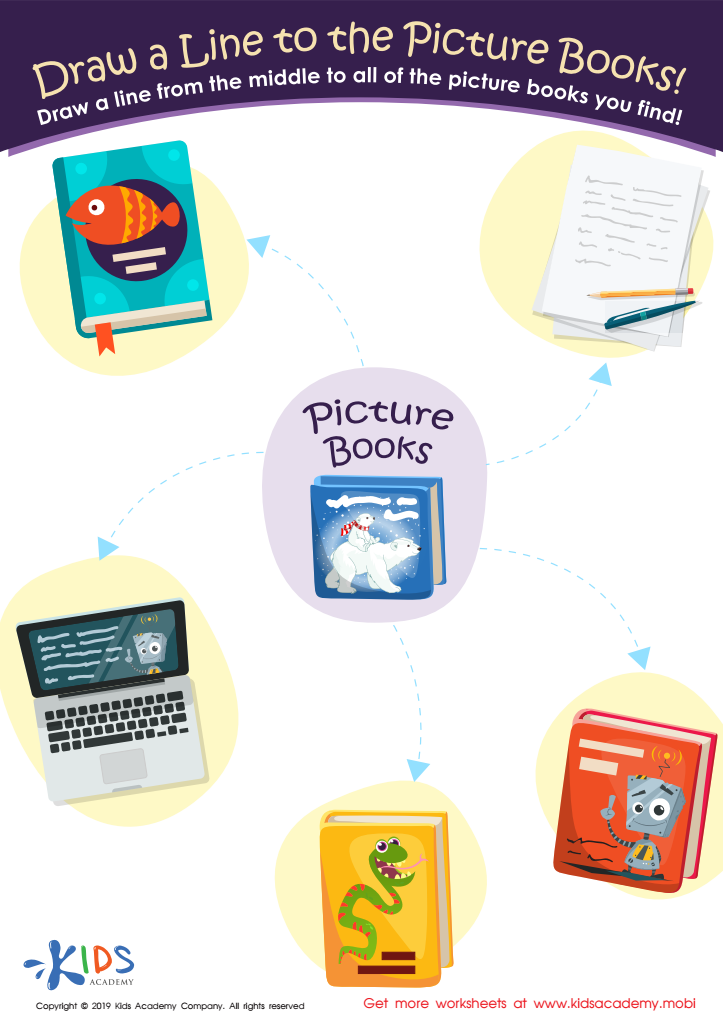
Draw a Line to the Picture Books Worksheet
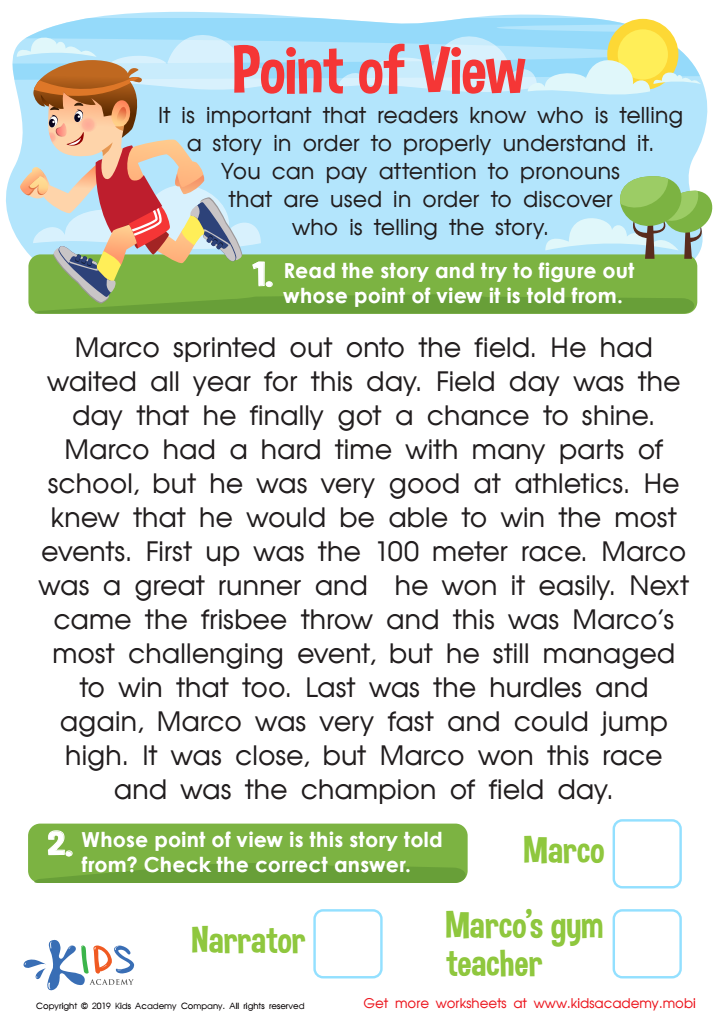
Point of View Worksheet
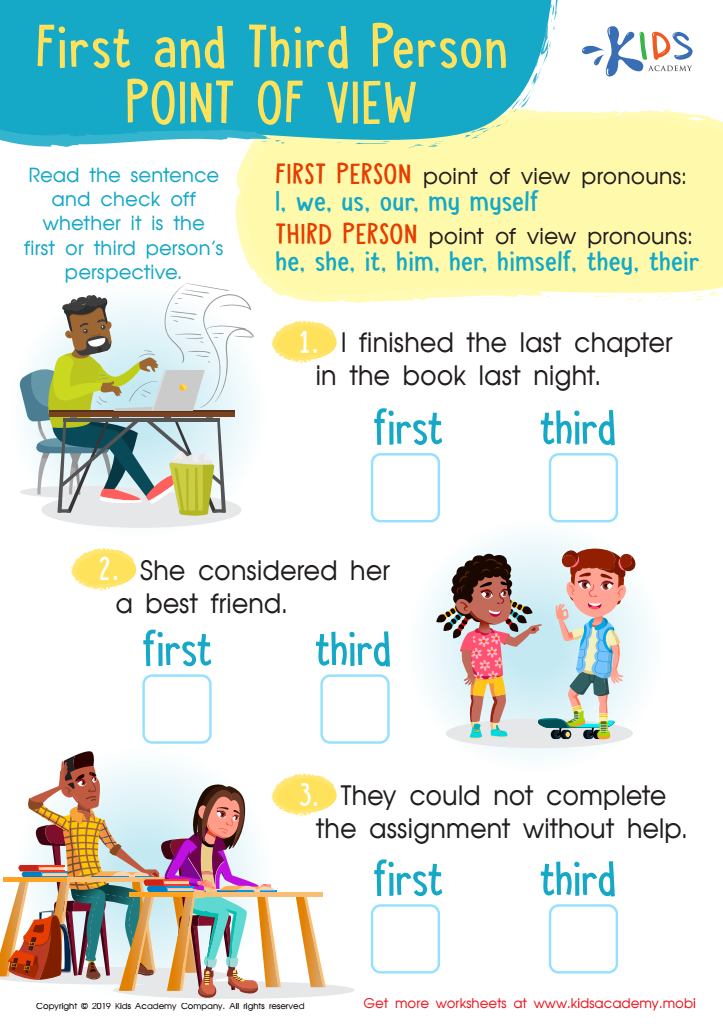
First and Third Person Point of View Worksheet
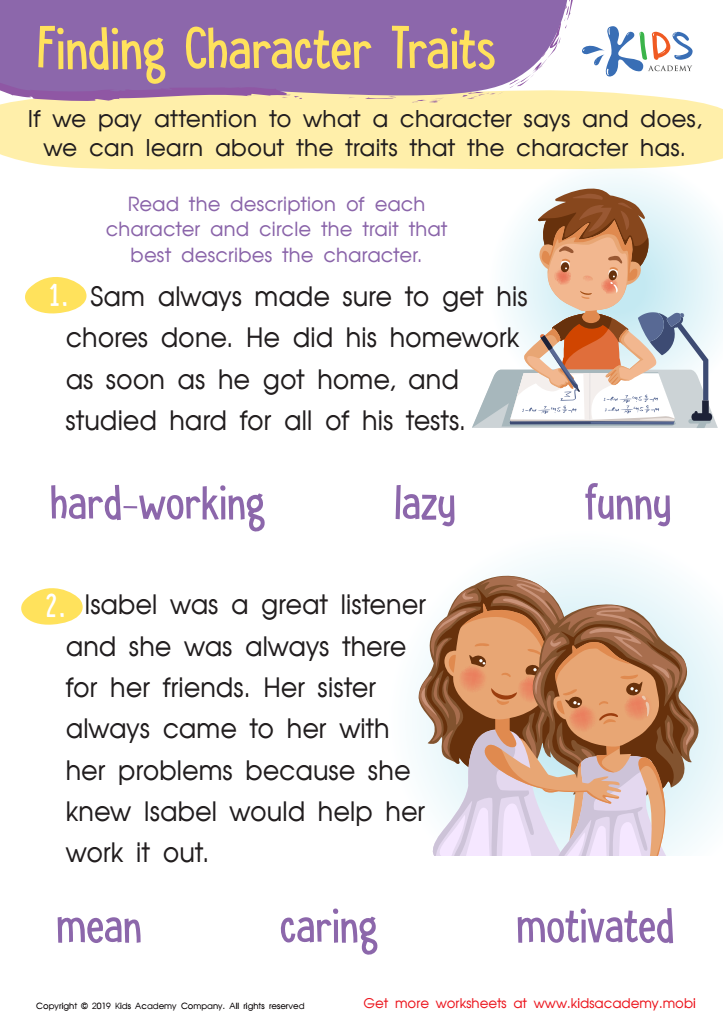
Finding Character Traits Worksheet
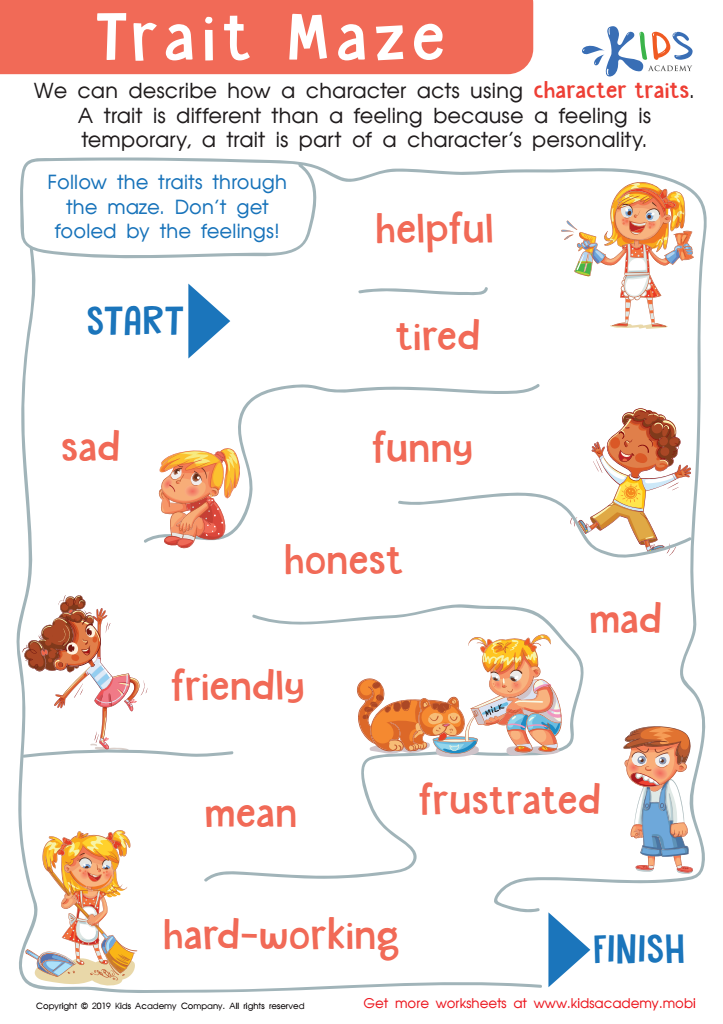
Trait Maze Worksheet








Parents and teachers should prioritize normal reading development for children ages 3-8 because this early stage lays the foundation for lifelong literacy skills. Reading is not only essential for academic success but also for overall cognitive, social, and emotional development. When children engage with books regularly, they improve their vocabulary, comprehension, and critical thinking skills.
Furthermore, normal reading at an early age fosters a love for literature and learning. When children are exposed to diverse stories and experiences, they develop empathy and imagination. This age group is particularly impressionable, making it imperative for parents and teachers to select age-appropriate, engaging materials that resonate with children and encourage exploration of different cultures, ideas, and perspectives.
Additionally, strong reading skills are directly linked to better performance in all subjects throughout a child's educational journey. During these formative years, reading comprehension serves as a cornerstone for subjects like math, science, and social studies. By recognizing the importance of normal reading development, parents and teachers can cultivate effective learning environments that not only promote literacy but also nurture curious and confident readers. Investing time in early reading ensures children are better prepared for future academic and life challenges.








