Normal World Around Us Worksheets for Ages 3-8 - Page 3
70 filtered results
-
From - To
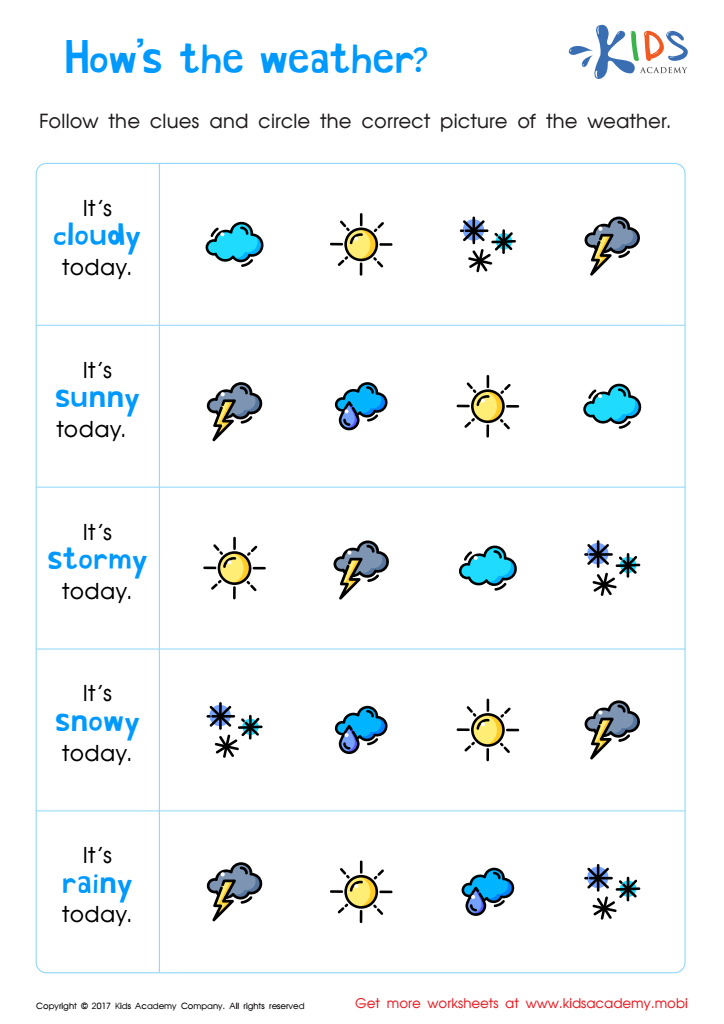
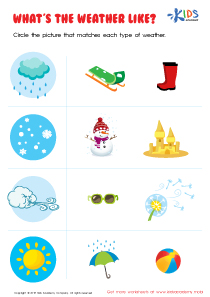
Hows the Weather Worksheet
 Assign to My Students
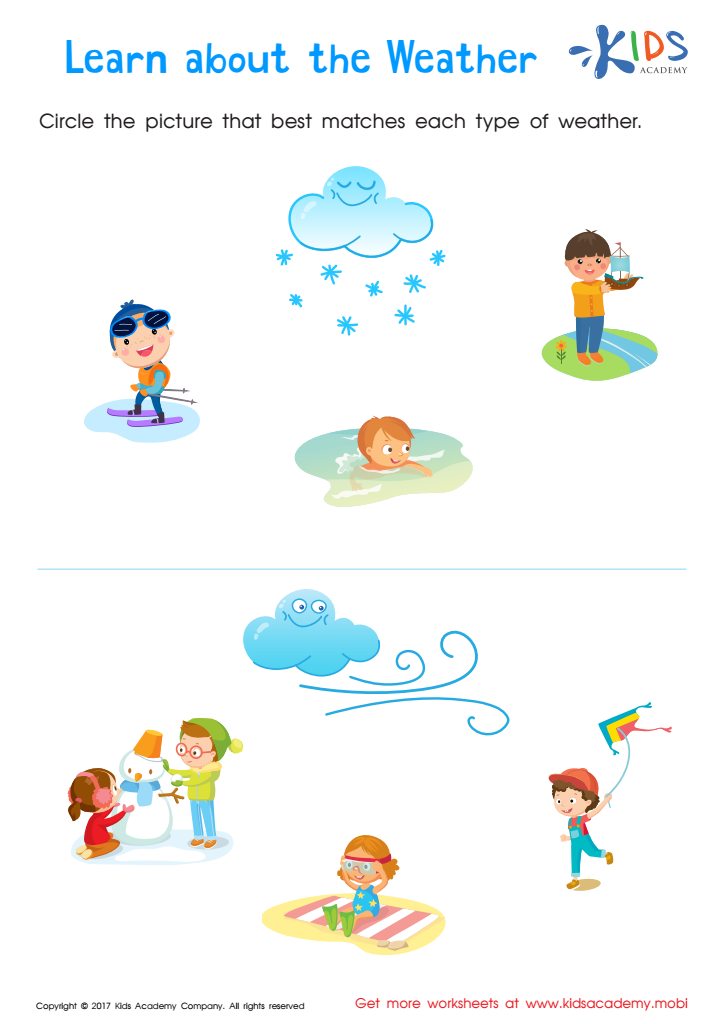
About the Weather Printable
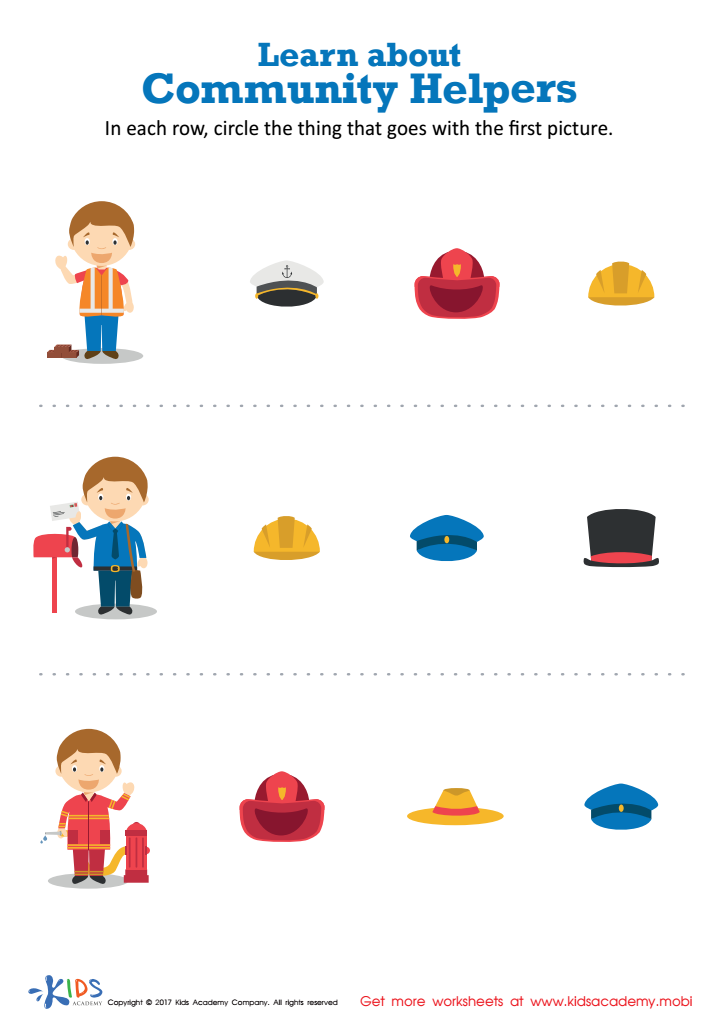
Learn about Community Helpers Printable
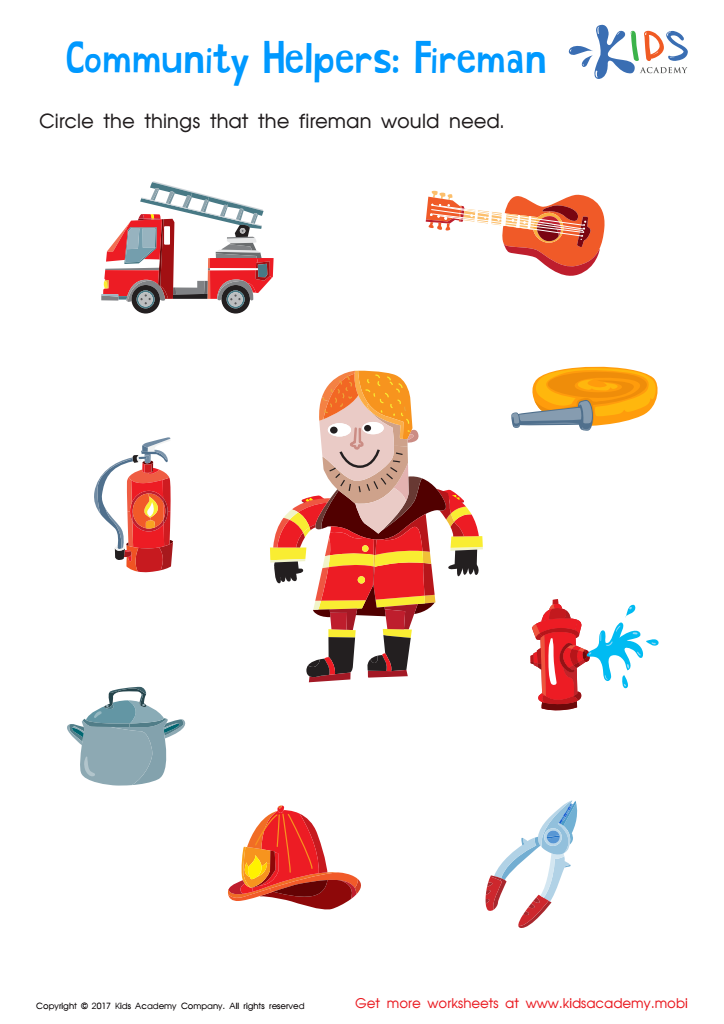
Fireman Worksheet
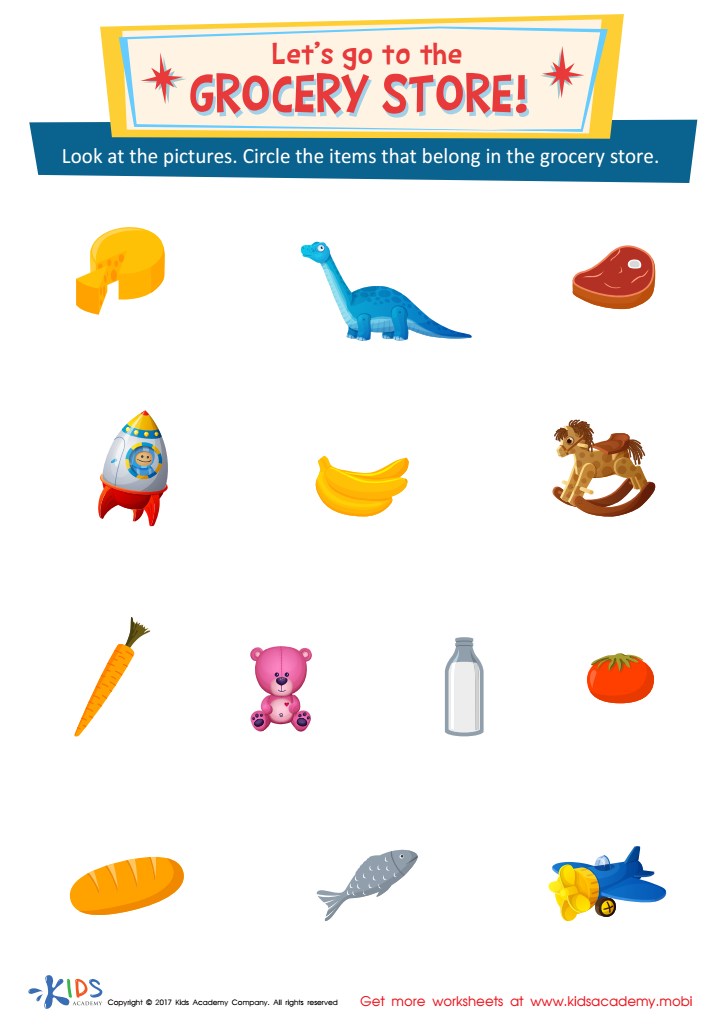
Grocery Store Worksheet
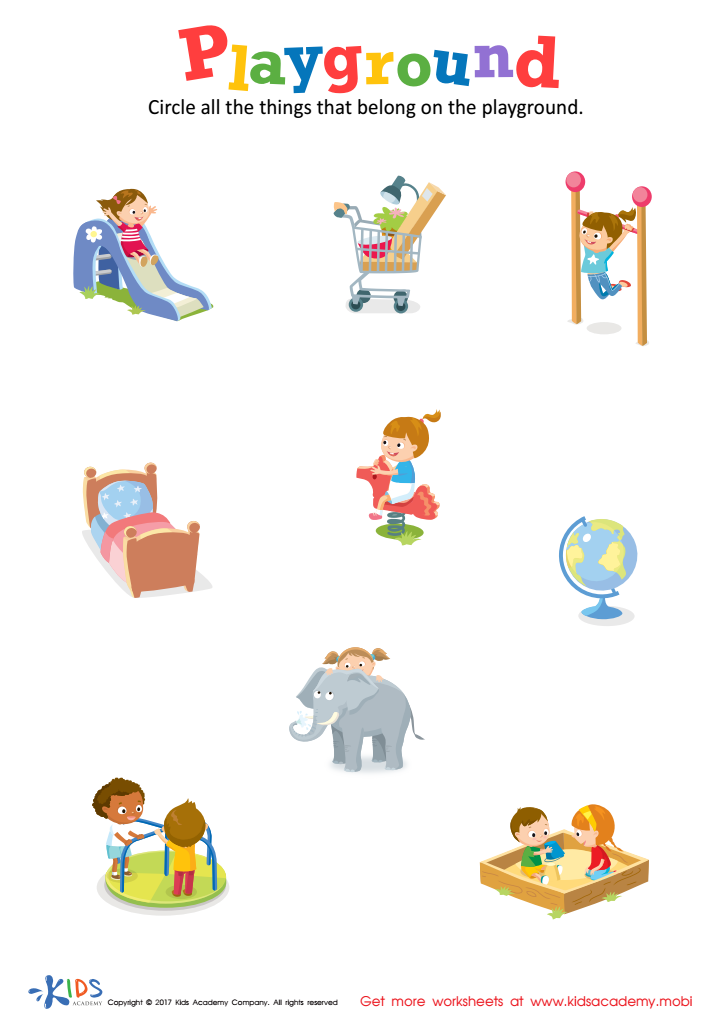
Playground Worksheet
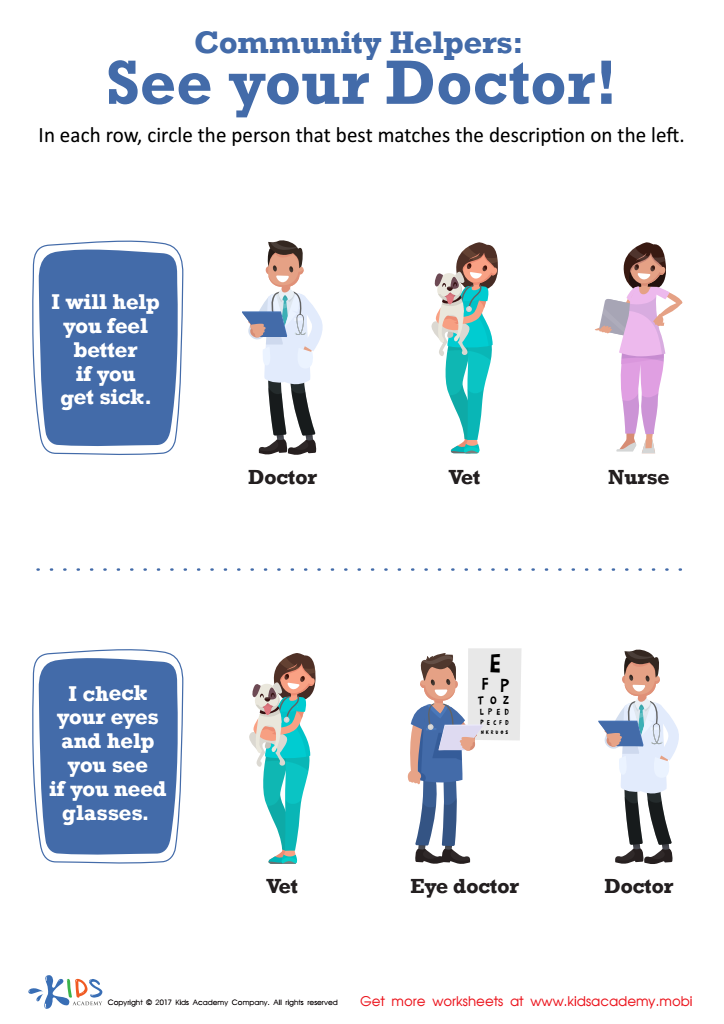
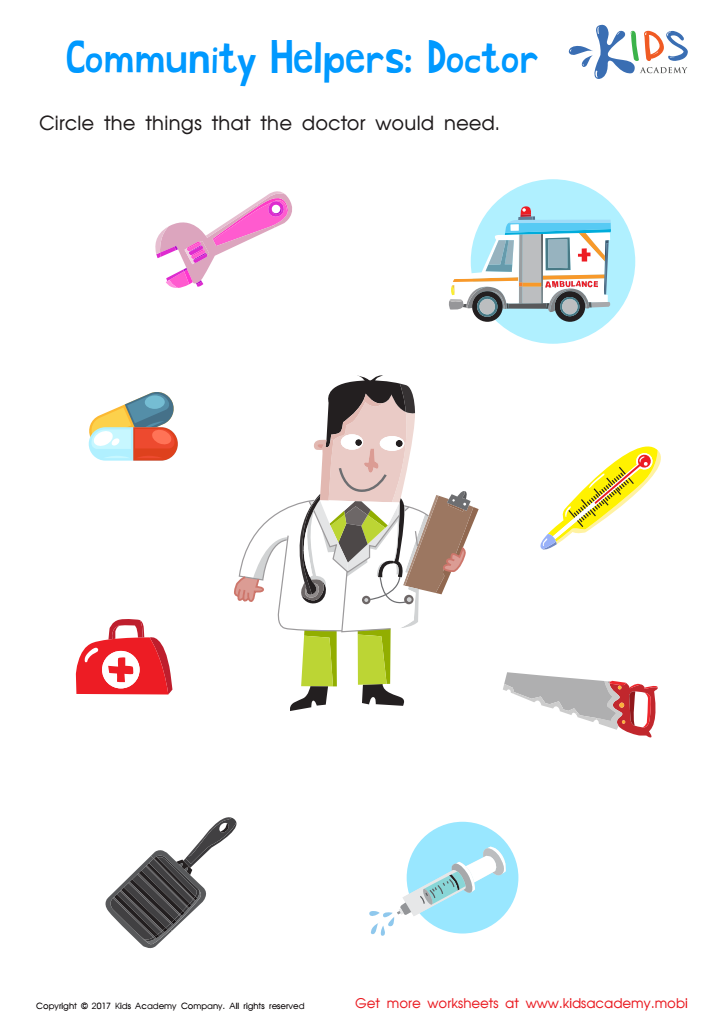
See Your Doctor (Part 1) Printable
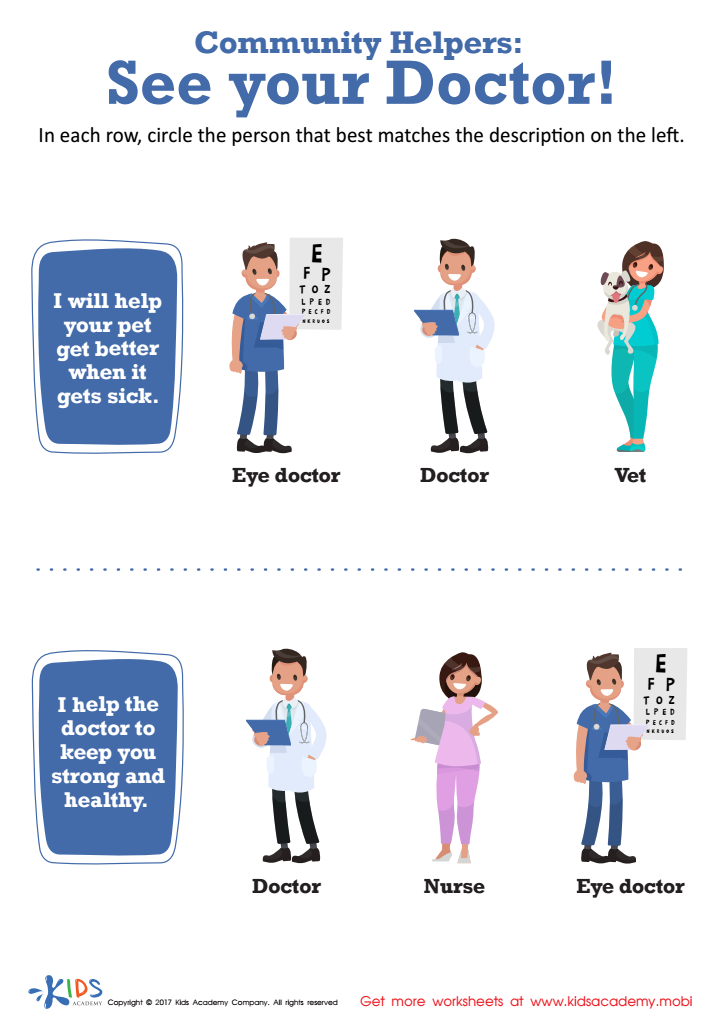
See Your Doctor (Part 2) Printable
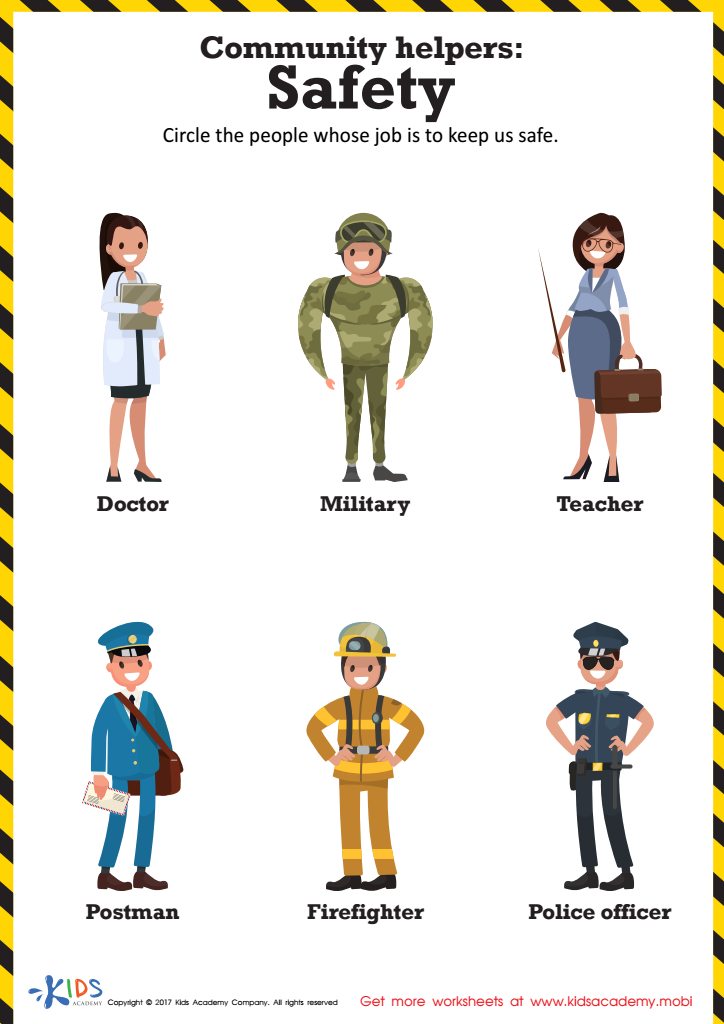
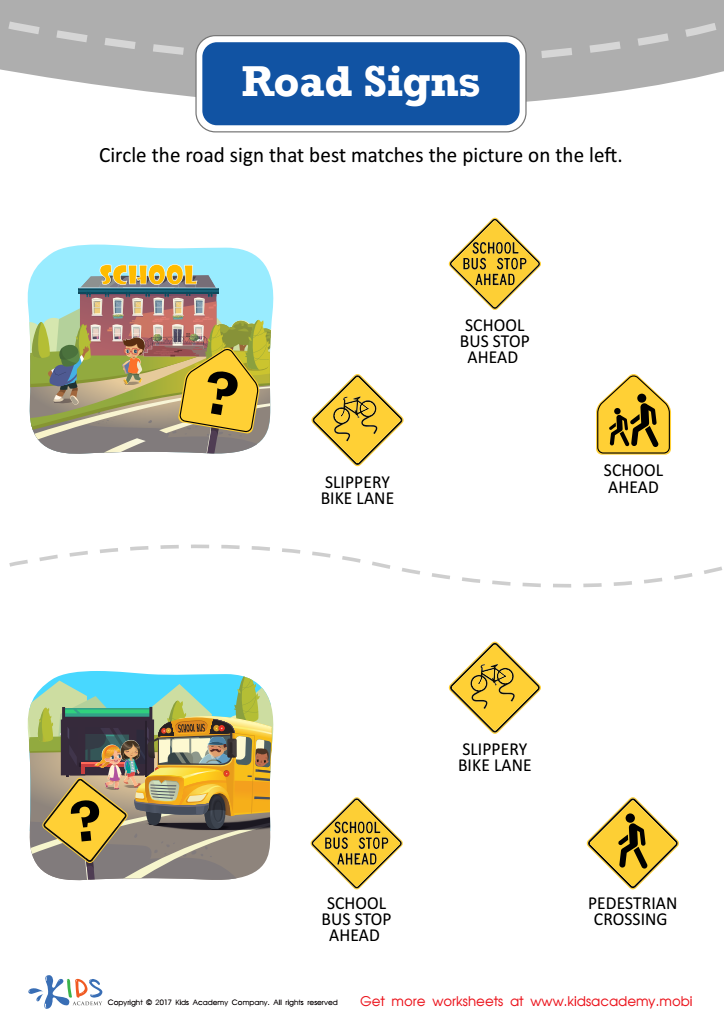
Road Signs (Part 1) Worksheet
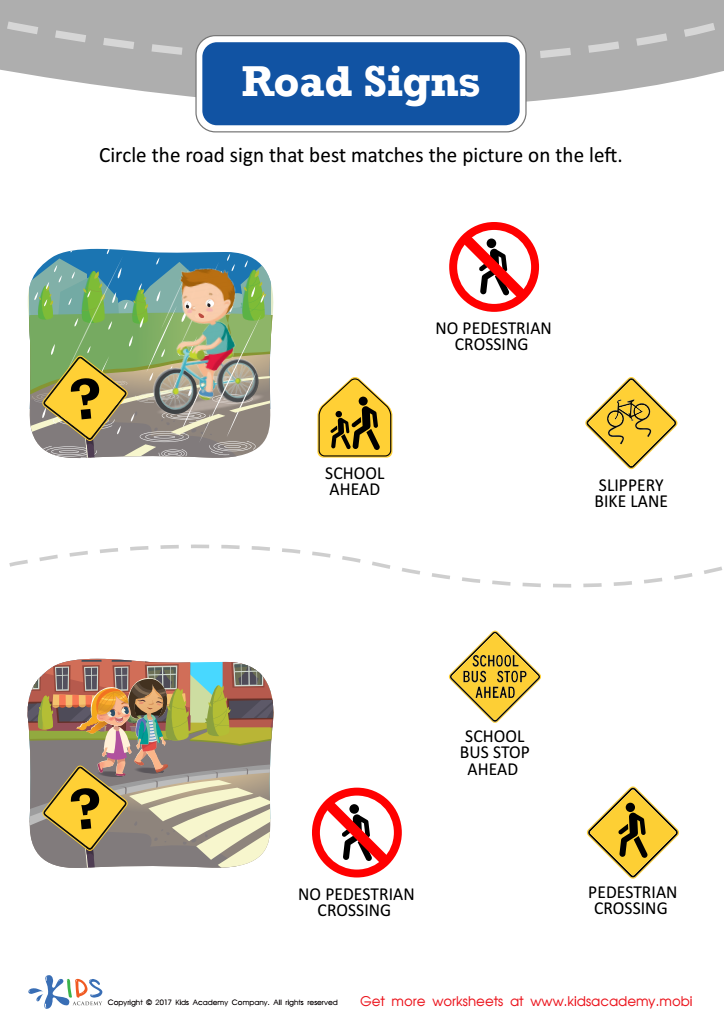
Road Signs (Part 2) Printable
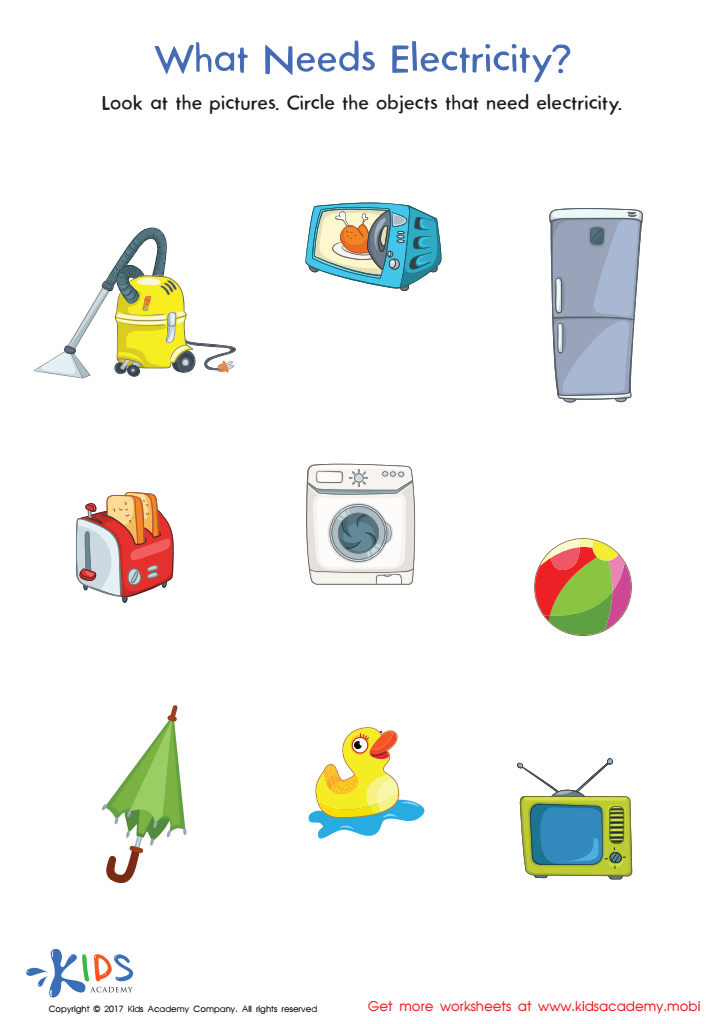
What Needs Electricity Printable
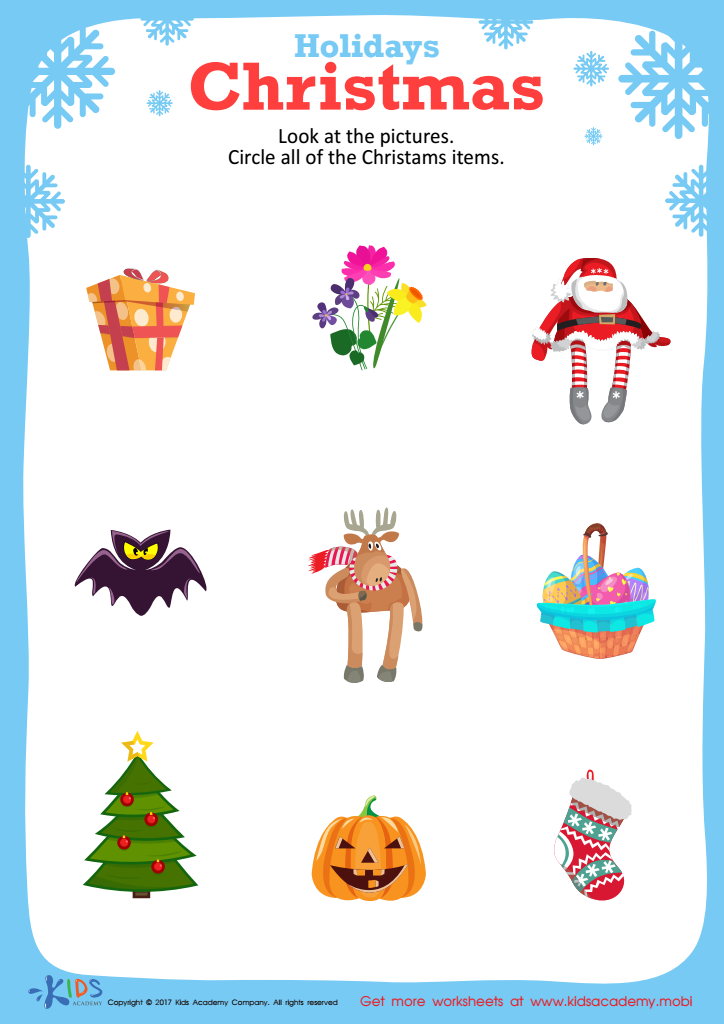
Christmas Holiday Worksheet
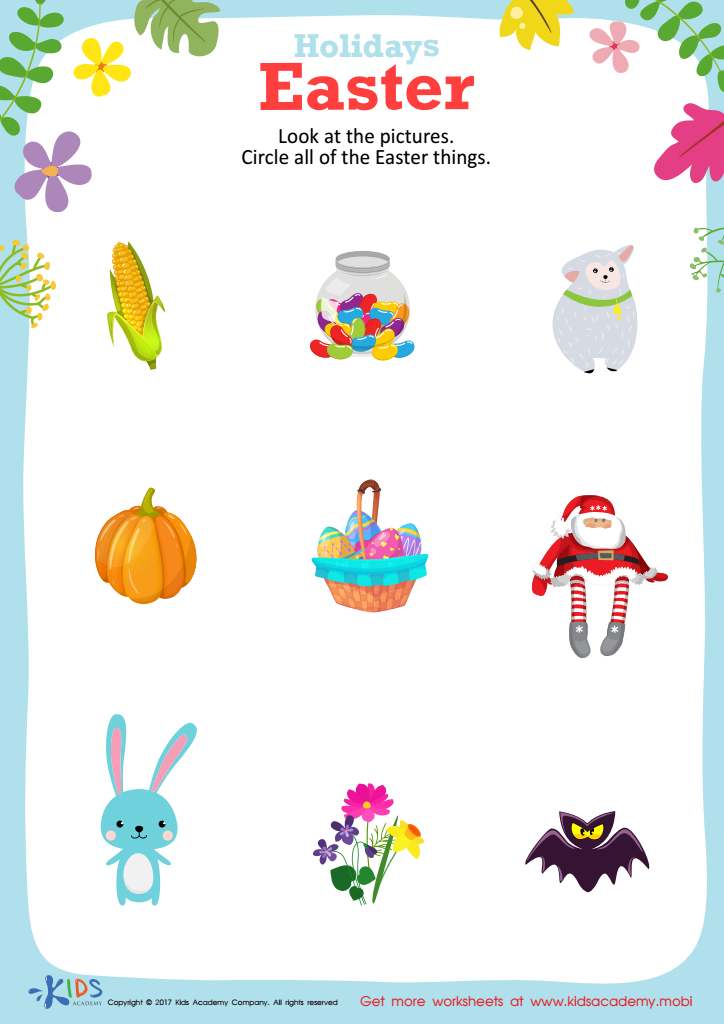
Easter Holiday Printable
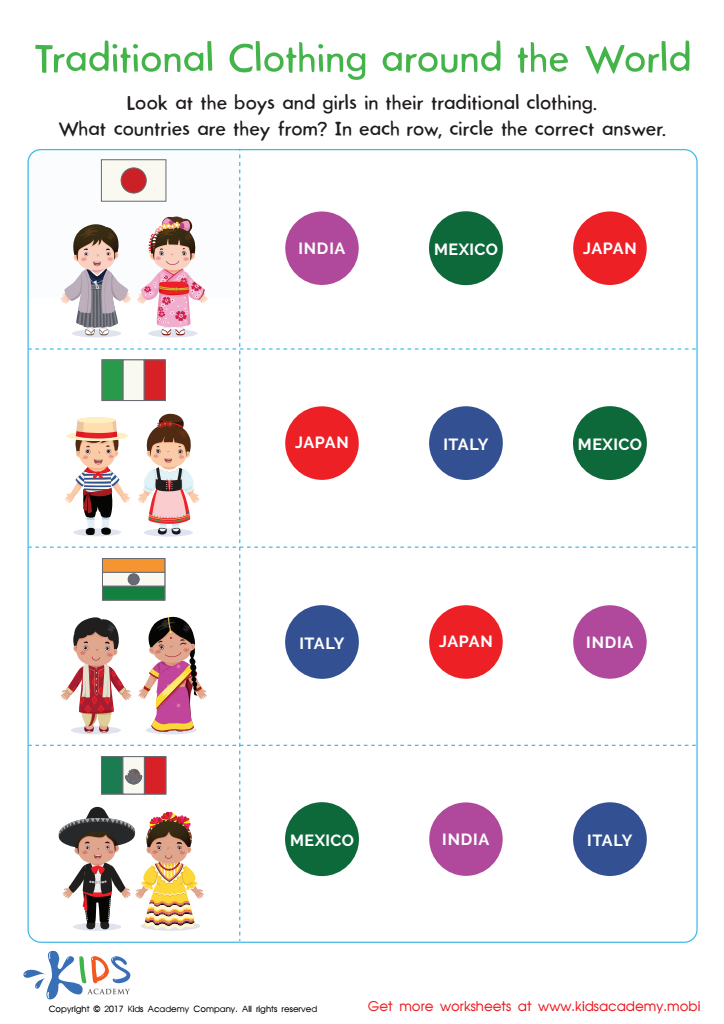
Traditional Clothing Worksheet
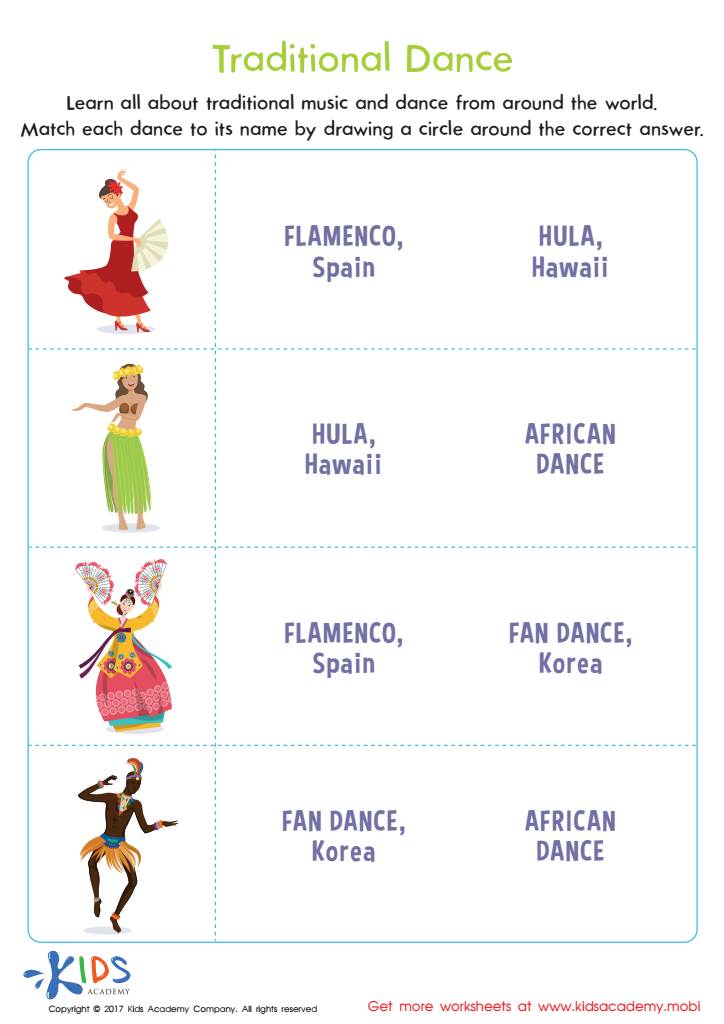
Traditional Dance Printable
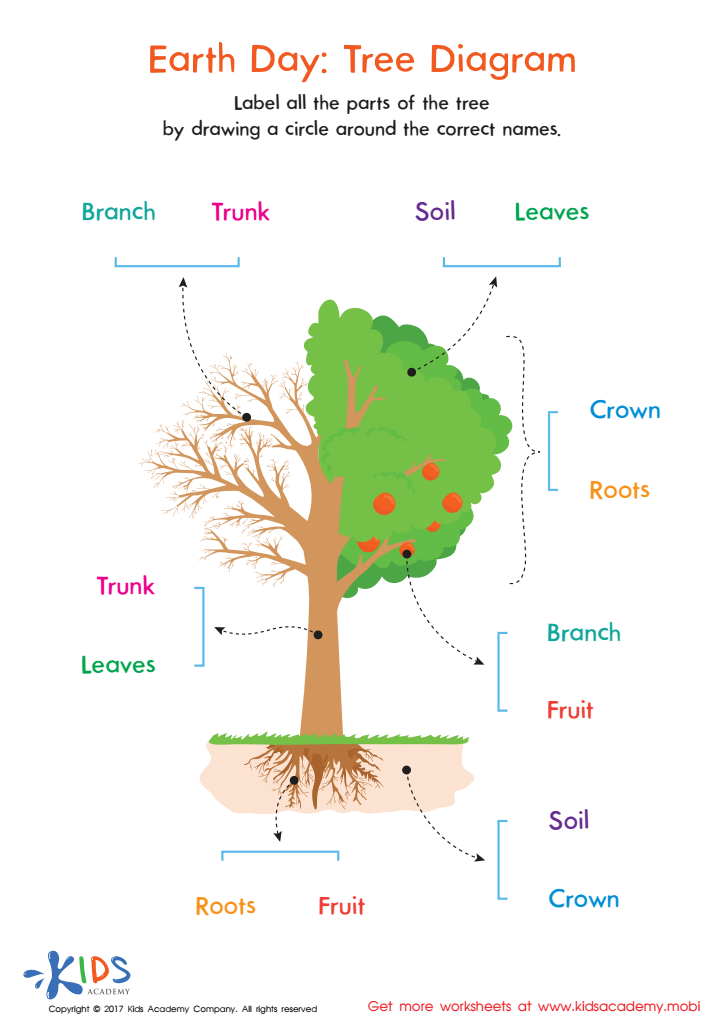
Earth Day: Tree Diagram Worksheet
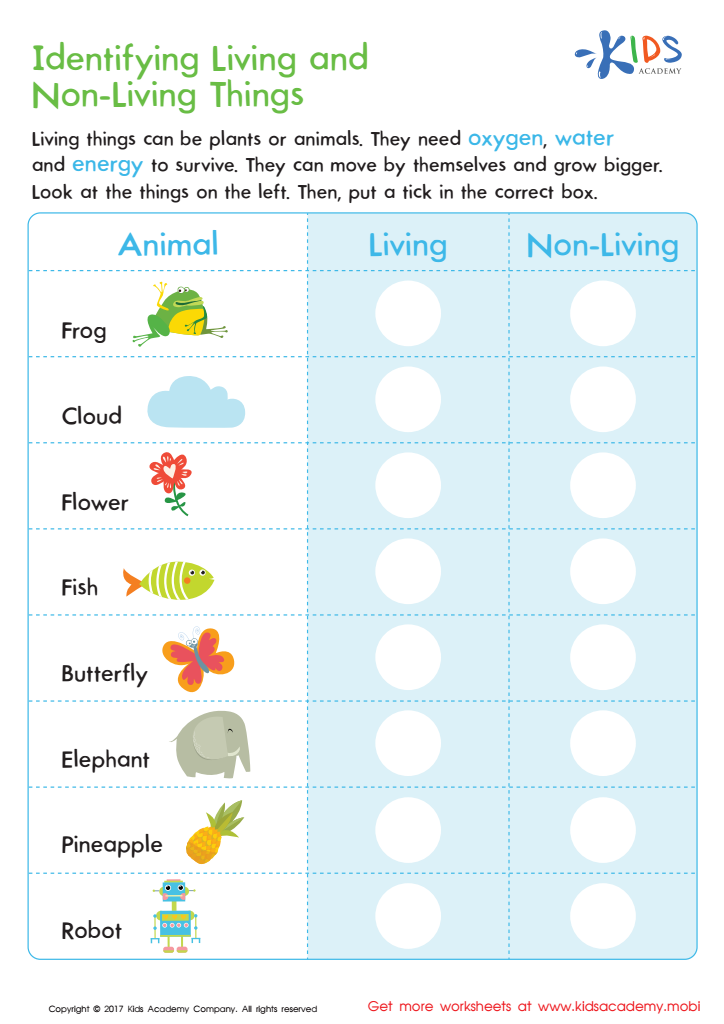
Identifying Living or Non–living Worksheet






Understanding the normal world around us is crucial for children aged 3-8, as it forms the foundation for their social, emotional, and cognitive development. Parents and teachers should care about this because exposure to everyday experiences helps children make sense of their surroundings, fostering curiosity and encouraging exploration. At this tender age, children are naturally inquisitive, and exploring their environments allows them to build knowledge and understanding about social interactions, basic scientific concepts, and cultural norms.
Moreover, interactions with the world promote language development; children learn new vocabulary and improve communication skills as they describe and discuss what they observe. Additionally, engaging with the local environment—whether it be nature, libraries, or community activities—instills a sense of belonging and community, essential for their emotional well-being.
By providing children with a rich context of the normal world, parents and educators can help nurture critical problem-solving skills and creativity. Understanding their environment also offers opportunities for experiential learning, where children can test hypotheses, thus encouraging scientific thinking. Ultimately, by prioritizing the exploration of the normal world around them, adults are equipping young learners with essential skills and knowledge to thrive in a complex world.