Normal Addition & Subtraction Worksheets for Ages 3-9 - Page 8
171 filtered results
-
From - To
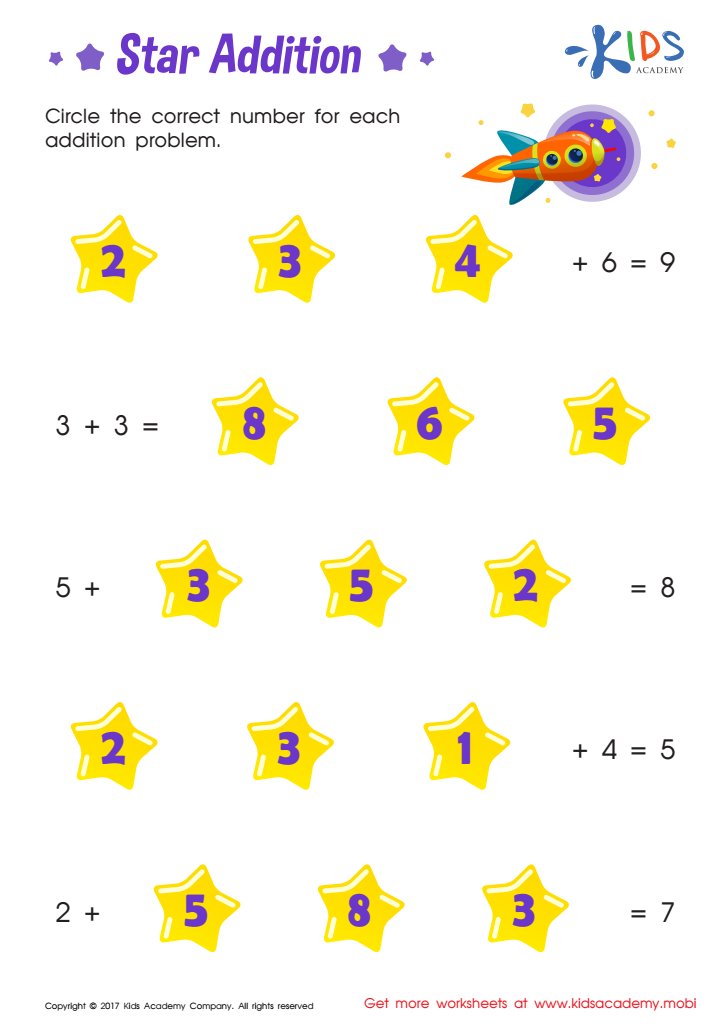
Star Addition Printable
 Assign to My Students
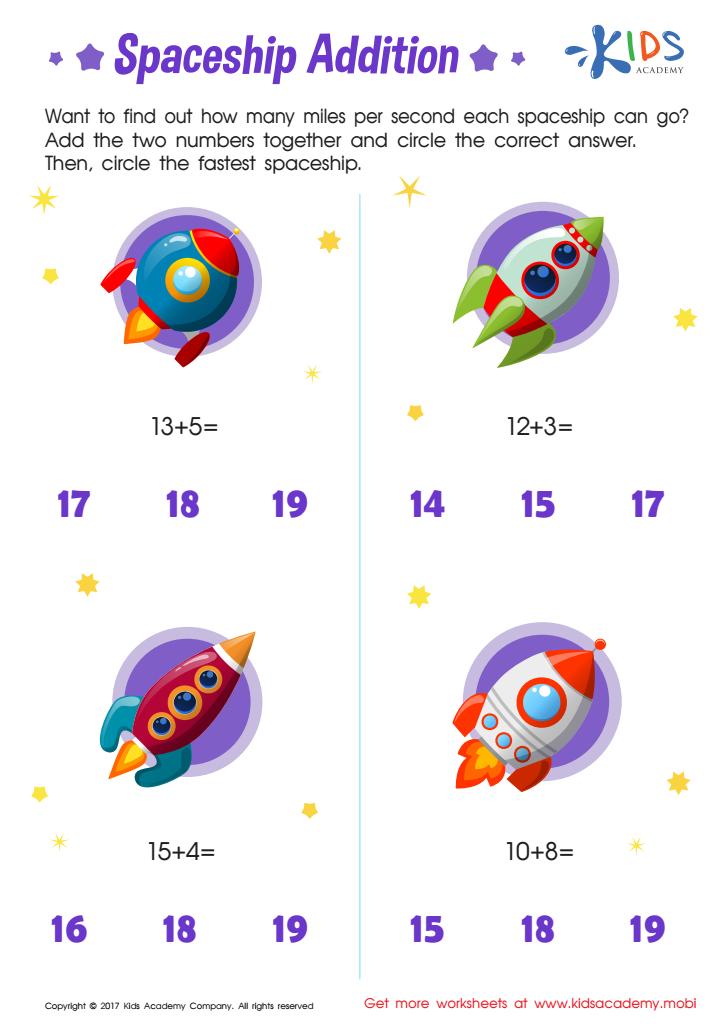
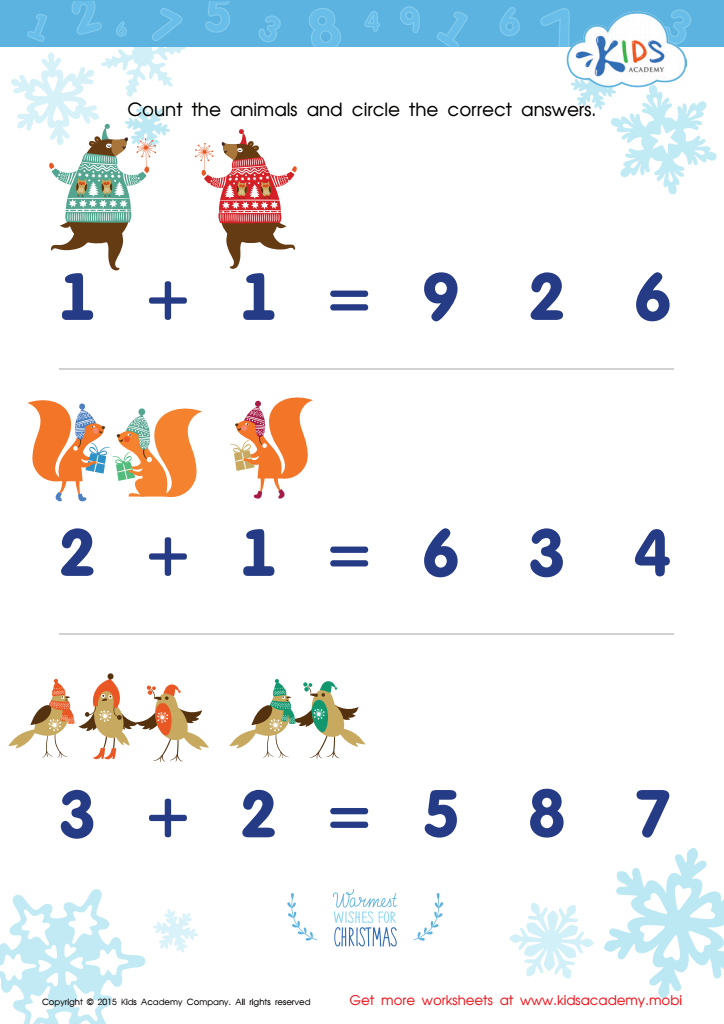
Count Funny Animals Worksheet








Understanding normal addition and subtraction is crucial for children aged 3-9, as it lays the foundation for their mathematical journey. During these formative years, children develop critical thinking and problem-solving skills that are essential in today’s world. Mastery of basic arithmetic enables them to perform everyday tasks, like counting objects, telling time, and managing money.
When parents and teachers focus on addition and subtraction, they enhance a child’s cognitive abilities, comprehension skills, and confidence. Learning these concepts helps in promoting logical reasoning and quantifying experiences, thus enriching their overall understanding of the world around them. Moreover, these skills are gateways to more complex math concepts, such as multiplication, division, and eventually algebra.
Engaging children with fun activities, games, and practical applications fosters a positive attitude towards math. It makes learning enjoyable and less intimidating, which is vital, as negative experiences with math at an early age can hinder future learning. Furthermore, parental and teacher involvement creates a supportive environment that encourages exploration, curiosity, and perseverance. Investing time and energy into teaching normal addition and subtraction benefits not only the individual child but also contributes to a mathematically literate society.








