Normal Comparing Numbers Worksheets for Ages 3-9 - Page 2
32 filtered results
-
From - To
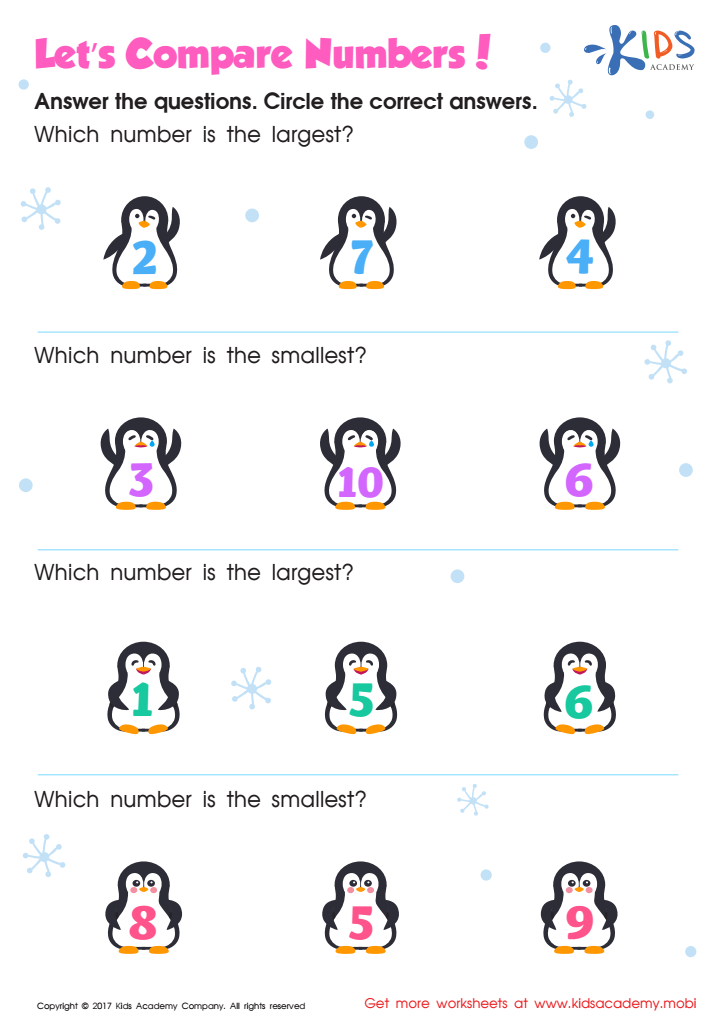
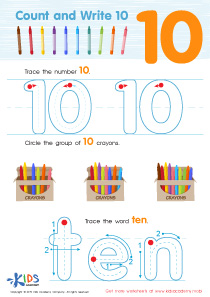
Comparing Numbers 1–10 Worksheet Kindergarten
 Assign to My Students
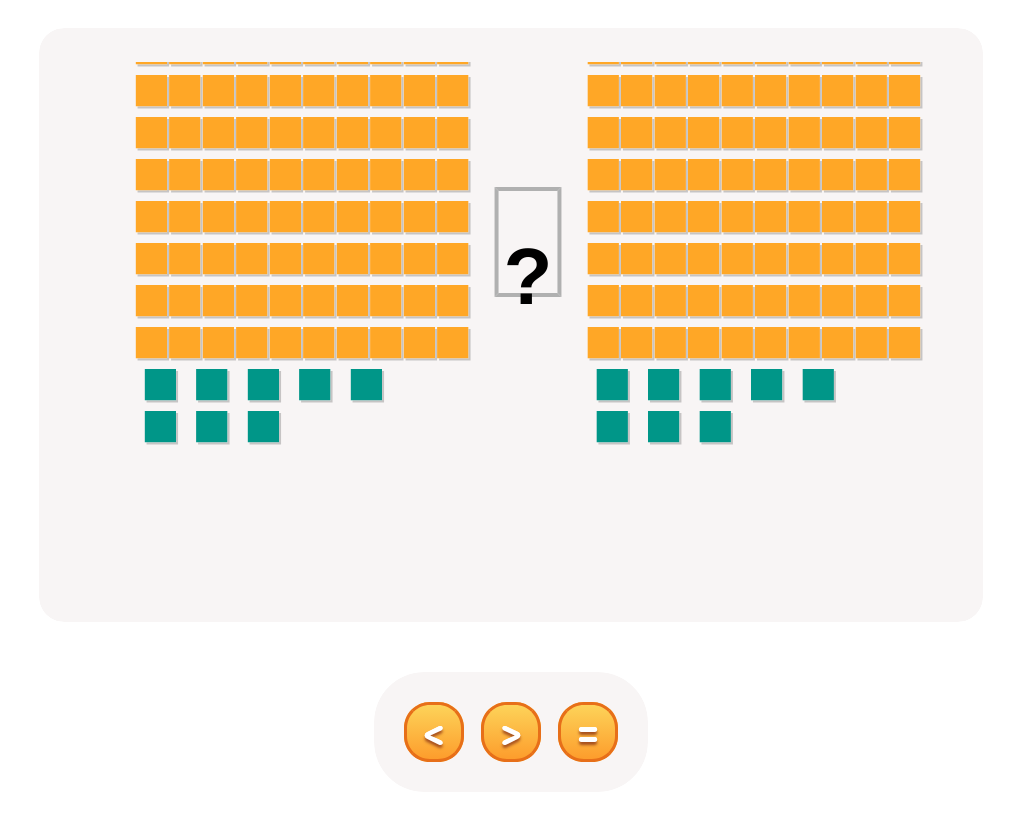

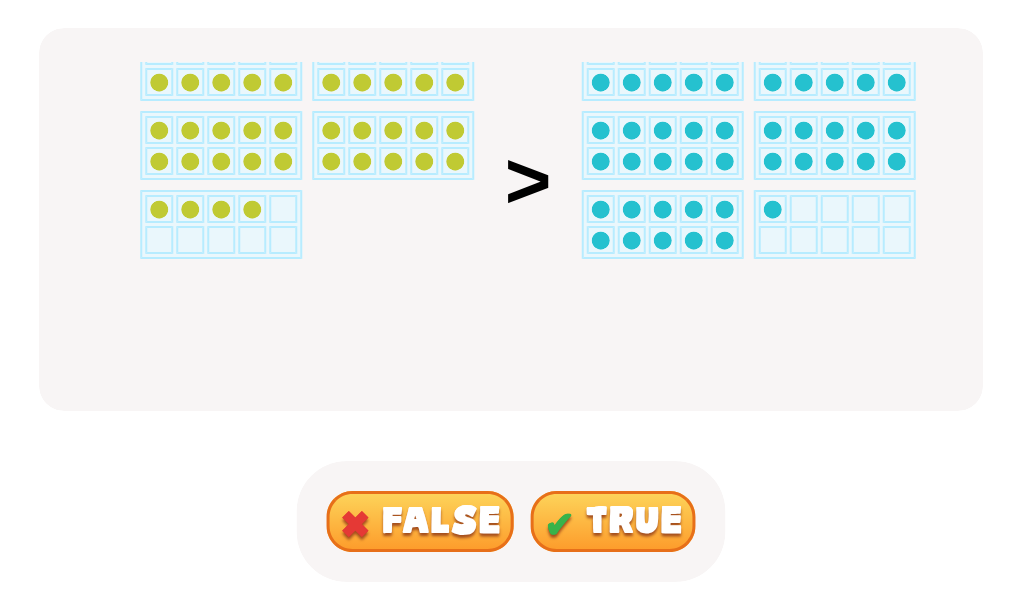
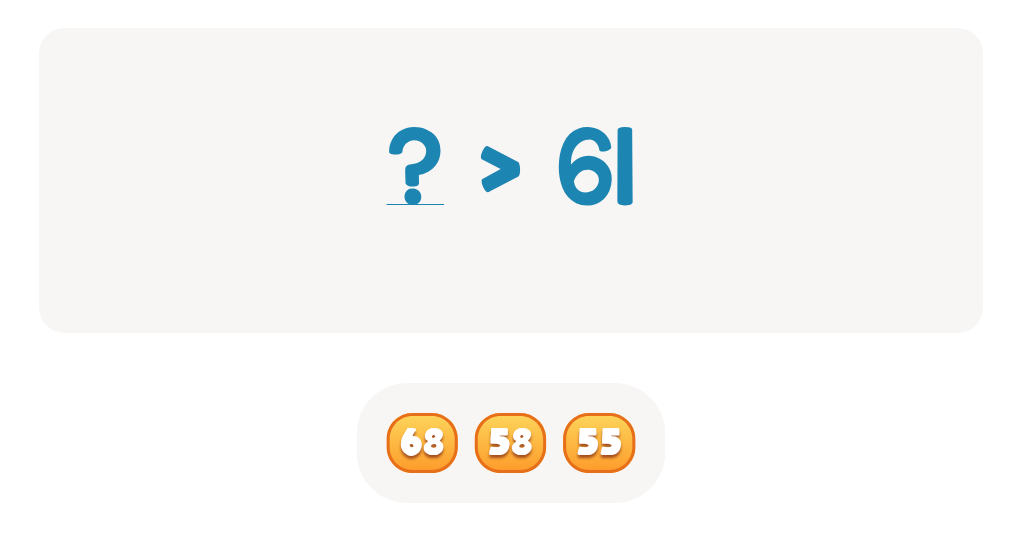
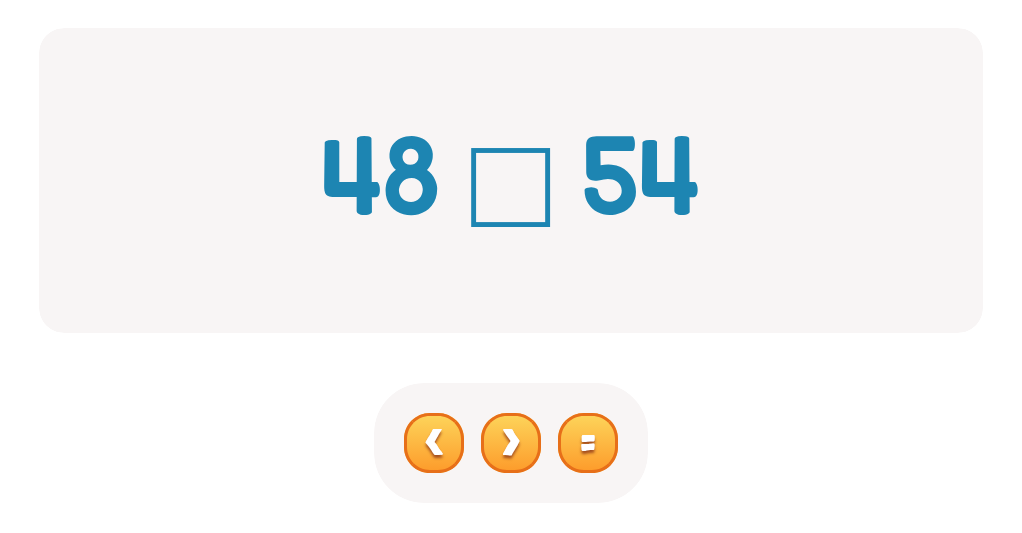
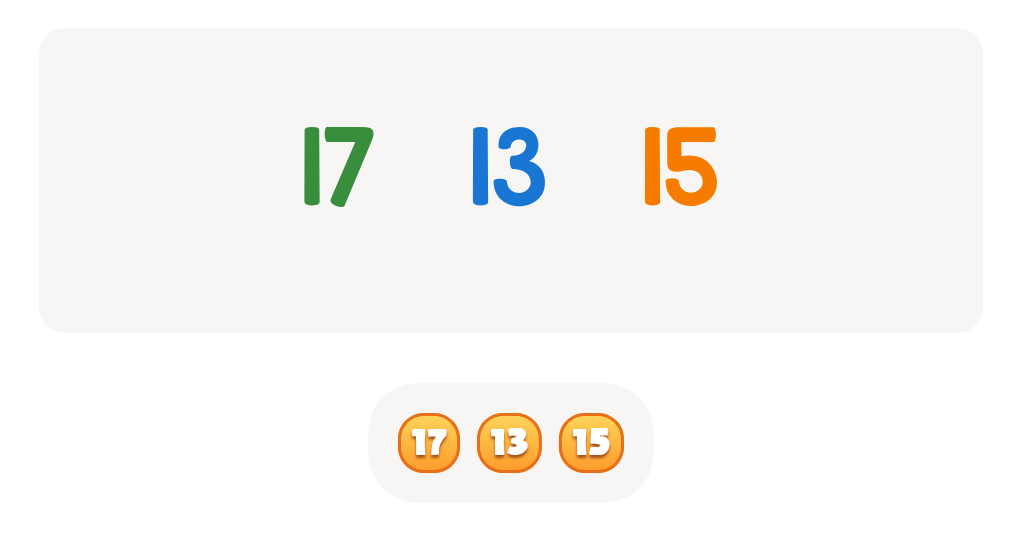
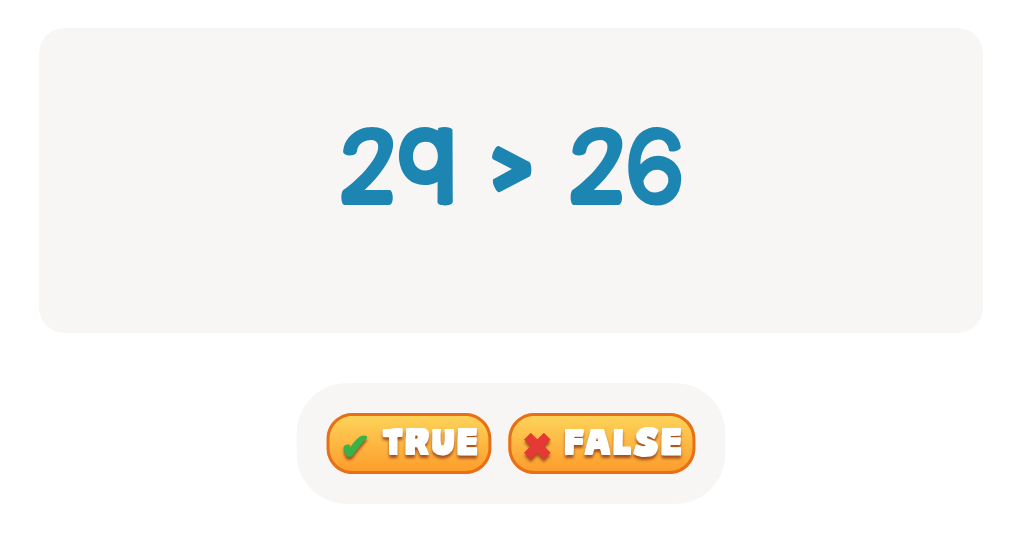
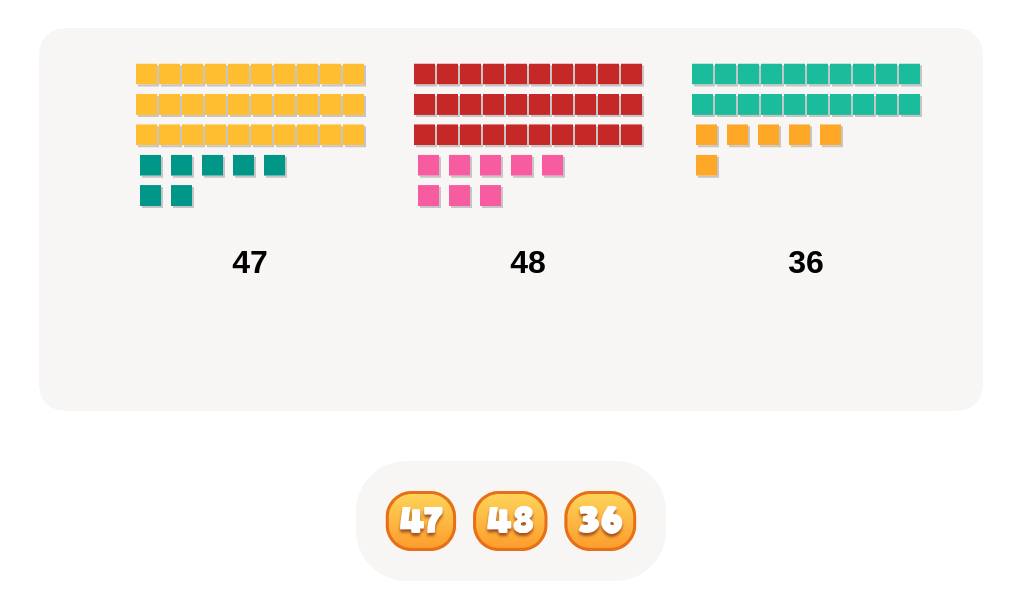
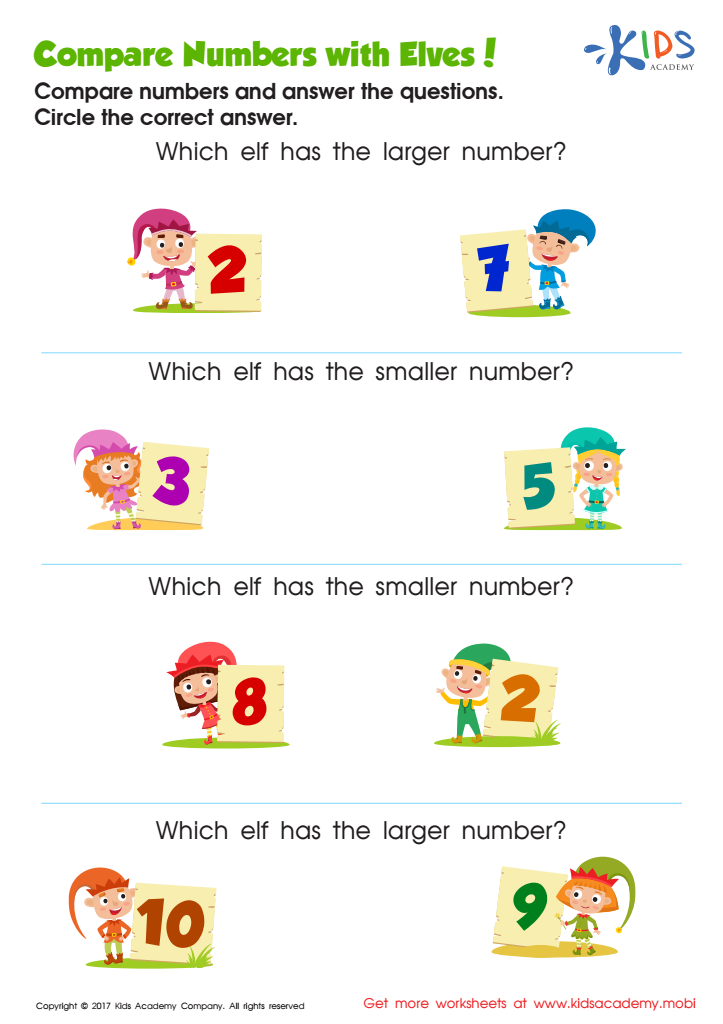
Comparing Numbers Worksheet for Kindergarten
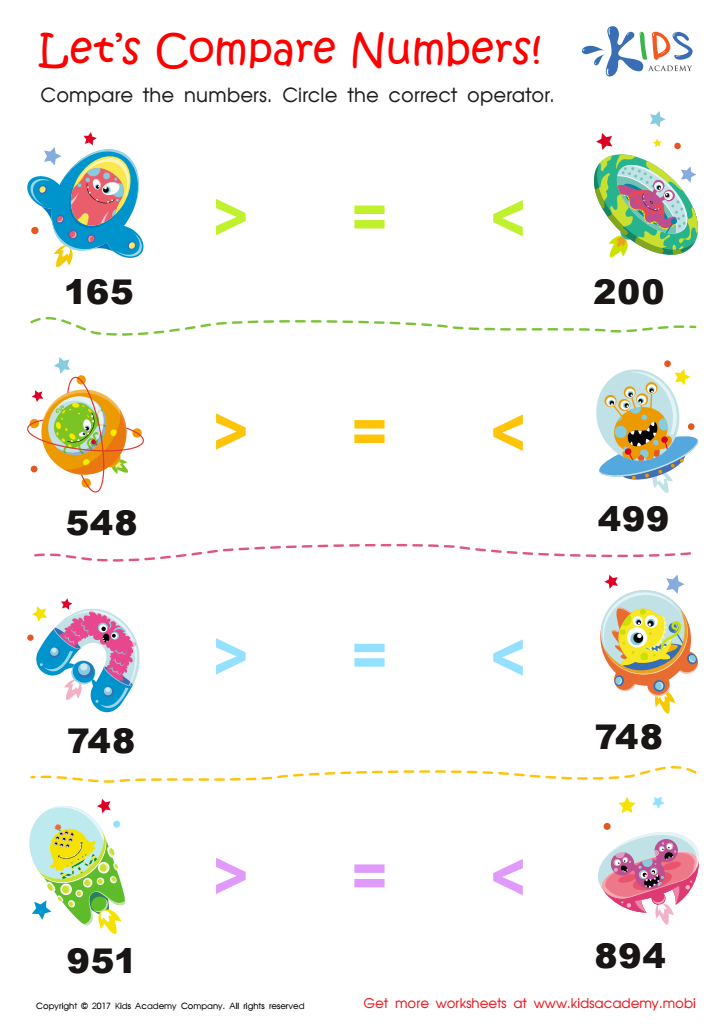
Comparing Numbers Worksheet for 2nd Grade
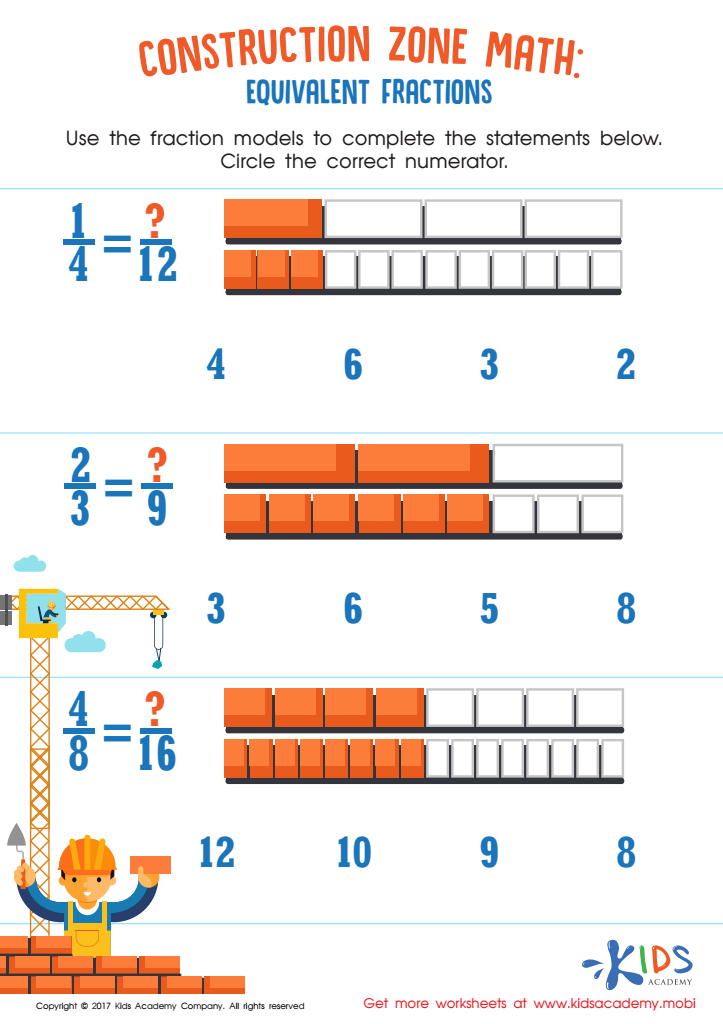
Equivalent Fractions Worksheet
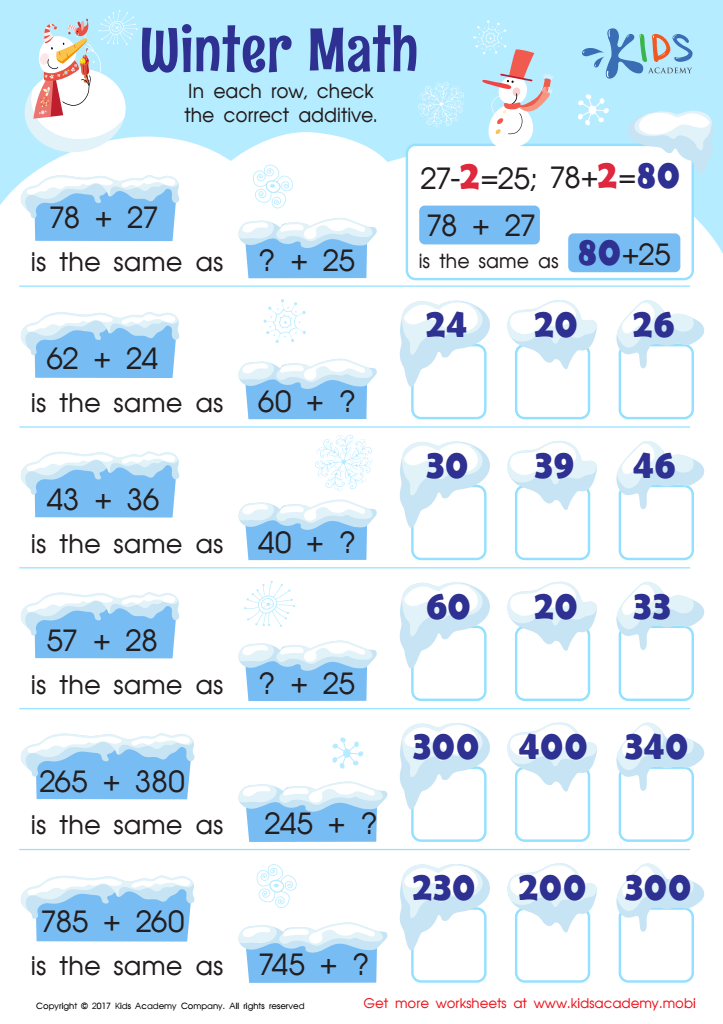
Free Addition Worksheet
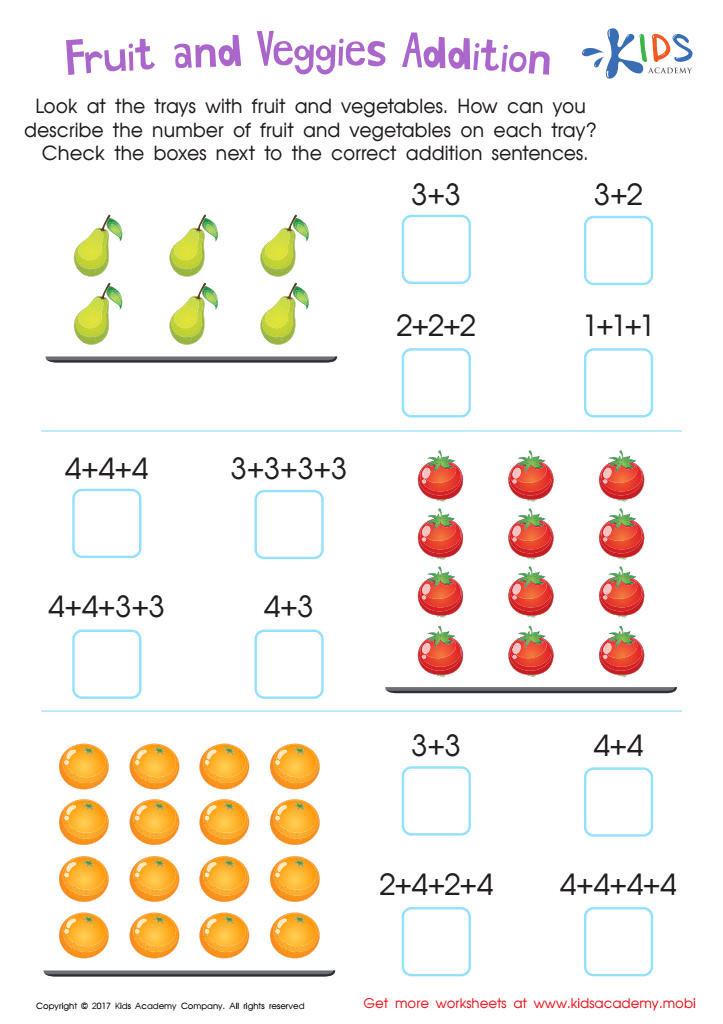
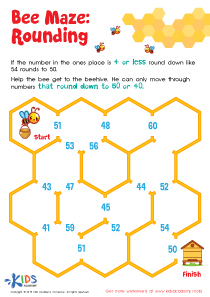
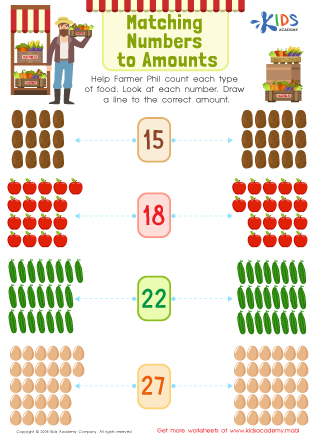
Fruit and Veggies Worksheet
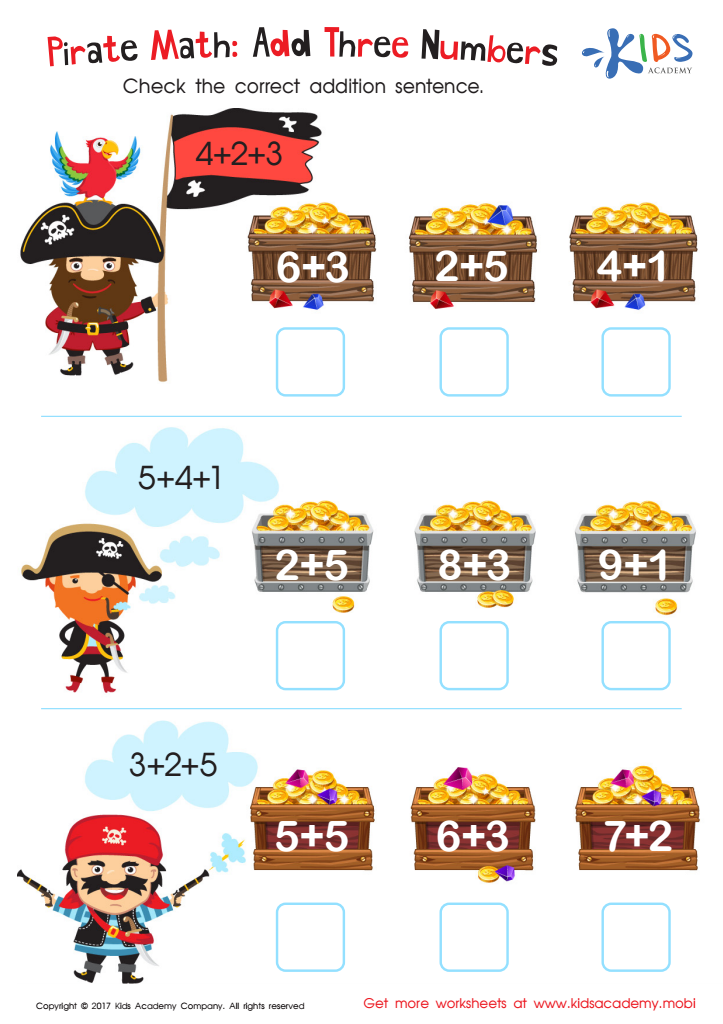
Pirate Math Printable
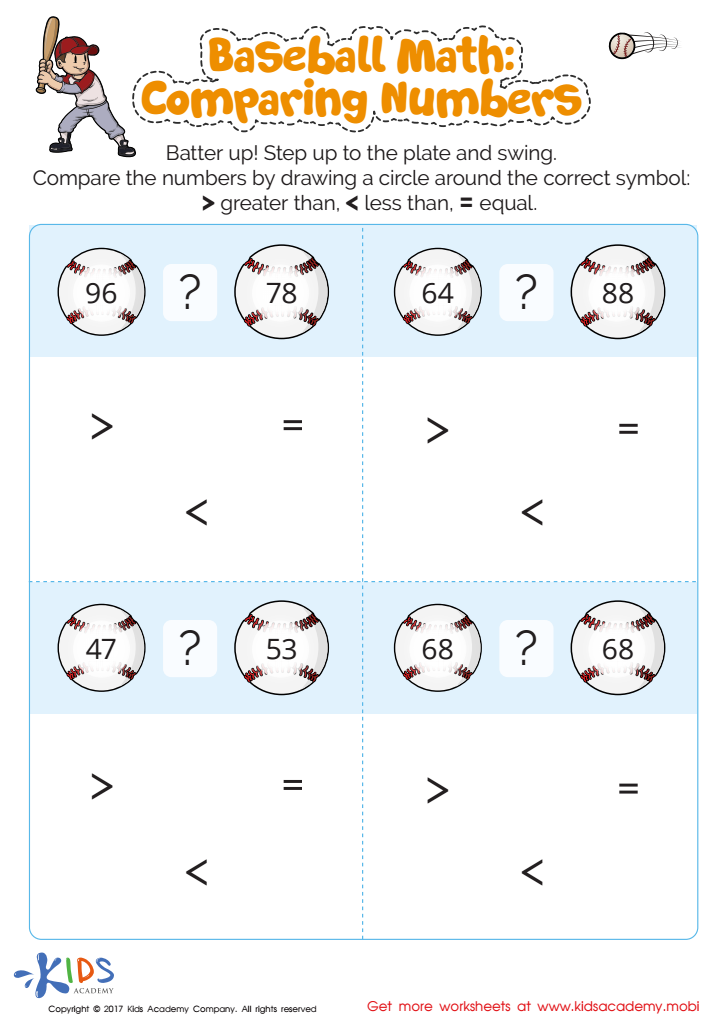
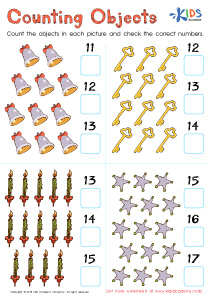
Compare Numbers Printable








Normal comparing numbers, which involves the ability to identify greater-than, less-than, and equal-to relationships among numbers, is crucial for several reasons in the development of children aged 3-9. Firstly, it lays the groundwork for numerical literacy, fostering an early understanding of basic math concepts that are essential for more advanced arithmetic skills. This foundational knowledge helps children comprehend quantities, enhancing their abilities to assess practical situations, like determining which group of objects is larger or smaller.
Additionally, comparing numbers nurtures critical thinking and problem-solving skills. When children compare numbers, they start to recognize patterns and relationships, which is integral to logical reasoning. These skills are not only vital academically but are also beneficial in everyday decision-making and in understanding the world around them.
Most importantly, mastering these concepts builds confidence in young learners. When children successfully compare numbers, they experience a sense of accomplishment, which instills a positive attitude toward math. Parents and teachers who prioritize teaching this fundamental concept help create an environment where children feel empowered and ready to tackle more complex mathematical challenges as they grow. Therefore, caring about normal comparing numbers significantly contributes to a child's early cognitive development and lifelong love of learning.