Normal Multiplication Worksheets for Ages 3-9 - Page 2
34 filtered results
-
From - To
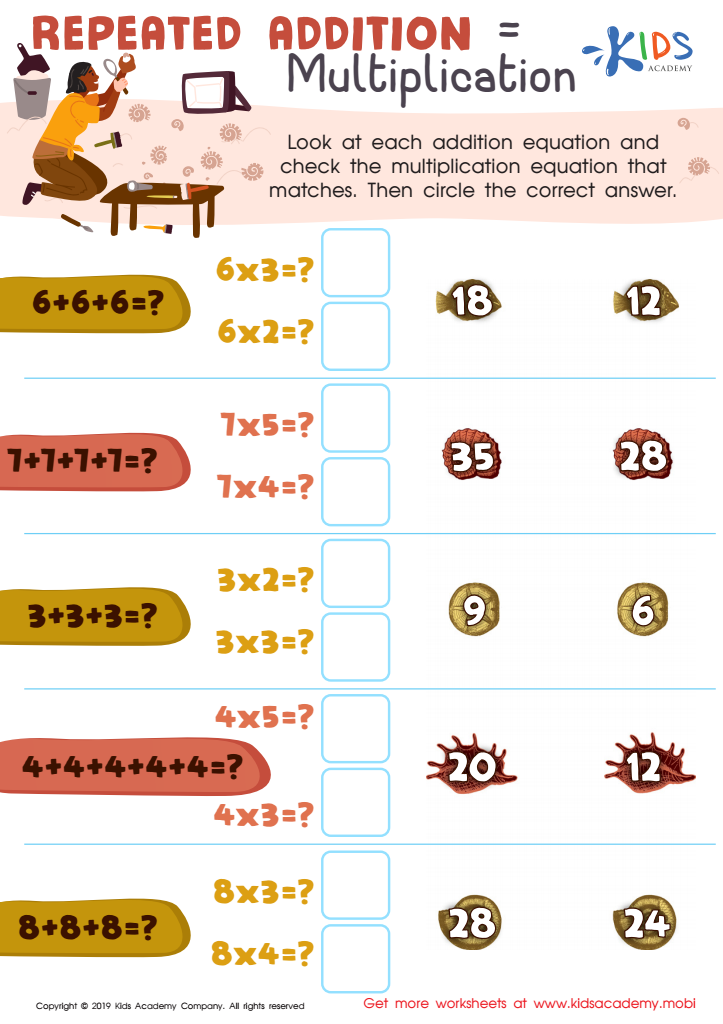
Repeated Addition = Multiplication Worksheet
 Assign to My Students
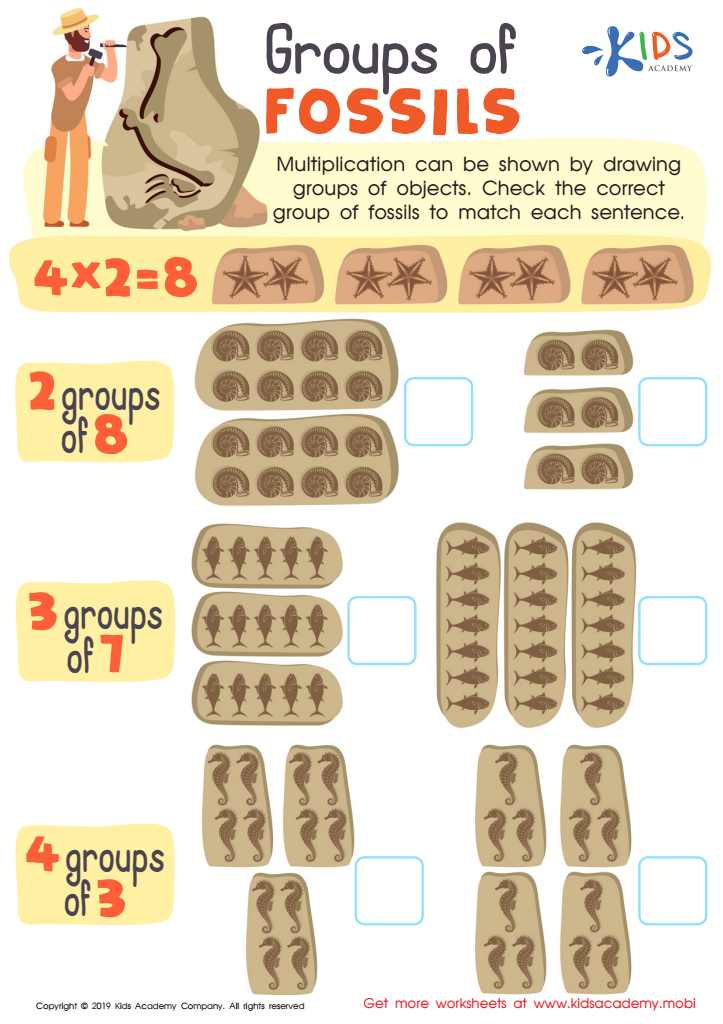
Groups of Fossils Worksheet
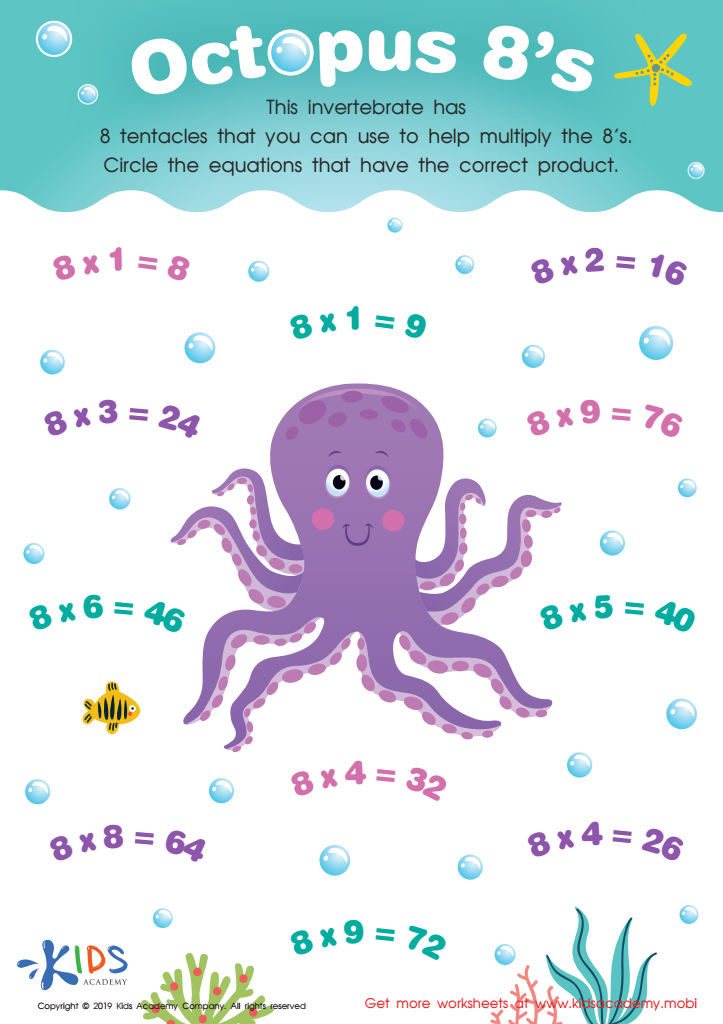
Octopus 8’s Worksheet
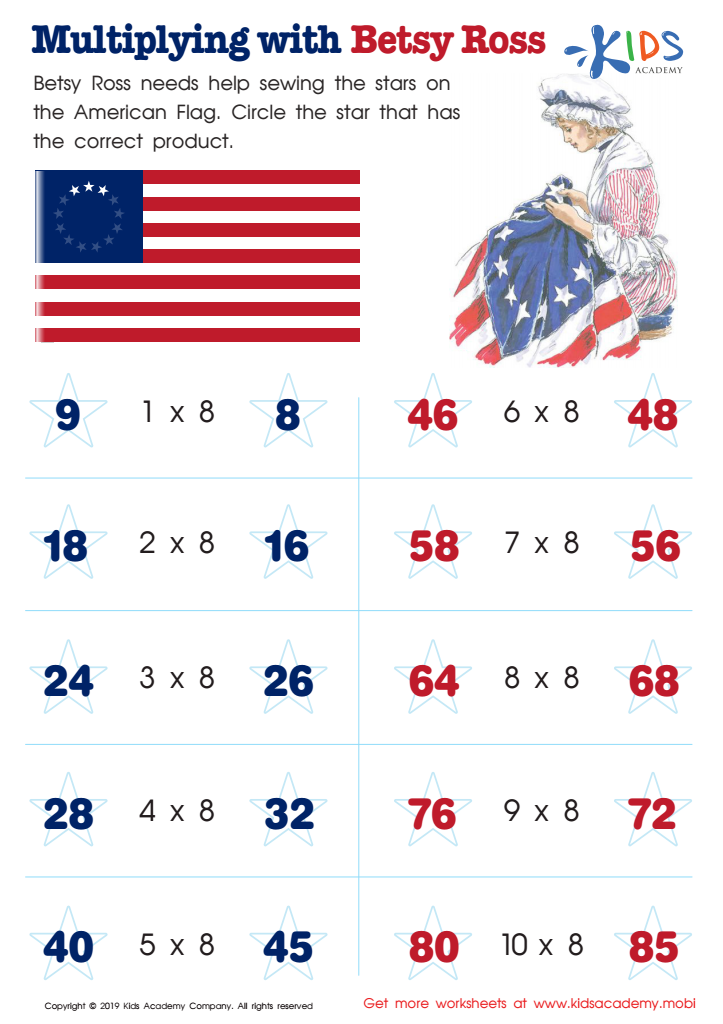
Multiplying with Betsy Ross Worksheet
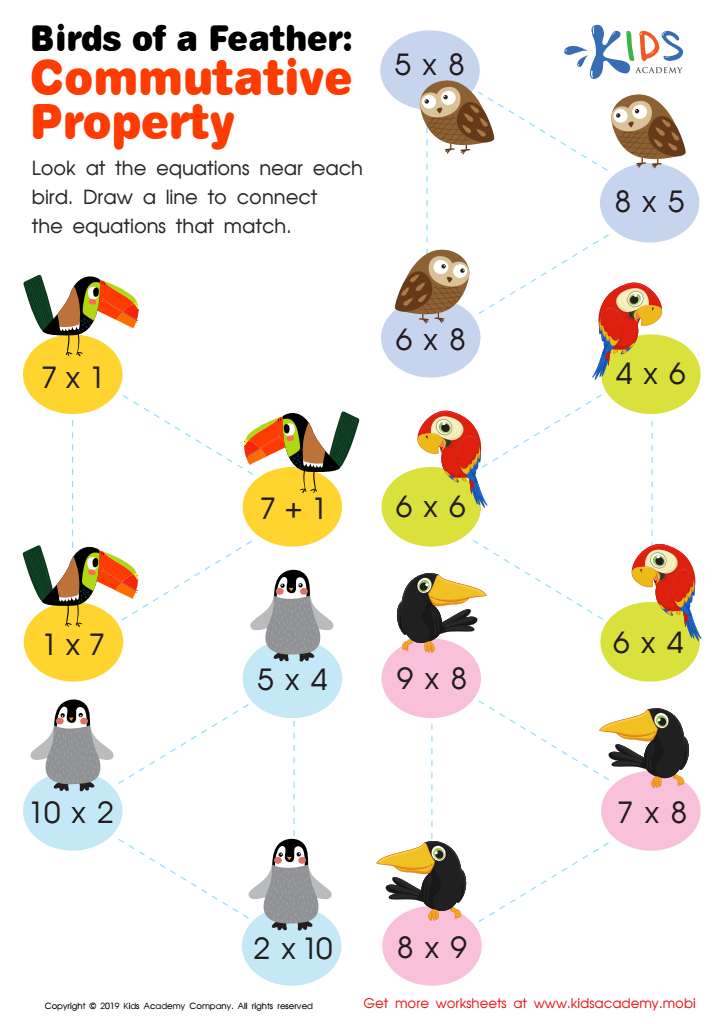
Birds of a Feather: Commutative Property Worksheet
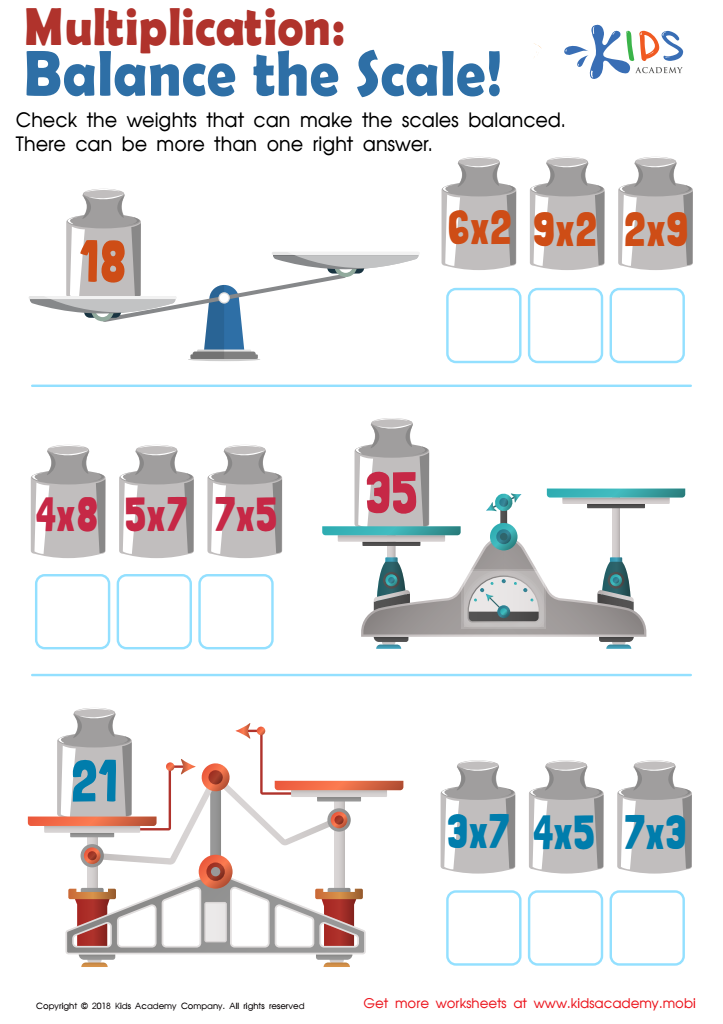
Balance the Scales Multiplication Worksheet
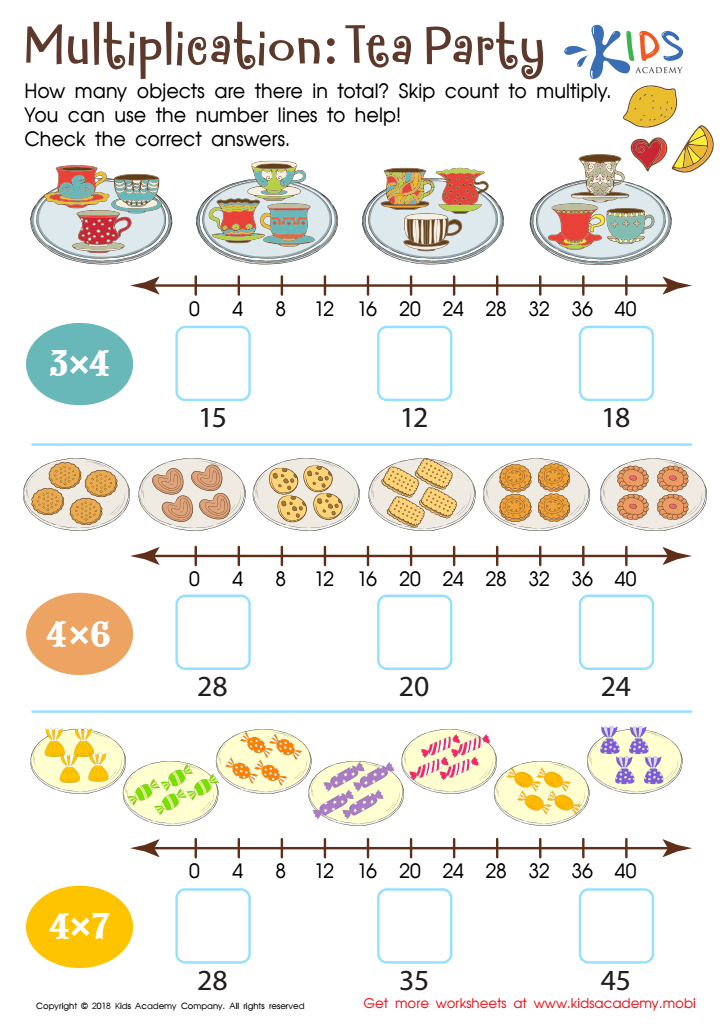
3rd Grade Math Worksheet Multiplication
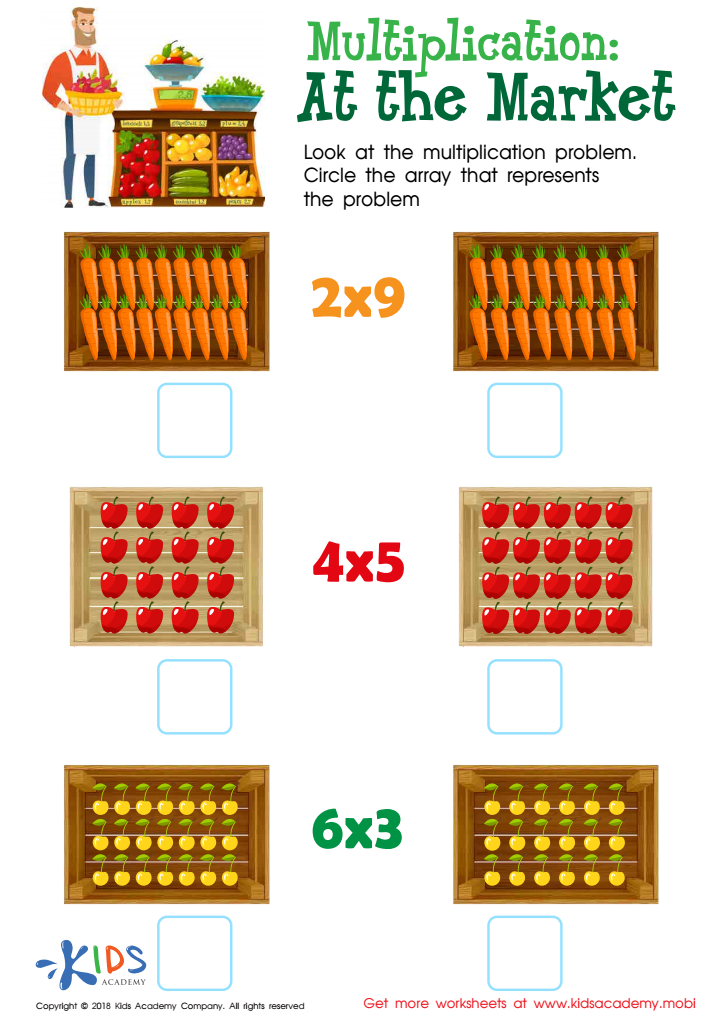
At the Market Worksheet
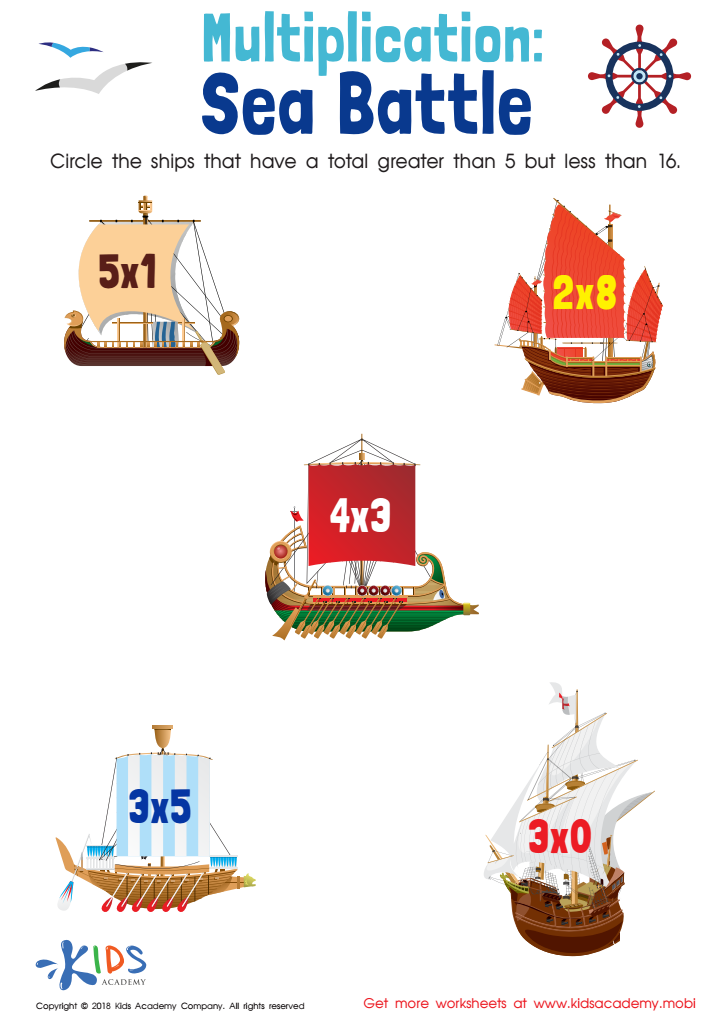
Sea Battle: Multiplication Worksheet
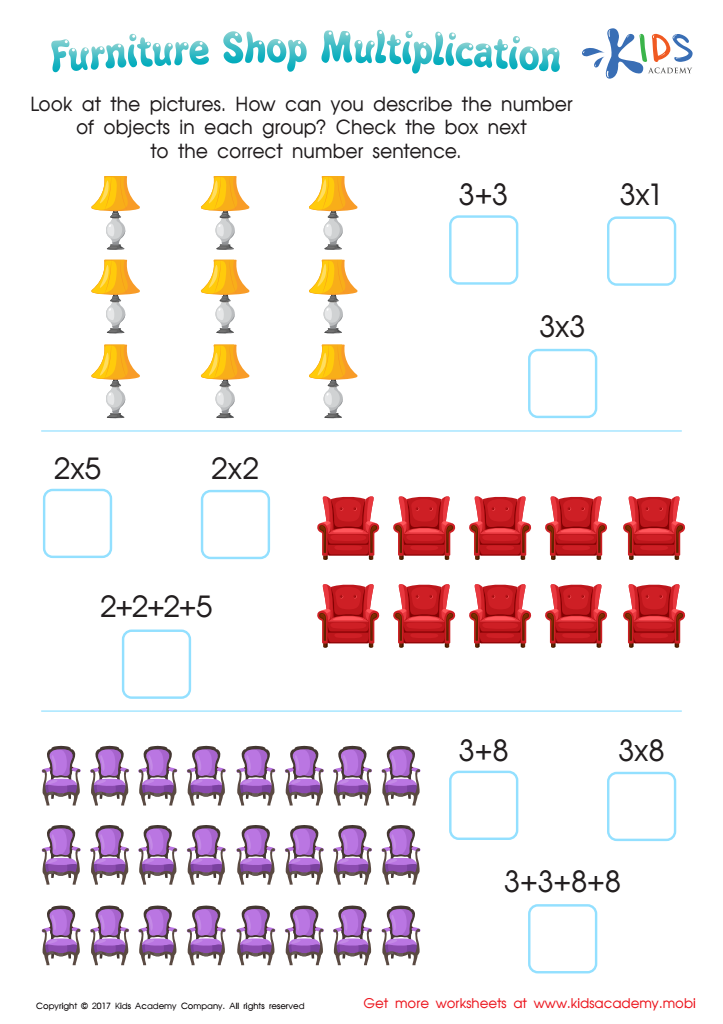
Furniture Shop Worksheet






Understanding normal multiplication is crucial for children aged 3-9 for several reasons. First, it lays the foundation for more advanced mathematical concepts. Early exposure to multiplication introduces children to the idea of grouping and repeated addition, which helps develop their number sense.
Moreover, practical applications of multiplication are abundant in everyday life. From sharing toys equally among friends to calculating the total number of days in weeks, these real-world connections make math relatable and engaging for young learners.
Additionally, mastering multiplication can build children’s confidence in their mathematical abilities. When students feel competent, they are more likely to tackle challenges and exhibit a positive attitude towards learning. Fostering this confidence early on can lead to a lifelong appreciation for math.
Importantly, normal multiplication also enhances critical thinking skills. Children learn to approach problems methodically, breaking them down into simpler parts, which bridges the gap to problem-solving techniques used in multiple disciplines.
Lastly, involving parents and teachers in early math education nurtures a collaborative learning environment. This engagement reinforces concepts and creates a supportive atmosphere where children feel encouraged to explore and expand their mathematical understanding. Thus, normal multiplication serves as a vital stepping stone in a child’s educational journey.








