Normal Numbers Worksheets for Ages 4-7 - Page 3
193 filtered results
-
From - To
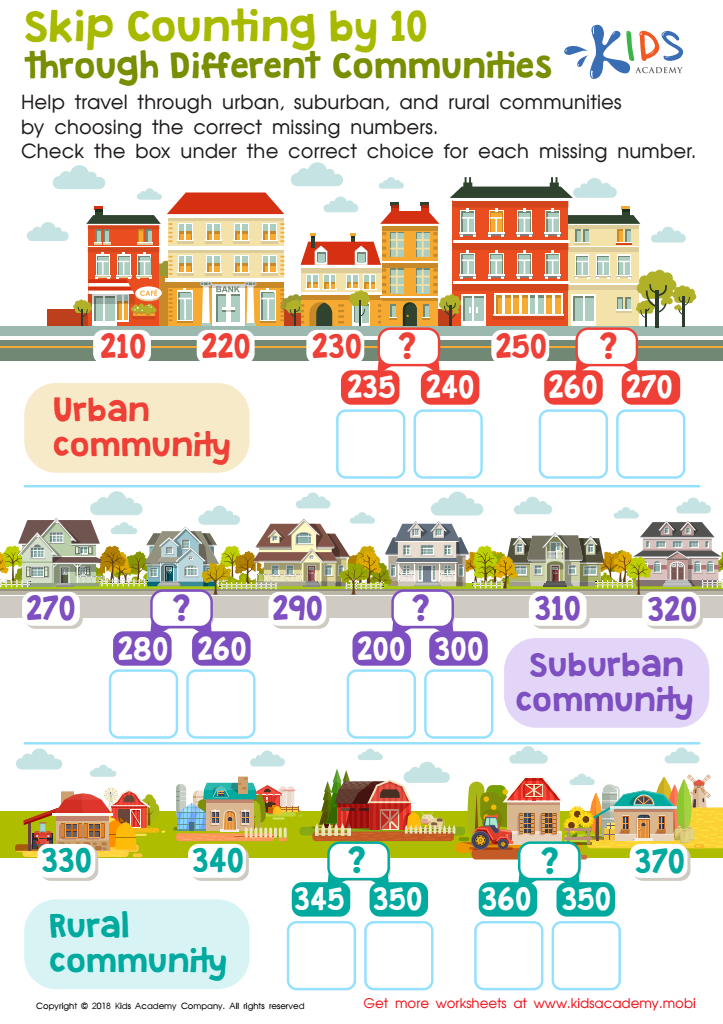
Skip Counting by 10 through Different Communities Worksheet
 Assign to My Students
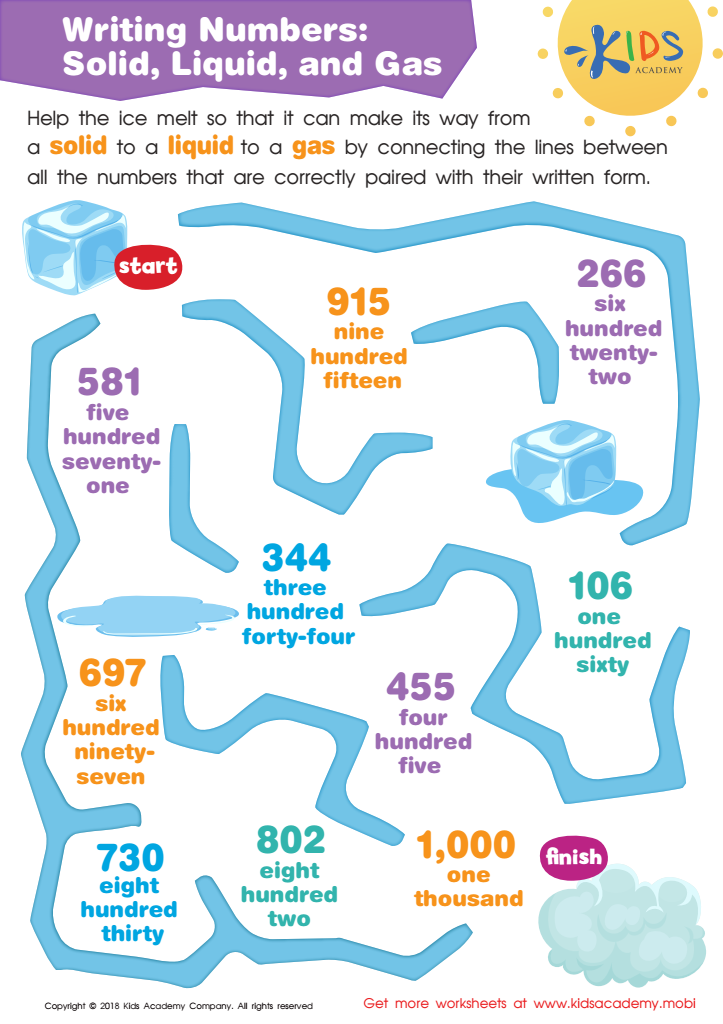
Solid, Liquid, and Gas Writing Numbers Worksheet
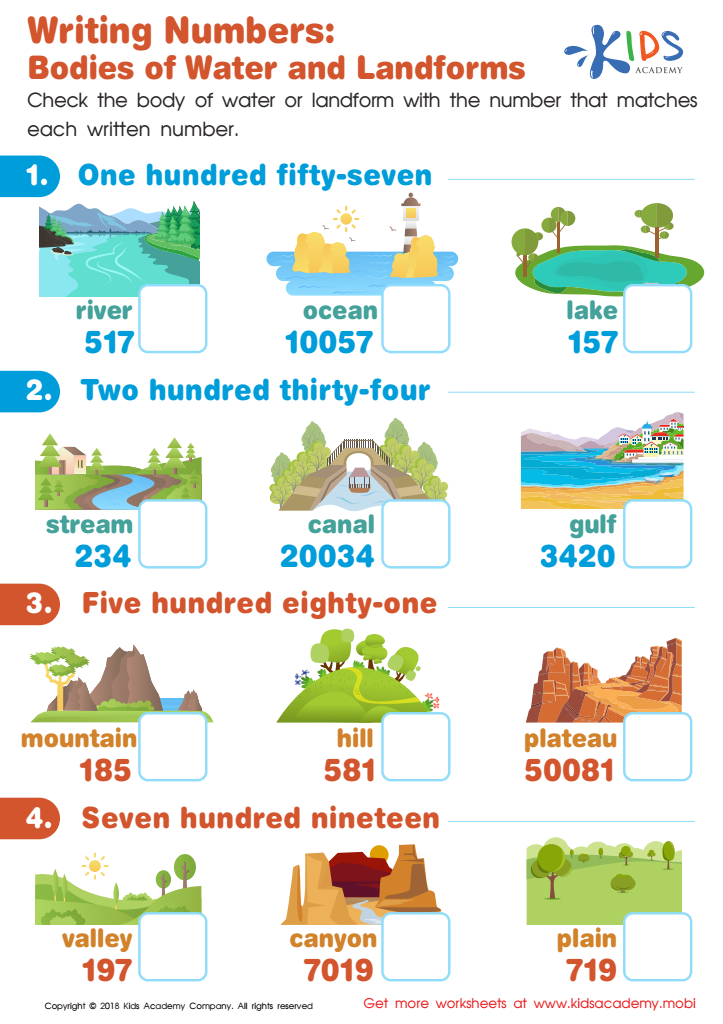
Bodies of Water and Landforms Writing Numbers Worksheet
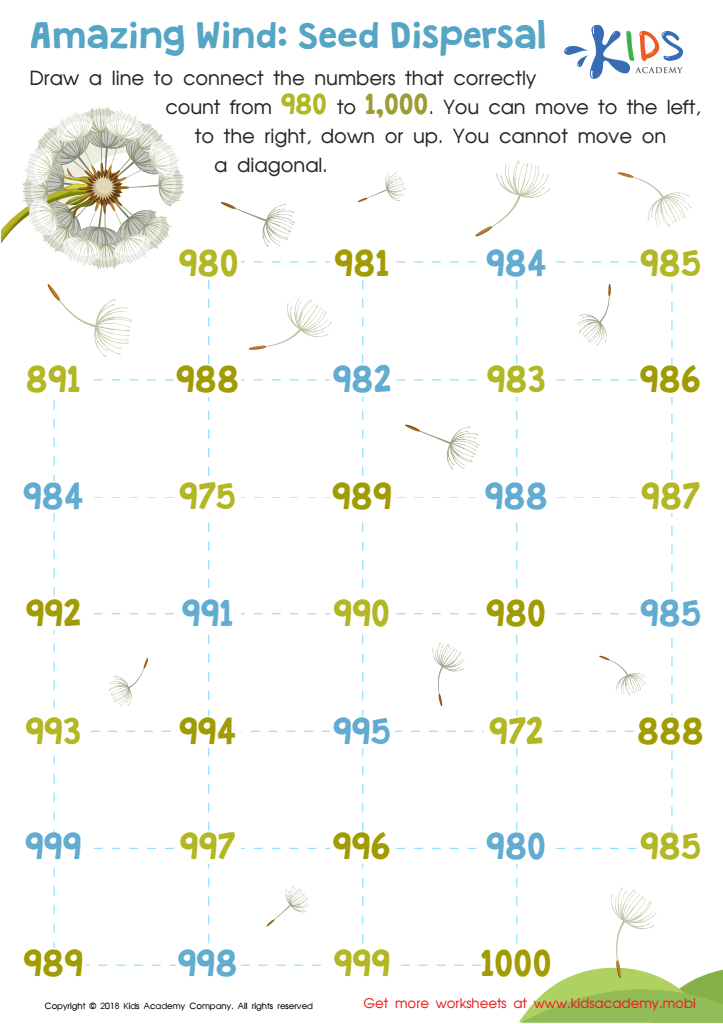
Amazing Wind: Seed Dispersal Worksheet
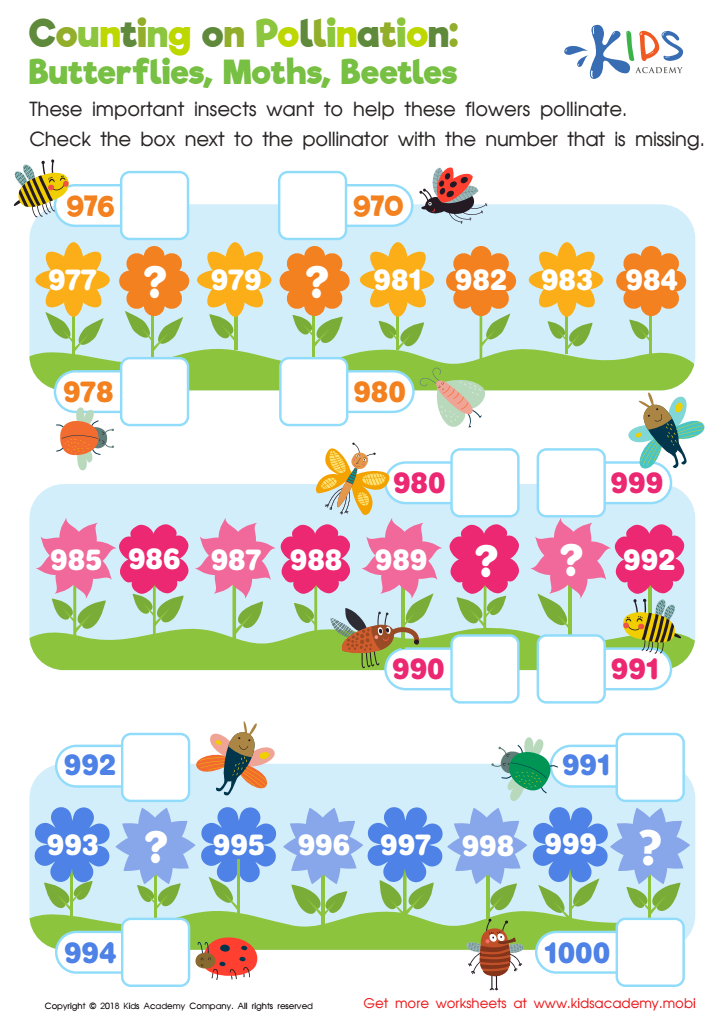
Counting on Pollination: Butterflies, Moths, Beetles Worksheet
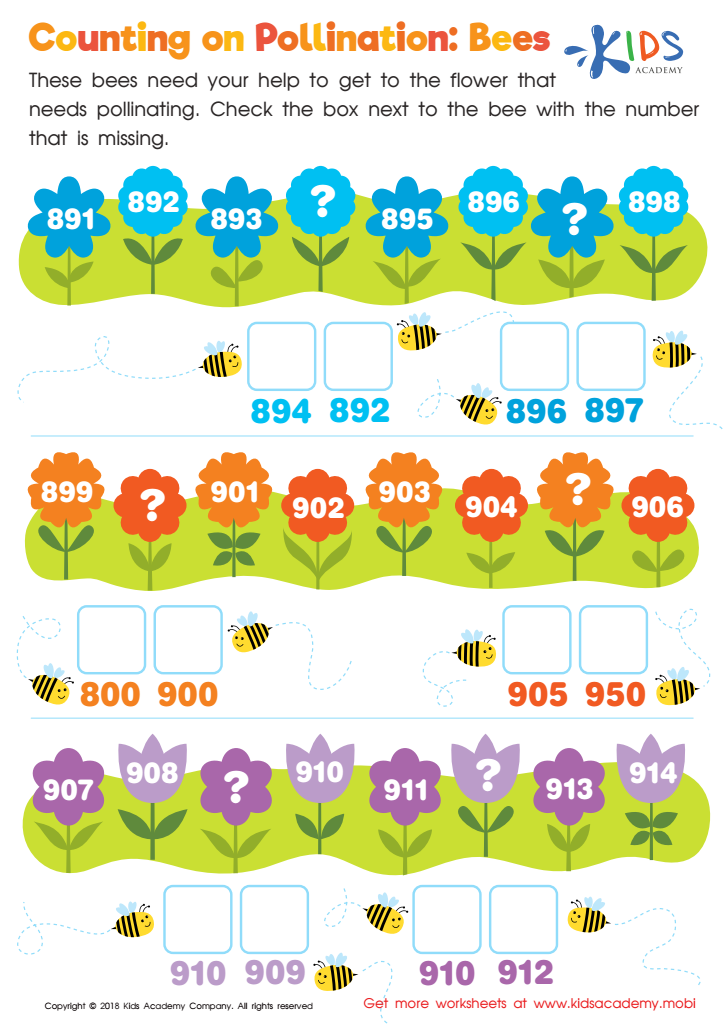
Counting on Pollination: Bees Worksheet
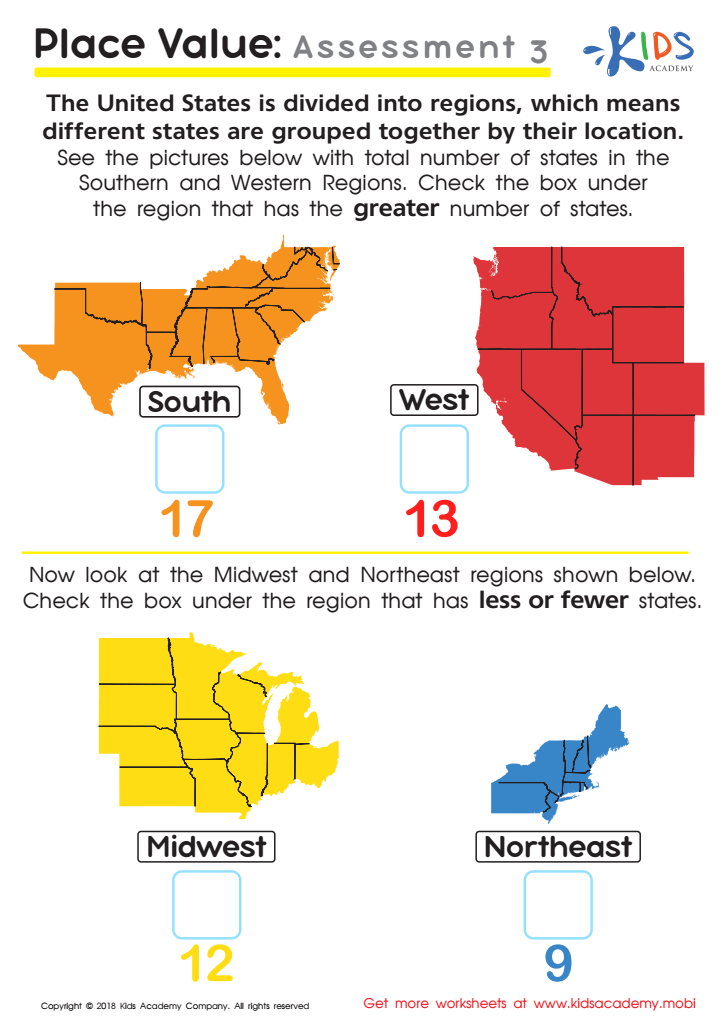
Place Value: Assessment 3 Worksheet
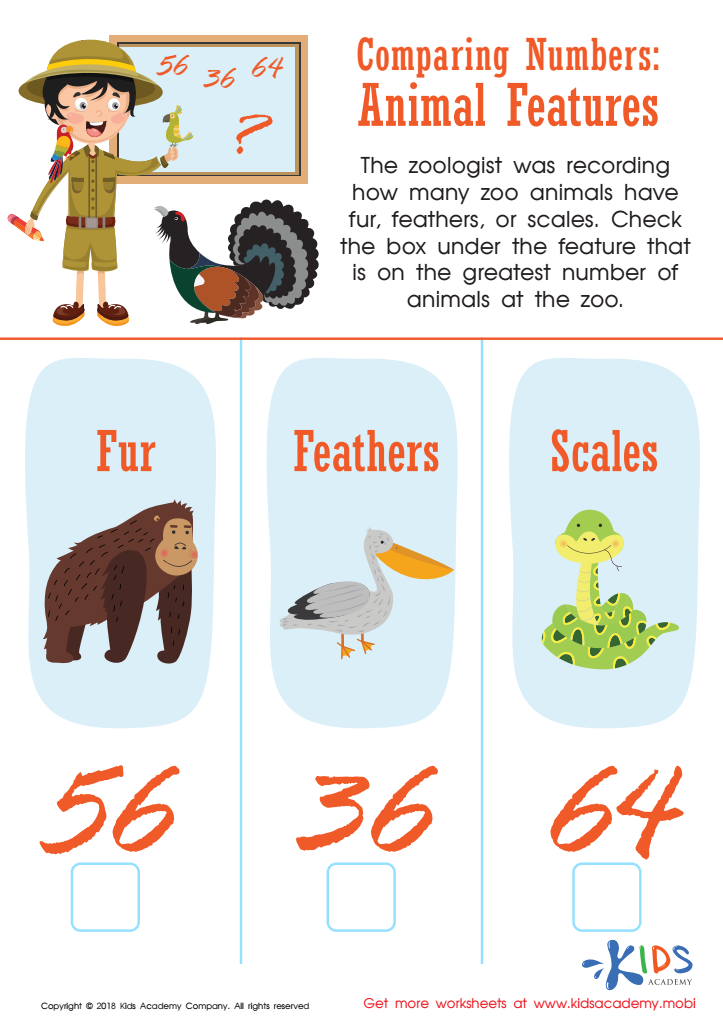
Animal Features Worksheet
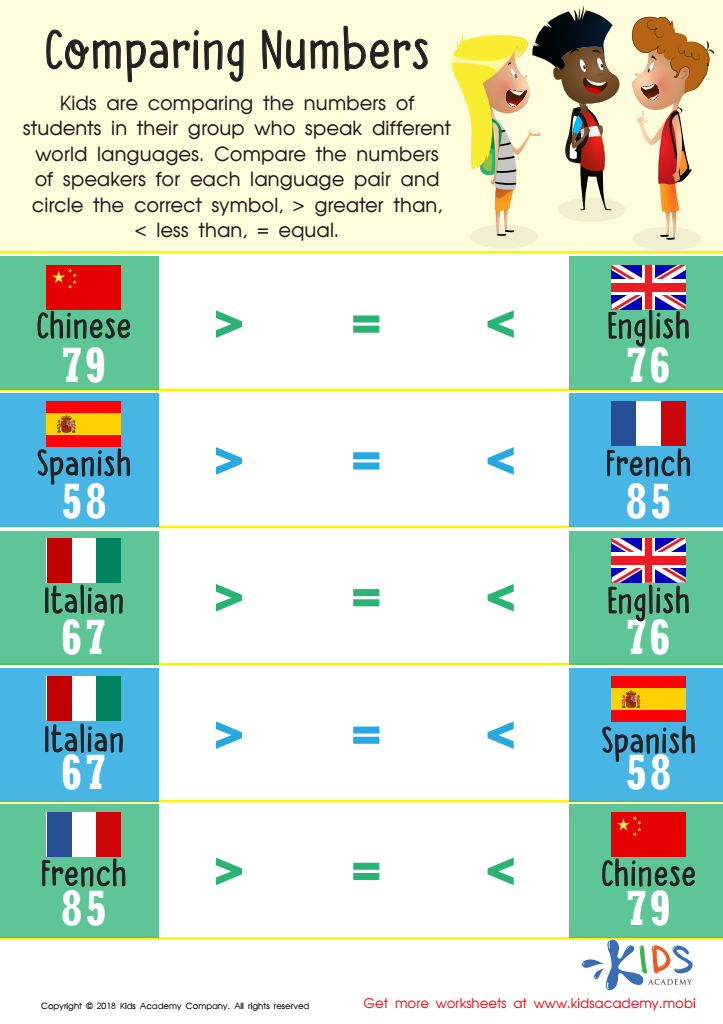
Comparing Numbers Worksheet for 1st Grade
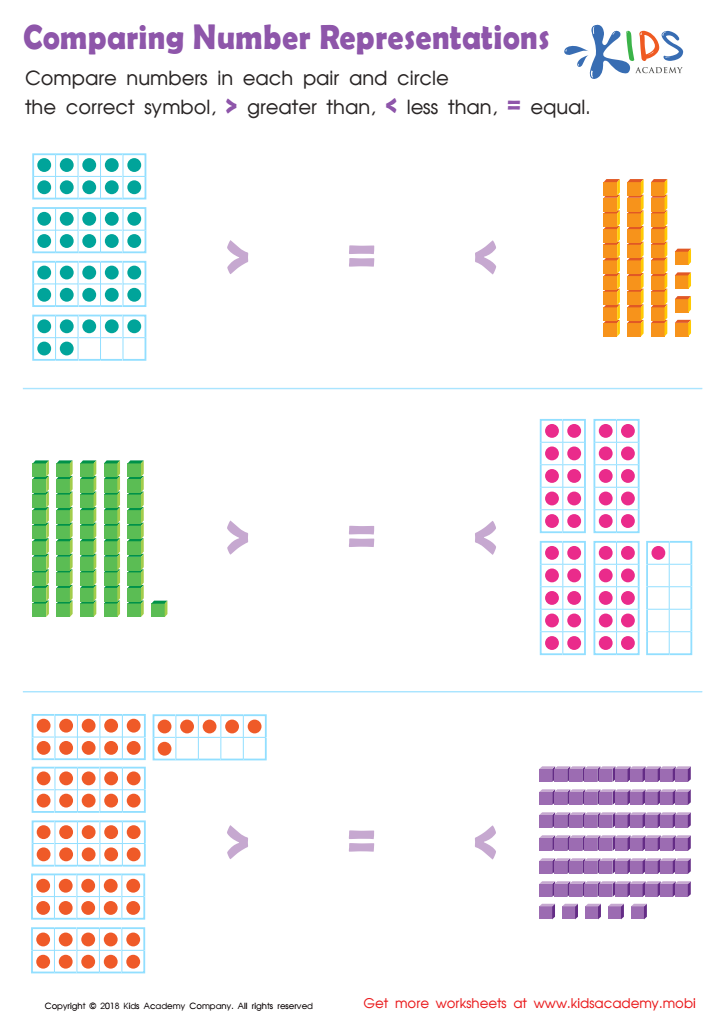
Comparing Number Representations Worksheet
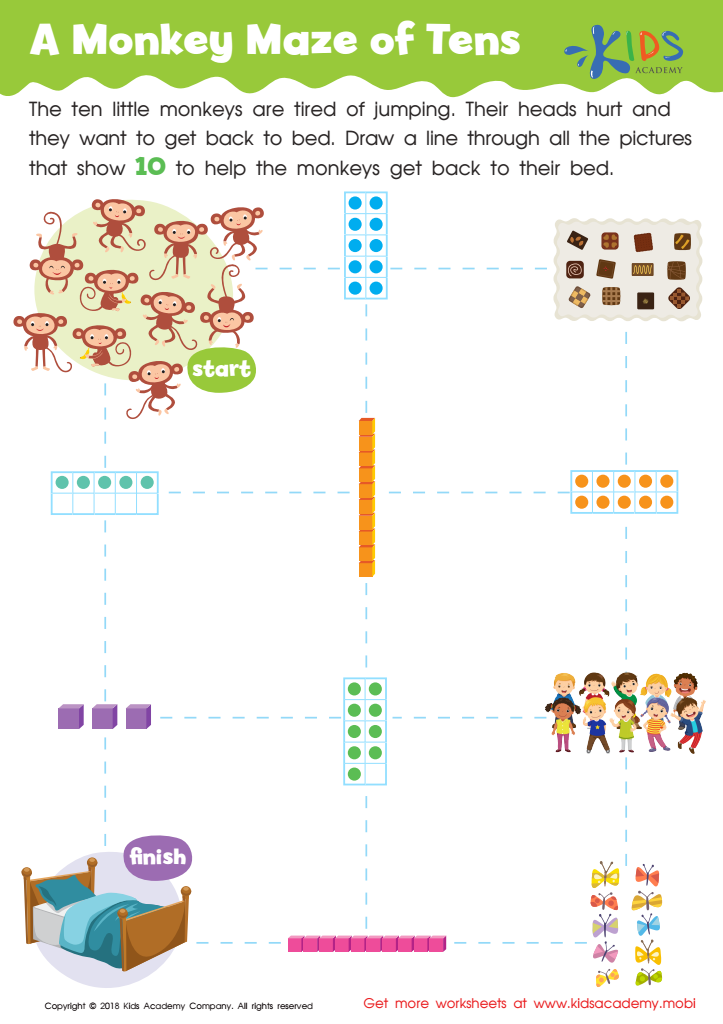
A Monkey Maze of Tens Worksheet
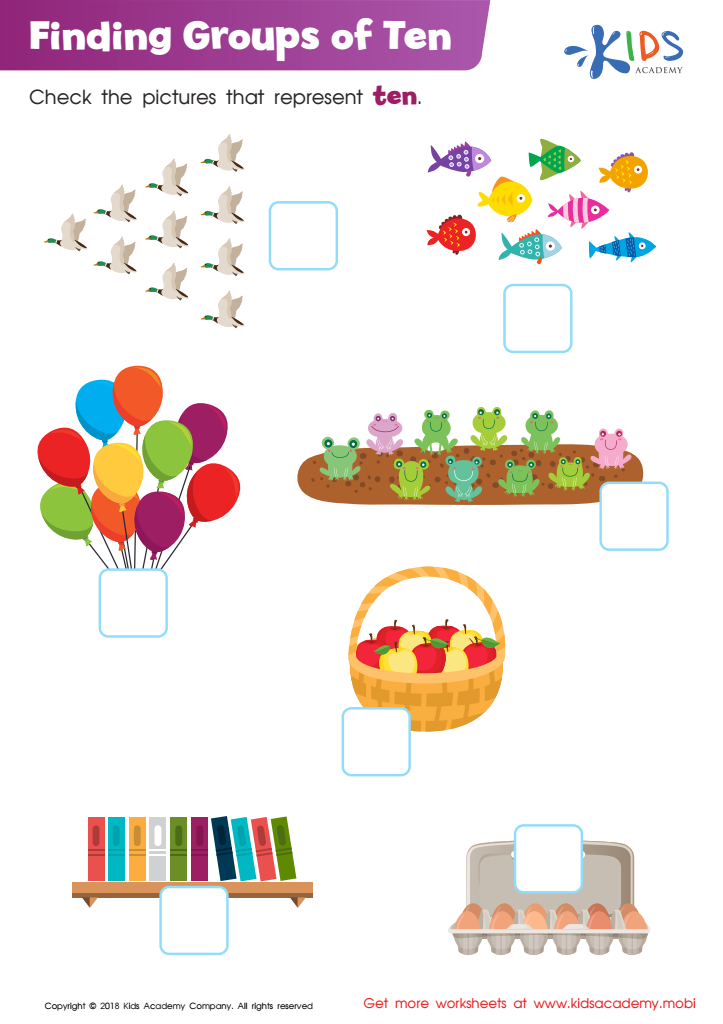
Finding Groups of Ten Worksheet
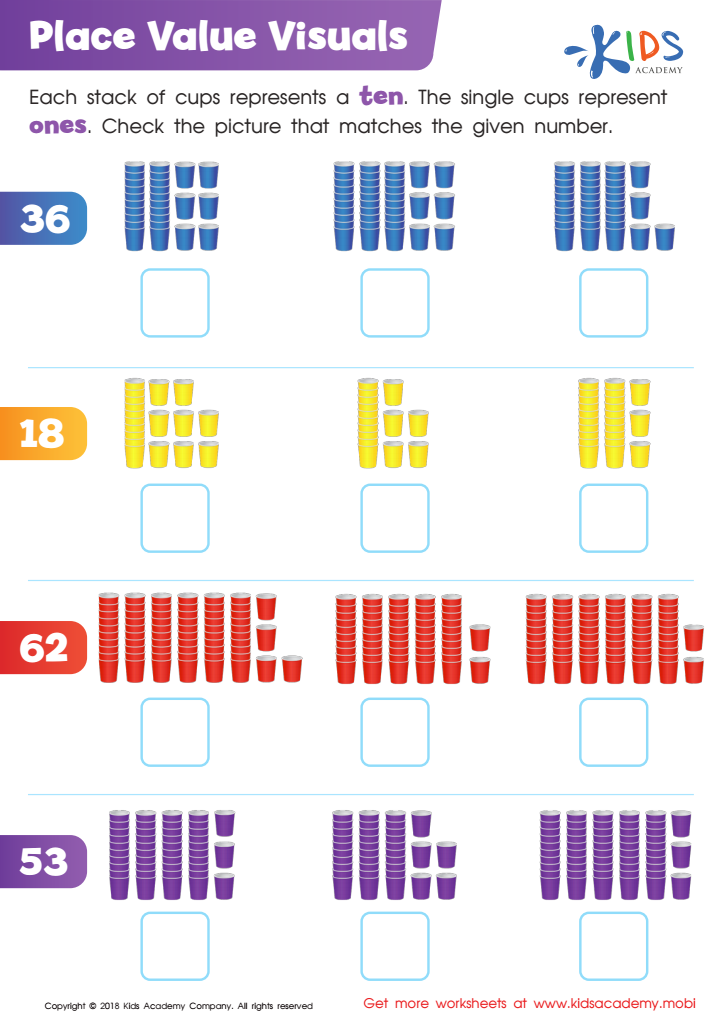
Place Value Visuals Worksheet
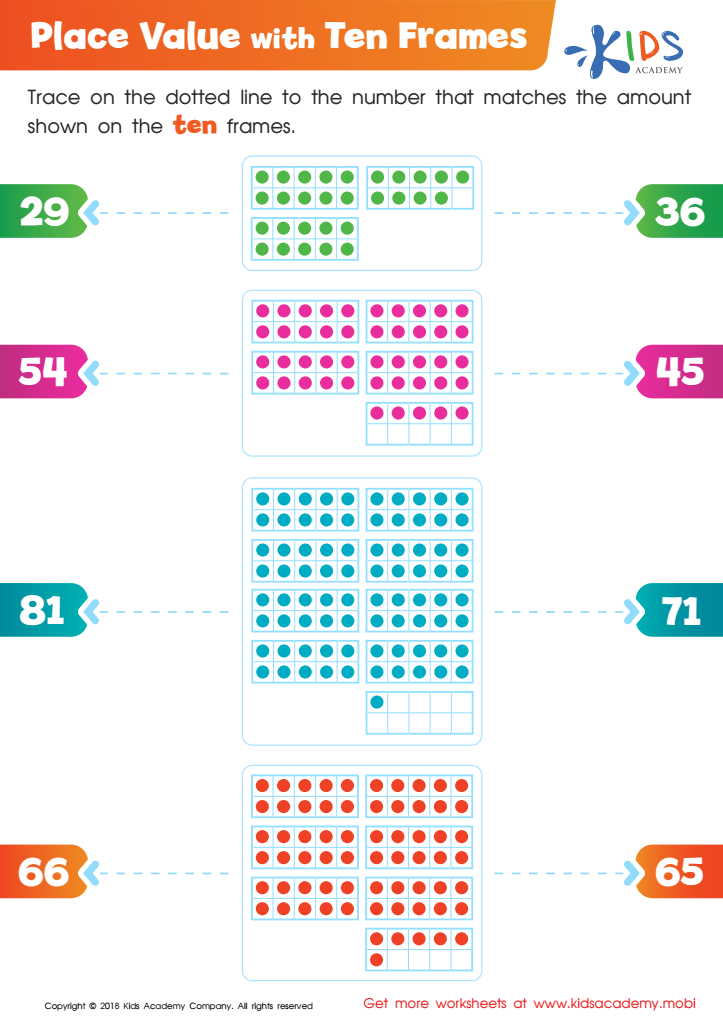
Place Values with Ten Frames Worksheet
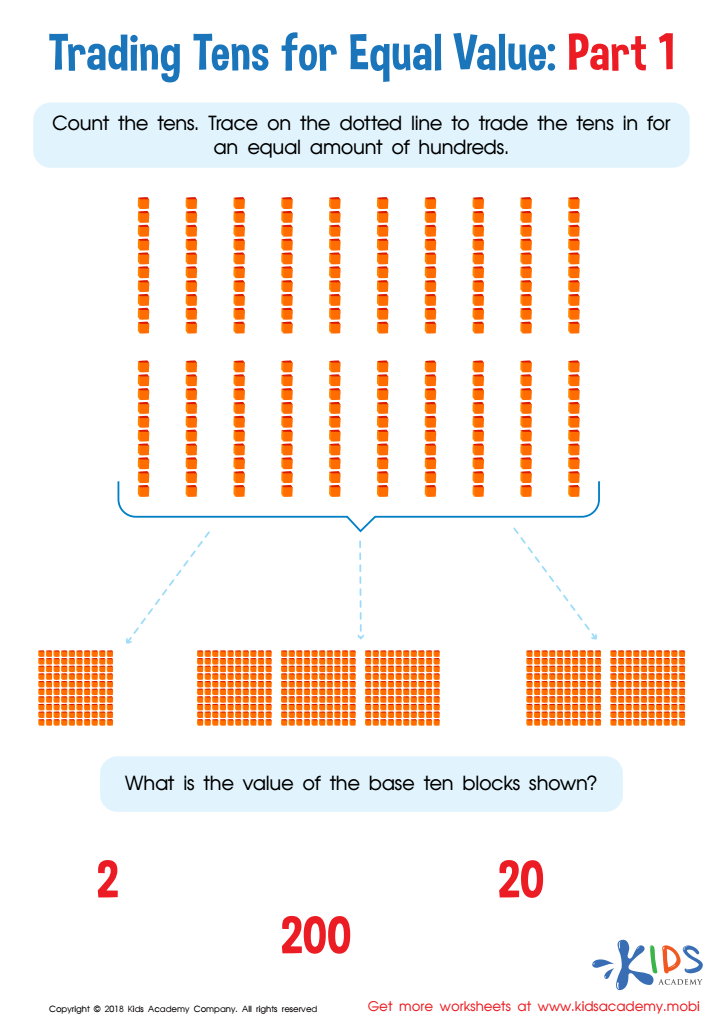
Trading Tens for Equal Value Worksheet: Part 1
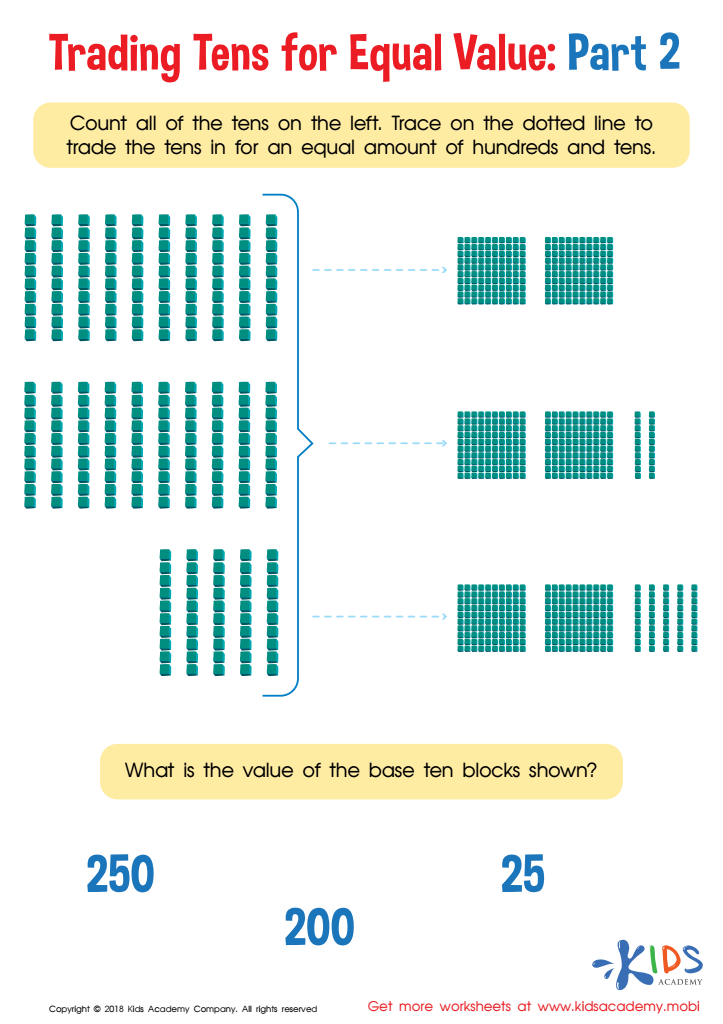
Trading Tens for Equal Value Worksheet: Part 2
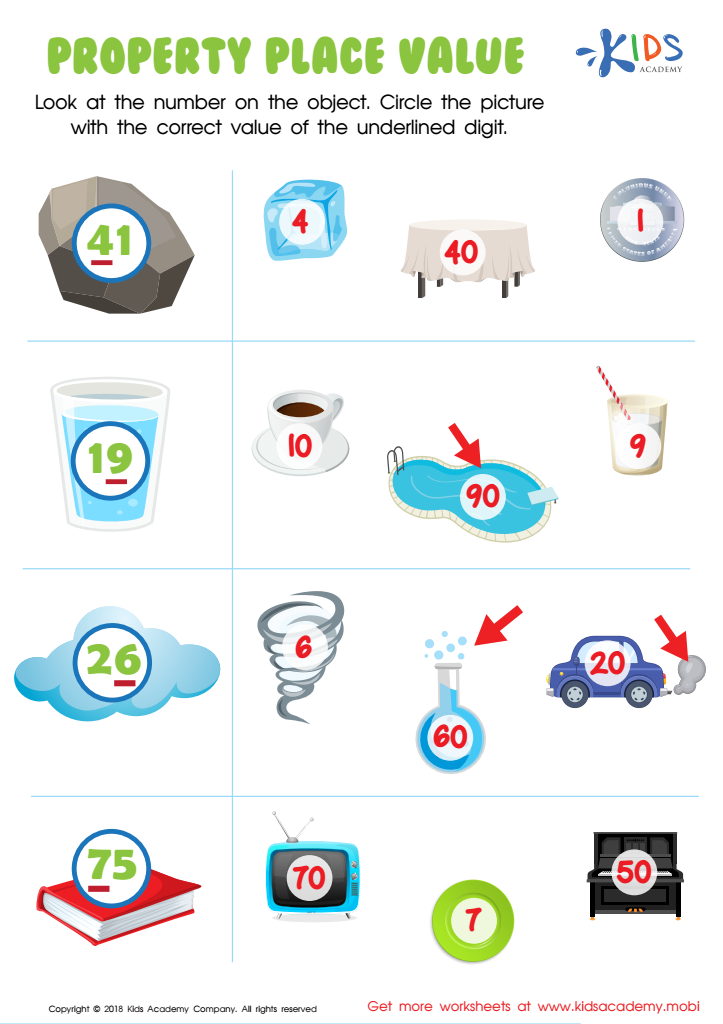
Property Place Value Worksheet
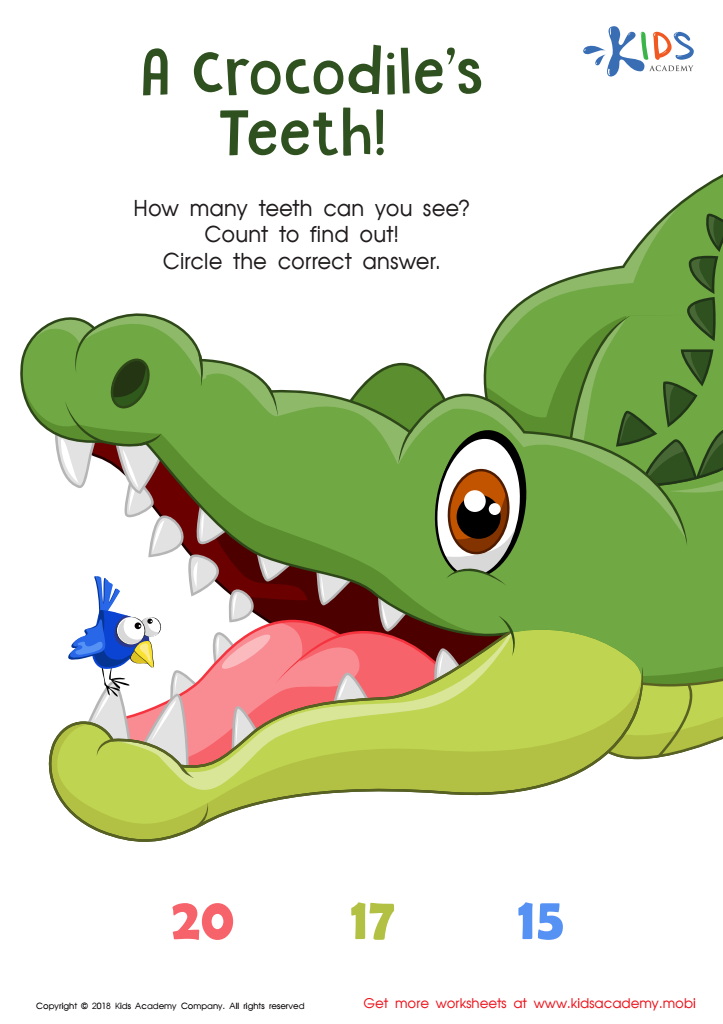
A Crocodile's Teeth Worksheet
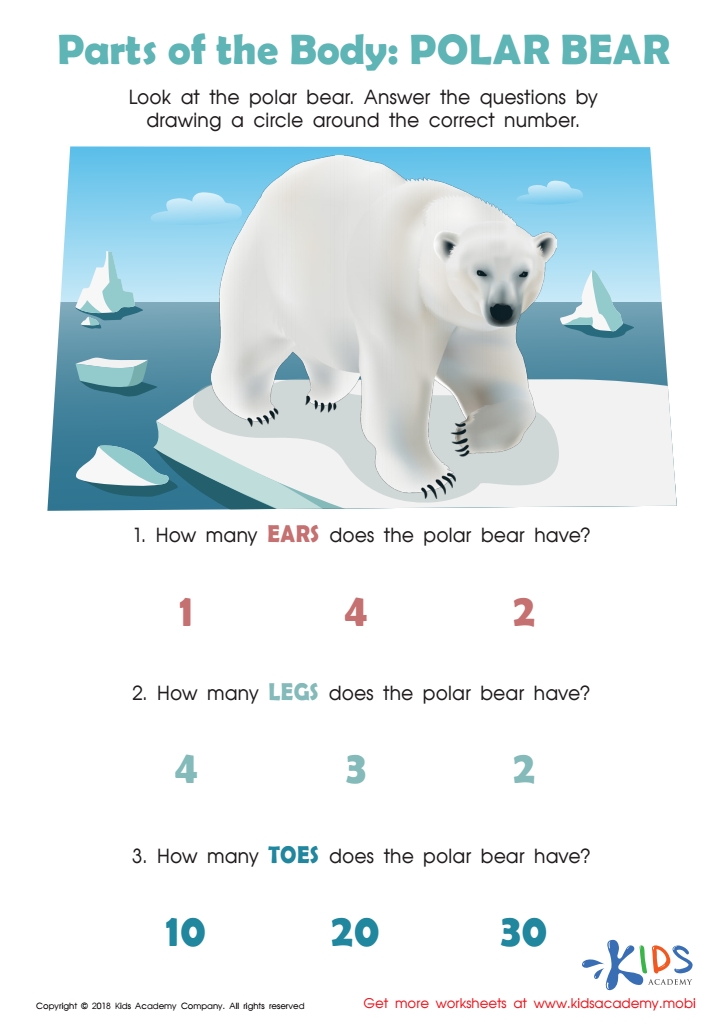
Parts of the Body: Polar Body Worksheet
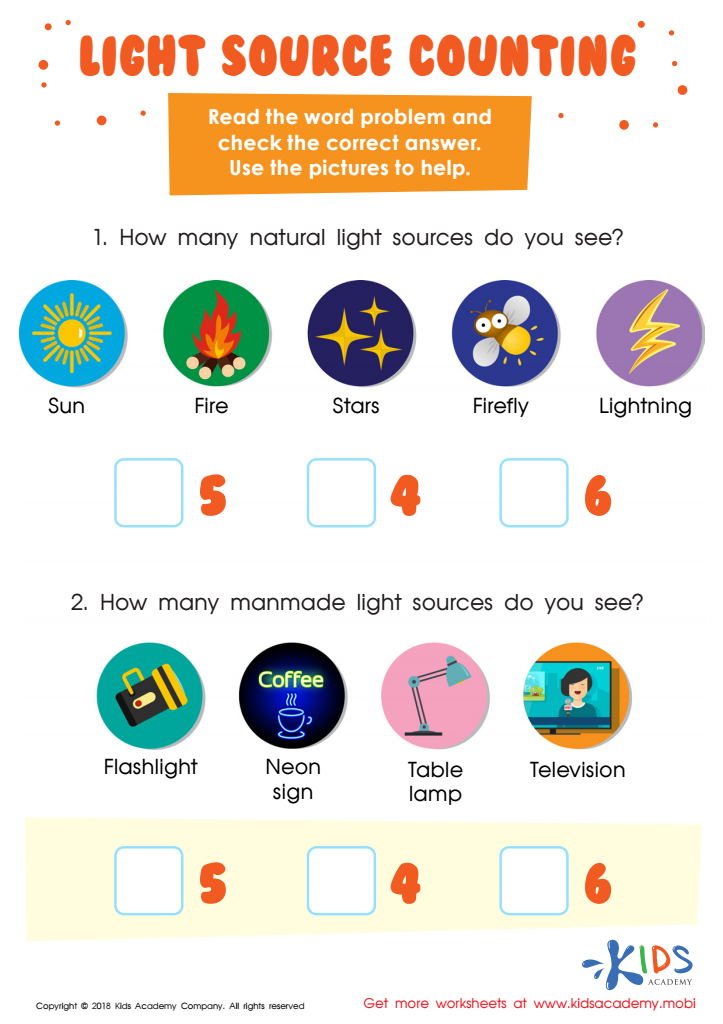
Light Source Counting Worksheet
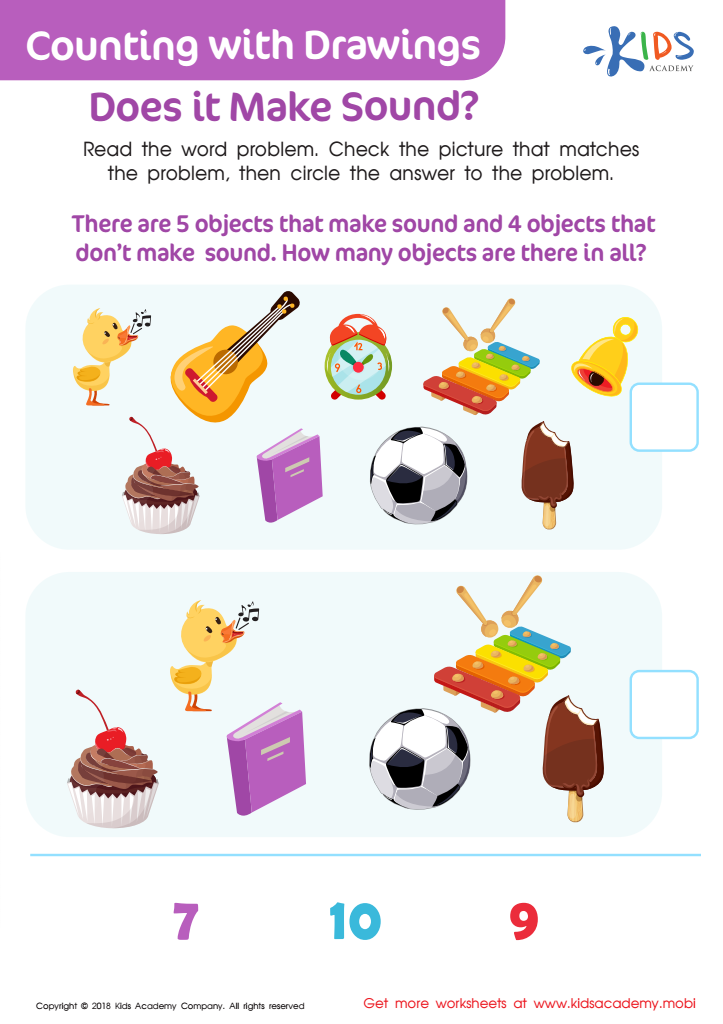
Counting With Drawings. Does It Make Sound? Worksheet
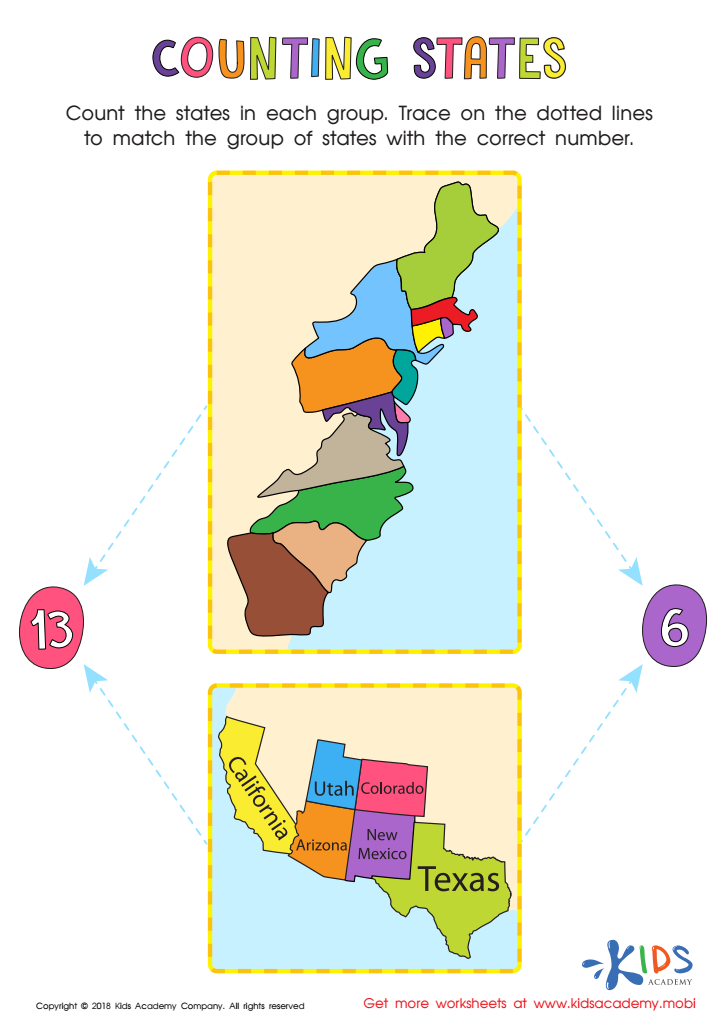
Counting States Worksheet
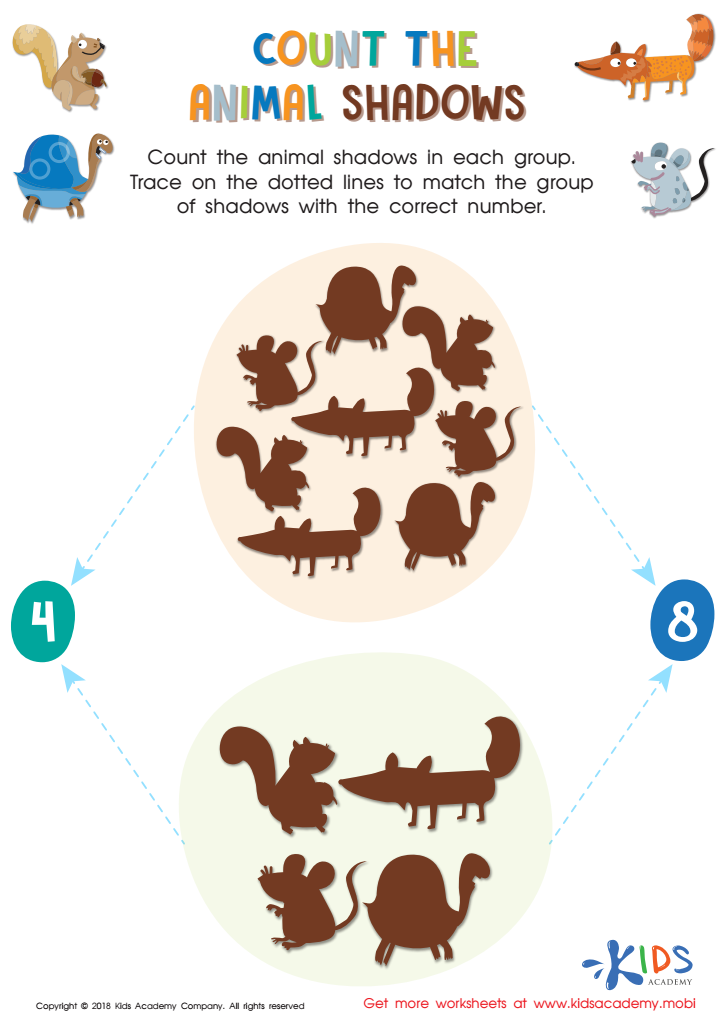
Count the Animal Shadows Worksheet
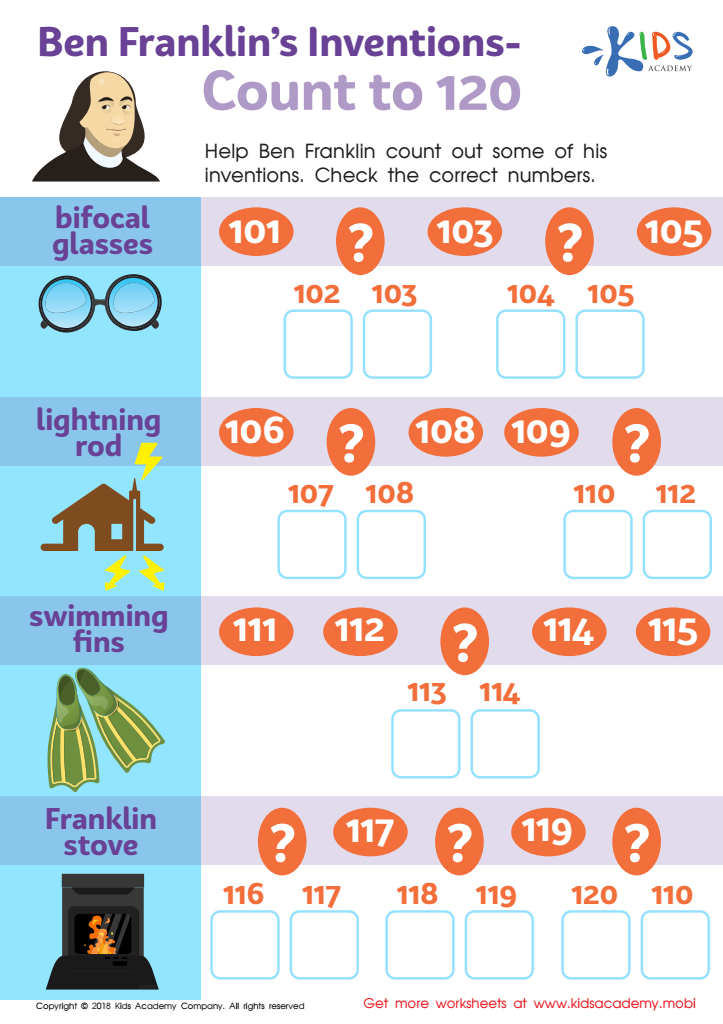
Ben Franklin’s Inventions – Count to 120 Worksheet







%20(1).jpg)
Normal numbers, in a simplified sense, are numbers in which each digit, in a chosen base, appears with equal frequency. While this concept might sound abstract to adults, it can significantly impact early mathematical understanding for children aged 4-7.
Firstly, introducing the idea of normality helps children develop number literacy. It promotes a foundational understanding of how numbers function, laying the groundwork for more complex mathematical concepts later on. Children start recognizing patterns and relationships among different numbers, fostering analytical and critical thinking skills.
Moreover, exploring normal numbers can make learning fun and engaging. Through games and activities centered around digits and their occurrences, educators and parents can inspire curiosity and a love for mathematics. It also encourages logical reasoning, as children learn to predict outcomes based on observations of number distributions, enhancing their problem-solving abilities.
Finally, as children gain skills in recognizing and working with numbers, they build confidence in their mathematical capabilities. This is crucial at a stage where positive experiences shape their attitudes towards learning, ultimately setting the stage for success in their ongoing educational journey. Thus, understanding normal numbers, even conceptually, can enrich both teaching and parenting approaches in foundational math education.








