Normal Phonics Worksheets for Ages 4-8 - Page 5
178 filtered results
-
From - To
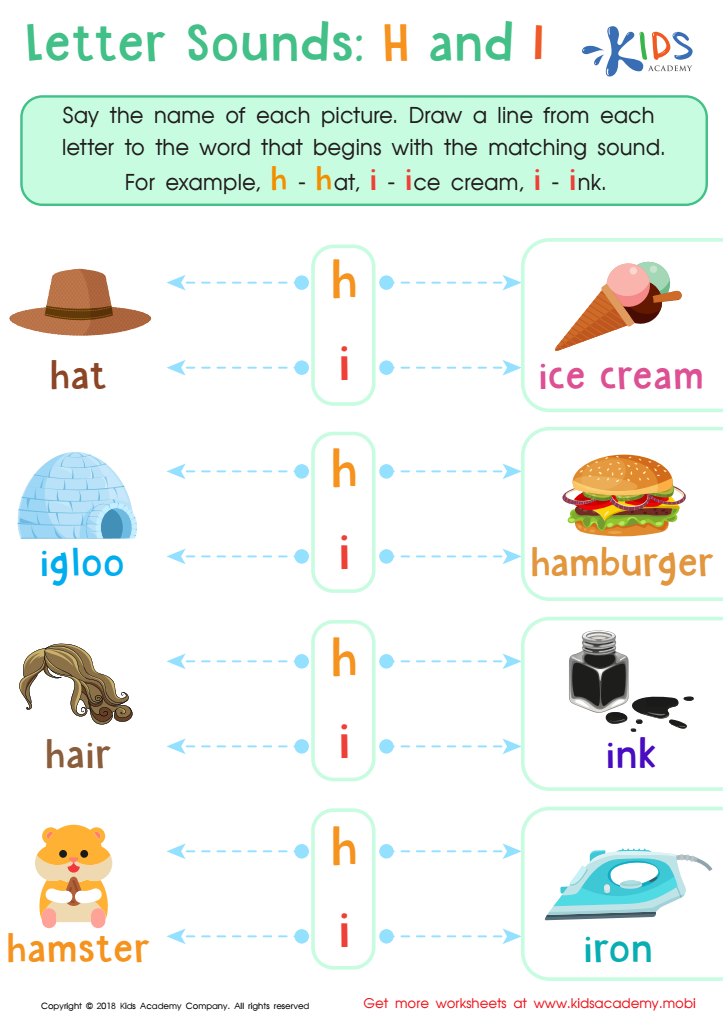
Letter H and I Sounds Worksheet
 Assign to My Students
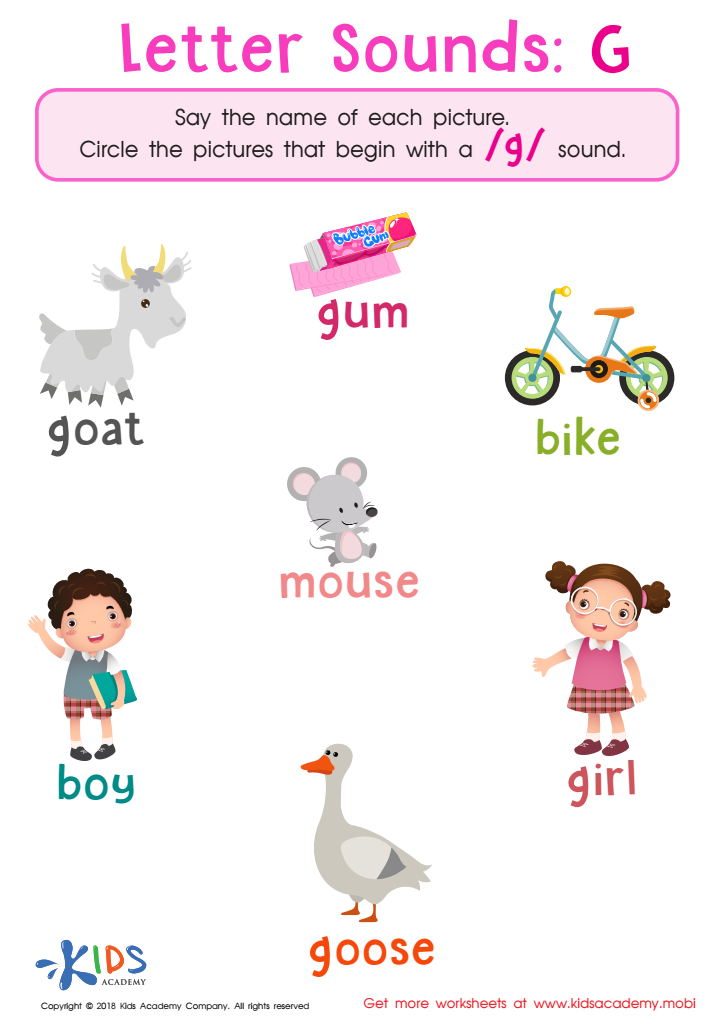
Letter G Sounds Worksheet
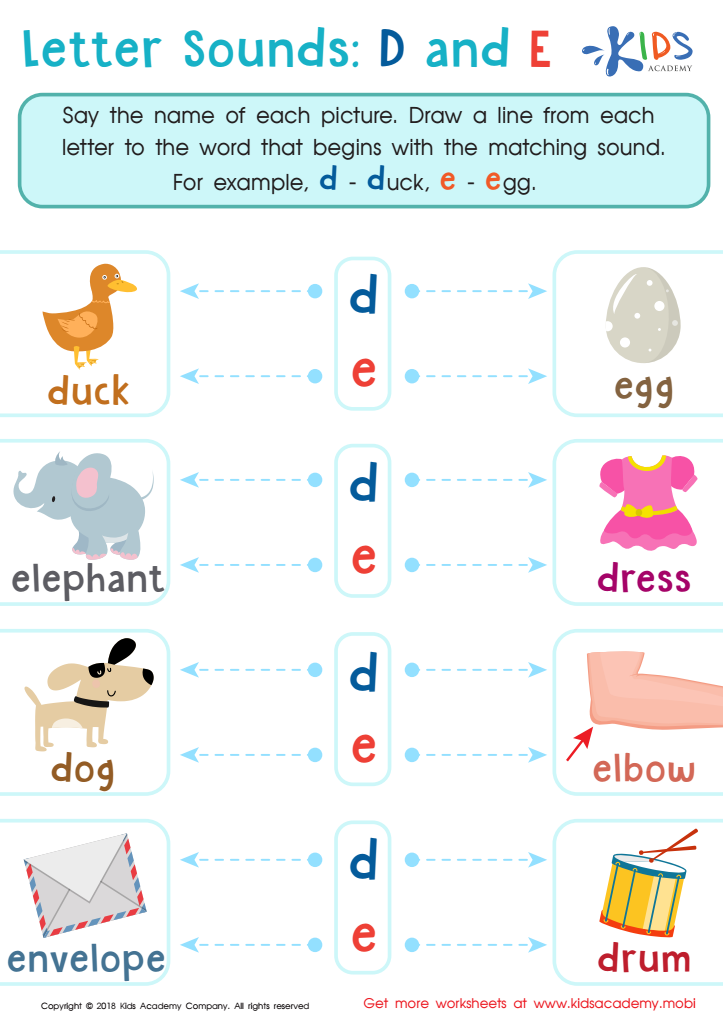
Letter D and E Sounds Worksheet
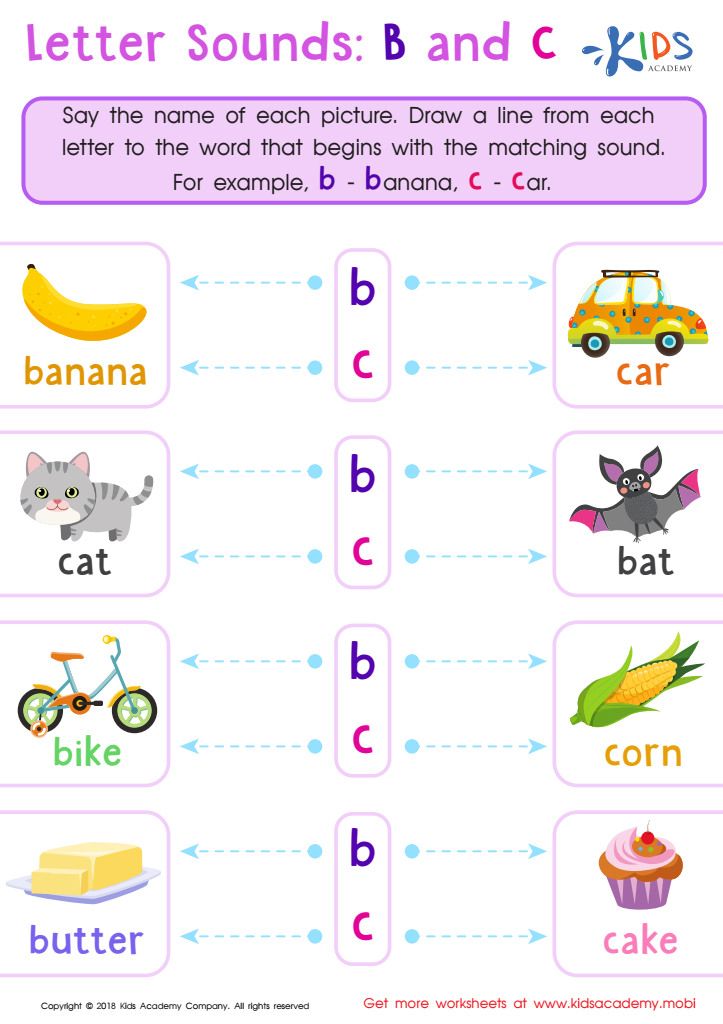
Letter B and C Sounds Worksheet
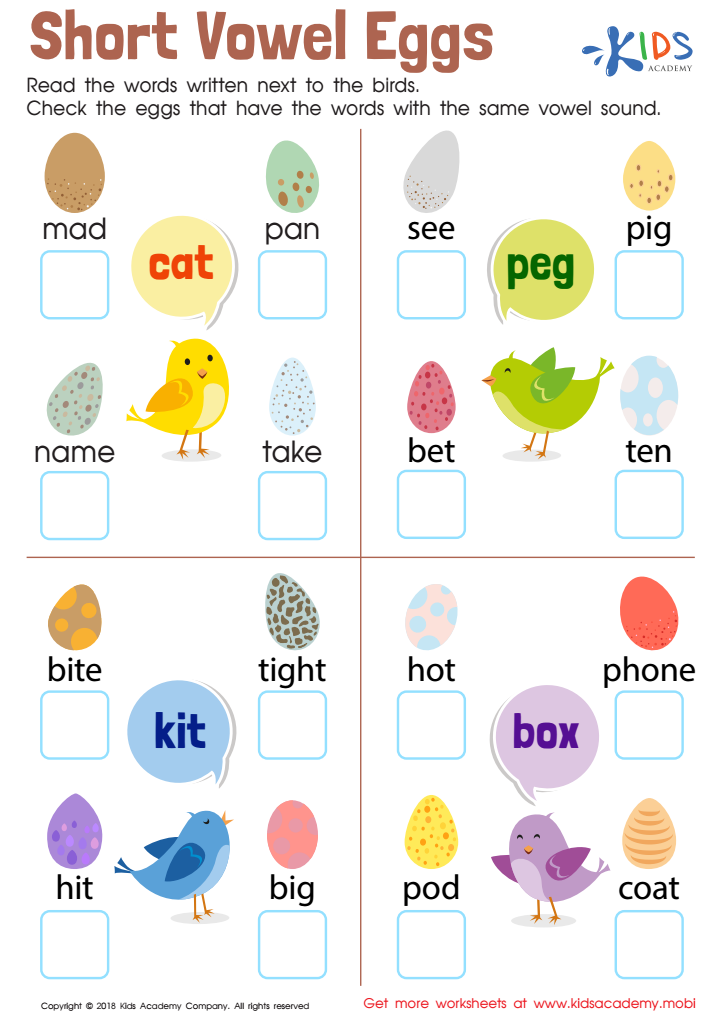
Short Vowel Eggs Worksheet
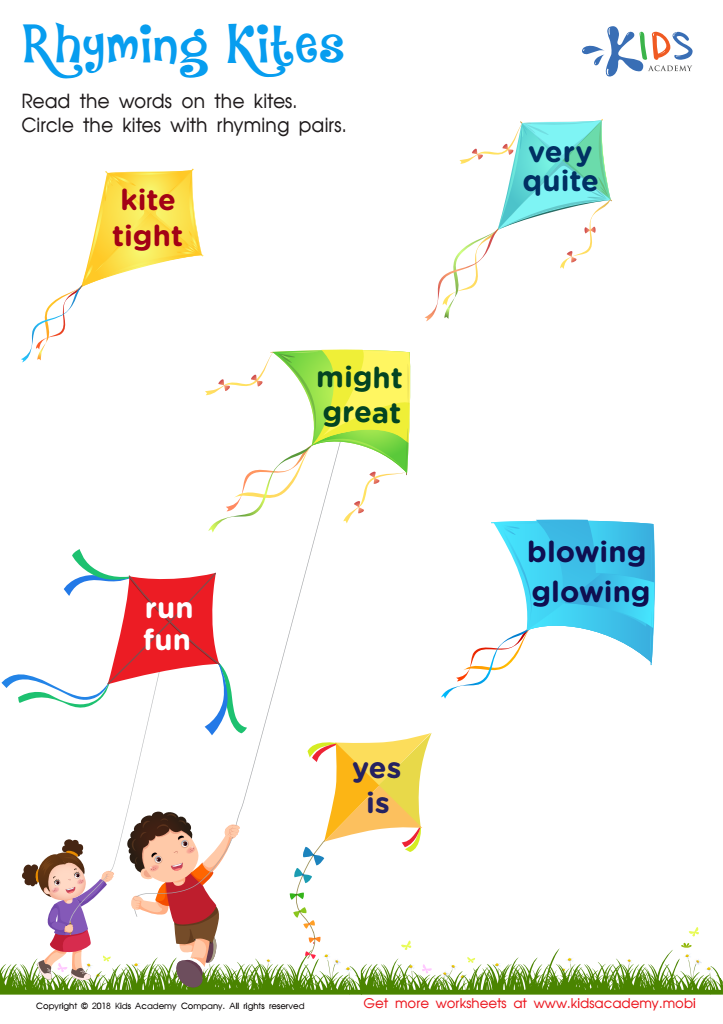
Rhyming Kites Worksheet
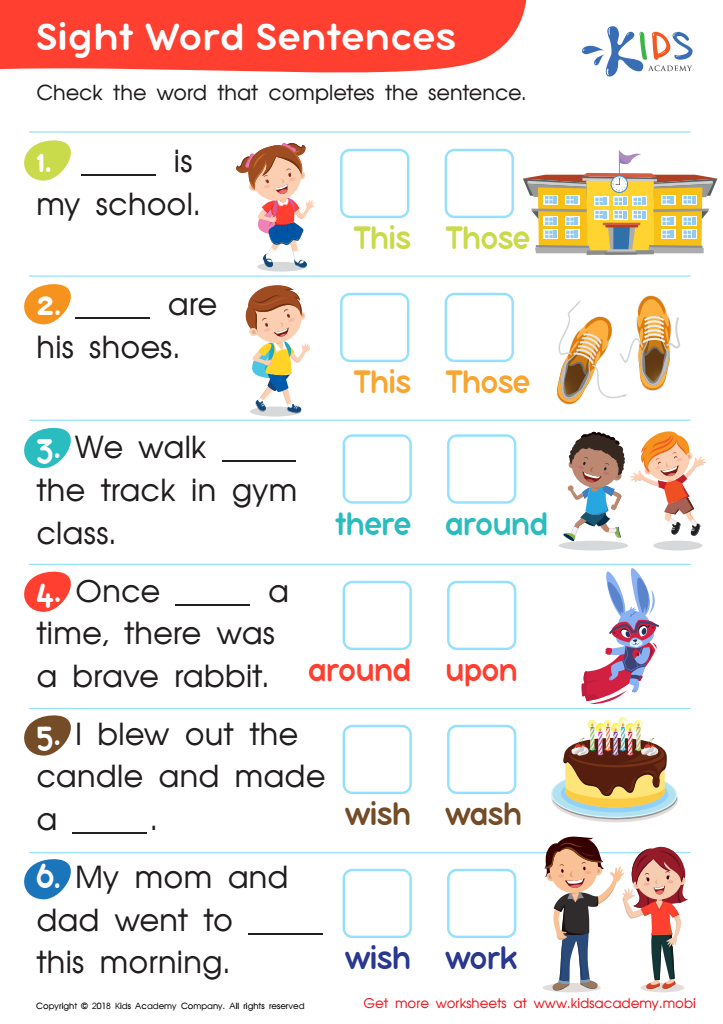
Sight Word Sentences Worksheet
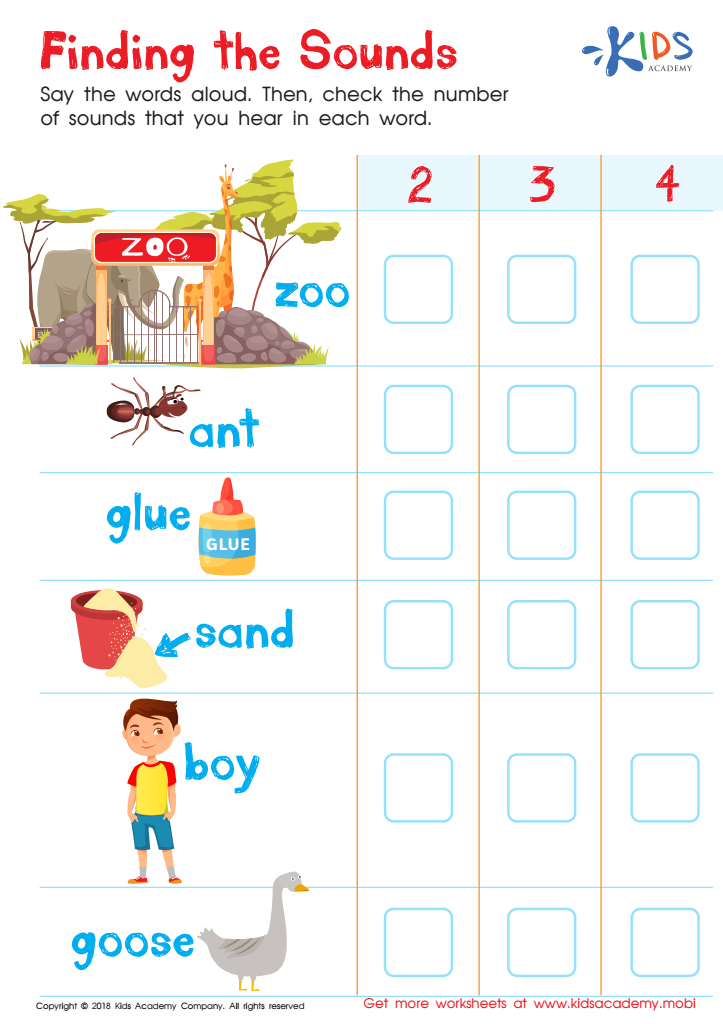
Finding the Sounds Worksheet
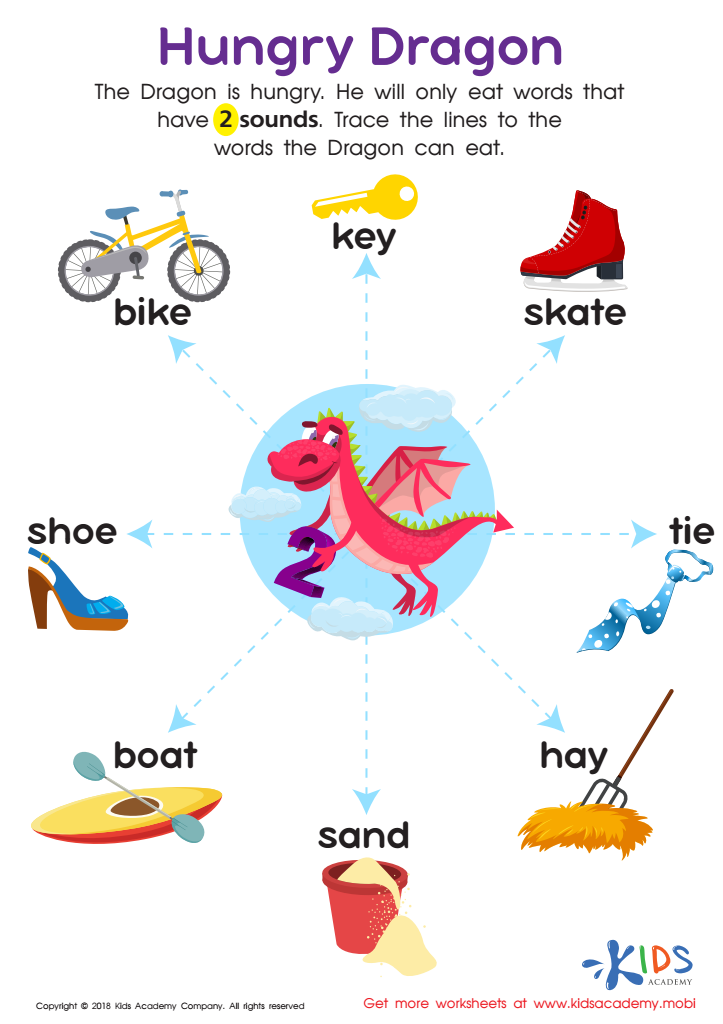
Hungry Dragon Worksheet
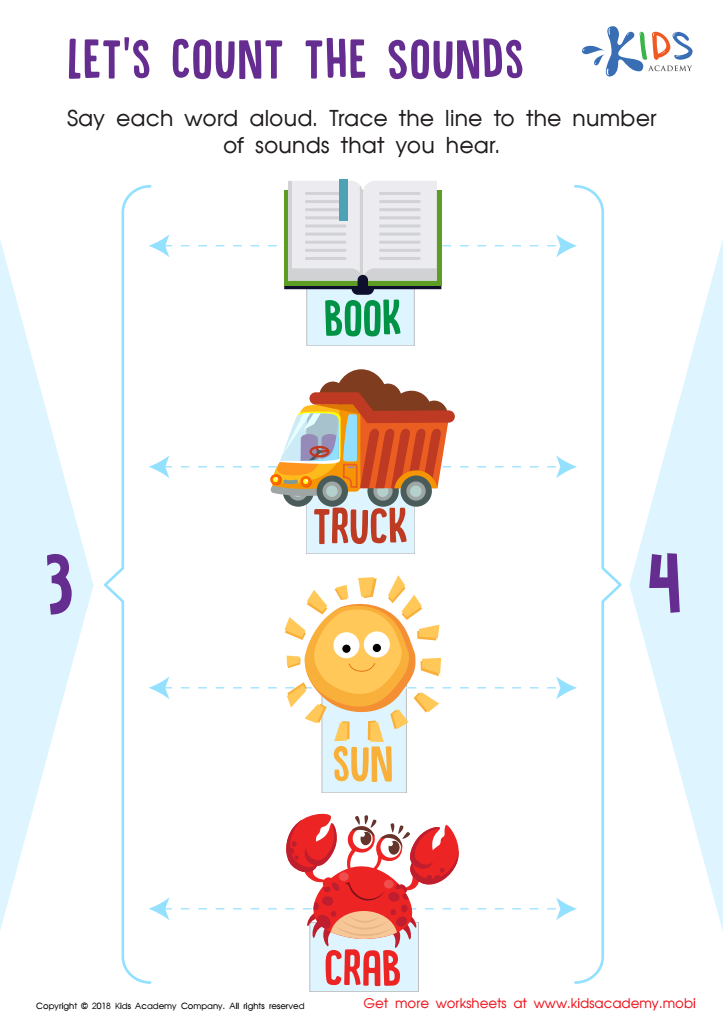
Let's Count the Sounds Worksheet
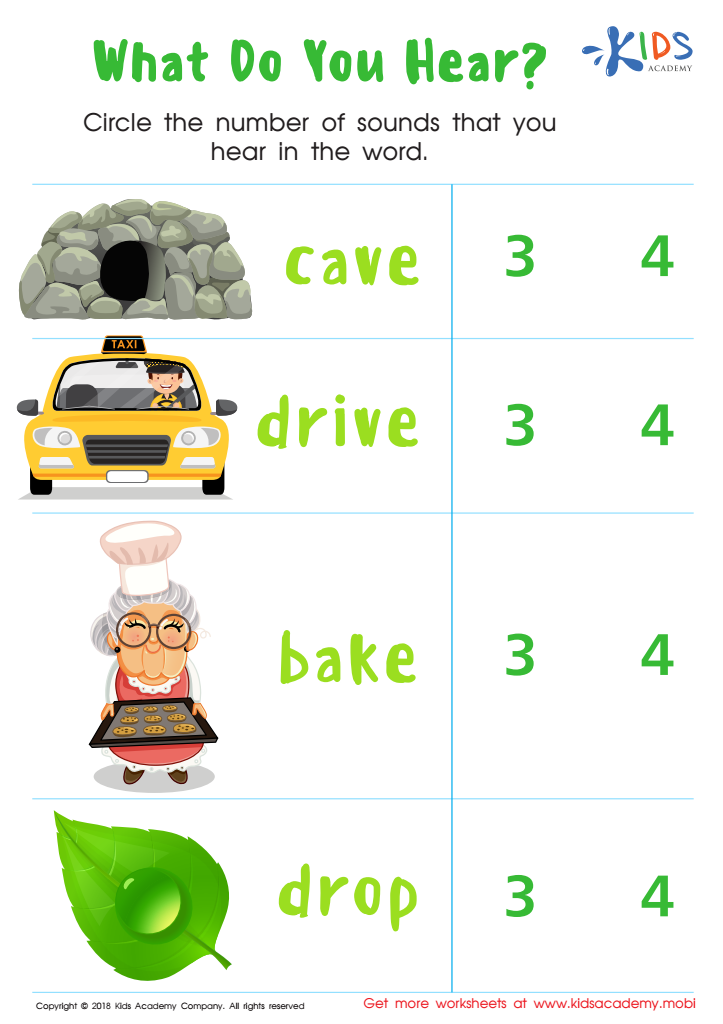
What Do You Hear? Worksheet
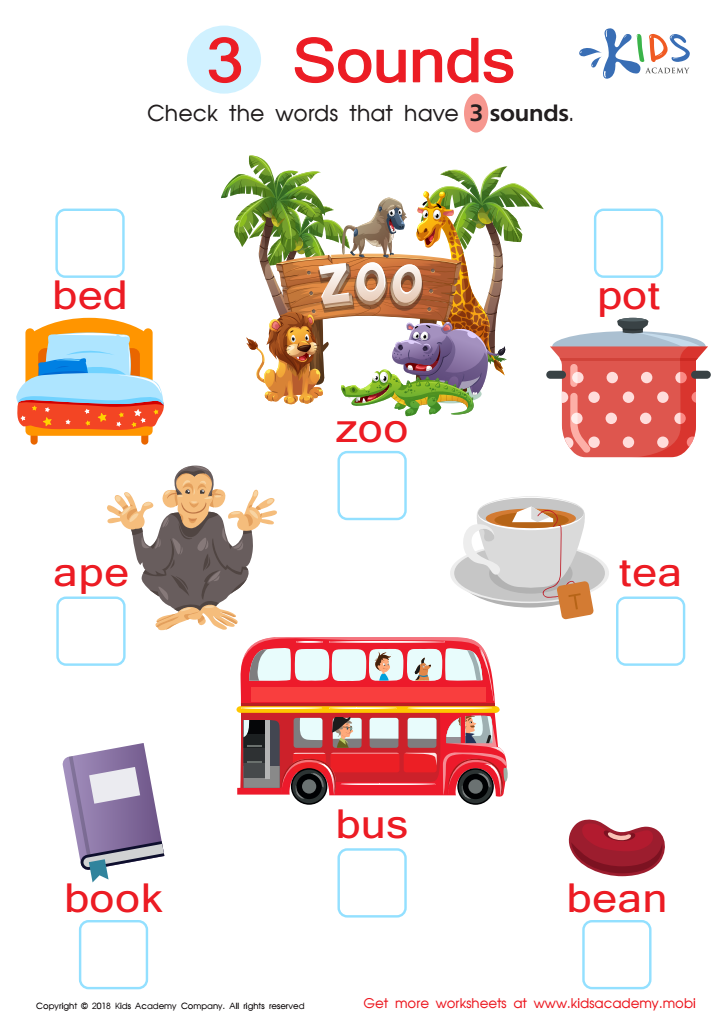
3 Sounds Worksheet
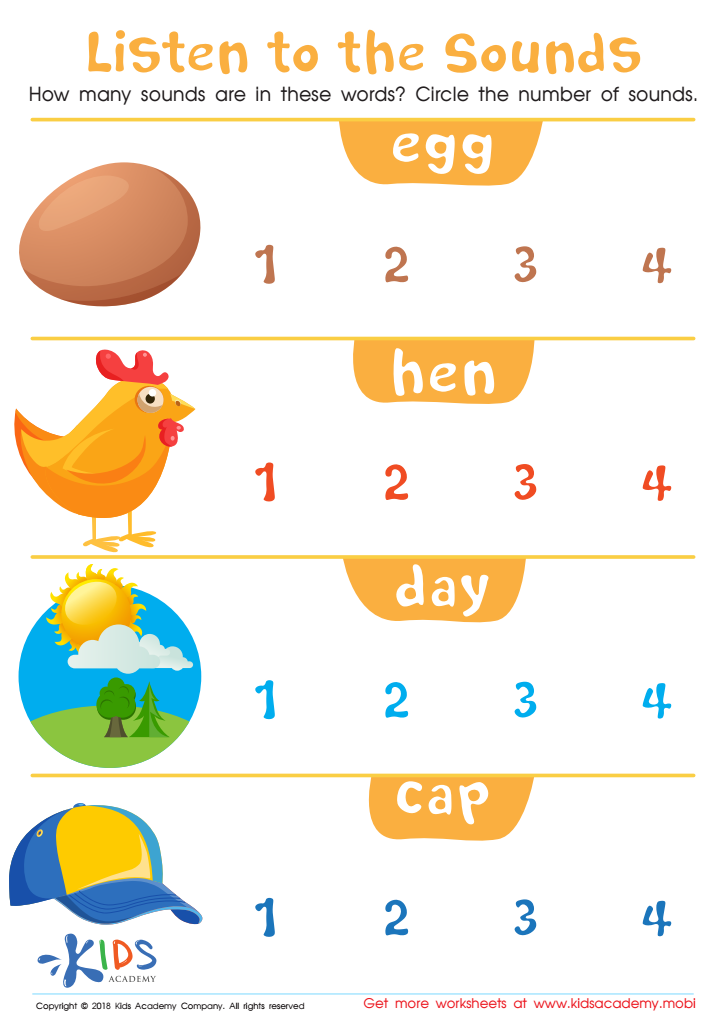
Listen to the Sounds Worksheet
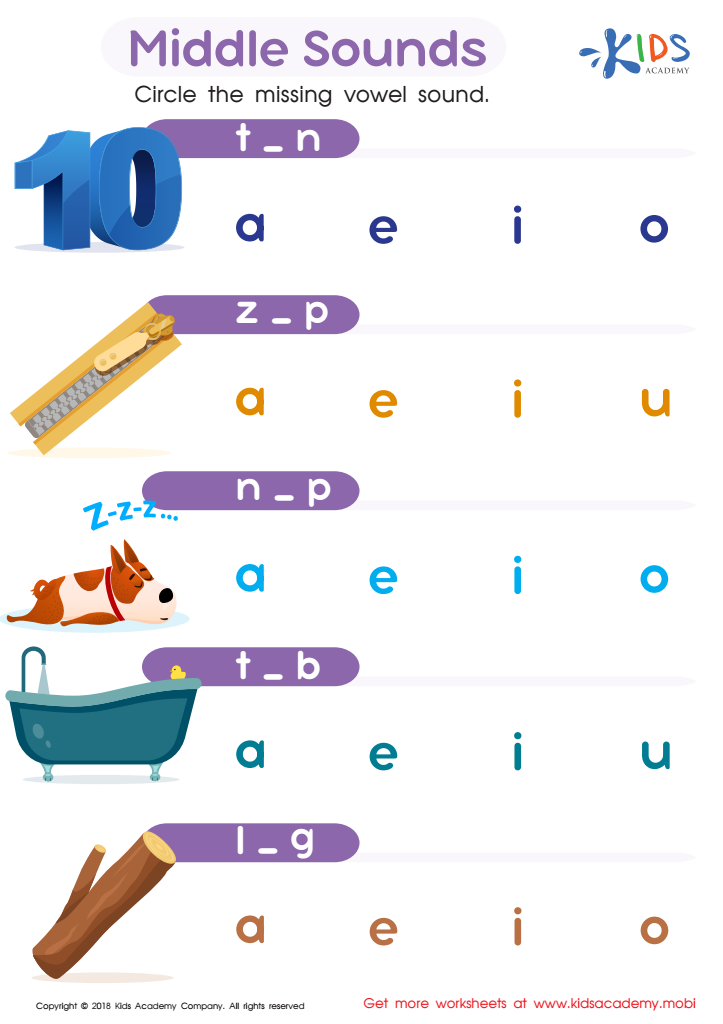
Middle Sounds Worksheet
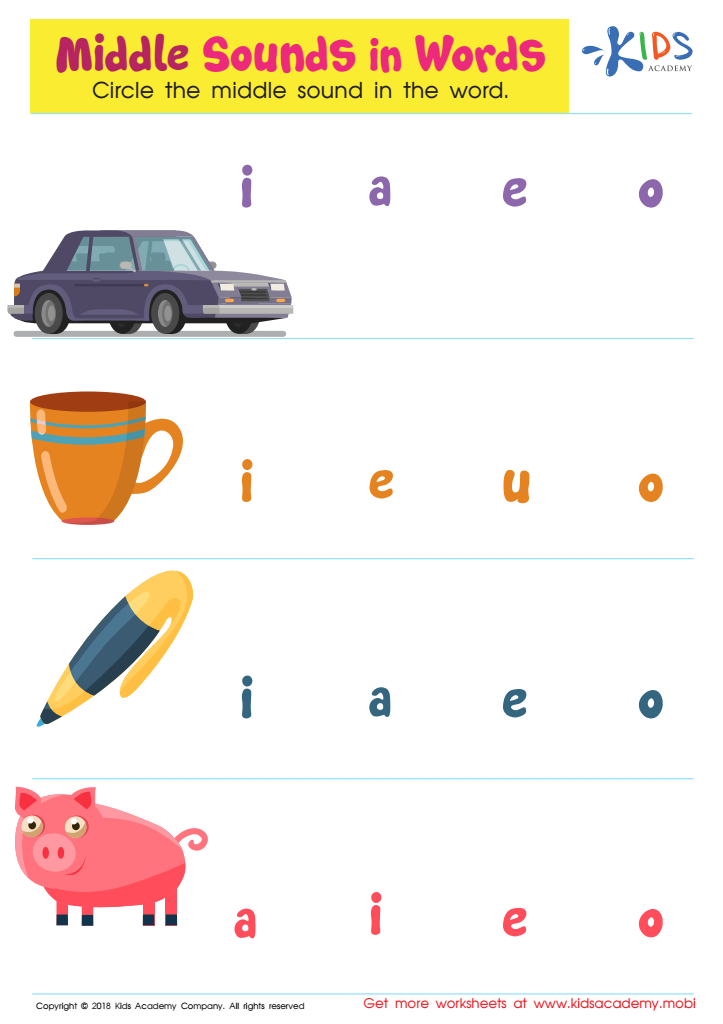
Middle Sounds in Words Worksheet
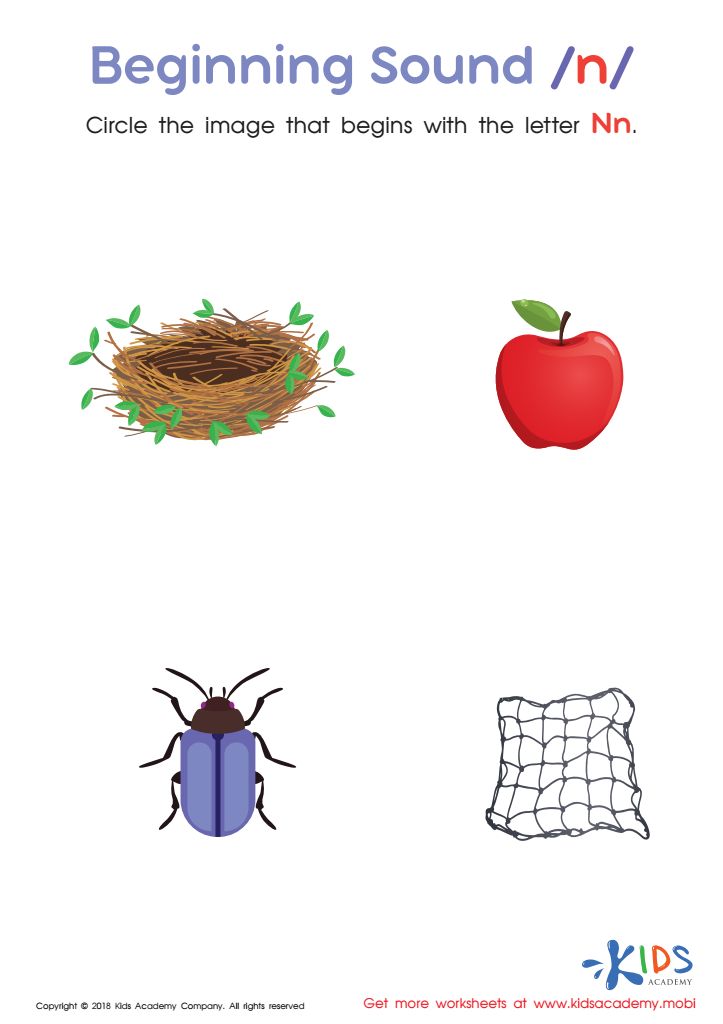
Beginning Sound «n» Worksheet
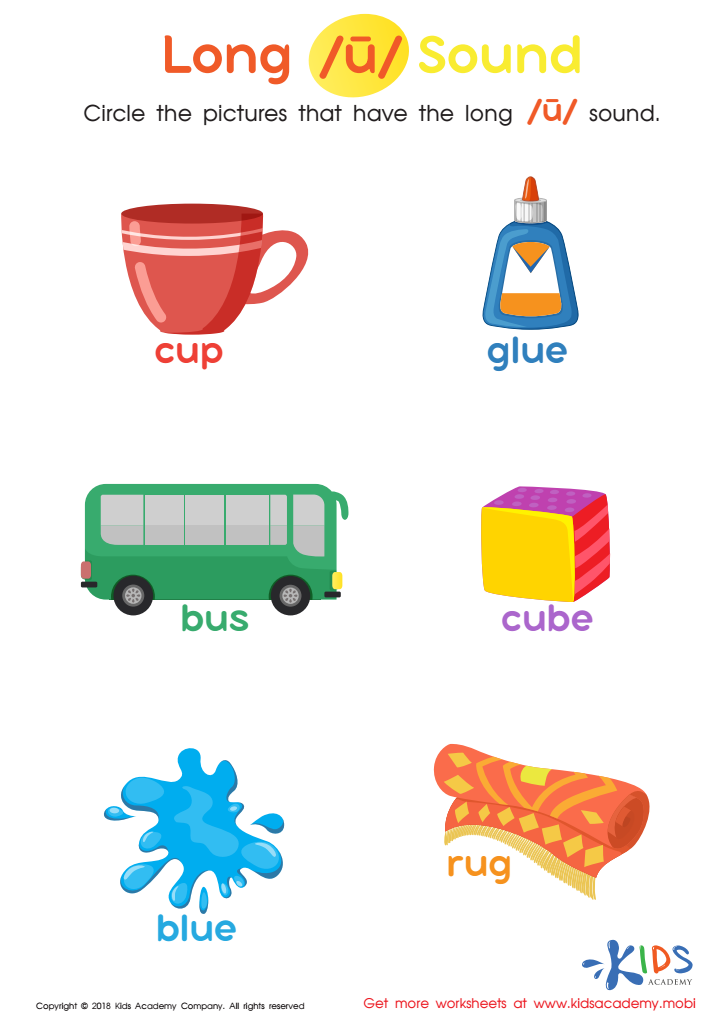
Long «u» Sound Worksheet
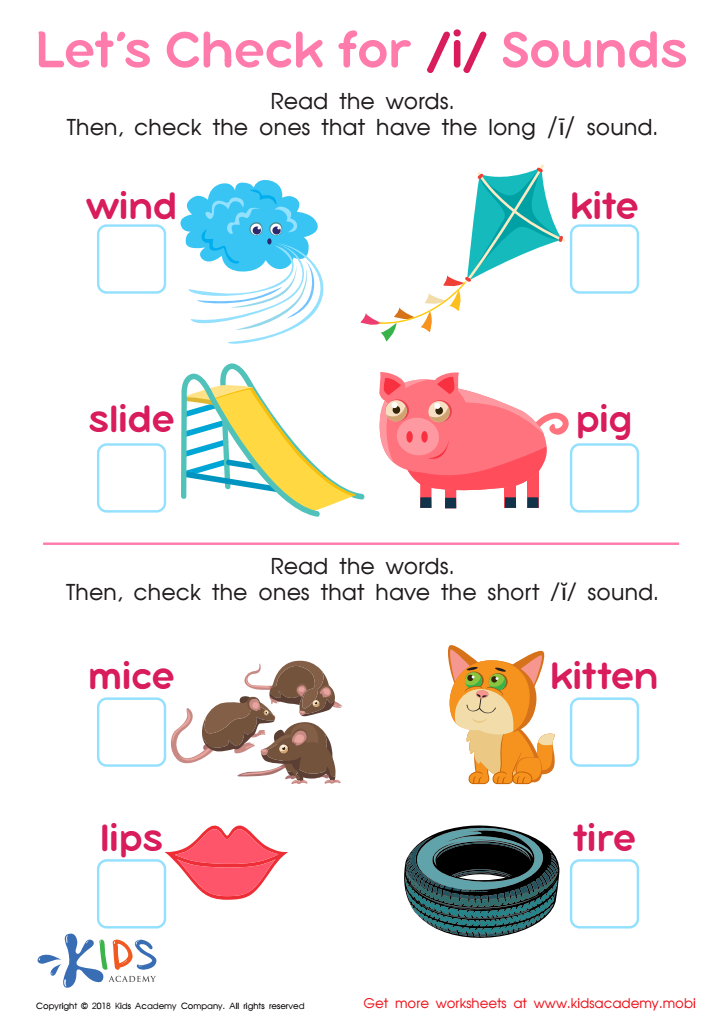
Let's Check for «i» Sounds Worksheet
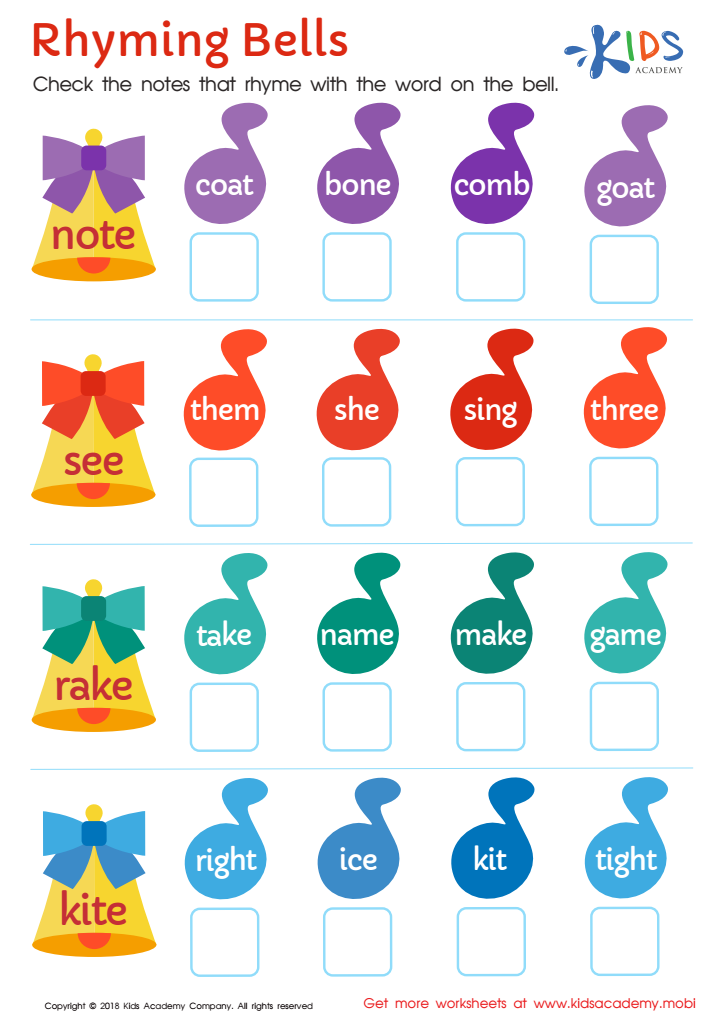
Rhyming Bells Worksheet
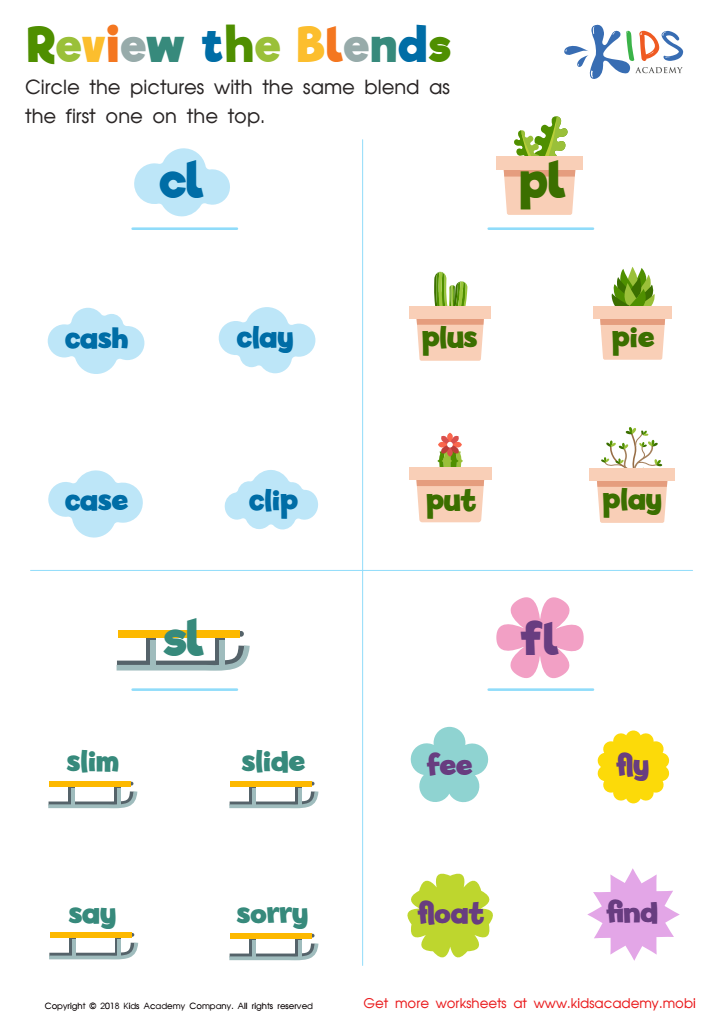
Review the Blends Worksheet
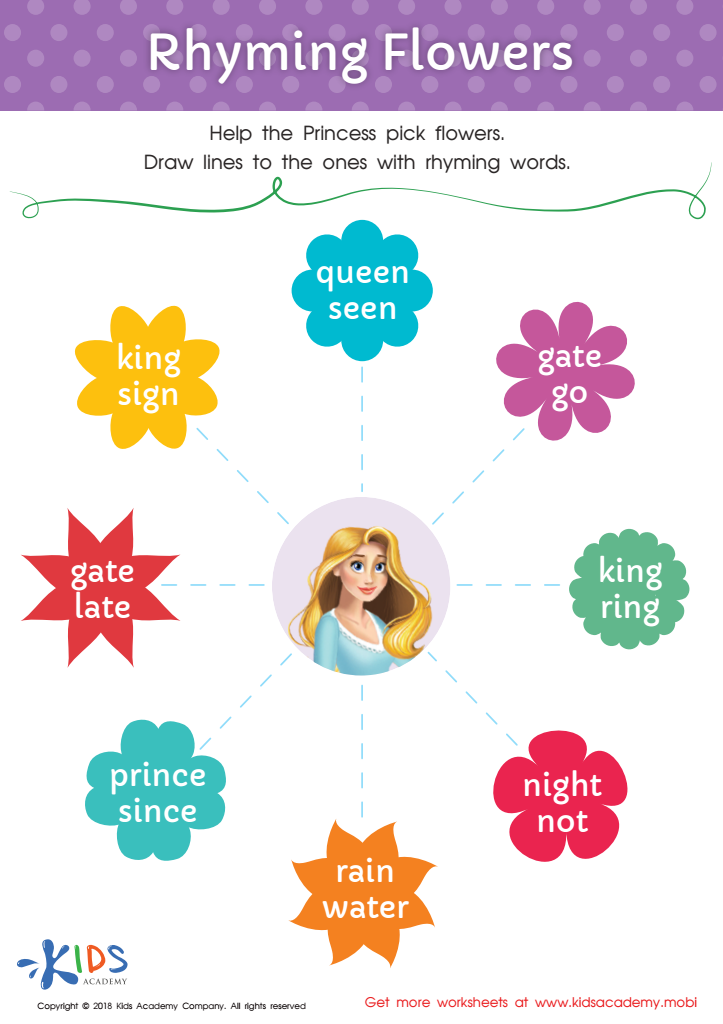
Rhyming Flowers Worksheet
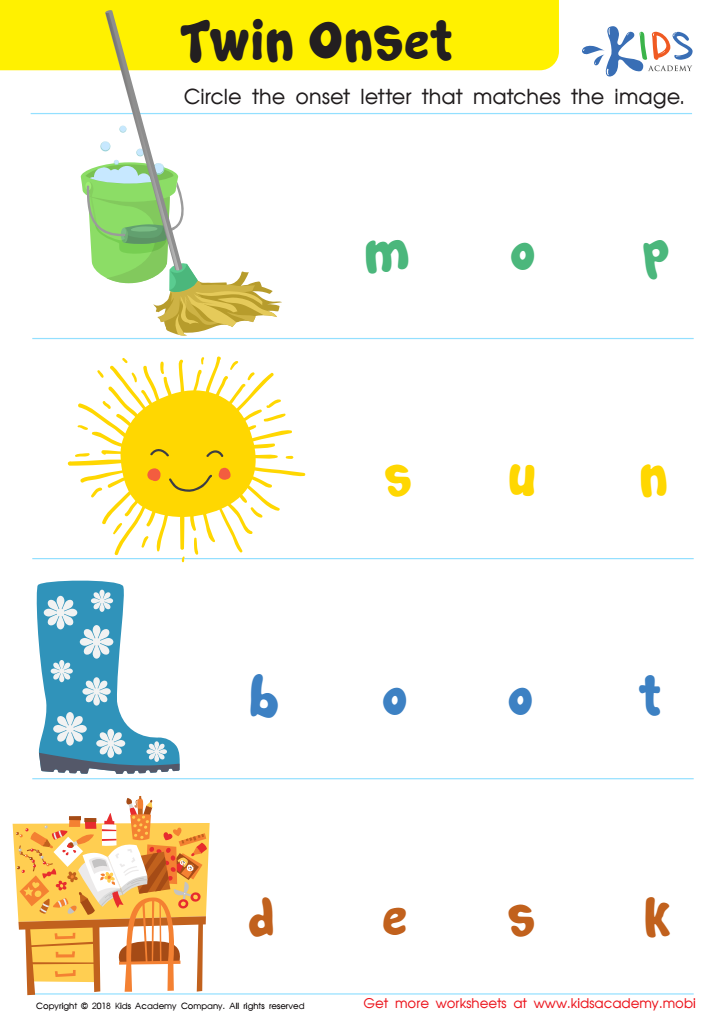
Twin Onset Worksheet
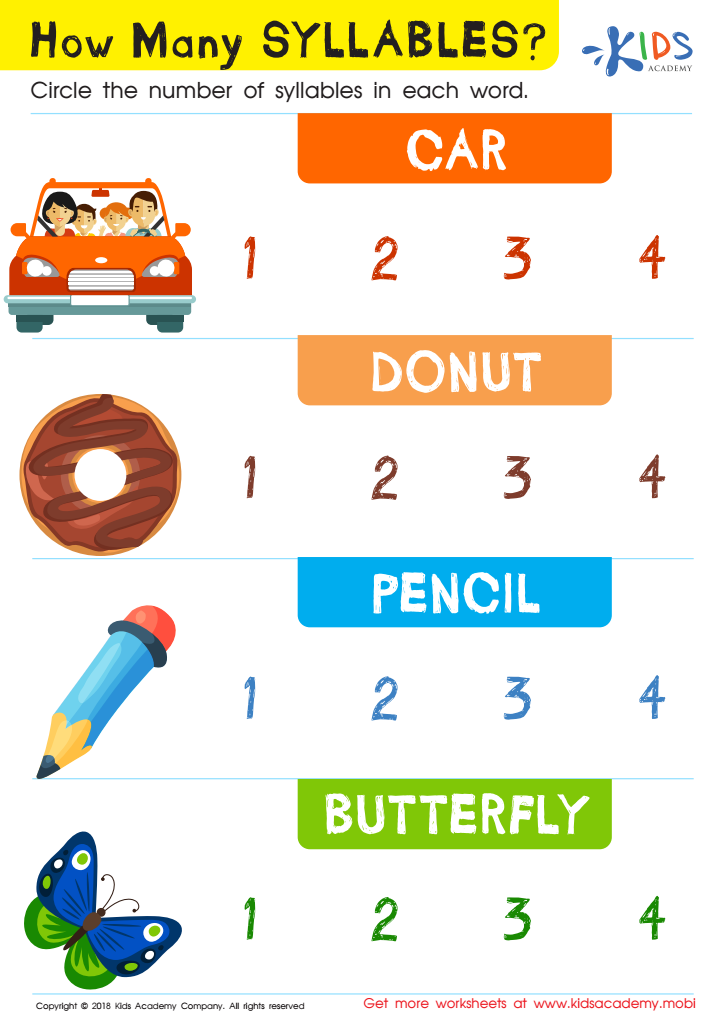
How Many Syllables? Worksheet
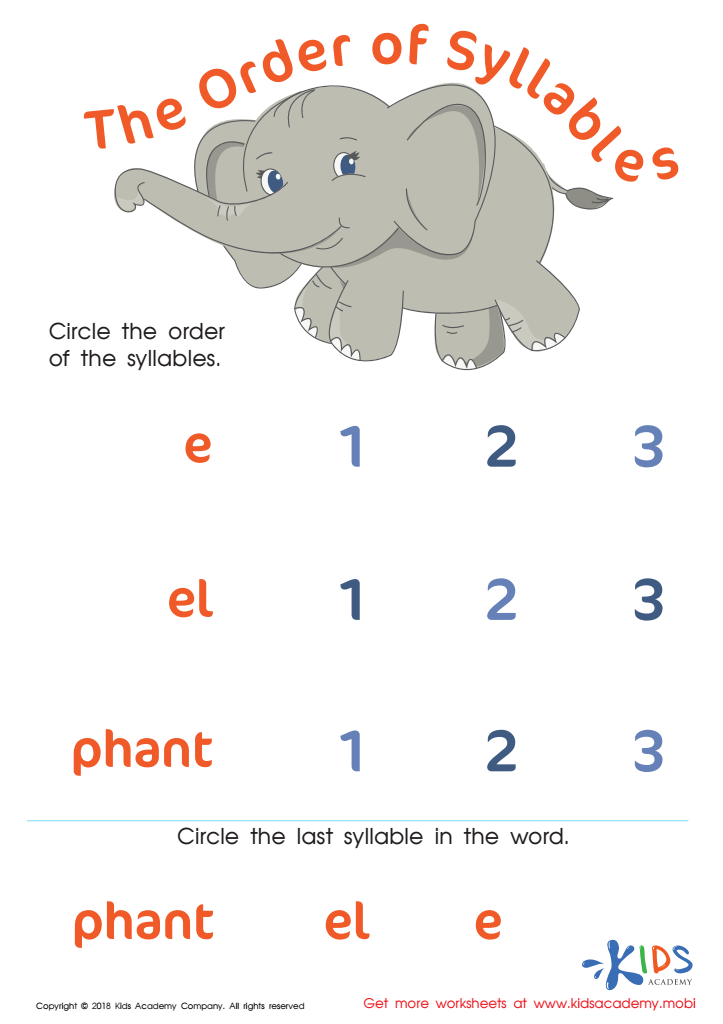
The Order of Syllables Worksheet








Normal Phonics is essential for children ages 4-8 because it lays the foundation for reading and writing, which are critical skills for academic success and lifelong learning. At this developmental stage, children’s brains are highly receptive to language acquisition. Phonics teaching helps kids understand the relationship between letters and sounds, allowing them to decode new words, improve their spelling, and enhance comprehension.
Teachers and parents should care about phonics because it empowers children to read independently and confidently. This independence in reading boosts children's self-esteem and motivates a love for learning. Without a strong phonics base, children may struggle with more complex literacy tasks, leading to frustration and disengagement from schoolwork.
From a cognitive perspective, phonics instruction supports memory development and pattern recognition, which are beneficial across various subjects. Moreover, early proficiency in reading speeds up vocabulary expansion, crucial for language arts and other disciplines.
Engaging children in fun and interactive phonics activities can make learning to read enjoyable and reduce literacy disparities. With strong phonics skills, children are better prepared for academic challenges, which can lead to greater educational and professional opportunities. Hence, investing time and effort in phonics during these formative years is crucial for fostering a child's overall educational journey.







