Normal Two Letter Phonics Worksheets for Ages 4-8
17 filtered results
-
From - To
Discover our engaging Normal Two Letter Phonics Worksheets for ages 4-8, perfect for young learners building foundational reading skills. Each worksheet, specially designed by expert educators, focuses on essential two-letter sound combinations, helping children master the basics of phonics through fun, interactive activities. Our worksheets include vibrant illustrations and a variety of exercises such as matching, coloring, and tracing, offering both educational value and enjoyment. Ideal for use at home or in the classroom, these resources support early literacy development, ensuring a strong start to your child's reading journey. Explore and download today for effective, enjoyable learning!
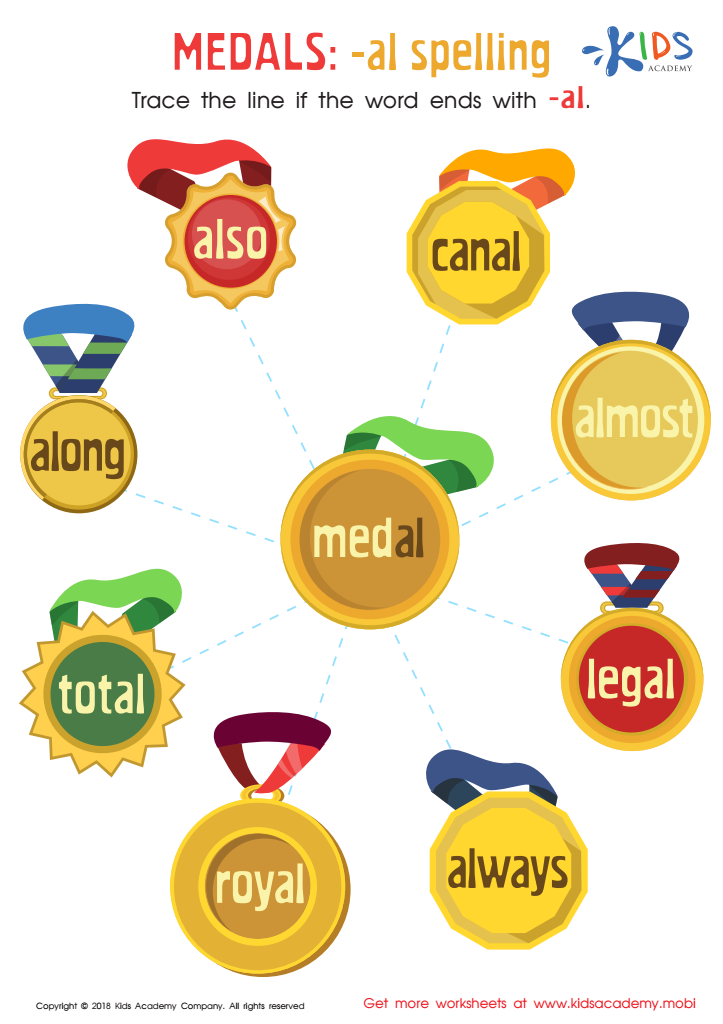
Medals: Al Spelling Worksheet
 Assign to My Students
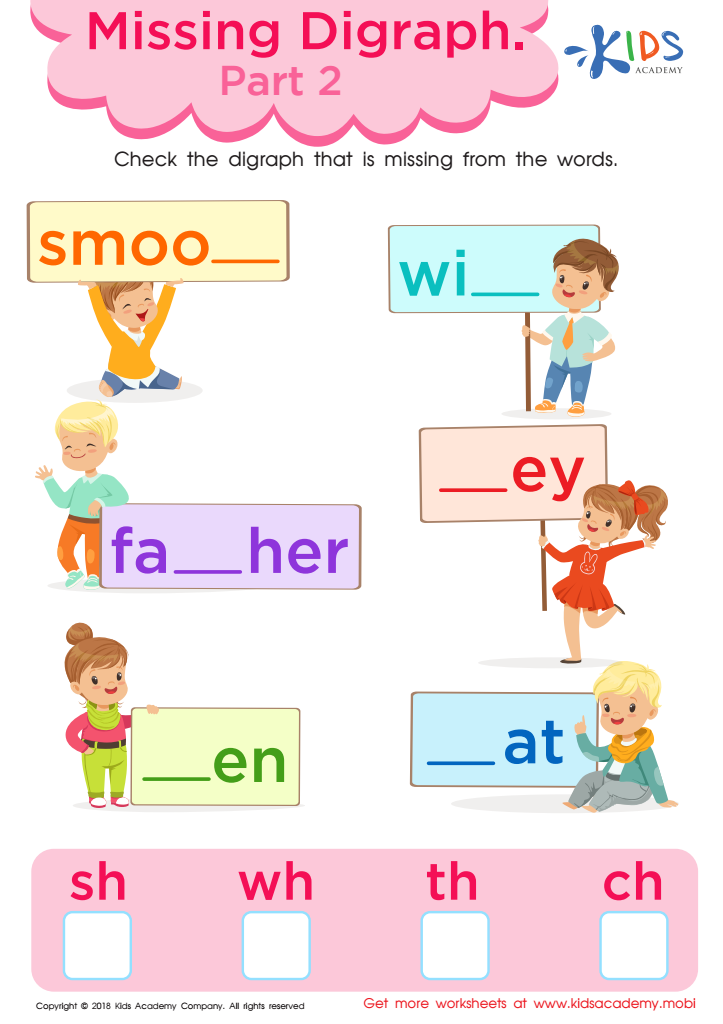
Missing Digraph: Part 2 Worksheet
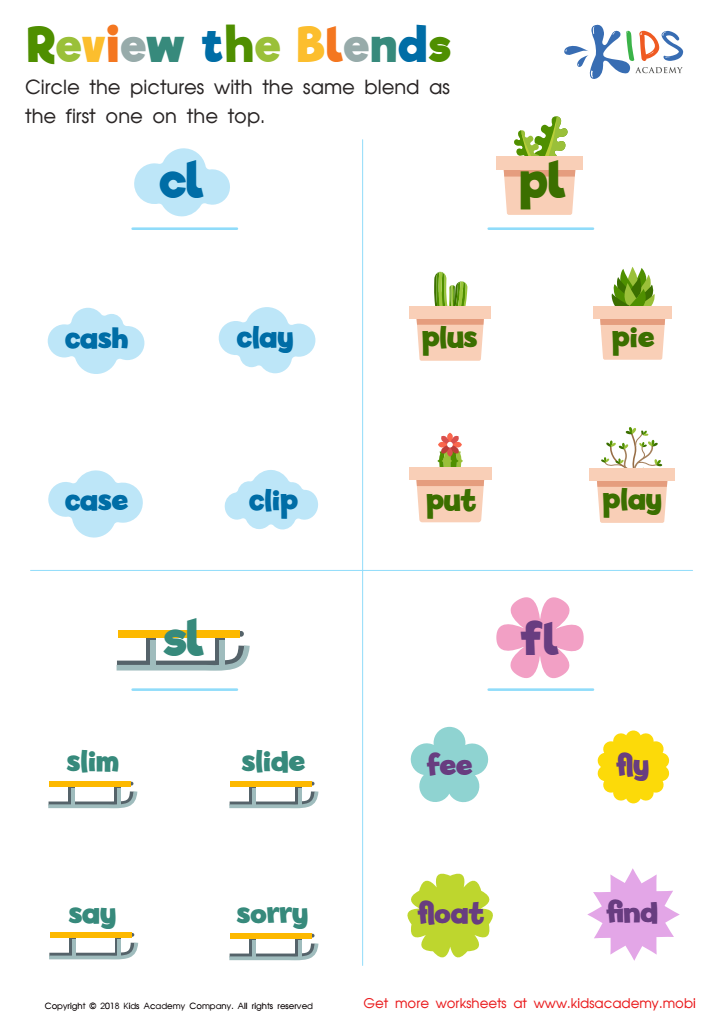
Review the Blends Worksheet
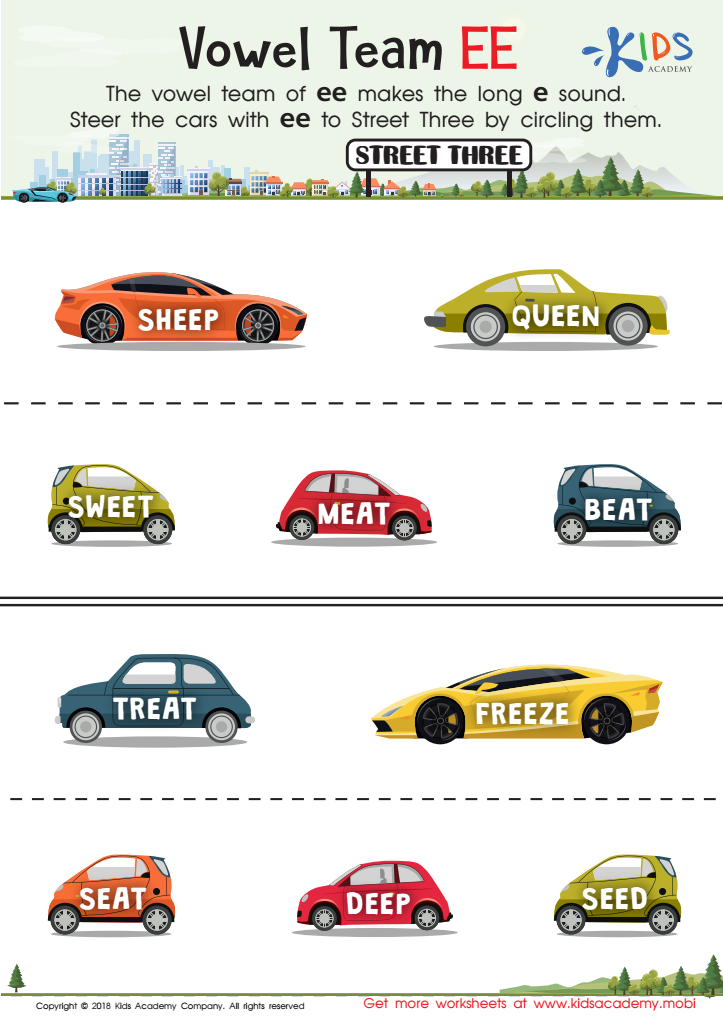
Vowel team ee Worksheet
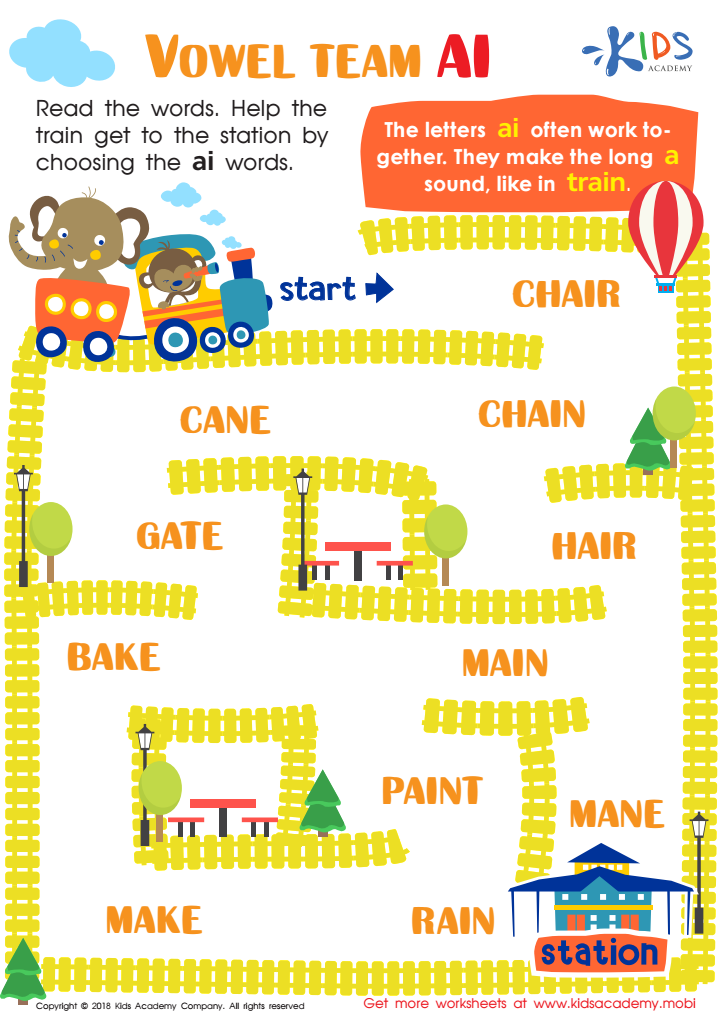
Vowel team ai Worksheet
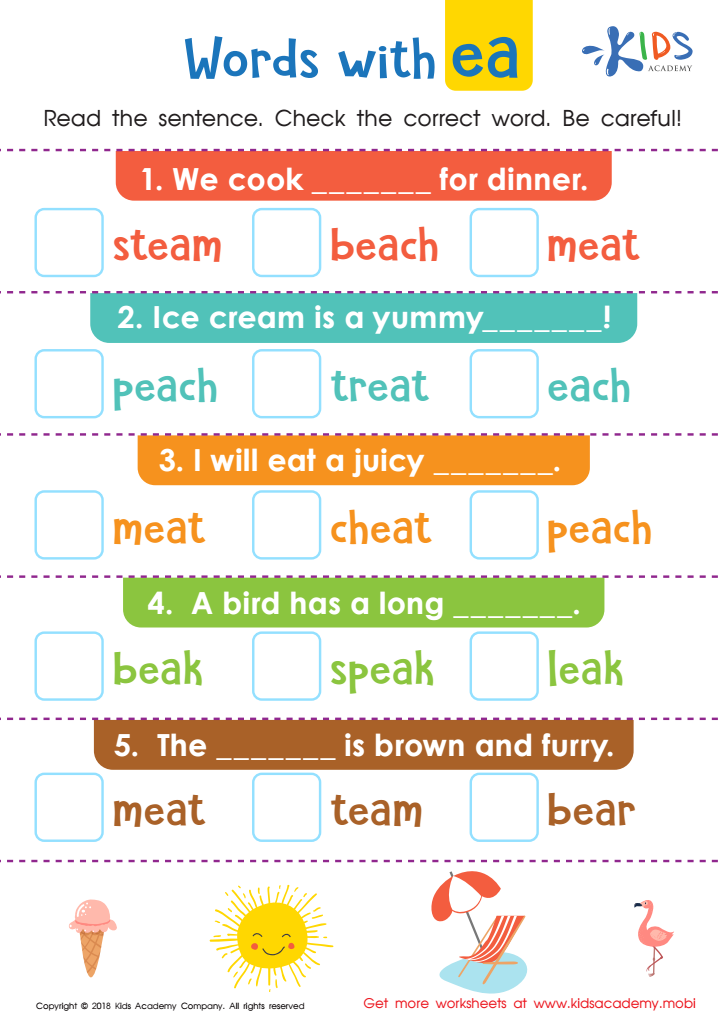
Words with ea Worksheet
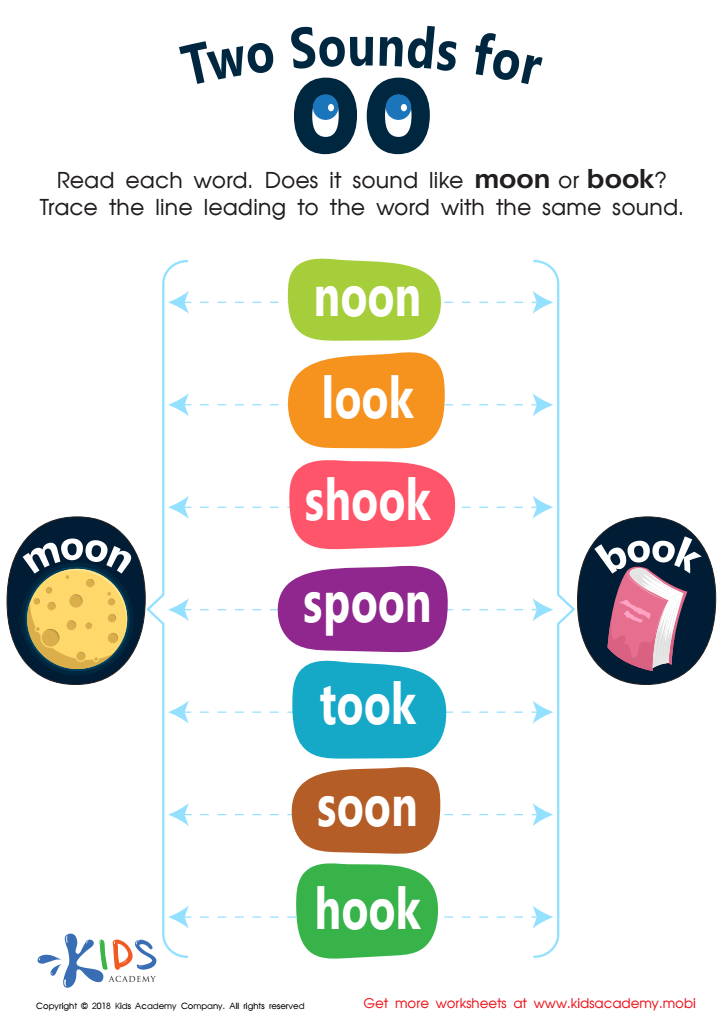
Two Sounds for OO Worksheet
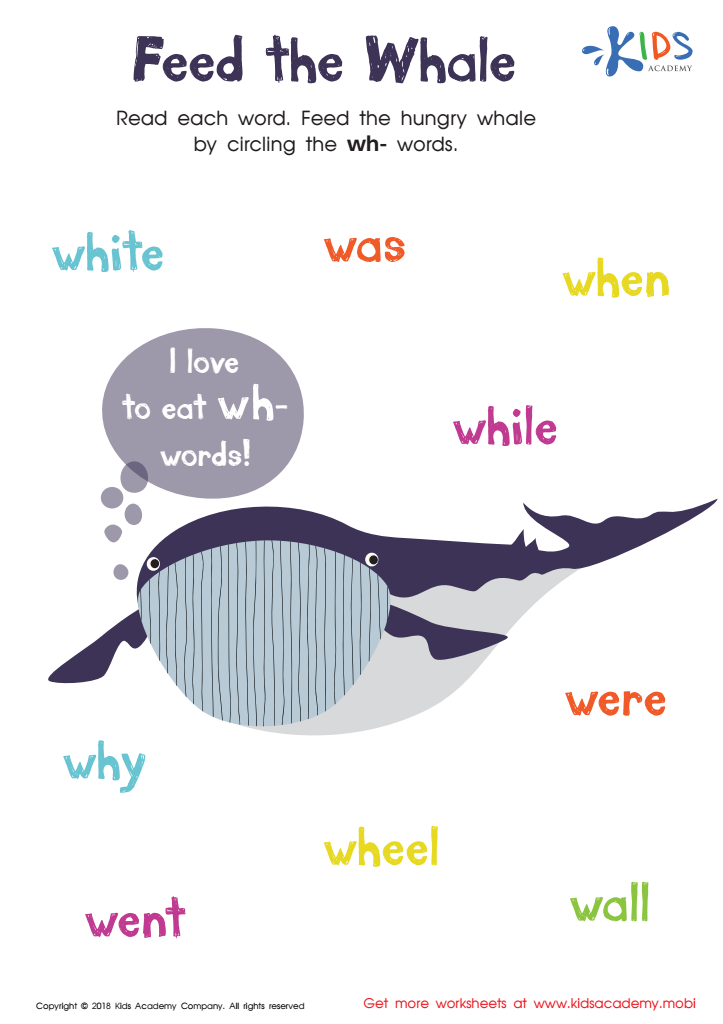
Feed the Whale Worksheet
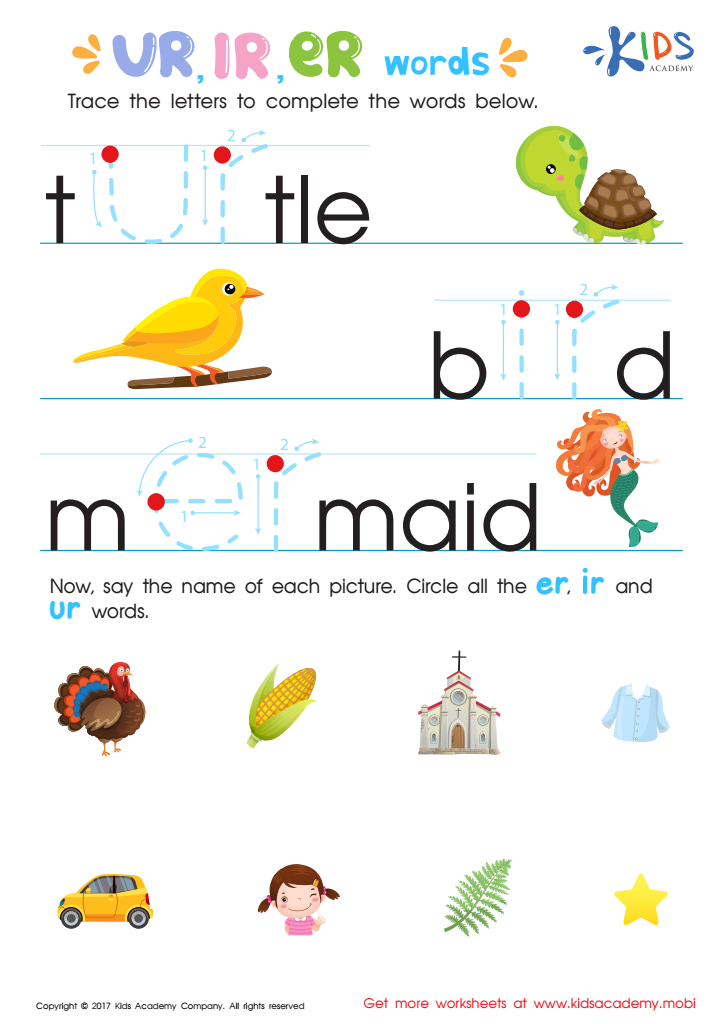
IR UR ER Words Worksheet
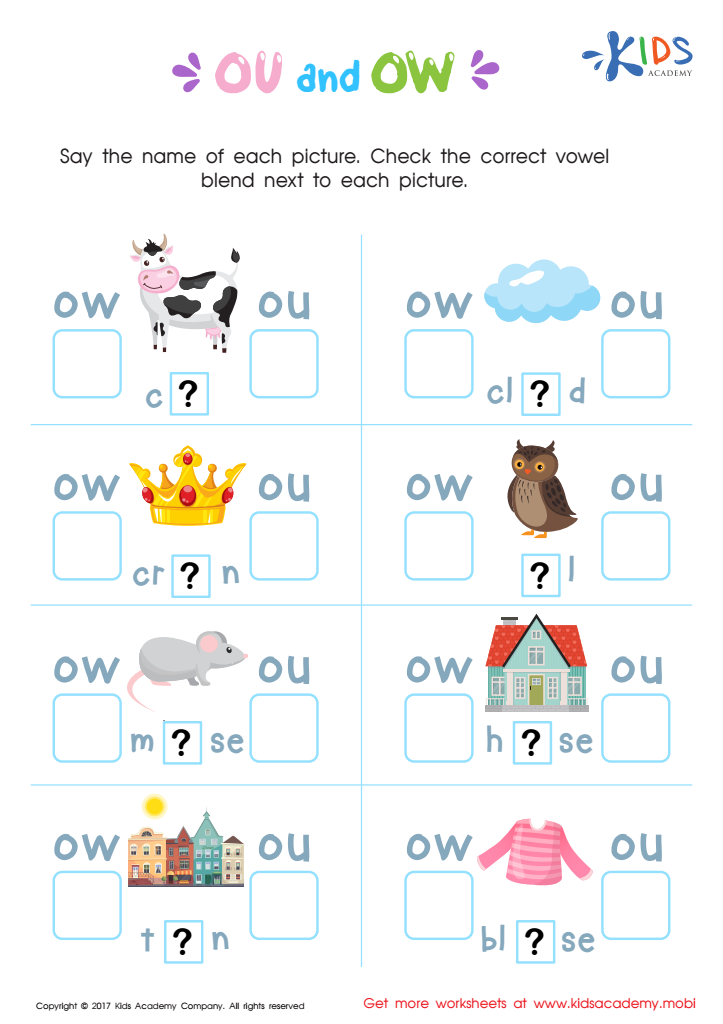
OU and OW Words Worksheet
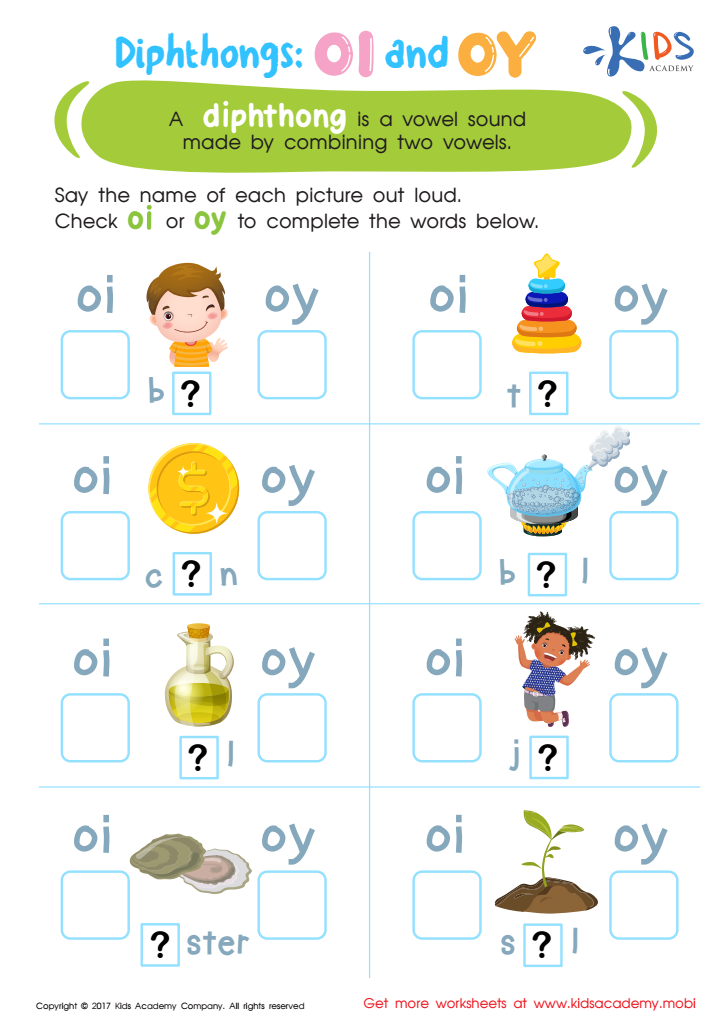
Vowel Diphthongs OI OY Worksheet
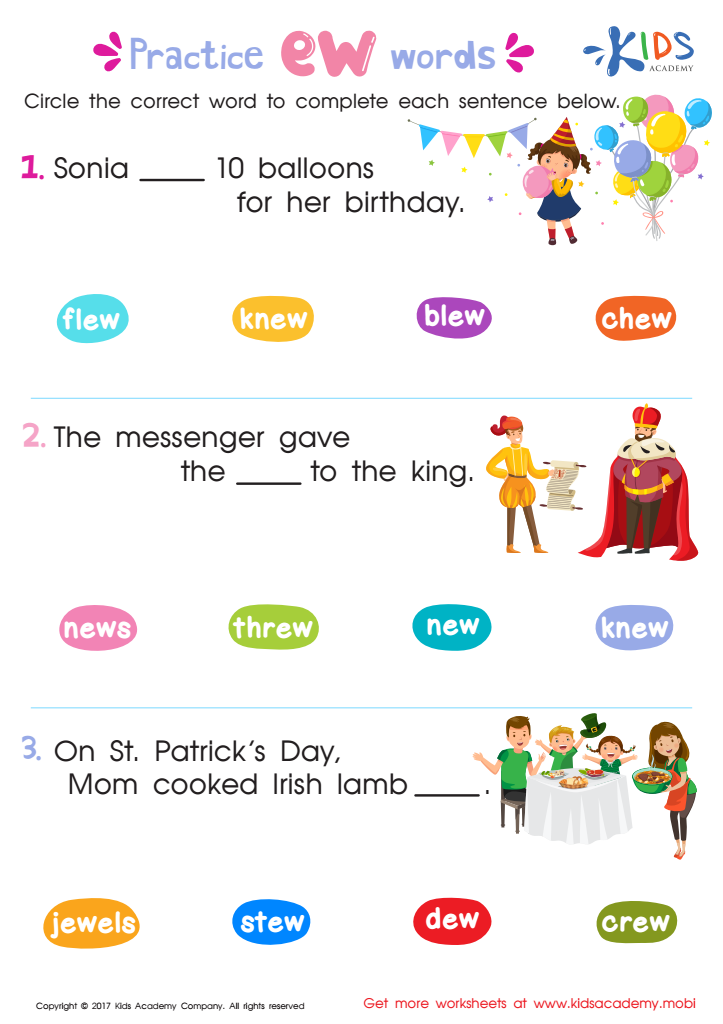
EW Words Worksheet
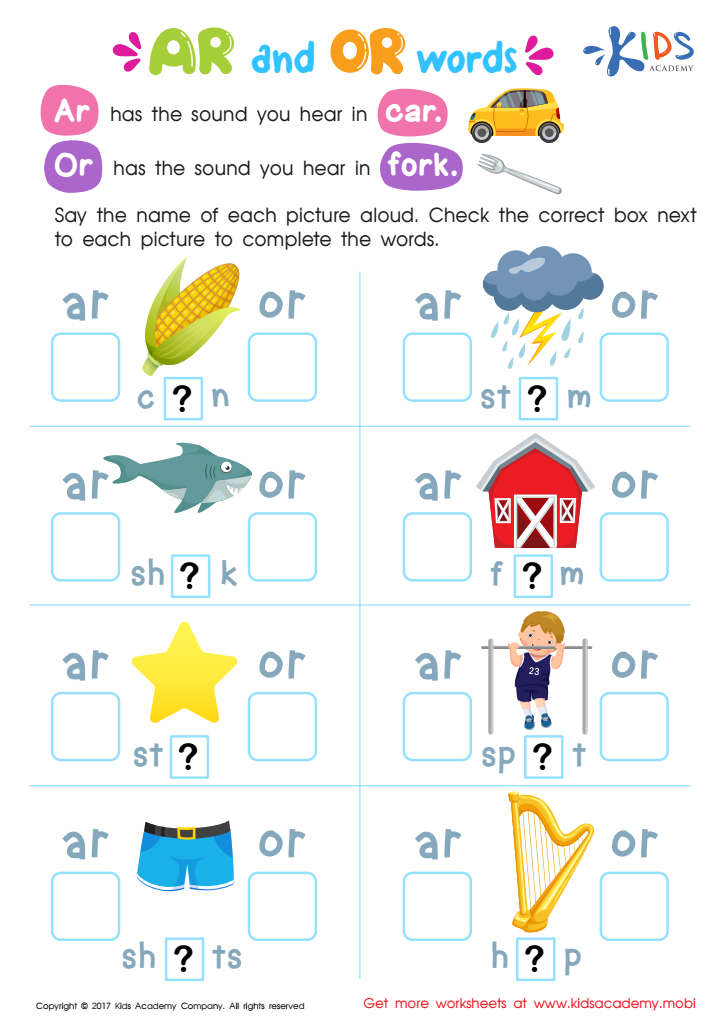
Ar and Or Words Phonics Worksheet
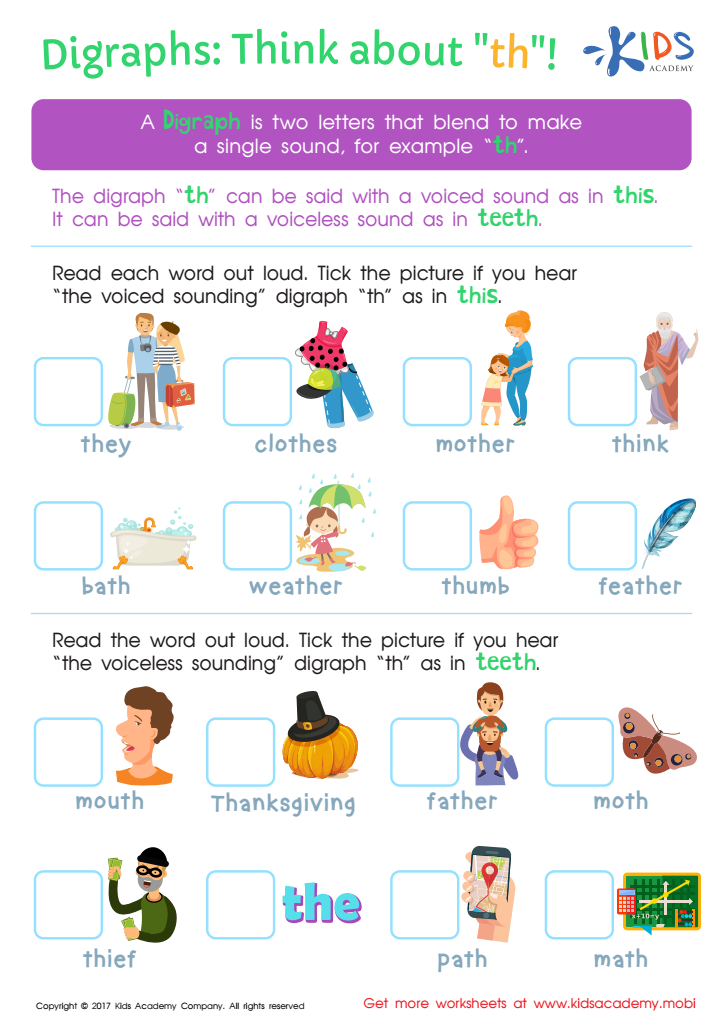
Digraphs: Think About "th" Worksheet
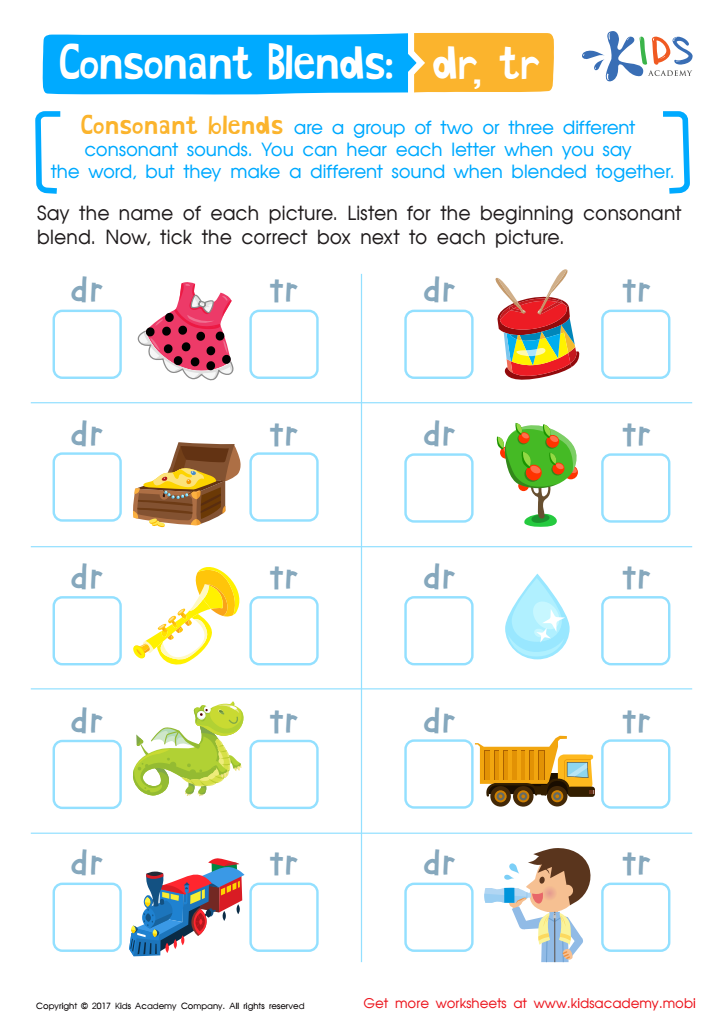
Consonant Blends: "Dr" and "Tr" Printable
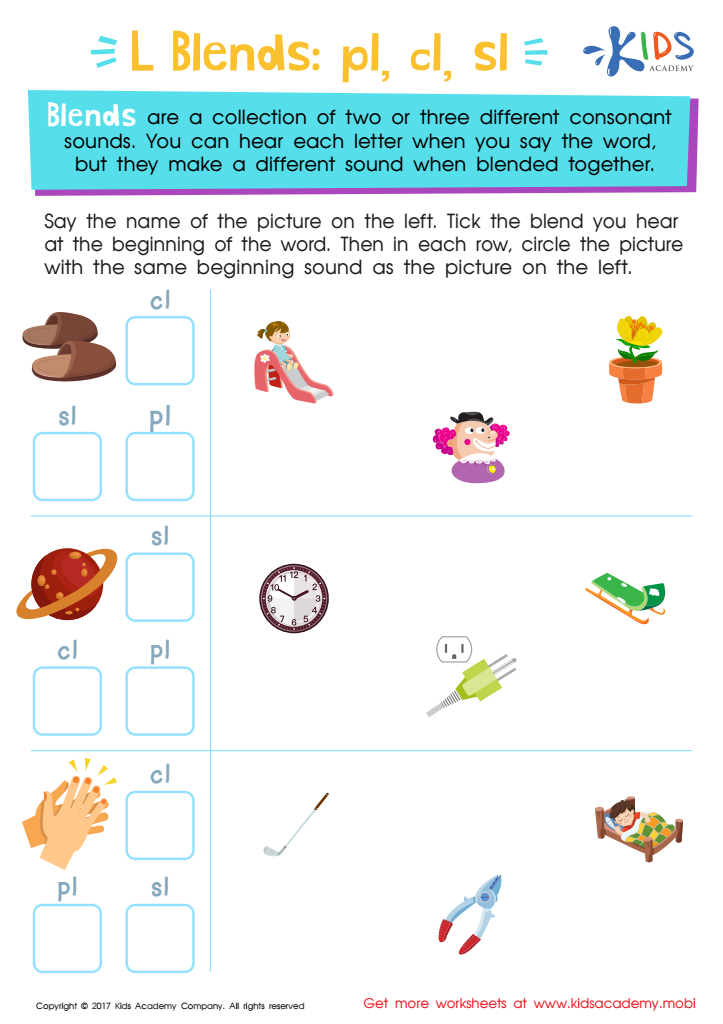
L Blends: "Pl", "Cl" and "Sl" Printable
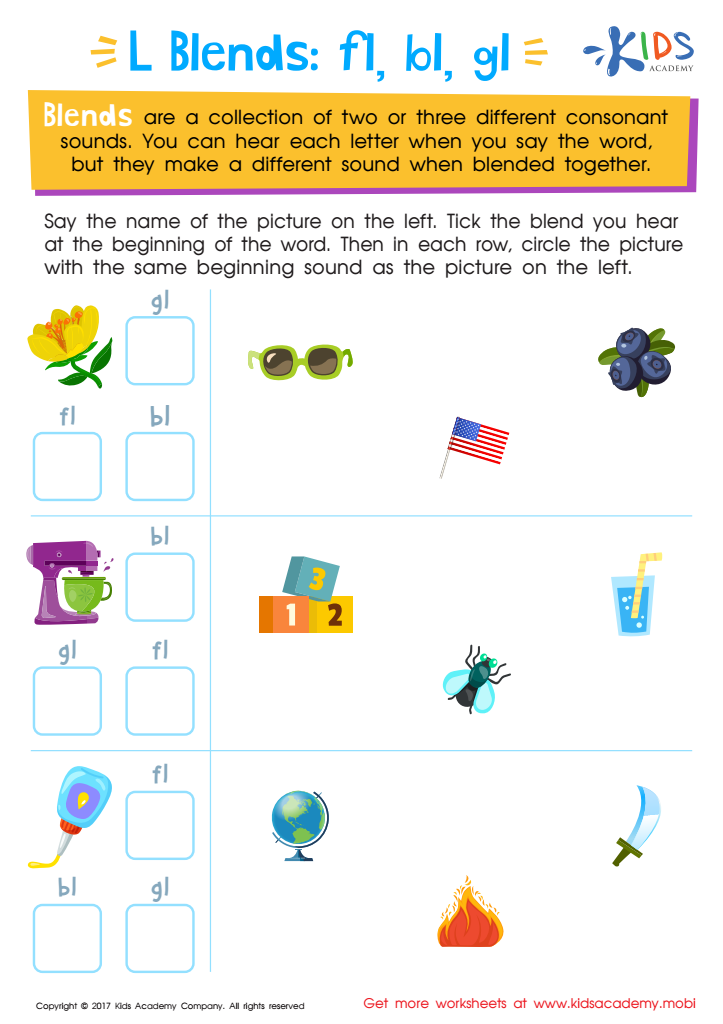
Blending Consonants: "Fl", "Bl" and "Gl" Printable



Normal Two Letter Phonics, also known as digraphs, plays a vital role in early childhood literacy for children aged 4-8. These are combinations of two letters that produce a single sound, such as "th," "sh," "ch," and "ph." Introducing children to these phonics early on is foundational in developing strong reading and writing skills.
Firstly, understanding digraphs helps children to decode words more efficiently. This facilitates smoother reading, allowing them to focus on comprehension rather than merely sounding out each letter. As children encounter more complex texts, familiarity with these phonics simplifies the reading process and boosts confidence.
Secondly, early exposure to digraphs aids in spelling. Recognizing common letter patterns equips children to spell words more correctly and predictably. This skill contributes to better-written communication, reinforcing the link between reading and writing competencies.
Thirdly, learning two-letter phonics enriches vocabulary. Many high-frequency and essential words in the English language contain digraphs. Early mastery enables children to access a broader range of words in both spoken and written forms, enhancing overall language proficiency.
Finally, grasping these phonics nurtures a child's love for reading by reducing frustration and enabling more independent reading. By equipping children with these fundamental tools, parents and teachers set the stage for a lifelong love of learning and academic success.






