Normal Comparing Numbers Worksheets for Ages 4-8 - Page 2
32 filtered results
-
From - To
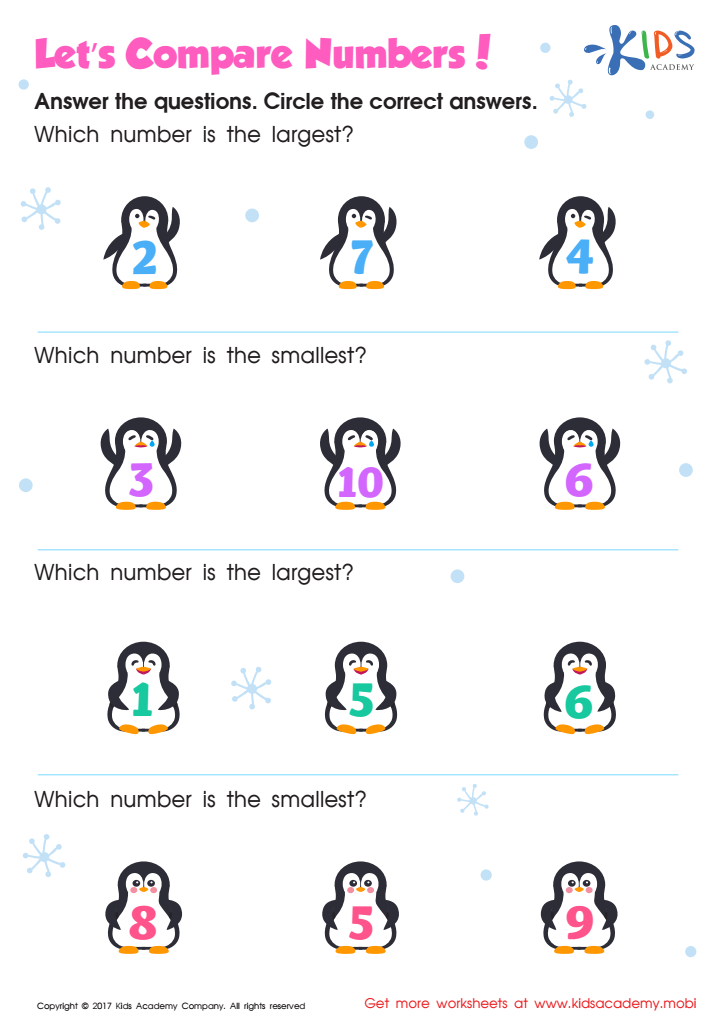
Comparing Numbers 1–10 Worksheet Kindergarten
 Assign to My Students
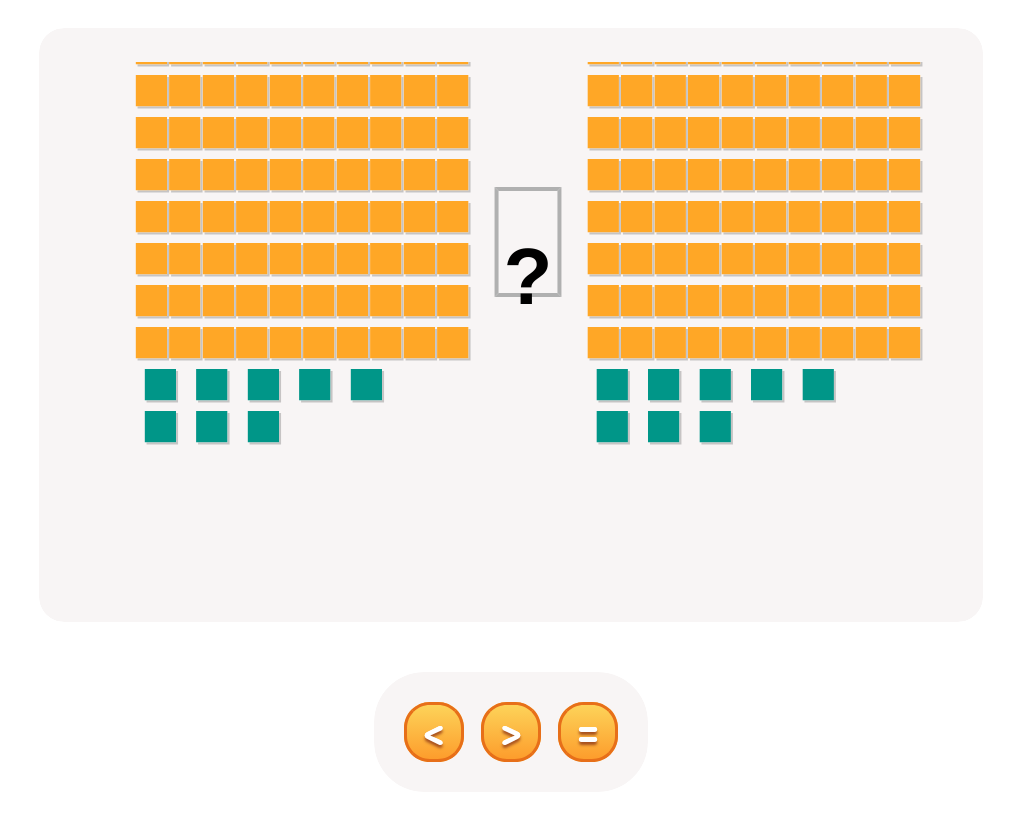

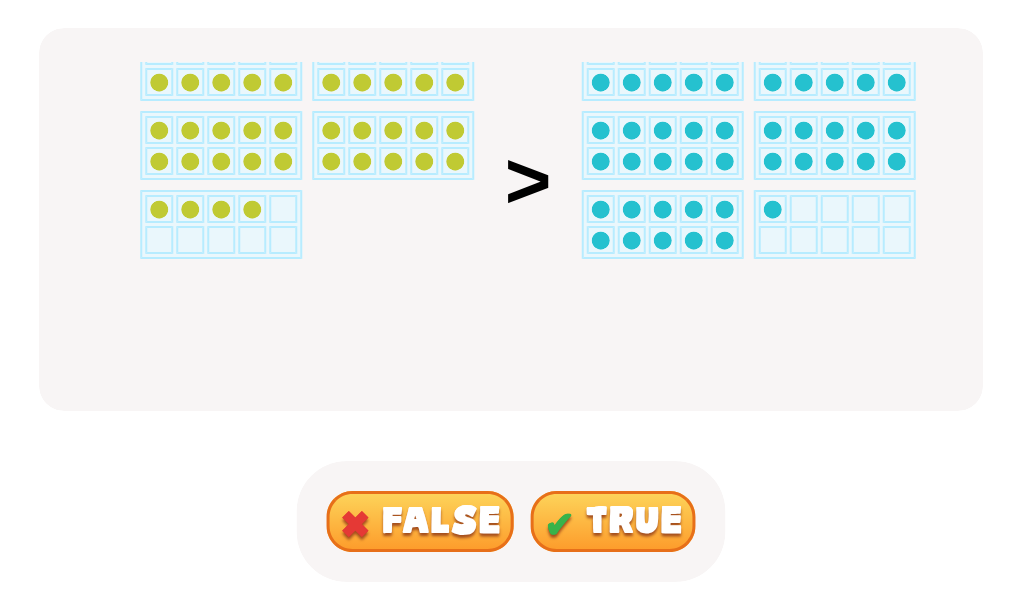
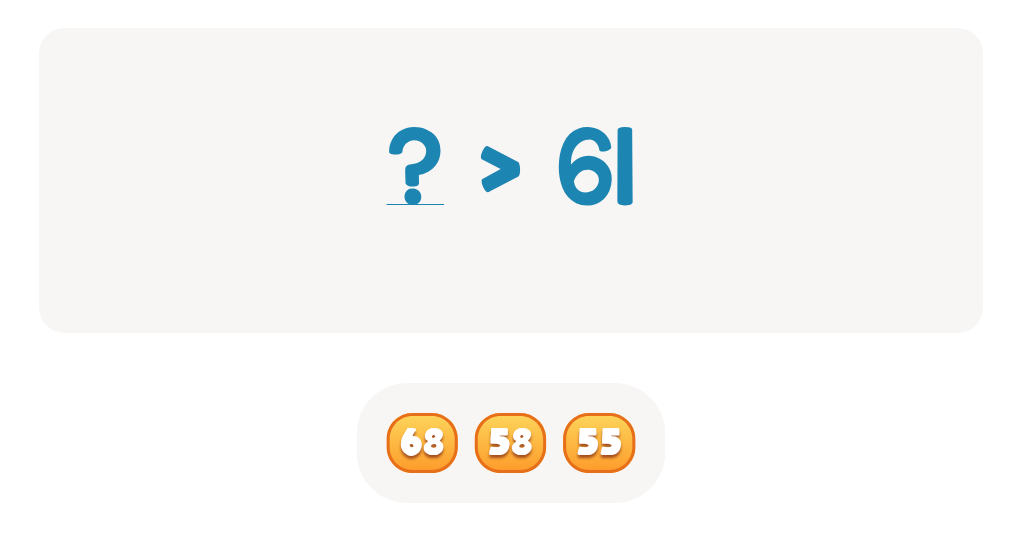
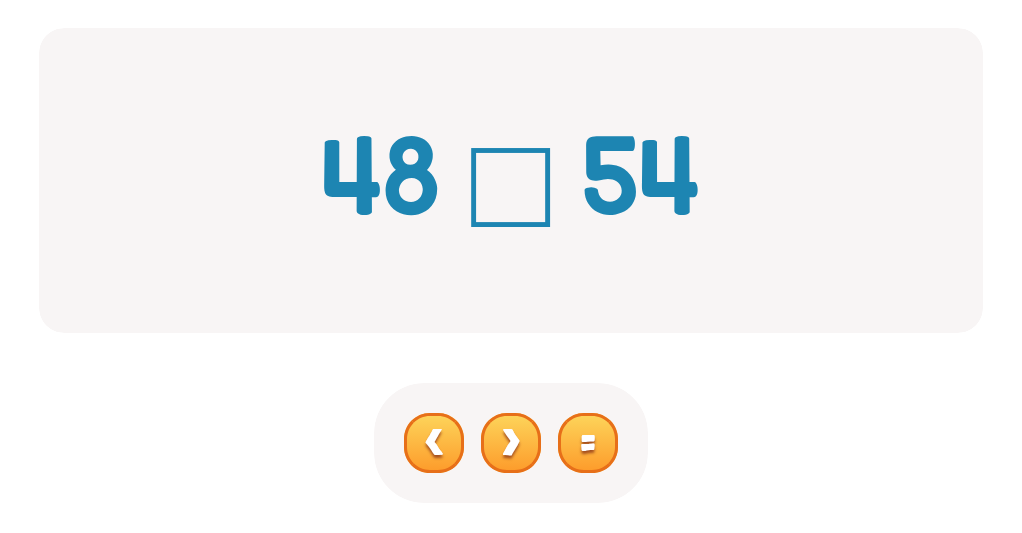
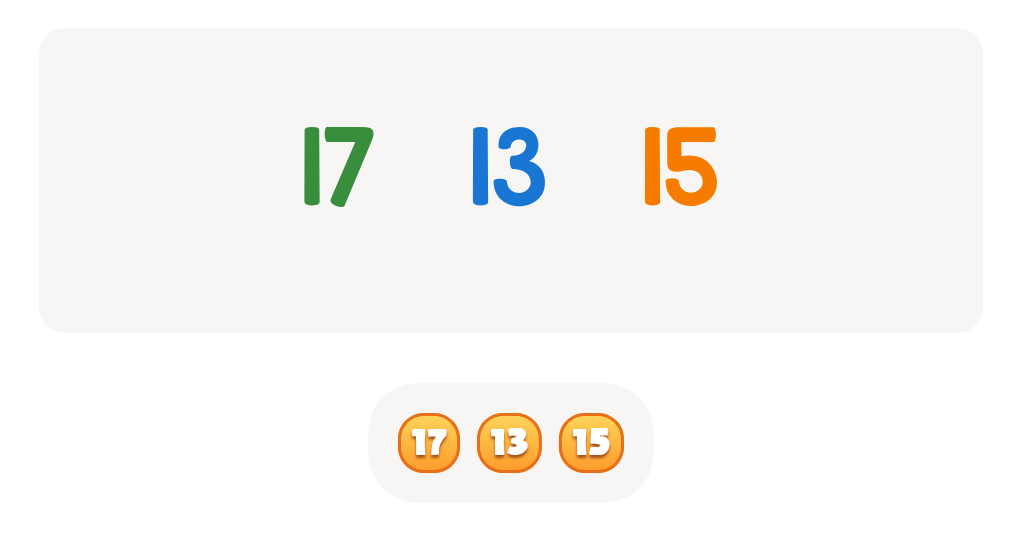
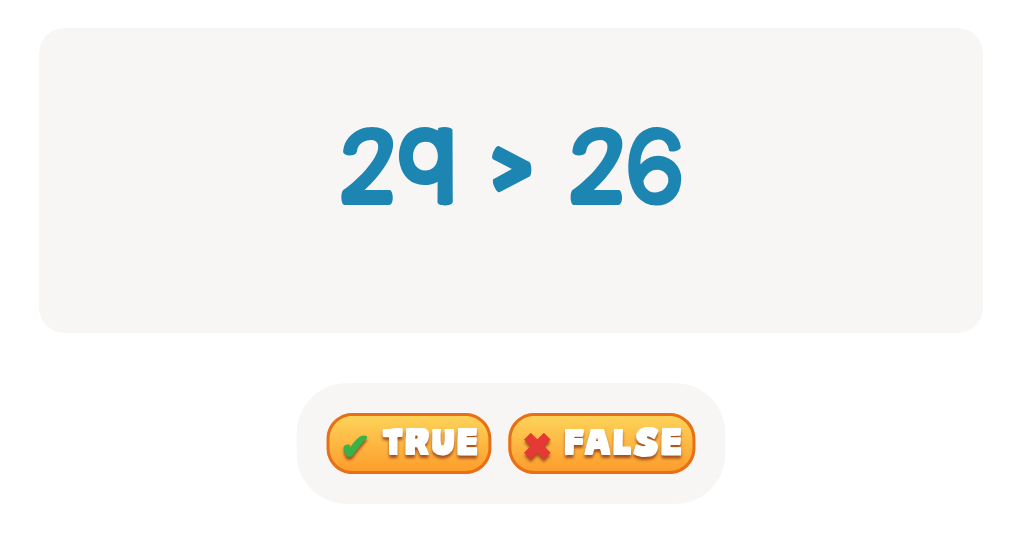
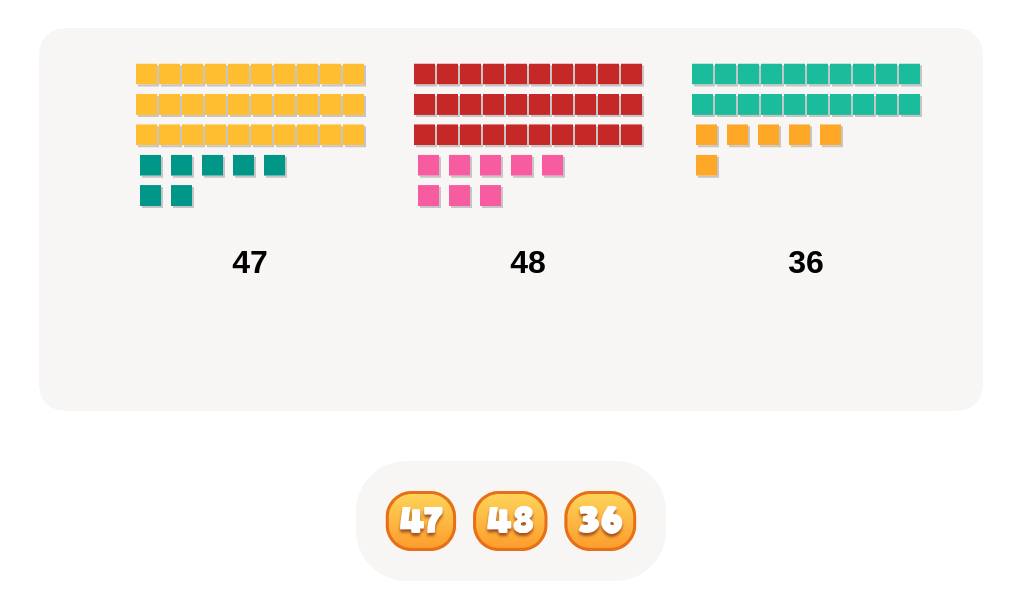
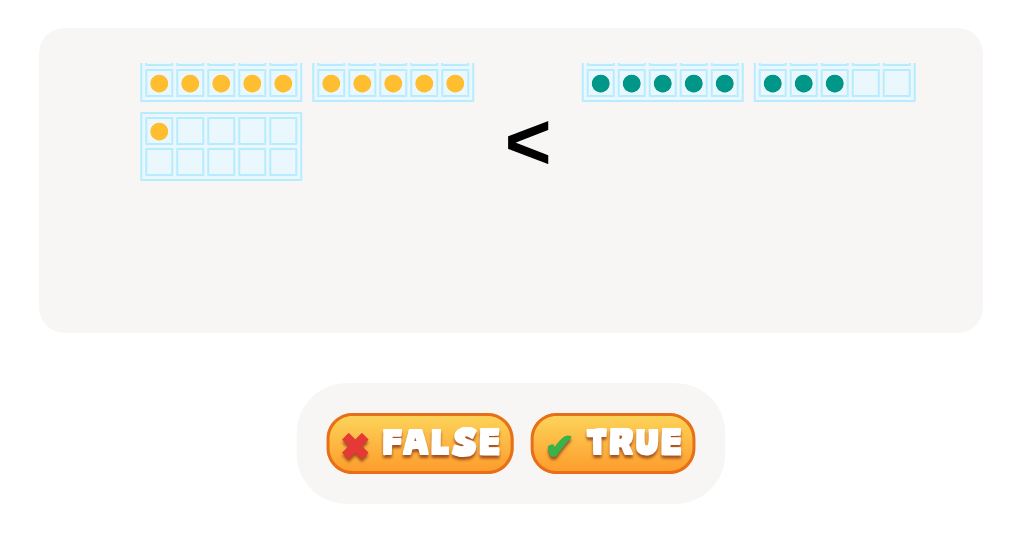
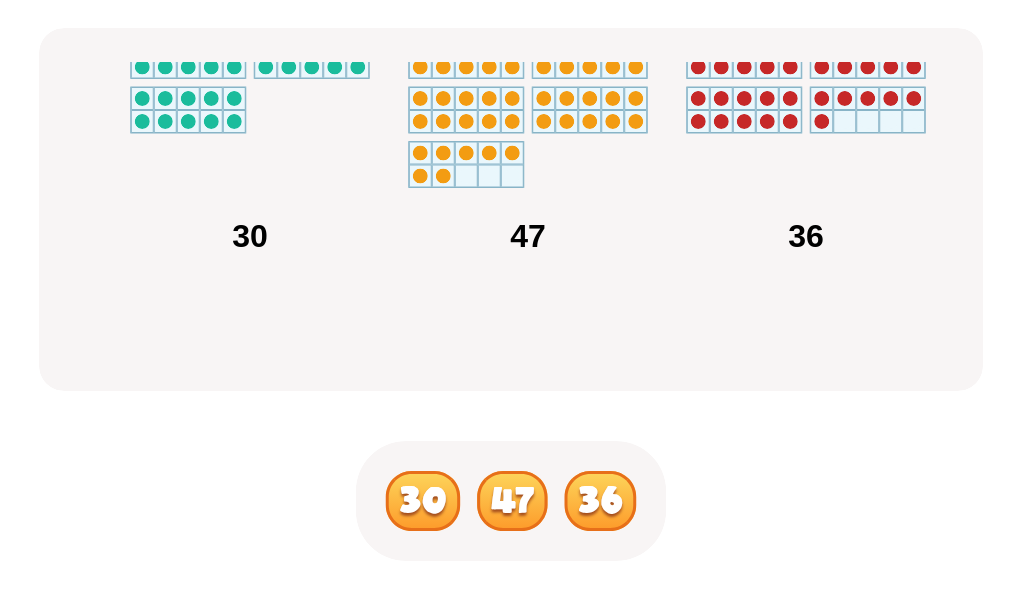
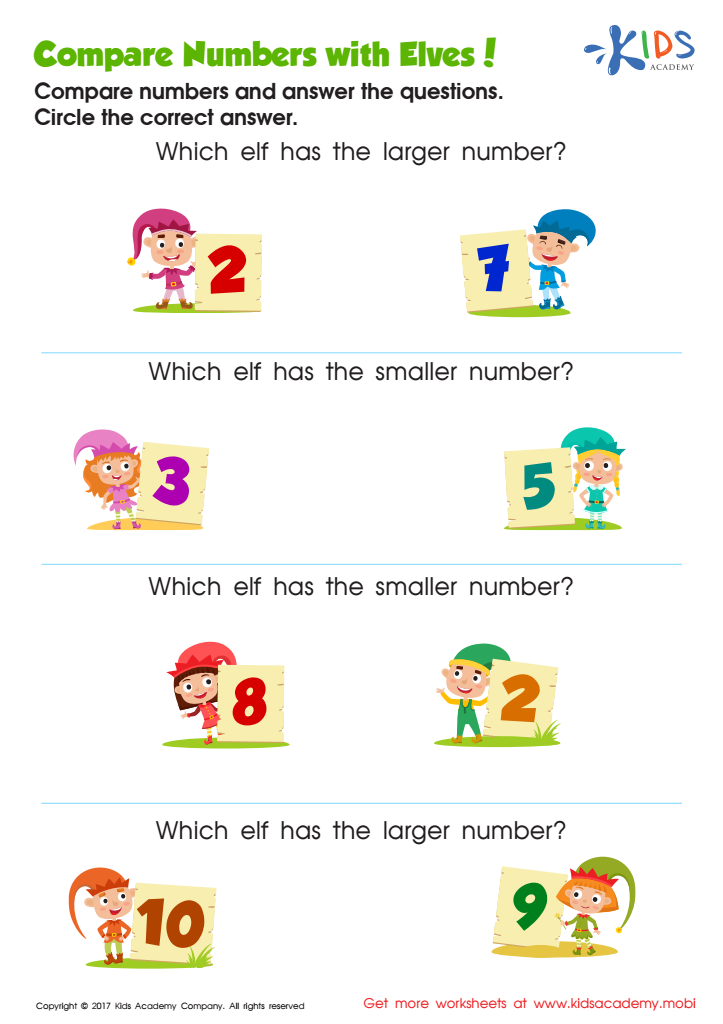
Comparing Numbers Worksheet for Kindergarten
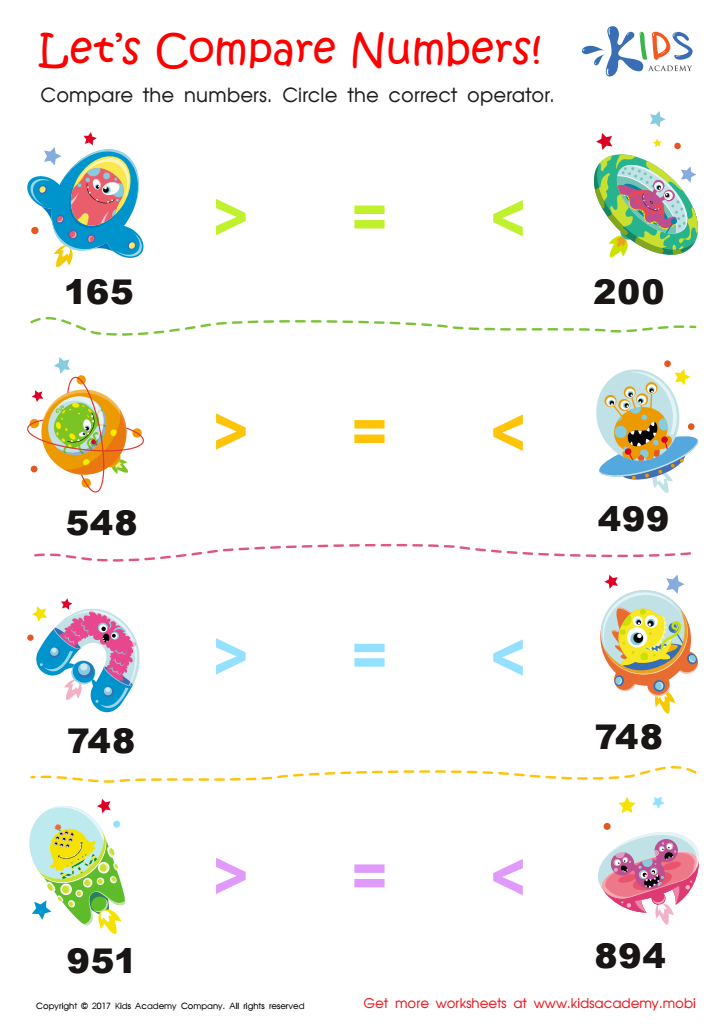
Comparing Numbers Worksheet for 2nd Grade
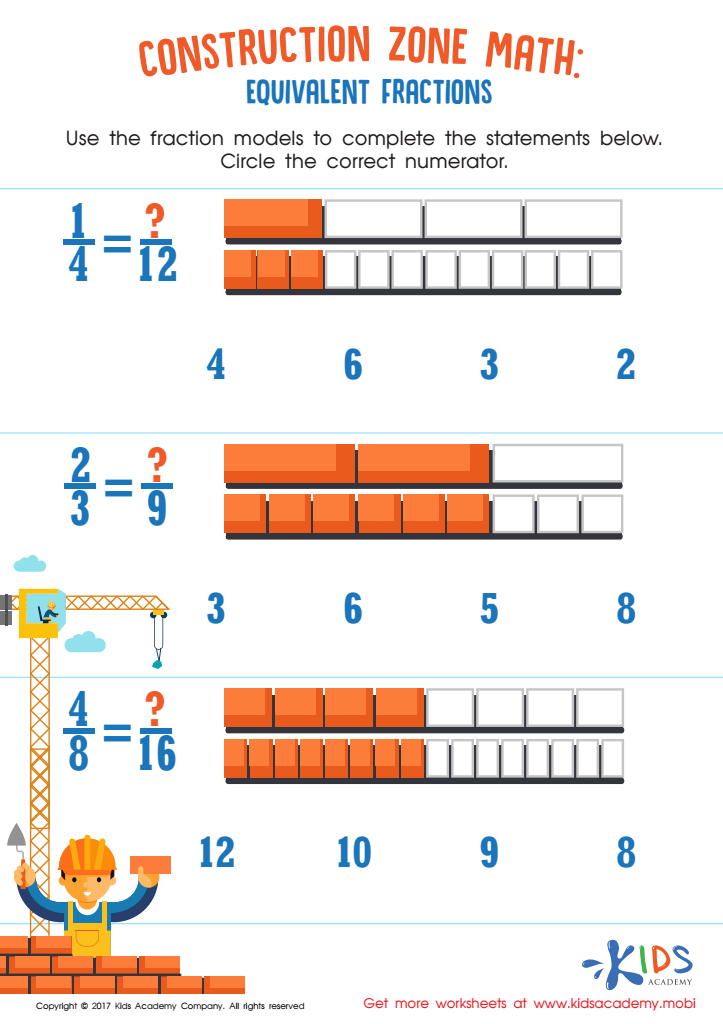
Equivalent Fractions Worksheet
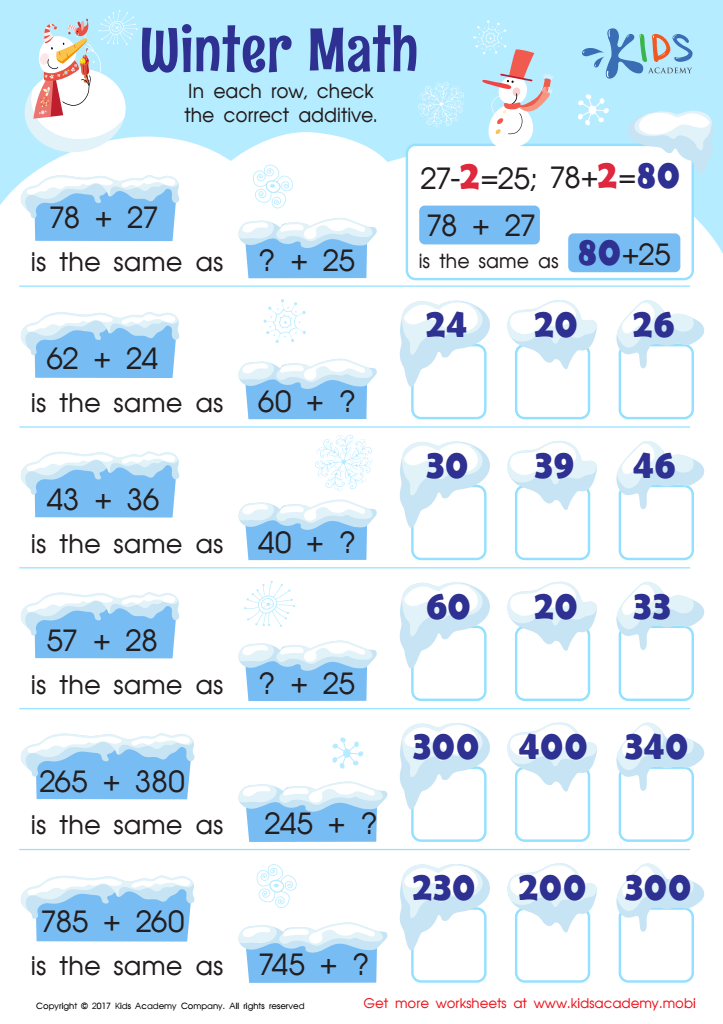
Free Addition Worksheet
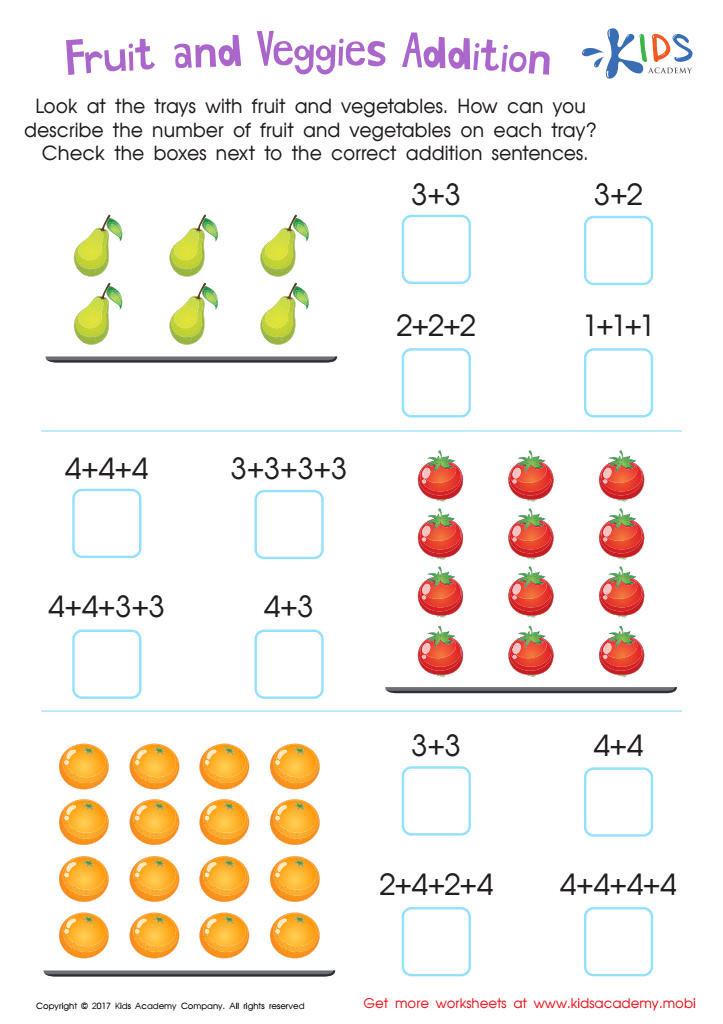
Fruit and Veggies Worksheet
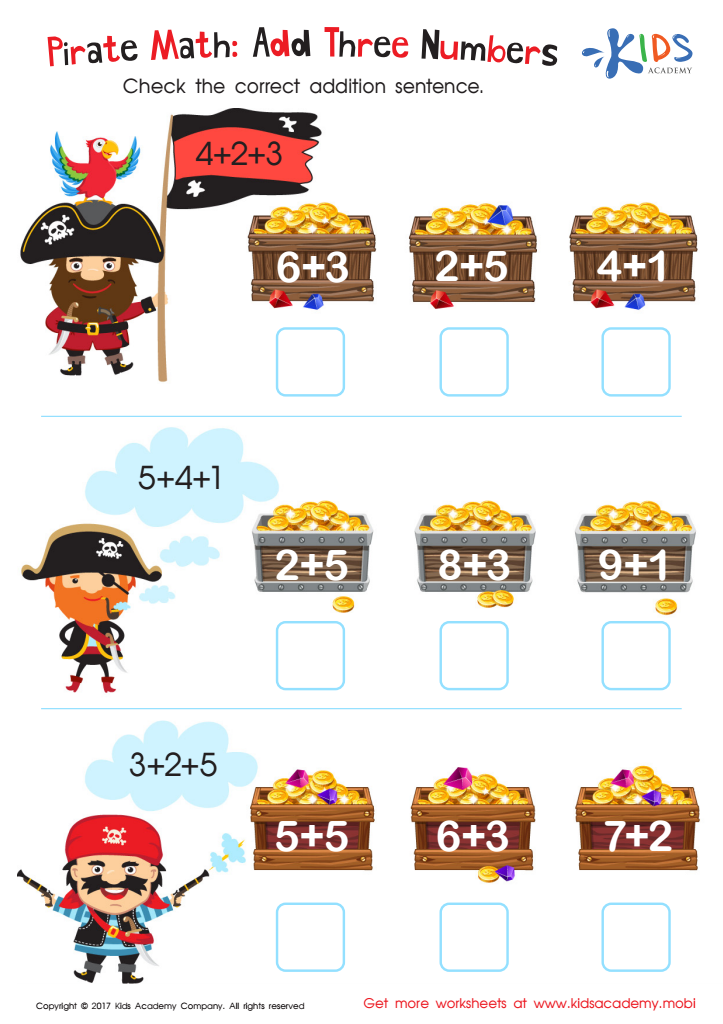
Pirate Math Printable
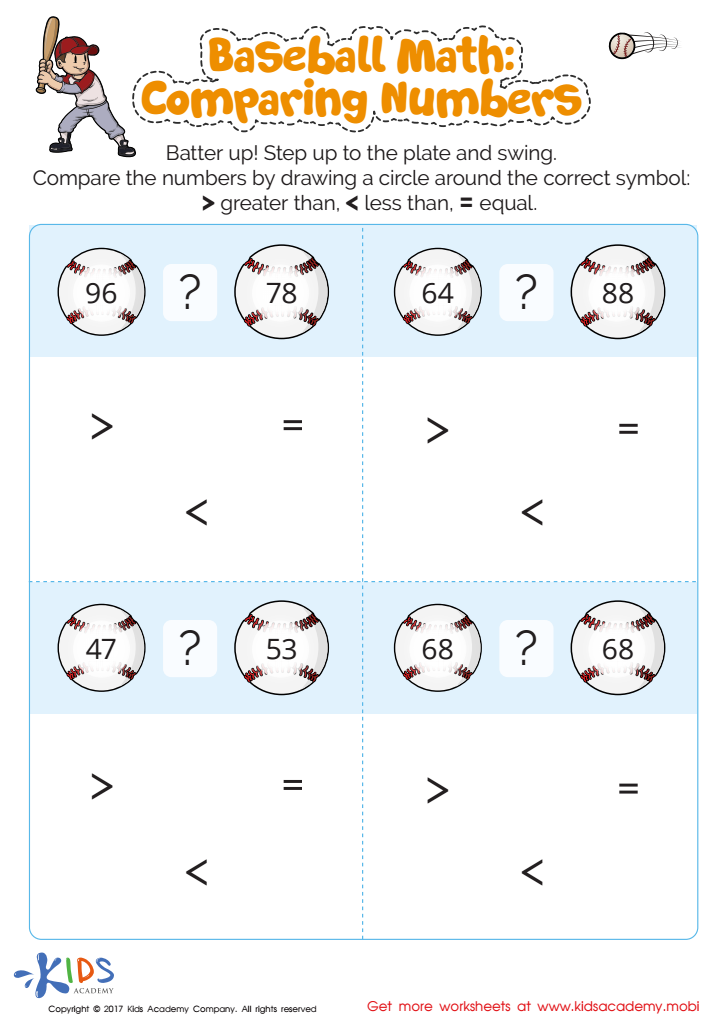
Compare Numbers Printable








Understanding the concept of comparing numbers is crucial for children aged 4-8 as it lays the foundation for future mathematical learning. During these formative years, children develop essential number sense, which is their ability to recognize numerical relationships and patterns. By mastering normal comparing of numbers—such as knowing which is larger or smaller—children gain confidence in their mathematical abilities and problem-solving skills.
Parents and teachers should prioritize this skill because it enhances critical thinking and reasoning capabilities. Comparing numbers promotes not only mathematical cognitive skills but also broader analytical skills that are valuable in everyday life. For example, children learn to make decisions based on quantitative information, such as determining which package offers better value when shopping.
Furthermore, early exposure to comparing numbers helps to embed positive attitudes towards math, reducing anxiety and fostering enjoyment in learning. Encouraging activities such as number games or simple comparisons in daily life can make the learning process engaging and fun. Ultimately, investing time and resources into teaching children how to compare numbers equips them for more advanced math concepts and future academic success. Hence, this foundational skill is a stepping stone towards lifelong mathematical proficiency.