Normal History Worksheets for Ages 4-8 - Page 3
59 filtered results
-
From - To

Washington, D.C. Symbols Worksheet
 Assign to My Students
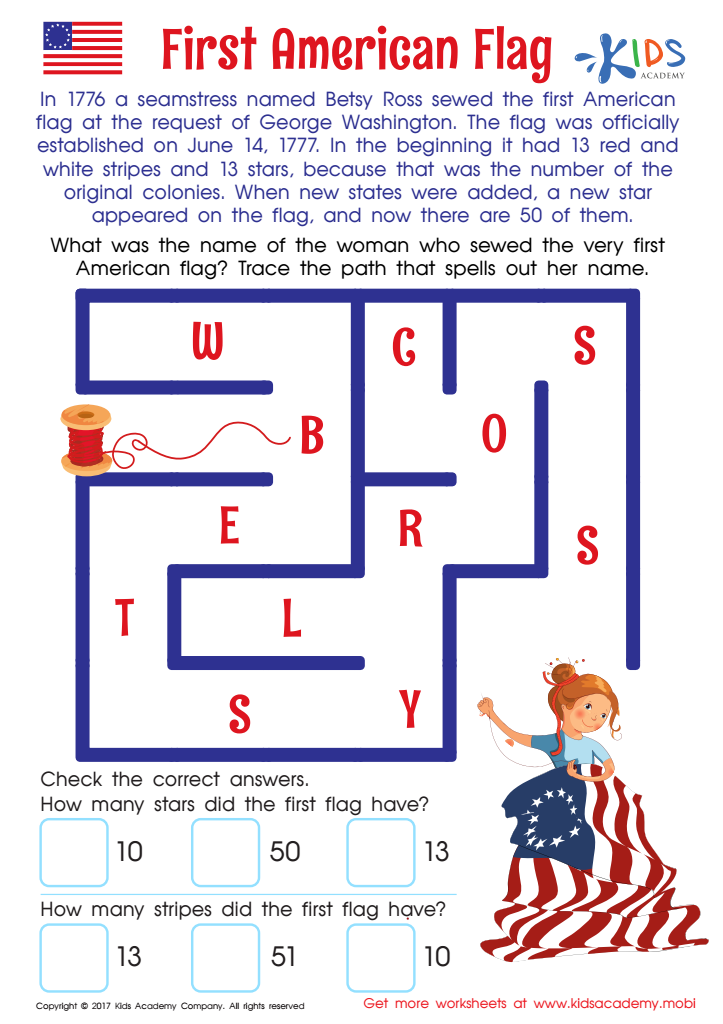
First American Flag Worksheet
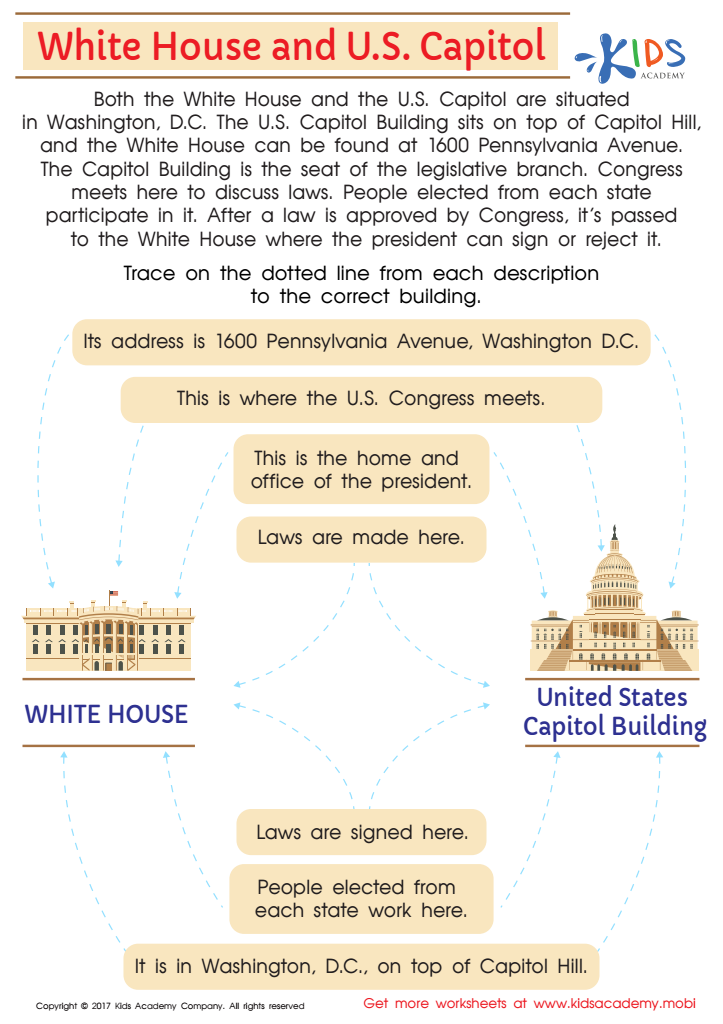
White House and US Capitol Worksheet
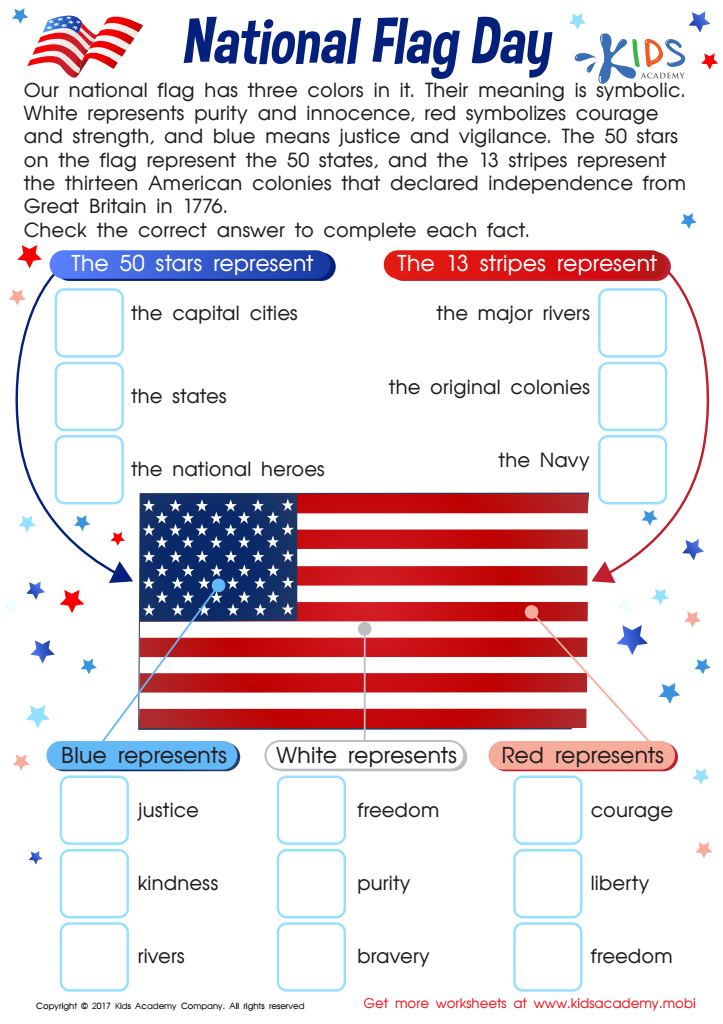
US National Flag Day Worksheet
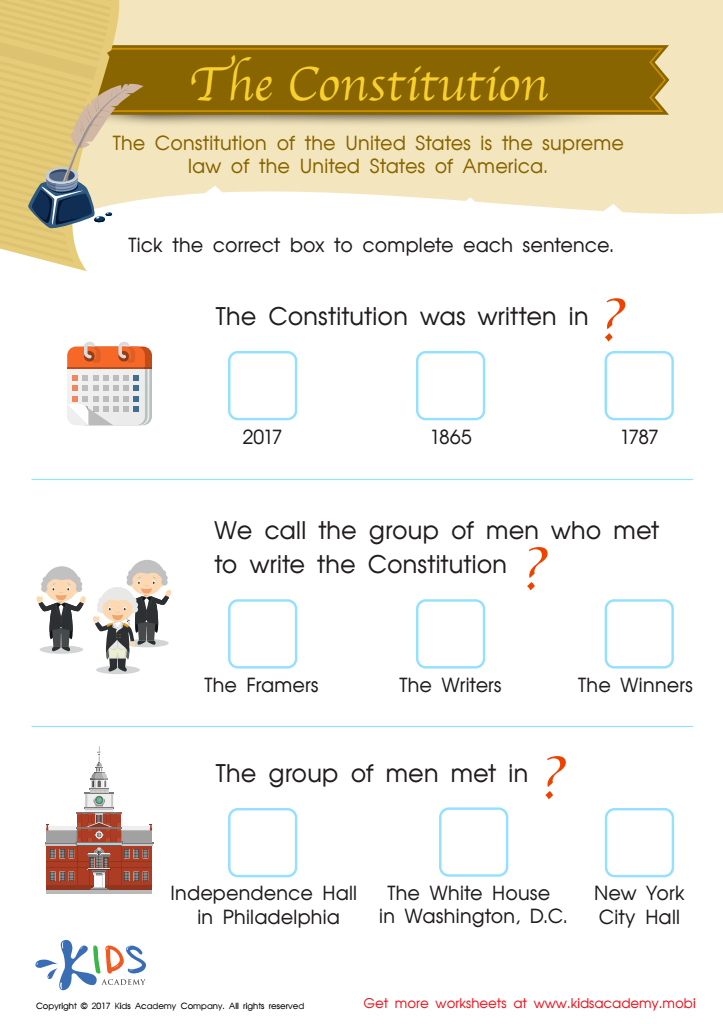
The Constitution Worksheet
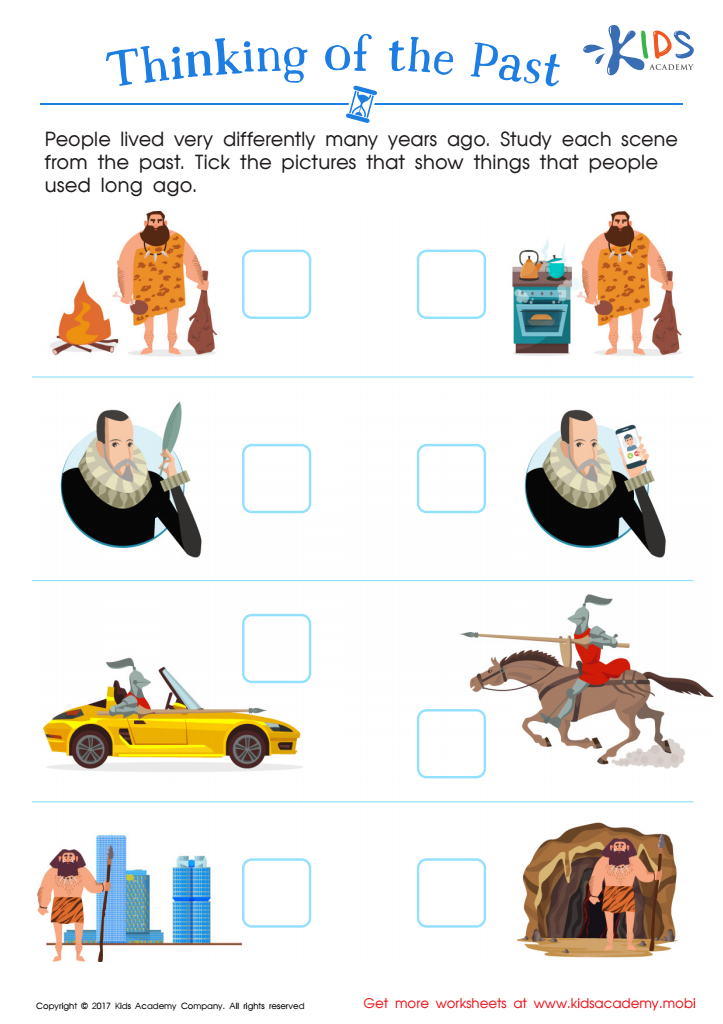
Thinking Past Printable
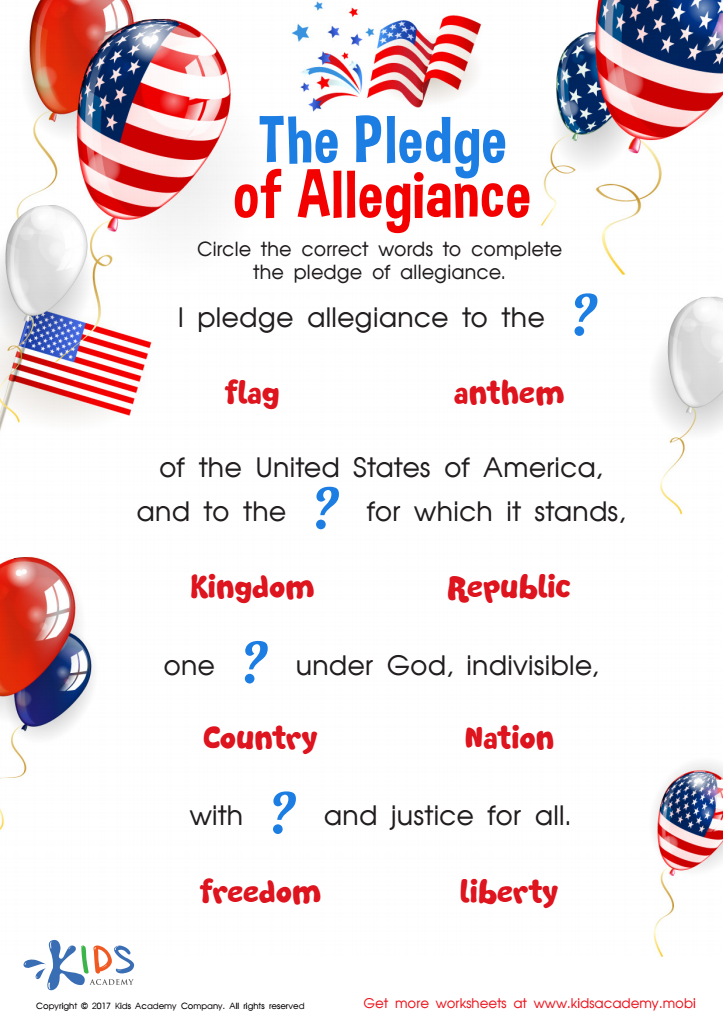
The Pledge of Allegiance Worksheet
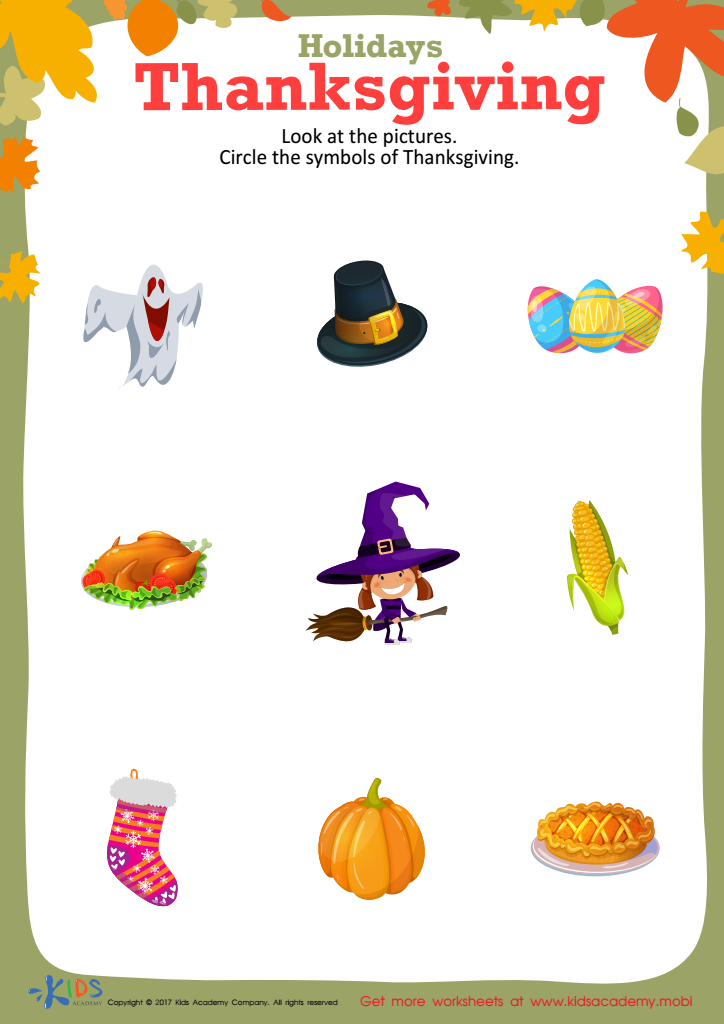
Thanksgiving Holiday Printable
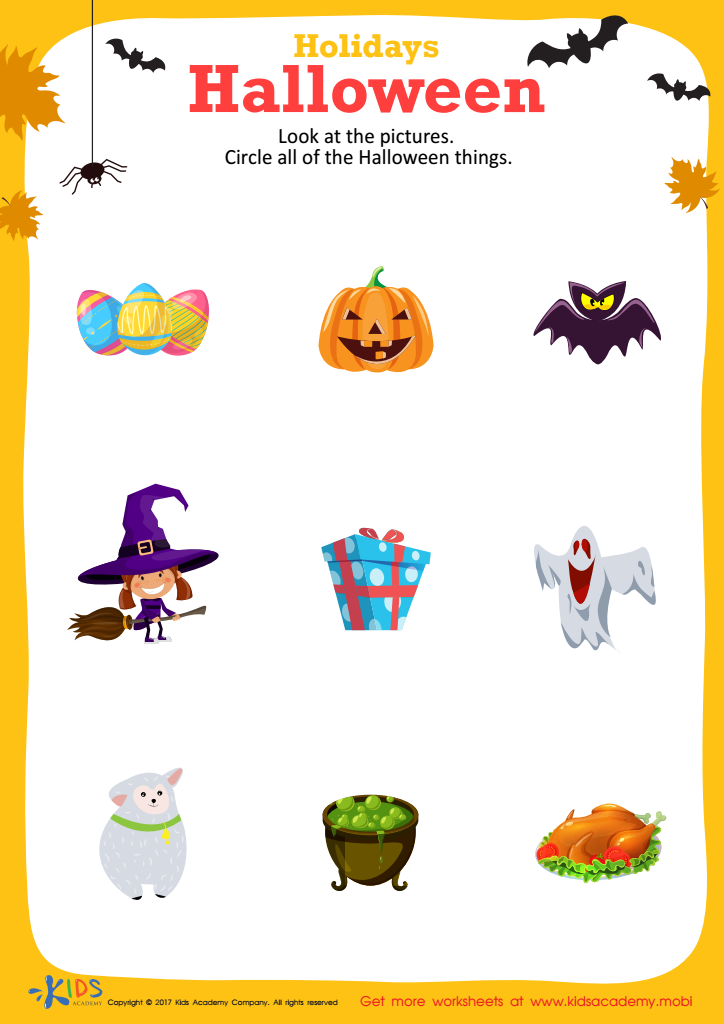
Halloween Holiday Worksheet
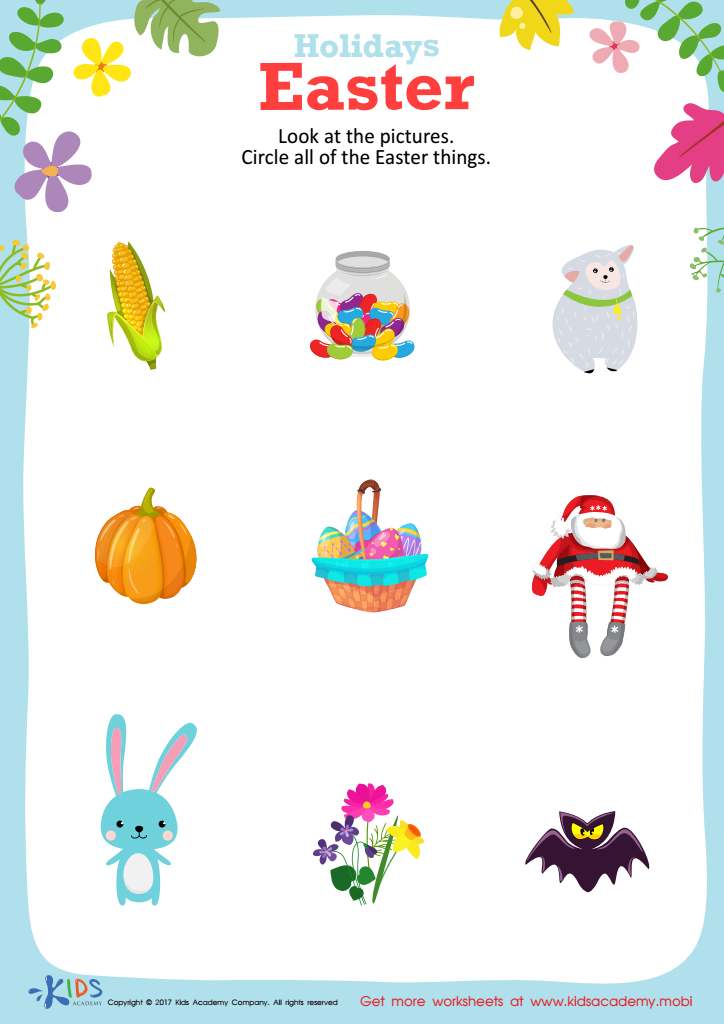
Easter Holiday Printable
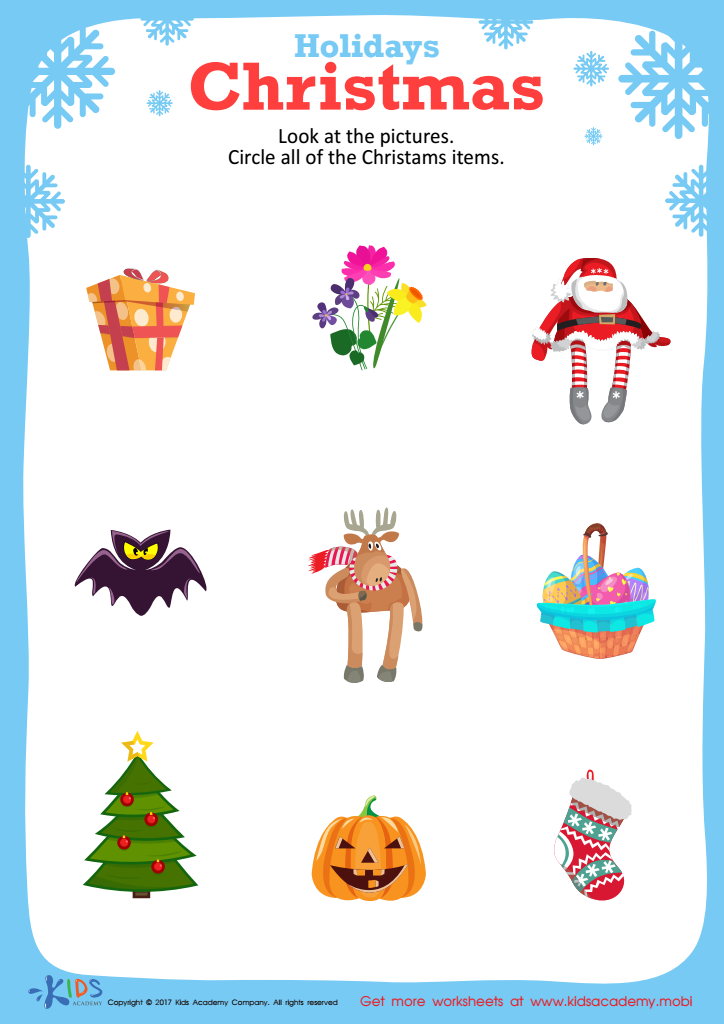
Christmas Holiday Worksheet




.jpg)



Parents and teachers should care about introducing "normal history" to children aged 4-8 because early exposure to historical concepts plays a crucial role in developing a well-rounded understanding of the world. At this age, children are highly curious and able to absorb new information quickly. Learning history helps cultivate a sense of identity and belonging by connecting young minds to past events, cultures, and people. These lessons foster empathy and cultural awareness.
Teaching history to this age group aids in developing critical thinking and inquiry skills. By exploring stories and historical facts, children learn to ask questions, understand cause and effect, and appreciate different perspectives. These skills are foundational for lifelong learning.
Moreover, age-appropriate historical content can be woven into engaging narratives, games, and activities that enhance literacy and communication skills. Instead of rote memorization, children can participate in immersive, hands-on experiences, which makes learning memorable and enjoyable.
Instilling a love for history early on encourages lifelong curiosity and an awareness of civic responsibility. Understanding past societal structures, achievements, and mistakes helps children recognize their role in shaping the future. Thus, parents and teachers provide essential tools for enduring educational growth and personal development by introducing history early.