Normal Tracing Words Worksheets for Ages 4-8 - Page 2
34 filtered results
-
From - To
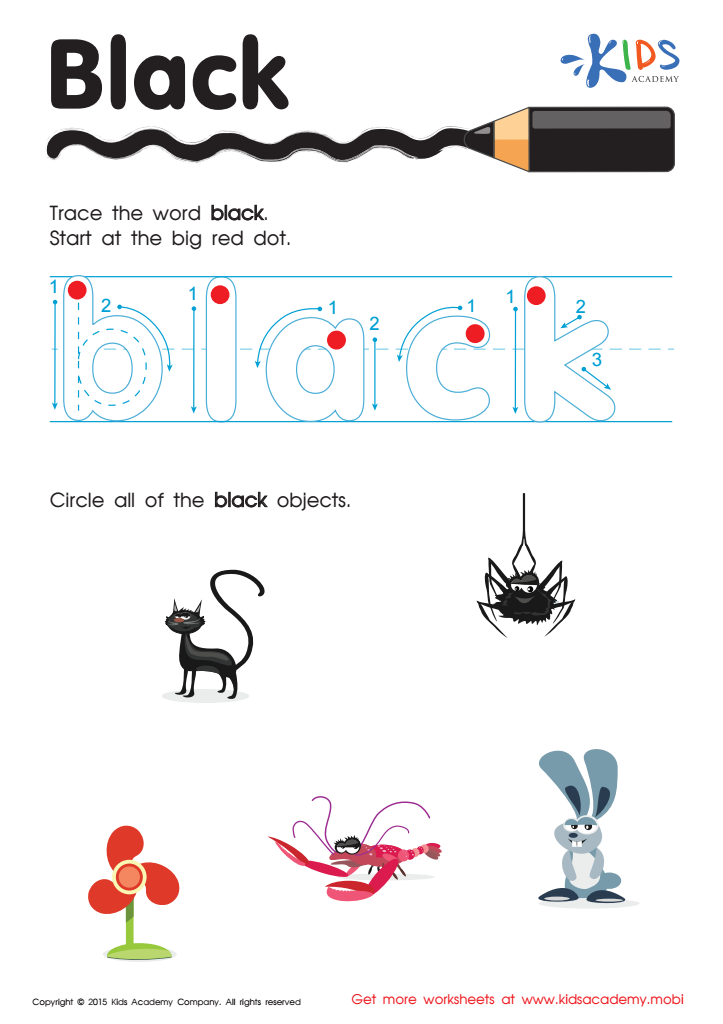
Black Tracing Color Words Printable
 Assign to My Students
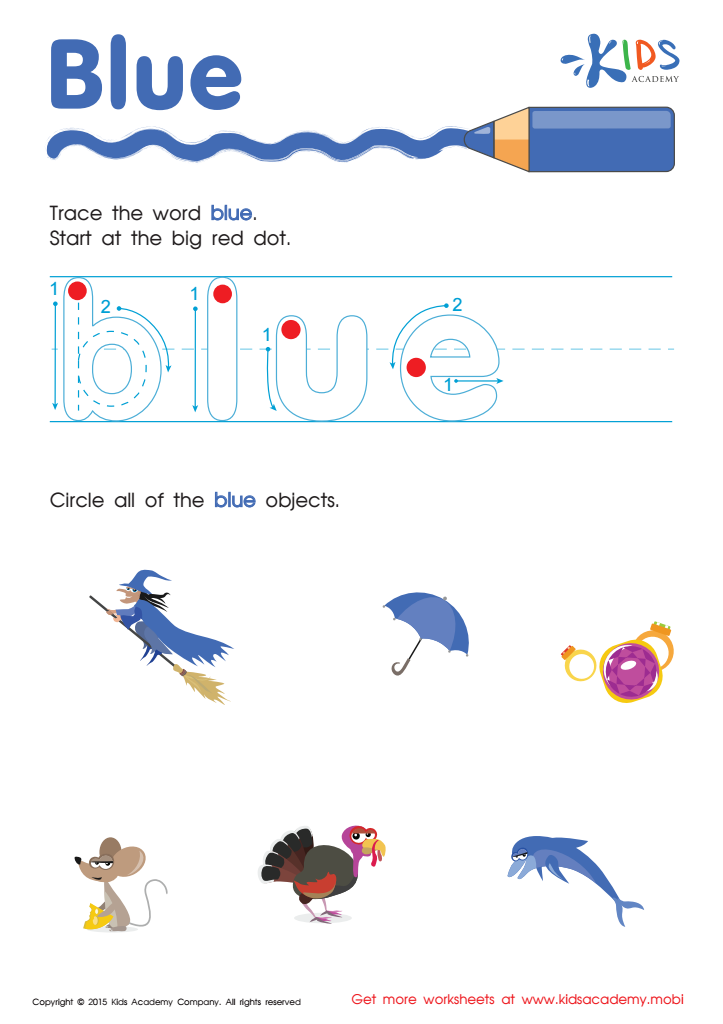
Blue Tracing Color Words Printable
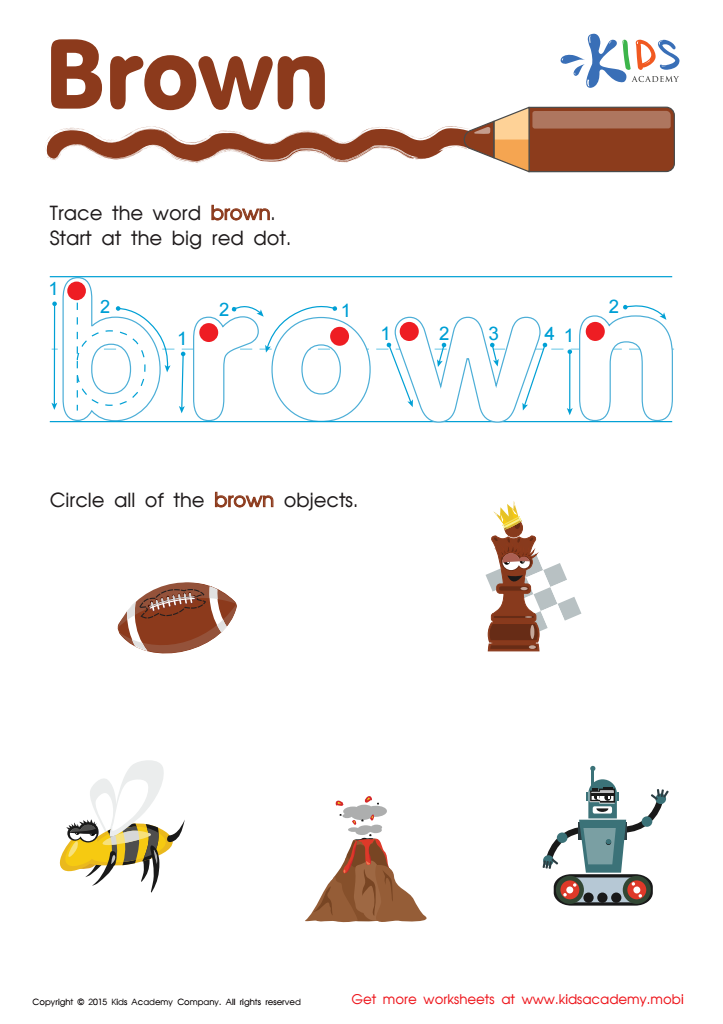
Brown Tracing Color Words Worksheet
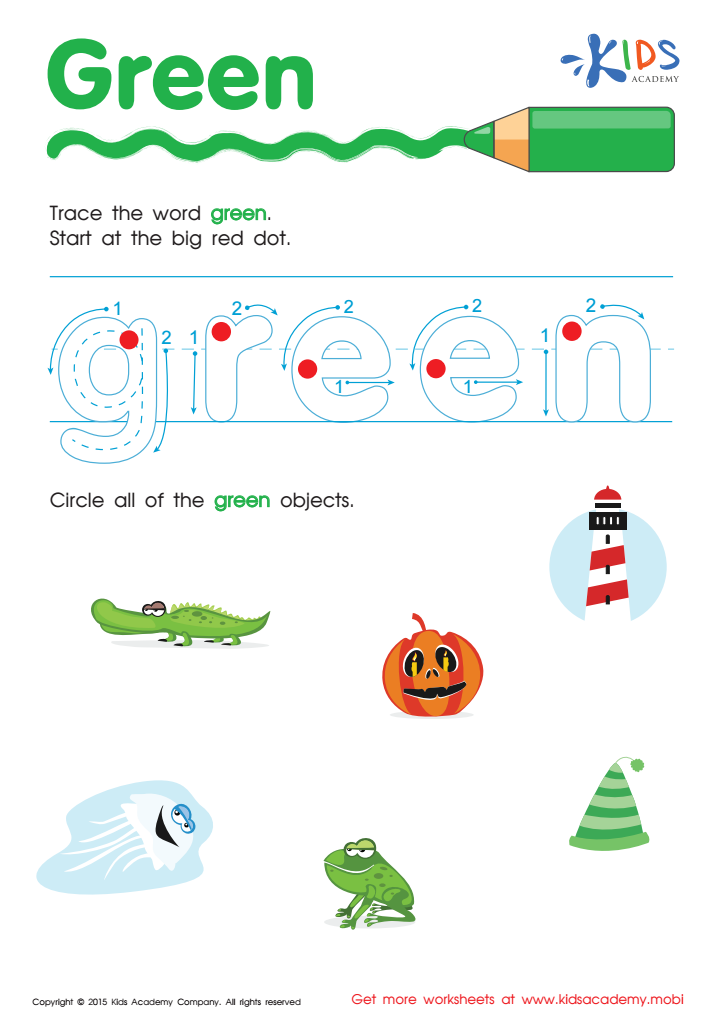
Green Tracing Color Words Worksheet
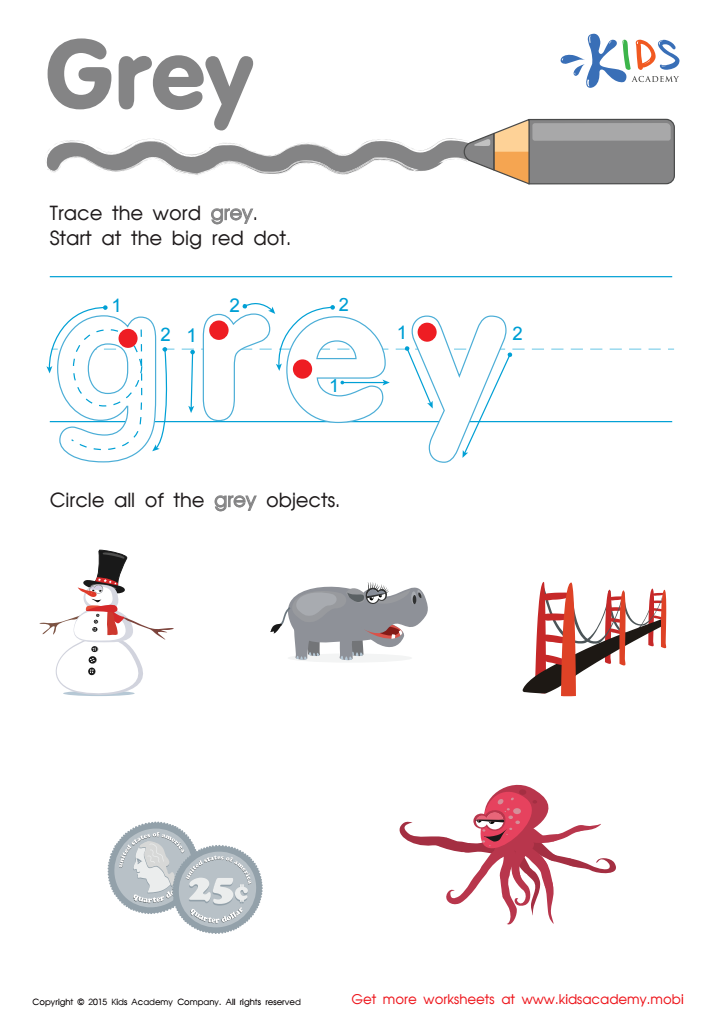
Grey Tracing Color Words Worksheet
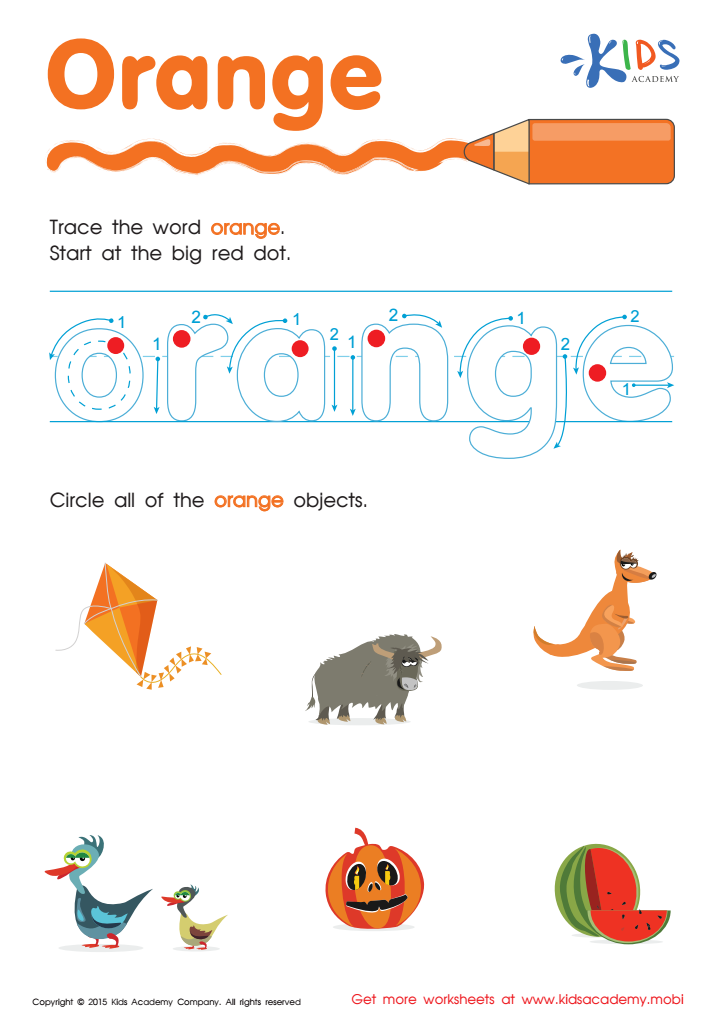
Orange Tracing Color Words Worksheet
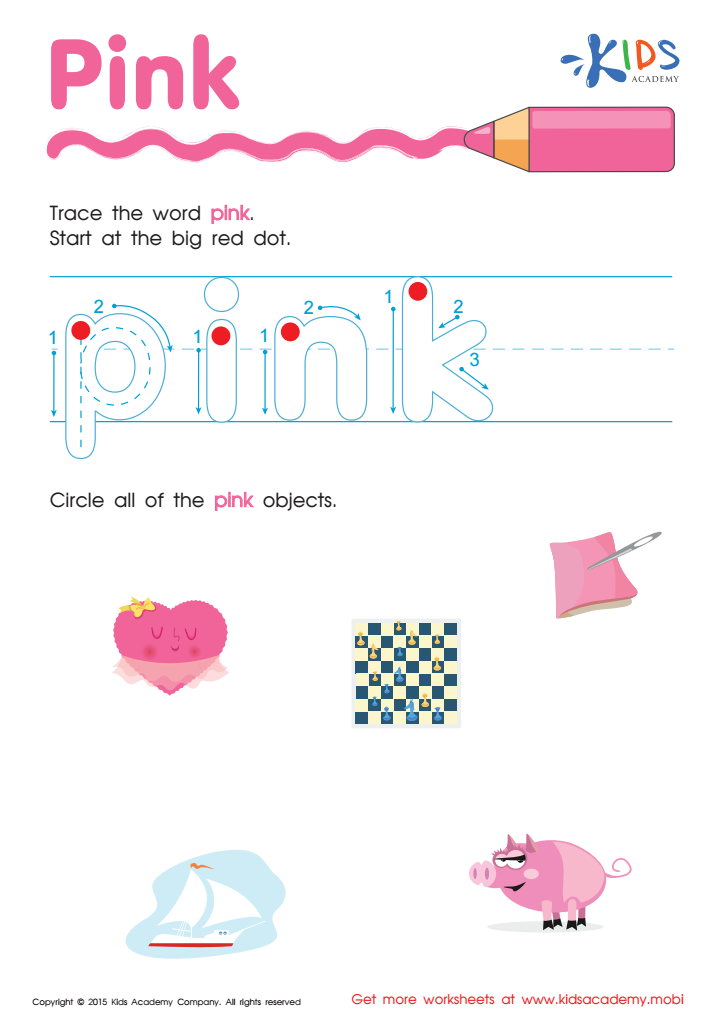
Pink Tracing Color Words Worksheet
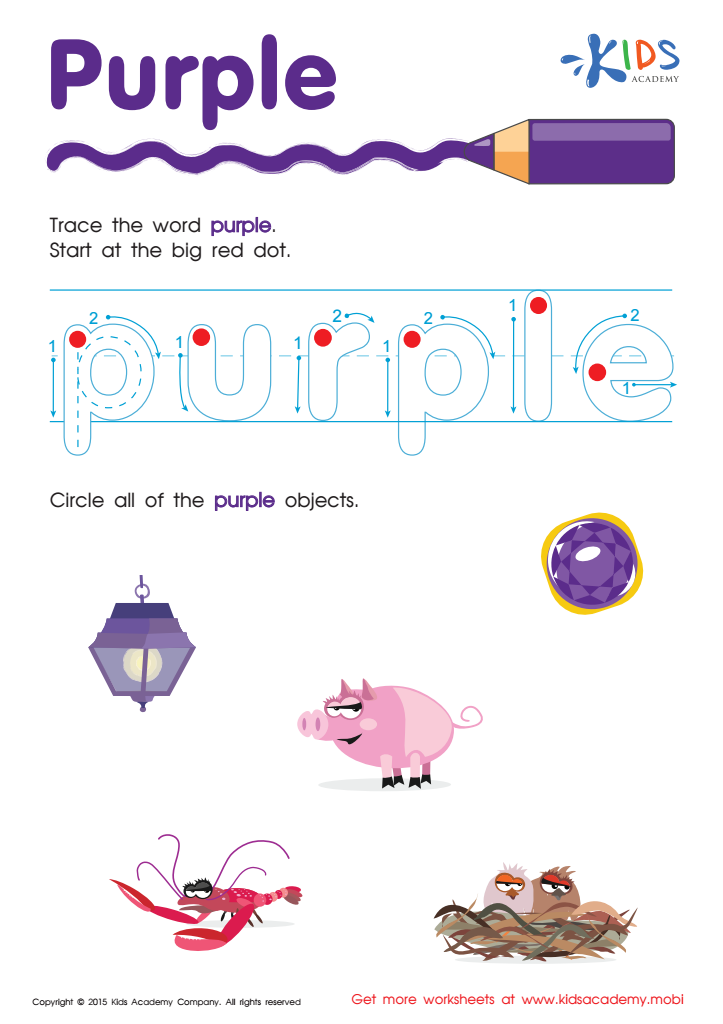
Purple Tracing Color Words Worksheet
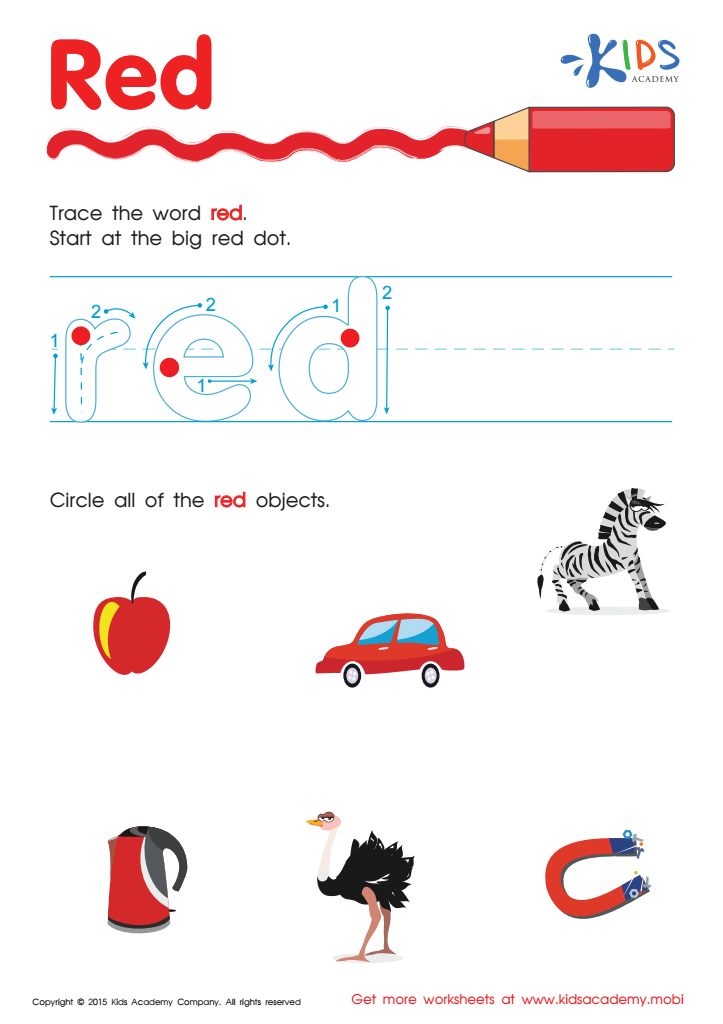
Red Tracing Color Words Printable
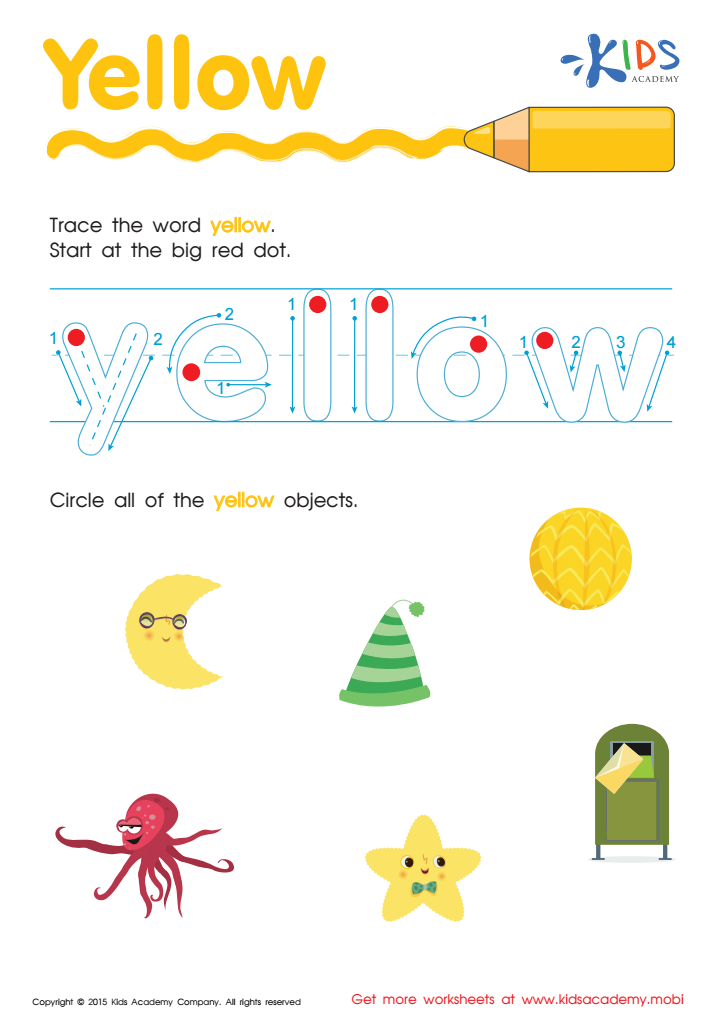
Yellow Tracing Color Words Worksheet








Parents and teachers should care about normal tracing words for children aged 4-8 because this activity is foundational for early literacy and fine motor skills development. Tracing words reinforces the child's understanding of the shapes and patterns of letters, which is critical in learning to write and read. During these formative years, children are like sponges, readily absorbing new information and skills. Engaging in tracing tasks helps them to internalize the alphabet and recognize letter variations, both in print and cursive forms.
Moreover, the act of tracing enhances fine motor skills. At this age, children are still developing muscle control and hand-eye coordination. Tracing words requires precision and control, which strengthens the small muscles in the fingers and wrists necessary for writing and other intricate tasks.
Additionally, this activity promotes cognitive development and focus. It demands attention to detail and patience, reinforcing these important cognitive skills. For kinesthetic learners, or those who learn best through doing, tracing words is a particularly effective learning strategy.
Finally, tracing words can boost a child's confidence. As children successfully trace letters and start to form words, they feel a sense of accomplishment. This positive reinforcement encourages a love of learning and sets the stage for ongoing educational success.