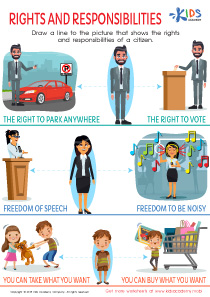
Normal Governance and Civics Worksheets for Ages 5-7 - Page 2
28 filtered results
-
From - To
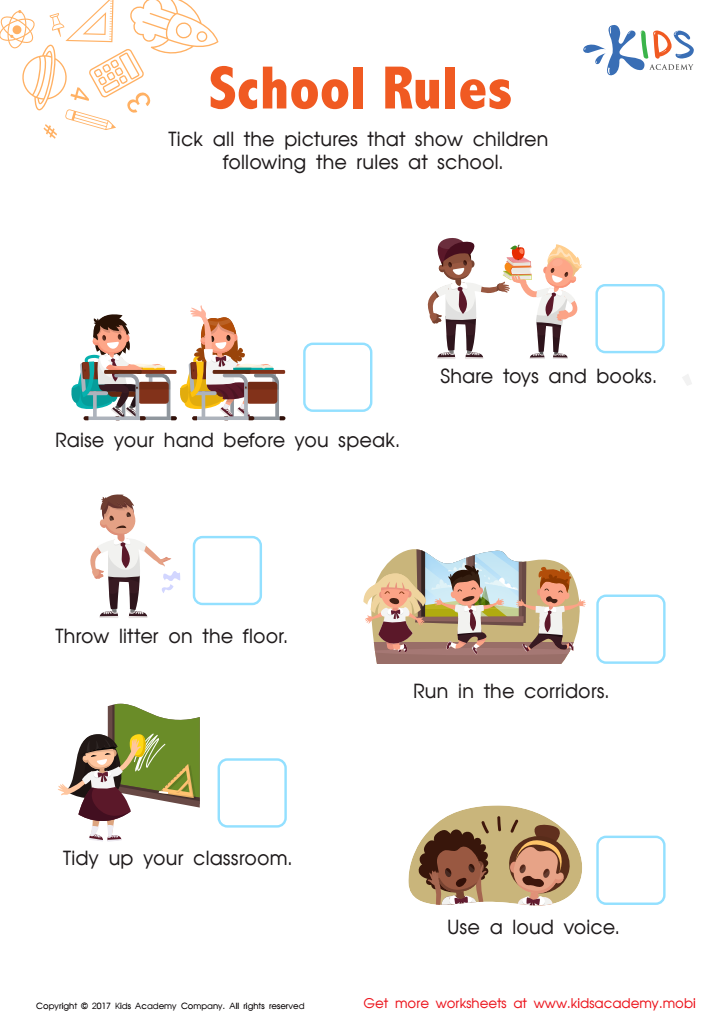
School Rules Worksheet
 Assign to My Students
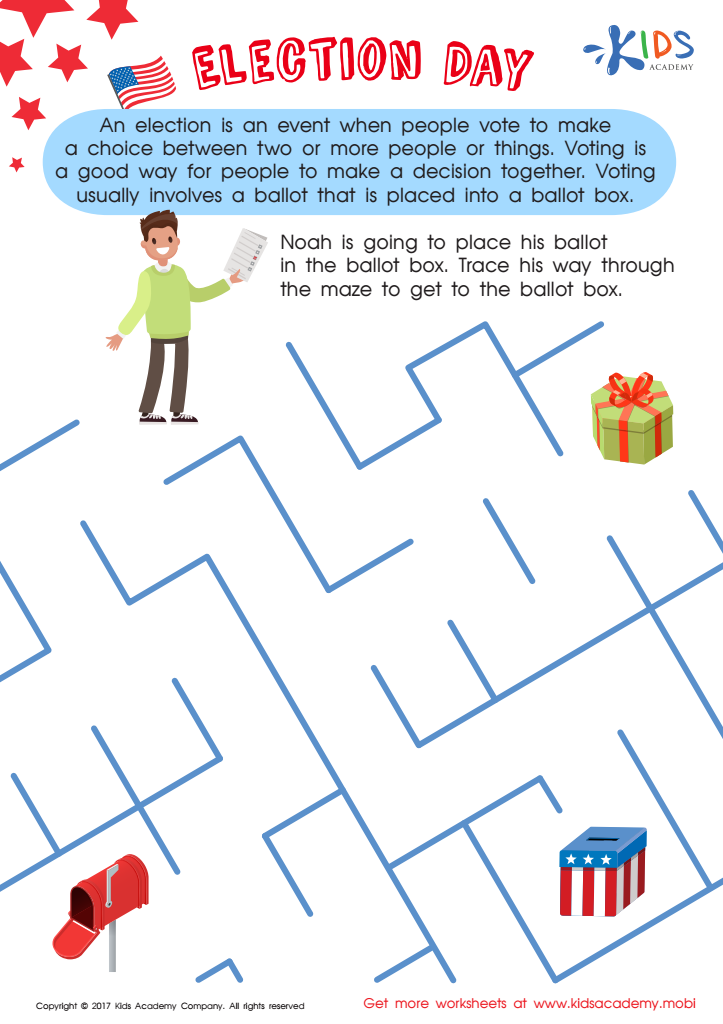
Election Day Worksheet
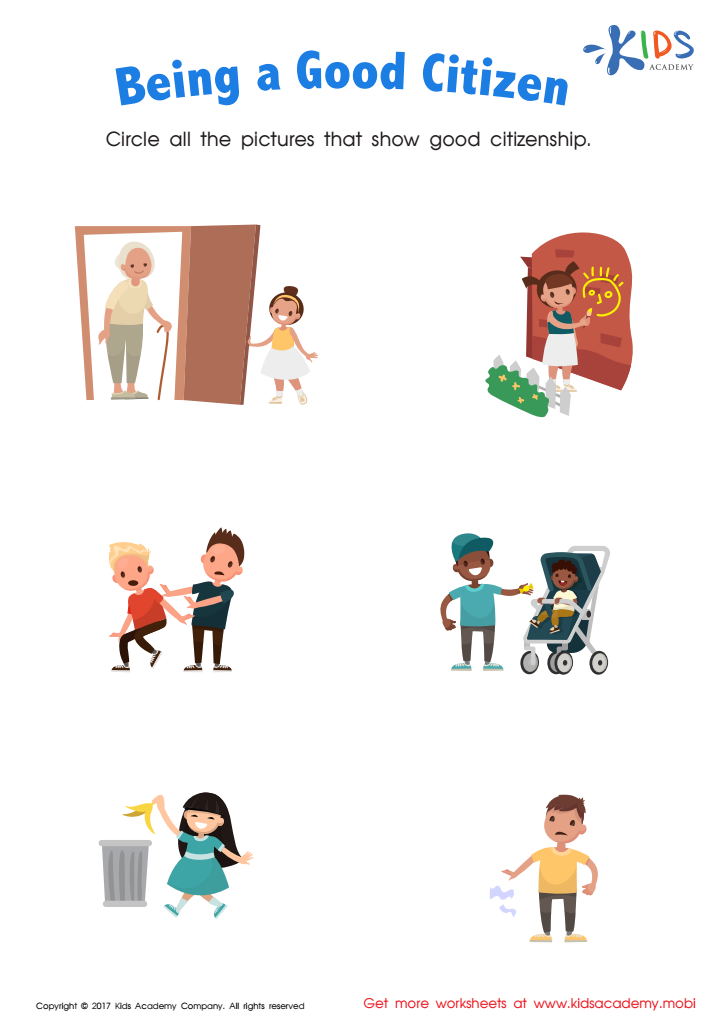
Being a Good Citizen Printable
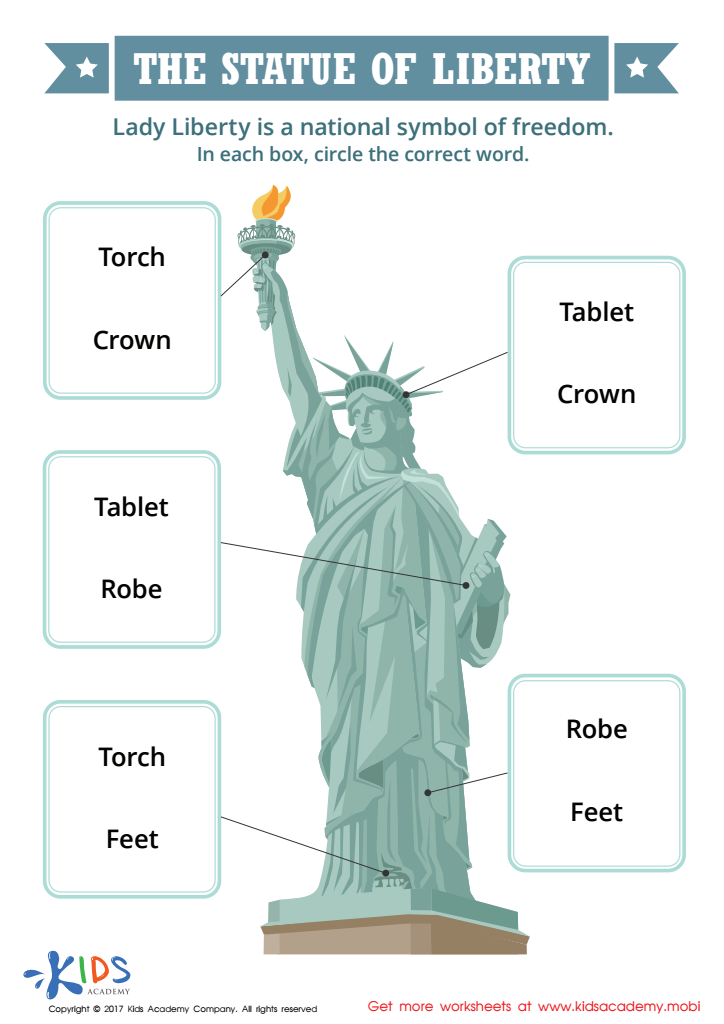
The Statue of Liberty Printable


Teaching normal governance and civics to young children, ages 5-7, is essential for multiple reasons. At this formative stage, children's brains are highly receptive to learning new concepts, including social values and fundamental civic principles. When teachers and parents introduce governance and civics, even in its simplest form, they lay the groundwork for responsible and informed citizenship.
First, understanding basic governance fosters a sense of community. When children learn about roles within a community, like the mayor, police officers, and teachers, they start to appreciate the importance of various civic duties and develop respect for those who serve the community.
Second, early civics education promotes a sense of fairness and justice. Discussions about simple rules and why they exist can help young minds grasp the significance of laws in maintaining a harmonious society. This understanding encourages them to follow rules while recognizing the importance of fairness and equity.
Lastly, learning about governance nurtures critical thinking and decision-making skills. Young children presented with basic scenarios about choosing a class representative or following community rules begin to understand the democratic process and the value of each individual’s opinion.
By instilling these principles early, parents and teachers ensure that children grow up to be engaged, responsible, and respectful members of society. Investing time in civics education at a young age yields benefits that extend far into their future lives as citizens.