Normal History Worksheets for Ages 5-7 - Page 2
25 filtered results
-
From - To
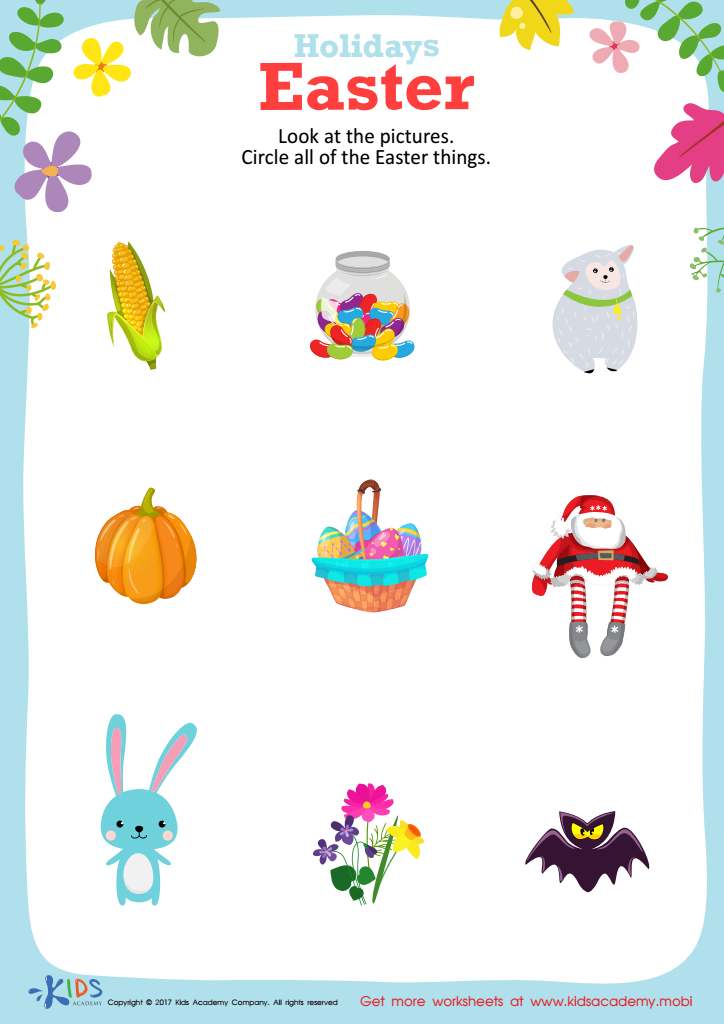
Easter Holiday Printable
 Assign to My Students








Teaching "Norman history" (or "normal" civilization history with relatable subjects) to children aged 5-7 provides foundational benefits. At this impressionable stage, young minds are highly curious and eager to absorb new information, making it the perfect time to introduce the basics of history in a simplified and engaging manner.
Firstly, learning about history helps children understand their place in the world. It gives them a sense of identity and helps them grasp the timeline and progression of humanity. Knowing about significant events and figures can inspire and make them feel connected to the broader human story.
Secondly, teaching history at this age nurtures critical thinking. Even simple historical concepts encourage kids to ask questions, comprehend cause-and-effect relationships, and recognize patterns in human behavior. These skills are not only pivotal for academic success but also essential for everyday problem-solving and decision-making.
Thirdly, history teaches values such as empathy, justice, and the importance of community. Learning about the past mistakes and triumphs of societies inculcates moral lessons that guide positive social interactions.
Introducing history using stories, music, arts, and play keeps learning joyful while instilling a love for discovery. Engaged, well-rounded children who have a sense of their roots are more likely to grow into curious, knowledgeable, and empathetic adults. Thus, early historical education is a cornerstone for young learners’ holistic development.